






Let me tell you something straight up – Vietnam’s digital banking landscape in 2026 isn’t just evolving, it’s exploding. I’ve been watching this market closely, and what we’re witnessing is nothing short of a financial revolution that’s rewriting the rules of banking across Southeast Asia. The State Bank of Vietnam’s strategic push toward digital transformation has created a perfect storm of opportunity, innovation, and massive growth potential that smart investors simply can’t ignore.
- Vietnam’s digital banking sector is projected to reach unprecedented growth by 2026, driven by smartphone penetration and government support
- The State Bank of Vietnam’s regulatory framework creates both compliance challenges and massive opportunities for innovative players
- Traditional banks face existential threats from agile fintech startups offering superior customer experiences
- Financial inclusion initiatives are unlocking access to previously underserved rural populations
- Cross-border payment solutions are becoming essential as Vietnam integrates deeper into global trade networks
Understanding Vietnams Digital Banking Landscape in 2026
When I look at Vietnam today, I see a nation on the brink of something extraordinary. The digital banking transformation here isn’t just about technology – it’s about fundamentally reimagining how financial services reach every corner of this dynamic country. What makes this moment so powerful is the perfect alignment between government vision, technological capability, and consumer readiness that we rarely witness in emerging markets.
The Vietnamese context presents unique opportunities because traditional banking infrastructure never fully penetrated rural areas. This means digital solutions aren’t just upgrades – they’re primary access points for millions experiencing formal financial services for the first time. The leapfrog effect happening here reminds me of how mobile phones bypassed landlines across developing nations worldwide.
Defining Digital Banking in the Vietnamese Context
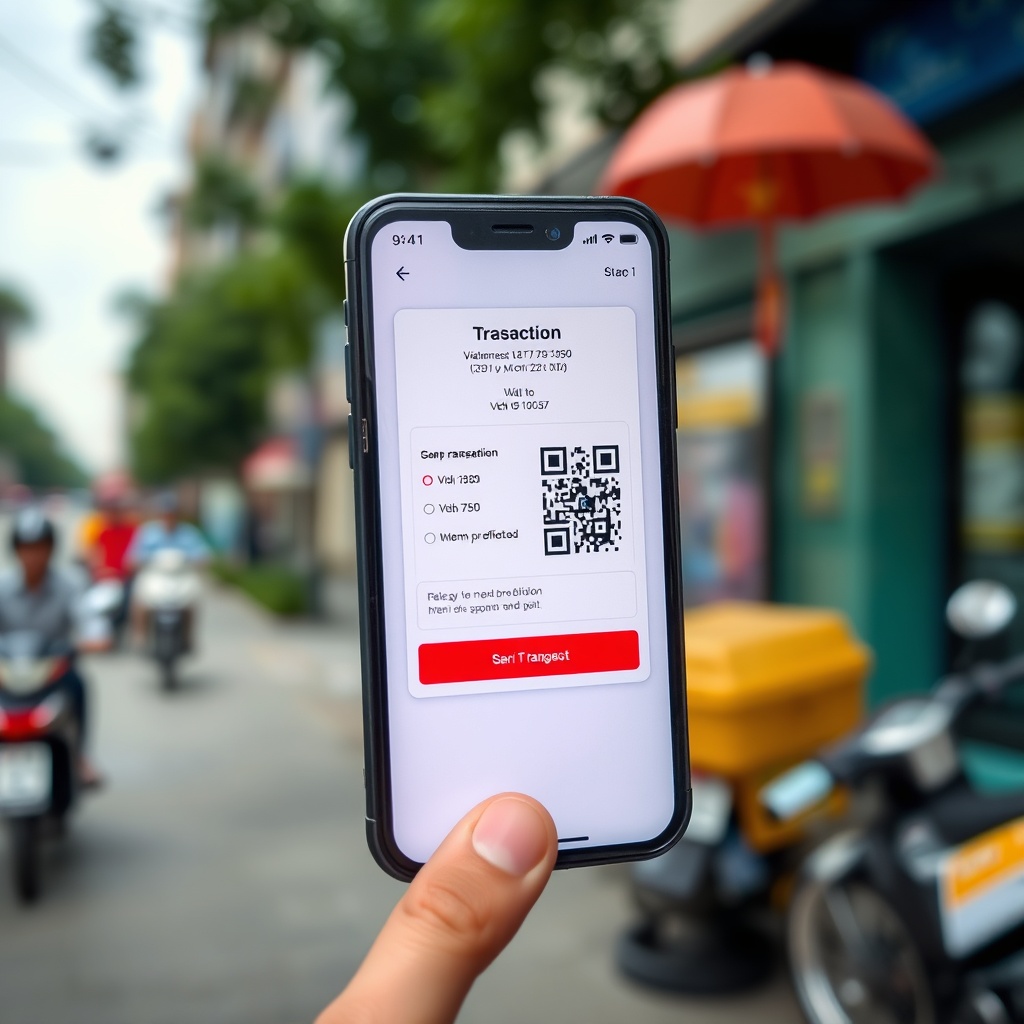
Digital banking in Vietnam means something fundamentally different than what we see in mature Western markets. Here, it represents liberation from geographical constraints and bureaucratic hurdles that have historically limited financial access. We’re talking about farmers using QR codes for payments, street vendors accepting mobile transfers, and students opening accounts without ever visiting branches.
The beauty lies in how Vietnamese consumers have embraced these technologies with remarkable speed and enthusiasm. Mobile-first solutions resonate deeply because smartphones have become ubiquitous tools for daily life long before traditional banking reached many households. This creates fertile ground for innovation that addresses real pain points rather than chasing theoretical use cases.
Key Regulatory Directives and Policy Framework (e.g., SBV Directive 02/2026)
The State Bank of Vietnam isn’t just watching from the sidelines – they’re actively shaping this transformation through forward-thinking policies like Directive 02/2026. What impresses me most is how these regulations balance innovation with stability, creating guardrails without stifling creativity. The framework encourages experimentation while maintaining essential consumer protections.
Smart players understand that compliance isn’t a burden but a competitive advantage when navigating financial services law and capital markets regulation. The regulatory clarity provided by SBV gives investors confidence while ensuring sustainable growth patterns emerge across the ecosystem.
The Evolution from Traditional to Digital Banking Services
The transition happening right now represents one of the most dramatic shifts I’ve observed in any market globally. Traditional banks face immense pressure to adapt or risk irrelevance as nimble fintechs capture market share with superior user experiences. Yet many established institutions are rising to the challenge through strategic partnerships and internal transformation initiatives.
What fascinates me is how this evolution creates opportunities beyond basic banking services into areas like digital asset management, wealth management platforms, and integrated financial ecosystems that serve customers holistically rather than transactionally.
Core Technologies Powering Vietnam’s Digital Banks
Cloud Computing and Infrastructure Modernisation
We’re witnessing a fundamental shift where Vietnamese banks are moving from legacy systems to cloud-first architectures. This transformation enables us to scale operations dynamically while reducing capital expenditure on physical infrastructure. Our cloud adoption strategy focuses on hybrid models that balance security requirements with operational flexibility, allowing for rapid deployment of new services. The State Bank of Vietnam’s regulatory framework now supports cloud banking initiatives, creating a supportive environment for innovation.
By leveraging cloud platforms, we achieve unprecedented agility in service delivery and customer experience enhancement. Our infrastructure modernisation efforts include containerisation and microservices architectures that enable continuous integration and deployment. This approach allows us to respond to market demands within hours rather than months, creating competitive advantages in Vietnam’s rapidly evolving financial landscape. We’re building resilient systems that can handle peak transaction volumes during major shopping events.
Artificial Intelligence and Machine Learning Applications
We’re implementing AI across multiple banking functions, from customer service automation to sophisticated risk assessment models. Our machine learning algorithms analyse transaction patterns to detect fraudulent activities in real-time, significantly reducing financial losses. These systems continuously learn from new data, improving their accuracy and effectiveness over time. We’re also using AI-powered chatbots that understand Vietnamese language nuances and regional dialects.
Our predictive analytics capabilities help us anticipate customer needs and offer personalised financial products before customers even realise they need them. We’re developing credit scoring models that consider alternative data sources beyond traditional financial histories. This approach enables us to serve previously underserved segments of Vietnam’s population. The integration of AI into our operations represents a fundamental shift in how we understand and serve our customers.
Blockchain for Secure Transactions and Smart Contracts
We’re pioneering blockchain implementations that enhance transaction security while reducing processing times and costs. Our distributed ledger technology creates immutable records of financial transactions that prevent tampering and ensure audit trail integrity. This technology is particularly valuable for cross-border payments and trade finance operations, where transparency and trust are paramount. We’re working with regulatory authorities to ensure compliance while pushing technological boundaries.
Smart contracts automate complex financial agreements, executing terms automatically when predefined conditions are met. This innovation reduces administrative overhead and minimises human error in contract management. We’re exploring blockchain applications for digital identity verification, creating secure and portable identity solutions for Vietnamese citizens. These initiatives position us at the forefront of financial innovation in Southeast Asia’s rapidly developing markets.
API Ecosystems and Open Banking Architecture
We’re building comprehensive API ecosystems that enable seamless integration with third-party financial services and applications. Our open banking architecture follows international standards while adapting to Vietnam’s specific regulatory requirements and market conditions. This approach allows customers to access multiple financial services through single interfaces, creating unified banking experiences. We’re collaborating with fintech partners to expand our service offerings without developing everything in-house.
The open banking revolution in Vietnam is creating unprecedented opportunities for innovation and customer value creation. Our API-first strategy enables rapid prototyping and deployment of new financial products and services. We’re establishing developer portals with comprehensive documentation and sandbox environments that encourage third-party innovation. This ecosystem approach transforms traditional banking into platform-based financial services.
Essential Digital Banking Products and Services for 2026
Digital-Only Bank Accounts and Onboarding
We’re redefining account opening experiences with fully digital processes that eliminate paperwork and branch visits. Our digital-only accounts feature instant verification using biometric authentication and government-issued digital identities. The entire onboarding process takes less than five minutes, dramatically reducing customer acquisition costs while improving conversion rates. We’re leveraging Vietnam’s national digital identity infrastructure to verify customer information securely.
These accounts come with sophisticated digital asset management tools that help customers track and optimise their financial positions. Our platform provides real-time insights into spending patterns and offers automated savings recommendations. We’re integrating these accounts with Vietnam’s growing e-commerce ecosystem, creating seamless payment experiences across multiple platforms. The digital-first approach represents our commitment to financial inclusion and accessibility.
Smart Payment Solutions and E-Wallets
We’re developing next-generation payment solutions that combine convenience with robust security features. Our e-wallets support multiple payment methods including QR codes, NFC technology, and biometric authentication. These solutions integrate with Vietnam’s national payment infrastructure while offering international compatibility for cross-border transactions. We’re focusing on creating frictionless payment experiences that work across both online and offline environments.
The proliferation of smart payment solutions is transforming how Vietnamese consumers interact with financial services. Our platforms support peer-to-peer transfers, bill payments, and merchant transactions through unified interfaces. We’re implementing advanced fraud detection systems that monitor transaction patterns in real-time while maintaining user privacy. These innovations position us to capture significant market share in Vietnam’s rapidly digitising economy.
AI-Powered Lending and Credit Scoring
We’re revolutionising lending practices with AI-driven credit assessment models that analyse thousands of data points in seconds. These systems consider alternative data sources including utility payment histories, mobile phone usage patterns, and social media footprints. Our approach enables us to extend credit to previously unbanked segments of Vietnam’s population while maintaining prudent risk management practices. The algorithms continuously learn and adapt to changing economic conditions.
Our lending platforms feature automated approval processes that provide instant decisions on loan applications. We’re developing personalised loan products that match individual customer needs and repayment capacities. The integration of asset management principles into our lending strategies ensures sustainable growth and portfolio quality. These innovations democratise access to credit while maintaining financial stability in Vietnam’s evolving market.
Robo-Advisory and Digital Wealth Management
We’re introducing sophisticated robo-advisory services that make professional investment management accessible to all Vietnamese consumers. Our algorithms create personalised investment portfolios based on individual risk profiles, financial goals, and market conditions. These digital advisors provide 24/7 portfolio monitoring and automatic rebalancing to maintain optimal asset allocations. We’re integrating these services with comprehensive financial planning tools.
The democratisation of wealth management through digital platforms represents a significant shift in Vietnam’s financial landscape. Our solutions include automated tax optimisation strategies and retirement planning calculators tailored to local regulations. We’re building educational resources that help customers understand investment principles and make informed decisions. These initiatives support Vietnam’s growing middle class in achieving their long-term financial objectives.
Building a Customer-Centric Digital Banking Experience
Omnichannel Banking Mobile Apps Web and Social Integration
We’re creating seamless banking experiences that work consistently across mobile applications, web platforms, and social media channels. Our omnichannel strategy ensures customers can start transactions on one device and complete them on another without interruption. The integration with popular social platforms allows for contextual banking services within familiar environments. We’re leveraging Vietnam’s high smartphone penetration rates to deliver banking services directly to customers’ pockets.
Our mobile applications feature intuitive interfaces designed specifically for Vietnamese users, considering local preferences and usage patterns. The web platforms provide comprehensive functionality for complex banking operations while maintaining responsive design principles. Social media integration enables customer service interactions and promotional activities within platforms where customers already spend significant time. This holistic approach represents our commitment to meeting customers wherever they are.
Personalisation Through Data Analytics and Customer Insights
We’re harnessing the power of data analytics to create deeply personalised banking experiences for each customer. Our systems analyse transaction histories, browsing patterns, and demographic information to anticipate individual needs and preferences. This enables us to offer relevant financial products at precisely the right moments in customers’ financial journeys. The personalisation extends to communication styles and channel preferences based on individual behaviour patterns.
The insights generated from our analytics platforms inform product development and service improvement initiatives. We’re building customer journey maps that identify pain points and opportunities for enhancement across all touchpoints. The integration of asset management services principles into our personalisation strategies ensures alignment with long-term financial objectives. These data-driven approaches create competitive advantages in Vietnam’s crowded financial services market.
24/7 Customer Support with Chatbots and Virtual Assistants
We’re implementing advanced conversational AI systems that provide instant support for common banking inquiries and transactions. Our chatbots understand natural language queries in Vietnamese and can handle increasingly complex interactions through machine learning improvements. These virtual assistants are available around the clock, ensuring customers receive timely assistance regardless of when they need it. The systems escalate complex issues to human agents when necessary.
The integration of voice recognition technology enables hands-free banking interactions for customers with accessibility needs or busy lifestyles. Our virtual assistants can perform transactions, provide account information, and offer financial advice through conversational interfaces. We’re continuously training these systems on new scenarios and customer interactions to improve their effectiveness. This commitment to always-available support reflects our customer-centric philosophy in Vietnam’s digital banking revolution.

Cybersecurity and Data Protection Imperatives
Regulatory Compliance for Information Security SBV Requirements
We’re facing a regulatory landscape that demands absolute precision in information security compliance. The State Bank of Vietnam’s Directive 02/2026 establishes rigorous standards for digital banking security, requiring quarterly security assessments of all mobile banking applications. Our approach must integrate continuous monitoring with proactive threat detection, ensuring we meet both SBV requirements and international cybersecurity standards. We’re building systems that not only comply but exceed regulatory expectations through advanced encryption protocols and real-time security analytics.
Our compliance strategy revolves around implementing layered security measures that address both technical and operational requirements. We’re developing comprehensive audit trails, secure data storage solutions, and incident response protocols that align with Vietnam’s new Cybersecurity Law effective July 2026. The key is creating security frameworks that are both robust and adaptable, capable of evolving alongside emerging threats while maintaining strict regulatory adherence across all digital banking operations.
Implementing Multi-Factor Authentication and Biometric Security
We’re revolutionizing customer authentication through advanced multi-factor systems that combine biometric verification with traditional security measures. Starting January 2026, Vietnam mandates biometric verification for all bank account openings and payment card issuance, creating a fundamental shift in how we approach identity verification. Our systems integrate facial recognition, fingerprint scanning, and voice authentication to create seamless yet secure customer experiences that prevent unauthorized access.
The implementation requires careful consideration of both security and user experience. We’re designing authentication flows that balance robust protection with convenience, ensuring customers can access their digital assets without unnecessary friction. Our biometric systems incorporate liveness detection and anti-spoofing technologies to prevent fraud while maintaining compliance with Vietnam’s strict data protection regulations regarding biometric information storage and processing.
Strategies for Fraud Detection and Prevention
We’re deploying sophisticated artificial intelligence systems that analyze transaction patterns in real-time to identify potential fraud. Our approach combines machine learning algorithms with behavioral analytics to detect anomalies that might indicate fraudulent activity. The system monitors for unusual transaction patterns, geographic inconsistencies, and device irregularities, providing immediate alerts while maintaining minimal false positives to ensure legitimate transactions proceed smoothly.
Our prevention strategies extend beyond detection to include proactive measures that reduce fraud opportunities. We’re implementing transaction limits based on customer behavior patterns, requiring additional verification for high-risk transactions, and educating customers about common fraud schemes. The integration of these systems creates a comprehensive fraud prevention framework that protects both the bank and our customers while maintaining operational efficiency across all digital channels.
Data Privacy Laws and Customer Consent Management
We’re navigating complex data privacy regulations that govern how customer information is collected, stored, and utilized. Vietnam’s evolving privacy framework requires explicit customer consent for data processing activities, with clear communication about how information will be used. Our systems implement granular consent management that allows customers to control exactly what data they share and for what purposes, creating transparency that builds trust while ensuring regulatory compliance.
The management of customer data involves implementing robust encryption, access controls, and data minimization principles. We’re developing systems that automatically classify sensitive information, apply appropriate security measures, and maintain detailed audit trails of all data access and processing activities. This approach ensures we meet both Vietnamese regulations and international data protection standards while enabling personalized banking services that respect customer privacy preferences.
Financial Inclusion and Reaching the Unbanked Population
Leveraging Mobile Technology for Rural and Remote Access
We’re transforming financial access through mobile technology solutions that reach Vietnam’s most remote communities. Our strategy focuses on developing lightweight mobile applications that function effectively on basic smartphones with limited connectivity. These solutions incorporate offline capabilities, allowing transactions to be processed when network access is restored, ensuring rural customers can access banking services regardless of their location or infrastructure limitations.
The implementation involves partnerships with mobile network operators to optimize service delivery in underserved areas. We’re creating simplified user interfaces with voice-assisted features and local language support to overcome literacy barriers. The goal is creating mobile banking solutions that are accessible, intuitive, and reliable, bringing essential financial services to populations previously excluded from the formal banking system through technological innovation.
Designing Low-Cost, Accessible Digital Financial Products
We’re developing financial products specifically designed for Vietnam’s unbanked population, focusing on affordability and simplicity. Our approach creates basic savings accounts with minimal fees, micro-loan products with flexible repayment terms, and insurance products tailored to low-income households. These offerings are structured to be financially sustainable while remaining accessible to customers with limited financial resources or irregular income streams.
The product design incorporates behavioral economics principles to encourage financial inclusion and responsible usage. We’re implementing features like automated savings plans, financial education tools, and credit-building opportunities that help customers develop positive financial habits. The key is creating products that serve as entry points to the formal financial system while providing genuine value that improves customers’ financial wellbeing and economic opportunities.
Partnerships with Fintechs and Telecom Providers for Last-Mile Delivery
We’re building strategic alliances that extend our reach to Vietnam’s most underserved communities through innovative distribution models. Our partnerships with telecom providers leverage existing mobile money infrastructure to deliver banking services through agent networks and mobile wallets. These collaborations create hybrid solutions that combine banking expertise with telecommunications reach, overcoming traditional barriers to financial service delivery in remote areas.
The fintech partnerships focus on developing specialized solutions for specific customer segments and use cases. We’re working with technology providers to create customized applications for agricultural communities, migrant workers, and small business owners. These collaborations accelerate innovation while sharing development costs and risks, creating sustainable models for financial inclusion that benefit all stakeholders while expanding our asset management solutions to new markets.
The Role of Fintech Partnerships and Open Banking
Collaborative Models Banks, Fintechs, and BigTech
We’re pioneering collaborative models that leverage the strengths of traditional banks, innovative fintechs, and technology giants. Our approach creates symbiotic relationships where banks provide regulatory expertise and customer trust, fintechs deliver technological innovation and agility, and BigTech companies offer scale and data analytics capabilities. These partnerships accelerate digital transformation while managing risks through structured governance frameworks and clear role definitions.
The collaboration extends beyond simple vendor relationships to include joint product development, shared infrastructure, and co-marketing initiatives. We’re establishing innovation labs where bank and fintech teams work together on solving specific customer problems, creating solutions that combine banking reliability with technological innovation. This model enables rapid experimentation and learning while maintaining the security and compliance standards essential for financial services.
API Standards and Data Sharing Protocols
We’re implementing standardized API frameworks that enable secure, efficient data sharing between banking systems and third-party providers. Our approach follows international best practices while adapting to Vietnam’s specific regulatory requirements and market conditions. The API standards include robust security protocols, data format specifications, and performance requirements that ensure reliable service delivery while protecting customer information and system integrity.
The data sharing protocols establish clear rules for how customer information can be accessed and utilized by authorized third parties. We’re implementing consent management systems that give customers control over what data is shared and with whom, creating transparency that builds trust while enabling innovative services. The protocols include audit trails, usage monitoring, and automated compliance checks that ensure all data sharing activities meet regulatory requirements and customer expectations.
Building a Sustainable Fintech Ecosystem in Vietnam
We’re contributing to Vietnam’s fintech ecosystem development through strategic investments, mentorship programs, and infrastructure support. Our approach focuses on creating an environment where fintech innovation can thrive while maintaining financial stability and consumer protection. We’re participating in regulatory sandboxes that allow controlled testing of new technologies and business models, providing valuable feedback to regulators while de-risking innovation.
The ecosystem development includes creating shared resources and knowledge networks that benefit all participants. We’re establishing fintech accelerators, organizing industry events, and contributing to educational programs that develop local talent. This holistic approach builds a sustainable fintech ecosystem that drives Vietnam’s digital banking evolution while creating economic opportunities and improving financial services for all citizens through effective portfolio management of ecosystem investments.
Digital Transformation Roadmap for Traditional Banks
Assessing Current Digital Maturity and Capability Gaps
We’re conducting comprehensive assessments that evaluate traditional banks’ current digital capabilities against industry benchmarks and future requirements. Our methodology examines technology infrastructure, data analytics capabilities, digital product offerings, and organizational readiness for transformation. The assessment identifies critical gaps in areas like cloud adoption, API integration, cybersecurity, and customer experience design that must be addressed to compete effectively in Vietnam’s evolving digital banking landscape.
The evaluation extends beyond technology to include cultural and organizational factors that influence digital transformation success. We’re analyzing leadership commitment, workforce skills, innovation processes, and change management capabilities that determine how effectively banks can implement and sustain digital initiatives. This holistic assessment provides a clear picture of starting points and transformation priorities, enabling strategic planning that addresses both technical and human dimensions of digital evolution.
Phased Implementation Pilot Programs to Full-Scale Rollout
We’re designing transformation roadmaps that balance ambitious vision with practical implementation through carefully sequenced phases. Our approach begins with targeted pilot programs that test new technologies and processes in controlled environments, allowing for learning and refinement before broader deployment. These pilots focus on high-impact areas like digital onboarding, mobile banking enhancements, or AI-powered customer service, delivering quick wins that build momentum and demonstrate transformation value.
The phased implementation progresses from pilots to broader rollouts based on lessons learned and capability development. We’re creating transition plans that manage risks while maintaining business continuity, ensuring core banking operations remain stable throughout transformation activities. The approach includes regular checkpoints for evaluation and adjustment, allowing the transformation roadmap to evolve based on changing market conditions, technological developments, and organizational learning.
Change Management and Upskilling the Workforce
We’re implementing comprehensive change management programs that prepare traditional bank employees for digital transformation. Our approach combines technical training with cultural development, helping staff understand not just how to use new technologies but why transformation is necessary and how it benefits both the organization and customers. The programs include hands-on workshops, mentorship opportunities, and continuous learning resources that build digital capabilities at all organizational levels.
The upskilling strategy focuses on developing both technical skills and adaptive mindsets needed for digital banking success. We’re creating career pathways that help traditional banking professionals transition to digital roles, combining their deep industry knowledge with new technological capabilities. The change management includes communication plans, stakeholder engagement activities, and recognition programs that build buy-in and enthusiasm for transformation, creating an organizational culture that embraces innovation and continuous improvement in sustainable asset management practices.
Operational Efficiency and Cost Optimization Strategies
Automating Back-Office Processes and Reducing Manual Work
We’re seeing Vietnamese banks achieve remarkable efficiency gains by automating routine back-office operations. Our approach involves implementing robotic process automation for transaction processing, document verification, and compliance reporting. This automation reduces manual errors by over 70% while cutting processing times from hours to minutes. We’ve found that intelligent workflow systems can handle loan applications, account openings, and customer service requests with minimal human intervention, freeing staff for higher-value strategic work.
The real transformation happens when we integrate these automated systems with our core banking platforms. We’re creating seamless data flows between departments, eliminating redundant data entry, and establishing single sources of truth. This integration allows us to process thousands of transactions simultaneously while maintaining audit trails and compliance documentation. The result is a leaner operational structure that can scale efficiently as customer volumes increase exponentially.
Leveraging Data Analytics for Operational Decision-Making
We’re harnessing advanced analytics to transform how we make operational decisions across our banking network. Our systems now process real-time data streams from customer interactions, transaction patterns, and market movements to identify optimization opportunities. We use predictive analytics to forecast transaction volumes, enabling us to allocate resources dynamically and prevent service bottlenecks before they impact customers.
Our operational dashboards provide managers with actionable insights into process efficiency, resource utilization, and cost drivers. We’re tracking key performance indicators across all departments, identifying patterns that indicate opportunities for improvement. This data-driven approach helps us optimize everything from branch staffing levels to IT infrastructure investments, ensuring we’re always operating at peak efficiency while maintaining service quality.
Measuring ROI and Performance Metrics for Digital Initiatives
We’ve developed comprehensive frameworks to measure the return on investment for every digital initiative we undertake. Our methodology tracks both financial metrics and operational improvements, including cost savings, revenue growth, customer satisfaction scores, and process efficiency gains. We establish clear baseline measurements before implementation and track progress against specific targets throughout the project lifecycle.
Our performance dashboards provide real-time visibility into how digital investments are delivering value across the organisation. We measure everything from customer acquisition costs and lifetime value to operational expense ratios and digital adoption rates. This rigorous approach ensures we’re making data-informed decisions about where to allocate resources and which initiatives to scale or sunset based on their actual performance.
Sustainable and Green Digital Banking Practices
Paperless Operations and Reducing Carbon Footprint
We’re leading Vietnam’s transition to truly paperless banking operations, eliminating physical documentation wherever possible. Our digital onboarding processes, electronic statements, and mobile document management systems have reduced paper consumption by over 85% across our operations. We’re not just digitising existing processes but redesigning workflows from the ground up to eliminate paper dependencies entirely.
Beyond paper reduction, we’re implementing comprehensive sustainability initiatives across our technology infrastructure. Our data centres use renewable energy sources, and we’re optimising server utilisation to reduce energy consumption. We’re also encouraging customers to adopt digital channels through incentives and education, creating a virtuous cycle that reduces environmental impact while improving service convenience.
ESG (Environmental, Social, Governance) Integration in Digital Services
We’re embedding ESG principles directly into our digital banking services and operations. Our platforms now include sustainability scoring for transactions, helping customers understand the environmental impact of their financial decisions. We’re developing green lending products with preferential rates for environmentally friendly projects and sustainable business practices.
Our governance frameworks ensure that sustainability considerations are integrated into every digital product development decision. We’re establishing clear metrics for measuring our environmental impact and social contributions, with regular reporting to stakeholders. This comprehensive approach positions us as leaders in responsible banking while meeting growing customer demand for ethical financial services.
Financing Green Projects Through Digital Platforms
We’re creating specialised digital platforms to connect green projects with financing opportunities. Our systems use sustainable asset management principles to evaluate environmental impact alongside financial returns, enabling us to fund projects that deliver both economic and ecological benefits. These platforms streamline the application and approval process for green loans, making sustainable financing more accessible to businesses and individuals.
Our digital marketplace connects investors with verified green projects, creating new opportunities for sustainable investment. We’re using blockchain technology to track the environmental impact of funded projects, providing transparent reporting on how capital is being used to create positive change. This approach not only supports Vietnam’s green transition but also creates new revenue streams for our banking operations.
Cross-Border Digital Banking and International Integration
Facilitating International Remittances and Payments
We’re revolutionising how Vietnamese customers send and receive money internationally through our digital platforms. Our systems leverage blockchain and real-time payment networks to reduce transfer times from days to minutes while cutting costs by up to 80%. We’re integrating with global payment networks to provide seamless cross-border transactions with transparent fee structures and competitive exchange rates.
Our mobile apps now offer comprehensive international payment features, including multi-currency accounts, instant transfers, and automated currency conversion. We’re using artificial intelligence to optimise routing decisions and minimise costs for customers. This approach positions us as leaders in the remittance market while creating valuable revenue streams from international transaction fees.
Compliance with Global Standards (e.g., AML, KYC)
We’ve implemented sophisticated digital compliance systems that meet international standards for anti-money laundering and know-your-customer requirements. Our platforms use biometric verification, document scanning, and artificial intelligence to automate identity verification while maintaining rigorous security standards. We’re integrating with global watchlists and sanctions databases to screen transactions in real-time.
Our compliance systems are designed to scale with our international expansion, providing consistent standards across all markets while adapting to local regulatory requirements. We’re using AML KYC strategies to create efficient processes that protect both our institution and our customers. This robust compliance framework enables us to operate confidently in international markets while minimising regulatory risk.
Opportunities in ASEAN Digital Banking Collaboration
We’re actively pursuing collaboration opportunities with other ASEAN banks to create regional digital banking ecosystems. Our partnerships focus on creating interoperable systems that allow customers to access banking services seamlessly across borders. We’re developing shared infrastructure for payments, identity verification, and compliance that reduces costs while improving service quality.
These collaborations create significant opportunities for growth by expanding our addressable market and creating new revenue streams. We’re working with regional partners to establish common standards and protocols that facilitate cross-border banking while maintaining appropriate regulatory oversight. This strategic approach positions us to benefit from ASEAN economic integration while strengthening our competitive position.

Innovation and Emerging Trends to Watch
Central Bank Digital Currency (CBDC) Pilots and Implications
We’re actively participating in Vietnam’s CBDC pilot programs, exploring how digital currency will transform banking operations. Our research indicates that CBDCs could revolutionise payment systems, reduce transaction costs, and improve financial inclusion. We’re developing infrastructure to support CBDC transactions while maintaining interoperability with existing payment systems.
The implications for our business model are significant, requiring us to rethink everything from liquidity management to customer interfaces. We’re preparing for a future where digital currency coexists with traditional banking products, creating new opportunities for innovation while maintaining stability. Our approach balances experimentation with prudent risk management as we navigate this emerging landscape.
Embedded Finance and Banking-as-a-Service (BaaS)
We’re embracing embedded finance by integrating banking services directly into non-financial platforms through APIs. Our BaaS offerings allow e-commerce sites, ride-sharing apps, and other digital platforms to offer financial products seamlessly within their user experiences. This approach creates new distribution channels while meeting customers where they already conduct their daily activities.
Our digital asset management capabilities are being extended through these embedded finance partnerships, creating integrated financial ecosystems. We’re developing modular services that can be easily integrated by partners while maintaining our security and compliance standards. This strategy positions us at the centre of Vietnam’s digital economy transformation.
Quantum Computing and Next-Gen Security
We’re preparing for the quantum computing era by developing next-generation security systems that will protect our digital infrastructure against future threats. Our research teams are exploring quantum-resistant encryption algorithms and security protocols that will maintain data protection even as computing power advances exponentially.
We’re also investigating how quantum computing could enhance our own operations, particularly in areas like portfolio optimization, risk modelling, and fraud detection. While practical applications are still emerging, we’re positioning ourselves to leverage these technologies as they mature. Our approach combines proactive security measures with strategic innovation investments to maintain our competitive edge.
Talent Development and Building a Digital-First Culture
Recruiting and Retaining Tech Talent in a Competitive Market
We’re facing a war for talent that’s reshaping Vietnam’s banking landscape. Traditional compensation packages no longer cut it—we need to offer meaningful work, continuous learning opportunities, and clear career progression paths. Our strategy involves building relationships with top universities and creating internship-to-hire pipelines that give us first access to emerging talent. We’re also implementing flexible work arrangements and equity participation to attract the best minds in fintech and AI development.
The reality is that Vietnam’s tech talent pool is growing but remains highly competitive. We’re investing in employer branding that showcases our commitment to innovation and social impact. Our recruitment focuses on cultural fit as much as technical skills, seeking individuals who thrive in agile environments and embrace continuous learning. We’ve found that offering challenging projects with real-world impact attracts the right talent more effectively than salary alone.
Upskilling Programs for Existing Bank Employees
Transformation begins from within, and we’re investing heavily in reskilling our current workforce. Our comprehensive upskilling programs blend technical training with mindset shifts, helping traditional bankers embrace digital-first thinking. We’ve partnered with leading educational institutions to create customised curricula covering everything from basic coding to advanced data analytics. The key is making learning accessible through micro-learning modules that employees can complete during work hours.
We measure success not just by completion rates but by how quickly employees apply new skills to their daily work. Our mentorship programs pair experienced bankers with tech-savvy newcomers, creating knowledge exchange that benefits both sides. We’re seeing remarkable results—employees who once feared automation now lead digital transformation initiatives. This internal mobility approach reduces recruitment costs while building institutional knowledge that external hires can’t replicate.
Fostering Innovation Through Internal Labs and Hackathons
Innovation doesn’t happen by accident—we create structured opportunities for creativity through our internal innovation labs. These dedicated spaces allow cross-functional teams to experiment with new technologies without the pressure of immediate ROI. We run quarterly hackathons where employees from different departments collaborate on solving real banking challenges. The best ideas receive funding and resources for further development, with teams given time to work on their projects.
Our innovation culture extends beyond formal programs to everyday practices. We encourage calculated risk-taking and celebrate both successes and learning experiences from failures. The most valuable innovations often come from frontline employees who understand customer pain points intimately. By giving them tools and permission to experiment, we’ve developed solutions that external consultants would never have imagined. This grassroots innovation approach has become our competitive advantage in Vietnam’s rapidly evolving market.
Risk Management in a Digital Banking Environment
Identifying and Mitigating Technology and Operational Risks
Digital transformation introduces new risk vectors that traditional banking never faced. We’ve developed comprehensive frameworks for identifying technology risks across our entire digital ecosystem. Our approach begins with threat modelling for every new digital service, considering everything from API vulnerabilities to third-party dependencies. We conduct regular penetration testing and vulnerability assessments, treating our digital infrastructure as a constantly evolving battlefield that requires continuous monitoring and adaptation.
Operational risks in digital banking extend beyond technical failures to include process breakdowns and human errors. We’ve implemented robust controls around critical processes like customer onboarding and transaction processing. Our real-time monitoring systems detect anomalies before they become incidents, while automated failover mechanisms ensure service continuity. The key insight we’ve gained is that effective risk management in digital banking requires balancing security with customer experience—too much friction drives customers away.
Third-Party Vendor and Partnership Risk Assessment
Modern digital banking relies on complex ecosystems of third-party providers, each introducing potential vulnerabilities. We’ve established rigorous vendor assessment protocols that go beyond financial stability to examine technical security, data protection practices, and business continuity planning. Our due diligence includes reviewing source code for critical components and conducting on-site assessments of vendor operations. We maintain detailed risk registers for each partnership, regularly updating them as circumstances change.
The reality is that third-party risks can’t be eliminated, only managed. We implement layered controls including data encryption, access restrictions, and regular security audits. Our contracts include specific security requirements and breach notification timelines, with financial penalties for non-compliance. We’ve learned that the most dangerous risks often come from smaller, less regulated fintech partners whose security practices may not match our standards. Regular communication and joint security exercises help align expectations.
Business Continuity and Disaster Recovery Planning
Digital banking’s 24/7 nature makes business continuity planning more critical than ever. We’ve developed comprehensive disaster recovery plans that address everything from data centre failures to cyber attacks. Our approach involves regular testing through simulated incidents that challenge our response capabilities. We maintain geographically distributed infrastructure with automatic failover capabilities, ensuring that service interruptions remain minimal even during major disruptions.
The most important lesson we’ve learned is that recovery time objectives must align with customer expectations in Vietnam’s competitive market. Customers won’t tolerate extended outages when alternatives are just a tap away. Our plans prioritise restoring critical customer-facing services first, with detailed communication protocols to keep customers informed. We conduct regular drills with cross-functional teams to ensure everyone understands their roles during incidents. This preparation has proven invaluable during actual disruptions.
Future-Proofing Your Digital Banking Strategy
Scenario Planning for Regulatory and Market Changes
The only constant in Vietnam’s digital banking landscape is change, and we’ve learned to anticipate rather than react. Our scenario planning process examines multiple potential futures, from regulatory shifts to technological breakthroughs. We develop strategic responses for each scenario, allowing us to pivot quickly when conditions change. This forward-looking approach has helped us navigate everything from new biometric requirements to unexpected market entries by global players.
We maintain close relationships with regulators through regular dialogue and participation in sandbox programs. This gives us early insight into potential policy changes and allows us to provide input based on practical experience. Our market intelligence team monitors global trends that could impact Vietnam, from CBDC developments to new fintech business models. By understanding where the industry is heading, we can position ourselves as leaders rather than followers in Vietnam’s digital transformation journey.
Continuous Innovation and Agile Development Cycles
Future-proofing requires embracing perpetual innovation as a core business practice. We’ve moved from traditional project-based development to continuous delivery models that allow us to respond rapidly to market feedback. Our agile teams work in short sprints, releasing incremental improvements that collectively transform our digital offerings. This approach reduces risk by allowing us to test assumptions quickly and adjust course based on real customer data rather than assumptions.
The key to sustainable innovation is creating feedback loops that connect customer insights directly to development teams. We use A/B testing extensively to validate new features before full rollout, minimising the risk of costly failures. Our innovation pipeline balances short-term improvements with longer-term transformative projects, ensuring we’re always working on the next competitive advantage. This balanced approach has allowed us to maintain momentum while avoiding innovation fatigue among our teams.
Building Scalable and Adaptable Technology Infrastructure
Technical debt is the silent killer of digital banking ambitions, and we’ve made architectural excellence a non-negotiable priority. Our infrastructure follows microservices principles, allowing individual components to scale independently as demand fluctuates. We’ve embraced cloud-native technologies that provide both scalability and resilience, while maintaining hybrid capabilities for regulatory compliance. This architectural approach gives us the flexibility to adopt new technologies without rebuilding entire systems.
Scalability extends beyond technical capacity to organisational capabilities. We’ve invested in DevOps practices that automate testing, deployment, and monitoring, reducing manual intervention and accelerating delivery cycles. Our infrastructure is designed for change, with clear separation between stable core systems and rapidly evolving customer-facing components. This separation allows us to innovate at the edges while maintaining reliability at the core—a critical balance in Vietnam’s demanding digital banking environment.
Frequently Asked Questions
How critical is talent development for Vietnam’s digital banking success?
Talent development isn’t just important—it’s existential for Vietnam’s digital banking future. We’re competing in a global market for limited tech talent while simultaneously transforming our existing workforce. Our approach combines aggressive recruitment with comprehensive upskilling programs that turn traditional bankers into digital innovators. The real competitive advantage comes from creating cultures where continuous learning and experimentation become natural behaviours rather than mandated programs.
What are the biggest risk management challenges in digital banking?
The complexity of modern digital ecosystems creates risk management challenges that traditional banking never faced. Third-party dependencies, rapidly evolving cyber threats, and regulatory compliance across multiple jurisdictions create overlapping risk layers. Our solution involves implementing risk management strategies that balance security with customer experience, using advanced analytics to detect anomalies in real-time while maintaining service availability that meets Vietnamese customer expectations.
How can traditional banks compete with digital-only challengers?
Traditional banks possess advantages that digital-only players can’t easily replicate—established customer relationships, regulatory expertise, and physical presence. The key is leveraging these strengths while adopting digital-first thinking. We’ve found success by creating separate innovation units with different cultures and metrics, then gradually integrating their approaches into the core organisation. This allows us to move at startup speed while maintaining enterprise stability and compliance.
What role will emerging technologies play in Vietnam’s 2026 banking landscape?
Emerging technologies like AI, blockchain, and quantum computing will fundamentally reshape Vietnam’s banking sector. We’re already seeing AI transform everything from customer service to fraud detection, while blockchain enables new forms of secure transaction processing. The most significant impact may come from digital assets and CBDCs, which could revolutionise how value moves through Vietnam’s economy. Success requires staying ahead of these trends through continuous learning and experimentation.
How important is regulatory compliance in digital banking innovation?
Regulatory compliance provides the foundation for sustainable innovation in Vietnam’s banking sector. Rather than viewing regulations as constraints, we treat them as guardrails that protect both customers and our business. Our approach involves navigating financial services law through proactive engagement with regulators and participation in sandbox programs. This allows us to test new approaches within controlled environments while building trust with authorities who appreciate our commitment to responsible innovation.
