No spam - just the latest insights!
Join over 30,000 industry professionals who subscribe for free

Subscribe for free!
We'll never share your information or send you spam
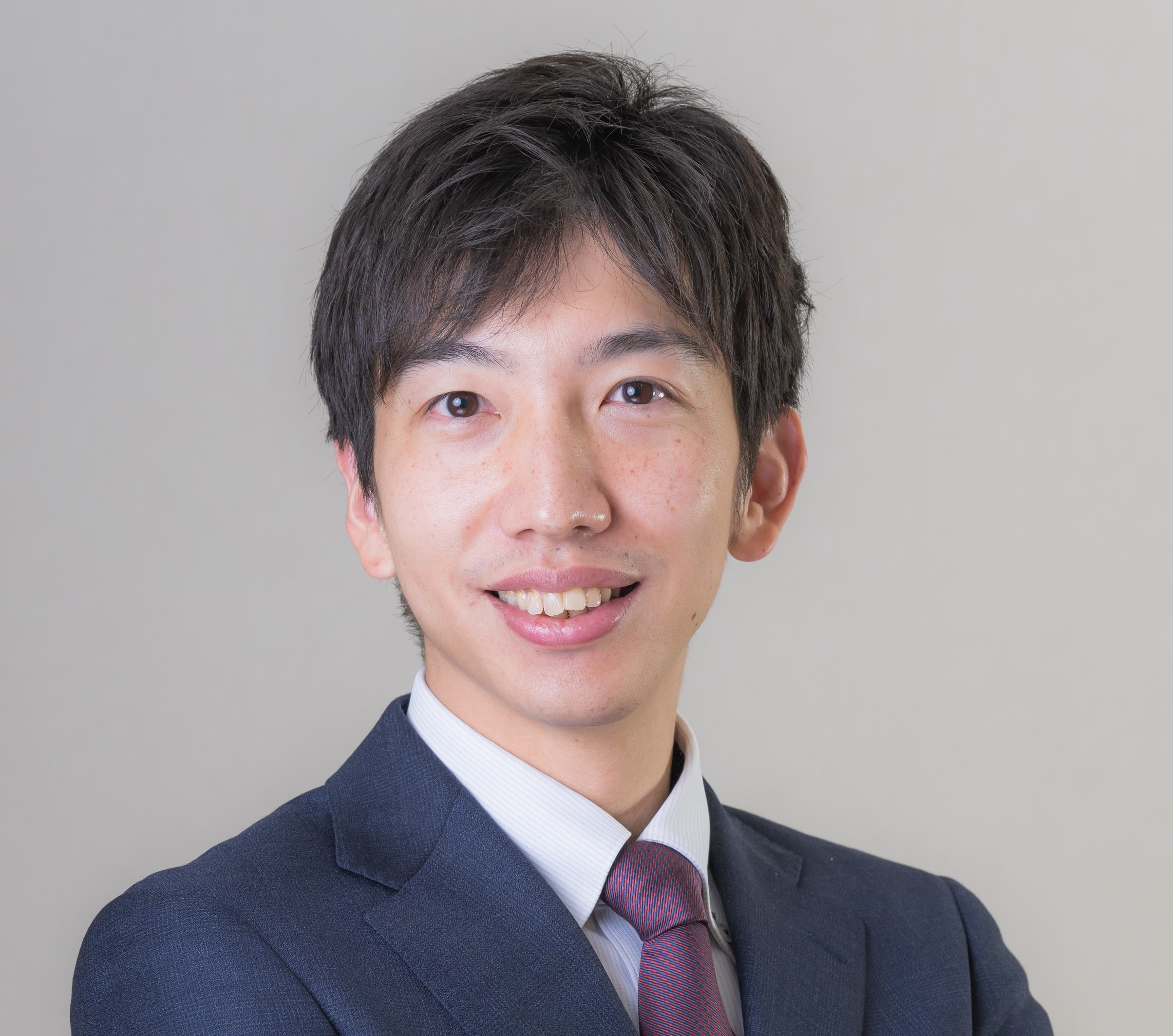
Ryo Kawabata is a partner at Mori Hamada & Matsumoto who is admitted in Japan and New York and has extensive experience in leading representations of debtors, secured and unsecured creditors, bondholders, private equity funds, acquirers of assets, hedge funds and other institutions acquiring controlling positions in financially distressed companies in in-court insolvency cases and out-of-court restructurings both in Japan and internationally. Ryo’s engagements have ranged across a wide array of industries, including retail, telecommunication, chemical, pharmaceutical, textile, energy, oil and gas, automotive, apparel, manufacturing, project finance and shipping. With his leading role in the Marelli case, out-of-court corporate workout (Turnaround ADR) and subsequent in-court insolvency proceedings of a leading auto parts suppliers with approximately 160 subsidiaries in more than 20 countries, he was recognised as “Innovative Practitioner” at the Financial Times Innovative Lawyers Asia-Pacific Awards 2023.

Takashi Harada is an associate at Mori Hamada & Matsumoto (Singapore) LLP. He works primarily in the practice areas of restructuring and insolvency, tax and M&A. In relation to restructuring and insolvency practice, he provides comprehensive advice on legal and tax matters for financially distressed companies, particularly those overseas. He also advises foreign companies on labour law, taking advantage of his extensive experience in handling overseas matters. He also conducted research on double taxation adjustment for dividends and taxation on capital gains and losses from transfers of shares in Europe, the United States and Asia as part of a research project commissioned by the Ministry of Finance of Japan, submitting a report that summarised the results of his research in April 2021.
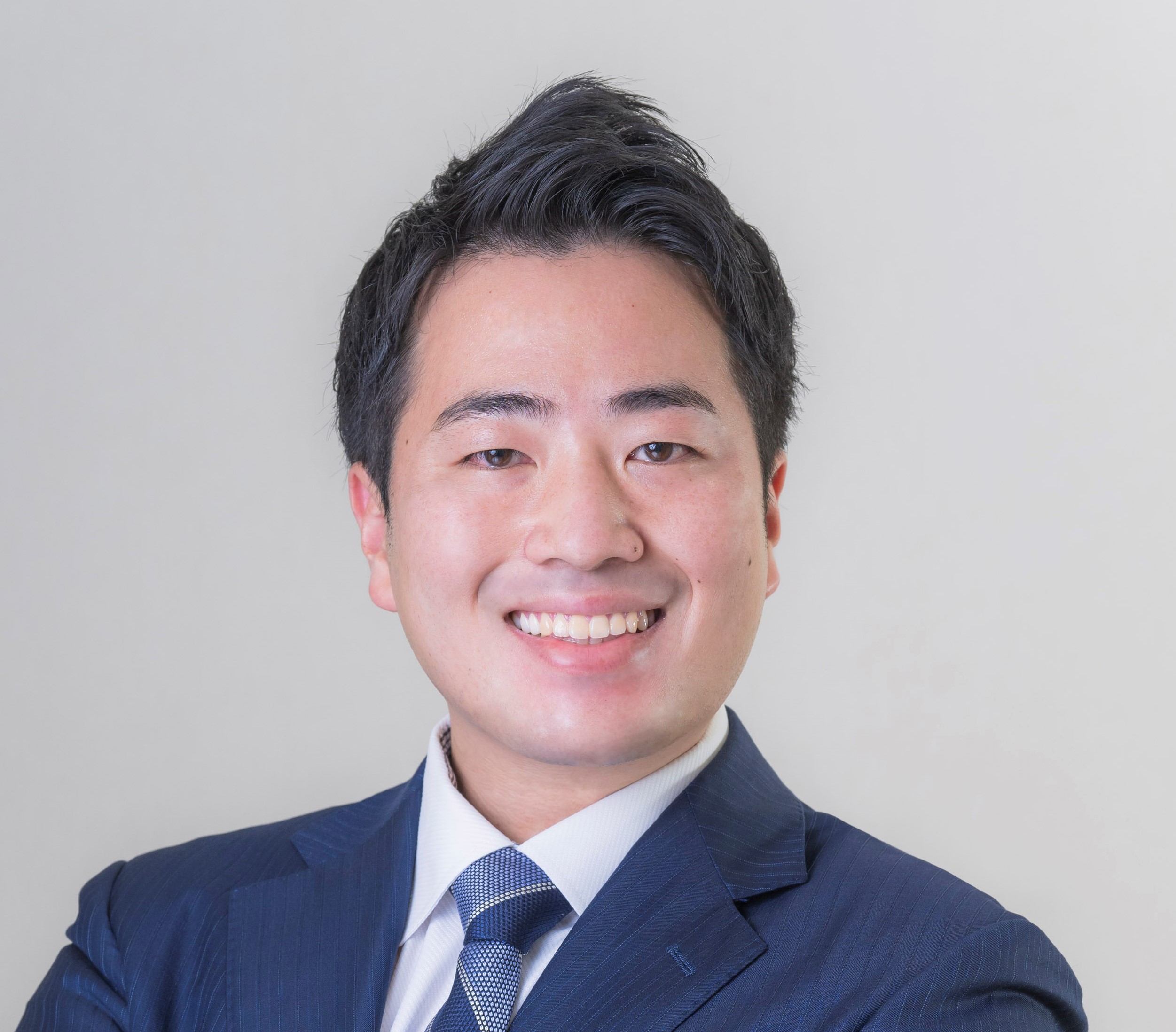
Yuichiro Ishida is an associate at Mori Hamada & Matsumoto. After becoming an attorney in 2022, he has mainly handled restructuring and insolvency, disputes, labor law issues, and general corporate matters. In the field of restructuring and insolvency, he has extensive experience in out-of-court workouts and in-court insolvency proceedings, including both large and small cases on behalf of debtors/ creditors. He also has experience in representing foreign companies in litigation. Since 2021, he has been an advisory lecturer at The University of Tokyo Graduate School of Law for students who have not previously studied law, both in the field of civil law and criminal law.

Japan has two categories of in-court insolvency proceedings:
a. Restructuring-type insolvency proceedings, which are processes for restructuring the debtor’s business without extinguishing its juridical personality, based on a restructuring plan that includes changes to the rights of creditors; and
b.liquidation-type insolvency proceedings where all of the debtor’s assets are liquidated and, if it is a legal entity, the entity itself is extinguished upon completion of the proceedings.
We have four types of in-court insolvency proceedings. Civil rehabilitation proceedings (minji-saisei) and corporate reorganisation proceedings (kaisha-kosei) fall within restructuring-type insolvency proceedings, whereas liquidation-type insolvency proceedings consist of bankruptcy proceedings (hasan) and special liquidation (tokubetsu-seisan).
Out-of-court workouts are becoming more commonly used to restructure financial debts without starting the above-mentioned in-court insolvency proceedings, which usually damage the debtor’s going concern value.
Civil rehabilitation proceedings
Civil rehabilitation proceedings, governed by the Civil Rehabilitation Act, are the most common form of in-court, restructuring-type insolvency proceedings in Japan, and these proceedings can be used for any type of company. In general, civil rehabilitation proceedings are a DIP (debtor-in-possession) process: the debtor’s management team remains in control of the debtor and its assets throughout the process unless there are exceptional circumstances that lead to the taking of control from management. Having said that, this does not mean said management’s control is completely unaffected by the commencement of civil rehabilitation proceedings. Courts may and usually do require the debtor to obtain their prior permission before it engages in certain types of activities, typical examples of which include disposal of property and accepting the transfer of property that is out of the ordinary course of the debtor’s business, borrowing money, filing an action, settling a dispute and waiving a legal right. In addition, courts usually appoint a supervisor who monitors the debtor’s activities throughout the process and gives consent to the debtor to engage in the above-mentioned permission-required activities on behalf of the court.
In terms of how voting for the restructuring plan works, there is only one class that can vote consisting of holders of rehabilitation claims, which are, roughly speaking, claims that existed before the commencement of the proceedings. The rehabilitation plan must be approved by:
a.a simple majority in number of rehabilitation claims holders voting at the meeting (or in writing); and
b.a simple majority by value of all rehabilitation claims, the holders of which have voting rights.
Under the standard schedule of the Tokyo District Court, the entire process of civil rehabilitation proceedings takes approximately five months; however, the actual length may vary depending on the complexity and circumstances of each case.
A shorter form of civil rehabilitation proceedings known as simplified rehabilitation proceedings (SRP), wherein debtors can skip the process of examining and determining creditors’ claims, can usually be concluded within one to two months with the consent of 60% or more of the creditors who have filed claims. Despite a long discussion among insolvency practitioners about using SRP as a tool for debtors who failed to obtain unanimous consent in out-of-court corporate workouts to quickly effectuate the restructuring plan that they proposed in the preceding workout, we had never seen this idea be implemented until recently. The Marelli case, however, proved that by using SRP, the debtor can cram down minority lenders who oppose its restructuring plan in the preceding (see Section III.i for details).
Corporate reorganisation proceedings
Corporate reorganisation proceedings, another form of in-court, restructuring-type insolvency proceedings governed by the Corporate Reorganisation Act, have a similar process to civil rehabilitation proceedings; however, there are some key differences, such as:
a.corporate reorganisation proceedings are available only for stock corporations – various other corporate forms, such as unlimited partnerships, limited partnerships and LLCs cannot use these proceedings;
b.a trustee takes possession of and control over the debtor’s business and assets; and
c.secured creditors cannot exercise their security interests outside the proceedings.
Corporate reorganisation proceedings are mainly used in complex cases with large debts. Although the trustee, who is appointed by the court with the exclusive right and authority to manage the debtor’s business and to administer and dispose of the debtor’s assets throughout the process, is usually an attorney who has expertise in insolvency cases (administrative-type corporate reorganisation), there have been some cases in which the court appoints trustees from the debtor’s current management (DIP-type corporate reorganisation).
Bankruptcy proceedings
Bankruptcy proceedings, governed by the Bankruptcy Act, are the most commonly used form of liquidation for insolvent companies. Broadly speaking, the main purpose of bankruptcy proceedings is to liquidate the debtor’s assets (including sales of its businesses) into cash to be distributed equitably to creditors. Upon commencement of bankruptcy proceedings, a trustee is appointed by the court and takes possession of and control over the debtor’s property, unless the debtor does not have enough assets to fund the expenses of the process (in which case, the bankruptcy procedure is closed immediately with the juridical personality of the corporate debtor being diminished).
Special liquidation
Special liquidation, governed by the Companies Act, is a form of liquidation that is only available to stock corporations that have been placed into a voluntary liquidation process by their shareholders. It is a simpler, less onerous and more expeditious form of liquidation than bankruptcy, which is frequently used by parent companies to liquidate loss-making subsidiaries.
In Japan, out-of-court corporate workouts generally refers to processes where debtors facing financial difficulties attempt to negotiate with financial creditors on amending their existing debts. Out-of-court corporate workouts cause less deterioration of the debtor’s business value mainly because processes are private in principle and trade creditors such as suppliers and vendors are not involved in the process and are kept intact. For this reason, out-of-court workouts are becoming more commonly used to restructure debtors’ businesses.
One unique aspect of Japanese out-of-court corporate workouts is that in addition to purely consensual, ad hoc negotiations with financial creditors, there are a variety of processes or guidelines for workouts, which are chosen based on the circumstances such as the amount of financial debts, the number of the creditors to be involved and the size of the debtor.
Among the variety of schemes, the turnaround ADR process, one of the standardised forms of corporate workouts, is the most popularly used in recent years, especially for large companies. Turnaround ADR is a process in which the debtor tries to restructure its debts owed to financial creditors based on their unanimous consent. Although the success rate of turnaround ADR is generally high and debtors in many cases successfully restructure their debts without shifting to in-court insolvency proceedings, there are cases where the debtor cannot obtain unanimous consent for its restructuring plan. In such cases, the debtor must consider initiating in-court insolvency proceedings.
Recently, the Industrial Competitiveness Enhancement Act (ICEA) provides specific measures that facilitate a smooth transition from turnaround ADR to SRP, which are a form of in-court insolvency proceedings that simplify and speed up the ordinary civil rehabilitation proceedings. By using these measures provided by the ICEA, the restructuring plan proposed in turnaround ADR may be approved by a majority vote (not unanimous consent) and carried out in SRP much more smoothly and quickly than in ordinary in-court insolvency cases.
In Japan, the number of in-court insolvency cases and large out-of-court workouts is increasing due to various global factors such as the COVID-19 pandemic and the significant rise in the cost of raw materials. In addition to these factors, Japan has a distinct circumstance where in 2022 the repayment of so-called ‘zero-zero loans’ (interest-free and unsecured loans formerly granted by financial institutions as a special governmental rescue package for companies affected by the pandemic) commenced in full force. As a result of these factors, several large, out-of-court corporate workouts were filed 2022 and onwards, which are detailed in Section III.i. Recent statistics indicate that there were 4,006 in-court insolvency cases in the first half of 2023, seeing an increase from the previous year’s first half for the first time in the last five years, and the number of in-court insolvency cases for all industries exceeded the same period of the previous year for the first time in fourteen years.
Also, from April 1, 2024, the annual limit for overtime work hours in vehicle driving operations will be restricted to 960 hours. This new legislation has created a fear that this will lead to a severe shortage of drivers in the logistics industry, often referred to as the “2024 Issue.”
With the abovementioned general trend and the expected increase in labor-shortage-induced bankruptcies in this specific industry, the upward trend in the insolvency arena is expected to continue for the next several years.
As mentioned in Section I.iii, while out-of-court workouts have become increasingly prevalent in recent times, such workouts in Japan always require unanimous consent from all creditors, which can be a significant hurdle for debtors.
In the recent case of the Marelli group, however, the debtor successfully crammed down, in a very short time frame, the lenders who had opposed the debtor’s restructuring plan in turnaround ADR by switching to SRP. This case could have a significant impact on the practice of out-of-court workouts, and thus warrants mention in this chapter.
The Marelli group, who we represented, was and is one of the world’s leading independent suppliers to the automotive industry with around 150 subsidiaries in more than 20 countries. While the group’s performance is declining as a result of a combination of various external factors – such as a decline in automobile production because of the pandemic, the severe shortage of semiconductors, and soaring prices of aluminium and other raw materials – the highly leveraged capital structure of Marelli has been putting pressure on its cash flow.
Marelli chose to use turnaround ADR in Japan to drastically improve and restructure its financial structure with the support of banks while avoiding a serious deterioration of its corporate value by involving suppliers and customers in the in-court insolvency proceedings. After a series of
creditors’ meetings in the turnaround ADR, Marelli submitted its restructuring plan to the banks, including a substantial amount of debt forgiveness and a new equity injection from its existing shareholder KKR. At the final creditors’ meeting held in late June 2022, although approximately 95 per cent (in value) of the banks, including non- Japanese banks, agreed to the plan, Marelli’s turnaround ADR, which requires unanimous consent to the plan, was not successfully concluded because a few non-Japanese banks did not give their consent.
Upon the failure of the turnaround ADR, Marelli immediately switched to SRP because SRP is a quicker version of civil rehabilitation proceedings with some of the proceedings being omitted and only requiring 60 per cent approval to commence the process and only 50 per cent approval to pass the plan. Given the approval rate in the turnaround ADR, it was certain that Marelli would effectively cram down the opposing non-Japanese banks by using SRP.
In addition to these cramdown functions, there are a few more key factors that make this case unique and prominent in Japanese turnaround history. The first and most important is that Marelli’s SRP did not affect any creditors other than the banks that participated in the turnaround ADR despite being in-court insolvency proceedings where, in principle, all of the debtors’ creditors were involved. This arrangement had a tremendous impact on Marelli’s business because it would have been severely damaged had the group stopped payments to its suppliers and other business partners, which is common for debtors in in-court insolvency proceedings. The second important factor would be the extraordinarily short duration of SRP. Marelli’s restructuring plan was
approved by the banks and the court as early as 25 days after the filing for the proceedings, which is considerably faster than ordinary civil rehabilitation proceedings that usually take around five months to pass a plan. Clearly, the shorter duration of in-court insolvency proceedings causes less damage to corporate value. The introduction of such special arrangements for SRP was envisaged in the recent amendments to the ICEA, with Marelli’s SRP being the first practical example.
Incidentally, the Japanese government established the ‘Subcommittee to Study Legislation for Out-of-court Workouts for New Business Restructuring’ on 27 October 2022 in order to deliberate on the possibility of implementing a system where debtors can cram down opposing lenders with a majority vote and court approval but without going into in-court insolvency proceedings. The Marelli case has been noted in the subcommittee’s discussion as a case highlighting the necessity of such legislation.
ii.Introduction of comprehensive collateral system
In the Japanese collateral system, comprehensive security interests over entire businesses of the debtors essentially do not exist. During its 29th meeting held on 6 December 2022, the Collateral Legislation Subcommittee of the Legislative Council compiled an ‘Interim Draft on the Review of Collateral Legislation’, which was subsequently released on 20 January 2023. As per the Interim Draft, the committee will continue to evaluate the advantages and disadvantages of the comprehensive collateral system, which involves designating the entire property utilised for a business as a target property.
Apart from the discussions held by the Legislative Council, the Financial System Council’s ‘Working Group on the System to Support Business-Focused Financing Practices’ also deliberated on a comprehensive collateral system and issued a report on 10 February 2023. Thus, it is imperative that we remain attentive to upcoming discussions.
iii.Digitisation of in-court insolvency proceedings
The Subcommittee on Procedures for Civil Execution, Civil Provisional Remedies, Insolvency, and Domestic Relations Cases (IT-related) was established in 2022 with the objective of adapting to changes in socioeconomic conditions, including recent advancements in information and communications technology and making court procedures, including in-court insolvency proceedings, more suitable, prompt, and accessible for the public.
On 20 January 2023, the Subcommittee released the ‘Draft Outline of Review of Procedures for Civil Execution, Civil Provisional Remedies, Insolvency, and Domestic Relations Cases’, which proposes a legal framework allowing for petitions for in-court insolvency proceedings to be filed online, the digitisation of court documents in these proceedings, and the option for telephone or online participation in court hearings.
On June 6, 2023, a bill based on the above draft was passed and enacted by the House of Representatives, and it will be fully enforced by five years from June 14, 2023, the date of its promulgation.