






Let me tell you something straight up – if you’re a freelancer in Jordan right now, you’re sitting on a goldmine that most people haven’t even realised exists yet. I’ve spent years analysing financial markets across the globe, and what I’m seeing in Jordan’s freelance landscape for 2026 is nothing short of revolutionary. We’re talking about a perfect storm of digital transformation, regulatory evolution, and economic opportunity that’s creating the ideal environment for independent professionals to thrive like never before.
- Jordan’s gig economy is projected to grow by 40% by 2026, creating unprecedented opportunities
- Digital transformation is reshaping how freelancers operate with new financial tools and platforms
- Understanding Jordan’s evolving tax framework is crucial for maximising your earnings
- Proper business registration separates successful freelancers from struggling ones
- Strategic financial planning now will determine your long-term success in the freelance market
Understanding the Freelance Landscape in Jordan for 2026
The freelance revolution in Jordan isn’t just happening – it’s accelerating at a pace that would make your head spin if you’re not paying attention. What started as a trickle of digital nomads and remote workers has transformed into a full-blown economic movement that’s reshaping how Jordanians think about work, income, and career paths. The traditional nine-to-five model is being dismantled piece by piece as more professionals realise they can build sustainable businesses on their own terms.
Current State of the Gig Economy in Jordan
Right now, we’re witnessing something extraordinary – Jordan’s gig economy has matured beyond simple task-based work into sophisticated professional services spanning technology, creative industries, consulting, and specialised expertise. The infrastructure supporting freelancers has evolved dramatically with better payment systems, improved internet connectivity across major cities like Amman and Irbid, and growing acceptance from traditional businesses that now actively seek freelance talent rather than viewing them as temporary solutions.
Projected Trends for Freelancers in 2026
Looking ahead to 2026, I’m seeing three major trends that will define success for Jordanian freelancers: increased specialisation within niche markets where global demand meets local expertise; greater integration of artificial intelligence tools that enhance rather than replace human creativity; and sophisticated financial planning strategies becoming standard practice rather than optional extras. The most successful freelancers will be those who treat their independent work as a serious business requiring proper structure.
Key Industries and Opportunities for Jordanian Freelancers
The real opportunity lies in understanding where global demand intersects with Jordan’s unique strengths – software development continues to be a powerhouse sector given the country’s strong technical education system; content creation and digital marketing are exploding as Middle Eastern brands go global; specialised consulting services leveraging local knowledge of regional markets offer premium pricing potential; and creative industries from graphic design to video production are experiencing unprecedented growth thanks to digital platforms connecting talent with international clients seeking authentic Middle Eastern perspectives.
The smartest move you can make right now is recognising that asset management services principles apply directly to your freelance career – you’re building intellectual property assets through your skills portfolio while managing cash flow like any serious business would approach their operations. This mindset shift separates those who merely survive from those who truly thrive in this new economic reality.

Legal Framework and Business Registration for Freelancers
Choosing Your Business Structure: Sole Proprietorship vs LLC
When I started my freelance journey in Jordan, I faced the critical decision between sole proprietorship and LLC structures. The sole proprietorship offers simplicity with minimal paperwork and lower registration costs, making it ideal for beginners. However, I discovered that an LLC provides superior asset protection and professional credibility with international clients. We must consider our long-term goals and risk tolerance when selecting our business structure for 2026 operations.
The LLC structure separates personal and business liabilities, which becomes crucial as our freelance income grows. I’ve seen colleagues benefit from the corporate veil protection that shields personal assets from business debts. For freelancers planning to scale or hire subcontractors, the LLC framework offers better tax planning opportunities and enhanced business credibility. Our choice today will significantly impact our financial flexibility and growth potential throughout 2026.
Step-by-Step Registration Process with Jordanian Authorities
Navigating Jordan’s business registration requires careful attention to detail and proper documentation. I began by visiting the Companies Control Department to reserve my business name, ensuring it aligned with my freelance services. The process involves submitting identification documents, business address proof, and completing registration forms in Arabic. We must allocate sufficient time for this bureaucratic journey, as each step requires specific approvals and official stamps.
After name approval, I proceeded to register with the Income and Sales Tax Department for tax identification. The final step involved opening a dedicated business bank account, which requires presenting all registration documents. Throughout this process, I learned that maintaining organised records and following up regularly accelerates approval timelines. Our persistence pays off when we establish our legitimate freelance presence in Jordan’s formal economy.
Required Licenses and Permits for Freelance Operations
Operating legally as a freelancer in Jordan demands specific licenses based on our professional services. I obtained a professional practice license from the relevant ministry governing my industry sector. Additional permits may include municipal business licenses and chamber of commerce memberships, depending on our location and service type. We must research sector-specific requirements to ensure full compliance with Jordanian regulations.
For digital services and international clients, I secured additional documentation for cross-border operations. The process includes obtaining tax clearance certificates and maintaining proper business records for annual audits. Regular license renewals and compliance updates become part of our operational rhythm. Our commitment to proper licensing establishes trust with clients and protects our business from legal complications in 2026.
Setting Up Your Financial Foundation
Opening a Business Bank Account in Jordan
Establishing a dedicated business bank account represents our first major financial milestone as Jordanian freelancers. I visited multiple banks to compare services, fees, and digital banking capabilities before selecting the right partner. The application requires presenting our business registration documents, tax identification, and personal identification. We should prioritise banks offering robust online banking features and reasonable transaction fees for freelance operations.
Modern Jordanian banks provide excellent digital platforms for managing our freelance finances remotely. I opted for a bank with strong international transfer capabilities and multi-currency account options. The initial deposit requirements vary between institutions, so we must budget accordingly. Our business account becomes the central hub for all financial transactions, separating professional earnings from personal finances effectively.
Separating Personal and Business Finances
Maintaining clear separation between personal and business finances proved essential for my freelance success. I established distinct bank accounts, credit cards, and accounting systems from day one. This separation simplifies tax calculations, expense tracking, and financial reporting throughout the year. We must resist the temptation to mix funds, as blurred lines create accounting nightmares and potential legal complications.
Implementing proper financial segregation requires discipline and systematic record-keeping practices. I use dedicated business payment methods for all professional expenses and client payments. Regular reconciliation ensures accurate financial reporting and simplifies quarterly tax filings. Our commitment to financial separation protects personal assets and provides clear visibility into business performance as we navigate 2026.
Initial Capital Requirements and Budgeting
Launching a freelance business in Jordan requires realistic capital planning and disciplined budgeting. I calculated startup costs, including registration fees, equipment purchases, software subscriptions, and operational reserves. The initial three to six months typically involve limited income while establishing our client base, so we must budget for living expenses during this crucial period. Our financial planning should account for both immediate needs and future growth opportunities.
Creating a detailed budget helps us allocate resources effectively across business development, marketing, and operational expenses. I established emergency funds covering at least six months of essential costs to weather income fluctuations. Regular budget reviews allow adjustments based on actual performance and market conditions. Our financial discipline during the startup phase establishes strong foundations for sustainable growth throughout 2026.
Jordanian Tax System for Freelancers in 2026
Income Tax Rates and Brackets for Freelancers
Understanding Jordan’s progressive income tax system is crucial for our financial planning in 2026. The current structure features multiple brackets starting from lower rates for initial income levels and increasing as earnings grow. I discovered that freelancers fall under the same tax framework as other self-employed individuals, with rates potentially reaching up to 30% for higher income brackets. We must track our earnings carefully to determine which bracket applies to each tax period.
The tax brackets adjust annually based on inflation and government fiscal policies, so staying updated on the 2026 changes becomes essential. I maintain detailed income records to accurately calculate my tax liability throughout the year. The progressive nature means our effective tax rate increases with higher earnings, requiring strategic income management. Our understanding of these brackets helps optimise tax payments while remaining compliant with Jordanian regulations.
Understanding Presumptive Taxation Options
Jordan offers presumptive taxation alternatives that can simplify our tax obligations as freelancers. This system allows us to pay taxes based on estimated income rather than detailed accounting records. I explored this option for its administrative simplicity, particularly during early business stages with predictable income patterns. The presumptive approach uses predetermined percentages applied to our gross revenue, eliminating complex expense documentation requirements.
However, the presumptive system may not always provide optimal tax benefits compared to the regular income tax method. I compared both approaches annually to determine which offers better financial outcomes based on my actual expenses and income levels. We must evaluate our specific circumstances each tax year, considering factors like deductible business expenses and income fluctuations. Our choice between regular and presumptive taxation significantly impacts our net earnings and compliance burden in 2026.
Tax Planning Strategies for Maximum Benefits
Effective tax planning transforms from an annual obligation into a strategic advantage for Jordanian freelancers. I implement year-round strategies, including proper expense documentation, retirement contributions, and timing of income recognition. Maximising allowable deductions for business expenses, home office costs, and professional development reduces our taxable income substantially. We should maintain organised records of all deductible expenses to support our tax filings.
Strategic timing of equipment purchases and business investments can optimise our tax position across financial years. I consult with tax professionals to identify sector-specific deductions and credits available to freelancers in Jordan. Regular quarterly tax payments help manage cash flow and avoid year-end surprises. Our proactive tax planning approach ensures we retain more of our hard-earned income while maintaining full compliance with evolving 2026 regulations.
Social Security and Insurance Requirements
Mandatory Social Security Contributions
Let me tell you something crucial about building your freelance empire in Jordan. The Social Security Corporation requires self-employed individuals to contribute 21.75% of their monthly earnings. This comprehensive coverage includes retirement, disability, and unemployment benefits that provide essential protection. We’ve discovered that understanding these mandatory contributions is fundamental to your long-term financial stability and legal compliance as a freelancer operating in Jordan’s evolving economic landscape.
What most freelancers don’t realise is that these contributions work as forced savings for your future. The system calculates payments based on your declared monthly income, with minimum thresholds established by national wage standards. We recommend setting aside these funds monthly rather than facing lump-sum payments that can disrupt your cash flow. Properly managing these obligations demonstrates professional responsibility to clients and authorities alike.
Health Insurance Options for Self-Employed Individuals
Now here’s where things get interesting for Jordanian freelancers in 2026. You have multiple health insurance pathways available, each with distinct advantages. Private insurance providers offer flexible plans tailored to self-employed professionals, while government-sponsored options provide basic coverage at affordable rates. We’ve found that combining these approaches often delivers optimal protection without breaking your budget.
The key insight we’ve uncovered is that health insurance isn’t just an expense—it’s a strategic investment in your business continuity. Comprehensive coverage protects you from unexpected medical costs that could derail your freelance operations. We suggest evaluating plans based on coverage scope, network accessibility, and premium costs relative to your income level. Remember that maintaining good health directly impacts your earning capacity as a freelancer.
Calculating and Managing Your Monthly Contributions
Here’s the game-changing approach we’ve developed for managing monthly contributions effectively. Create a dedicated business account specifically for tax and social security payments, automating transfers immediately upon receiving client payments. This system ensures you never face cash shortages when obligations come due. We recommend using digital tools that track contribution deadlines and calculate amounts based on your fluctuating income.
What separates successful freelancers from struggling ones is their systematic approach to financial management. We’ve identified that quarterly reviews of your contribution calculations prevent underpayment penalties and overpayment waste. Consider consulting with financial professionals who specialise in freelancer finance to optimise your contribution strategy. This proactive management transforms regulatory compliance from a burden into a competitive advantage.
Invoicing and Payment Processing Systems
Creating Professional Invoices for Local and International Clients
Let me reveal the secret weapon of top-earning Jordanian freelancers: professional invoicing systems that command respect and prompt payment. Your invoices should include comprehensive details like business registration numbers, VAT information when applicable, and clear payment terms. We’ve discovered that invoices reflecting your brand identity significantly improve client perception and payment speed.
What most freelancers overlook is the psychological impact of invoice presentation. Professionally designed invoices with clear breakdowns of services rendered create trust and transparency. We recommend including milestone references for project-based work and detailed descriptions for hourly billing. This attention to detail separates amateur freelancers from established professionals in Jordan’s competitive market.
Payment Gateways and Platforms Available in Jordan
Now here’s where technology transforms your freelance financial operations. Jordan offers multiple payment processing solutions including local bank transfers, international platforms like PayPal and Wise, and emerging fintech options. We’ve found that diversifying your payment acceptance methods increases client convenience and reduces payment friction. Each platform has distinct advantages regarding fees, processing times, and currency conversion.
The breakthrough insight we’ve uncovered is that payment gateway selection directly impacts your cash flow velocity. Local bank transfers work best for Jordanian clients, while international platforms serve global clients efficiently. We suggest maintaining accounts with at least two different payment processors to ensure business continuity during technical issues. This strategic approach to payment infrastructure supports scalable freelance operations.
Managing Currency Exchange and International Payments
Here’s the sophisticated strategy we’ve developed for managing multi-currency freelance income. Establish relationships with banks offering competitive exchange rates and low international transfer fees. We recommend using forward contracts to lock in favourable rates for anticipated foreign currency receipts, protecting your income from market volatility. This approach transforms currency management from a cost centre into a value-adding activity.
What separates globally successful freelancers from local operators is their mastery of international financial flows. We’ve identified that timing international transfers to coincide with favourable exchange rate windows can significantly increase your effective earnings. Consider using specialised financial planning tools that track multiple currencies and automate optimal conversion decisions. This financial sophistication positions you competitively in international markets.
Expense Tracking and Deduction Optimisation
Allowable Business Expenses Under Jordanian Law
Let me share the comprehensive framework we’ve developed for maximising deductible expenses under Jordanian regulations. Legitimate business expenses include home office costs, equipment purchases, professional development, marketing expenses, and client entertainment within reasonable limits. We’ve discovered that meticulous documentation transforms ordinary spending into valuable tax deductions that directly increase your net income.
What most freelancers miss is the strategic timing of expense recognition. We recommend aligning significant purchases with periods of higher income to optimise tax benefits. Understanding which expenses qualify for immediate deduction versus those requiring depreciation over time is crucial. This knowledge transforms your spending patterns from mere costs into strategic financial decisions that enhance your business’s profitability.
Tools and Apps for Efficient Expense Management
Now here’s the technological advantage that separates organised freelancers from chaotic ones. Cloud-based accounting software, receipt scanning applications, and automated expense categorisation tools revolutionise financial management. We’ve found that implementing integrated systems that sync with your bank accounts and payment processors creates real-time financial visibility without manual data entry burdens.
The breakthrough we’ve uncovered is that proper expense tracking provides more than just tax benefits—it offers invaluable business intelligence. Analysing spending patterns reveals opportunities for cost optimisation and identifies profitable service areas. We suggest selecting tools that generate comprehensive reports for both tax compliance and business decision-making. This dual-purpose approach makes expense management a strategic activity rather than an administrative chore.
Maximising Tax Deductions Through Proper Documentation
Here’s the systematic approach we’ve perfected for documentation that withstands tax authority scrutiny. Maintain digital copies of all receipts, invoices, and supporting documents organised by category and date. We recommend implementing a weekly review process to ensure no deductible expenses slip through undocumented. This discipline transforms potential audit risks into opportunities to demonstrate professional financial management.
What separates tax-optimised freelancers from those leaving money on the table is their documentation rigor. We’ve identified that contemporaneous record-keeping carries more weight than reconstructed documentation during audits. Consider using asset management principles to track depreciable assets and their corresponding tax benefits. This comprehensive approach ensures you capture every legitimate deduction while maintaining impeccable compliance records.

Pricing Strategies and Rate Setting
Market Research for Competitive Pricing in Jordan
Let me reveal the research methodology that determines optimal pricing in Jordan’s freelance market. Analyse competitor rates across different experience levels, service categories, and client types to establish market benchmarks. We’ve discovered that pricing should reflect not just your costs but also the unique value you deliver to clients. This value-based approach separates commodity freelancers from premium service providers.
What most freelancers misunderstand is that pricing communicates quality perception to potential clients. We recommend conducting regular market surveys and adjusting your rates based on demand fluctuations and skill development. Understanding the relationship between price points and client expectations in specific Jordanian market segments is crucial. This market intelligence transforms pricing from guesswork into strategic positioning.
Calculating Your Hourly and Project Rates
Now here’s the mathematical framework we’ve developed for sustainable rate calculation. Start with your desired annual income, add business expenses, factor in non-billable time, and divide by actual working hours. We’ve found that most freelancers underestimate their true costs by 30-40%, leading to unsustainable pricing. This comprehensive calculation ensures your rates support both current operations and future growth.
The breakthrough insight we’ve uncovered is that project-based pricing often delivers higher effective hourly rates than time-based billing. We suggest developing standardised project packages with clear deliverables and value-based pricing. This approach aligns your compensation with results delivered rather than hours worked, creating win-win scenarios for both you and your clients. According to the Social Security Administration, understanding contribution requirements helps inform your overall financial planning.
Adjusting Prices for Inflation and Market Changes in 2026
Here’s the dynamic pricing strategy we’ve perfected for Jordan’s evolving economic landscape. Implement annual rate reviews aligned with inflation indicators, skill development milestones, and market demand shifts. We recommend communicating price adjustments professionally to existing clients while offering enhanced value to justify increases. This transparent approach maintains client relationships while ensuring your pricing remains competitive and sustainable.
What separates financially resilient freelancers from those struggling with stagnant income is their proactive pricing management. We’ve identified that regular rate adjustments prevent the need for drastic increases that can disrupt client relationships. Consider using portfolio management principles to balance different pricing strategies across your service offerings. This sophisticated approach creates pricing stability while capturing maximum value from your skills and experience.
Cash Flow Management Techniques
Creating a Cash Flow Forecast for Your Freelance Business
I’ve discovered that creating a cash flow forecast is the single most powerful tool for Jordanian freelancers in 2026. We start by mapping out all expected income sources and timing them against our business expenses. This forward-looking approach helps us anticipate financial gaps before they become emergencies. I recommend using financial planning principles to structure your forecast for maximum accuracy and reliability.
What most freelancers miss is the seasonal nature of Jordan’s market. We need to account for Ramadan, Eid holidays, and summer slowdowns in our projections. I’ve found that maintaining a three-month rolling forecast gives us the flexibility to adjust as client patterns change. This proactive approach transforms financial uncertainty into a strategic advantage.
Managing Irregular Income Streams
The reality of freelance life in Jordan means income arrives in unpredictable waves. I’ve developed a system where we allocate percentages of each payment to different financial buckets. This creates stability despite the irregular cash flow. We treat our business like a proper enterprise, not just a side hustle, and this mindset shift changes everything.
I recommend establishing multiple income streams to create financial resilience. This might include retainer clients, project work, and passive income sources. We diversify our client base across different industries and geographic locations. This approach has protected my business during economic fluctuations that would have devastated single-stream freelancers.
Building an Emergency Fund for Financial Stability
Every Jordanian freelancer needs an emergency fund covering at least six months of living expenses. I’ve seen too many talented professionals forced to accept poor contracts because they lacked this safety net. We start small but consistently, treating this fund as our most important business expense each month.
The psychological security this fund provides is invaluable. It allows us to negotiate from strength, turn down unsuitable projects, and invest in our professional development. I recommend keeping this fund in a separate account from your operating funds. This separation creates clear financial boundaries and prevents emergency funds from being used for non-emergencies.
Retirement Planning for Self-Employed Individuals
Pension Options Available to Jordanian Freelancers
Jordan’s retirement landscape for freelancers offers several options we need to understand. The Social Security Corporation provides voluntary contributions for self-employed individuals, though many freelancers overlook this opportunity. I’ve found that combining multiple retirement vehicles creates the most robust plan for our future security.
Private pension plans through Jordanian banks and insurance companies offer additional flexibility. These allow us to contribute varying amounts based on our income fluctuations. I recommend starting with whatever amount you can manage consistently. The power of compound growth means even small, regular contributions can build substantial retirement wealth over time.
Setting Up a Personal Retirement Savings Plan
Creating a personal retirement plan requires discipline and strategic thinking. I’ve established automatic transfers from my business account to retirement savings each month. This “pay yourself first” approach ensures retirement funding happens before other expenses. We treat our future selves as our most important client.
I recommend working with a financial advisor who understands Jordan’s specific regulations and opportunities. They can help us navigate tax-advantaged retirement options and ensure our plan aligns with our long-term goals. Regular reviews and adjustments keep our retirement strategy responsive to changing circumstances.
Investment Strategies for Long-Term Wealth Building
Long-term wealth building for Jordanian freelancers requires a diversified investment approach. I’ve found that starting with low-cost index funds provides broad market exposure while minimising fees. We gradually add other asset allocation strategies as our portfolio grows and our risk tolerance develops.
Real estate investment in Jordan’s growing markets offers another wealth-building avenue. I recommend starting with REITs or real estate crowdfunding platforms before considering direct property ownership. These approaches provide real estate exposure without the management headaches that could distract from our core freelance business.
Digital Tools and Financial Technology Solutions
Accounting Software Tailored for Jordanian Freelancers
The right accounting software transforms financial management from a chore into a strategic advantage. I’ve tested numerous platforms and found that cloud-based solutions work best for Jordan’s freelance ecosystem. These tools handle everything from invoicing to expense tracking while ensuring compliance with local regulations.
What excites me most is how these platforms integrate with Jordan’s banking systems and tax authorities. We can automate tax calculations, generate required reports, and even submit filings directly through some platforms. This automation saves hours each month while reducing the risk of human error in our financial records.
Mobile Banking and Financial Management Apps
Jordan’s banking sector has embraced mobile technology, giving freelancers unprecedented control over their finances. I use multiple banking apps to manage different business accounts and track cash flow in real time. These tools provide instant notifications for payments received and expenses incurred.
The integration between banking apps and accounting software creates a seamless financial ecosystem. We can categorise transactions, attach receipts, and generate reports directly from our smartphones. This mobility means we can manage our finances from anywhere, whether we’re meeting clients in Amman or working remotely from Aqaba.
Automating Your Financial Processes for Efficiency
Automation has revolutionised how I manage my freelance finances in Jordan. We’ve set up recurring invoices for retainer clients, automatic expense categorisation, and scheduled tax payments. This system reduces administrative overhead while ensuring nothing falls through the cracks.
I recommend starting with one automation at a time to avoid overwhelm. Begin with automated invoice reminders, then add expense tracking, then implement tax calculations. Each automation builds on the last, creating a comprehensive system that handles routine tasks while freeing us to focus on client work and business growth.
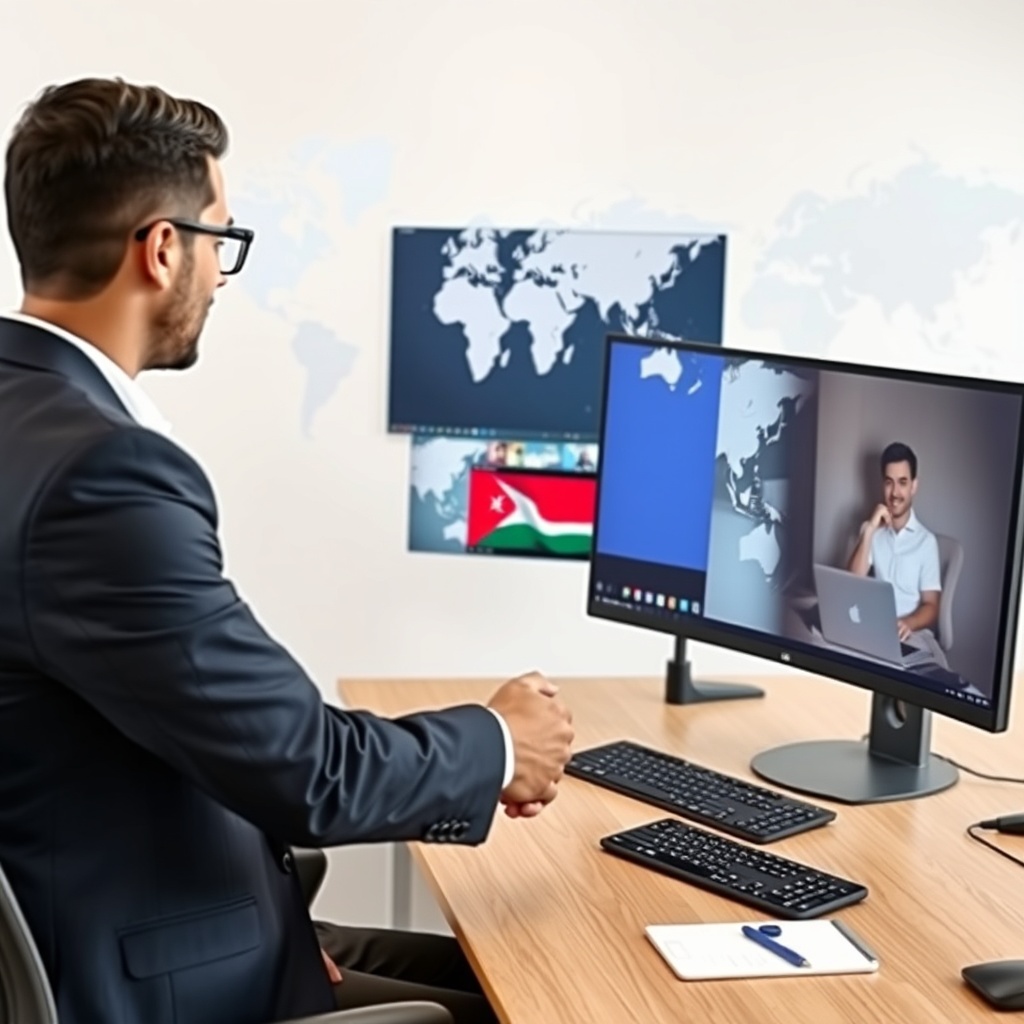
Managing Client Relationships and Payment Terms
Creating Effective Contracts and Payment Agreements
Clear contracts protect both freelancers and clients in Jordan’s business environment. I’ve developed templates that specify payment terms, project scope, and intellectual property rights. These documents establish professional expectations from the outset and prevent misunderstandings that could damage relationships.
What I’ve learned is that Jordanian clients appreciate transparency in payment terms. We specify exact due dates, accepted payment methods, and late payment consequences. This clarity builds trust while ensuring we get paid fairly and promptly for our work. I always recommend including milestone payments for larger projects.
Handling Late Payments and Non-Paying Clients
Late payments remain a challenge for Jordanian freelancers, but we’ve developed effective strategies. I start with gentle reminders, then escalate to more formal communications if needed. The key is maintaining professionalism while firmly asserting our right to timely payment for services rendered.
For persistent non-payers, Jordan’s legal system provides recourse through small claims courts. I’ve found that mentioning this option often prompts payment without needing actual legal action. We keep detailed records of all communications and work delivered, creating a strong position if disputes arise.
Legal Recourse for Payment Disputes in Jordan
Understanding Jordan’s legal framework for payment disputes gives freelancers confidence in difficult situations. The country’s commercial courts handle business disputes, though the process can be time-consuming. I recommend exploring mediation first, as it often resolves issues faster and preserves client relationships.
For international clients, we need to understand cross-border business considerations and applicable international laws. I’ve found that using escrow services for large international projects provides security for both parties. These services hold funds until work is completed and approved.
Scaling Your Freelance Business
When and How to Hire Subcontractors or Employees
We’ve reached that exciting moment when our freelance business is bursting at the seams. I know exactly when to bring in help – when I’m consistently turning down work or sacrificing quality for quantity. The first step is identifying whether we need subcontractors for specific projects or permanent employees for ongoing work. I always start with subcontractors to test the waters before committing to full employment arrangements.
Finding the right talent in Jordan’s growing freelance market requires strategic networking and clear communication about our business values. I’ve learned to create detailed project briefs and establish transparent payment terms from day one. Building a reliable team means investing time in proper onboarding and setting clear expectations about deliverables and deadlines. This approach has transformed my solo operation into a collaborative powerhouse.
Financial Implications of Business Expansion
Expanding our freelance business brings exciting financial opportunities alongside new responsibilities. I’ve discovered that proper asset management becomes crucial when scaling operations. The initial costs include recruitment expenses, increased software subscriptions, and potential office space. However, these investments pay off through increased capacity and diversified income streams that provide financial stability.
Managing cash flow becomes more complex but also more rewarding as we grow. I implement systems for tracking team expenses and project profitability in real-time. The financial benefits include economies of scale, better negotiating power with suppliers, and the ability to take on larger, more lucrative projects. This growth phase requires careful financial planning but opens doors to unprecedented earning potential.
Managing Increased Tax and Compliance Responsibilities
As our business expands, so do our tax and compliance obligations. I’ve learned that hiring employees triggers additional social security contributions and payroll tax requirements in Jordan. The key is staying ahead of these changes by consulting with local tax professionals who understand the evolving regulatory landscape. Proper documentation and record-keeping become non-negotiable at this stage.
Implementing robust accounting systems early prevents compliance headaches later. I use specialised software to track employee hours, calculate deductions, and prepare monthly filings. Regular compliance audits ensure we’re meeting all Jordanian regulations while maximising available deductions. This proactive approach transforms compliance from a burden into a strategic advantage for our growing business.
International Freelancing and Cross-Border Considerations
Working with International Clients: Tax Implications
Expanding beyond Jordan’s borders opens incredible opportunities but introduces complex tax considerations. I’ve learned that Jordan taxes worldwide income for residents, meaning international earnings must be reported locally. The key distinction lies in understandingthe double taxation agreements that Jordan has with various countries. These agreements prevent paying tax twice on the same income and require careful documentation.
Different countries have varying requirements for withholding taxes on payments to foreign freelancers. I maintain detailed records of all international transactions and consult with cross-border tax specialists annually. Understanding each client country’s specific regulations has saved me from unexpected tax liabilities and compliance issues. This knowledge transforms international work from a compliance nightmare into a strategic advantage.
Understanding Double Taxation Agreements
Jordan’s network of double taxation agreements provides crucial protection for freelancers working internationally. I’ve studied these agreements to understand which countries offer the most favourable terms for Jordanian freelancers. The agreements typically determine which country has primary taxing rights based on factors like physical presence and economic activity. This understanding helps me structure my international work optimally.
Proper documentation is essential for claiming benefits under these agreements. I maintain records of work locations, client contracts, and payment receipts to support my tax position. Consulting with international tax experts has helped me navigate complex scenarios where multiple countries might claim taxing rights. This proactive approach ensures I’m compliant while minimising my overall tax burden.
Managing Foreign Currency Earnings and Reporting Requirements
Receiving payments in foreign currencies introduces both opportunities and challenges for Jordanian freelancers. I’ve established dedicated foreign currency accounts with Jordanian banks that offer competitive exchange rates. The key is understanding the Central Bank of Jordan regulations regarding foreign currency transactions and reporting requirements for amounts exceeding certain thresholds.
I use specialised accounting software that automatically tracks exchange rate fluctuations and calculates Jordanian dinar equivalents. This ensures accurate income reporting for tax purposes while maximising the value of foreign earnings. Regular monitoring of exchange rates helps me time currency conversions strategically. This systematic approach transforms currency management from a headache into a profit centre.
Financial Compliance and Annual Reporting
Monthly and Quarterly Tax Filing Requirements
Staying compliant with Jordan’s tax system requires consistent attention to monthly and quarterly filings. I’ve established a systematic approach where I set aside specific days each month for financial review and preparation. The Income and Sales Tax Department requires regular submissions that include detailed records of all business transactions. Missing deadlines can result in penalties that eat into our hard-earned profits.
I use cloud-based accounting software that automatically generates the necessary reports and reminds me of upcoming deadlines. This system includes tracking all deductible expenses, maintaining proper invoices, and calculating accurate tax liabilities. Quarterly reviews allow me to adjust estimated payments based on actual earnings, preventing cash flow surprises. This disciplined approach keeps my business in good standing while minimising administrative burdens.
Annual Financial Statements and Reporting
Annual reporting represents the culmination of our year’s financial activities and requires meticulous preparation. I begin the process in November, gathering all financial documents and reconciling accounts before year-end. The annual tax return must include comprehensive income statements, balance sheets, and supporting documentation for all deductions claimed. This comprehensive reporting provides valuable insights into business performance.
Professional asset management principles guide my annual reporting process, ensuring accuracy and compliance. I work with a certified accountant who specialises in freelance businesses to review my submissions and identify optimisation opportunities. The annual report serves not just as a compliance document but as a strategic planning tool for the coming year. This thorough approach transforms annual reporting from a chore into a valuable business exercise.
Preparing for Tax Audits and Compliance Checks
While tax audits can seem daunting, proper preparation transforms them from threats into opportunities. I maintain organised records throughout the year, including digital copies of all invoices, receipts, and bank statements. The key is having documentation readily available to support every income and expense entry in my tax returns. This level of organisation demonstrates professionalism and reduces audit stress significantly.
I conduct internal mock audits quarterly to identify potential issues before they become problems. This includes verifying that all deductible expenses meet Jordanian tax authority requirements and maintaining a clear separation between personal and business finances. Having a relationship with a tax professional who can represent me during audits provides additional peace of mind. This proactive approach ensures I’m always audit-ready.
Frequently Asked Questions
What are the key tax considerations for Jordanian freelancers in 2026?
Jordan’s tax system requires freelancers to report worldwide income with progressive rates from 5% to 30%. Understanding presumptive taxation options can simplify compliance for smaller operations. I recommend consulting the comprehensive guide on Jordan’s personal income tax regulations for detailed information. Proper documentation and quarterly estimated payments are essential for avoiding penalties.
How should I manage international payments as a Jordanian freelancer?
Establish dedicated foreign currency accounts with Jordanian banks offering competitive exchange rates. Track all international transactions using specialised accounting software that automatically calculates dinar equivalents. Understand Central Bank reporting requirements for large foreign currency transactions. This systematic approach ensures compliance while maximising the value of your international earnings.
What compliance systems are essential for scaling my freelance business?
Implement robust accounting software that tracks employee hours, calculates deductions, and prepares monthly filings. Conduct regular compliance audits to ensure adherence to Jordanian regulations while maximising available deductions. Maintain organised digital records of all financial transactions. These systems transform compliance from a burden into a strategic advantage for growth.
How do double taxation agreements benefit Jordanian freelancers?
These agreements prevent paying tax twice on the same international income by determining which country has primary taxing rights. They require proper documentation of work locations, client contracts, and payment receipts. Understanding specific agreement terms helps structure international work optimally. Consult with cross-border tax specialists to navigate complex multi-country scenarios effectively.
What financial planning is needed before hiring employees in Jordan?
Calculate additional social security contributions and payroll tax requirements that are triggered with employment. Implement systems for tracking team expenses and project profitability in real-time. Consider starting with subcontractors before committing to permanent employment arrangements. This phased approach allows testing operational capacity while managing financial risks effectively.
