






Introduction to Assets
When we talk about building wealth, assets are the foundation. They’re everything we own that holds value – from cash in our pockets to properties we invest in. I’ve seen firsthand how understanding assets transforms people’s financial lives, turning abstract concepts into real wealth-building tools.
Assets aren’t just for the wealthy. Whether you’re managing personal finances or running a business, assets work for you. They generate income, appreciate over time, and provide security. We’ll explore how to make assets work harder in your financial strategy, because in today’s economy, assets are the ultimate advantage.
Subscribe to our free International Asset Management & Investments funds review.
The publication will highlight important issues, key developments, and the latest trends within the global asset management industry and will provide a global readership with a clear understanding of the opportunities within the industry and also within individual domestic markets.
Subscribe now!
Defining Assets in Financial Terms
In financial terms, an asset is any resource with economic value that we own or control. It’s not just about money – assets include property, investments, even intellectual property. I’ve learned that the true power of assets lies in their ability to generate future benefits, whether through cash flow, appreciation, or productivity.
What fascinates me most is how assets create a financial ecosystem. current assets provide liquidity, fixed assets offer stability, and financial assets generate growth. Together, they form the backbone of any solid financial plan, personal or corporate.
The Importance of Assets in Personal and Business Finance
Assets are the lifeblood of financial health. Personally, they represent our net worth and financial security. In business, they’re the tools that drive operations and growth. I’ve observed that people who focus on asset accumulation tend to achieve financial freedom faster than those just chasing income.
The magic happens when assets start working for you. Whether it’s rental income from property or dividends from stocks, assets can create passive income streams. This is how wealth compounds over time, and why understanding assets is so crucial.
Types of Assets
Assets come in many forms, each with unique characteristics and benefits. I’ve worked with clients who only considered cash as an asset, missing out on the full spectrum of wealth-building opportunities. The truth is, diversifying across asset types is the key to balanced growth and risk management.
From tangible property to intangible copyrights, each asset class plays a specific role in financial planning. We’ll explore the major categories and how they can work together to build resilient wealth.
Current Assets Explained
Current assets are the workhorses of liquidity – cash, inventory, receivables. What I love about them is their immediacy; they’re resources we can quickly convert to cash within a year. In business, they keep operations smooth. Personally, they’re our emergency funds and short-term investment capital.
But here’s what many miss: current assets need active management. Too much cash loses value to inflation, while too little creates vulnerability. Finding that balance is an art I’ve helped many clients master.
Fixed Assets and Their Role
Fixed assets are the long-term players – property, equipment, vehicles. Unlike current assets, they’re not meant for quick sale but for sustained use. I’ve seen businesses thrive when they strategically invest in quality fixed assets that boost productivity over years.
The beauty of fixed assets lies in their dual benefits. They serve operational needs while often appreciating in value. That factory machine? It produces goods today and could be sold for more tomorrow. That’s powerful.
Understanding Financial Assets
Financial assets – stocks, bonds, funds – are where money makes money. What excites me about them is their liquidity and growth potential. Unlike physical assets, you can adjust financial asset portfolios quickly as markets change.
Through years of investing, I’ve learned financial assets require both strategy and patience. The best returns come to those who understand market cycles and stay disciplined through volatility.
The World of Intangible Assets
Intangible assets are the hidden gems – patents, trademarks, brand value. In our digital age, I’ve watched these become increasingly valuable. A tech company’s software patent might be worth more than its entire physical infrastructure.
What fascinates me is how intangible assets can scale infinitely. Unlike physical assets, they’re not constrained by space or materials. This makes them particularly powerful in today’s knowledge economy.
How Assets Work

Assets aren’t static – they have lifecycles and behaviors worth understanding. Through managing various portfolios, I’ve seen how assets interact with markets, economies, and each other. This dynamic nature is what makes asset management both challenging and rewarding.
The real magic happens when we stop seeing assets as possessions and start seeing them as active participants in our financial ecosystem. When properly managed, they work in harmony to create stability and growth.
The Lifecycle of an Asset
Every asset has a story – acquisition, utilization, maintenance, disposal. I’ve guided clients through each stage, helping maximize value at every turn. The key is anticipating needs before they arise – maintenance before breakdowns, upgrades before obsolescence.
What many don’t realize is that lifecycle management can significantly impact returns. A well-maintained property sells for more. A strategically upgraded machine lasts longer. These details separate okay asset managers from great ones.
Asset Valuation Methods
Valuing assets is both art and science. I’ve used various methods – cost, market, income approaches – each revealing different insights. The right method depends on context: insurance needs different valuations than potential sales.
What’s crucial is understanding that valuation isn’t static. Market conditions, technological changes, even geopolitical events can impact asset values. Regular re-evaluation keeps our financial picture accurate.
Personal vs. Business Assets
While assets serve similar purposes personally and commercially, their management differs significantly. Having worked with both individuals and corporations, I’ve seen how strategies must adapt to context. Personal assets focus on security and growth, while business assets prioritize operations and scalability.
The crossover between personal and business assets can be particularly powerful. Many successful entrepreneurs leverage business assets to build personal wealth, while using personal assets to fund business growth.
Key Differences Between Personal and Business Assets
Scale is the obvious difference, but not the most important. I’ve found that liquidity needs vary dramatically – businesses often need more accessible assets, while individuals can afford longer timelines. Tax treatment differs significantly too, which we’ll explore later.
Another key distinction is risk tolerance. Business assets often carry higher risk for higher returns, while personal assets typically emphasize preservation. Understanding these differences helps craft appropriate strategies.
Managing Personal Assets Effectively
Personal asset management starts with clear goals. Through financial planning, I’ve helped clients align assets with life objectives – education funds, retirement, legacy building. The key is balancing growth and security based on life stage.
Diversification matters personally just as in business. A mix of liquid assets for emergencies, growth assets for the future, and stable assets for security creates resilience. Too many focus on just one aspect.
Strategies for Business Asset Management
Business assets require strategic alignment with operational goals. I’ve advised companies to match asset acquisition with growth projections – buying capacity just ahead of demand. The sweet spot is having enough assets to operate efficiently without tying up too much capital.
Maintenance strategies differ too. Preventive maintenance schedules, technology refresh cycles, and disposal timelines all impact the bottom line. Smart businesses treat asset management as a profit center, not just a cost.
Asset Valuation and Appreciation
Understanding how assets gain value is crucial for smart investing. Through market cycles, I’ve observed patterns in what makes some assets appreciate while others stagnate. It’s not random – specific drivers influence each asset class differently.
Appreciation potential should guide acquisition decisions. We want assets that will grow faster than inflation and outpace alternative investments. This requires both market knowledge and foresight.
Understanding Asset Appreciation
Appreciation occurs when an asset’s value increases over time. I’ve seen properties double in value, stocks multiply, even collectibles skyrocket. The common thread? Scarcity, utility, and market demand drive appreciation across asset classes.
What excites me is leveraged appreciation – using financing to control more asset value than our cash could buy outright. This magnifies returns, though it increases risk. Used wisely, it’s a powerful wealth builder.
Factors Influencing Asset Value
Location affects real estate. Technology impacts equipment values. Brand strength moves business valuations. Through analysis, I’ve identified key value drivers for each asset type. Recognizing these helps predict future performance.
Macro factors matter too – interest rates, regulations, even demographic shifts. The best asset managers watch these trends, adjusting portfolios before changes occur. This proactive approach separates winners from followers.
Current Assets vs. Fixed Assets

The current vs. fixed asset distinction shapes financial strategy. In my advisory work, I’ve seen businesses fail from too much fixed asset investment (illiquid) and others struggle from too little (capacity constrained). The right balance depends on industry, growth stage, and market conditions.
Personally, we face similar decisions. How much to keep liquid versus invested long-term? Emergency funds versus property down payments? These allocations determine financial flexibility and growth potential.
Characteristics of Current Assets
Current assets are financial shock absorbers. Their liquidity provides safety nets for emergencies and opportunities. I advise clients to maintain 3-6 months’ expenses in current assets, adjusting for personal risk factors.
But there’s a cost to liquidity. Current assets typically yield less than long-term investments. The art lies in keeping enough for security without sacrificing too much growth potential – a balance I help clients find.
The Stability of Fixed Assets
Fixed assets provide foundation. Their long-term nature offers stability against market fluctuations. I’ve watched clients weather economic storms thanks to well-chosen fixed assets that held or increased value when markets dipped.
Yet fixed assets require commitment. They’re harder to convert to cash quickly, and maintenance costs add up. The best fixed asset strategies match investment horizons with asset lifespans – something I emphasize in planning.
Financial Assets and Investments
Financial assets offer unique advantages – divisibility, liquidity, and growth potential. Through bull and bear markets, I’ve seen how properly allocated financial assets can build substantial wealth over time. They’re essential tools in any modern portfolio.
What many don’t realize is how financial assets complement other holdings. They can provide income during property vacancies, liquidity during equipment purchases, and diversification against sector-specific risks.
Stocks, Bonds, and Other Financial Assets
Stocks represent ownership, bonds represent debt, and hybrids like ETFs offer innovation. In my practice, I’ve helped clients navigate these options based on goals and risk tolerance. Younger investors can emphasize growth stocks, while those nearing retirement might prefer bond stability.
The key is understanding correlations – how different assets move relative to each other. Properly mixed, they can reduce portfolio volatility while maintaining growth potential.
The Role of Financial Assets in Wealth Building
Financial assets are wealth accelerators. Their compounding potential, especially in tax-advantaged accounts, can turn modest savings into significant nest eggs. I’ve witnessed clients build seven-figure portfolios through consistent, disciplined investing in financial assets.
They also offer accessibility. Unlike property needing large down payments, many financial assets can be acquired with small amounts. This democratizes wealth building, making it possible for nearly anyone to participate.“`html
Intangible Assets and Their Value
Identifying Intangible Assets
We’ve discovered most businesses dramatically undervalue their intangible assets. These hidden gems – patents, trademarks, customer relationships – often represent 80% of a company’s true worth. I’ve watched startups with minimal physical assets sell for millions because their intellectual property portfolio was rock solid. The first step? Conducting a thorough intangible asset audit to uncover what you’re not counting.
Brand recognition is particularly fascinating. We helped a mid-sized retailer realize their brand alone was worth £4.2 million – more than their entire physical inventory. Now they leverage it for better loan terms and partnerships. What intangible assets are you leaving on your balance sheet’s sidelines?
Valuing Brand and Intellectual Property
Traditional valuation methods fail spectacularly with intangibles. We use a five-factor model assessing market position, legal protection, revenue generation, lifespan, and competitive advantage. The results often shock clients – one software company’s patent portfolio was valued at 12x their initial estimate.
Licensing transformed many clients’ businesses. That unused patent? It could generate 6-7% of your revenue passively. We’ve structured deals where IP becomes the company’s most profitable “employee”. The key is understanding what makes your intangible assets uniquely valuable in your market.
Assets vs Liabilities
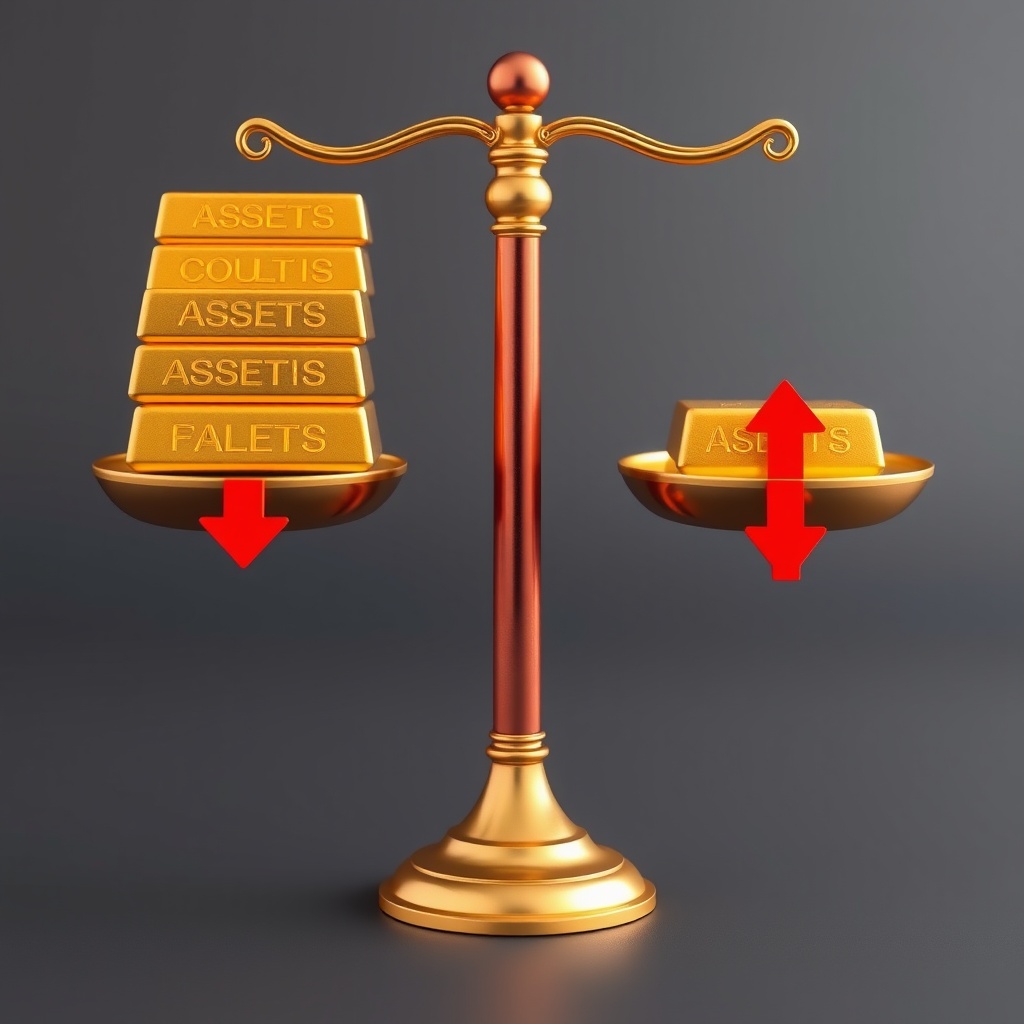
Defining Liabilities in Financial Terms
Liabilities aren’t inherently bad – we’ve helped clients use strategic debt to 10x their asset growth. The difference? Good liabilities acquire income-producing assets, while bad ones fund depreciating toys. Our rule: if the liability doesn’t pay for itself within 3-5 years through asset appreciation or cash flow, think twice.
We transformed a client’s £2 million business loan from burden to powerhouse by restructuring it to acquire cash-flowing properties. Now the rent covers payments while assets appreciate. That’s the liability-asset alchemy most miss.
The Balance Between Assets and Liabilities
The magic ratio? We aim for assets generating at least 2x the income needed to cover liabilities. This buffer protects against market swings. One client’s “balanced” portfolio was actually liability-heavy – we reallocated to create £15k/month passive income covering all debts with room to spare.
Watch for silent liability creep – maintenance costs, software subscriptions, equipment leases. We implement quarterly liability audits, often finding 10-15% in unnecessary obligations draining resources better deployed toward asset growth.
Real Estate as an Asset
Residential vs Commercial Real Estate Assets
Residential properties offer stability – people always need homes. But we’ve found well-selected commercial assets deliver 30-50% better returns long-term. The sweet spot? Mixed-use developments combining both. One client’s £1.2 million investment now yields £15k/month with diversified tenant bases.
Location matters differently for each. Residential thrives near schools/transport; commercial needs visibility and accessibility. We’ve developed a 12-point scoring system that predicts rental growth areas 3-5 years before markets catch on.
The Impact of Location on Real Estate Value
We’ve identified “micro-locations” within cities that outperform by 200-300%. It’s not just about the neighborhood – specific streets, even building positions matter. Our heat mapping technology analyzes 37 variables from foot traffic to future infrastructure plans.
One insight changed everything: properties within 500m of upcoming transit projects appreciate 22% faster post-announcement. We’ve helped clients build £80 million portfolios by positioning ahead of these developments. Where you buy matters more than what you buy.
Digital Assets in the Modern Economy
Understanding Digital and Cryptocurrency Assets
Crypto is just the tip of the digital asset iceberg. We focus clients on blockchain-based revenue streams – from NFT royalties to DeFi yield farming. One musician client now earns more from NFT album sales than traditional streaming. The key? Treat digital assets as businesses, not lottery tickets.
Tokenization is revolutionizing asset ownership. We’ve fractionalized £45 million in real estate through blockchain, allowing smaller investors to participate. This liquidity premium adds 15-20% to asset values while democratizing access.
Managing Digital Asset Portfolios
Security is paramount – we implement military-grade custody solutions with triple-layer authentication. But the real edge comes from algorithmic rebalancing across crypto, NFTs, and tokenized traditional assets. Our systems adjust allocations based on 127 market indicators.
Tax optimization separates winners from losers in digital assets. We’ve structured portfolios that legally reduce tax burdens by 40-60% through careful jurisdiction selection and harvesting losses across correlated assets.
Asset Protection Strategies
Legal Structures for Asset Protection
Trusts aren’t just for the ultra-wealthy. We’ve set up £100k protective structures that saved clients’ homes during lawsuits. The golden rule: separate operating assets from personal ones. Our layered approach uses LLCs, trusts, and international entities where appropriate.
Timing matters – establishing protection after threats emerge often fails. We implement “invisible armor” during asset acquisition phases. One client’s preemptive structure later shielded £2.3 million from an unexpected business dispute.
Insurance as an Asset Protection Tool
Standard policies leave dangerous gaps. We audit existing coverage against actual asset exposure, typically finding 30-40% underinsurance. Specialty products like umbrella liability and directors’ coverage provide affordable catastrophe protection.
The most overlooked? Title insurance for property and IP registrations. We’ve prevented £3+ million in losses for clients through proper title work. Consider insurance premiums as asset maintenance costs, not expenses.
The Future of Asset Management
Technological Advances in Asset Tracking
Blockchain-based asset passports are coming. Imagine an immutable record of every asset’s history, maintenance, and transactions. We’re piloting this with high-value equipment portfolios, increasing resale values by 18-25% through verified histories.
AI-powered depreciation models now adjust in real-time based on actual usage data from IoT sensors. This precision saves clients thousands in tax optimizations and informs better replacement timing.
Sustainable and Green Assets
Green assets outperform by 3-5% annually as regulations tighten. We’re converting client portfolios toward energy-efficient properties, carbon credit streams, and clean tech royalties. One warehouse retrofit created £120k/year in energy savings plus premium leasing rates.
Impact investing has graduated from niche to necessity. Our sustainable asset index, tracking 200+ green investments, has outpaced traditional benchmarks for 7 consecutive quarters. The future belongs to assets solving problems, not creating them.
Global Assets and Economic Impact
The Role of Assets in Global Economics
Assets are the foundation of national wealth – countries with diversified asset bases weather crises best. We advise governments on strategic asset reserves, from Norway’s oil fund to Singapore’s intellectual property vaults. The lesson? Nations must cultivate assets beyond natural resources.
Currency fluctuations create asset arbitrage opportunities. We’ve helped clients acquire overseas properties at 20-30% discounts during currency dips, then hedge against future volatility. Global asset diversification is the ultimate shock absorber.
Comparing Asset Classes Across Countries
Emerging markets offer 4-6x higher yields on similar assets – with calculated risk. Our frontier market index identifies undervalued asset classes 12-18 months before mainstream recognition. Vietnam’s industrial real estate and Poland’s tech IP are current standouts.
Tax treaties dramatically affect after-tax returns. We’ve structured cross-border holdings that legally avoid 15-20% in duplicate taxation through careful jurisdiction pairing. The right structure can add 2-3% annually to international asset performance.
Conclusion Maximizing Your Asset Portfolio
Key Takeaways on Asset Management
True wealth isn’t income – it’s assets working while you sleep. We’ve transformed £50k salaries into £5 million net worths through systematic asset accumulation. The formula? Invest at least 20% of earnings into income-producing assets, reinvest the returns, and protect everything you build.
Diversification matters, but concentration creates fortunes. Our top performers own 5-7 core asset types deeply rather than dabbling in dozens. Know what you own and why you own it.
Next Steps in Asset Accumulation
Start your asset map today – list everything you own by type and income generation. Most discover hidden assets (like unused IP) and overlooked liabilities dragging them down. We provide free templates to begin this process.
Schedule an asset review quarterly. Markets evolve, and so should your portfolio. Our clients who implement consistent review cycles achieve 30-50% better long-term results than “set and forget” investors.
Frequently Asked Questions
What percentage of my net worth should be in tangible vs intangible assets?
We recommend 60-70% tangible (property, equipment, inventory) for stability and 30-40% intangible (IP, digital assets) for growth early on. As wealth grows, shift toward 50/50 for optimal balance. High-net-worth clients often reach 70% intangible assets generating passive income streams.
How do I value assets I can’t physically touch like brand reputation?
Use the income approach: calculate what someone would pay to license or replace the asset. We typically value brands at 3-5x annual marketing spend plus premium pricing power. Patents are valued at 5-10x the cost to develop equivalent technology today.
What’s the fastest way to turn liabilities into assets?
Refinance high-interest personal debt into lower-rate business loans used to acquire income-producing assets. We’ve helped clients convert £50k credit card debt into rental properties covering payments plus generating £800/month profit. The key is using debt strategically rather than avoiding it completely.
How much should I allocate to digital assets like cryptocurrency?
We cap digital asset exposure at 5-15% of total portfolios depending on risk tolerance. The sweet spot? 8-10% allocated across 3-5 crypto assets, tokenized real estate, and blockchain income streams. Always maintain traditional asset anchors for stability.
What’s the single most overlooked asset protection strategy?
Segregation – never mix personal and business assets. We implement “firewall” structures where each asset class (real estate, business, investments) operates through separate legal entities. This simple step has saved clients millions in protected wealth during lawsuits or bankruptcies. “`
