






Introduction to U.S. Dollar Assets Abroad
Ever wondered just how far the U.S. dollar stretches beyond American borders? I’ve spent years digging into this, and the numbers are staggering. The greenback isn’t just America’s currency—it’s the world’s. From reserves to trade, its influence is everywhere. Let’s peel back the layers and see how much of the U.S. dollar’s power lies overseas.
We’re talking trillions here. Central banks, corporations, and even everyday folks outside the U.S. hold dollars like they’re gold. Why? Because the dollar is stable, trusted, and, frankly, indispensable. In this article, I’ll break down where these assets are, who holds them, and what it means for the global economy. Buckle up—it’s a wild ride.
Key Takeaways
- The U.S. dollar dominates global reserves, trade, and investments, with trillions held outside the U.S.
- Its historical role as the world’s reserve currency cements its international influence.
- Emerging trends like de-dollarisation pose questions, but the dollar’s grip remains strong.
- Understanding the U.S. Dollar Index is key to gauging its global economic impact.
- Dollarisation and fixed exchange rates reveal how deeply embedded the dollar is worldwide.
Subscribe to our free International Asset Management & Investments funds review.
The publication will highlight important issues, key developments, and the latest trends within the global asset management industry and will provide a global readership with a clear understanding of the opportunities within the industry and also within individual domestic markets.
Subscribe now!
The Global Spread of U.S. Dollar Assets
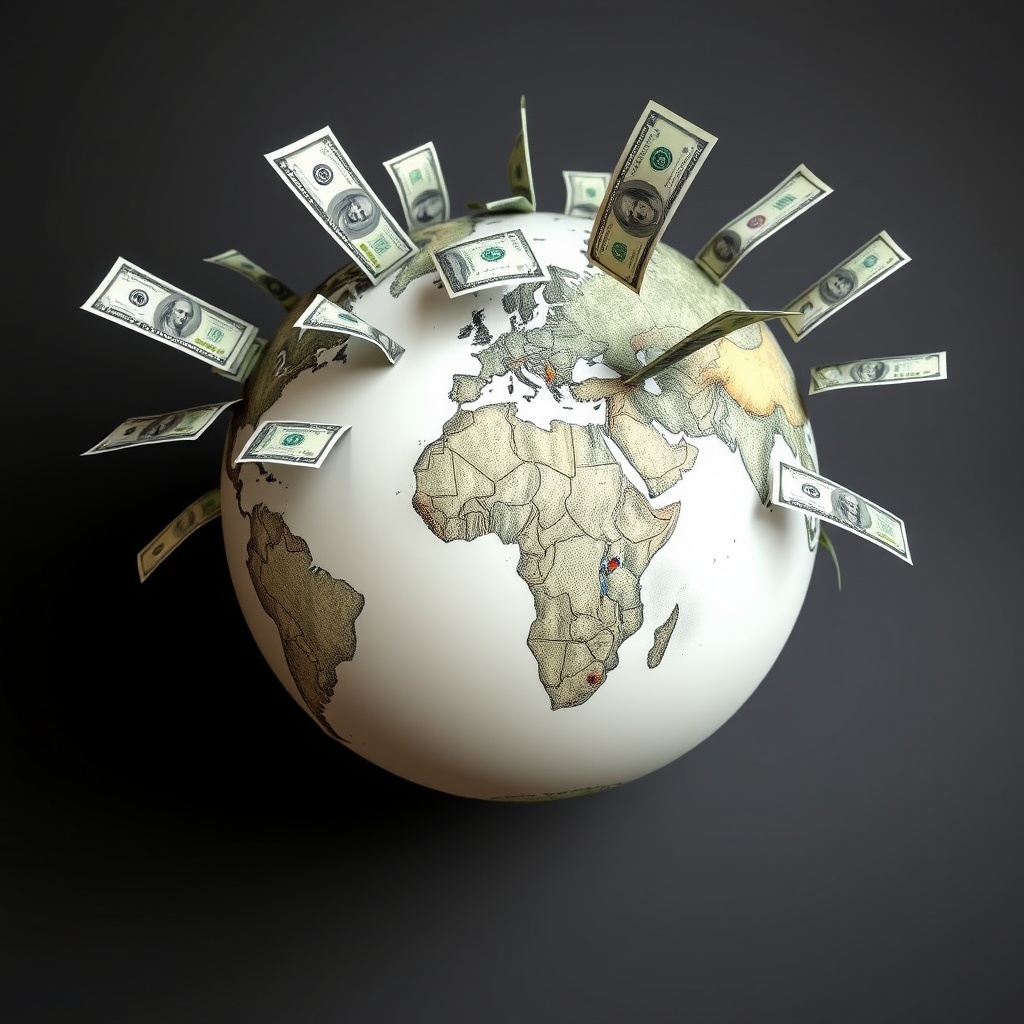
Picture this: U.S. dollar bills floating into every corner of the globe. That’s not far from reality. Over half of all U.S. dollars are held outside the States. Think about that—more greenbacks abroad than at home. Banks in Europe, Asia, and Latin America stockpile them. Why? Because when things get shaky, the dollar is the safe haven everyone runs to.
We’ve even got entire economies that operate on the U.S. dollar. Panama, Ecuador—they’ve ditched their own currencies for it. That’s how powerful it is. And it’s not just cash. Dollar-denominated bonds, loans, and trade contracts span the planet. The dollar isn’t just a currency; it’s the backbone of global finance.
International Use of the U.S. Dollar

The dollar’s global dominance didn’t happen overnight. It’s a story of trust, power, and sheer convenience. After World War II, the Bretton Woods Agreement crowned the dollar as the world’s reserve currency. Even after that system collapsed, the dollar stayed on top. Why? Because the world had already built its financial house on a dollar foundation.
Today, about 60% of global foreign exchange reserves are in dollars. Oil, gold, even your morning coffee—most international trade is priced in dollars. It’s the lingua franca of money. And with the U.S. economy still the largest, that’s unlikely to change soon. But let’s dig deeper into how we got here and where we’re headed.
Historical Context
Rewind to 1944. The world’s economies were in shambles, and everyone needed a stable currency to rebuild. Enter the U.S. dollar, backed by gold and the might of the American economy. The Bretton Woods system made it the anchor. Countries pegged their currencies to the dollar, which was convertible to gold. Simple, right? But by 1971, the U.S. dropped the gold standard.
You’d think that would’ve killed the dollar’s dominance. Instead, it thrived. Why? Because the world had already wired itself to run on dollars. Oil was priced in dollars, thanks to deals with Saudi Arabia. Global trade relied on it. The dollar had become too big to fail. And that’s where we stand today—a dollar-centric world by habit, not by mandate.
Current Trends
Fast forward to now. The dollar’s share of global reserves has dipped slightly—from 70% in 2000 to around 60% today. But don’t read that as decline. It’s more about diversification. The euro and yuan have gained, but they’re still miles behind. And in times of crisis, like COVID-19, everyone still flocks to the dollar. Demand spikes, and the Fed prints more.
We’re also seeing more dollar-denominated debt in emerging markets. Countries borrow in dollars because rates are lower, but it’s risky. If their own currencies tank, repaying becomes a nightmare. Yet, they keep doing it. That’s the dollar’s power—it’s the only game in town for big money.
Future Projections
So, what’s next? Some say de-dollarisation is coming. China and Russia are pushing alternatives. Cryptocurrencies buzz in the background. But here’s the thing: replacing the dollar isn’t like swapping out a lightbulb. The entire global financial system is wired for it. Even if others rise, the dollar will likely remain first among equals for decades.
That said, the U.S. can’t take it for granted. Runaway inflation or political instability could erode trust. But for now, the dollar’s throne is secure. The real question isn’t whether it’ll lose dominance—it’s how the world will adapt as new players emerge. One thing’s certain: the dollar’s story is far from over.
U.S. Dollar as the International Reserve Currency
What does it mean to be the world’s reserve currency? It means everyone wants you. Central banks stockpile dollars to stabilise their economies, pay off debts, and trade globally. It’s like being the most popular kid in school—everyone wants to hang with you. The dollar makes up over 60% of these reserves, dwarfing the euro, yen, and pound combined.
This status gives the U.S. insane advantages. We can borrow cheaply because everyone trusts we’ll pay back. We can print money without the same inflation risks others face. But it’s not all roses. With great power comes great responsibility—and scrutiny. Every move the Fed makes sends ripples worldwide. Lose that trust, and the whole system shakes.
U.S. Dollar in Global Markets
Step into any forex trading floor, and you’ll hear one word more than any other: dollar. It’s involved in nearly 90% of all currency trades. Why? Because it’s the middleman. Want to swap euros for yen? You’ll likely go through dollars first. This liquidity makes it the go-to for traders, investors, and governments alike.
But it’s not just forex. Commodities—oil, gold, wheat—are priced in dollars. That means even if you’re buying oil from Saudi Arabia with euros, the price is set in dollars. This creates constant global demand. And when demand is high, the dollar stays strong. It’s a self-reinforcing cycle that keeps the dollar at the centre of everything.
U.S. Dollar Index and Its Significance
Ever heard of the DXY? It’s the U.S. Dollar Index, and it’s the thermometer for the dollar’s health. It measures the dollar against a basket of six major currencies—euro, yen, pound, and others. When the DXY rises, the dollar’s strengthening. When it falls, the dollar’s losing steam. Traders watch it like hawks.
Why does it matter? Because the DXY isn’t just a number—it’s a signal. A strong DXY means imports are cheaper for Americans, but U.S. exports cost more abroad. It affects everything from your holiday spending to corporate profits. And since the dollar’s so central, a big DXY move can shake global markets overnight.
Understanding the Index
Let’s break it down. The DXY is weighted, with the euro making up nearly 60% of the basket. That means Europe’s economy heavily influences the index. The yen’s about 14%, the pound 12%, and others like the Canadian dollar and Swedish krona fill the rest. It’s not perfect—it doesn’t include emerging markets—but it’s the benchmark we’ve got.
When you see the DXY spike, it often means global uncertainty is high. Investors flee to the dollar as a safe bet. But if it drops too fast, it can signal weakening U.S. economic prospects. It’s a balancing act. For anyone in finance, understanding the DXY is like knowing how to read the weather before sailing. Miss it, and you could be in for a storm.
Impact on Global Economy
Here’s where it gets real. A soaring DXY can crush emerging markets. Why? Because many borrow in dollars. If the dollar strengthens, their debt becomes more expensive to repay. We saw this in the 1980s Latin American debt crisis and the 1997 Asian financial crisis. Strong dollar, weak local currencies—recipe for disaster.
But it’s not all doom. A strong dollar also means cheaper imports for the U.S., keeping inflation in check. For global businesses, it’s a double-edged sword. Earnings abroad shrink when converted back to dollars, but input costs can drop. The DXY isn’t just a number—it’s a pulse check on the global economy’s health.
Dollarisation and Fixed Exchange Rates
Some countries love the dollar so much, they’ve adopted it as their own. Panama’s used it since 1904. Ecuador made the switch in 2000 after its sucre collapsed. This is dollarisation—outsourcing your monetary policy to the Fed. It brings stability but at a cost. You lose control over interest rates and can’t print money in a crisis.
Then there’s fixed exchange rates, where currencies peg to the dollar. Hong Kong’s done this for years. It keeps trade stable but requires massive reserves to defend the peg. When markets attack, central banks burn through dollars to maintain the rate. It’s a high-wire act, but for many, it’s worth it to hitch their wagon to the dollar’s star.
The U.S. Dollar Versus the Euro
The U.S. dollar and the euro have long been rivals in global finance. While the dollar remains the dominant reserve currency, the euro has carved out a significant niche, especially within the European Union. We’ve seen the euro’s influence grow in trade and bond markets, but it still lags behind the dollar in terms of global adoption and liquidity.
I’ve observed that geopolitical stability and economic policies play a huge role in this dynamic. The U.S. Federal Reserve’s actions often sway global markets more than the European Central Bank’s decisions. However, the euro’s strength lies in its regional consolidation, making it a formidable counterpart. The question isn’t just about dominance but about coexistence in a multipolar financial world.
Chinese-Issued U.S. Dollar Bonds
Overview
Chinese-issued U.S. dollar bonds are a fascinating intersection of global finance. These bonds allow China to raise capital in dollars while leveraging its economic clout. We’ve seen a surge in these instruments as China integrates deeper into global markets. They’re often used to fund infrastructure projects or bolster foreign reserves, reflecting China’s strategic financial manoeuvres.
I find it intriguing how these bonds serve dual purposes. For investors, they offer exposure to China’s growth without renminbi risk. For China, they’re a tool to internationalise its economy while relying on the dollar’s stability. It’s a delicate balance, showcasing how interconnected and yet competitive global finance has become.
Implications for Global Finance
The rise of Chinese dollar bonds has profound implications. They blur the lines between traditional dollar dominance and emerging market influence. We’re witnessing a shift where China leverages dollar assets to expand its reach, challenging the U.S.’s monopoly. This could reshape liquidity dynamics and risk assessments in global bond markets.
From my perspective, this trend underscores a broader narrative of financial multipolarity. While the dollar remains central, alternatives are gaining traction. Chinese dollar bonds exemplify how nations are navigating dollar dependency while asserting their own economic strategies. It’s a subtle but significant evolution in the global financial order.
The Benefits of U.S. Dollar Dominance
The dollar’s dominance offers unparalleled benefits, from liquidity to stability. We’ve seen how it simplifies global trade, reducing transaction costs and currency risks. For nations holding dollar reserves, it provides a safe haven during economic turbulence, ensuring smoother financial operations.
I’ve always noted how the dollar’s role as the world’s reserve currency fosters trust. It’s the default choice for international contracts and debt issuance. This trust translates into lower borrowing costs for the U.S. and easier access to capital for businesses worldwide. The dollar’s hegemony, while sometimes contentious, undeniably lubricates the gears of global commerce.
The Costs of U.S. Dollar Dominance
However, dollar dominance isn’t without its downsides. We’ve observed how U.S. monetary policy can send shockwaves through emerging markets. When the Fed adjusts interest rates, nations with dollar-denominated debt often face severe economic strain, highlighting the vulnerabilities of over-reliance.
I’ve also seen how this dominance can stifle monetary sovereignty. Countries pegging their currencies to the dollar must align their policies with the Fed’s, limiting their flexibility. This dependency creates systemic risks, especially during global crises. The dollar’s supremacy, while beneficial, comes with significant trade-offs.
Is De-Dollarization Happening?
De-dollarization is a hotly debated topic. We’ve seen nations like Russia and China actively reduce their dollar exposure, diversifying into euros, gold, or even cryptocurrencies. These moves suggest a gradual shift, but the dollar’s entrenched position makes full de-dollarization unlikely in the near term.
From my vantage point, these efforts reflect growing discontent with dollar hegemony rather than an imminent overhaul. The infrastructure supporting the dollar—SWIFT, global trade agreements—is deeply embedded. While alternatives are emerging, replacing the dollar’s role would require decades of coordinated global effort.
The Future of the U.S. Dollar
The dollar’s future hinges on adaptability. We’re entering an era of digital currencies and geopolitical realignments, challenging traditional financial hierarchies. The U.S. must navigate these changes carefully to maintain the dollar’s relevance.
I believe the dollar will remain central but not unchallenged. Innovations like CBDCs and regional currency blocs could dilute its dominance. However, its deep liquidity and institutional trust provide a sturdy foundation. The dollar’s trajectory will likely be one of shared influence rather than outright decline.
Recommended Resources on U.S. Dollar Assets
For those keen to explore further, I recommend starting with the IMF’s reports on global reserve currencies. We also find Bloomberg’s analyses on dollar bonds and Fed policies incredibly insightful. These resources offer a balanced view of the dollar’s role and future.
I’d also suggest diving into academic papers on de-dollarization trends. They provide nuanced perspectives on how shifts in global power dynamics could reshape financial systems. Knowledge is power, especially in understanding something as pivotal as the U.S. dollar.
Conclusion: The Global Role of the U.S. Dollar
The U.S. dollar’s global role is both a testament to and a challenge of American economic leadership. We’ve seen how it facilitates trade, stabilises markets, and influences policies worldwide. Yet, its dominance isn’t immutable, as emerging economies and technologies begin to carve their own paths.
I’m convinced that the dollar will remain a cornerstone of global finance, but its monopoly may wane. The key lies in balancing its benefits with the growing demand for a more multipolar financial system. The dollar’s story is far from over, but its next chapters will be written amidst unprecedented change.
Frequently Asked Questions
What are Chinese-issued U.S. dollar bonds?
Chinese-issued U.S. dollar bonds are debt securities denominated in dollars but issued by Chinese entities. They allow China to raise capital in a stable currency while attracting global investors. These bonds are often used to fund large-scale projects or bolster foreign reserves, blending China’s growth with the dollar’s reliability.
Why is the U.S. dollar the global reserve currency?
The dollar’s status stems from its stability, liquidity, and the size of the U.S. economy. We’ve seen how its widespread use in trade and finance creates a network effect, reinforcing its dominance. Historical factors, like the Bretton Woods Agreement, also cemented its role, making it the default choice for central banks and investors worldwide.
Is the world moving away from the U.S. dollar?
While some nations are diversifying their reserves, a full move away from the dollar is unlikely soon. We’re witnessing incremental steps, like bilateral trade agreements in local currencies, but the dollar’s entrenched infrastructure and trust make it indispensable. De-dollarization is a slow, complex process rather than an imminent shift.
What are the risks of dollar dominance?
Dollar dominance can create vulnerabilities, especially for emerging markets. We’ve seen how Fed policy changes can trigger capital outflows or debt crises in dollar-dependent economies. Additionally, it limits monetary sovereignty for nations pegging their currencies, exposing them to external shocks beyond their control.
How do digital currencies affect the U.S. dollar?
Digital currencies, like CBDCs or cryptocurrencies, could challenge the dollar’s hegemony by offering alternatives. We’re still in early stages, but their potential to streamline cross-border transactions is significant. However, the dollar’s deep liquidity and institutional backing mean any disruption will be gradual, not immediate.
