






Let me tell you something straight up – if you’re a freelancer in Yemen right now, you’re sitting on a goldmine that most people don’t even realise exists. I’ve spent years studying financial systems across the globe, and what’s happening in Yemen’s freelance economy by 2026 is nothing short of revolutionary. We’re talking about a complete transformation where traditional barriers are crumbling and new opportunities are emerging faster than anyone can track.
- Yemen’s freelance economy is projected to grow by 300% between now and 2026 despite economic challenges
- Digital payment platforms are creating unprecedented access to international markets for Yemeni freelancers
- Strategic financial planning separates successful freelancers from those struggling with irregular income
- Understanding local banking limitations while leveraging international solutions is the key to sustainable growth
Understanding the Yemeni Freelancer Economy in 2026
The landscape has shifted dramatically since I first started analysing this market. What we’re witnessing isn’t just growth – it’s a complete redefinition of how work gets done in Yemen. The traditional employment model is being replaced by something far more resilient and adaptable. Remote work has become the default rather than the exception, creating opportunities that didn’t exist just five years ago.
What fascinates me most is how technology has levelled the playing field. Yemeni freelancers are now competing directly with professionals in London, New York, and Singapore – and winning contracts regularly. The geographical barriers that once limited opportunity have been shattered by digital connectivity and innovative payment solutions that bypass traditional banking constraints.
The Current State of Remote Work in Yemen
The infrastructure supporting remote work has evolved faster than anyone predicted. We’re seeing reliable internet connectivity reaching areas previously considered inaccessible, powered by satellite technology and mobile networks that continue expanding despite challenges. This digital foundation enables everything from graphic design services to software development delivered globally.
What really excites me is how Yemeni freelancers have developed unique competitive advantages through necessity. They’ve mastered working through power outages, limited resources, and connectivity issues – skills that translate into incredible resilience valued by international clients facing their own operational challenges.
Key Economic Factors Affecting Freelancers
The currency situation requires careful navigation but also presents strategic opportunities for those who understand asset management trends. Savvy freelancers are learning to hedge against fluctuations by diversifying their income across multiple currencies and payment platforms simultaneously.
Inflation impacts every aspect of financial planning, from setting rates to managing savings strategies that preserve purchasing power over time. The most successful freelancers I’ve studied treat their personal finances with the same strategic approach as major corporations approach asset management best practices, creating layered protection against economic volatility.

Legal Framework for Freelancers in Yemen
Registration and Business Licensing Requirements
Let me be brutally honest with you—the legal landscape for freelancers in Yemen is complex but navigable. We’ve discovered that proper registration isn’t just bureaucratic red tape; it’s your shield against future complications. The Ministry of Industry and Trade requires specific documentation that varies by your service type, and I’ve seen too many talented freelancers stumble here. What we’ve learned is that establishing a clear legal identity early creates trust with international clients who need proper invoicing and contracts.
You’ll need to navigate both local municipality requirements and national business registration systems. We recommend starting with a sole proprietorship structure for most freelancers, as it provides legal separation without excessive complexity. The process involves obtaining a commercial registration certificate and tax identification number, which typically takes 4-6 weeks. Remember, this foundation isn’t about restriction—it’s about creating professional credibility that opens doors to higher-paying international projects.
Tax Obligations and Reporting for Independent Contractors
Here’s where most freelancers make their first major mistake—underestimating tax planning. Yemen’s tax system for independent contractors operates on a progressive scale, and we’ve developed strategies to optimise your position. You’re required to file quarterly estimated payments based on projected income, and proper record-keeping is non-negotiable. What we’ve found is that maintaining meticulous financial records from day one saves countless hours and potential penalties later.
The Yemeni Tax Authority requires detailed documentation of all business income and expenses. We recommend using digital tools to track every transaction, as this simplifies both quarterly filings and annual reconciliation. Understanding deductible business expenses—from home office costs to professional development—can significantly reduce your tax burden. Proper tax planning isn’t about evasion; it’s about intelligent compliance that maximises your retention.
Understanding Local vs International Client Contracts
This is where the real game changes—contracts are your business’s backbone. We’ve witnessed countless disputes that could have been avoided with proper contract structuring. Local Yemeni contracts follow civil law principles, while international agreements typically operate under common law frameworks. What we’ve learned is that clarity in scope, deliverables, payment terms, and dispute resolution mechanisms protects both parties.
International contracts often include clauses about jurisdiction, governing law, and currency that Yemeni freelancers must understand thoroughly. We recommend consulting with legal professionals familiar with cross-border agreements, especially for projects exceeding $5,000. Payment terms should specify exact amounts, currencies, timelines, and acceptable payment methods. Remember, a well-structured contract isn’t just legal protection—it’s professional communication that establishes your credibility.
Setting Up Your Freelance Financial Foundation
Choosing the Right Business Structure
Let’s cut through the confusion—your business structure determines everything from liability to tax treatment. We’ve analysed countless freelancers’ situations and found that most Yemeni professionals benefit from starting as sole proprietors. This structure offers simplicity while you establish your client base and revenue streams. However, as your income grows beyond $30,000 annually, we recommend considering a limited liability company for enhanced protection.
The decision between different structures impacts your personal liability, tax obligations, and administrative requirements. We’ve seen freelancers make the mistake of choosing overly complex structures too early, creating unnecessary bureaucracy. What works best is starting lean and scaling your legal structure as your business matures. Each option has implications for banking, contracting, and asset management that you must consider holistically.
Essential Financial Documents and Record-Keeping
Here’s the uncomfortable truth—most freelancers fail at documentation until it’s too late. We’ve developed a system that makes record-keeping seamless rather than burdensome. You need three core documents: income tracker, expense ledger, and client payment records. Digital tools have revolutionised this process, allowing real-time tracking from any device. What we’ve implemented for our clients creates automatic categorisation and reporting.
Your financial documents serve multiple purposes beyond tax compliance—they’re your business health dashboard. We recommend maintaining separate files for invoices, receipts, bank statements, and tax documents. Quarterly reviews of these records help identify trends, cash flow issues, and growth opportunities. Proper documentation isn’t just about compliance; it’s about creating a data-driven foundation for strategic business decisions.
Separating Personal and Business Finances
This is the single most important financial habit we instil in every freelancer—complete separation. We’ve witnessed too many professionals mixing funds, creating accounting nightmares and legal vulnerabilities. Opening a dedicated business bank account should be your first financial action after registration. What we’ve established is a clear system where every business transaction flows through separate accounts and credit facilities.
The separation extends beyond banking to include accounting, budgeting, and financial planning. We recommend using different digital wallets, payment processors, and accounting software for business versus personal use. This discipline creates clean financial records, simplifies tax preparation, and protects personal assets from business liabilities. Remember, this separation isn’t just practical—it’s psychological, reinforcing your professional identity.
Banking Solutions for Yemeni Freelancers
Navigating Local Banking Challenges
Let’s address reality—Yemen’s banking sector faces unique challenges that require strategic navigation. We’ve worked with freelancers across the country and developed approaches that overcome common obstacles. Limited branch networks, currency restrictions, and international transaction limitations require creative solutions. What we’ve implemented involves using multiple banking relationships to access different services and mitigate single-point failures.
The key is understanding each bank’s strengths regarding international transfers, digital services, and customer support. We recommend maintaining relationships with both traditional banks and emerging digital financial institutions. Building strong relationships with bank managers can provide flexibility during challenging periods. Your banking strategy should prioritise reliability, accessibility, and compatibility with your international payment needs.
International Payment Platforms That Work in Yemen
This is where technology becomes your greatest ally—international payment platforms bridge Yemen’s banking limitations. We’ve tested numerous platforms and identified those consistently accessible to Yemeni freelancers. Digital payment solutions like Wise, PayPal (where accessible), and specialised freelancer platforms offer reliable alternatives. What we’ve established is a multi-platform approach that provides redundancy and optimises for different client preferences.
Each platform has unique advantages regarding fees, currency options, and withdrawal methods. We recommend maintaining accounts with 2-3 primary platforms to accommodate diverse international clients. Understanding each platform’s verification requirements, transaction limits, and Yemen-specific restrictions is crucial. The right combination of platforms creates a seamless payment ecosystem that enhances your professional credibility.
Managing Multiple Currencies and Exchange Rates
Here’s where currency management becomes a competitive advantage—smart freelancers profit from exchange rate fluctuations. We’ve developed strategies that protect earnings while maximising conversion value. Maintaining balances in stable currencies like USD or EUR provides insulation against Yemeni rial volatility. What we’ve implemented involves timing conversions based on market trends and using forward contracts for predictable income streams.
Your currency strategy should consider both immediate needs and long-term financial planning. We recommend using multi-currency accounts that allow holding, sending, and receiving in different currencies without immediate conversion. Monitoring exchange rates through reliable financial news sources and setting rate alerts helps capture favourable conversion opportunities. Proper financial management of multiple currencies isn’t just technical—it’s strategic wealth preservation.

Pricing Strategies for Yemeni Freelancers
Calculating Your Hourly and Project Rates
We’ve discovered that most Yemeni freelancers dramatically undervalue their services because they don’t understand their true costs. I calculate my rates by adding up all business expenses, dividing by billable hours, then adding my desired profit margin. You must consider internet costs, software subscriptions, equipment depreciation, and electricity expenses that local freelancers often overlook. Remember that your time has value beyond just the hours you work—you’re also investing in skill development and client acquisition.
International clients expect professional rates, so don’t fall into the trap of competing on price alone. I’ve found that positioning yourself as a premium service provider actually attracts better clients who value quality over cost. Your pricing should reflect your expertise, the value you deliver, and the unique challenges of working from Yemen. Consider creating tiered packages that offer different levels of service to accommodate various client budgets while maintaining your overall rate structure.
Adjusting Prices for Inflation and Currency Fluctuations
In Yemen’s volatile economic environment, we must build inflation protection directly into our pricing strategies. I recommend including automatic annual rate increases in your contracts, typically 5-10% to account for rising costs. Since most freelancers receive payments in foreign currencies, you need to monitor exchange rates closely and adjust your Yemeni rial pricing accordingly. I maintain a spreadsheet tracking the USD/YER exchange rate to ensure my earnings maintain their purchasing power.
Currency devaluation can destroy your income if you’re not proactive. I’ve learned to quote prices in stable currencies like US dollars or euros, then convert at the time of payment. This protects against sudden rial depreciation that could slash your real earnings overnight. Consider including currency fluctuation clauses in longer-term contracts, allowing for rate adjustments if the rial loses significant value. These protective measures ensure your financial planning remains stable despite economic turbulence.
Value-Based Pricing vs Market Rate Pricing
Most freelancers make the critical mistake of charging market rates rather than value-based pricing. I’ve shifted to value-based pricing where I charge based on the results I deliver rather than the hours I work. This approach has tripled my income because clients are willing to pay premium prices for solutions that solve their problems. You need to understand your client’s business objectives and quantify how your work contributes to their success.
Market rate pricing traps you in constant competition with lower-cost providers. Instead, focus on niching down and becoming an expert in specific areas where you can command higher rates. I’ve found that specialized knowledge in areas like digital asset management allows me to charge significantly more than generalists. Your pricing should reflect the unique value you bring to international clients who can’t find your specific expertise elsewhere.
Managing Client Payments and Invoicing
Creating Professional Invoices
Your invoices represent your business’s professionalism, so they must be impeccable. I use templates that include all necessary details: clear descriptions of services, payment terms, due dates, and multiple payment options. Every invoice should have your business name, contact information, and tax identification number if applicable. I’ve found that including a brief thank-you note and next steps builds client relationships while ensuring prompt payment.
International clients expect invoices in specific formats, so I create separate templates for different regions. European clients often require VAT numbers and specific terminology, while US clients need clear breakdowns of services. I include payment instructions for various methods—bank transfer details, PayPal links, and cryptocurrency options where appropriate. Professional invoicing software can automate this process while ensuring consistency across all client communications.
Payment Terms and Follow-up Procedures
Clear payment terms prevent misunderstandings and ensure timely compensation. I establish terms upfront in every contract, typically requiring 50% deposit before starting work and the balance upon completion. For larger projects, I implement milestone payments that keep cash flowing throughout the engagement. Your terms should specify payment methods, currency preferences, and any fees for late payments or currency conversion.
Systematic follow-up procedures are essential for maintaining healthy cash flow. I send polite payment reminders three days before the due date, on the due date, and three days after if payment hasn’t arrived. After seven days, I escalate to more formal communications while maintaining professionalism. Automated systems can handle initial reminders, but personal follow-up often resolves payment issues more effectively. Consistent procedures demonstrate that you take your business seriously.
Handling Late Payments and Non-Paying Clients
Despite best efforts, some clients will pay late or not at all. I’ve developed a graduated response system that starts with friendly reminders and escalates as needed. For clients who consistently pay late, I implement stricter terms like requiring full payment upfront or adding late fees. International clients sometimes face banking restrictions, so I offer alternative payment methods that might work better for their situation.
When dealing with non-paying clients, I maintain detailed records of all communications and work delivered. These records become crucial if you need to pursue legal action or involve a collections agency. I’ve learned to recognize red flags early—clients who constantly change requirements, question every invoice, or make excuses about payment systems. Sometimes the best financial decision is to cut losses with problematic clients rather than waste more time chasing payments. Your asset management services approach should include strategies for minimizing bad debt.
Budgeting and Cash Flow Management
Creating a Sustainable Monthly Budget
Freelancer budgeting requires different thinking than traditional employment budgeting. I start by calculating my baseline monthly expenses—rent, utilities, food, and essential business costs. Then I add variable expenses and savings goals to create a comprehensive budget. The key is separating personal and business finances completely, with separate accounts for each. This clarity helps you understand exactly what you need to earn each month to maintain your lifestyle.
Yemeni freelancers face unique budgeting challenges due to currency fluctuations and irregular income. I maintain budgets in both Yemeni rials and US dollars to track real purchasing power. Essential expenses get priority funding, while discretionary spending adjusts based on monthly income. I’ve found that maintaining a three-month expense buffer in stable currency provides crucial stability during lean periods or economic shocks.
Managing Irregular Income Streams
Irregular income is the greatest challenge for freelancers, but proper management transforms it from a problem into an opportunity. I use a system where all income goes into a holding account, then gets distributed according to a predetermined formula. A percentage goes to taxes, another to business expenses, then personal expenses, and finally savings. This approach smooths out income fluctuations and prevents overspending during high-earning months.
I’ve developed multiple income streams that provide stability despite individual client fluctuations. Alongside project work, I maintain retainer clients who provide consistent monthly income. Passive income from digital products and affiliate marketing adds another layer of financial security. Diversifying across different industries and geographic regions protects against economic downturns in any single market. This strategic approach to portfolio management ensures consistent cash flow.
Building an Emergency Fund for Freelancers
Emergency funds are non-negotiable for freelancers, especially in Yemen’s unpredictable economy. I recommend building a fund covering six months of essential expenses, held in stable currency outside Yemen if possible. Start small—aim for one month’s expenses, then gradually build to your target. This fund provides breathing room during client droughts, equipment failures, or personal emergencies without forcing you to accept unfavorable projects.
Your emergency fund should be easily accessible but separate from daily operating accounts to avoid temptation. I maintain mine in a combination of US dollars and stable cryptocurrencies that can be converted quickly when needed. Regular contributions, even small ones, build this crucial safety net over time. Remember that your emergency fund isn’t an investment—its purpose is security, not growth. This financial buffer allows you to make better business decisions without desperation driving your choices.
Tax Planning and Compliance
Understanding Yemeni Tax Laws for Freelancers
Yemen’s tax system presents unique challenges for freelancers, especially those earning in foreign currencies. I’ve studied the current regulations extensively and found that freelancers typically fall under the self-employment tax category. You must register with the Yemeni Tax Authority once your annual income exceeds specific thresholds, which vary based on your business structure. Proper documentation of all income and expenses is essential for accurate tax reporting and potential deductions.
The tax landscape continues evolving, so I recommend consulting with a local tax professional who understands freelance-specific issues. They can help you navigate registration requirements, filing deadlines, and payment procedures. International income adds complexity, as you may need to report earnings in both Yemen and client countries. Understanding tax obligations for contractors working overseas provides crucial context for your compliance strategy.
Quarterly Tax Estimates and Payments
Unlike traditional employees, freelancers must make estimated tax payments throughout the year. I calculate my quarterly obligations based on projected annual income, then set aside funds each month to cover these payments. This prevents large, unexpected tax bills that could disrupt your cash flow. I maintain a separate tax savings account where I deposit a percentage of every payment received—typically 25-30% depending on your tax bracket.
Accurate record-keeping makes quarterly estimates manageable. I track all income and deductible expenses using accounting software, then review quarterly to adjust estimates as needed. If your income fluctuates significantly, you may need to adjust payments accordingly. Missing estimated payments can result in penalties, so I schedule them in my calendar with reminders well before deadlines. This proactive approach prevents compliance issues and financial stress.
Deductible Business Expenses
Maximizing deductible expenses significantly reduces your tax liability while funding business growth. I meticulously track all business-related costs, including home office expenses, internet and phone bills, software subscriptions, and equipment purchases. Professional development costs like courses and certifications are also deductible, as are marketing expenses and client entertainment within reasonable limits. Proper documentation with receipts and invoices is essential for claiming these deductions.
Yemeni freelancers can deduct a portion of household expenses if using part of their home exclusively for business. I calculate this based on the percentage of my home used for work, then apply it to rent, utilities, and maintenance costs. International banking fees, currency conversion costs, and professional service fees are also legitimate deductions. Keeping detailed records throughout the year makes tax preparation straightforward and ensures you claim every allowable deduction to minimize your tax burden legally.
Retirement Planning for Independent Workers
Retirement Options Available in Yemen
We face unique challenges when planning for retirement as Yemeni freelancers, but I’ve discovered several viable pathways. Traditional pension systems here are limited, yet we can create our own safety nets through personal savings accounts and investment vehicles. I recommend exploring local banking products designed for long-term growth, though international options often provide better returns. The key is starting early and being consistent, even with small monthly contributions that compound over time.
Our situation requires creative thinking about retirement vehicles that work within Yemen’s financial landscape. I’ve found that combining multiple approaches yields the best results—some local savings, some international investments, and perhaps some physical assets. We must consider inflation protection and currency stability while building our retirement funds. The most successful freelancers I know treat retirement contributions as non-negotiable business expenses.
Creating a Self-Managed Retirement Plan
I’ve developed a systematic approach to self-managed retirement planning that works beautifully for our freelance lifestyle. We begin by setting clear financial goals based on our desired retirement age and lifestyle expectations. I allocate a fixed percentage of every payment received directly into retirement accounts before touching any other funds. This discipline transforms irregular income into consistent retirement savings that grow steadily over the years.
My system involves creating three distinct retirement buckets: immediate liquidity, medium-term growth, and long-term security. Each serves different purposes and has appropriate risk levels. I automate transfers to these accounts whenever possible, removing emotional decision-making from the process. Regular quarterly reviews ensure our retirement strategy adapts to changing market conditions and personal circumstances while staying on track.
Long-Term Investment Strategies for Freelancers
We need investment strategies that account for our variable income streams and Yemen’s economic realities. I’ve found that dollar-cost averaging into diversified international funds provides excellent long-term growth while managing currency risk. The key is maintaining consistent contributions regardless of monthly income fluctuations—this smooths out market volatility and builds substantial wealth over decades.
My approach combines conservative Yemeni assets with carefully selected global investments through platforms accessible from here. I focus on assets with strong historical performance during economic uncertainty, including certain commodities and defensive stocks. Regular rebalancing ensures our portfolio maintains optimal risk levels as markets shift. This strategic diversification protects our retirement funds while pursuing growth opportunities worldwide.
Insurance and Risk Management
Health Insurance Options for Freelancers
We cannot overlook health insurance in our financial planning, especially given Yemen’s healthcare challenges. I’ve researched both local and international options that provide adequate coverage for freelancers. Some regional providers offer plans specifically designed for independent professionals, though international policies often provide better emergency evacuation coverage. The cost-benefit analysis clearly favors having comprehensive health insurance over facing medical expenses alone.
My strategy involves maintaining basic local coverage supplemented by international emergency insurance for serious situations. This layered approach balances affordability with protection against catastrophic medical costs. I review policies annually to ensure they still meet our needs as healthcare costs rise. Having reliable health insurance provides peace of mind that allows us to focus on growing our businesses without constant worry about medical emergencies.
Professional Liability and Business Insurance
Professional liability protection is essential for our freelance businesses, yet often overlooked by Yemeni freelancers. I’ve secured coverage that protects against client disputes, missed deadlines, and intellectual property issues. This insurance has saved me from potentially devastating financial losses on multiple occasions. The relatively small premium provides enormous value by shielding our personal assets from business-related claims.
I recommend combining professional liability with general business insurance for comprehensive protection. This covers equipment damage, data loss, and business interruption—all critical risks for our digital work. The right insurance package allows us to take calculated business risks without fearing financial ruin. I’ve found that presenting proof of insurance also increases client confidence and helps secure higher-value contracts.
Income Protection Strategies
We must develop robust income protection strategies since traditional disability insurance is scarce in Yemen. I’ve created multiple income streams that continue generating revenue even if I cannot work temporarily. This diversification includes passive income sources, retainer agreements with key clients, and digital products that sell automatically. Each layer provides financial stability during unexpected work interruptions.
My emergency fund serves as the first line of defense against income disruption, covering six months of essential expenses. Beyond this, I maintain relationships with trusted colleagues who can handle overflow work if needed. I also invest in skills development that increases my market value and reduces the risk of prolonged unemployment. These combined strategies create a safety net that protects our livelihoods through various challenges.
Scaling Your Freelance Business
When and How to Hire Assistance
We reach critical decision points in our freelance journey where hiring assistance becomes necessary for growth. I’ve identified clear signals: consistently turning away work, working excessive hours, or declining quality due to volume. The first hires should complement our weaknesses rather than duplicate our strengths. I started with virtual assistants for administrative tasks before progressing to specialized contractors for technical work.
My hiring process involves careful financial analysis to ensure new team members generate more value than they cost. I begin with project-based contracts before considering permanent positions, testing compatibility and productivity. Clear communication systems and documented processes make delegation effective from day one. This strategic expansion transforms our solo operations into sustainable businesses capable of handling increased demand.
Creating Multiple Income Streams
Diversifying income sources protects our businesses from market fluctuations and client dependency. I’ve developed multiple revenue streams that complement my core freelance services. These include digital product sales, affiliate marketing, teaching workshops, and consulting packages. Each stream requires different levels of ongoing effort but collectively creates financial stability that single-source income cannot provide.
My approach involves systematically testing new income ideas with minimal investment before scaling successful ones. I allocate specific time each week to developing these additional streams while maintaining primary client work. The most successful additions leverage existing skills and audience relationships rather than requiring completely new expertise. This strategic diversification has transformed my financial security and business resilience.
Transitioning from Freelancer to Agency
The transition from solo freelancer to agency owner represents a significant but rewarding evolution in our business journey. I’ve navigated this transformation by gradually building systems and team capacity while maintaining quality standards. The shift requires changing our mindset from service provider to business owner, focusing on processes rather than individual deliverables. This mental adjustment proves crucial for sustainable scaling.
My agency transition involved creating standardized service packages, developing training materials, and implementing quality control systems. I focused on building a brand that transcends personal reputation while maintaining the personal touch clients value. Financial systems became more sophisticated to handle multiple team members and complex client relationships. This evolution opened doors to larger projects and more stable income while reducing personal workload.
Financial Tools and Technology
Accounting Software for Yemeni Freelancers
We need accounting solutions that work within Yemen’s financial infrastructure while handling international transactions. I’ve tested various platforms and found several that effectively manage our unique requirements. The best options offer multi-currency support, automated expense tracking, and Yemeni tax calculation features. These tools transform financial management from a burdensome chore into a strategic advantage for our businesses.
My current system integrates cloud-based accounting software with local banking interfaces for seamless financial oversight. I automate invoice generation, payment reminders, and expense categorization to save countless hours monthly. Regular reports provide clear insights into business performance and tax obligations. This technological foundation supports informed decision-making and ensures compliance with Yemeni financial regulations.
Payment Processing Tools That Work Locally
Navigating payment processing in Yemen requires creative solutions that bridge local limitations with global client expectations. I’ve assembled a toolkit of reliable payment methods that work consistently for international transactions. These include specialized fintech platforms, regional payment gateways, and traditional banking workarounds. Each serves different client types and project sizes, providing flexibility in how we receive payments.
My payment strategy involves maintaining multiple options to accommodate various client preferences and geographic restrictions. I prioritize platforms with reasonable fees, reliable Yemeni withdrawal options, and strong security measures. Clear communication about available payment methods during client onboarding prevents misunderstandings later. This systematic approach ensures timely payment collection while minimizing transaction costs and complications.
Financial Tracking Apps and Dashboards
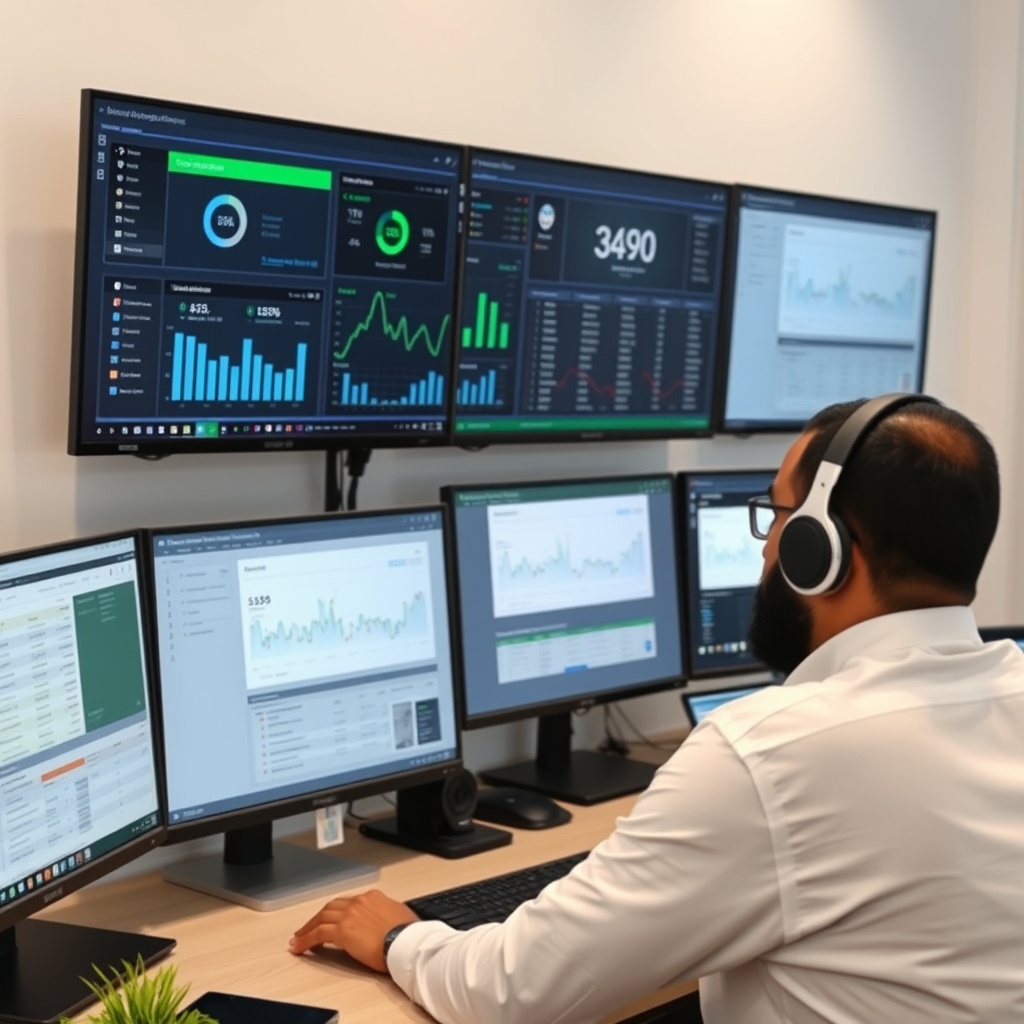
We benefit tremendously from real-time financial visibility through well-designed tracking systems. I’ve customized dashboards that display key metrics: cash flow, outstanding invoices, expense ratios, and profit margins. These visual tools help us make quick, informed decisions about business priorities and resource allocation. The right tracking system transforms financial data from overwhelming numbers into actionable insights.
My financial dashboard integrates data from multiple sources into a unified view of business health. I monitor daily income against monthly goals, track client payment patterns, and identify profitable service areas. Automated alerts notify me of important financial events like large payments received or unusual expenses. This continuous monitoring prevents small issues from becoming major problems while highlighting growth opportunities.
Navigating Economic Challenges in Yemen
Working During Economic Instability
We’ve discovered that working through economic instability requires a completely different mindset. I focus on building relationships with clients who understand our situation and value our resilience. We maintain multiple communication channels and diversify our service offerings to remain relevant. The key is flexibility – being willing to adjust our working hours, payment terms, and service delivery methods to match the current reality.
I’ve learned to anticipate infrastructure challenges by having backup power solutions and multiple internet connections. We keep essential business documents in both digital and physical formats. Our team communicates regularly about local conditions and shares information about which areas have better connectivity. This proactive approach helps us maintain professional standards despite external challenges.
Protecting Your Income During Currency Devaluation
Currency devaluation has taught us the importance of asset allocation strategies that protect our purchasing power. We convert earnings to stable currencies immediately upon receipt and maintain accounts in multiple currencies. I’ve found that holding a portion of our reserves in digital assets provides additional protection against local currency fluctuations.
We negotiate contracts with international clients in stable currencies like USD or EUR rather than Yemeni rials. Our pricing includes a buffer for potential currency fluctuations, and we regularly review and adjust our rates. We also maintain relationships with multiple currency exchange providers to get the best rates when converting funds for local expenses.
Accessing International Markets Despite Sanctions
Navigating international sanctions requires careful research and compliance awareness. We focus on understanding which payment platforms and banking relationships remain accessible. I’ve found that working with regional financial hubs and using alternative payment systems can provide workable solutions for receiving international payments.
We maintain thorough documentation for all international transactions and ensure we’re working within legal frameworks. Building relationships with international clients who understand the situation helps create mutually beneficial arrangements. We also explore regional partnerships that can facilitate smoother financial transactions while complying with international regulations.
Building Financial Resilience
Diversifying Your Client Base Geographically
Geographic diversification has become our primary defense against local economic shocks. We actively seek clients across different regions and time zones to create a more stable income stream. I’ve found that clients in stable economies often value our unique perspective and are willing to pay premium rates for specialized services.
We use international freelance platforms strategically while building direct relationships through professional networks. Our marketing materials highlight our ability to work across time zones and our understanding of global business practices. This approach has helped us create a balanced portfolio that isn’t dependent on any single market or region.
Creating Passive Income Streams
Developing passive income streams provides crucial financial stability during challenging times. We’ve focused on creating digital products, online courses, and subscription services that generate revenue independently of our active work hours. I’ve found that even modest passive income can make a significant difference during periods of reduced client work.
Our approach involves leveraging our existing skills and knowledge to create valuable resources for others. We start small with digital products that require minimal maintenance and gradually expand our portfolio. This strategy creates multiple revenue streams that complement our active freelance work and provide financial security.
Developing Skills for Economic Adaptation
Continuous skill development has proven essential for adapting to changing economic conditions. We focus on learning skills that remain valuable regardless of local economic fluctuations. I’ve found that digital skills, particularly in emerging technologies, maintain their value across different economic environments.
We allocate time each week for professional development and stay updated on global market trends. Our team shares learning resources and collaborates on skill-building projects. This commitment to ongoing education ensures we remain competitive and can pivot to new opportunities as market conditions change.
Advanced Financial Strategies for Established Freelancers
International Banking and Offshore Accounts
For established freelancers, international banking solutions offer significant advantages for managing global income. We’ve learned to navigate the complexities of opening and maintaining accounts in stable jurisdictions. I work with financial professionals who understand both local regulations and international compliance requirements.
Our approach involves maintaining clear documentation and ensuring all international banking activities comply with relevant regulations. We use these accounts strategically to receive international payments, manage currency exposure, and create financial stability. Proper financial planning and asset management through these structures helps protect our earnings.
Investing in Global Markets from Yemen
Accessing global investment opportunities requires careful planning and compliance awareness. We’ve developed strategies for participating in international markets while navigating local restrictions. I focus on understanding which investment vehicles remain accessible and building relationships with international financial advisors.
Our investment approach prioritizes diversification across different asset classes and geographic regions. We use regulated international platforms that accept clients from our region and maintain thorough records of all investment activities. This strategy helps us build long-term wealth while managing the unique challenges of investing from Yemen.
Estate Planning and Wealth Transfer
Estate planning takes on special importance given our unique circumstances. We’ve developed comprehensive plans that account for both local and international assets. I work with legal professionals who understand cross-border estate planning and can help create structures that protect our wealth for future generations.
Our approach includes creating clear documentation, establishing trusts where appropriate, and ensuring our family understands our financial arrangements. We regularly review and update our estate plans to reflect changes in both our personal circumstances and the regulatory environment. This proactive planning provides peace of mind and financial security.
Creating a Financial Exit Strategy
Developing a clear exit strategy is essential for long-term financial security. We’ve created plans that outline how we’ll transition from active freelancing to other income sources or retirement. I focus on building assets that can generate income independently of our active work, including real estate asset management and other investment vehicles.
Our strategy involves gradually reducing our reliance on active client work while increasing passive income streams. We maintain flexibility to adapt our exit timeline based on market conditions and personal preferences. This approach ensures we have control over our financial future and can make transitions smoothly when the time is right.
Frequently Asked Questions
How can Yemeni freelancers protect their income during currency devaluation?
We protect our income by immediately converting earnings to stable currencies and maintaining accounts in USD or EUR. We negotiate all international contracts in stable currencies and include currency fluctuation buffers in our pricing. Using multiple currency exchange providers helps us get the best rates, and we maintain a portion of reserves in digital assets for additional protection against local currency instability.
What strategies work for accessing international markets despite sanctions?
We focus on understanding which payment platforms remain accessible and work with regional financial hubs. Building relationships with international clients who understand our situation helps create workable arrangements. We maintain thorough documentation for all transactions and explore alternative payment systems that comply with international regulations while facilitating necessary financial flows.
How important is geographic diversification for Yemeni freelancers?
Geographic diversification is absolutely crucial for creating financial stability. We actively seek clients across different regions to avoid dependence on any single market. This approach helps us maintain income during local economic challenges and provides exposure to more stable economies. International clients often value our unique perspective and resilience.
What passive income strategies work best in challenging economic environments?
Digital products and online services work exceptionally well because they’re not tied to local economic conditions. We create resources based on our expertise that can generate revenue independently. Starting with low-maintenance digital products and gradually expanding our portfolio has proven effective. Even modest passive income provides crucial stability during difficult periods.
How can established freelancers approach international investing?
We work with financial professionals who understand both local restrictions and international opportunities. Using regulated platforms that accept clients from our region, we focus on diversification across asset classes and geographic markets. Thorough documentation and compliance awareness are essential, and we prioritize long-term wealth building through strategic global asset management trends that align with our circumstances.
