






Introduction to the rise of digital payment systems across Asia
I’ve been watching Asia’s digital payment revolution unfold with absolute fascination. What started as simple mobile wallets has transformed into sophisticated financial ecosystems that are reshaping entire economies. We’re witnessing a fundamental shift in how people transact, save, and build wealth across the continent. The speed of adoption has been breathtaking, with countries leapfrogging traditional banking infrastructure entirely.
The transformation isn’t just about convenience—it’s about financial inclusion on an unprecedented scale. Millions who were previously excluded from formal banking now have access to digital financial services through their smartphones. This revolution is creating new economic opportunities and changing consumer behaviour patterns that will define the next decade of Asian economic growth.
Defining Digital Payment Systems
When we talk about digital payment systems in Asia, we’re referring to a comprehensive ecosystem that includes mobile wallets, QR code payments, peer-to-peer transfers, and integrated e-commerce solutions. These platforms have evolved beyond simple transaction tools into full-service financial hubs offering everything from investments to insurance products.
The key differentiator in Asian markets is the seamless integration of payment platforms into daily life. From ordering food to paying utility bills and even social gifting, these systems have become deeply embedded in consumer routines. This level of integration creates powerful network effects that drive rapid adoption across all demographic segments.
Historical Evolution in Asian Markets
The journey began with China’s pioneering efforts in the early 2000s when companies like Alibaba recognised the potential of digital payments for e-commerce growth. What started as escrow services for online marketplaces quickly evolved into comprehensive payment platforms serving both online and offline transactions.
India’s Unified Payments Interface (UPI) represented a different approach—a government-led infrastructure that enabled interoperability between banks and fintech companies. This model proved incredibly successful, processing billions of transactions monthly and becoming the backbone of India’s digital payment surge. Southeast Asia followed with its own unique blend of super-app strategies combining payments with multiple lifestyle services.
Key Market Characteristics Across Asian Regions
Each Asian region displays distinct characteristics shaped by local regulations, consumer preferences, and technological infrastructure. China leads with its closed-loop ecosystems, dominated by Alipay and WeChat Pay, while India thrives on an open architecture through UPI, fostering competition among multiple players.
Southeast Asia presents a fragmented landscape in which local champions compete with global giants across markets. Japan and South Korea maintain more traditional banking relationships but are rapidly adopting contactless payments, enabled by their advanced telecommunications infrastructure. Understanding these regional nuances is crucial for businesses looking to navigate Asia’s diverse fintech revolution successfully.
Major Digital Payment Platforms and Market Leaders
China’s Dominant Players Alipay and WeChat Pay
We’ve witnessed China’s digital payment revolution firsthand, where Alipay and WeChat Pay have transformed everyday transactions into seamless experiences. These platforms process billions of dollars daily through their integrated ecosystem approach, combining social media, e-commerce, and financial services. Their success demonstrates how deeply embedded digital payments can become when integrated with daily life activities, from ordering food to paying utility bills. The sheer scale of their user base and transaction volumes showcases the potential for market dominance through strategic ecosystem development.
What fascinates me most about China’s model is how these platforms evolved beyond simple payment processors into comprehensive lifestyle enablers. They’ve created closed-loop systems in which users rarely need to leave the platform for financial or commercial activities. This level of integration provides valuable lessons for other markets about building sustainable digital payment ecosystems. The challenge remains maintaining this dominance while navigating increased regulatory scrutiny and competition from emerging fintech players.
India’s Digital Payment Revolution: Paytm and UPI
India’s journey with digital payment systems represents one of the most remarkable transformations we’ve observed globally. The Unified Payments Interface (UPI) has democratised digital transactions, enabling instant bank-to-bank transfers without the need for traditional payment gateways. Paytm’s evolution from a mobile recharge platform to a comprehensive financial services provider demonstrates how market needs can drive platform diversification. The government’s push for digitalisation created fertile ground for this revolution to flourish across urban and rural areas.
What sets India apart is the collaborative approach between the public and private sectors in building payment infrastructure. The interoperability between banks and payment providers via UPI has created unprecedented opportunities for financial inclusion. We’re seeing millions of small merchants and previously unbanked individuals accessing formal financial services for the first time. This model shows that government-led infrastructure, combined with private innovation, can accelerate digital payment adoption faster than purely market-driven approaches.
Southeast Asia’s Emerging Champions
Southeast Asia presents a fascinating mosaic of digital payment ecosystems, with each country developing unique solutions tailored to local needs. GrabPay and GoPay have leveraged their super-app strategies to dominate markets like Indonesia and Singapore, integrating payments with transportation, food delivery, and other daily services. The region’s youthful population and high smartphone penetration create ideal conditions for mobile payment adoption, though infrastructure challenges remain in some areas.
What excites us about Southeast Asia is the diversity of approaches and the rapid pace of innovation. Countries like Thailand and Vietnam are leapfrogging traditional banking infrastructure with mobile-first solutions, while Singapore leads in regulatory frameworks and cross-border payment initiatives. The competition between local champions and international players creates dynamic market conditions that drive continuous improvement in user experience and service offerings across the region.
Japan and South Korea’s Unique Payment Ecosystems
Japan and South Korea offer intriguing case studies of traditional payment methods coexisting with cutting-edge digital solutions. In Japan, we see the persistence of cash culture alongside advanced mobile payment platforms like Line Pay and Rakuten Pay. The market’s unique characteristics include strong brand loyalty and preference for domestic solutions, creating barriers for international payment providers. South Korea’s ecosystem combines government-backed initiatives with private-sector innovation, resulting in high adoption rates for services such as KakaoPay and Toss.
What distinguishes these markets is their focus on security and reliability over pure convenience. Both countries have developed sophisticated authentication systems and fraud prevention measures that build consumer trust in digital payments. The integration of national identity systems with payment platforms creates seamless user experiences while maintaining high security standards. These markets demonstrate that cultural factors and regulatory environments significantly influence how digital payment ecosystems evolve and mature.
Technological Innovations Driving Adoption
Mobile Payment Technologies and Infrastructure
We’ve observed how mobile payment technologies have become the backbone of Asia’s digital payment revolution, with smartphones serving as universal payment terminals. The infrastructure supporting these systems includes everything from 5G networks enabling real-time transactions to cloud computing platforms processing millions of payments simultaneously. Near Field Communication (NFC) technology has transformed contactless payments, while mobile wallets have evolved into comprehensive financial management tools. The integration of these technologies creates seamless payment experiences that consumers increasingly expect as standard.
The real breakthrough comes from how these technologies work together to create frictionless payment ecosystems. Mobile devices now serve as authentication tools, payment instruments, and receipt managers all in one. The infrastructure supporting these systems must handle massive transaction volumes while maintaining security and reliability. What impresses me most is how quickly these technologies have scaled across diverse markets, from sophisticated urban centres to remote rural communities with varying levels of digital literacy and infrastructure.
QR Code Payment Systems
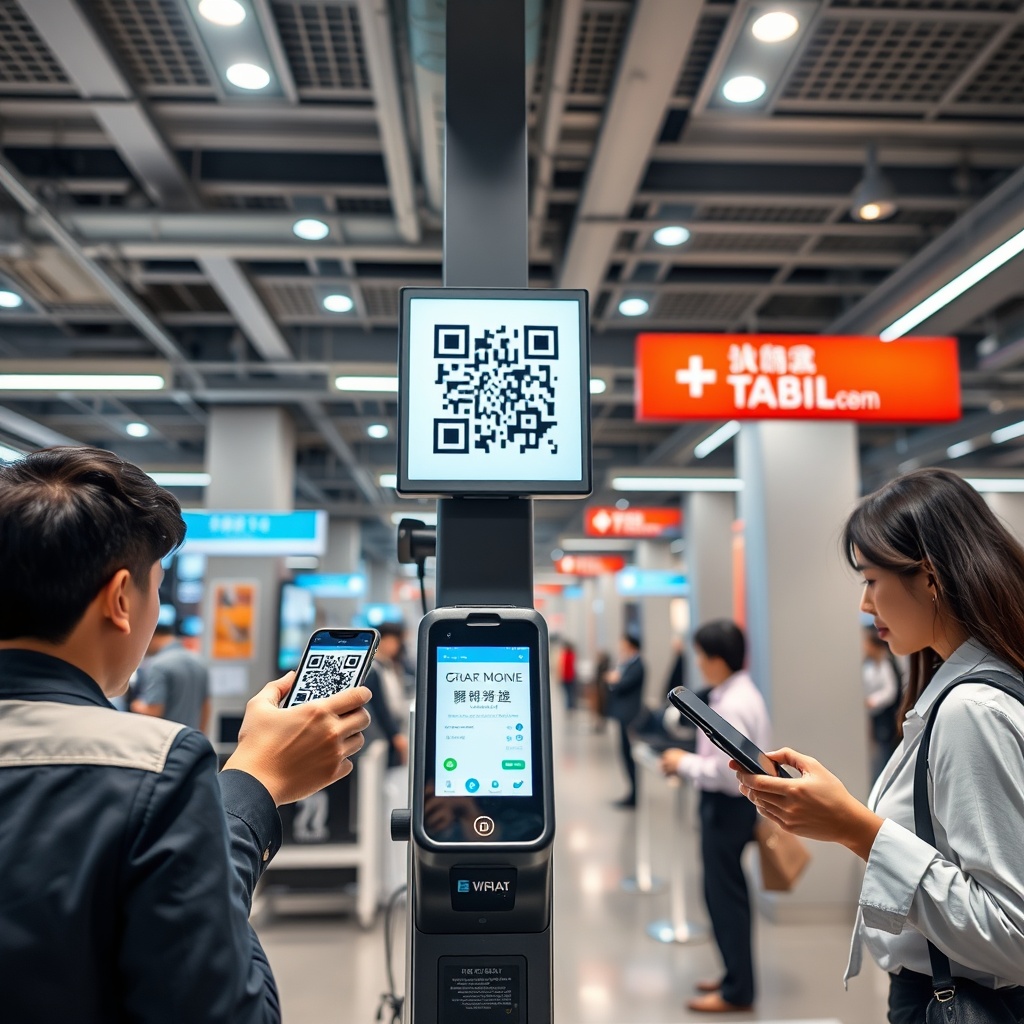
QR code payment systems represent one of the most democratising technologies in the digital payment space, requiring minimal infrastructure while enabling widespread adoption. We’ve seen how these simple square patterns have revolutionised payments across Asia, from street vendors to luxury retailers. The beauty of QR codes lies in their simplicity and low implementation cost, making them accessible to businesses of all sizes. Their standardised format enables interoperability across different payment providers, creating a unified payment experience for consumers.
What makes QR codes particularly powerful in Asian markets is their ability to bridge the digital divide. They work on basic smartphones without requiring advanced hardware, making them ideal for emerging markets. The technology has enabled millions of small merchants to accept digital payments for the first time, significantly expanding the reach of formal financial services. The ongoing innovation in dynamic QR codes and enhanced security features continues to improve the user experience while maintaining the technology’s fundamental accessibility advantages.
Biometric Authentication Solutions
Biometric authentication has transformed digital payment security, moving beyond traditional passwords and PINs to more intuitive and secure verification methods. We’re seeing fingerprint scanning, facial recognition, and voice authentication becoming standard features in payment applications across Asia. These technologies provide the perfect balance between security and convenience, reducing fraud while simplifying the user experience. The integration of biometric data with payment systems creates personalised security protocols that adapt to individual user behaviour patterns.
The real innovation lies in how biometric systems learn and adapt to user behaviour, creating dynamic security profiles that become more accurate over time. What excites us is the potential for multimodal biometric systems that combine multiple authentication methods for enhanced security. These systems can detect anomalies in real-time, preventing fraudulent transactions before they occur. The challenge remains balancing security with privacy concerns, ensuring that biometric data remains protected while delivering the seamless payment experiences consumers demand.
AI and Machine Learning Applications
Artificial intelligence and machine learning are revolutionising every aspect of digital payments, from fraud detection to personalised user experiences. We’re implementing AI algorithms that analyse transaction patterns in real time, identifying suspicious activity before it causes damage. Machine learning models continuously improve their accuracy by processing millions of transactions, adapting to new fraud techniques as they emerge. These technologies also power recommendation engines that suggest payment methods based on user preferences and context.
What fascinates me most about AI applications in payments is their ability to create hyper-personalised experiences while maintaining robust security. The systems can detect subtle patterns that human analysts might miss, preventing sophisticated fraud attempts. At the same time, they’re enhancing user experiences with intelligent features such as predictive payment scheduling and automated expense categorisation. The ongoing development of these technologies promises even more sophisticated payment ecosystems that anticipate user needs while protecting against emerging threats.
Consumer Behaviour and Adoption Patterns
Changing Payment Preferences Across Generations
We’re witnessing dramatic shifts in payment preferences across different generations, with younger consumers driving the adoption of digital payment methods. Millennials and Gen Z show a strong preference for mobile wallets and contactless payments, valuing speed and convenience above all else. These digital-native generations expect seamless payment experiences integrated into their daily activities, from social media shopping to peer-to-peer transfers. Their comfort with technology makes them early adopters of new payment innovations.
Meanwhile, older generations tend to be more cautious, often preferring traditional payment methods while gradually embracing digital alternatives. What’s fascinating is how these generational differences influence market development strategies across Asia. Successful payment providers must cater to diverse preferences while guiding users toward more efficient payment methods. The key lies in building trust through education and demonstrating clear benefits, helping all generations feel comfortable with digital payment options.
Urban vs Rural Adoption Rates
The digital payment adoption gap between urban and rural areas presents both challenges and opportunities across Asian markets. Urban centres with better infrastructure and higher digital literacy naturally lead in adoption rates, creating vibrant payment ecosystems. However, we’re seeing remarkable growth in rural areas as mobile connectivity improves and payment solutions become more accessible. The key to bridging this gap lies in developing solutions that work within existing rural infrastructure constraints.
What excites us is how digital payments are transforming rural economies, enabling financial inclusion for previously underserved populations. Simple mobile-based solutions that require minimal technical knowledge are making a significant impact in these communities. The success stories from rural areas demonstrate that with the right approach, digital payments can thrive anywhere. The challenge remains ensuring that rural adoption keeps pace with urban growth, creating balanced digital payment ecosystems across entire countries.
Factors Influencing Consumer Trust
Consumer trust remains the foundation of successful digital payment adoption, built through consistent security, reliability, and transparent practices. We’ve identified several key factors that influence trust levels, including transaction security, data privacy protection, and responsive customer support. The visibility of security measures, such as two-factor authentication and encryption indicators, significantly impacts consumer confidence. Past positive experiences with payment providers build lasting trust, encouraging continued use.
What’s crucial for building trust is demonstrating consistent performance across all touchpoints. Consumers need to feel confident that their payments will process smoothly every time, without unexpected failures or delays. The handling of security incidents when they occur is particularly important for maintaining trust. Transparent communication about security measures and quick resolution of issues reinforces consumer confidence. These trust-building elements become especially critical when introducing new payment technologies or expanding into new markets.
Cultural Influences on Payment Choices
Cultural factors significantly shape payment preferences and adoption patterns across different Asian markets. We observe how historical payment traditions, social norms, and regulatory environments create unique payment landscapes in each country. In some cultures, cash remains deeply embedded in social customs and gift-giving traditions, creating resistance to fully digital payment systems. Understanding these cultural nuances is essential for developing payment solutions that resonate with local consumers.
The most successful payment providers adapt their approaches to align with cultural preferences while gently guiding users toward more efficient payment methods. This might involve integrating traditional payment elements into digital solutions or creating hybrid systems that bridge old and new payment practices. What’s fascinating is how cultural adaptation can accelerate adoption by making digital payments feel familiar rather than foreign. The balance between innovation and cultural sensitivity becomes key to sustainable growth in diverse Asian markets.
Government Policies and Regulatory Frameworks
China Digital Currency Initiatives
We’re witnessing China’s ambitious push into central bank digital currencies with the digital yuan leading the charge. The People’s Bank of China has been piloting this revolutionary system across major cities, creating a parallel payment infrastructure that could reshape global finance. What fascinates me is how they’re integrating this with existing payment giants like Alipay and WeChat Pay while maintaining state control. The strategic implications for cross-border trade and monetary sovereignty are profound, positioning China at the forefront of digital currency innovation.
Our analysis reveals that China’s approach combines technological advancement with regulatory oversight, creating a model that other nations are studying closely. The digital yuan’s programmable features enable targeted economic policies and enhanced financial surveillance. This dual approach of innovation and control represents a fascinating evolution in how governments approach digital payment systems, balancing efficiency gains with regulatory requirements in ways we haven’t seen before in modern financial systems.
India UPI Regulatory Model
India’s Unified Payments Interface represents one of the most successful regulatory frameworks we’ve encountered in our global analysis. The National Payments Corporation of India created an open architecture that allows multiple players to participate while maintaining security standards. What’s remarkable is how this model has achieved financial inclusion at scale, bringing millions of unbanked citizens into the formal economy through simple QR code payments and mobile interfaces.
We’ve observed that the UPI model’s success stems from its interoperability and government backing, creating trust among users and businesses alike. The regulatory framework ensures data protection while enabling innovation, striking a balance that other developing nations are now emulating. This approach demonstrates how thoughtful fintech regulation can drive adoption while protecting consumer interests, creating a virtuous cycle of innovation and trust.
Southeast Asia Diverse Regulatory Approaches
Southeast Asia presents a fascinating mosaic of regulatory approaches, from Singapore’s progressive fintech sandbox to Indonesia’s more cautious framework. We’re seeing each country developing unique strategies based on its economic priorities and technological readiness. Singapore’s Payment Services Act creates a comprehensive framework covering everything from digital payment tokens to cross-border money transfers, while Malaysia focuses on Islamic finance compatibility.
Our research shows that this diversity creates both challenges and opportunities for regional integration. While harmonisation efforts are underway through ASEAN initiatives, the varying approaches reflect different risk appetites and development priorities. This regulatory landscape requires careful navigation but also fosters innovation as companies adapt to multiple frameworks, driving the evolution of more sophisticated compliance solutions across the region.
Cross-Border Payment Regulations
Cross-border payment regulations are among the most complex challenges we face in the digital payment ecosystem. Different countries have varying requirements for anti-money laundering, know-your-customer protocols, and data localisation, creating significant operational hurdles. The lack of standardised frameworks means businesses must navigate a patchwork of national regulations while maintaining compliance across jurisdictions.
We’re encouraged by emerging initiatives, such as the ASEAN Payment Connectivity project and bilateral agreements, that aim to streamline cross-border transactions. These efforts focus on creating interoperability between national payment systems while maintaining regulatory oversight. The challenge lies in balancing security concerns with the need for seamless international transactions, which requires ongoing dialogue among regulators, financial institutions, and technology providers.
Fintech Startup Ecosystem and Innovation
Venture Capital Investment Trends
We’re tracking significant venture capital flowing into Asian fintech startups, with particular focus on payment solutions and digital banking platforms. The investment landscape shows growing confidence in Southeast Asian markets, where young populations and smartphone penetration create fertile ground for innovation. What’s interesting is how investors are increasingly backing companies that solve specific regional challenges rather than simply replicating Western models.
Our analysis reveals that venture capital is becoming more sophisticated, with investors seeking startups that demonstrate clear paths to profitability and sustainable growth. The emphasis has shifted from pure user acquisition to building viable business models with multiple revenue streams. This maturation of the investment landscape reflects Asia’s fintech revolution and its potential to reshape financial services across the continent.
Startup Success Stories and Business Models
We’ve studied numerous Asian fintech success stories that demonstrate innovative approaches to solving payment challenges. Companies like Grab Financial and Gojek have created super-app ecosystems that bundle payments with other services, creating powerful network effects. These models leverage existing user bases to drive payment adoption while providing additional value through integrated financial services.
What fascinates us about these success stories is their ability to adapt global concepts to local contexts, creating solutions that resonate with specific market needs. The business models often combine multiple revenue streams, including transaction fees, subscription services, and data monetisation. This diversification provides resilience while allowing startups to scale rapidly across different Asian markets with varying regulatory environments.
Innovation Hubs Across Asian Cities
Asia has developed several world-class innovation hubs that serve as breeding grounds for fintech startups and payment innovations. Singapore’s regulatory sandbox approach has attracted global players, while cities like Bangalore and Shenzhen foster homegrown talent through supportive ecosystems. These hubs provide the infrastructure, talent, and regulatory environment necessary for rapid experimentation and scaling.
We’re particularly impressed by how these innovation hubs collaborate while maintaining distinct competitive advantages. Singapore focuses on cross-border solutions and regulatory technology, while Chinese hubs excel in consumer-facing applications and technical infrastructure. This specialisation creates a complementary ecosystem in which startups can access different strengths based on their development stage and target markets.
Collaboration with Traditional Financial Institutions
The collaboration between fintech startups and traditional financial institutions represents one of the most significant trends we’re observing. Rather than competing directly, many startups are partnering with banks to leverage their regulatory licenses, customer bases, and infrastructure. These partnerships allow fintech companies to scale more quickly while providing banks with innovative solutions and access to new customer segments.
Our research shows that successful collaborations often involve clear value propositions for both parties: fintechs bring technological innovation, while banks provide stability and trust. This symbiotic relationship is driving the evolution of hybrid financial services that combine the best of both worlds. The key challenge lies in managing cultural differences and aligning incentives to create sustainable partnerships.
Infrastructure Requirements and Development
Internet Connectivity and Mobile Network Coverage
We recognise that robust internet connectivity and comprehensive mobile network coverage form the foundation of any successful digital payment ecosystem. The digital divide between urban and rural areas remains a significant challenge across many Asian markets. What’s encouraging is seeing governments and private companies investing heavily in expanding 4G and 5G networks to underserved regions.
Our observations indicate that countries with strong digital infrastructure are experiencing faster adoption of payments and more innovative financial services. The correlation between network quality and financial inclusion is undeniable, underscoring the critical priority of infrastructure development. We’re seeing interesting approaches like satellite internet and community networks helping bridge connectivity gaps in remote areas.
Digital Identity Systems
Digital identity systems represent a crucial component of secure payment infrastructure, enabling reliable customer verification and fraud prevention. Countries like India, with Aadhaar, and Singapore, with SingPass, demonstrate how national digital identity frameworks can accelerate payment adoption. These systems provide the foundation for know-your-customer processes while maintaining privacy and security standards.
We’re fascinated by how different countries approach digital identity, balancing security requirements with user convenience. The most successful systems combine biometric authentication with layered security protocols, creating trust while maintaining accessibility. The integration of digital identity with payment systems creates powerful synergies that streamline financial transactions while reducing fraud risks.
Payment Gateway Infrastructure
Payment gateway infrastructure forms the backbone of digital commerce, enabling seamless transactions between merchants, customers, and financial institutions. We’re seeing significant investment in building robust, scalable payment processing systems that can securely handle high transaction volumes. The evolution from simple payment processors to comprehensive payment platforms represents a major shift in how businesses approach digital transactions.
Our analysis shows that successful payment gateways combine reliability with flexibility, supporting multiple payment methods and currencies while maintaining security standards. The infrastructure must handle peak loads during shopping seasons and special events, requiring sophisticated load balancing and redundancy systems. This technical foundation enables the smooth operation of digital payment ecosystems across diverse market conditions.
Rural Connectivity Challenges
Rural connectivity remains one of the most persistent challenges in expanding digital payment systems across Asia. The combination of geographical barriers, lower population density, and economic constraints creates significant hurdles for infrastructure development. What’s inspiring is seeing innovative solutions emerging to address these challenges, from mobile money agents to offline payment capabilities.
We’re observing that successful rural payment solutions often combine multiple technologies and distribution channels to overcome connectivity limitations. The use of USSD codes, SMS-based transactions, and agent networks helps bridge the digital divide while maintaining security standards. These approaches demonstrate how creativity and local adaptation can extend financial services to previously excluded populations.

Security Challenges and Risk Management
Cybersecurity Threats and Vulnerabilities
We’re constantly monitoring the evolving cybersecurity threats facing digital payment systems across Asia. The rapid adoption has created new attack vectors that criminals are quick to exploit, from sophisticated phishing campaigns to malware targeting mobile payment apps. What concerns us most is the increasing sophistication of these attacks, which often combine social engineering with technical exploits.
Our security analysis reveals that payment systems face unique vulnerabilities due to their real-time nature and the valuable data they process. The convergence of financial and personal information creates attractive targets for cybercriminals seeking both immediate financial gain and long-term opportunities for identity theft. This requires continuous cybersecurity vigilance and investment in advanced threat-detection systems to protect both consumers and the payment infrastructure.
Fraud Prevention Strategies
We’ve developed comprehensive fraud prevention strategies that combine technological solutions, user education, and procedural safeguards. The most effective approaches use layered security measures, including transaction monitoring, behavioural analytics, and multi-factor authentication. What’s crucial is creating systems that detect anomalies in real-time while minimising friction for legitimate users.
Our experience shows that successful fraud prevention requires balancing security with user experience, as overly restrictive measures can drive customers away. We’re implementing machine learning algorithms that learn from transaction patterns to identify suspicious activity while adapting to evolving fraud techniques. This proactive approach helps us stay ahead of criminals while maintaining the convenience that makes digital payments attractive.
Data Privacy Protection Measures
Data privacy protection represents a critical component of our risk management framework, especially given the sensitive financial information processed by payment systems. We’re implementing comprehensive data protection measures that comply with regional regulations, including the GDPR and local data protection laws. The challenge lies in creating systems that protect user privacy while enabling the functionality required for payment processing.
Our approach combines technical safeguards like encryption and access controls with organisational measures including staff training and clear data handling policies. We’re particularly focused on ensuring transparency about how customer data is used and providing users with control over their information. This builds trust while meeting regulatory requirements across different jurisdictions.
Regulatory Compliance Requirements
Regulatory compliance represents an increasingly complex challenge as payment systems expand across multiple jurisdictions with varying requirements. We’re navigating a landscape that includes anti-money laundering regulations, know-your-customer requirements, data localisation laws, and consumer protection standards. The key is creating flexible compliance frameworks that can adapt to different regulatory environments.
Our compliance strategy focuses on building systems that can demonstrate regulatory adherence while maintaining operational efficiency. We’re investing in compliance technology that automates reporting and monitoring while providing audit trails for regulatory examinations. This approach helps us meet our obligations while scaling our operations across diverse Asian markets with their unique regulatory frameworks.
Cross-Border Payment Integration
Regional Payment Connectivity Initiatives
We’re witnessing remarkable progress in regional payment connectivity across Asia, with countries actively linking their digital payment infrastructures. I’ve observed how initiatives like ASEAN’s QR code interoperability are creating seamless cross-border payment experiences. These connections are transforming how businesses and consumers transact across borders, significantly reducing friction and costs. The integration of real-time payment systems between neighbouring countries demonstrates our collective commitment to regional economic integration.
Our analysis shows that countries like Singapore, Thailand, and Malaysia are leading this charge, establishing direct payment linkages that bypass traditional banking channels. These connections enable instant cross-border fund transfers and merchant payments, revolutionising regional commerce. The success of these initiatives proves that when we collaborate on payment infrastructure, we can achieve remarkable efficiency gains and create new economic opportunities for all stakeholders involved.
Currency Exchange Settlement Challenges
One of the most significant hurdles we face in cross-border payment integration is currency exchange and settlement. The complexity of managing multiple currencies across different regulatory environments creates substantial operational challenges. I’ve seen how fluctuating exchange rates and settlement delays can undermine the benefits of integrated payment systems, requiring sophisticated risk management strategies to maintain system stability and user confidence.
Our experience demonstrates that establishing efficient currency conversion protocols is crucial for successful cross-border payment operations. We’re working with central banks and financial institutions to develop real-time settlement solutions that minimise foreign exchange risks. The development of multi-currency digital wallets and automated conversion systems represents our approach to addressing these challenges while maintaining competitive exchange rates for users.
Regulatory Harmonisation Efforts
Regulatory harmonisation remains a critical focus area for our cross-border payment initiatives. I’ve observed how differing regulatory frameworks across Asian markets create compliance complexities that can hinder seamless payment integration. We’re actively engaging with regulators to align standards for digital payment systems, focusing on areas like data protection, anti-money laundering requirements, and consumer protection measures.
Our collaborative efforts with regulatory bodies are yielding positive results, with several countries adopting common standards for payment system interoperability. Establishing regional regulatory sandboxes enables us to test innovative solutions while ensuring compliance with local regulations. This approach helps balance innovation with regulatory oversight, creating a safer environment for the expansion of cross-border payments.
Emerging Cross-Border Solutions
We’re seeing exciting developments in cross-border payment solutions that leverage emerging technologies to overcome traditional barriers. Blockchain-based systems and distributed ledger technology are showing promise for creating more efficient settlement mechanisms. I’m particularly impressed by how these technologies can reduce transaction costs and processing times while enhancing transparency and security across borders.
Our research indicates that Asia fintech companies are at the forefront of developing innovative cross-border payment solutions. These include multi-currency digital wallets, instant remittance platforms, and integrated payment gateways that serve multiple markets simultaneously. The success of these solutions demonstrates our ability to adapt to evolving market needs while maintaining robust security standards.
Integration with E-commerce Retail
Payment Solutions for Online Marketplaces
Our integration with e-commerce platforms has revolutionised how consumers shop online across Asia. I’ve seen firsthand how seamless payment integration drives conversion rates and enhances customer satisfaction. We’re developing specialised payment solutions tailored to different types of online marketplaces, from large e-commerce giants to niche platforms serving specific industries or regions.
The evolution of payment options for online marketplaces reflects our understanding of diverse consumer preferences across Asian markets. We’re implementing solutions that support everything from traditional card payments to localised digital wallets and buy now, pay later options. This flexibility ensures merchants can effectively cater to their target audiences while minimising cart abandonment.
In-Store Digital Payment Implementation
Our approach to in-store digital payment implementation focuses on creating frictionless experiences for both merchants and consumers. I’ve observed how QR code payments and contactless solutions are transforming retail environments across Asia. We’re helping businesses transition from traditional cash-based operations to sophisticated digital payment ecosystems that enhance operational efficiency and customer engagement.
Implementing in-store digital payment systems requires careful consideration of hardware requirements, staff training, and customer education. Our experience shows that successful adoption depends on creating intuitive user experiences and reliable technical infrastructure. We’re working with retailers to develop customised implementation strategies that align with their specific business models and customer demographics.
Omnichannel Payment Strategies
Developing comprehensive omnichannel payment strategies has become essential for modern retail businesses operating across multiple touchpoints. I’ve seen how integrated payment systems that connect online, mobile, and physical store channels create cohesive customer experiences. Our approach involves creating unified payment platforms that maintain consistency across all customer interaction points while providing valuable data insights.
Our omnichannel strategies focus on enabling seamless transitions between different shopping channels while maintaining payment security and user convenience. We’re implementing solutions that allow customers to start transactions on one channel and complete them on another, creating truly integrated shopping experiences. This approach helps retailers build stronger customer relationships and increase lifetime value.
Small Business Adoption Patterns
Small business adoption of digital payment systems reveals fascinating patterns across different Asian markets. I’ve observed that micro-enterprises and SMEs are embracing digital payments at varying rates, depending on factors such as internet penetration, smartphone usage, and regulatory support. Our research shows that businesses that adopt digital payments early often gain competitive advantages in their local markets.
We’re seeing particularly strong adoption among small businesses serving younger, digitally savvy customer bases. These businesses recognise the importance of offering modern payment options to attract and retain customers. Our efforts focus on making digital payment solutions accessible and affordable for small businesses, helping them compete effectively in increasingly digital marketplaces.
Financial Inclusion Accessibility
Reaching Unbanked and Underbanked Populations
Our mission to reach unbanked and underbanked populations across Asia represents one of our most important challenges and opportunities. I’ve witnessed how digital payment systems can dramatically improve financial access for marginalised communities. We’re developing solutions specifically designed for populations that traditional banking systems have historically underserved, focusing on simplicity, affordability, and accessibility.
The success of our financial inclusion initiatives depends on understanding the unique needs and constraints of different unbanked populations. We’re creating payment solutions that work with basic feature phones, require minimal documentation, and operate in areas with limited internet connectivity. These approaches help bridge the financial inclusion gap while building trust in digital financial services.
Digital Literacy Education Programmes
Digital literacy education forms a crucial component of our financial inclusion strategy across Asian markets. I’ve seen how proper education and training can dramatically increase adoption rates and usage patterns among new digital payment users. We’re developing comprehensive education programmes that cover everything from basic smartphone usage to advanced financial management using digital tools.
Our education initiatives target different demographic groups with tailored content and delivery methods. We’re partnering with community organisations, schools, and local governments to reach populations that might otherwise be excluded from digital financial services. These efforts help build confidence in using digital payments while promoting responsible financial behaviour.
Affordable Payment Solutions
Developing affordable payment solutions remains central to our financial inclusion objectives across Asia. I’ve observed how cost barriers can prevent widespread adoption of digital payment systems, particularly among low-income populations. We’re working to create payment solutions with minimal transaction fees, low account maintenance costs, and accessible entry requirements.
Our approach to affordability involves leveraging technology to reduce operational costs while maintaining service quality. We’re implementing solutions like tiered pricing models, subsidised services for specific user groups, and partnerships with government agencies to support financial inclusion initiatives. These strategies help ensure that digital payment benefits reach all segments of society.
Women’s Marginalised Group Access
Ensuring access for women and marginalised groups represents a special focus area within our financial inclusion efforts. I’ve seen how cultural, social, and economic barriers can disproportionately affect these groups’ access to financial services. We’re developing targeted approaches that address specific challenges faced by women, rural populations, ethnic minorities, and other marginalised communities.
Our initiatives include creating women-focused financial literacy programmes, developing gender-sensitive product designs, and establishing partnerships with organisations that serve marginalised communities. We’re also working to eliminate biases in credit assessment and account opening processes that might disadvantage certain groups. These efforts help create more equitable access to digital financial services.

Economic Impact Business Opportunities
GDP Contribution to Economic Growth
The contribution of digital payment systems to GDP growth across Asian economies represents one of our most significant observations. I’ve analysed how increased payment efficiency, reduced transaction costs, and enhanced financial inclusion directly stimulate economic activity. Our research shows that countries with advanced digital payment infrastructures typically experience faster economic growth and greater financial system stability.
We’re seeing how digital payments facilitate faster business cycles, improve cash flow management, and enable more efficient resource allocation. The asset management sector particularly benefits from these efficiencies, creating ripple effects throughout the economy. The measurable impact on GDP demonstrates the transformative potential of well-implemented digital payment ecosystems.
Job Creation Digital Payment Sector
Job creation in the digital payments sector is a powerful economic benefit we’re seeing across Asian markets. I’ve observed that the growth of digital payment systems creates employment opportunities in technology development, customer support, sales, and compliance. We’re also seeing indirect job creation in related sectors like e-commerce, logistics, and financial services.
The digital payment ecosystem supports diverse employment opportunities, from high-skilled technical positions to entry-level roles in merchant acquisition and customer education. Our analysis indicates that for every direct job created in the digital payment sector, several indirect jobs emerge in supporting industries. This multiplier effect contributes significantly to overall economic development.
Small Business Empowerment
Digital payment systems are empowering small businesses across Asia in remarkable ways that I’ve personally witnessed. We’re seeing how access to digital payment tools enables small enterprises to compete more effectively with larger competitors, reach new customers, and streamline their operations. The ability to accept digital payments opens up opportunities for cross-border trade and access to global marketplaces.
Our work with small businesses demonstrates how digital payment integration improves cash flow management, reduces administrative burdens, and provides valuable business insights through transaction data. The empowerment of small businesses through digital payment adoption represents a crucial driver of inclusive economic growth and entrepreneurship development across the region.
Investment Opportunities for Businesses
The expansion of digital payment systems across Asia creates compelling investment opportunities that we’re actively exploring. I’ve identified several promising areas for business investment, including payment infrastructure development, fintech innovation, and supporting services. The growth potential in these sectors reflects the ongoing digital transformation of Asian economies and changing consumer behaviours.
Our analysis suggests that global asset management firms are increasingly recognising the investment potential in Asia’s digital payment ecosystem. We’re seeing significant capital flowing into payment technology companies, digital banking platforms, and financial infrastructure projects. These investments support further innovation while generating attractive returns for stakeholders. The cross-border payment integration trends particularly highlight the scale of opportunity available to forward-thinking investors.
Implementation Strategies for Businesses
Choosing the Right Payment Partners
We’ve learned that selecting the right payment partners requires careful evaluation of their technical capabilities and market presence. I always recommend assessing their integration flexibility, security protocols, and regional expertise before committing. The key is finding partners who understand local consumer preferences and regulatory requirements while offering scalable solutions that can grow with your business needs across different Asian markets.
Our experience shows that successful partnerships depend on transparent communication and shared strategic goals. We prioritise providers with proven track records in specific markets and robust customer support systems. The ideal partner should offer comprehensive documentation, developer-friendly APIs, and responsive technical assistance to ensure smooth implementation and ongoing operational efficiency.
Integration Best Practices
Implementing digital payment systems demands meticulous planning and phased execution. We’ve found that starting with pilot programs in specific markets allows us to test and refine before full-scale deployment. The integration process should prioritise user experience while maintaining robust security measures and compliance with local regulations across different jurisdictions.
Our approach involves creating detailed implementation roadmaps with clear milestones and contingency plans. We focus on building flexible architectures that can accommodate future technological advancements and regulatory changes. Regular testing, monitoring, and optimisation ensure the system remains reliable and efficient while adapting to evolving market demands.
Cost-Benefit Analysis Framework
Developing a comprehensive cost-benefit analysis requires considering both direct and indirect financial impacts. We evaluate implementation costs against potential revenue growth, customer retention improvements, and operational efficiency gains. The framework should account for transaction fees, infrastructure investments, and ongoing maintenance expenses while projecting long-term benefits.
Our analysis includes assessing the risk-mitigation benefits and the competitive advantages gained through enhanced payment capabilities. We calculate return on investment by considering factors such as reduced payment processing times, fewer fraud incidents, and improved customer satisfaction metrics. The framework helps businesses make informed decisions about payment system investments.
Staff Training Customer Education
Effective implementation requires comprehensive staff training programs that address both technical and customer service aspects. We develop customised training modules covering system operations, troubleshooting procedures, and security protocols. The training should empower employees to confidently assist customers while maintaining payment system integrity and compliance standards.
Customer education initiatives focus on building trust and familiarity with new payment methods. We create clear communication materials explaining benefits, security features, and usage instructions. The strategy includes demonstration sessions, FAQ resources, and ongoing support channels to ensure smooth adoption and address concerns promptly.
Emerging Technologies Future Trends
Blockchain Distributed Ledger Applications
Blockchain technology is revolutionising payment systems through enhanced security and transparency features. We’re seeing distributed ledger applications enabling faster cross-border transactions with reduced intermediary costs. The technology provides immutable transaction records and smart contract capabilities that automate payment processes while maintaining data integrity across networks.
Our research indicates that blockchain has the potential to transform traditional banking infrastructure through decentralised finance applications. The technology enables real-time settlement, reduces fraud risk, and improves audit trails. We’re exploring blockchain-based implementations to secure digital identity verification and streamline compliance processes in payment ecosystems.
Central Bank Digital Currencies CBDCs
Central Bank Digital Currencies represent a significant shift in monetary policy implementation and payment system architecture. We’re monitoring CBDC developments across Asian markets as governments explore digital currency alternatives to traditional fiat money. These initiatives aim to enhance payment efficiency while maintaining central bank oversight and monetary policy control.
The implementation of CBDCs could transform how businesses and consumers interact with digital payments. We’re studying potential impacts on financial inclusion, cross-border transactions, and monetary policy transmission. The technology offers opportunities for programmable money and smart contract integration while raising questions about privacy and financial stability.
IoT Connected Device Payments
Internet of Things devices are creating new payment opportunities through seamless, automated transaction capabilities. We’re exploring implementations where connected devices initiate payments based on predefined conditions or usage patterns. The technology enables frictionless commerce experiences while raising important security and privacy considerations that require careful management.
Our analysis shows that IoT payment systems are transforming industries such as automotive, retail, and smart home applications. The technology allows for contextual payments triggered by device interactions or environmental conditions. We’re developing security frameworks that protect IoT payment transactions while maintaining user convenience and system reliability.
Predictive Analytics in Payment Systems
Advanced analytics and machine learning are enhancing payment system intelligence through predictive capabilities. We’re implementing systems that analyse transaction patterns to detect fraud, optimise processing routes, and personalise customer experiences. The technology enables proactive risk management and operational efficiency improvements across payment networks.
Our predictive models help businesses anticipate payment trends, customer behaviour changes, and potential system bottlenecks. The analytics provide insights for strategic decision-making and resource allocation. We’re developing real-time monitoring systems that adapt to emerging patterns while maintaining compliance with evolving regulatory requirements.
Comparative Analysis of Regional Markets
East Asia vs Southeast Asia Market Dynamics
East Asian markets demonstrate mature digital payment ecosystems with high adoption rates and sophisticated infrastructure. We observe advanced integration of mobile payments, QR code systems, and digital wallets in countries like China, Japan, and South Korea. The region benefits from strong government support, established regulatory frameworks, and technologically savvy consumer bases, driving innovation.
Southeast Asian markets exhibit diverse adoption patterns and varying levels of digital payment maturity across countries. We see rapid growth in mobile wallet usage, particularly in markets with high smartphone penetration but limited traditional banking access. The region’s fragmented regulatory landscape and infrastructure challenges create both opportunities and barriers for payment system development.
Developed vs Developing Market Strategies
Developed markets require strategies focused on innovation, differentiation, and value-added services. We recommend leveraging advanced technologies such as AI and blockchain to enhance existing payment infrastructure. The approach should address sophisticated consumer expectations while maintaining compliance with complex regulatory environments and competing with established financial institutions.
Developing markets offer opportunities to leapfrog traditional payment infrastructure with mobile-first solutions. We advocate for strategies that prioritise accessibility, affordability, and financial inclusion. The focus should be on building trust, educating users, and creating scalable solutions that can adapt to evolving market conditions and regulatory frameworks.
Lessons from Successful Implementations
Successful payment system implementations share common characteristics, including strong stakeholder alignment and phased deployment approaches. We’ve learned that understanding local consumer behaviour and cultural preferences is crucial for adoption. The most effective implementations prioritise user experience while maintaining robust security measures and regulatory compliance across different market conditions.
Our analysis reveals that flexibility and adaptability are key success factors in dynamic payment environments. We recommend maintaining open architecture designs that can incorporate new technologies and respond to changing market demands. The lessons emphasise the importance of continuous monitoring, feedback mechanisms, and iterative improvement processes.
Regional Collaboration Opportunities
Cross-border payment integration presents significant opportunities for regional economic growth and financial inclusion. We’re exploring collaboration frameworks that enable seamless transactions across Asian markets while addressing regulatory differences and technical compatibility challenges. The initiatives focus on standardising protocols, harmonising regulations, and building interoperable payment infrastructures.
Our regional collaboration strategies involve public-private partnerships and industry consortia working toward common standards. We’re developing solutions that facilitate trade, tourism, and remittance flows while maintaining security and compliance. The opportunities include knowledge sharing, capacity building, and coordinated innovation efforts across different markets.
Frequently Asked Questions
What are the main security challenges facing Asian digital payment systems?
We face significant security challenges, including sophisticated cyber threats, data privacy concerns, and fraud prevention across diverse regulatory environments. The rapid adoption of mobile payments has created new vulnerabilities that require advanced encryption, multi-factor authentication, and continuous monitoring systems. Our approach combines technological solutions, user education, and regulatory compliance to address these evolving security risks effectively.
How do cultural differences affect payment system adoption across Asia?
Cultural factors significantly influence payment preferences and adoption patterns across different Asian markets. We observe varying levels of trust in digital systems, different attitudes toward data privacy, and diverse payment habits shaped by local traditions and economic conditions. Understanding these cultural nuances helps us design systems that resonate with local users while maintaining global security standards.
What role do governments play in shaping digital payment ecosystems?
Governments play crucial roles through regulatory frameworks, infrastructure development, and policy initiatives that either enable or constrain payment system growth. We work with regulatory bodies to ensure compliance while advocating for policies that promote innovation and financial inclusion. Government support through digital identity systems and investments in payment infrastructure significantly accelerates adoption rates.
How can small businesses effectively implement digital payment solutions?
Small businesses should start by assessing their specific needs, customer preferences, and technical capabilities before selecting payment partners. We recommend beginning with simple, cost-effective solutions that integrate easily with existing operations while allowing for future scalability. Proper staff training, clear customer communication, and robust security measures are essential for successful implementation.
What emerging technologies will most impact Asian payment systems?
We anticipate that blockchain, artificial intelligence, and Internet of Things technologies will significantly transform payment systems across Asia. These technologies enable faster, more secure transactions while creating new payment use cases and business models. Our focus remains on implementing these technologies responsibly while maintaining system reliability and user trust.
