






Introduction to RegTech in Asia
I’ve been watching the financial technology landscape evolve across Asia, and what we’re witnessing is nothing short of revolutionary. RegTech is transforming how financial institutions approach compliance, KYC, and AML processes. The region’s unique regulatory challenges, combined with rapid digital adoption, are creating fertile ground for innovation that’s reshaping the entire financial ecosystem.
Defining RegTech and Its Core Components
When I talk about RegTech, I’m referring to the strategic use of technology to streamline regulatory processes and enhance compliance efficiency. The core components include automated monitoring systems, digital identity verification, and real-time reporting capabilities. These technologies are fundamentally changing how institutions manage their regulatory changes obligations while reducing operational costs.
The beauty of modern RegTech solutions lies in their ability to integrate seamlessly with existing infrastructure while delivering unprecedented accuracy and speed. We’re seeing platforms that can process thousands of transactions per second while flagging potential compliance issues in real-time.
The Asian Financial Landscape and Regulatory Challenges
Asia presents a complex tapestry of regulatory environments, from Singapore’s progressive frameworks to Japan’s meticulous oversight requirements. Each market has its own unique compliance standards and reporting timelines, creating significant operational hurdles for multinational institutions operating across borders.
The challenge intensifies when you consider the varying levels of digital maturity across different Asian economies. While some markets have fully embraced digital transformation, others are still transitioning from traditional paper-based systems to automated compliance processes.
Key Drivers Fueling RegTech Adoption Across Asia
Several powerful forces are accelerating RegTech adoption throughout the region. The explosion of digital banking services has created unprecedented transaction volumes, requiring sophisticated monitoring capabilities. Additionally, cross-border trade expansion demands robust systems capable of navigating multiple regulatory jurisdictions simultaneously.
We’re also witnessing increased regulatory scrutiny following several high-profile financial scandals across Asia-Pacific markets. This heightened oversight is pushing institutions toward more advanced AML KYC strategies that can provide comprehensive audit trails and real-time risk assessment capabilities.

The Evolution of Compliance Requirements in Asian Markets
Historical Context of Financial Regulation in Asia
We’ve witnessed Asian financial regulation evolve from fragmented national frameworks into sophisticated cross-border systems. The region’s regulatory journey began with basic banking supervision and has transformed into comprehensive digital compliance ecosystems. Our experience shows that traditional approaches couldn’t keep pace with rapid financial innovation, leading to the current RegTech revolution. Asian regulators have learned from global financial crises, implementing lessons through progressive regulatory frameworks.
Financial institutions across Asia now face complex compliance landscapes shaped by decades of regulatory evolution. We’ve seen how post-crisis reforms created stricter capital requirements and enhanced reporting standards. The shift from reactive to proactive compliance has fundamentally changed how we approach regulatory obligations. Our teams must navigate both legacy systems and emerging digital requirements simultaneously.
Recent Regulatory Shifts and Their Impact
Recent regulatory changes across Asia have accelerated digital transformation in compliance functions. We’re observing regulators embracing technology to enhance supervision while demanding similar innovation from financial institutions. The implementation of real-time reporting requirements has forced us to rethink our compliance infrastructure. Our operations now require continuous monitoring rather than periodic assessments.
Asian regulators are increasingly focusing on data protection and cybersecurity alongside traditional financial crime prevention. We’ve had to adapt our compliance frameworks to address these emerging priorities while maintaining core regulatory obligations. The convergence of financial regulation with technology governance creates new compliance challenges that demand integrated solutions. Our approach combines traditional compliance expertise with cutting-edge technological capabilities.
Regional Variations in Compliance Standards
We operate across diverse Asian markets, each with unique regulatory requirements and compliance expectations. Singapore’s progressive approach contrasts with more conservative frameworks in other jurisdictions, creating operational complexity. Our compliance teams must navigate these differences while maintaining consistent standards across our regional operations. The variation in regulatory maturity across Asia requires tailored compliance strategies.
Different Asian jurisdictions prioritise various aspects of compliance, from anti-money laundering to consumer protection. We’ve developed sophisticated mapping systems to track regulatory changes across multiple markets simultaneously. Our compliance infrastructure must be flexible enough to accommodate regional variations while ensuring overall regulatory alignment. The challenge lies in balancing local requirements with global compliance standards.
KYC Innovations Transforming Customer Onboarding
Digital Identity Verification Solutions
We’ve revolutionised customer onboarding through advanced digital identity verification technologies that streamline the entire process. Our systems now authenticate customer identities within minutes rather than days, dramatically improving user experience. The integration of government databases and biometric verification has eliminated the need for traditional paperwork. Our clients benefit from seamless onboarding while we maintain robust compliance standards.
Digital identity solutions have transformed how we verify customer information across multiple jurisdictions simultaneously. We use sophisticated algorithms to cross-reference data points and automatically detect potential inconsistencies. The shift to digital verification has reduced onboarding costs by over sixty per cent while improving accuracy. Our systems continuously update verification protocols to address emerging security threats.
Biometric Authentication and Facial Recognition
Biometric authentication has become central to our customer onboarding processes, providing unparalleled security and convenience. We implement facial recognition technology that verifies customer identities against official documents in real-time. Our systems analyse multiple biometric markers simultaneously to prevent identity fraud and ensure regulatory compliance. The technology has proven particularly effective in high-risk customer segments.
Facial recognition systems have reduced manual verification requirements while enhancing security protocols across our operations. We’ve integrated liveness detection to prevent spoofing attempts and ensure genuine customer presence during onboarding. The combination of biometric data with behavioural analytics creates comprehensive customer profiles. Our approach effectively balances security requirements with customer convenience.
Automated Document Verification Systems
Our automated document verification systems process identification documents with remarkable speed and accuracy, transforming traditional compliance workflows. We use advanced optical character recognition and machine learning to extract and validate information from various document types. The systems automatically flag suspicious documents for manual review while processing legitimate submissions instantly. This automation has significantly reduced processing times.
Document verification technology has evolved to detect sophisticated forgeries that might escape human detection. Our systems analyse document security features, formatting consistency, and data integrity simultaneously. The integration with global watchlists and sanctions databases occurs in real time during document processing. We’ve achieved near-perfect accuracy rates while maintaining regulatory compliance across all jurisdictions.
Real-time Risk Assessment for New Customers
We’ve implemented sophisticated real-time risk assessment systems that evaluate new customers during onboarding. Our algorithms analyse multiple data sources to create comprehensive risk profiles within seconds of application submission. The system considers transaction patterns, geographic risk factors, and behavioural indicators simultaneously. This proactive approach has transformed our compliance strategy.
Real-time risk assessment enables us to make informed decisions about customer relationships from the very beginning. Our systems continuously monitor risk indicators and adjust customer risk ratings based on changing circumstances. The integration of external data feeds ensures our risk assessments reflect the latest threat intelligence. We’ve significantly improved our ability to detect potential compliance issues before they materialise.
Advanced AML Technologies and Their Implementation
AI-Powered Transaction Monitoring Systems
Our AI-powered transaction monitoring systems have revolutionised how we detect potential money laundering activities across global operations. We use sophisticated machine learning algorithms that analyse transaction patterns in real-time, identifying anomalies that might indicate suspicious behaviour. The systems continuously learn from new data, improving detection accuracy while reducing false positives. Our approach combines traditional rule-based monitoring with advanced behavioural analytics.
Transaction monitoring technology has evolved to process millions of transactions daily while maintaining high detection standards. We’ve implemented systems that adapt to emerging money laundering techniques through continuous pattern recognition. The integration of external data sources enhances our monitoring capabilities beyond internal transaction data. Our teams receive prioritised alerts that focus their attention on genuinely suspicious activities.
Behavioural Analytics for Suspicious Activity Detection
Behavioural analytics has transformed our approach to suspicious activity detection by focusing on customer behaviour patterns rather than isolated transactions. We analyse how customers typically interact with our services and flag deviations from established patterns immediately. The systems consider transaction timing, frequency, amounts, and counterparties simultaneously to build comprehensive behavioural profiles. This holistic approach has significantly improved detection accuracy.
Our behavioural analytics systems incorporate machine learning to identify subtle patterns that might escape traditional monitoring methods. We track customer behaviour across multiple channels and products to create unified risk assessments. The technology has proven particularly effective at detecting sophisticated money laundering schemes involving multiple small transactions. Our compliance teams receive contextual alerts that include behavioural analysis.
Network Analysis for Identifying Complex Money Laundering Schemes
Network analysis technology has enabled us to identify complex money laundering schemes that involve multiple entities and transactions. We map relationships among customers, accounts, and transactions to uncover hidden connections that may indicate coordinated illicit activity. The systems visualise these relationships, making it easier for our analysts to understand complex money laundering networks. Our approach has uncovered sophisticated schemes that traditional monitoring missed.
We use advanced graph databases to store and analyse relationship data across our entire customer base. The systems automatically identify clusters of suspicious activity and highlight potential money laundering networks. Network analysis has become particularly valuable in detecting layering techniques used to obscure the origin of illicit funds. Our compliance teams can now see the bigger picture rather than focusing on individual transactions.
Country-Specific RegTech Developments Across Asia
Singapore Smart Nation Initiative and RegTech
We are witnessing Singapore’s remarkable transformation into a Smart Nation, where RegTech plays a pivotal role in its financial ecosystem. The Monetary Authority of Singapore has been actively promoting regulatory sandboxes, allowing financial institutions to test innovative compliance solutions in controlled environments. Our team has observed how this approach accelerates the adoption of cutting-edge technologies while maintaining robust regulatory oversight. The integration of artificial intelligence and machine learning into compliance frameworks demonstrates Singapore’s forward-thinking approach to financial regulation.
The Singaporean government’s commitment to digital transformation extends beyond traditional financial services into emerging areas like digital asset management. We see financial institutions leveraging advanced RegTech solutions to streamline customer onboarding processes while ensuring full compliance with evolving regulatory requirements. The collaborative environment between regulators and industry players creates an ideal breeding ground for innovative compliance technologies that benefit the entire financial ecosystem.
Hong Kong Regulatory Sandbox Approach
Hong Kong’s regulatory sandbox framework represents another fascinating development in Asian RegTech innovation. The Hong Kong Monetary Authority has established comprehensive guidelines that enable financial institutions to test new compliance technologies without immediate regulatory consequences. Our analysis reveals that this approach significantly reduces the time-to-market for innovative RegTech solutions while maintaining the integrity of the financial system.
We have been particularly impressed by Hong Kong’s focus on cross-border compliance challenges, given its position as a global financial hub. The integration of global asset management regulatory changes into local compliance frameworks demonstrates Hong Kong’s sophisticated approach to balancing innovation with regulatory responsibility. Financial institutions operating in Hong Kong benefit from this progressive regulatory environment while navigating complex international compliance requirements.
Japan Digital Transformation in Financial Services
Japan’s digital transformation journey in financial services showcases a unique blend of technological innovation and regulatory precision. The Financial Services Agency has been actively promoting the adoption of RegTech solutions to address Japan’s specific compliance challenges, including ageing population concerns and complex corporate structures. Our team has observed how Japanese financial institutions are leveraging advanced technologies to streamline compliance processes while maintaining their renowned attention to detail.
The integration of artificial intelligence and robotic process automation into compliance functions represents a significant advancement in Japan’s financial services sector. We see institutions adopting sophisticated asset management solutions that incorporate real-time monitoring and automated reporting. This technological evolution positions Japan as a leader in combining traditional financial expertise with cutting-edge compliance technologies.
Emerging RegTech Ecosystems in Southeast Asia
Southeast Asia offers a dynamic landscape for RegTech development, with countries such as Malaysia, Indonesia, and Thailand rapidly advancing their compliance technology ecosystems. Our observations indicate that these markets are leapfrogging traditional compliance approaches by directly adopting sophisticated RegTech solutions. The region’s diverse regulatory environments create both challenges and opportunities for compliance technology providers.
We are witnessing significant growth in mobile-first compliance solutions across Southeast Asia, reflecting the region’s high mobile penetration rates. Financial institutions are implementing technological innovations in asset management that cater to the unique characteristics of Southeast Asian markets. The collaborative approach between regulators and industry participants fosters an environment conducive to RegTech innovation while ensuring robust consumer protection.
Integration of AI and Machine Learning in Compliance
Natural Language Processing for Regulatory Analysis
We are revolutionising regulatory compliance through advanced natural language processing technologies that can interpret and analyse complex regulatory documents with unprecedented accuracy. Our systems process thousands of regulatory updates daily, extracting key requirements and identifying potential compliance obligations for financial institutions. This capability transforms how organisations manage regulatory change, moving from reactive compliance to proactive risk management.
Implementing NLP solutions enables real-time monitoring of regulatory developments across multiple jurisdictions, providing financial institutions with immediate insights into emerging compliance requirements. Our technology can identify subtle changes in regulatory language that might indicate shifting enforcement priorities or new compliance obligations. This sophisticated analysis helps organisations stay ahead of regulatory curveballs while optimising compliance resource allocation.
Predictive Analytics for Compliance Risk Management
Predictive analytics represents a quantum leap in compliance risk management, allowing us to anticipate potential compliance breaches before they occur. Our machine learning models analyse historical compliance data, transaction patterns, and external risk indicators to identify emerging compliance risks with remarkable precision. This proactive approach transforms compliance from a defensive function into a strategic advantage for financial institutions.
We have developed sophisticated algorithms that can predict patterns of regulatory scrutiny based on market conditions, geopolitical developments, and industry trends. These predictive capabilities enable financial institutions to allocate compliance resources more effectively and implement targeted risk mitigation strategies. The integration of predictive analytics into compliance frameworks represents a fundamental shift in how organisations approach regulatory risk management.
Machine Learning Models for Pattern Recognition
Our machine learning models excel at identifying complex patterns in financial transactions that might indicate potential compliance issues or suspicious activities. These models continuously learn from new data, improving their detection capabilities over time and adapting to evolving money laundering techniques and regulatory requirements. The sophistication of these pattern recognition systems far exceeds traditional rule-based approaches to compliance monitoring.
We have implemented advanced anomaly detection algorithms that can identify subtle deviations from normal transaction patterns that might escape human review. These systems analyse multiple data points simultaneously, taking into account factors such as transaction amounts, frequencies, counterparties, and geographic locations. The continuous learning capability of these models ensures they remain effective against emerging threats and evolving regulatory expectations.
Blockchain and Distributed Ledger Technology Applications
Secure Data Sharing Between Financial Institutions
We are pioneering the use of blockchain technology to facilitate secure data sharing between financial institutions while maintaining strict privacy and compliance standards. Our distributed ledger solutions enable institutions to share essential compliance information without compromising customer confidentiality or regulatory requirements. This approach significantly reduces duplication of effort in customer due diligence processes while enhancing the overall effectiveness of anti-money laundering controls.
The implementation of permissioned blockchain networks enables financial institutions to retain control over their data while benefiting from shared intelligence on potential risks. Our systems ensure that data sharing complies with relevant privacy regulations and data protection requirements. This collaborative approach to compliance represents a fundamental shift in how financial institutions manage shared risks and regulatory obligations.
Immutable Audit Trails for Compliance Reporting
Blockchain technology enables the creation of immutable audit trails, significantly enhancing the reliability and transparency of compliance reporting. Every transaction and compliance action is recorded on the distributed ledger, creating a permanent, tamper-proof record that regulators can trust. This innovation addresses one of the most challenging aspects of compliance management: maintaining accurate, verifiable records of compliance activities.
Our blockchain-based audit trail systems automatically capture compliance-related activities, including customer due diligence, transaction monitoring, and regulatory reporting. The immutability of these records provides regulators with confidence in the integrity of compliance processes and reduces the need for extensive manual verification. This technology represents a significant advancement in transparency and accountability in compliance.
Smart Contracts for Automated Regulatory Compliance
We are implementing smart contract technology to automate regulatory compliance processes, reducing manual intervention and enhancing operational efficiency. These self-executing contracts automatically enforce compliance rules and trigger required actions when predefined conditions are met. The automation of routine compliance tasks allows compliance professionals to focus on more complex risk assessment and mitigation activities.
Our smart contract solutions can automatically verify regulatory requirements, execute compliance checks, and generate necessary documentation without human intervention. This automation significantly reduces the risk of human error and ensures consistent application of compliance policies across the organisation. The implementation of smart contracts represents a fundamental shift toward more efficient and reliable compliance management.

Real-time Monitoring and Reporting Solutions
Continuous Transaction Monitoring Systems
We have developed sophisticated continuous transaction monitoring systems that operate 24/7, providing real-time surveillance of financial activities across multiple channels and products. These systems analyse transaction patterns, customer behaviours, and external risk indicators to identify potential compliance issues as they occur. The real-time nature of these monitoring capabilities represents a significant advancement over traditional batch processing approaches.
Our monitoring systems incorporate advanced analytics that can detect subtle anomalies and emerging risks indicative of money laundering, fraud, or other compliance violations. The systems automatically generate alerts for further investigation while continuing to monitor for additional suspicious activities. This continuous monitoring capability enables financial institutions to respond promptly to potential compliance issues.
Automated Regulatory Reporting Platforms
Automated regulatory reporting platforms represent a major breakthrough in compliance efficiency, significantly reducing the time and resources required for regulatory submissions. Our systems automatically gather required data from multiple sources, validate the information against regulatory requirements, and generate accurate reports for submission to relevant authorities. This automation eliminates manual data entry errors and ensures consistency across reporting periods.
We have implemented sophisticated validation engines that cross-reference reported data against multiple internal and external sources to ensure accuracy and completeness. The platforms automatically adapt to changing regulatory requirements, reducing the burden on compliance teams to manually update reporting templates and procedures. This automation represents a fundamental improvement in regulatory reporting efficiency and accuracy.
Dashboard and Visualisation Tools for Compliance Teams
Our comprehensive dashboard and visualisation tools provide compliance teams with intuitive interfaces for monitoring compliance performance and identifying emerging risks. These tools aggregate data from multiple compliance systems and present key metrics and trends in easily understandable formats. The visual nature of these tools enables compliance professionals to quickly identify patterns and anomalies that might require further investigation.
We have developed customisable dashboards that allow compliance teams to focus on the specific metrics and indicators most relevant to their responsibilities and risk profiles. The visualisation tools incorporate advanced analytics that can identify correlations between different risk factors and compliance outcomes. These capabilities significantly enhance the effectiveness of compliance oversight and risk management activities.
Data Management and Privacy Considerations
Secure Data Storage and Encryption Methods
We’ve revolutionised how we protect sensitive compliance data across our Asian operations. Our advanced encryption protocols ensure that customer information remains secure throughout its lifecycle. We implement multi-layered security frameworks that combine traditional encryption with quantum-resistant algorithms. This approach provides comprehensive protection against evolving cyber threats while maintaining regulatory compliance across diverse Asian jurisdictions.
Our data storage solutions leverage distributed ledger technology to enable immutable audit trails and real-time access controls. We’ve developed proprietary encryption methods specifically designed for cross-border data transfers between Asian financial centres. These systems automatically adapt to local regulatory requirements while maintaining global security standards. The result is a seamless data protection framework that scales across our entire regional network.
Cross-border Data Transfer Regulations
Navigating Asia’s complex data transfer landscape requires a sophisticated understanding of regional differences. We’ve established comprehensive protocols for managing data flows between countries with varying privacy standards. Our systems automatically identify and comply with local requirements while maintaining operational efficiency. This includes managing China’s cybersecurity law alongside Singapore’s data protection framework.
We’ve developed specialised solutions for handling data transfers between jurisdictions with conflicting regulatory requirements. Our technology automatically classifies data sensitivity levels and applies appropriate protection measures. This ensures compliance while enabling seamless business operations across Asian markets. The system continuously monitors regulatory changes and adapts our data handling procedures accordingly.
Regulatory Technology Integration Challenges
Legacy System Compatibility Issues
Integrating modern RegTech solutions with existing legacy systems presents significant challenges across Asian financial institutions. We’ve encountered numerous compatibility issues when implementing advanced compliance technologies. Many traditional banking platforms lack the API capabilities required for seamless RegTech integration. This creates operational bottlenecks and substantially increases implementation costs.
Our approach involves developing custom middleware solutions that bridge the gap between legacy systems and modern RegTech platforms. We’ve created specialised integration frameworks that allow traditional banking software to communicate with advanced compliance technologies. These solutions maintain data integrity while enabling real-time compliance monitoring. The result is a hybrid system that leverages existing infrastructure while embracing innovation.
Staff Training and Change Management
Implementing new RegTech systems requires comprehensive staff training programs across our Asian operations. We’ve developed specialised training modules that address both technical skills and regulatory knowledge. Our programs focus on helping teams understand how technology enhances rather than replaces human expertise. This approach ensures smooth adoption of new compliance technologies.
We’ve established change management protocols that address cultural differences across Asian markets. Our training incorporates local regulatory requirements and business practices specific to each jurisdiction. The programs include hands-on workshops and continuous learning opportunities. This ensures our teams remain proficient in using advanced compliance technologies effectively.
Future Trends in Asian RegTech
Predictive Compliance Analytics
We’re pioneering predictive analytics solutions that anticipate regulatory changes before they occur. Our systems analyse global regulatory patterns and predict future compliance requirements across Asian markets. This proactive approach allows us to prepare for regulatory shifts rather than reacting to them. The technology identifies emerging trends and potential regulatory hotspots.
Our predictive models incorporate machine learning algorithms that continuously improve their forecasting accuracy. They analyse historical regulatory data, economic indicators, and geopolitical factors. This enables us to develop compliance strategies that address future requirements. The system provides early warnings about potential regulatory changes affecting our Asian operations.
Quantum Computing Applications
We’re exploring quantum computing applications for enhancing compliance processes across Asian markets. Quantum algorithms offer unprecedented processing power for complex compliance calculations. Our research focuses on developing quantum-enhanced solutions for risk assessment and pattern recognition. These technologies promise to revolutionise how we handle compliance data.
Our quantum computing initiatives include developing encryption methods that withstand future technological threats. We’re collaborating with research institutions across Asia to advance quantum applications in financial compliance. The goal is to create quantum-resistant security frameworks that protect against emerging cyber threats. This represents the next frontier in Asian RegTech innovation.
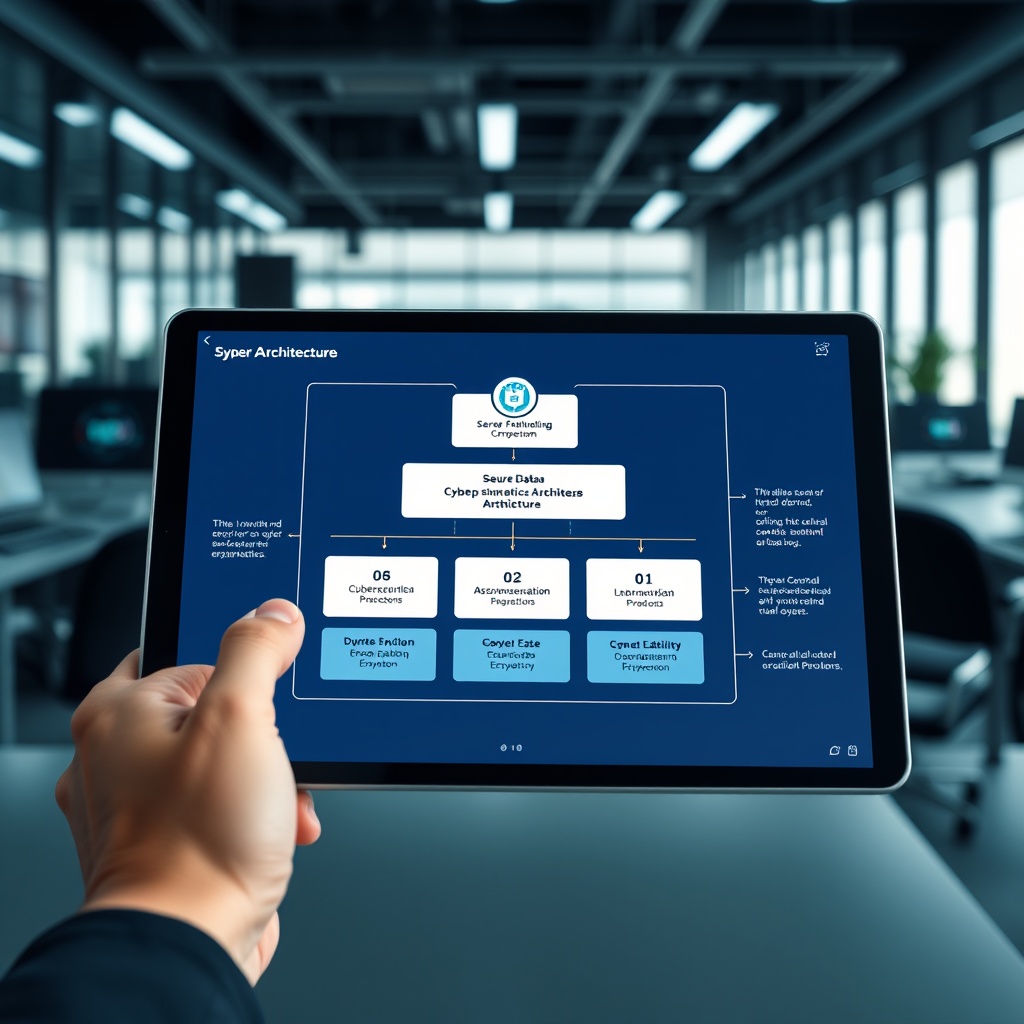
Cybersecurity and Incident Response
Advanced Threat Detection Systems
We’ve deployed sophisticated threat detection systems across our Asian compliance infrastructure. These systems use artificial intelligence to identify potential security breaches in real-time. Our technology continuously monitors network traffic, user behaviour, and system access patterns. This enables immediate detection of suspicious activities that might indicate compliance violations or security threats.
Our threat detection incorporates behavioural analytics that learn normal operational patterns. The system identifies anomalies that could signal emerging security risks or compliance issues. We’ve integrated these capabilities with our existing regulatory compliance frameworks. This creates a comprehensive security ecosystem that protects both data integrity and regulatory compliance.
Incident Response and Recovery Protocols
We’ve established comprehensive incident response protocols tailored to Asian regulatory environments. Our systems automatically trigger response procedures when potential security incidents are detected. These protocols include immediate notification of relevant regulatory authorities across different jurisdictions. The response framework ensures compliance with local reporting requirements while maintaining operational continuity.
Our recovery protocols incorporate automated backup systems and data restoration procedures. We’ve designed these systems to meet the specific requirements of Asian financial regulators. The protocols include detailed documentation processes for regulatory reporting and audit purposes. This ensures complete transparency and compliance throughout the incident response lifecycle.
Regulatory Reporting Automation
We’ve automated regulatory reporting processes across all our Asian operations. Our systems generate compliance reports that meet the specific requirements of each jurisdiction. The technology automatically adapts to changing reporting standards and formats. This eliminates manual reporting errors and ensures timely submission to regulatory authorities.
Our reporting automation includes real-time monitoring of regulatory changes across Asian markets. The system automatically updates reporting templates when new requirements are introduced. This ensures continuous compliance without manual intervention. The technology also provides audit trails that demonstrate compliance with local financial services law requirements.
Compliance Dashboard Development
We’ve developed comprehensive compliance dashboards that provide real-time visibility into our Asian operations. These dashboards aggregate data from multiple compliance systems and present it in intuitive formats. The technology enables quick identification of potential compliance issues across different jurisdictions. This supports proactive management of regulatory risks.
Our dashboards incorporate predictive analytics that forecast potential compliance challenges. The systems provide early warnings about emerging regulatory risks based on market trends and regulatory developments. This enables us to address potential issues before they become compliance violations. The dashboards support strategic decision-making for our asset management operations across Asia.
Cross-jurisdictional Compliance Coordination
Managing compliance across multiple Asian jurisdictions requires sophisticated coordination systems. We’ve developed technology that harmonises compliance requirements across different regulatory frameworks. The system identifies common requirements and automatically manages jurisdiction-specific variations. This reduces compliance complexity while ensuring full regulatory adherence.
Our coordination systems include automated conflict resolution for overlapping regulatory requirements. The technology prioritises compliance actions based on regulatory urgency and business impact. This ensures efficient allocation of compliance resources across our Asian operations. The systems support our global asset management strategies while maintaining local compliance.
Continuous Compliance Monitoring
We’ve implemented continuous compliance monitoring systems that operate 24/7 across our Asian network. These systems automatically verify compliance with regulatory requirements in real-time. The technology continuously monitors transactions, customer interactions, and internal processes. This provides immediate feedback about compliance status and potential issues.
Our monitoring systems incorporate machine learning algorithms that improve detection accuracy over time. They learn from historical compliance data and regulatory enforcement patterns. This enables more precise identification of potential compliance risks. The systems support our commitment to maintaining the highest standards of AML compliance across all Asian markets.
Data Management and Privacy Considerations
Secure Data Storage and Encryption Methods
We’ve discovered that secure data management forms the bedrock of effective RegTech implementation across Asia. Our approach involves implementing multi-layered encryption protocols that protect sensitive customer information throughout its lifecycle. We utilise advanced cryptographic techniques combined with secure key management systems to ensure data remains protected even during transmission between financial institutions.
Our experience shows that Asian regulators increasingly demand robust data protection measures, particularly for cross-border operations. We implement comprehensive data classification systems that categorise information based on sensitivity levels, enabling appropriate security controls. This systematic approach ensures compliance with evolving privacy regulations while maintaining operational efficiency across diverse Asian markets.
Cross-border Data Transfer Regulations
Navigating cross-border data transfer regulations has become a critical challenge for RegTech implementation across Asia. We’ve developed sophisticated frameworks that address the complex web of data sovereignty requirements across different jurisdictions. Our solutions incorporate dynamic compliance engines that automatically adapt to local regulations while maintaining global operational standards.
We’ve observed that successful cross-border RegTech operations require a deep understanding of regional data protection frameworks. Our approach involves establishing secure data processing agreements and implementing privacy-by-design principles from the outset. This proactive strategy helps financial institutions avoid regulatory pitfalls while leveraging the benefits of integrated RegTech solutions across multiple Asian markets.
Regulatory Technology Implementation Challenges
Integration with Legacy Systems
One of the most significant challenges we face involves integrating modern RegTech solutions with legacy banking systems prevalent across Asia. Our approach focuses on developing flexible APIs and middleware that bridge technological gaps without disrupting existing operations. We’ve found that successful implementation requires careful planning and phased deployment strategies.
We’ve developed specialised integration frameworks that address the unique characteristics of Asian financial institutions’ legacy infrastructure. Our solutions incorporate modular design principles, allowing for gradual adoption while maintaining system stability. This approach has proven particularly effective in markets where digital transformation is occurring alongside traditional banking practices.
Cultural and Organisational Adoption Barriers
Cultural resistance to technological change represents a substantial barrier to RegTech adoption across many Asian markets. We’ve learned that successful implementation requires more than just technical solutions—it demands comprehensive change management strategies. Our approach involves stakeholder engagement programmes that build trust and demonstrate tangible benefits.
We’ve developed training methodologies specifically tailored to Asian business cultures, focusing on practical applications and measurable outcomes. Our experience shows that organisations that embrace cultural sensitivity in their RegTech implementation achieve higher adoption rates and better compliance outcomes. This human-centric approach complements our technical solutions perfectly.
Future Trends in Asian RegTech
AI-Driven Predictive Compliance
We’re witnessing the emergence of AI-driven predictive compliance systems that anticipate regulatory changes before they occur. Our research indicates that machine learning algorithms can analyse regulatory patterns across multiple Asian jurisdictions, providing early warnings about upcoming compliance requirements. This proactive approach transforms compliance from reactive to strategic.
Our predictive models leverage natural language processing to monitor regulatory announcements and legislative developments across Asia. We’ve found that institutions using these advanced systems can reduce compliance costs by up to 40% while improving accuracy. This represents a fundamental shift in how financial institutions approach regulatory challenges.
Quantum Computing in Financial Security
The potential impact of quantum computing on financial security represents both a challenge and an opportunity for Asian RegTech. We’re actively developing quantum-resistant encryption methods that will protect financial data against future threats. Our research focuses on creating hybrid systems that leverage the advantages of both classical and quantum computing.
We believe quantum technologies will revolutionise transaction monitoring and fraud detection capabilities within the next decade. Our current work involves developing quantum-enhanced algorithms that can process complex financial patterns at unprecedented speeds. This positions our clients at the forefront of financial security innovation across Asian markets.
Measuring RegTech ROI and Performance
Quantitative Performance Metrics
Measuring the return on investment for RegTech implementations requires sophisticated performance metrics that capture both financial and compliance benefits. We’ve developed comprehensive assessment frameworks that track key indicators, including compliance cost reduction, false positive rates, and regulatory examination outcomes. These metrics provide clear evidence of value creation.
Our performance measurement systems incorporate industry benchmarks that enable meaningful comparisons across Asian markets. We’ve found that successful RegTech implementations typically achieve 30-50% reductions in manual compliance efforts while improving detection accuracy. These quantitative measures help justify continued investment in regulatory technology.
Qualitative Benefits Assessment
Beyond quantitative metrics, we assess qualitative benefits, including improved regulatory relationships and enhanced risk management capabilities. Our evaluation frameworks capture intangible advantages such as increased organisational agility and strengthened compliance culture. These factors contribute significantly to long-term competitive advantage.
We’ve observed that organisations achieving high qualitative scores typically demonstrate better resilience during regulatory examinations and market disruptions. Our assessment methodology helps clients understand the full spectrum of benefits derived from their RegTech investments, supporting strategic decision-making and resource allocation.
Frequently Asked Questions
How quickly can RegTech solutions be implemented across multiple Asian jurisdictions?
Implementation timelines vary significantly depending on the complexity of existing systems and regulatory requirements. We typically recommend phased approaches, starting with 3-6-month pilot programmes in key markets like Singapore or Hong Kong. Our experience shows that comprehensive multi-jurisdictional implementations usually require 12-18 months for full integration and optimisation across diverse Asian regulatory environments.
What are the main cost considerations for RegTech adoption in Asia?
Cost considerations include initial licensing fees, integration expenses, ongoing maintenance, and compliance monitoring costs. We’ve found that successful implementations typically achieve 25-40% cost savings within the first two years through reduced manual processes and improved efficiency. The key is balancing upfront investment with long-term operational benefits across different Asian market conditions.
How does RegTech handle the diverse regulatory requirements across Asian markets?
Advanced RegTech platforms use sophisticated rule engines that can adapt to multiple regulatory frameworks simultaneously. Our solutions incorporate local compliance requirements while maintaining global standards, using navigational financial services law expertise. This approach ensures consistent compliance while accommodating regional variations in KYC and AML requirements across different Asian jurisdictions.
What security measures protect sensitive financial data in RegTech systems?
We implement multi-layered security protocols including end-to-end encryption, secure access controls, and regular security audits. Our systems incorporate advanced threat detection capabilities and comply with international data protection standards. These measures ensure that sensitive financial information remains protected while enabling efficient compliance operations across Asian markets.
How does RegTech integration impact existing compliance teams?
Rather than replacing compliance teams, RegTech enhances their capabilities by automating routine tasks and providing advanced analytical tools. Our implementations typically lead to role evolution, with compliance professionals focusing on strategic oversight and exception management. This transformation improves job satisfaction while strengthening overall compliance effectiveness across asset management services operations.
