






Introduction to Tangible Assets
When I first started diving into the world of finance, the term “tangible assets” kept popping up everywhere. At first, I thought it was just jargon, but as I dug deeper, I realised how foundational these assets are to any business. Tangible assets are the physical, touchable items that a company owns—things like machinery, buildings, and inventory. They’re the backbone of many industries, providing the tools and space needed to operate.
What fascinates me about tangible assets is their versatility. Whether you’re running a small bakery or a multinational corporation, these assets play a critical role in your day-to-day operations. They’re not just about owning stuff; they’re about leveraging physical resources to create value. And in today’s fast-paced market, understanding how to manage and optimise these assets can make or break your business.
Key Takeaways
- Tangible assets are physical items like machinery, buildings, and inventory that businesses rely on for operations.
- They provide long-term value and are often critical to a company’s financial health.
- Proper management of tangible assets can enhance efficiency and reduce costs.
- Valuing these assets accurately is essential for financial reporting and investment decisions.
Subscribe to our free International Asset Management & Investments funds review.
The publication will highlight important issues, key developments, and the latest trends within the global asset management industry and will provide a global readership with a clear understanding of the opportunities within the industry and also within individual domestic markets.
Subscribe now!
Defining Tangible Assets
So, what exactly are tangible assets? Simply put, they’re the physical resources a business owns that can be seen, touched, and measured. Unlike intangible assets, which include things like patents and trademarks, tangible assets are concrete. Think of the equipment in a factory, the land a company owns, or the inventory sitting on shelves. These are all examples of tangible assets.
One thing I’ve learned is that tangible assets aren’t just about ownership—they’re about utility. A piece of machinery isn’t valuable because it’s expensive; it’s valuable because it helps produce goods. This distinction is crucial when evaluating a company’s financial health. For instance, a business with outdated or poorly maintained equipment might struggle to compete, even if its balance sheet looks strong on paper.
Defining Tangible Assets
Tangible assets are the physical and measurable resources that a business owns, which can be seen, touched, and quantified. These assets play a crucial role in the day-to-day operations and long-term growth of a company. From machinery to land, tangible assets form the backbone of many industries, providing the necessary tools to generate revenue and maintain stability.
Unlike intangible assets, which include intellectual property or brand value, tangible assets have a physical presence. This makes them easier to value and manage, but also subjects them to wear and tear. Understanding the distinction between these two types of assets is essential for effective asset management.
Types of Tangible Assets

Inventory
Inventory refers to the goods a business holds for sale or production. It’s a critical component of retail and manufacturing sectors, directly impacting cash flow and profitability. Proper inventory management ensures that a company can meet customer demand without overstocking, which ties up capital unnecessarily.
For example, a retailer’s inventory includes products on shelves, while a manufacturer’s inventory might consist of raw materials. Both scenarios highlight the importance of asset tracking to optimise stock levels and reduce waste.
Equipment/Machinery
Machinery and equipment are the workhorses of many industries, enabling production and operational efficiency. These assets often represent significant investments, requiring regular maintenance to prolong their lifespan and ensure peak performance.
From construction vehicles to factory assembly lines, machinery is indispensable. However, their high cost and depreciation make them a focal point for financial planning. Businesses must balance capital expenditure with operational needs to maximise returns.
Furnishing and Fixtures
Furniture and fixtures, such as office desks or retail shelving, may seem minor but contribute to a functional workspace. These assets enhance productivity and customer experience, making them vital for service-based businesses.
While they don’t generate revenue directly, their role in creating a conducive environment is undeniable. Properly maintained furnishings can also reflect a company’s professionalism and attention to detail.
Land
Land is a unique tangible asset because it doesn’t depreciate. Its value often appreciates over time, making it a strategic long-term investment. Whether used for operations or held as an investment, land provides stability and potential growth.
For businesses, owning land can reduce rental costs and offer collateral for financing. However, it requires careful consideration of location and zoning laws to unlock its full potential.
Buildings
Commercial buildings, such as offices or warehouses, are high-value tangible assets. They provide the physical space for operations and can appreciate in value, depending on market conditions. Unlike land, buildings depreciate over time, necessitating maintenance and upgrades.
Owning a building can be a significant advantage, but it also comes with responsibilities like property taxes and upkeep. Businesses must weigh these factors when deciding to purchase or lease.
Characteristics of Tangible Assets
Tangible assets share several key characteristics that distinguish them from intangible assets. First, they have a physical form, making them easier to identify and value. This physicality also means they are subject to wear and tear, requiring maintenance and eventual replacement.
Second, tangible assets are typically illiquid, meaning they can’t be quickly converted to cash without a loss in value. This contrasts with liquid assets, such as cash or stocks. Understanding these characteristics helps businesses manage their resources effectively and plan for future investments.
The Business Importance of Tangible Assets
Tangible assets are the backbone of any business, providing the physical foundation for operations and growth. From machinery to real estate, these assets enable companies to produce goods, deliver services, and generate revenue. Without them, businesses would struggle to function, let alone compete in today’s fast-paced markets. Their value extends beyond mere utility—they also serve as collateral for loans, enhancing financial flexibility.
In industries like manufacturing or construction, tangible assets are indispensable. They directly contribute to production capacity and efficiency, impacting profitability. For example, a company with state-of-the-art equipment can outperform competitors with outdated machinery. Moreover, these assets often appreciate over time, adding long-term value to the business. Understanding their role is crucial for effective asset management and strategic planning.
Valuing Tangible Assets

Valuing tangible assets accurately is essential for financial reporting, taxation, and investment decisions. There are several methods to determine their worth, each suited to different scenarios. The appraisal method, for instance, involves expert assessment to estimate market value. This is particularly useful for unique or specialised assets like custom-built machinery or historic properties.
Another approach is the liquidation method, which estimates the value of assets if they were sold quickly, often at a discount. This is relevant for businesses facing financial distress. On the other hand, the replacement cost method calculates the expense of acquiring a similar asset new. This is ideal for insurance purposes or when assessing the cost of rebuilding infrastructure. Mastering these techniques ensures businesses can leverage their fixed assets effectively.
Appraisal Method
The appraisal method relies on professional valuers to assess an asset’s fair market value. This is particularly useful for assets with no clear market price, such as antiques or bespoke equipment. Appraisers consider factors like condition, rarity, and demand to arrive at a realistic figure. This method ensures transparency and accuracy, making it a preferred choice for financial audits and legal disputes.
However, appraisals can be time-consuming and costly, especially for large portfolios. Businesses must weigh these drawbacks against the benefits of precise valuation. For those managing diverse assets, integrating appraisal results with asset tracking systems can streamline the process and improve decision-making.
Liquidation Method
The liquidation method provides a conservative estimate of an asset’s value, assuming it must be sold quickly. This approach is often used during bankruptcy or restructuring, where speed outweighs maximising returns. While it offers a realistic snapshot in urgent scenarios, it typically undervalues assets compared to other methods. Businesses should use this sparingly and only when necessary.
Despite its limitations, the liquidation method highlights the importance of maintaining asset liquidity. Companies with easily sellable assets can navigate financial crises more effectively. For insights into balancing liquidity and long-term value, explore liquid assets and their role in financial stability.
Replacement Cost Method
The replacement cost method calculates the expense of acquiring a new asset with similar functionality. This is invaluable for insurance purposes, ensuring coverage aligns with current market prices. It also helps businesses plan for upgrades or expansions by estimating future capital requirements. However, this method may not account for depreciation or technological obsolescence.
To mitigate these gaps, companies should combine replacement cost with other valuation techniques. For example, pairing it with the appraisal method can provide a more comprehensive view. Additionally, staying informed about replacement cost trends in your industry ensures valuations remain relevant and accurate.
Net Tangible Assets
Net tangible assets (NTA) represent the total value of a company’s physical assets minus liabilities and intangible assets. This metric is a key indicator of financial health, especially for asset-intensive industries. A high NTA suggests strong underlying value, making the business more attractive to investors and lenders. Conversely, a low NTA may signal over-leverage or poor asset management.
Calculating NTA involves meticulous accounting, as it excludes intangible assets like patents or goodwill. This focus on tangible elements provides a clearer picture of a company’s solvency and resilience. For businesses aiming to optimise their NTA, strategies like reducing debt or upgrading equipment can be effective. Learn more about managing these metrics in our guide to net assets.
The Importance of Net Tangible Assets
Net tangible assets are a cornerstone of financial analysis, offering insights into a company’s stability and growth potential. Investors often prioritise businesses with robust NTAs, as they indicate a solid foundation for future earnings. This metric is particularly relevant in sectors like real estate or manufacturing, where physical assets dominate the balance sheet.
Beyond attracting investment, NTAs play a critical role in risk assessment. Companies with high NTAs are better positioned to weather economic downturns, as their assets can be liquidated if needed. For businesses, maintaining a healthy NTA ratio is a strategic imperative. Whether you’re a startup or an established firm, understanding and optimising your net tangible assets is key to long-term success.
Tangible vs. Intangible Assets
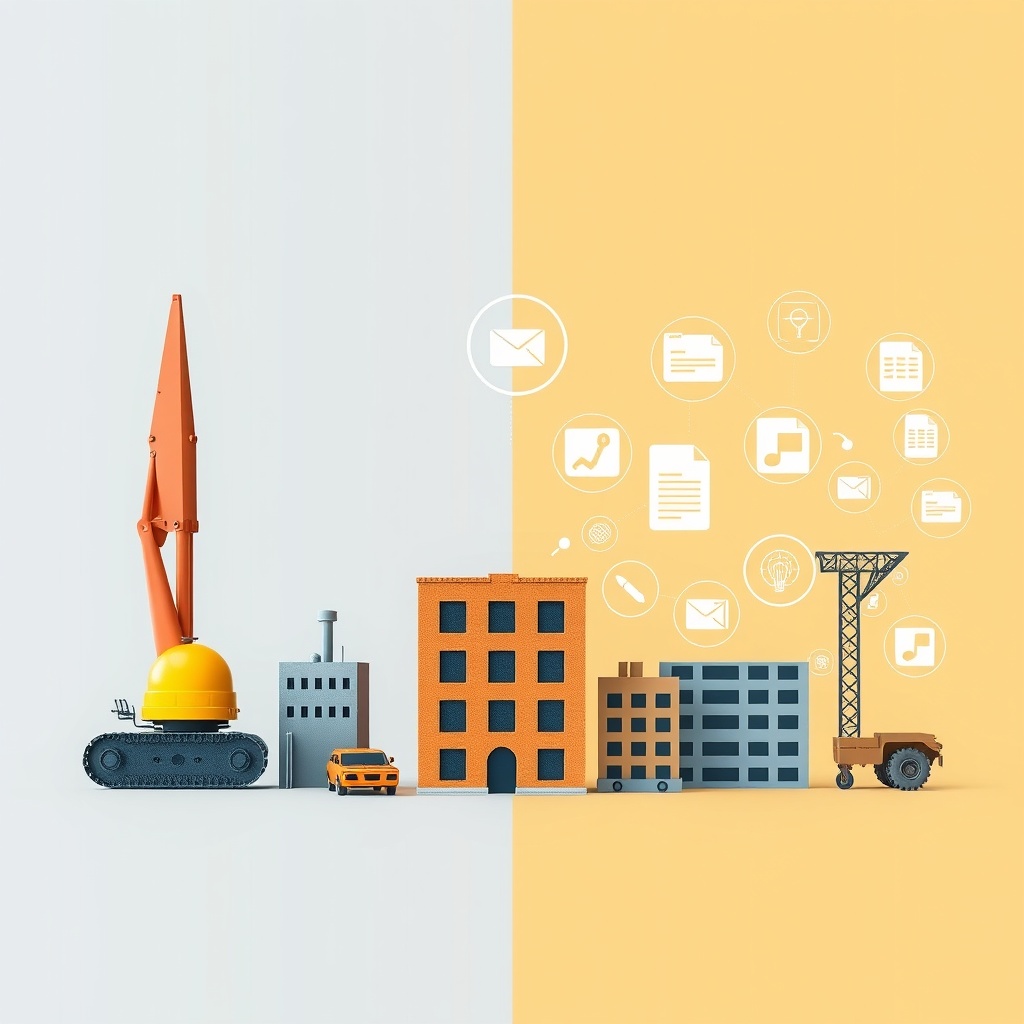
When we talk about assets, it’s essential to distinguish between tangible and intangible assets. Tangible assets, like machinery or buildings, are physical items you can touch and see. On the other hand, intangible assets, such as patents or trademarks, lack physical form but hold significant value. Understanding this difference is crucial for effective asset management, as each type requires unique strategies for valuation and maintenance.
For businesses, the balance between tangible and intangible assets can define financial health. While tangible assets often provide immediate utility and collateral value, intangible assets drive long-term growth and competitive advantage. For example, a company might rely on its factory (tangible) for production but depend on its brand reputation (intangible) for market dominance. Recognising this interplay helps in crafting a robust financial planning strategy.
Advantages and Disadvantages of Tangible Assets
Tangible assets offer several advantages, such as providing collateral for loans and having a clear market value. For instance, a piece of land can be appraised easily, making it a reliable asset for securing financing. However, they also come with drawbacks, including depreciation and maintenance costs. Over time, machinery wears out, and buildings require repairs, which can strain a company’s resources.
Another downside is the lack of liquidity. Unlike stocks or bonds, tangible assets can’t be sold quickly without a potential loss in value. This makes them less flexible in times of financial need. Despite these challenges, tangible assets remain a cornerstone of many industries, particularly in sectors like manufacturing and real estate. For more insights, check out this comprehensive guide on tangible assets.
How to Manage Tangible Assets Effectively
Effective management of tangible assets starts with accurate tracking and regular maintenance. Implementing an asset tracking system ensures you know the location, condition, and value of each asset. This is especially useful for large organisations with multiple properties or pieces of equipment. Regular audits and updates to asset records prevent discrepancies and ensure compliance with financial reporting standards.
Another key aspect is optimising asset utilisation. Underused assets can be a drain on resources, so it’s important to assess whether leasing or selling them might be more cost-effective. Additionally, investing in preventive maintenance can extend the lifespan of assets, reducing long-term costs. By adopting these practices, businesses can maximise the value of their tangible assets while minimising risks.
Financing Options for Tangible Assets
Financing tangible assets often involves traditional loans or leasing arrangements. Banks and financial institutions typically offer secured loans, using the asset itself as collateral. This can be a viable option for businesses looking to expand their operations without depleting cash reserves. Alternatively, leasing allows companies to use assets without the burden of ownership, which can be beneficial for short-term needs or rapidly depreciating items.
Another emerging option is asset-based lending, where businesses borrow against the value of their tangible assets. This can provide quick access to capital, though it often comes with higher interest rates. For businesses exploring these options, understanding the terms and risks is critical. For more details, refer to our guide on asset management solutions.
The Role of Tangible Assets in Financial Statements
Tangible assets play a pivotal role in financial statements, providing a clear snapshot of a company’s physical resources. These assets, such as machinery, buildings, and land, are recorded on the balance sheet under non-current assets. Their valuation impacts key financial metrics like net assets, which investors scrutinise for stability and growth potential.
Depreciation and amortisation of tangible assets also affect the income statement, reducing taxable income. Properly managing these assets ensures accurate financial reporting and compliance with accounting standards. For businesses, understanding how to leverage tangible assets in financial statements can enhance credibility and attract investment.
Challenges in Managing Tangible Assets
Managing tangible assets isn’t without hurdles. Depreciation methods, maintenance costs, and obsolescence can complicate asset valuation. For instance, outdated machinery may require costly upgrades, impacting profitability. Additionally, regulatory changes, such as those in global asset management, can introduce compliance challenges.
Another challenge is ensuring accurate asset tracking, especially for large inventories. Misplaced or underutilised assets can lead to financial inefficiencies. Businesses must adopt robust systems, like asset tracking, to mitigate these risks and optimise resource allocation.
Future Trends in Tangible Asset Management
The future of tangible asset management is being shaped by technology and sustainability. Innovations like IoT-enabled devices are revolutionising asset management, enabling real-time monitoring and predictive maintenance. These tools reduce downtime and extend asset lifespans, boosting operational efficiency.
Sustainability is another key trend, with businesses prioritising eco-friendly assets. From energy-efficient buildings to renewable energy equipment, green investments are becoming mainstream. As companies align with global sustainability goals, the demand for sustainable asset solutions will continue to rise.
Frequently Asked Questions (FAQs)
How do tangible assets impact a company’s balance sheet?
Tangible assets are recorded as non-current assets on the balance sheet, influencing metrics like net worth and liquidity. Their valuation, including depreciation, affects financial ratios and investor perceptions, making them critical for financial health.
What are the common challenges in managing tangible assets?
Challenges include depreciation complexities, maintenance costs, regulatory compliance, and accurate tracking. Businesses must adopt advanced tools and strategies to overcome these hurdles and maximise asset value.
How is technology transforming tangible asset management?
Technologies like IoT and AI enable real-time monitoring, predictive maintenance, and efficient resource allocation. These innovations reduce costs, improve accuracy, and enhance the lifespan of tangible assets.
Why is sustainability important in tangible asset management?
Sustainable assets, such as energy-efficient equipment, reduce environmental impact and operational costs. They also align with global sustainability goals, enhancing a company’s reputation and long-term viability.
