






Introduction to Plant Assets
When I first started diving into the world of business finance, the term “plant assets” kept popping up. At first, I thought it had something to do with greenery, but I quickly realised it’s far more critical to a company’s operations. Plant assets, also known as fixed assets, are the long-term tangible resources a business uses to generate income. Think machinery, buildings, and equipment—the backbone of production.
We often overlook these assets because they don’t generate immediate cash flow like current assets, but their role is undeniable. Without them, businesses couldn’t operate efficiently or scale. Whether you’re a small business owner or a finance enthusiast, understanding plant assets is key to grasping how companies sustain and grow their operations over time.
Key Takeaways
- Plant assets are long-term, tangible resources essential for business operations.
- They differ from current assets as they provide value over multiple years.
- Proper management and accounting of plant assets are crucial for financial stability.
- Depreciation methods play a significant role in valuing these assets over time.
Subscribe to our free International Asset Management & Investments funds review.
The publication will highlight important issues, key developments, and the latest trends within the global asset management industry and will provide a global readership with a clear understanding of the opportunities within the industry and also within individual domestic markets.
Subscribe now!
Introduction to Plant Assets
Types of Plant Assets
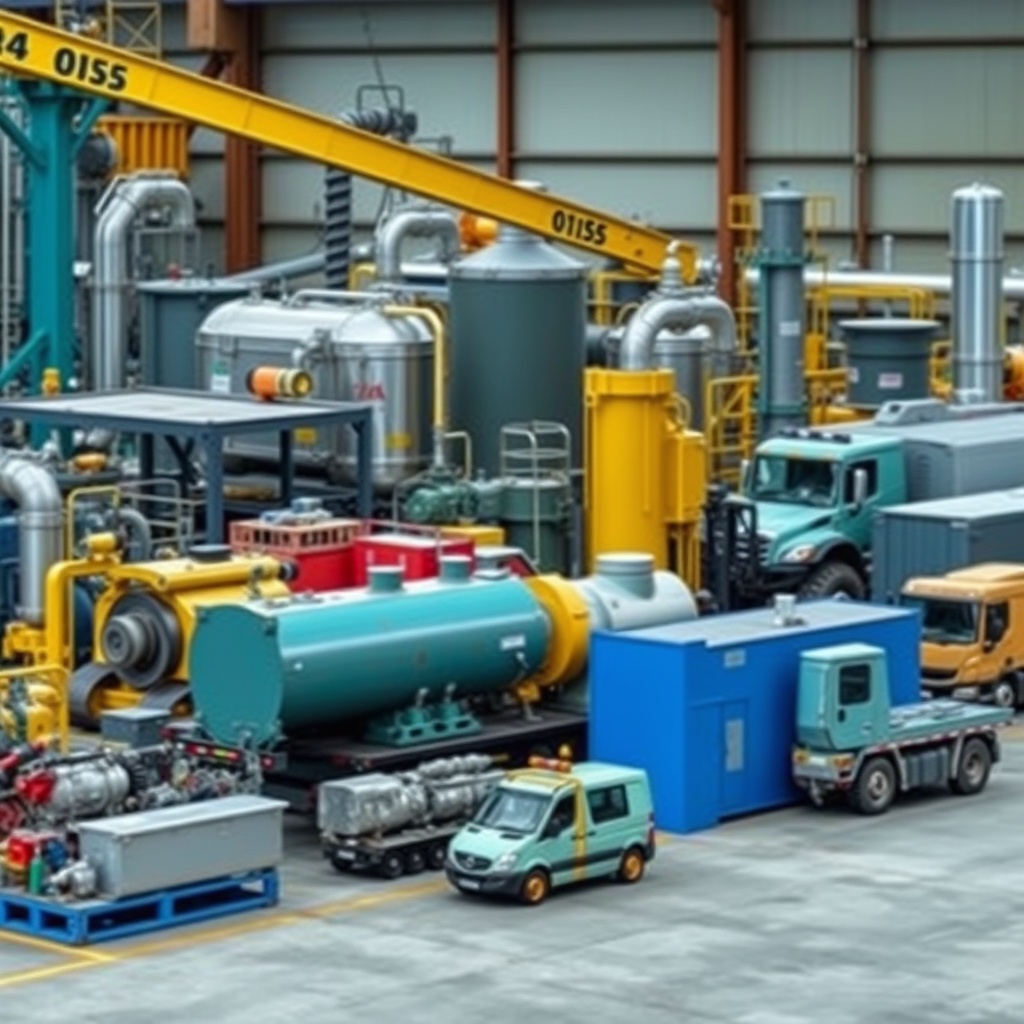
Plant assets, also known as fixed assets, are long-term tangible resources used in business operations. These include machinery, buildings, vehicles, and equipment. Unlike current assets, plant assets aren’t easily converted into cash. They’re essential for production and service delivery, forming the backbone of many industries.
We can categorise plant assets into three main types: land, buildings, and equipment. Land is unique as it doesn’t depreciate, while buildings and equipment lose value over time. Understanding these distinctions helps businesses manage their fixed assets effectively, ensuring long-term financial stability.
Accounting for Plant Assets
Accounting for plant assets involves recording their acquisition, depreciation, and disposal. When a business purchases a plant asset, it’s capitalised on the balance sheet, not expensed immediately. This aligns with the matching principle, spreading the cost over its useful life. Depreciation methods, like straight-line or declining balance, reflect the asset’s wear and tear.
Proper accounting ensures compliance with financial regulations and accurate reporting. For example, asset management services can help businesses track and optimise their plant assets. Additionally, understanding capital expenditure is crucial for budgeting and planning future investments.
Depreciation Methods
Depreciation is the systematic allocation of an asset’s cost over its useful life. The straight-line method spreads the cost evenly, while the declining balance method accelerates depreciation early on. Businesses choose methods based on asset usage and financial goals. For instance, a company might prefer accelerated depreciation for tax benefits.
Each method impacts financial statements differently, influencing profitability and asset valuation. Tools like strategic depreciation can help businesses optimise their approach. Understanding these methods is vital for accurate financial planning and reporting.
Disposal of Plant Assets
When it comes to the disposal of plant assets, it’s not just about getting rid of old equipment—it’s a strategic decision that impacts our financial health. Whether we’re selling, scrapping, or trading in these assets, the process must align with our broader asset management best practices. Proper disposal ensures we maximise returns and maintain accurate financial records.
One key consideration is the book value versus the market value of the asset. If we sell an asset for more than its book value, we record a gain; if less, a loss. This directly affects our financial planning and tax obligations. It’s a nuanced process, but with careful execution, we can turn disposals into opportunities for reinvestment.
Importance of Plant Assets in Business

Plant assets are the backbone of our operations, providing the physical infrastructure needed to deliver products and services. Without them, our business simply couldn’t function. They’re also a critical component of our fixed assets management, influencing everything from production capacity to financial stability.
Beyond their operational role, plant assets play a pivotal part in financial reporting. They’re recorded on the balance sheet and depreciated over time, impacting our profitability and asset allocation strategies. Understanding their value helps us make informed decisions about capital expenditures and long-term growth.
Case Studies and Examples
Let’s look at a real-world example: a manufacturing company upgrading its machinery. By investing in new plant assets, they not only improved efficiency but also reduced maintenance costs. This aligns with the principles of technological innovations in asset management, showcasing how strategic upgrades can drive profitability.
Another case involves a logistics firm disposing of outdated vehicles. By following best practices, they minimised losses and reinvested the proceeds into more fuel-efficient models. This demonstrates the importance of sustainable asset management, balancing financial and environmental goals.
Introduction to Plant Assets
When we talk about plant assets, we’re diving into the backbone of any business’s operational infrastructure. These are the long-term, tangible resources that keep the wheels turning—machinery, buildings, vehicles, and equipment. Unlike current assets, plant assets aren’t liquid, but they’re essential for sustained productivity and growth. Think of them as the silent workhorses of your business, quietly driving value over years.
In my experience, understanding plant assets is the first step to mastering a company’s financial health. They’re not just about ownership; they’re about strategic investment. Whether you’re a startup or a multinational, these assets form the foundation of your operational capacity. And in today’s fast-paced world, leveraging them effectively can be the difference between thriving and merely surviving.
Types of Plant Assets
Plant assets come in various forms, each serving a unique purpose. From manufacturing equipment to office buildings, these assets are categorised based on their utility and lifespan. For instance, machinery used in production lines is a classic example, while fixed assets like land or warehouses provide long-term stability. The key is to recognise how each type contributes to your business’s overall efficiency.
We often overlook the diversity within plant assets, but it’s this variety that allows businesses to tailor their investments. A tech company might prioritise high-end servers, while a logistics firm focuses on fleet vehicles. The common thread? All these assets are integral to daily operations. By categorising them correctly, you can optimise their use and ensure they deliver maximum value.
Accounting for Plant Assets
Accounting for plant assets isn’t just about recording their purchase price. It’s about understanding their lifecycle—from acquisition to disposal. Depreciation plays a pivotal role here, spreading the cost of an asset over its useful life. This isn’t just a compliance exercise; it’s a strategic tool. For example, strategic depreciation can significantly impact your financial statements and tax liabilities.
In our work, we’ve seen how missteps in asset accounting can lead to skewed financial reports. That’s why it’s crucial to adopt robust accounting practices. Whether it’s choosing the right depreciation method or accurately assessing an asset’s residual value, every detail matters. After all, these decisions shape your business’s financial narrative and influence investor confidence.

Depreciation Methods
Depreciation is where the rubber meets the road in plant asset management. There are several methods to choose from—straight-line, declining balance, or units of production—each with its own implications. The straight-line method, for instance, offers simplicity, while the declining balance method accelerates depreciation, which can be beneficial for tax purposes. The choice depends on your business’s financial strategy and the nature of the asset.
We’ve found that businesses often default to the simplest method without considering alternatives. But here’s the thing: the right depreciation strategy can free up cash flow and improve your bottom line. It’s not just about compliance; it’s about making your assets work smarter for you. So, take the time to evaluate which method aligns best with your goals.
Disposal of Plant Assets
Eventually, every plant asset reaches the end of its useful life. Disposing of it—whether through sale, scrapping, or trade-in—requires careful planning. The process isn’t just about removing an old asset; it’s about maximising its residual value. For example, selling outdated machinery can generate cash, while scrapping it might offer tax benefits. The key is to weigh the options and choose the most financially sound approach.
In our journey, we’ve seen businesses lose out by neglecting disposal strategies. A well-executed disposal plan can recover significant value and even fund new investments. It’s about closing the loop on an asset’s lifecycle with the same diligence you applied when acquiring it. After all, every pound recovered is a pound that can be reinvested in your business’s future.
Importance of Plant Assets in Business
Plant assets are more than just physical items on a balance sheet; they’re the engines of productivity. Without them, businesses couldn’t operate at scale. They enable efficiency, support growth, and often serve as collateral for financing. In industries like manufacturing or logistics, they’re the difference between meeting demand and falling short. That’s why managing them effectively is non-negotiable.
We’ve witnessed firsthand how businesses that prioritise plant asset management outperform their peers. It’s not just about having the right assets; it’s about maintaining them, optimising their use, and planning for their replacement. In a competitive landscape, this proactive approach can be a game-changer. So, don’t just own your plant assets—master them.
Case Studies and Examples
Let’s bring this to life with real-world examples. Take a manufacturing company that invested in automated machinery. By leveraging technology, they reduced downtime and boosted output, turning their plant assets into a competitive advantage. Or consider a logistics firm that optimised its fleet management, cutting costs and improving delivery times. These stories highlight the transformative power of strategic asset management.
In our work, we’ve curated countless such examples, each reinforcing the same lesson: plant assets are what you make of them. Whether it’s through innovation, maintenance, or disposal, the choices you make today will shape your business’s trajectory. So, learn from these case studies and apply their insights to your own operations. The results might just surprise you.
Introduction to Plant Assets
When I first started diving into the world of business finance, the term “plant assets” kept popping up. At first, I thought it had something to do with greenery, but I quickly realised it’s far more critical to a company’s operations. Plant assets, also known as fixed assets, are the long-term tangible resources a business uses to generate income. Think machinery, buildings, and equipment—essentially, the backbone of any production-driven enterprise.
Understanding plant assets is crucial because they represent a significant investment for any business. Unlike current assets, which are liquid and short-term, plant assets are held for years. They’re not just about ownership; they’re about sustaining and growing operations. Whether you’re a startup or a multinational, mastering plant assets can make or break your financial strategy.
Types of Plant Assets
Plant assets come in various forms, each serving a unique purpose in business operations. The most common types include land, buildings, machinery, and vehicles. Land is often the foundation, providing the physical space for operations. Buildings, whether offices or factories, house the activities that drive revenue. Machinery and equipment, on the other hand, are the workhorses that transform raw materials into finished products.
Another category worth noting is infrastructure, like roads or bridges, especially for businesses in construction or logistics. These assets are not just tools; they’re investments that depreciate over time but are essential for long-term growth. For a deeper dive into how these assets function within asset management, it’s worth exploring specialised resources.
Accounting for Plant Assets
Accounting for plant assets isn’t as straightforward as recording a sale or expense. These assets are capitalised, meaning their cost is spread over their useful life through depreciation. This process ensures that the expense aligns with the revenue they help generate. For example, if a company buys a £100,000 machine with a 10-year lifespan, it might depreciate £10,000 annually.
It’s also important to consider maintenance and upgrades. While repairs are expensed immediately, improvements that extend the asset’s life or enhance its value are capitalised. This distinction is critical for accurate financial reporting and tax purposes. For more on this, check out this external guide on plant assets.
Depreciation Methods
Depreciation is the systematic allocation of an asset’s cost over its useful life. The most common methods are straight-line, declining balance, and units of production. Straight-line is the simplest, dividing the cost evenly over the asset’s lifespan. Declining balance accelerates depreciation early on, reflecting higher wear and tear in the initial years.
The units of production method ties depreciation to actual usage, making it ideal for machinery with variable output. Choosing the right method depends on the asset’s nature and the business’s financial strategy. For a detailed comparison, our guide on fixed assets offers valuable insights.
Disposal of Plant Assets
Eventually, plant assets reach the end of their useful life or become obsolete. Disposing of them involves removing their book value from the accounts and recognising any gain or loss. If an asset is sold for more than its book value, it’s a gain; if less, it’s a loss. This process ensures the financial statements reflect the true state of the business’s resources.
Disposal isn’t just about accounting; it’s also about sustainability. Many businesses now focus on recycling or repurposing old assets to minimise environmental impact. This approach aligns with modern sustainable asset management practices.
Importance of Plant Assets in Business
Plant assets are the foundation of operational efficiency and scalability. Without them, businesses couldn’t produce goods or deliver services at scale. They also play a key role in securing financing, as lenders often view them as collateral. In industries like manufacturing or logistics, the quality and maintenance of plant assets directly impact profitability.
Moreover, plant assets contribute to a company’s competitive edge. Up-to-date machinery or strategically located facilities can differentiate a business from its rivals. Investing in these assets isn’t just about maintaining operations; it’s about future-proofing the business.
Case Studies and Examples
Let’s look at a real-world example: a manufacturing company investing in automated machinery. Initially, the cost is high, but the long-term benefits—increased production speed, reduced labour costs, and improved quality—far outweigh the expense. Over time, the machinery’s depreciation aligns with these benefits, providing a clear financial picture.
Another example is a logistics firm upgrading its fleet. Newer vehicles are more fuel-efficient and require less maintenance, reducing operational costs. These case studies highlight how strategic investment in plant assets can drive growth and efficiency.
Conclusion
Plant assets are more than just physical items on a balance sheet; they’re the lifeblood of many businesses. From acquisition to disposal, managing these assets requires careful planning and execution. Whether it’s choosing the right depreciation method or disposing of assets responsibly, every decision impacts the bottom line.
For businesses looking to thrive, understanding and optimising plant assets is non-negotiable. It’s not just about accounting—it’s about building a sustainable, scalable future.
Frequently Asked Questions
What are the main types of plant assets?
The main types include land, buildings, machinery, and vehicles. These are long-term tangible assets used in operations to generate income. Each type serves a unique purpose, from providing space to enabling production.
How does depreciation affect plant assets?
Depreciation spreads the cost of a plant asset over its useful life, matching expenses with revenue. Different methods, like straight-line or declining balance, offer flexibility in how this cost is allocated, impacting financial statements and tax obligations.
Why are plant assets important for business growth?
Plant assets enable scalability and operational efficiency. They’re often used as collateral for financing and can provide a competitive edge through advanced technology or strategic locations, driving long-term profitability.
What happens when a plant asset is disposed of?
Disposal involves removing the asset’s book value and recognising any gain or loss. Sustainable practices, like recycling, are increasingly important, aligning with modern asset management trends.
