






Introduction to Plant Assets
When we talk about the backbone of any business, plant assets often come to mind. These are the long-term, tangible resources that keep operations running smoothly—think machinery, buildings, and land. Without them, producing goods or delivering services would be nearly impossible. I’ve seen firsthand how these assets form the foundation of a company’s productivity and growth, making them indispensable in the world of business.
But what exactly makes plant assets so crucial? For starters, they’re not just about physical presence; they represent significant financial investments. Whether it’s a manufacturing plant or a fleet of vehicles, these assets require careful management to maximise their value. Over the years, I’ve learned that understanding their role is key to making informed decisions about fixed assets and ensuring long-term success.
Subscribe to our free International Asset Management & Investments funds review.
The publication will highlight important issues, key developments, and the latest trends within the global asset management industry and will provide a global readership with a clear understanding of the opportunities within the industry and also within individual domestic markets.
Subscribe now!
Definition and Importance of Plant Assets in Business Operations
Plant assets, also known as fixed assets, are long-term resources used in the production of goods or services. Unlike current assets, which are liquidated within a year, plant assets are held for extended periods. They include everything from factories and equipment to office furniture and vehicles. Their importance lies in their ability to generate revenue over time, making them a cornerstone of operational efficiency.
In my experience, businesses that prioritise plant asset management often outperform their competitors. These assets not only enhance productivity but also contribute to a company’s financial stability. Properly maintained, they can appreciate in value or at least retain their usefulness for years. It’s no wonder that savvy investors and managers pay close attention to how these resources are acquired, maintained, and eventually disposed of.
Key Takeaways
- Plant assets are long-term, tangible resources essential for business operations.
- They include machinery, buildings, and land, and are critical for revenue generation.
- Proper management of plant assets ensures operational efficiency and financial stability.
- Unlike current assets, plant assets are held for extended periods and require strategic planning.
Types of Plant Assets
Plant assets are the backbone of any business, providing the physical infrastructure needed for operations. These assets include machinery, land, buildings, and even intangible assets like patents. Machinery, for instance, is crucial for manufacturing, while land and buildings offer a permanent base for business activities. Intangible assets, though not physical, play a vital role in long-term value creation.
Understanding the diversity of plant assets helps businesses optimise their asset management solutions. For example, machinery requires regular maintenance, while land appreciates over time. By categorising these assets, companies can allocate resources effectively, ensuring each asset type contributes to operational efficiency and financial stability.
Acquisition of Plant Assets
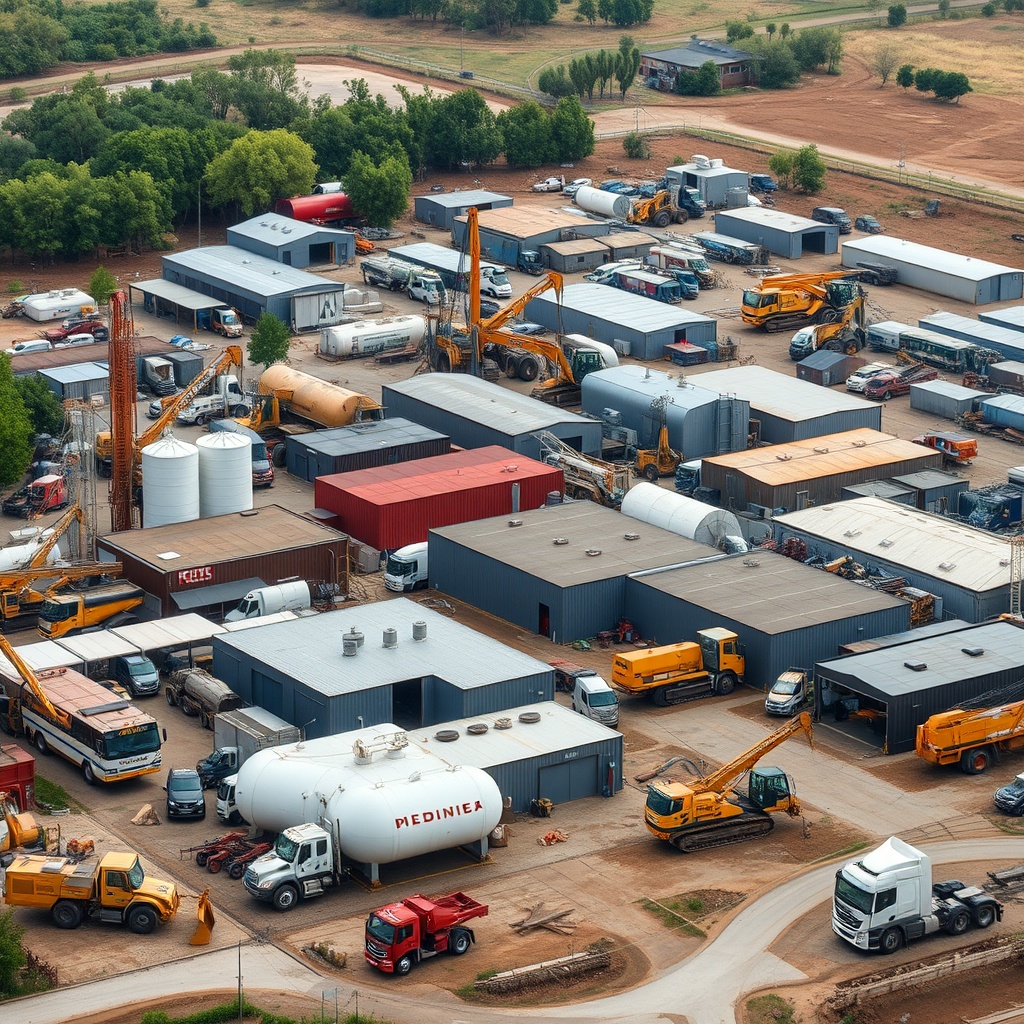
Acquiring plant assets involves careful planning and financial consideration. Businesses can purchase assets outright, lease them, or finance through loans. Each method has its pros and cons, impacting cash flow and tax liabilities. For instance, leasing reduces upfront costs but may limit long-term ownership benefits. Purchasing, on the other hand, offers full control but requires significant capital.
Accounting practices for plant assets are equally important. Proper documentation ensures compliance with regulations and accurate financial reporting. Tools like fixed asset management software streamline this process, helping businesses track depreciation, maintenance, and disposal. A well-structured acquisition strategy aligns with overall business goals, ensuring sustainable growth.
Depreciation of Plant Assets
Depreciation is a key concept in managing plant assets, reflecting their wear and tear over time. Methods like straight-line and declining balance depreciation distribute the asset’s cost across its useful life. This not only matches expenses with revenue but also provides tax benefits. For example, accelerated depreciation reduces taxable income in early years, improving cash flow.
The impact of depreciation extends to financial statements, affecting metrics like net income and asset valuation. Businesses must choose the right method to reflect their asset usage accurately. Resources like strategic depreciation guides can help optimise this process. By understanding depreciation, companies can make informed decisions about asset replacement and capital expenditure.
Maintenance and Upkeep
Maintaining plant assets is crucial for ensuring their longevity and operational efficiency. Regular inspections, timely repairs, and preventive maintenance can save businesses significant costs in the long run. I’ve seen firsthand how neglecting upkeep leads to unexpected breakdowns, disrupting operations and inflating expenses. By implementing a structured maintenance schedule, we can minimise downtime and maximise productivity.
Investing in skilled technicians and quality spare parts is equally important. For example, machinery in manufacturing plants requires specialised care to avoid wear and tear. A well-maintained asset not only performs better but also retains its value longer. If you’re looking for expert advice on asset management best practices, this resource is invaluable.
Disposal and Sale of Plant Assets

When it’s time to dispose of or sell plant assets, proper procedures must be followed to ensure compliance and financial accuracy. Whether it’s machinery, buildings, or land, the process involves assessing the asset’s residual value and market demand. I’ve worked with businesses that underestimated this step, leading to financial losses or legal complications.
Accounting for the disposal is another critical aspect. Depreciation records must be updated, and any gains or losses should be accurately reported. For a deeper dive into fixed assets management, this guide offers comprehensive insights. Selling assets can also be an opportunity to reinvest in newer, more efficient equipment.
Case Studies and Real-World Examples
Examining real-world examples provides practical insights into plant asset management. For instance, a manufacturing company I advised streamlined its operations by upgrading outdated machinery. The result? A 20% increase in production efficiency and reduced maintenance costs. These case studies highlight the tangible benefits of proactive asset management.
Another example is the healthcare sector, where medical equipment must meet stringent standards. Regular audits and upgrades ensure compliance and patient safety. If you’re curious about how technological innovations are transforming asset management, this article is a must-read. Learning from others’ experiences can help avoid common pitfalls.
Disposal and Sale of Plant Assets
When it comes to plant assets, disposal and sale are inevitable phases in their lifecycle. Whether it’s outdated machinery or unused land, businesses must navigate these processes carefully to maximise returns and minimise losses. Proper disposal ensures compliance with environmental regulations, while strategic sales can free up capital for reinvestment. We’ve seen how fixed assets require meticulous handling to avoid financial pitfalls.
The accounting treatment for disposal varies based on whether the asset is sold, scrapped, or exchanged. Depreciation plays a crucial role here, as it affects the book value and, consequently, the gain or loss on disposal. For example, selling a piece of equipment below its book value results in a loss, while selling above it yields a gain. Understanding these nuances is key to effective asset management.

Case Studies and Real-World Examples
Real-world examples highlight the importance of managing plant assets efficiently. Take the manufacturing sector, where companies often upgrade machinery to stay competitive. One notable case involved a firm that sold its old equipment to a developing market, turning a potential loss into a profitable venture. Such strategies underscore the value of asset management solutions tailored to specific industries.
Another example is the real estate industry, where land and buildings are prime plant assets. A well-known property developer leveraged depreciation benefits to offset taxable income while reinvesting in high-growth areas. These cases demonstrate how real estate asset management can drive long-term success. Learning from these examples can help businesses optimise their own asset strategies.
Introduction to Plant Assets
Plant assets are the backbone of any business, providing the physical and intangible resources needed to operate efficiently. From machinery to buildings, these assets play a critical role in production and service delivery. Proper management ensures longevity and financial stability, making them indispensable for long-term success. Understanding their importance is the first step toward optimising their use and maximising returns.
In this guide, we’ll explore what plant assets are, why they matter, and how businesses can leverage them effectively. Whether you’re a small business owner or part of a large corporation, mastering plant asset management can significantly impact your bottom line. Let’s dive into the world of plant assets and uncover their potential.
Types of Plant Assets
Plant assets come in various forms, each serving a unique purpose in business operations. Machinery, for instance, is essential for manufacturing, while land and buildings provide the physical space for activities. Intangible assets like patents and copyrights also fall under this category, offering competitive advantages. Recognising these types helps businesses allocate resources wisely and plan for future investments.
For example, a company might invest in fixed assets like equipment to boost productivity, or acquire land for expansion. Each type requires different management strategies, from maintenance to depreciation. By categorising plant assets, businesses can streamline operations and ensure compliance with accounting standards.
Acquisition of Plant Assets
Acquiring plant assets involves careful planning and financial consideration. Businesses can purchase, lease, or even develop these assets in-house. Each method has its pros and cons, impacting cash flow and tax obligations. For instance, purchasing machinery outright may require significant capital, while leasing offers flexibility but higher long-term costs. Understanding these options is key to making informed decisions.
Accounting practices also play a role, as acquisitions must be recorded accurately in financial statements. Proper documentation ensures transparency and compliance with regulations. Whether you’re buying real estate or leasing equipment, a well-structured acquisition strategy is vital for sustainable growth.
Depreciation of Plant Assets
Depreciation reflects the gradual wear and tear of plant assets over time. Methods like straight-line or declining balance help businesses allocate costs and manage tax liabilities. This process not only impacts financial statements but also influences budgeting and reinvestment decisions. By understanding depreciation, companies can plan for replacements and avoid unexpected expenses.
For example, a delivery van loses value annually, and accounting for this decline ensures accurate financial reporting. Tools like strategic depreciation can optimise asset lifespans and improve profitability. Mastering depreciation is essential for maintaining financial health and operational efficiency.
Maintenance and Upkeep
Regular maintenance extends the lifespan of plant assets and prevents costly breakdowns. Scheduled inspections, repairs, and upgrades keep machinery and facilities in top condition. Neglecting upkeep can lead to operational disruptions and higher expenses. A proactive approach ensures reliability and reduces downtime, enhancing overall productivity.
For instance, maintaining a production line minimises the risk of unexpected failures. Investing in best practices for asset management can save time and money in the long run. By prioritising maintenance, businesses can protect their investments and maintain a competitive edge.
Disposal and Sale of Plant Assets
When plant assets reach the end of their useful life, businesses must decide whether to sell, scrap, or repurpose them. Proper disposal ensures compliance with environmental regulations and maximises residual value. Accounting for these transactions accurately is crucial for financial reporting. Whether it’s selling outdated equipment or demolishing a building, a structured approach is essential.
For example, selling a retired company vehicle requires documenting the sale and adjusting the books accordingly. Understanding the asset management process simplifies disposal and minimises risks. By planning ahead, businesses can transition smoothly and reinvest in new assets.
Case Studies and Real-World Examples
Examining how businesses manage plant assets provides valuable insights. Industries like manufacturing and construction rely heavily on these resources, and their strategies vary based on needs. Case studies highlight successful practices and common pitfalls, offering lessons for others. Learning from real-world examples can inspire innovative solutions and improve asset management.
For instance, a construction firm might optimise equipment usage to reduce costs, while a tech company focuses on intangible assets like software. Exploring these scenarios helps businesses adapt and thrive. By studying others, companies can refine their own approaches and achieve better results.
Conclusion and Key Takeaways
Plant assets are vital for business success, requiring careful management from acquisition to disposal. Understanding their types, depreciation, and maintenance ensures longevity and efficiency. Real-world examples demonstrate the importance of strategic planning. By mastering these concepts, businesses can optimise their resources and drive growth.
In summary, plant assets are more than just physical items—they’re investments that shape a company’s future. Prioritising their management leads to financial stability and operational excellence. Whether you’re a startup or an established firm, these principles apply universally. Start optimising your plant assets today and unlock their full potential.
Frequently Asked Questions
What are plant assets?
Plant assets are long-term tangible and intangible resources used in business operations, such as machinery, buildings, and patents. They are essential for production and service delivery, requiring careful management to maximise their value and lifespan.
How do businesses acquire plant assets?
Businesses can acquire plant assets through purchase, leasing, or in-house development. Each method has financial and operational implications, influencing cash flow, tax obligations, and long-term planning. Proper documentation ensures compliance and transparency.
Why is depreciation important for plant assets?
Depreciation accounts for the gradual loss of value in plant assets over time. It impacts financial statements, tax liabilities, and budgeting. Understanding depreciation methods helps businesses plan for replacements and maintain accurate financial records.
What are the best practices for maintaining plant assets?
Regular inspections, timely repairs, and proactive upgrades are key to maintaining plant assets. A structured maintenance schedule prevents breakdowns and extends asset lifespans, reducing operational disruptions and costs.
How should businesses dispose of plant assets?
Businesses should follow environmental regulations and financial guidelines when disposing of plant assets. Options include selling, scrapping, or repurposing. Proper documentation ensures compliance and maximises residual value, facilitating smooth transitions.
