
Introduction
South Korea is making waves in the global AI arena, and I’m here to break it all down for you. With a government pouring billions into AI and a private sector buzzing with innovation, this nation is setting its sights on global dominance. From cutting-edge research to real-world applications, South Korea’s AI ambitions are nothing short of revolutionary. Let’s dive in.
Key Takeaways
- South Korea’s government is investing heavily in AI, with a clear roadmap for global leadership.
- The country boasts a thriving ecosystem of startups, research institutions, and corporate giants.
- Collaboration between the public and private sectors is driving rapid advancements.
- AI is transforming traditional industries like manufacturing while unlocking new opportunities.
- Ethical and regulatory frameworks are evolving to keep pace with technological growth.
No spam - just the latest insights!
Join over 30,000 industry professionals who subscribe for free






Get exclusive early
access before the official launch
Hear directly from the Big Four advisory firms and leading international law firms on emerging issues
- with our authors given full editorial independence to address the topics that truly matter in each jurisdiction
Introduction to AI in South Korea
The rise of AI in South Korea
South Korea’s AI journey began with a focus on research and development, but it’s now a full-blown revolution. The country’s tech-savvy population and robust infrastructure have created the perfect breeding ground for innovation. From chatbots to autonomous vehicles, AI is everywhere, and it’s changing the game.
South Korea’s position in the global AI landscape
While the US and China dominate headlines, South Korea is quietly carving out its niche. The country ranks among the top in AI research output and patent filings. With giants like Samsung and LG leading the charge, South Korea is proving it’s a force to be reckoned with. Learn more about global AI dynamics.
The South Korean Government’s AI Investment Strategy
Overview of government funding and initiatives
The South Korean government isn’t just talking the talk—it’s walking the walk. Billions of dollars are being funneled into AI projects, with a focus on education, infrastructure, and startups. Initiatives like the Digital New Deal are laying the groundwork for a smarter, more connected future.
Key government-led AI projects
From smart cities to healthcare, the government is backing projects that promise real-world impact. One standout is the AI Hub, a platform designed to foster collaboration between researchers and businesses. Explore how other nations are innovating responsibly.
The South Korean Government’s AI Investment Strategy
Overview of government funding and initiatives
We’ve seen the South Korean government take bold steps to position itself as a global leader in AI. With billions of dollars earmarked for AI development, their commitment is undeniable. Initiatives like the Digital New Deal and AI R&D programmes are transforming the landscape. The focus isn’t just on funding but on creating a robust ecosystem where innovation thrives. It’s a strategy that blends ambition with practicality, ensuring long-term growth.
One standout is the AI Governance Framework, which mirrors global best practices. By prioritising ethical AI, South Korea is building trust while fostering innovation. The government’s role isn’t just financial—it’s about setting the stage for private-sector collaboration. This dual approach ensures that investments yield tangible results, from startups to multinationals.
Key government-led AI projects
Projects like the AI Hub and the National AI Research Institute are game-changers. These hubs bring together academia, industry, and government to accelerate breakthroughs. The AI Hub, for instance, focuses on real-world applications, from healthcare to smart cities. It’s not just about research; it’s about deployment at scale. The government’s hands-on approach ensures these projects align with national priorities.
Another highlight is the regulatory sandbox, which allows startups to test innovations without red tape. This flexibility is critical for rapid iteration. By removing barriers, South Korea is creating a fertile ground for AI pioneers. The results speak for themselves—homegrown AI solutions are now competing globally, thanks to this supportive environment.
Timeline of the South Korean Government’s AI Efforts
Early initiatives and foundational policies
South Korea’s AI journey began over a decade ago with the Intelligent Robot Development and Supply Promotion Act. This early focus on robotics laid the groundwork for broader AI ambitions. Policies like the I-Korea 4.0 Strategy emphasised digital transformation, setting the stage for today’s advancements. The government’s foresight in embedding AI into national infrastructure has paid off.
Fast forward to 2018, and the AI R&D Roadmap marked a turning point. This comprehensive plan outlined priorities like data infrastructure and talent development. By aligning resources with long-term goals, South Korea avoided the pitfalls of short-term thinking. The roadmap’s success lies in its adaptability—it evolves with the tech landscape.
Recent developments and future roadmaps
Recent years have seen a surge in AI adoption, driven by the Digital New Deal 2.0. This initiative targets sectors like healthcare and logistics, leveraging AI for societal impact. The government’s focus on digital payments and smart cities showcases its holistic approach. By integrating AI into everyday life, South Korea is ensuring widespread benefits.
Looking ahead, the AI National Strategy 2025 aims to cement South Korea’s global standing. With plans for AI-powered public services and advanced research, the future is bright. The government’s commitment to continuous improvement ensures that South Korea remains at the forefront of the AI revolution. It’s a blueprint for others to follow.

Why South Korea is Poised to Lead the AI Revolution
Technological infrastructure and talent
South Korea’s tech infrastructure is second to none. With the world’s fastest internet speeds and widespread 5G, the foundation for AI is solid. The country’s emphasis on STEM education has created a pipeline of skilled talent. Universities like KAIST are producing top-tier AI researchers, while corporate labs push boundaries. This blend of academic excellence and industrial might is unparalleled.
The private sector’s role is equally critical. Companies like Samsung and LG are investing heavily in AI, driving innovation from within. Their global reach ensures that South Korean AI solutions have a worldwide impact. It’s a virtuous cycle—strong infrastructure attracts talent, which fuels further innovation. The result? A self-sustaining AI powerhouse.
Government and private sector collaboration
What sets South Korea apart is its collaborative spirit. The government doesn’t just regulate; it partners with industry to co-create solutions. Initiatives like the AI Alliance bring together startups, corporates, and policymakers. This synergy accelerates progress, turning ideas into reality faster than anywhere else. It’s a model that balances oversight with freedom to innovate.
Take the McKinsey Global AI Survey—South Korea consistently ranks high in AI adoption. This success stems from a shared vision between public and private sectors. By aligning incentives and resources, they’ve created an ecosystem where AI thrives. The world is taking notice, and South Korea is ready to lead.
A Dense AI Ecosystem in South Korea
Startups and innovation hubs
We’ve seen South Korea’s AI ecosystem flourish with startups and innovation hubs leading the charge. From Seoul’s bustling tech districts to Daegu’s specialised AI zones, the country is a hotbed for cutting-edge ideas. These hubs aren’t just about space—they’re about collaboration, funding, and mentorship. The government’s backing has turned them into global magnets for talent and investment.
What stands out is the sheer density of these hubs. Unlike Silicon Valley’s sprawl, South Korea’s innovation centres are tightly knit, fostering rapid idea exchange. Startups here don’t just compete; they collaborate, creating a synergy that’s rare elsewhere. It’s no surprise that Seoul ranks among the top cities for AI startups, with digital payment and fintech innovations leading the way.
Research institutions and universities
Our research institutions and universities are the backbone of South Korea’s AI prowess. KAIST, Seoul National University, and POSTECH are churning out world-class AI researchers. These institutions don’t just focus on theory—they’re deeply embedded in practical applications, often partnering with industry leaders. The result? A steady pipeline of talent ready to tackle real-world problems.
What’s remarkable is the interdisciplinary approach. AI isn’t siloed in computer science departments; it’s integrated into medicine, engineering, and even humanities. This cross-pollination of ideas is why South Korea’s AI research is so impactful. For a deeper dive into how governance shapes innovation, check out our analysis.
Manufacturing and Beyond AI Applications in South Korea
AI in traditional industries
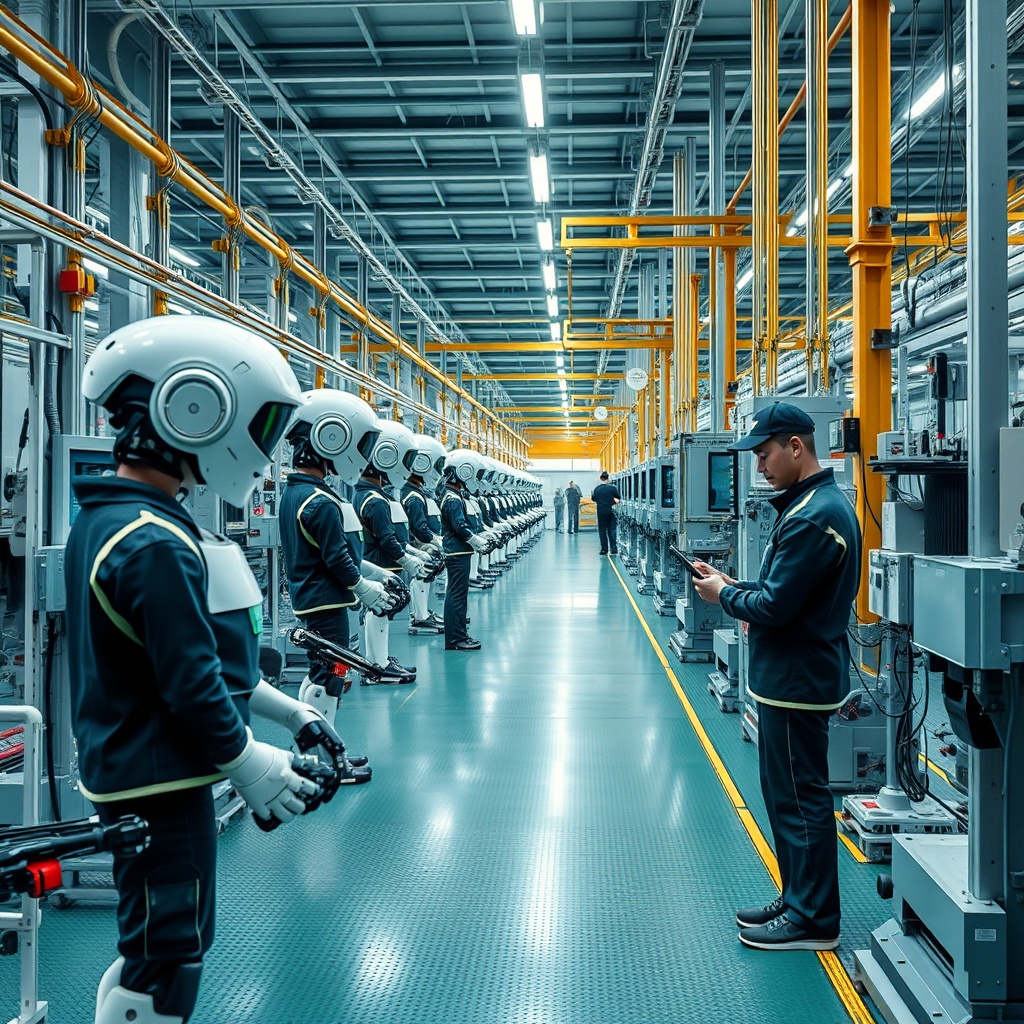
We’re witnessing AI transform South Korea’s traditional industries, from automotive to shipbuilding. Hyundai’s smart factories are a prime example, where AI-driven robots work alongside humans to boost efficiency. These aren’t incremental changes—they’re complete overhauls of production lines, reducing errors and downtime. The integration of AI is making South Korea’s manufacturing sector more competitive globally.
But it’s not just about robots. AI is optimising supply chains, predicting maintenance needs, and even designing new products. The ripple effects are profound, creating jobs in AI maintenance and data analysis. Traditional industries are no longer laggards; they’re at the forefront of AI adoption.
Emerging sectors powered by AI
Beyond manufacturing, AI is fuelling growth in healthcare, finance, and smart cities. Seoul’s AI-powered traffic management system reduces congestion by 20%, while hospitals use AI for early disease detection. The finance sector is leveraging AI for fraud detection and personalised banking. These applications aren’t futuristic—they’re here, and they’re scaling fast.
What excites us most is the potential for AI to solve societal challenges. From ageing populations to environmental sustainability, South Korea is using AI to pioneer solutions. The country’s focus on generative AI (external link) is a testament to its ambition to lead globally.
Leadership Society Influencers in South Korea’s AI Scene
Key figures in government and academia
We can’t talk about South Korea’s AI leadership without mentioning figures like Dr. Kim Sang-hyun, whose policies have shaped the national AI strategy. Academics like Professor Lee Jae-kyu are bridging the gap between research and industry, ensuring innovations reach the market. These leaders aren’t just thinkers—they’re doers, driving tangible change.
The government’s role is equally pivotal. Officials like Minister Choi Ki-young are crafting policies that attract global talent and investment. Their vision is clear: make South Korea the AI hub of Asia. The collaboration between academia and government is a blueprint for other nations.
Leading entrepreneurs and innovators
Entrepreneurs like Lee Se-dol, the Go champion turned AI advocate, symbolise South Korea’s innovative spirit. Startups like Upstage and Riiid are making waves globally, proving that South Korean AI isn’t just competitive—it’s world-leading. These innovators aren’t waiting for opportunities; they’re creating them.
What sets them apart is their global mindset. They’re not just targeting domestic markets; they’re scaling solutions internationally. With ventures like fund launches supporting their growth, the sky’s the limit.
Funding Round Data Tracking AI Investments
Major funding rounds in the AI sector
We’ve tracked record-breaking funding rounds in South Korea’s AI sector. Upstage’s $100 million Series C and Riiid’s $175 million raise are just the tip of the iceberg. These rounds aren’t just about capital—they’re validation of South Korea’s AI potential. Investors are betting big, and the returns are already visible.
What’s striking is the diversity of investors. From local VCs to global giants like SoftBank, the funding landscape is vibrant. This influx of capital is accelerating R&D and scaling startups faster than ever. The message is clear: South Korea’s AI sector is a safe bet.
Trends in venture capital and corporate investments
The trends are unmistakable—venture capital and corporate investments in AI are surging. Samsung’s $1 billion AI fund and Hyundai’s partnerships with startups highlight the corporate sector’s commitment. VC firms are doubling down on early-stage AI ventures, betting on long-term growth.
What’s next? We’re seeing a shift towards ethical AI and sustainability-focused startups. Investors aren’t just chasing profits; they’re backing solutions that align with global challenges. South Korea’s AI investment landscape is maturing, and the future looks brighter than ever.
CVC Directory Corporate Venture Capital in AI
Overview of corporate venture activities
We’ve seen a surge in corporate venture capital (CVC) activities in South Korea, driven by the government’s push for AI innovation. Companies like Samsung and LG are leading the charge, investing heavily in startups and research projects. Their goal? To stay ahead in the global AI race. These CVCs aren’t just providing capital; they’re offering mentorship, resources, and access to vast networks. It’s a win-win for both corporates and startups, fostering a thriving ecosystem.
The focus isn’t just on domestic players. International collaborations are also on the rise, with South Korean firms partnering with global tech giants. This cross-pollination of ideas and capital is accelerating AI advancements. We’re witnessing a shift from traditional R&D to more agile, venture-backed innovation. It’s a testament to how corporate venturing is reshaping the AI landscape in South Korea.
Leading corporate investors in AI
Samsung Ventures and Hyundai’s CVC arm are at the forefront of AI investments in South Korea. Their portfolios are packed with startups working on everything from autonomous vehicles to natural language processing. These investors aren’t just betting on technology; they’re betting on people. By backing visionary founders, they’re ensuring South Korea remains a global AI powerhouse. The strategic alignment between these corporates and their portfolio companies is key to their success.
Another standout is Naver’s D2 Startup Factory, which has become a hub for AI innovation. Their hands-on approach includes everything from funding to office space. It’s a model that’s paying off, with several of their startups achieving unicorn status. The message is clear: South Korea’s corporate investors are all-in on AI. And with the government’s support, they’re poised to dominate the global stage.
World of Corporate Venturing 2025 Predictions for South Korea
Future trends in AI investments
By 2025, we predict a seismic shift in how corporate venturing operates in South Korea. AI investments will become even more strategic, with a focus on deep tech and ethical AI. Companies will prioritise startups that align with their long-term goals, rather than chasing short-term gains. This trend is already visible, with firms like SK Telecom doubling down on AI ethics and sustainability. The future of corporate venturing is about impact, not just returns.
Another trend to watch is the rise of cross-border CVC deals. South Korean corporates are increasingly looking beyond their borders for AI talent and technology. Collaborations with Silicon Valley and European startups are becoming commonplace. This global mindset will be crucial as South Korea aims to lead the AI revolution. The next five years will redefine corporate venturing in ways we can only begin to imagine.
The role of corporate venturing in AI growth
Corporate venturing will be the backbone of South Korea’s AI growth. By bridging the gap between startups and established firms, CVCs are accelerating innovation. They’re also playing a critical role in talent development, offering startups access to seasoned executives and technical experts. This symbiotic relationship is driving breakthroughs in AI applications, from healthcare to finance. The collaborative spirit of South Korea’s corporate venturing scene is unmatched.
Looking ahead, we expect CVCs to take on a more proactive role in shaping AI policy. With their deep industry knowledge, they’re well-positioned to advocate for regulations that foster innovation. This will be essential as AI becomes more integrated into everyday life. The future of AI in South Korea is bright, and corporate venturing will be at its heart.
The Peninsula Geographic Advantages for AI Development
Connectivity and digital infrastructure
South Korea’s geographic position gives it a unique edge in AI development. Its advanced digital infrastructure, including the world’s fastest internet speeds, provides the perfect foundation for AI innovation. Cities like Seoul are hubs of connectivity, enabling seamless collaboration between researchers, startups, and corporates. This infrastructure is a magnet for global talent, further boosting the country’s AI capabilities.
The government’s commitment to 5G and IoT technologies is another game-changer. These technologies are the backbone of AI applications, from smart cities to autonomous vehicles. South Korea’s early adoption of these innovations puts it ahead of the curve. The peninsula’s connectivity isn’t just a convenience; it’s a strategic advantage in the global AI race.
Regional collaborations and partnerships
South Korea’s proximity to tech powerhouses like China and Japan fosters valuable regional collaborations. These partnerships are driving AI advancements across industries, from manufacturing to healthcare. The country’s open approach to international cooperation sets it apart. By sharing knowledge and resources, South Korea is amplifying its impact on the global AI stage.
One standout example is the trilateral AI research initiative between South Korea, China, and Japan. This collaboration is tackling some of the biggest challenges in AI, from ethics to scalability. It’s a model for how regional partnerships can accelerate innovation. The future of AI in Asia is collaborative, and South Korea is leading the charge.
Featured Content Breakthrough AI Projects in South Korea
Highlighting innovative AI solutions
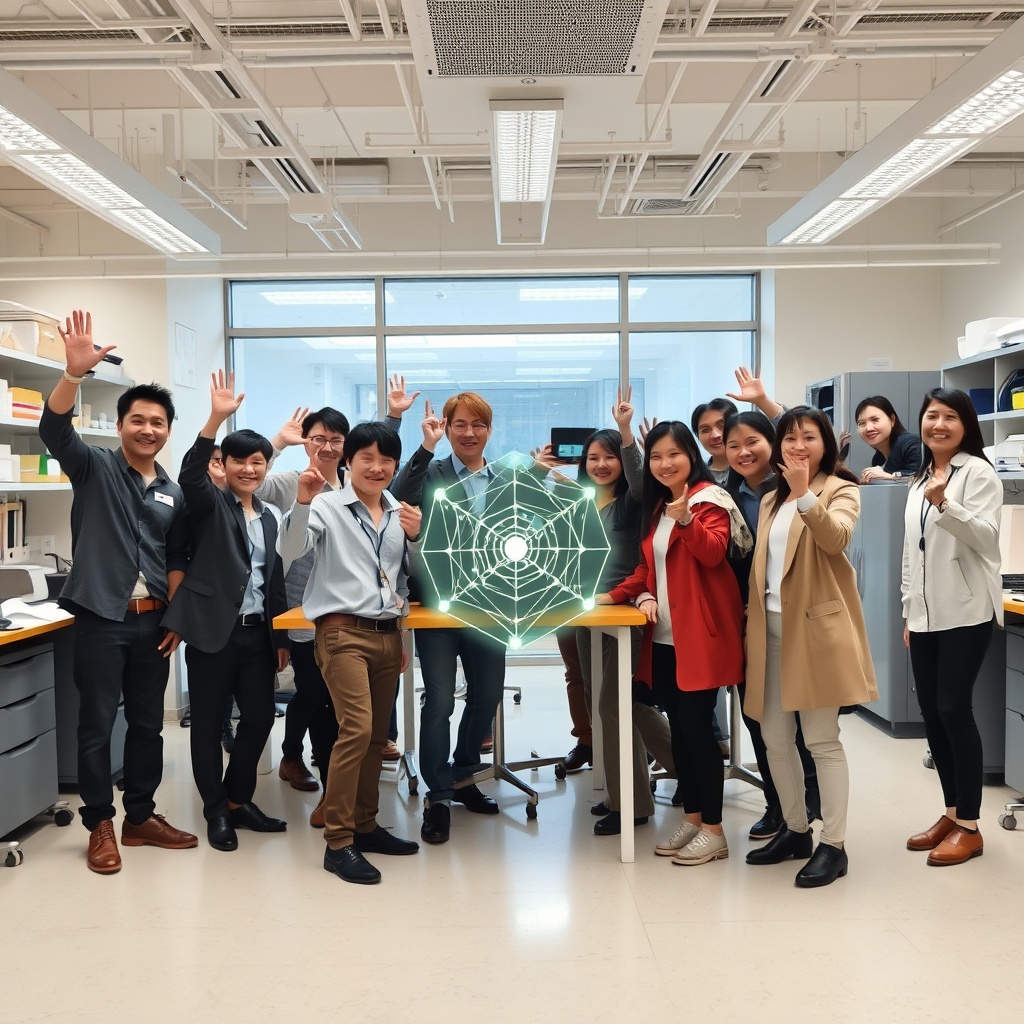
South Korea is home to some of the most groundbreaking AI projects in the world. Take, for example, the AI-powered healthcare platform developed by Lunit. This solution uses deep learning to detect early signs of cancer, saving countless lives. It’s a testament to how AI is transforming industries. Another standout is Upstage’s natural language processing technology, which is revolutionising customer service. These innovations are just the beginning.
The government’s support has been instrumental in these successes. Through funding and policy initiatives, they’ve created an environment where AI thrives. Startups and researchers are pushing boundaries, from robotics to fintech. The impact of these projects extends far beyond South Korea, setting new global standards for AI excellence.
Case studies of successful AI implementations
One of the most compelling case studies is Kakao’s AI voice assistant, which has become a household name in South Korea. Its success lies in its ability to understand and respond to nuanced human emotions. Another example is Hyundai’s use of AI in manufacturing, which has slashed production times and costs. These implementations showcase the versatility of AI across sectors.
What ties these projects together is their focus on real-world impact. They’re not just theoretical; they’re solving tangible problems. This practical approach is what makes South Korea’s AI scene so dynamic. The lessons from these case studies are invaluable for anyone looking to harness the power of AI.
Global Scale Ambitions South Korea’s AI Export Strategy
Expanding AI Solutions Internationally
We’ve seen South Korea’s AI sector flourish domestically, but the real game-changer lies in its global ambitions. The government and private sector are collaborating to export cutting-edge AI solutions, from smart manufacturing to healthcare. By leveraging asset management strategies, South Korea aims to position itself as a leader in AI-driven innovation worldwide. The focus isn’t just on technology—it’s about creating ecosystems that adapt to diverse markets.
One of the key drivers is the country’s ability to tailor AI solutions to local needs. Whether it’s smart cities in Southeast Asia or automation in European factories, South Korean firms are proving their adaptability. The digital asset management sector plays a pivotal role here, ensuring seamless integration of AI tools across borders. This isn’t just about selling products; it’s about building long-term partnerships.
Challenges and Opportunities in Global Markets
Expanding internationally isn’t without hurdles. Regulatory differences, data privacy concerns, and competition from established players like the US and China pose significant challenges. However, South Korea’s unique blend of innovation and pragmatism gives it an edge. The government’s support through funding and diplomatic channels helps mitigate risks, while private firms bring agility and technical expertise.
Opportunities abound in emerging markets, where AI adoption is still in its infancy. South Korea’s global asset management approach ensures that its AI solutions are scalable and sustainable. From Africa to Latin America, the potential for growth is immense. The key lies in balancing ambition with adaptability, ensuring that South Korea’s AI exports meet the needs of diverse economies.
Privacy and Ethical Considerations in AI Development
Regulatory Frameworks and Policies
As AI becomes more pervasive, so do concerns about privacy and ethics. South Korea has been proactive in establishing robust regulatory frameworks to address these issues. The government’s policies emphasize transparency, accountability, and user consent, ensuring that AI development aligns with global standards. This isn’t just about compliance—it’s about building trust in AI technologies.
The sustainable asset management of AI systems is another critical aspect. By integrating ethical guidelines into the development process, South Korea aims to create AI that benefits society without compromising individual rights. This approach not only mitigates risks but also enhances the country’s reputation as a responsible AI leader.
Public Perception and Ethical Debates
Public perception of AI is a double-edged sword. While many embrace its potential, others fear job displacement and loss of privacy. South Korea’s strategy includes public engagement and education to address these concerns. By fostering open dialogues, the government and industry can demystify AI and highlight its positive impact.
Ethical debates around AI are inevitable, but South Korea is turning them into opportunities. Initiatives like AI ethics committees and public forums ensure that diverse voices are heard. This inclusive approach not only strengthens trust but also drives innovation by incorporating a wider range of perspectives.
Navigating the Future South Korea’s Next Steps in AI
Strategic Priorities for Continued Growth
The road ahead for South Korea’s AI sector is both exciting and challenging. Strategic priorities include scaling up R&D investments, fostering talent, and enhancing international collaborations. The government’s focus on energy asset management in AI infrastructure ensures sustainability, while private firms drive innovation through agile development.
Another key priority is bridging the gap between research and commercialization. South Korea’s vibrant startup ecosystem plays a crucial role here, turning academic breakthroughs into market-ready solutions. By aligning policy with industry needs, the country can maintain its competitive edge in the global AI race.
The Role of International Cooperation in AI Advancement
No country can tackle AI’s challenges alone. South Korea recognizes the importance of international cooperation, whether through joint research projects or cross-border partnerships. By sharing knowledge and resources, the country can accelerate progress while addressing global issues like data privacy and ethical AI.
Collaboration with global leaders in AI ensures that South Korea remains at the forefront of innovation. From policy harmonization to technology exchange, these partnerships are vital for sustainable growth. The future of AI is collaborative, and South Korea is poised to lead the charge.
Frequently Asked Questions
What are South Korea’s main AI export markets?
South Korea is targeting a mix of developed and emerging markets, including Southeast Asia, Europe, and Latin America. The focus is on sectors like healthcare, manufacturing, and smart cities, where AI solutions can drive significant impact. Tailoring products to local needs is key to success.
How does South Korea address ethical concerns in AI?
The country has established robust regulatory frameworks and ethics committees to ensure responsible AI development. Public engagement and transparency are central to building trust. By integrating ethical guidelines into the development process, South Korea aims to balance innovation with accountability.
What role does the government play in AI exports?
The government provides funding, diplomatic support, and policy guidance to facilitate AI exports. Initiatives like international partnerships and regulatory harmonization help South Korean firms navigate global markets. This public-private collaboration is a cornerstone of the country’s AI strategy.
How does South Korea compete with AI giants like the US and China?
South Korea leverages its strengths in innovation, adaptability, and collaboration. While it may not match the scale of the US or China, its focus on niche markets and ethical AI gives it a unique edge. Strategic partnerships and tailored solutions further enhance its competitiveness.
