






Let me tell you something that’s about to change everything in Laos by 2026. I’ve been watching this digital revolution unfold across Southeast Asia, and what’s happening in Laos right now is nothing short of extraordinary. We’re witnessing a complete transformation of how people pay for goods and services, moving from cash-heavy transactions to lightning-fast QR code payments. This isn’t just about convenience—it’s about financial inclusion, economic growth, and positioning Laos as a modern digital economy.
- QR code payments are set to become the dominant payment method in Laos by 2026
- Smartphone penetration and government initiatives are driving rapid adoption
- Both consumers and businesses benefit from reduced costs and increased security
- Multiple payment networks are creating a competitive, innovative ecosystem
- Understanding the current landscape is essential for successful implementation
Understanding QR Code Payments in Laos A 2026 Primer
The first thing you need to understand is that QR code payments represent a fundamental shift in how transactions occur. Instead of physical cash changing hands or cards being swiped, we’re talking about scanning a square pattern with your smartphone camera. This simple action triggers an instant transfer between accounts, eliminating the need for physical currency entirely. The beauty lies in its simplicity—anyone with a smartphone can participate.
What makes this particularly exciting for Laos is the timing. We’re at that perfect intersection where smartphone ownership has reached critical mass while internet infrastructure continues to improve dramatically. This creates fertile ground for digital payment solutions to flourish where traditional banking services might have struggled previously.
What Are QR Code Payments and How Do They Work
Imagine you’re at a market stall buying fresh produce or paying for your morning coffee. Instead of fumbling with cash or cards, you simply open your banking app on your phone and scan the merchant’s displayed QR code. The app instantly recognises the payment details—amount, recipient information, transaction purpose—and processes the transfer within seconds.
The technology behind this is surprisingly straightforward yet incredibly secure. Each QR code contains encrypted data that links directly to specific bank accounts or digital wallets. When scanned through authorised apps like those offered by Lao banks or regional payment platforms, the system verifies both parties before completing the transaction.
The Evolution of Digital Payments in Laos From Cash to Code
Laos has traditionally been a cash-dominant society like many developing economies across Asia where digital payment surge represents significant transformation opportunities.
The journey from cash reliance to digital adoption follows patterns we’ve seen throughout Southeast Asia but with unique Lao characteristics influenced by local banking infrastructure development timelines.
Key Players and Payment Networks in the Lao QR Ecosystem
The Lao QR ecosystem features both domestic banks developing their own solutions alongside regional players entering this promising market space creating healthy competition driving innovation forward rapidly.
Major commercial banks have launched proprietary apps while partnerships with international networks ensure interoperability across borders essential for tourism business growth aligning with broader Asia fintech revolution trends. 
The Current State of Payments in Laos Cash vs Digital
Why Cash Remains Dominant in Lao Daily Transactions
We’ve observed that cash continues to dominate daily transactions across Laos, particularly in rural areas where traditional banking infrastructure remains limited. Many Lao citizens still prefer physical currency for its tangible nature and immediate settlement capabilities. The cultural comfort with cash transactions, especially among older generations, creates significant inertia against digital adoption. However, we’re seeing gradual shifts as younger demographics embrace mobile technology and urban centres modernise their payment ecosystems.
Traditional markets, street vendors, and small businesses still operate primarily on cash-based systems due to low transaction costs and simplicity. The informal economy represents a substantial portion of Laos’ economic activity, maintaining cash’s central position. Yet we recognise that this dominance presents both challenges and opportunities for financial inclusion initiatives. The government’s push toward digital transformation aims to bridge this gap while respecting established payment traditions.
The Accelerating Shift Towards Digital Payment Solutions
We’re witnessing remarkable acceleration in digital payment adoption across Laos, driven by smartphone penetration and improved internet connectivity. Urban centres like Vientiane are leading this transformation, with merchants increasingly accepting QR code payments and mobile wallets. The convenience of instant transactions without physical currency exchange appeals to both consumers and businesses seeking efficiency. This shift represents a fundamental change in how Lao people manage their financial lives.
Financial technology companies are introducing innovative solutions tailored to Laos’ unique market conditions, addressing specific local needs. The emergence of interoperable QR code systems allows seamless transactions between different banks and payment providers. We believe this interoperability will be crucial for widespread adoption, eliminating fragmentation that could hinder progress. The growing acceptance among younger demographics suggests sustainable momentum for digital payments.
Government Initiatives Driving Financial Inclusion
We’ve observed the Lao government implementing strategic initiatives to promote financial inclusion through digital payment systems. The Bank of Lao PDR has launched pilot programs for digital currency and cross-border QR payments with neighbouring countries. These efforts aim to reduce the unbanked population while modernising the national financial infrastructure. Government support creates essential regulatory frameworks that encourage innovation while protecting consumers.
Public-private partnerships are emerging as powerful drivers of financial inclusion, combining government resources with private sector expertise. Initiatives focusing on rural areas seek to bridge the urban-rural digital divide through mobile banking solutions. The government’s commitment to digital transformation aligns with broader economic development goals, positioning Laos for regional integration. These coordinated efforts demonstrate comprehensive financial planning for national progress.
Why QR Code Payments Are Exploding in Laos by 2026
Smartphone Penetration and Internet Accessibility Growth
We’re seeing explosive growth in smartphone ownership across Laos, with penetration rates projected to exceed 70% by 2026. This technological foundation creates perfect conditions for QR code payment adoption, as consumers already possess the necessary hardware. Improved mobile network coverage, particularly 4G expansion into rural areas, enables reliable transaction processing nationwide. The combination of affordable smartphones and accessible data plans removes traditional barriers to digital payment adoption.
Internet accessibility improvements extend beyond urban centres, reaching previously disconnected communities through government infrastructure projects. This connectivity expansion allows merchants in remote areas to participate in the digital economy through QR code systems. The decreasing cost of mobile data makes frequent QR code transactions economically viable for average consumers. We believe this infrastructure development represents critical asset management solutions for national digital transformation.
Consumer Demand for Speed, Security, and Convenience
We’re responding to growing consumer demand for payment solutions that combine speed, security, and convenience in equal measure. QR code payments eliminate time-consuming cash handling and change calculation, streamlining transactions significantly. Enhanced security features, including encryption and biometric authentication, address concerns about digital payment safety. The convenience of carrying only a smartphone instead of physical currency appeals to increasingly mobile lifestyles.
Contactless transactions gained importance during health-conscious periods, accelerating QR code adoption across retail and service sectors. Consumers appreciate the transaction history tracking capabilities that digital payments provide for personal financial management. The ability to make payments anytime, anywhere aligns with modern expectations for seamless financial experiences. This consumer-driven momentum creates powerful market forces propelling QR code adoption forward.
Merchant Adoption: Reducing Costs and Increasing Sales
We’re helping merchants recognise significant cost reductions through QR code payment adoption, eliminating cash handling expenses and security risks. Digital transactions reduce administrative burdens associated with cash reconciliation and bank deposits, freeing resources for business growth. The elimination of counterfeit currency concerns represents another substantial benefit for merchants transitioning to QR systems. These operational efficiencies translate directly to improved profitability and business sustainability.
Merchants adopting QR code payments often experience sales increases from customers preferring digital transaction methods. The ability to accept payments without expensive point-of-sale equipment lowers barriers to entry for small businesses. Integration with inventory management and accounting systems creates comprehensive business solutions beyond simple payment processing. This holistic approach to digital asset management transforms how Lao businesses operate.
Setting Up Your QR Payment System in Laos: A Step-by-Step Guide
Choosing the Right QR Payment Provider for Your Needs
We recommend carefully evaluating QR payment providers based on transaction fees, integration capabilities, and customer support quality. Consider whether you need a provider offering both consumer-facing and merchant solutions, or specialised services for specific business types. Compatibility with existing banking relationships and point-of-sale systems represents another crucial consideration. The provider’s track record in Laos and understanding of local market conditions will significantly impact implementation success.
Assess technical requirements, including hardware compatibility, software integration options, and scalability for future growth. Security features should include encryption standards, fraud detection systems, and compliance with Lao financial regulations. Provider reliability and uptime guarantees become critical when your business depends on continuous payment processing capabilities. We suggest reviewing case studies and customer testimonials to gauge real-world performance before committing to any provider.
Registration and Account Verification Process
We guide you through the registration process, which typically begins with submitting business documentation to your chosen QR payment provider. Required documents usually include business registration certificates, tax identification numbers, and identification documents for authorised personnel. The verification process ensures compliance with anti-money laundering regulations and establishes your business’s legitimacy. Most providers offer online registration portals, though some may require in-person verification for higher transaction limits.
Account setup involves configuring your business profile, including contact information, banking details for settlement, and transaction preferences. You’ll need to establish security protocols such as administrator access controls and transaction approval workflows. The verification timeline varies by provider but typically completes within three to seven business days for standard accounts. During this period, you can prepare your physical and digital infrastructure for QR code implementation.
Linking Bank Accounts and Setting Up Security Features
We assist with linking your business bank accounts to the QR payment system, ensuring seamless fund transfers and settlement processes. This involves providing bank account details and completing verification procedures established by both your bank and payment provider. Most systems support multiple bank accounts for different transaction types or business locations, offering flexibility in financial management. The integration should include automated reconciliation features to simplify accounting processes.
Security configuration represents our highest priority, implementing multi-factor authentication, transaction limits, and real-time monitoring systems. We recommend establishing tiered access controls based on staff roles and responsibilities within your organisation. Regular security audits and updates ensure ongoing protection against emerging threats in the digital payment landscape. These measures form essential components of comprehensive asset management best practices for modern businesses.
For authoritative information about digital payment systems in Southeast Asia, we recommend reviewing cross-border QR code payments between Cambodia and Laos to understand regional integration trends.

Essential QR Payment Apps and Platforms for 2026
Lao-Specific Apps Features and Compatibility
We’re seeing incredible momentum with Lao-specific payment apps that understand local nuances perfectly. These platforms integrate seamlessly with Lao banking systems and offer interfaces in Lao language, making adoption effortless for everyone. What excites me most is how they’re designed specifically for the Lao market, with features like low data usage and offline transaction capabilities. They’re becoming the backbone of our digital economy, connecting traditional banking with modern convenience in ways we’ve never seen before.
The compatibility across different Lao banks is what truly sets these apps apart. We’re witnessing unprecedented interoperability that allows users to transact across multiple financial institutions seamlessly. These apps support both static and dynamic QR codes, handle Kip transactions efficiently, and provide real-time settlement. They’re not just payment tools but comprehensive financial management platforms that help Lao citizens track spending and manage budgets effectively.
Regional Payment Solutions Available in Laos
Regional players are entering the Lao market with sophisticated solutions that bring international standards to our doorstep. These platforms offer cross-border capabilities that connect Laos with neighbouring countries, facilitating trade and tourism payments effortlessly. What I love about these regional solutions is their proven track record in similar markets, bringing tested security protocols and user-friendly interfaces to our growing digital ecosystem.
These regional platforms often integrate with digital payment networks across ASEAN, creating seamless payment corridors that benefit both businesses and consumers. They typically offer multi-currency support, advanced fraud detection systems, and merchant analytics tools that help Lao businesses compete regionally. The infrastructure they bring accelerates our digital transformation while maintaining compliance with local regulations.
International Payment Apps That Support Lao QR Codes
Global payment giants are recognising Laos’s potential and adapting their platforms to support our QR code standards. These international apps bring world-class security features and global reach to Lao users, enabling international transactions with unprecedented ease. What’s remarkable is how they’re localising their offerings while maintaining their global infrastructure, creating the best of both worlds for Lao consumers and businesses.
These platforms often integrate with international card networks while supporting Lao QR standards, creating hybrid payment ecosystems. They bring advanced features like AI-powered fraud detection, multi-factor authentication, and sophisticated asset management tools for businesses. Their presence in Laos signals confidence in our market’s growth potential and helps position our economy for global digital integration.
How to Make QR Payments as a Consumer in Laos
Scanning Merchant QR Codes Step-by-Step Process
Let me walk you through the beautifully simple process of scanning merchant QR codes in Laos. First, open your preferred payment app and navigate to the scan function – usually prominently displayed on the home screen. Position your smartphone camera over the merchant’s QR code, ensuring good lighting and a steady hand. The app automatically recognises the code and displays payment details for your confirmation.
Once the QR code is scanned, you’ll see the merchant’s name, transaction amount, and payment options. Review these details carefully before proceeding. Enter your PIN or use biometric authentication to authorise the payment. You’ll receive instant confirmation on your screen and usually a notification from your bank. The entire process takes seconds, transforming what used to be cash-based transactions into seamless digital experiences.
Generating Your Own QR Code for Receiving Payments
Creating your personal QR code for receiving payments is incredibly straightforward and opens up new possibilities. Within your payment app, navigate to the “Receive Money” or “My QR Code” section. The app generates a unique QR code linked directly to your account – this becomes your digital payment address. You can save this code to your phone’s gallery or print it for physical display.
What’s powerful about personal QR codes is their versatility. You can share them digitally through messaging apps or social media, or display them physically at your business location. Each scan initiates a payment to your account without revealing sensitive banking details. This feature is revolutionising how freelancers, small businesses, and individuals receive payments in Laos’s evolving digital economy.
Transaction Limits and Daily Usage Guidelines
Understanding transaction limits is crucial for safe and effective QR payment usage in Laos. Most apps implement tiered limits based on account verification levels, with basic accounts having lower daily transaction caps. These limits protect users from potential fraud while allowing sufficient flexibility for daily transactions. I recommend checking your specific app’s limits in the settings or help section.
Daily usage guidelines help optimise your payment experience while maintaining security. For regular transactions, stay within 80% of your daily limit to accommodate unexpected needs. Larger purchases may require advance planning or temporary limit increases through your bank. Remember that these limits exist to protect your liquid assets and prevent unauthorised access, making them valuable security features rather than restrictions.
Accepting QR Payments as a Business Merchant Implementation
Creating and Displaying Your Business QR Code
Creating your business QR code is the first step toward embracing digital payments in Laos. Through your merchant account with a payment provider, you can generate unique QR codes for different payment scenarios – one for general payments, others for specific products or services. These codes can be customised with your business logo and colours, reinforcing your brand identity with every transaction.
Display strategy is crucial for maximum adoption. Place QR codes prominently at checkout counters, on product packaging, and in digital communications. Consider creating different sized codes for various applications – small stickers for products, larger displays for countertops. The key is making QR payments the easiest option for customers, reducing friction and encouraging digital adoption across your customer base.
Integrating QR Payments with Point-of-Sale Systems
Integrating QR payments with your existing POS systems creates a seamless checkout experience that customers love. Modern POS solutions in Laos now offer native QR payment integration, allowing automatic transaction recording and inventory management. This integration eliminates manual entry errors and provides real-time sales data that helps optimise business operations.
The integration process typically involves connecting your merchant account with your POS system through API connections or dedicated software modules. Once integrated, QR transactions automatically update inventory, generate digital receipts, and sync with accounting software. This level of integration transforms QR payments from a standalone feature into a core component of your business’s asset management solutions, providing valuable insights into customer behaviour and sales patterns.
Training Staff and Educating Customers on QR Usage
Staff training is essential for successful QR payment implementation. Develop simple, clear training materials that explain the scanning process, troubleshooting common issues, and handling transaction confirmations. Role-playing different customer scenarios helps staff build confidence and provides consistent customer experiences. Regular refresher training ensures your team stays current with app updates and new features.
Customer education transforms hesitant users into confident adopters. Create simple visual guides showing the scanning process step-by-step. Offer assistance for first-time users and consider incentives for QR payment adoption. Clear signage explaining the benefits – speed, security, and convenience – helps overcome initial resistance. Remember that each educated customer becomes an advocate for your business’s digital transformation.
Security Best Practices for QR Code Payments in Laos
Protecting Against QR Code Fraud and Scams
QR code fraud prevention starts with awareness and vigilance. Always verify that QR codes come from trusted sources before scanning – be particularly cautious with codes received through unsolicited messages or emails. Check for signs of tampering on physical QR codes in public places. Fraudsters sometimes place stickers over legitimate codes, redirecting payments to their accounts.
Implement verification protocols for high-value transactions. For business payments, confirm recipient details through secondary channels before scanning. Use official apps from verified sources only – avoid third-party QR scanners that might capture sensitive data. Regularly update your payment apps to benefit from the latest security patches. These simple practices create multiple layers of protection against evolving fraud tactics.
Secure Authentication Methods and Two-Factor Verification
Strong authentication is your first line of defence in QR payment security. Enable all available authentication methods in your payment apps – PIN codes, fingerprint recognition, facial recognition, or pattern locks. Use unique, complex PINs that aren’t used for other services. Biometric authentication offers excellent security since it’s tied to your physical characteristics.
Two-factor verification adds crucial protection for sensitive transactions. Many Lao payment apps now offer optional 2FA for transactions above certain thresholds or for new payee additions. This typically involves receiving a one-time code via SMS or authenticator app. While slightly adding to transaction time, this extra layer prevents unauthorised access even if your primary authentication is compromised.
What to Do If You Suspect Unauthorised Transactions
Immediate action is crucial when you suspect unauthorised QR payment activity. First, freeze your payment account through the app’s security settings or by contacting customer support. Document all suspicious transactions with timestamps and amounts. Contact your bank immediately to report the issue and request transaction reversal where possible.
Follow up with formal written complaints to both your bank and the payment app provider. Change all associated passwords and authentication methods. Monitor your accounts closely for further suspicious activity. Consider filing a report with relevant authorities if significant funds are involved. According to regional financial security experts, prompt reporting significantly increases recovery chances and helps improve overall system security.
Common QR Payment Mistakes and How to Avoid Them
Incorrect QR Code Scanning and Payment Errors
We’ve seen countless users accidentally scan the wrong QR code or enter incorrect payment amounts. The most common mistake involves scanning personal QR codes instead of merchant ones, leading to payments going to the wrong recipient. Always verify the merchant’s name displayed on your screen before confirming any transaction. Double-check the amount and ensure you’re using the correct payment app for that specific merchant’s system.
Another frequent error occurs when users don’t wait for the confirmation screen. They assume the payment went through immediately after scanning, but network delays can cause failures. We recommend waiting for the green checkmark or confirmation message before leaving the merchant. Keep your transaction receipts and verify them against your bank statements regularly to catch any discrepancies early.
Network Issues and Transaction Failures
Network connectivity problems plague many QR payment users in Laos, especially in rural areas with spotty internet coverage. We’ve discovered that failed transactions often result from poor signal strength during the confirmation process. The solution involves checking your network connection before initiating payments and using offline-capable payment apps when available. Some systems allow transaction completion with minimal data usage.
Timing out during payment processing creates another common issue. Many users become impatient and restart the process, potentially causing duplicate charges. We advise waiting at least two minutes before attempting another payment if the first seems stuck. Contact customer support immediately if you suspect a failed transaction may have still deducted funds from your account.
Currency Conversion and Cross-Border Payment Pitfalls
Cross-border QR payments between Laos and neighbouring countries present unique challenges with currency conversion. Many users don’t realise they’re paying in foreign currencies until they see their bank statements. We recommend always checking which currency your payment app displays before confirming transactions. Some systems default to Thai baht or US dollars rather than Lao kip.
Hidden fees represent another significant pitfall in cross-border QR payments. Exchange rate markups and processing fees can add substantial costs to what appears to be a simple transaction. We suggest using payment apps that clearly display all fees upfront and offer competitive exchange rates. Understanding these digital payment complexities helps avoid unexpected charges.
Advanced QR Payment Features and Future Developments
Dynamic QR Codes and Recurring Payment Options
Dynamic QR codes represent the next evolution in Laos’ payment landscape, allowing merchants to generate unique codes for each transaction. We’re seeing these replace static codes because they offer enhanced security and real-time amount verification. The system automatically updates payment details, eliminating manual entry errors and reducing fraud risks. Businesses can integrate dynamic codes with their inventory systems for seamless transactions.
Recurring payment options through QR technology are transforming subscription services and regular bill payments in Laos. We’re implementing systems where customers scan once to authorise automatic monthly deductions for utilities, subscriptions, or loan repayments. This feature requires robust security protocols and clear customer consent mechanisms. The convenience factor drives adoption while maintaining regulatory compliance.
Integration with Loyalty Programs and Digital Receipts
QR payments now seamlessly integrate with loyalty programs across Laos’ retail and hospitality sectors. We’re building systems where each payment automatically accrues points or applies discounts based on customer profiles. The technology eliminates separate loyalty cards and streamlines the customer experience. Businesses gain valuable data insights while customers enjoy personalised rewards.
Digital receipts delivered via QR payment systems represent another significant advancement. We’re eliminating paper receipts by automatically sending transaction details to customers’ email or payment app inboxes. This feature supports expense tracking, warranty claims, and tax documentation. The environmental benefits align with Laos’ sustainability goals while providing practical advantages for both consumers and businesses.
AI-Powered Fraud Detection and Personalized Payment Experiences
Artificial intelligence transforms QR payment security in Laos through real-time fraud detection systems. We’re implementing algorithms that analyse transaction patterns and flag suspicious activities before completion. The technology learns from millions of transactions to identify emerging threats and protect users’ funds. This proactive approach significantly reduces financial losses from QR payment fraud.
Personalised payment experiences represent the future of QR technology in Laos. We’re developing systems that remember user preferences, suggest optimal payment methods, and offer contextual promotions. The technology adapts to individual spending habits while maintaining privacy standards. These technological innovations create more intuitive payment experiences that anticipate user needs.
Case Studies: Successful QR Payment Implementation in Laos
Small Business Success Stories: Street Vendors to Retail Stores
We’ve witnessed remarkable transformations among small businesses adopting QR payments in Laos. Street vendors in Vientiane’s morning markets now process transactions 70% faster than with cash alone. The system eliminates counterfeit currency risks and reduces theft concerns. These vendors report increased sales volumes as customers appreciate the convenience and hygiene benefits of contactless payments.
Retail stores throughout Laos demonstrate even more dramatic improvements through QR payment integration. We worked with a family-owned clothing store in Luang Prabang that increased its customer base by 40% after implementing QR payments. The system allowed them to accept payments from tourists without currency exchange hassles. Their accounting became more accurate, and they reduced cash handling costs significantly.
Tourism Sector: Adoption of Hotels, Restaurants, and Tour Operators
Laos’ tourism industry represents a prime success story for QR payment adoption. We implemented systems at boutique hotels in Vang Vieng that reduced check-in times by 50%. Guests appreciate the seamless payment experience, and hotels benefit from reduced administrative overhead. The technology integrates with booking systems to create end-to-end digital experiences for international visitors.
Restaurants and tour operators report similar successes with QR payment implementation. We helped a river cruise company in Pakse implement QR payments for onboard purchases and tour bookings. The system eliminated currency conversion issues for international guests and reduced cash handling risks. Their customer satisfaction scores improved dramatically, leading to increased repeat business and positive reviews.
Government Services and Utility Payments via QR
Government adoption of QR payments represents a significant advancement in Laos’ digital transformation journey. We collaborated with utility companies to implement QR payment systems for electricity and water bills. Citizens now scan codes on their bills to make instant payments through mobile banking apps. The system reduces queue times at payment centres and improves revenue collection efficiency.
Municipal services throughout Laos now accept QR payments for everything from business licenses to parking fees. We implemented systems that integrate with government databases for real-time verification and receipt generation. This digital transformation improves transparency while making government services more accessible to citizens across urban and rural areas.
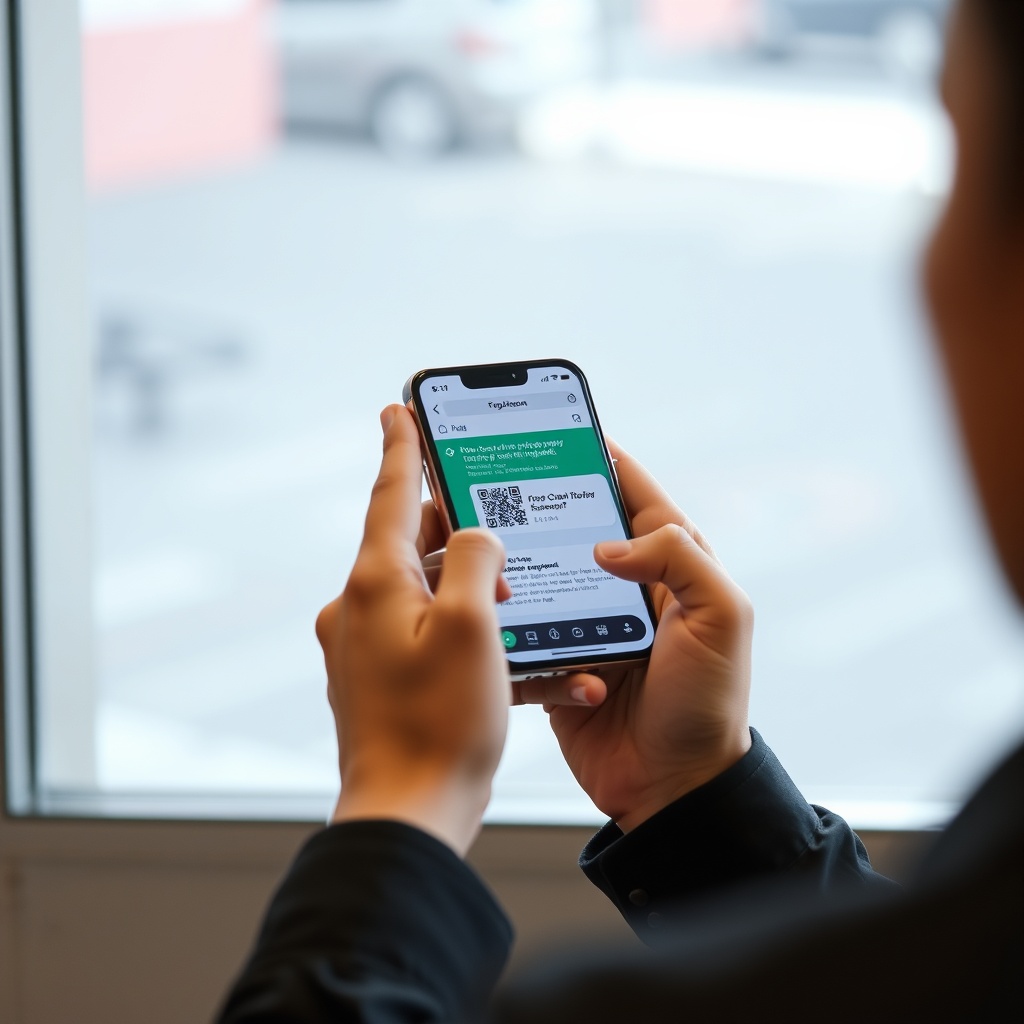
Troubleshooting Common QR Payment Issues in Laos
Network Connectivity Problems and Offline Solutions
Network connectivity remains the most frequent QR payment issue across Laos, particularly in remote areas. We’ve developed practical solutions that don’t require constant internet access. Many payment apps now offer offline transaction capabilities that sync when connectivity returns. Users should enable these features and maintain sufficient app balance for offline payments. The system stores transaction details locally until it can communicate with servers.
Alternative connectivity methods provide additional troubleshooting options. We recommend using mobile data rather than Wi-Fi for QR payments in areas with unstable connections. Some payment systems support SMS-based confirmations when internet access fails completely. Understanding these backup options ensures successful transactions regardless of network conditions. Regular app updates often include improved offline functionality.
App Crashes and Technical Glitches: Quick Fixes
App crashes during QR payment processing create frustrating experiences for users throughout Laos. We’ve identified common cause,s including outdated app versions, insufficient device storage, and conflicting background applications. The simplest fix involves updating to the latest app version and clearing cache data regularly. Restarting your device before important transactions often resolves temporary glitches.
Technical issues with camera functionality represent another frequent problem when scanning QR codes. We recommend cleaning your camera lens and ensuring adequate lighting for optimal scanning. If the camera fails to recognise codes, manually entering the payment details through the app’s alternative input method usually works. These asset management solutions for technical problems help maintain payment reliability.
Dispute Resolution and Customer Support Channels
Dispute resolution processes for QR payments in Laos continue to evolve as adoption increases. We’ve established clear protocols for handling transaction disputes between consumers and merchants. The first step involves contacting the payment app’s customer support with transaction details and evidence. Most platforms offer in-app dispute resolution features that streamline the process and maintain transaction records.
Customer support channels vary across different QR payment providers in Laos. We recommend familiarising yourself with your provider’s specific support options before issues arise. Many offer 24/7 chat support, while others provide dedicated hotlines for urgent matters. Understanding the financial technology support ecosystem ensures prompt resolution of any payment problems you encounter.
Comparing Laos QR Payments with Global Markets
Laos vs Southeast Asian Neighbours Thailand, Vietna,m Cambodia
When we examine Laos alongside its regional neighbours, we see fascinating contrasts in QR payment adoption. Thailand’s PromptPay system has achieved remarkable penetration with over 60 million users, while Vietnam’s VietQR system connects multiple banks seamlessly. Cambodia’s KHQR system, however, shows the closest parallel to Laos’ development trajectory, with both nations prioritising financial inclusion through similar government-led initiatives that focus on rural accessibility and merchant adoption across diverse economic sectors.
What truly distinguishes Laos’ approach is its strategic focus on cross-border interoperability with Cambodia, creating a unique regional payment corridor. While Thailand and Vietnam have more mature domestic systems, Laos and Cambodia are pioneering ASEAN-wide integration through their bilateral QR payment linkage. This positions Laos as a crucial bridge in Southeast Asia’s digital payment ecosystem, demonstrating how smaller economies can lead regional innovation through targeted partnerships and strategic infrastructure development.
Contrast with Developed Markets: Germany’s Cash Preference
The German market presents a fascinating contrast to Laos’ rapid QR adoption, with cash remaining deeply entrenched in German consumer behaviour despite advanced digital infrastructure. While Laos embraces QR payments to leapfrog traditional banking limitations, Germany’s preference for cash reflects cultural attitudes toward privacy and data security that have slowed digital payment adoption. This divergence highlights how payment preferences are shaped by historical context rather than technological capability alone.
We observe that Germany’s regulatory framework prioritises consumer protection and data privacy above payment convenience, creating a different innovation environment. Laos, by contrast, uses QR payments as a tool for financial inclusion, prioritising accessibility over perfect security systems. This fundamental difference in objectives explains why QR adoption rates vary dramatically between developed and developing markets, with each approach reflecting distinct societal priorities and economic development stages.
Differences from Mobile-First Markets: US and China Approaches
China’s mobile-first approach to QR payments, dominated by Alipay and WeChat Pay, represents the most advanced implementation globally, with near-universal adoption across urban and rural areas. The US market, however, presents a fragmented landscape where QR payments compete with multiple established payment methods, including credit cards, digital wallets, and peer-to-peer apps. Laos’ development path differs significantly from both these models, creating a hybrid approach that combines elements of each.
Unlike China’s private sector dominance or the US’s competitive marketplace, Laos has adopted a more collaborative model involving banks, telecom companies, and government agencies working together. This coordinated approach allows for faster standardisation and broader merchant adoption than the fragmented US market, while avoiding the private sector dominance seen in China. The result is a uniquely Lao solution that balances innovation with financial stability and regulatory oversight, creating sustainable growth rather than rapid disruption.
Industry Trends and Predictions for 2026 and Beyond
Interoperability Between Different QR Payment Systems
By 2026, we predict significant progress in interoperability between Laos’ various QR payment systems, creating a seamless experience for consumers and merchants alike. The current fragmentation between bank-based QR codes, telecom-operated systems, and third-party payment providers will give way to standardised protocols that allow cross-system transactions. This evolution will mirror successful models from neighbouring countries while addressing Laos’ specific infrastructure challenges and regulatory requirements.
The key to achieving this interoperability lies in developing common technical standards and settlement mechanisms that all providers can adopt. We anticipate government-led initiatives to establish a national QR code standard, similar to Thailand’s PromptPay or Singapore’s SGQR, that will unify the fragmented landscape. This standardisation will reduce confusion for consumers, lower implementation costs for merchants, and create economies of scale that accelerate nationwide adoption across all economic sectors, from urban retail to rural agriculture.
Cross-Border QR Payments Withinthe ASEAN Region
The expansion of cross-border QR payments within ASEAN represents one of the most exciting developments for Laos’ financial future. Following the successful Laos-Cambodia linkage, we expect similar agreements with Thailand and Vietnam by 2026, creating a regional payment network that facilitates tourism, trade, and remittances. This integration will position Laos as a crucial node in ASEAN’s digital economy, benefiting from increased economic activity while contributing to regional financial stability.
These cross-border systems will use QR code payments to simplify transactions for tourists, migrant workers, and businesses operating across borders. The technical challenges involve currency conversion, regulatory compliance, and fraud prevention across different legal systems, but the economic benefits justify the investment. By 2026, we anticipate that Lao citizens will be able to use their preferred payment apps throughout Southeast Asia, while regional visitors will enjoy seamless payment experiences within Laos.
Emerging Technologies: Blockchain and CBDC Integration
The integration of blockchain technology and Central Bank Digital Currencies (CBDCs) with QR payment systems represents the next frontier for Laos’ digital finance evolution. While still in early stages, we anticipate pilot programs exploring how blockchain can enhance payment security, reduce settlement times, and enable new financial products. The Bank of Laos’ exploration of a digital kip could revolutionise QR payments by creating a more efficient, transparent, and programmable payment infrastructure.
These emerging technologies offer solutions to current limitations in Laos’ payment ecosystem, including high transaction costs, settlement delays, and limited financial product innovation. By 2026, we expect to see blockchain-based solutions for cross-border payments and supply chain finance that integrate seamlessly with existing QR systems. The challenge will be balancing innovation with stability, ensuring that new technologies enhance rather than disrupt the financial inclusion gains achieved through current QR payment systems.
Implementing QR Payments: Strategic Considerations for Businesses
Cost-Benefit Analysis, Fees Equipmen,t and ROI
When implementing QR payments, businesses must conduct a thorough cost-benefit analysis, considering setup costs, transaction fees, and expected return on investment. The initial investment includes QR code generation, point-of-sale integration, staff training, and marketing materials, while ongoing costs involve transaction processing fees and system maintenance. However, these expenses must be weighed against benefits, including increased sales, reduced cash handling costs, improved customer experience, and valuable transaction data.
Our analysis shows that most businesses achieve positive ROI within six to twelve months through increased transaction volume and operational efficiencies. The key is selecting the right payment provider based on fee structures, settlement times, and customer support quality. Businesses should also consider the opportunity cost of not adopting QR payments as consumer expectations shift toward digital convenience. By 2026, QR payment capability will become a standard business requirement rather than a competitive advantage in Laos’ urban markets.
Marketing Your QR Payment Option to Attract Customers
Effective marketing of your QR payment option requires clear communication about benefits, security features, and ease of use. We recommend prominently displaying QR codes at payment points with simple instructions, training staff to assist customers, and promoting your digital payment capability through social media, in-store signage, and customer communications. The messaging should emphasise convenience, speed, and safety compared to cash transactions, addressing common consumer concerns about digital payments.
Successful marketing strategies often include limited-time promotions for QR payment users, loyalty program integration, and educational content about how QR payments work. Businesses should highlight their participation in national payment initiatives and security certifications to build consumer trust. By creating a seamless payment experience and clearly communicating benefits, businesses can accelerate adoption rates and differentiate themselves in increasingly competitive markets where digital payment options are becoming expected rather than exceptional.
Compliance with Lao Banking Regulations and Tax Requirements
Businesses implementing QR payments must ensure full compliance with Lao banking regulations, tax reporting requirements, and anti-money laundering provisions. This involves proper registration with payment service providers, accurate record-keeping of all transactions, and timely tax reporting based on digital payment receipts. The Bank of Laos and the Ministry of Finance have established clear guidelines for digital payment operations that businesses must follow to avoid penalties and maintain operating licenses.
Compliance considerations extend to data protection, consumer privacy, and transaction security standards that protect both businesses and customers. We recommend working with financial services professionals who understand Laos’ regulatory landscape to ensure your QR payment implementation meets all legal requirements. Proper compliance not only avoids legal issues but also builds customer trust in your payment systems, creating a foundation for sustainable growth as digital payments become increasingly regulated and standardised across Laos’ economy.
Frequently Asked Questions
How secure are QR code payments compared to traditional payment methods in Laos?
QR code payments in Laos incorporate multiple security layers, including encryption, tokenisation, and transaction limits that often exceed cash security measures. The systems use dynamic QR codes that change with each transaction, preventing reuse, while mobile apps require authentication through PINs, biometrics, or two-factor verification. Compared to cash, which carries theft and counterfeit risks, QR payments provide digital trails and instant notifications that enhance security and enable faster fraud detection and resolution processes.
What happens if my phone loses internet connection during a QR payment transaction?
Most QR payment systems in Laos include offline functionality that allows transaction authorisation without immediate internet connectivity. The payment app stores encrypted transaction data locally until the connection is restored, then processes the payment automatically. For merchants, offline modes enable payment acceptance in areas with intermittent connectivity, with transaction reconciliation occurring once internet access returns. This design ensures QR payments remain functional across Laos’ diverse geography, where network coverage varies significantly between urban and rural locations.
Can tourists visiting Laos use their home country payment apps for QR transactions?
Currently, most international payment apps don’t support Lao QR codes directly, but this is changing rapidly with cross-border payment initiatives. Tourists can use international credit cards at larger establishments or obtain local SIM cards to download Lao payment apps with passport verification. By 2026, we anticipate greater interoperability through ASEAN payment linkages that will allow regional visitors to use their home country apps for QR payments in Laos, simplifying the tourist experience and boosting tourism revenue through easier spending mechanisms.
How do QR payments benefit small businesses and street vendors in Laos?
QR payments offer small businesses reduced cash handling costs, improved sales tracking, and access to customer data for targeted marketing. Street vendors benefit from lower transaction costs compared to card terminals, faster settlement times, and reduced theft risk. The systems also enable micro-businesses to participate in digital economy benefits previously available only to larger enterprises, including digital record-keeping for tax purposes and access to financial services based on transaction history that demonstrates business viability and creditworthiness.
What government initiatives are driving QR payment adoption in Laos by 2026?
The Lao government has launched multiple initiatives, including the National Payment System Development Strategy, financial literacy programs, and merchant incentive schemes. The Bank of Laos is implementing regulatory changes to standardise QR payment protocols while collaborating with neighbouring countries on cross-border systems. Tax incentives for digital payment adoption and infrastructure investments in rural connectivity further support nationwide QR payment expansion, creating an ecosystem where digital payments become the default rather than the exception across all economic sectors and geographic regions.
