






Introduction to Accounting Basics
When it comes to accounting, one of the most fundamental questions we face is: do assets need a credit to increase? I’ve spent years navigating the complexities of financial statements, and I can tell you—this isn’t just a technicality. It’s the backbone of how we understand a company’s financial health. Whether you’re a business owner or an aspiring accountant, grasping this concept is non-negotiable.
In our journey today, we’ll break down the mechanics of assets and credits in a way that’s both practical and engaging. Think of it as peeling back the layers of an onion—each layer reveals something new, but the core remains simple. By the end, you’ll see why current assets and their movements are so critical to your financial strategy.
Key Takeaways
- Assets don’t always require a credit to increase—it depends on the type of transaction.
- Understanding the relationship between debits and credits is essential for accurate bookkeeping.
- Different accounts behave differently; knowing these rules prevents costly mistakes.
- Practical examples will help solidify these concepts in your mind.
Subscribe to our free International Asset Management & Investments funds review.
The publication will highlight important issues, key developments, and the latest trends within the global asset management industry and will provide a global readership with a clear understanding of the opportunities within the industry and also within individual domestic markets.
Subscribe now!
Understanding Debits and Credits
Let’s start with the basics: debits and credits. These two terms are the yin and yang of accounting. A debit increases an asset account, while a credit decreases it. But here’s the twist—liabilities and equity work the opposite way. This duality is what keeps the accounting equation balanced.
For example, if you purchase equipment for your business, you’d debit the equipment account (an asset) and credit cash or accounts payable. This transaction increases your assets while decreasing another asset or increasing a liability. It’s a dance of numbers, and mastering the steps ensures your financial records stay in harmony.
Understanding Debits and Credits
When it comes to accounting, debits and credits are the backbone of every transaction. I like to think of them as the yin and yang of the financial world—opposing forces that keep everything in balance. A debit increases an asset or expense account, while a credit does the same for liabilities, equity, or revenue. It’s a simple concept, but mastering it is crucial for accurate bookkeeping.
We often hear the question: “Do contra assets need a credit to increase?” The answer is yes. Contra assets, like accumulated depreciation, are unique because they reduce the value of an asset. To increase a contra asset, you’d credit it, which might feel counterintuitive at first. But once you get the hang of it, it becomes second nature.
Types of Accounts in Accounting
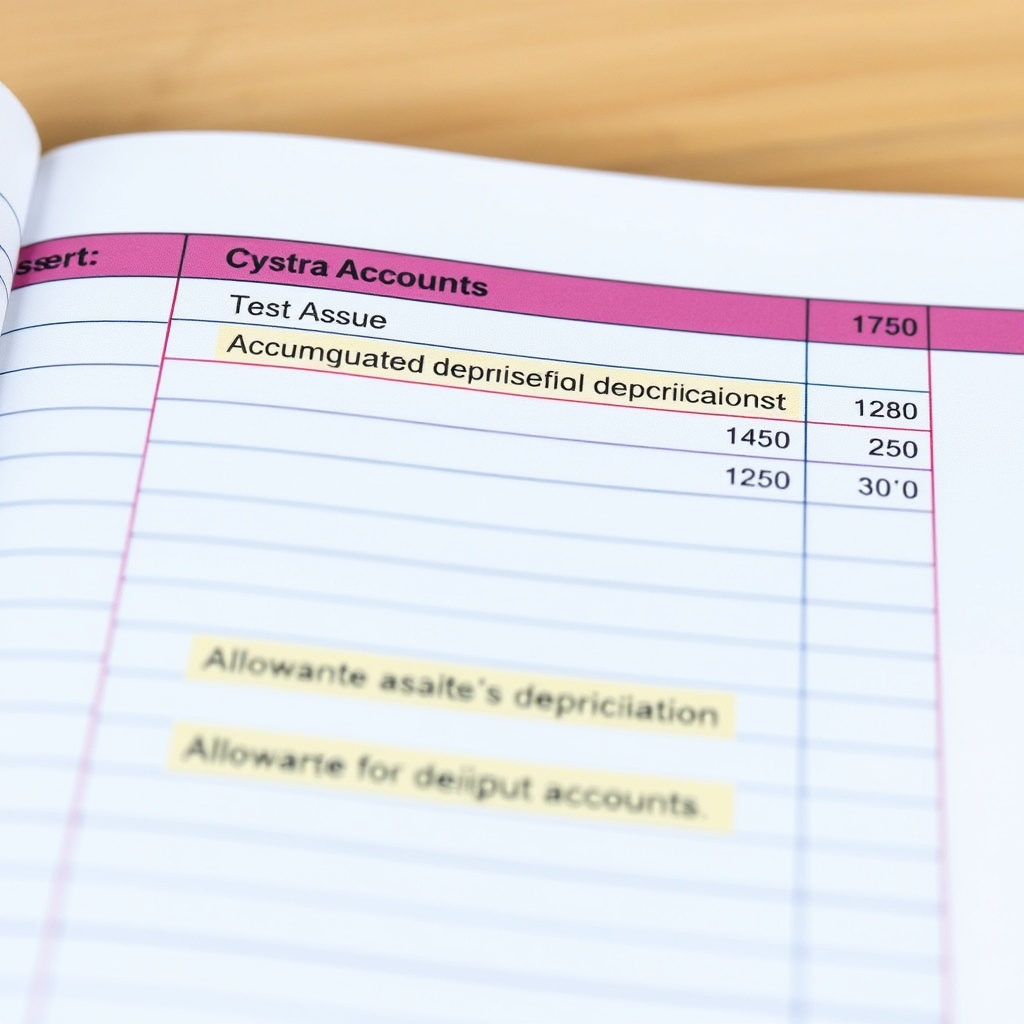
Accounting isn’t just about numbers—it’s about categorising those numbers into meaningful groups. We have five main types of accounts: assets, liabilities, equity, revenue, and expenses. Each plays a distinct role in painting a complete financial picture. Assets, for example, represent what a business owns, while liabilities reflect what it owes. Understanding these categories is the first step to financial clarity.
Contra accounts, like allowance for doubtful accounts, are a special breed. They sit within the asset category but work to reduce the value of another asset. This duality can be confusing, but it’s essential for accurate financial reporting. Think of them as the “anti-assets” that keep your books honest.
The Accounting Equation
The accounting equation—Assets = Liabilities + Equity—is the foundation of double-entry bookkeeping. It’s a simple yet powerful tool that ensures every transaction is balanced. When you debit one account, you must credit another, maintaining the equation’s integrity. This balance is what keeps financial statements reliable and trustworthy.
Let’s apply this to contra assets. If you credit a contra asset to increase it, you’ll typically debit an expense account. For example, when recording depreciation, you’d credit accumulated depreciation (a contra asset) and debit depreciation expense. This keeps the equation in check while accurately reflecting the asset’s declining value. It’s a perfect example of how debits and credits work together.
For more insights into asset management, check out this comprehensive guide on contra accounts.
Recording Transactions
When it comes to recording transactions, precision is everything. I’ve learned that every financial move must be documented accurately to reflect the true state of our business. Whether it’s a sale, purchase, or expense, each transaction impacts our current assets and liabilities. The double-entry system ensures that debits and credits balance, maintaining the integrity of our financial records.
We often use accounting software to streamline this process, but understanding the manual entry is crucial. For example, when we buy equipment, it’s recorded as an increase in assets and a decrease in cash or an increase in liabilities if financed. This meticulous approach helps us track our assets and ensures compliance with financial regulations.
Increasing and Decreasing Assets
Assets are the lifeblood of any business, and knowing how to manage their fluctuations is key. Increasing assets often involves purchasing new equipment or receiving payments from clients. For instance, when we acquire a new office space, it’s recorded as a fixed asset, boosting our long-term value. Conversely, selling an asset or writing off obsolete inventory decreases our asset base.
It’s fascinating how credits and debits play a role here. A credit might decrease an asset, like when we pay off a loan, reducing our cash (an asset). On the other hand, a debit increases an asset, such as when we receive cash from a sale. Mastering this balance ensures our financial statements accurately reflect our liquid assets and overall health.

Practical Examples
Let’s dive into some real-world scenarios to solidify these concepts. Imagine we purchase a delivery van for £20,000. This transaction increases our fixed assets by £20,000 and decreases our cash or increases our liabilities if financed. Another example is receiving £5,000 from a client; this boosts our cash (an asset) and reduces accounts receivable.
These examples highlight the dynamic nature of asset management. By understanding how transactions affect our assets, we can make informed decisions. For more insights, check out this authoritative guide on assets to deepen your knowledge.
Common Mistakes to Avoid
Even seasoned professionals can slip up when managing assets. One common mistake is misclassifying expenses as assets, which distorts financial statements. For example, routine repairs should be expensed, not capitalised. Another pitfall is neglecting depreciation, leading to overstated asset values and inaccurate profit calculations.
We also need to avoid overlooking the liquidity of our assets. Holding too much in illiquid forms can strain cash flow. Regularly reviewing our liquid assets ensures we’re prepared for unexpected expenses. By steering clear of these errors, we maintain a robust and transparent financial framework.
Conclusion and Next Steps
As we wrap up our exploration of whether assets need a credit to increase, it’s clear that understanding the interplay between debits and credits is foundational. Assets, like current assets, often require a credit entry to reflect their growth accurately. This isn’t just about numbers—it’s about grasping the mechanics of financial health.
Moving forward, I encourage you to dive deeper into asset management best practices. Whether you’re a business owner or an aspiring accountant, mastering these concepts will empower you to make informed decisions. Remember, every credit and debit tells a story about your financial journey.

Practical Applications
Let’s put theory into practice. For instance, when a company acquires new equipment, the fixed assets account increases with a debit, while the corresponding credit might go to cash or liabilities. This balance ensures your books remain accurate and transparent.
If you’re still unsure, consider consulting resources like Investopedia’s guide to assets. It’s a fantastic external resource to clarify complex terms and scenarios. The key is to keep learning and applying these principles in real-world contexts.
Final Thoughts
In conclusion, assets do indeed need a credit to increase, but the specifics depend on the type of asset and transaction. By leveraging tools like asset management solutions, you can streamline this process and avoid common pitfalls. The journey to financial literacy is ongoing, but every step counts.
Ready to take the next step? Explore more about liquid assets or revisit earlier chapters to solidify your understanding. The world of accounting is vast, but with patience and practice, you’ll navigate it with confidence.
Understanding Current Assets Types Examples and Importance
When it comes to managing a business, understanding current assets is crucial. These are the resources a company expects to convert into cash within a year, like inventory or receivables. They’re the lifeblood of daily operations, ensuring liquidity and flexibility. Without them, even profitable businesses can stumble. I’ve seen companies thrive by optimising these assets—keeping just enough to cover liabilities without tying up excess capital.
Current assets aren’t just about cash; they include short-term investments, prepaid expenses, and more. Each type plays a unique role in financial health. For example, inventory turnover impacts cash flow, while receivables reflect customer payment habits. By analysing these, we can spot inefficiencies and improve working capital. It’s not just accounting—it’s strategic decision-making that keeps businesses agile.
Exploring Fixed and Noncurrent Assets in Business Finance
Fixed and noncurrent assets are the backbone of long-term growth. Think machinery, property, or patents—assets that aren’t liquid but drive value over time. Unlike current assets, they require careful planning. Depreciation, maintenance, and upgrades all factor into their ROI. I’ve worked with firms that underestimated this, only to face costly replacements down the line.
Noncurrent assets also impact financial statements differently. They’re recorded at cost minus depreciation, affecting balance sheets and tax liabilities. For instance, a well-maintained fleet of vehicles can enhance operational efficiency while reducing taxable income. It’s a balancing act: invest enough to stay competitive, but not so much that liquidity suffers. Smart management here can be the difference between stagnation and expansion.
Mastering Return on Assets A Comprehensive Guide
Return on assets (ROA) is a key metric for evaluating efficiency. It shows how well a company uses its assets to generate profit. A high ROA indicates effective management, while a low one signals waste. I’ve helped businesses improve theirs by streamlining operations or reallocating resources. It’s not just about cutting costs—it’s about maximising output from every pound invested.
Calculating ROA is simple: net income divided by total assets. But interpreting it requires context. Industry benchmarks vary, and seasonal fluctuations can skew results. For example, retailers might show lower ROA during off-peak months. The goal is consistent improvement, not just chasing numbers. By focusing on asset utilisation, we can drive sustainable growth and investor confidence.
Liquid Assets Explained Key to Financial Flexibility
Liquid assets—cash, marketable securities, and receivables—are your financial safety net. They ensure you can meet short-term obligations without selling long-term assets at a loss. I’ve seen businesses weather crises because they prioritised liquidity. Conversely, those that didn’t struggled to pay suppliers or even payroll. It’s not glamorous, but it’s essential for stability.
The key is balance. Too much liquidity means idle cash; too little risks insolvency. Tools like cash flow forecasts help strike this balance. For example, a manufacturing firm might keep a reserve for raw material price spikes. By understanding liquidity needs, we can optimise asset allocation and maintain financial health. It’s about being prepared, not paranoid.
Frequently Asked Questions
What are the main types of current assets?
Current assets include cash, accounts receivable, inventory, and short-term investments. These are resources expected to convert to cash within a year, ensuring operational liquidity and flexibility for businesses.
How do noncurrent assets differ from current assets?
Noncurrent assets, like property or patents, are held long-term and aren’t easily liquidated. They support growth and operational capacity, unlike current assets, which cover short-term financial needs.
Why is ROA important for businesses?
ROA measures how efficiently a company uses its assets to generate profit. It’s a key indicator of management effectiveness and operational efficiency, influencing investor decisions and strategic planning.
How can businesses improve liquidity?
Businesses can enhance liquidity by managing receivables, optimising inventory, and maintaining cash reserves. Tools like cash flow forecasts help anticipate needs and avoid shortfalls.
