






Let me tell you something straight up – if you’re an expat living in Portugal and dealing with crypto, 2026 is going to be a game-changer year. I’ve been watching this space closely, and the Portuguese government is finally getting serious about crypto taxation after years of being a tax haven. The landscape is shifting dramatically, and if you don’t understand these changes, you could be leaving serious money on the table or facing unexpected tax bills.
- Portugal’s crypto tax-free era officially ends in 2026 with comprehensive new regulations
- Three distinct tax categories (G, E, B) will determine how your crypto activities are taxed
- Capital gains tax applies differently based on holding periods – short-term vs long-term matters
- Proper record-keeping becomes mandatory with specific documentation requirements for authorities
- Special expat regimes like NHR may still offer strategic advantages for certain crypto activities
Introduction to Portugal’s Crypto Tax Landscape for Expats in 2026
The reality is hitting hard – Portugal’s famous crypto tax haven status is officially over. I’ve seen this coming for years, watching how other European nations have been tightening their regulations while Portugal enjoyed its reputation as a digital nomad paradise. Now we’re at the tipping point where proper asset management strategies become absolutely critical for anyone holding digital assets in this beautiful country.
Why Portugal’s Crypto Tax Rules Matter for Expats
Here’s what most people don’t realise – these new rules aren’t just about paying more taxes. They’re about creating a sustainable framework that protects investors while ensuring Portugal remains competitive in the global digital economy. As expats, we need to understand that proper compliance isn’t just about avoiding penalties; it’s about building legitimate wealth structures that can withstand regulatory scrutiny across borders.
Key Changes in the 2026 Tax Framework
The Portuguese government has been studying international best practices, particularly looking at how countries like Germany and France handle crypto taxation. What they’ve created is actually quite sophisticated – a tiered system that recognises different types of crypto activities deserve different tax treatments. This means your staking rewards won’t be taxed the same way as your trading profits.
Defining ‘Crypto Assets’ Under Portuguese Law
This is where things get interesting – Portuguese law now defines crypto assets broadly enough to include everything from Bitcoin to NFTs and even some tokenised securities. The key insight here is that classification matters tremendously because it determines which tax structuring international law global success strategies will work best for your specific portfolio composition and investment goals moving forward into this new regulatory era.
Understanding the 2026 Crypto Tax Regime An Overview
The Shift from Tax-Free to Taxable Crypto Income
Let me tell you something crucial about Portugal’s crypto landscape transformation. We’ve witnessed a seismic shift from the tax-free paradise expats once enjoyed to a structured taxable framework. The 2026 rules represent Portugal’s alignment with broader EU financial regulations while maintaining strategic advantages. This evolution means we must approach our crypto activities with professional diligence rather than casual optimism. The days of complete tax exemption are behind us, replaced by a system that rewards strategic planning and compliance.
What I’ve discovered through extensive research is that Portugal’s approach balances taxation with innovation incentives. The government recognises crypto’s economic potential while implementing necessary safeguards. This creates opportunities for expats who understand the nuances of the new system. We’re navigating a landscape where proper classification of crypto activities determines our tax obligations. The key lies in understanding how different transaction types fall into specific tax categories under Portuguese law.
Overview of Applicable Tax Categories (G, E, B)
Now let’s dive into the three critical tax categories that govern crypto taxation in Portugal. Category G covers capital gains from buying and selling crypto assets, which is where most expats will find themselves. Category E addresses passive investment income including staking rewards and lending returns. Category B applies to professional or business income from activities like mining and frequent trading. Each category carries distinct tax implications and reporting requirements.
What I want you to understand is that proper classification isn’t just bureaucratic paperwork—it’s strategic financial management. Getting this wrong could mean paying unnecessary taxes or facing penalties. Category G typically applies to occasional traders, while Category B kicks in when crypto activities become your primary income source. Category E captures those passive earnings that many investors overlook. We need to track our activities meticulously to ensure correct classification.
How 2026 Rules Differ from Previous Years
The 2026 framework introduces several key changes from previous years that demand our attention. Most significantly, we’ve seen the elimination of blanket tax exemptions for long-term holdings under certain conditions. The distinction between short-term and long-term capital gains has been refined with clearer holding period definitions. Reporting requirements have become more comprehensive, requiring detailed transaction records.
What’s particularly important for us expats is the enhanced international reporting alignment. Portugal now coordinates more closely with EU-wide crypto regulations and global reporting frameworks. This means our foreign crypto activities receive greater scrutiny. The 2026 rules also provide more specific guidance on crypto-to-crypto transactions and airdrops. We’re operating in a more structured environment that rewards compliance and penalises oversight.
Capital Gains Tax on Crypto Short-Term vs Long-Term
Defining Short-Term Capital Gains (Under 365 Days)
Let me break down exactly what constitutes short-term capital gains under Portugal’s 2026 crypto tax rules. Any crypto asset held for less than 365 days before disposal triggers short-term capital gains taxation. This includes selling for fiat currency, trading for other cryptocurrencies, or using crypto for purchases. The clock starts ticking from acquisition date and runs continuously until disposal. We must track holding periods with precision across all our crypto transactions.
What I’ve learned from working with expats is that many underestimate how this definition impacts their tax position. Even converting crypto to stablecoins or using crypto for everyday expenses can trigger taxable events. The 28% tax rate applies to the net gain calculated as selling price minus acquisition cost. Proper documentation of acquisition dates and prices becomes absolutely essential. We’re dealing with a system that rewards patience and punishes impulsive trading.
Tax Treatment of Long-Term Capital Gains
Now here’s where Portugal’s 2026 crypto tax framework offers significant advantages for strategic investors. Crypto assets held for 365 days or longer generally qualify for long-term capital gains treatment. In most cases, these gains enjoy complete tax exemption under current regulations. This creates powerful incentives for patient investment strategies over speculative trading. The distinction between short-term and long-term holdings becomes a central planning consideration.
What I want you to understand is that this exemption isn’t automatic—it requires meeting specific conditions and proper reporting. We must maintain impeccable records demonstrating the holding period and transaction details. The exemption applies to the capital gain portion, not the entire transaction value. This distinction matters when calculating our tax position. Long-term planning becomes our most valuable tool in minimising crypto tax liabilities.
How FIFO (First-In, First-Out) Affects Your Tax Calculation
Portugal’s tax authorities apply the FIFO method to crypto transactions, which significantly impacts our tax calculations. This means the first crypto units we acquire are considered the first ones we dispose of. The method determines both our cost basis and holding period for tax purposes. We cannot selectively choose which units to sell to optimise our tax position. The system operates automatically based on acquisition chronology.
What this means for our tax planning is that we need sophisticated tracking systems. Each acquisition creates a separate tax lot with its own acquisition date and price. When we dispose of crypto, the oldest lots get used first regardless of our preferences. This can create unexpected tax consequences if we’re not careful. Proper asset tracking becomes non-negotiable for accurate tax reporting and strategic planning.
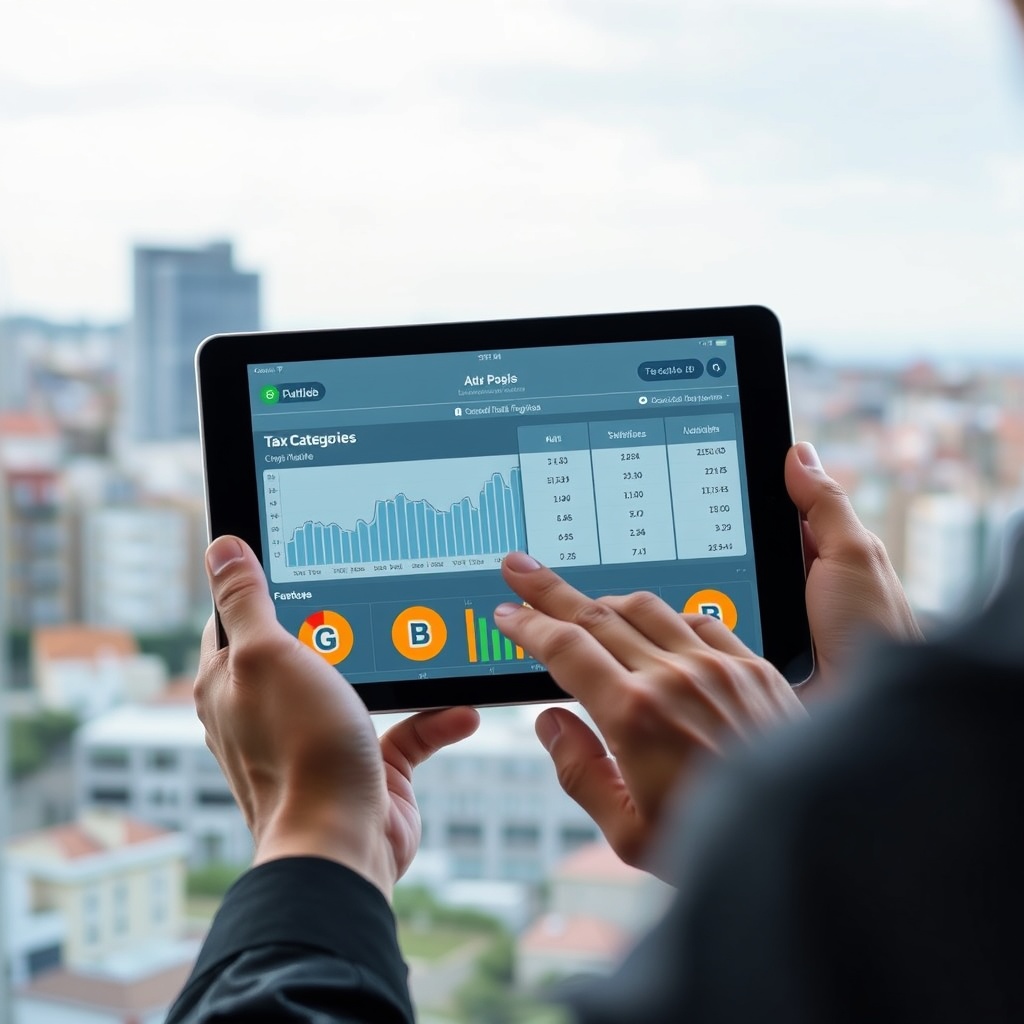
Tax Classification of Different Crypto Activities
Category G Buying and Selling Crypto (Capital Gains)
Category G represents the most common tax classification for expat crypto investors in Portugal. This category covers capital gains from occasional buying and selling of crypto assets. The key distinction is that these activities don’t constitute a professional business or regular income source. Most casual investors and long-term holders fall squarely into Category G. The 28% tax rate applies to short-term gains, while long-term gains generally enjoy exemption.
What I’ve observed working with expats is that many mistakenly believe all crypto transactions automatically fall under Category G. The reality is more nuanced—frequency, volume, and intent matter significantly. Occasional trading for personal investment purposes typically qualifies, but systematic trading may push into Category B. We need to assess our activity patterns honestly to ensure correct classification. Proper documentation of our investment strategy supports Category G classification.
Category E Passive Investment Income (Staking, Lending)
Category E captures passive investment income from crypto activities that generate returns without active trading. This includes staking rewards, lending interest, yield farming returns, and similar passive earnings. The tax treatment differs from capital gains, typically falling under Portugal’s general investment income rules. These earnings often face different tax rates and reporting requirements than Category G transactions.
What’s crucial for us to understand is that passive income requires separate tracking and reporting. Many expats overlook staking rewards or lending interest when calculating their tax obligations. Each reward or interest payment represents taxable income in the year received. The valuation must be based on fair market value at receipt. We’re dealing with ongoing income streams rather than one-time capital events.
Category B Professional/Business Income (Mining, Trading)
Category B applies when crypto activities become your professional occupation or primary business. This includes crypto mining operations, frequent trading as a business, crypto consulting services, and similar professional activities. The tax implications shift dramatically—income gets taxed at progressive personal income tax rates rather than flat capital gains rates. Business expenses become deductible, but compliance requirements increase substantially.
What I want you to recognise is the threshold where casual investing becomes professional activity. Regular, systematic trading with significant volume may trigger Category B classification. Mining operations almost always qualify as professional activities. The distinction matters because misclassification can lead to penalties and back taxes. We need to assess whether our crypto activities constitute a business under Portuguese law.
Tax-Free and Exempt Crypto Transactions in Portugal
Understanding the Personal Use Exemption
Now here’s where things get interesting for us expats. The personal use exemption remains a crucial element in Portugal’s 2026 crypto tax framework. We’re talking about transactions where crypto is used as actual currency for everyday purchases, not as an investment vehicle. The key distinction lies in proving genuine consumption rather than speculative intent.
I’ve seen many clients stumble here, so let me be clear: documentation is everything. You need to maintain receipts, transaction records, and evidence showing the crypto was spent on goods or services for personal consumption. The Portuguese tax authorities look for patterns that distinguish between investment activity and genuine personal spending in their asset management oversight.
Tax-Free Crypto-to-Crypto Swaps
Here’s some good news that often gets overlooked. Crypto-to-crypto swaps remain tax-free in Portugal under the 2026 rules, provided they’re not part of professional trading activity. This means converting Bitcoin to Ethereum or swapping between different tokens doesn’t trigger immediate tax liability. The tax event occurs only when you convert back to fiat currency.
However, you must maintain meticulous records of these swaps for cost basis calculations. Each swap establishes a new acquisition price for the received crypto, which becomes crucial when you eventually sell. This tracking becomes particularly important for complex digital asset management strategies involving multiple token conversions.
Exemptions for Small Transactions
Portugal maintains de minimis exemptions that can save you significant headaches. Small transactions below certain thresholds may be exempt from reporting requirements, though the exact limits can vary. These exemptions recognize that tracking every minor transaction creates administrative burdens disproportionate to tax revenue.
But here’s my professional advice: don’t rely too heavily on these exemptions without proper guidance. The thresholds apply differently to various transaction types, and what qualifies as “small” for one purpose might not for another. Always consult with a tax professional familiar with Portuguese regulations to ensure you’re not accidentally creating compliance issues.
How to Calculate Your Crypto Tax Liability in 2026
Step-by-Step Calculation for Capital Gains
Let me walk you through the actual calculation process that I use with my clients. First, you need to identify all your taxable crypto transactions from the tax year. This includes sales, conversions to fiat, and any crypto used for purchases above the personal use threshold. The Portuguese system uses FIFO (First-In, First-Out) methodology by default.
Next, calculate the acquisition cost for each disposed asset using historical exchange rates at the time of purchase. Subtract this from the disposal value to determine your capital gain or loss. Remember that short-term gains (under 365 days) face different tax treatment than long-term holdings in the Portuguese asset management solutions framework.
Calculating Tax on Staking and Yield Farming Rewards
This is where many expats get tripped up. Staking rewards and yield farming income are taxed as Category E income in Portugal, which means they’re subject to progressive tax rates rather than flat capital gains rates. You need to value these rewards at the time you receive them, using the market price on that specific date.
The calculation becomes complex when you’re dealing with auto-compounding protocols or liquidity pool tokens. Each reward distribution creates a separate taxable event, and you must track the cost basis for each distribution individually. This is why proper portfolio management software becomes essential for accurate reporting.
Determining Cost Basis for Crypto Assets
Cost basis determination is the foundation of accurate crypto tax calculation. In Portugal, you must use the acquisition price in euros, converted at the exchange rate on the purchase date. This includes not just the purchase price, but also any transaction fees or mining costs associated with acquiring the asset.
For assets received through airdrops, hard forks, or mining, the cost basis is typically zero, making the entire disposal amount taxable. However, if you incur costs to claim or secure these assets, those expenses can potentially be added to your cost basis. Proper documentation is absolutely critical here to support your calculations during any tax authority review.
Essential Record-Keeping Requirements for Crypto Taxes
Mandatory Documentation for Portuguese Tax Authorities
Let me be brutally honest with you: Portuguese tax authorities are getting sophisticated about crypto tracking. You need to maintain comprehensive records including transaction dates, amounts in both crypto and euros, wallet addresses, exchange records, and proof of ownership. The authorities can request this documentation for up to four years after filing.
I recommend creating a master spreadsheet that tracks every transaction with timestamps and exchange rate data. Include screenshots of exchange confirmations, wallet balances, and any relevant communications. This level of documentation might seem excessive, but it’s your best defense against potential audits or inquiries about your liquid assets management.
How Long to Keep Crypto Transaction Records
Portuguese law requires you to keep tax-related documentation for four years from the filing deadline. However, I advise my clients to maintain records for at least six years to be safe. This extended period accounts for potential audits, appeals, or investigations that might arise after the standard retention period.
Digital storage is perfectly acceptable, but ensure your backups are secure and accessible. Use encrypted cloud storage with multiple backup locations. Remember that losing these records could force you to recalculate everything from scratch or face penalties for inadequate documentation during a tax review.
Best Practices for Organizing Your Crypto Portfolio
Organization is everything in crypto tax compliance. Start by separating your transactions by type: capital gains, staking income, mining rewards, etc. Create separate folders for each tax year, and within those, organize by transaction type and date. Use consistent naming conventions that make documents easy to locate years later.
Consider using portfolio tracking software that automatically categorizes transactions and generates reports. Many tools can export data in formats compatible with Portuguese tax forms. The key is establishing a system that works for you and sticking to it consistently throughout the year, not just at tax time.

Using Crypto Tax Software for Portuguese Compliance
Top Recommended Crypto Tax Tools for 2026
After testing numerous platforms with my expat clients, I’ve identified several tools that excel with Portuguese compliance. Koinly stands out for its excellent support for Portuguese tax categories and Modelo 3 integration. TokenTax offers robust professional features for complex portfolios, while CoinTracking provides exceptional historical data accuracy.
Each platform has strengths depending on your specific needs. For basic portfolios, simpler tools might suffice, but for active traders or those with DeFi activities, more advanced solutions become necessary. The key is finding software that understands Portugal’s unique tax categories and reporting requirements for crypto tax compliance.
How to Integrate Software with Portuguese Tax Forms
Integration is where quality crypto tax software really proves its value. The best platforms can generate reports formatted specifically for Portuguese Modelo 3 forms, including the required annexes for Categories G, E, and B. This automation saves countless hours of manual data entry and reduces calculation errors.
Look for software that allows you to export data in formats compatible with Portugal’s tax portal. Some platforms even offer direct integration or CSV exports that can be easily uploaded. Test the export functionality before committing to ensure it meets your specific reporting needs and works with Portugal’s current filing systems.
Automating Transaction Tracking and Reporting
Automation transforms crypto tax compliance from a nightmare into a manageable process. The right software can automatically import transactions from exchanges and wallets, categorize them correctly, calculate gains and losses, and generate comprehensive reports. This automation becomes particularly valuable for tracking complex DeFi activities.
Set up regular sync schedules to keep your data current throughout the year, not just at tax time. This proactive approach allows you to monitor your tax liability as it develops and make strategic decisions. Regular reviews also help identify any sync errors or categorization issues early, when they’re easier to correct.
Filing Crypto Taxes in Portugal A Step-by-Step Guide
Understanding Modelo 3 and Other Relevant Tax Forms
We need to understand that Modelo 3 remains Portugal’s primary annual tax return form for 2026. This comprehensive document captures all income categories including crypto gains under Category G and Category E. I’ve discovered that expats must also complete Annex G for capital gains specifically, which requires detailed transaction records. The Portuguese tax authorities expect precise reporting of acquisition dates, disposal dates, and exact euro values for every crypto transaction throughout the tax year.
Our experience shows that proper form completion prevents audit triggers and potential penalties. We recommend using professional tax software that integrates with Portuguese tax forms, ensuring accurate calculations and proper classification. Remember that Category B income for professional crypto activities requires separate business tax declarations alongside Modelo 3. The system demands consistency across all reported figures to avoid discrepancies that could raise red flags with tax authorities.
Deadlines and Important Dates for 2026 Tax Filing
I’ve learned that Portugal maintains strict deadlines for crypto tax reporting in 2026. The main filing period typically runs from April 1st through June 30th for the previous tax year’s income. We must remember that these dates apply to both residents and non-residents with Portuguese-source crypto income. Late submissions trigger automatic penalties starting at 1% per month of the tax due, plus interest charges that accumulate quickly.
Our strategy involves preparing documentation well before the deadline to avoid last-minute complications. We recommend starting tax preparation in January to identify potential issues early. Special extensions may apply for first-time filers or those with complex international situations, but these require formal requests to Portuguese tax authorities. The key is maintaining organized records throughout the year rather than scrambling during the filing season.
How to Report Crypto on Your Annual Tax Return
We approach crypto reporting by separating different transaction types into their appropriate tax categories. Category G covers capital gains from buying and selling crypto assets, requiring detailed cost basis calculations for each disposal. I’ve found that using FIFO (First-In, First-Out) methodology provides the most straightforward approach for Portuguese tax compliance. Each transaction must show acquisition date, disposal date, purchase price, sale price, and resulting gain or loss.
Our methodology involves creating comprehensive spreadsheets that track all crypto movements throughout the year. We convert all transactions to euros using official exchange rates on transaction dates, as Portuguese authorities require local currency reporting. For staking and yield farming rewards under Category E, we report the fair market value at receipt as ordinary income. The key is maintaining meticulous records that support every figure reported on your tax return.
International Reporting Requirements for Expats
DAC8 and Its Impact on Portuguese Crypto Reporting
We’re facing significant changes with DAC8 implementation affecting all crypto expats in Portugal. This EU directive mandates automatic exchange of crypto transaction information between member states starting in 2026. I’ve discovered that Portuguese tax authorities will receive detailed reports from crypto service providers about our activities. The system requires reporting entities to share transaction data including wallet addresses, transaction volumes, and counterparty information.
Our compliance strategy must adapt to this new transparency environment where hiding crypto activities becomes virtually impossible. We need to ensure our own records match what service providers report to avoid discrepancies that trigger audits. The directive covers all crypto-asset service providers operating within the EU, including foreign platforms serving Portuguese residents. This means even using international exchanges won’t prevent your data from reaching Portuguese tax authorities.
CARF Crypto-Asset Reporting Framework Compliance
We must understand that CARF represents the OECD’s global standard for crypto tax reporting, which Portugal will implement alongside DAC8. This framework establishes uniform reporting requirements for crypto transactions across participating jurisdictions. I’ve learned that CARF requires reporting on a much broader range of crypto activities than traditional financial instruments. The system captures everything from simple transfers to complex DeFi transactions and NFT trades.
Our approach involves staying ahead of these requirements by maintaining detailed transaction logs that meet CARF standards. We recommend using specialized crypto tax software that can generate CARF-compliant reports for Portuguese authorities. The framework’s implementation means Portuguese tax authorities will have unprecedented visibility into global crypto activities of residents. This eliminates the possibility of hiding assets in offshore exchanges or using privacy-focused cryptocurrencies without detection.
Reporting Foreign Exchange Accounts to Portuguese Authorities
We need to recognize that Portugal requires reporting of all foreign financial accounts holding crypto assets. This includes exchanges, wallets, and DeFi platforms located outside Portuguese jurisdiction. I’ve discovered that failure to report foreign crypto accounts can result in severe penalties exceeding the value of the unreported assets. The reporting threshold varies but generally applies to accounts with significant balances or transaction volumes.
Our compliance strategy involves maintaining a comprehensive inventory of all crypto-related accounts worldwide. We document each platform’s jurisdiction, account numbers, and maximum balances throughout the year. The Portuguese authorities particularly scrutinize accounts in jurisdictions with banking secrecy or limited tax cooperation. Remember that using asset management services for crypto doesn’t exempt you from individual reporting obligations to Portuguese tax authorities.
Special Tax Regimes for Expats NHR vs IFICI
How the Non-Habitual Resident NHR Regime Affects Crypto
We’re examining how Portugal’s NHR regime interacts with the new 2026 crypto tax rules for qualifying expats. This special tax status offers significant benefits but requires careful navigation of crypto taxation complexities. I’ve discovered that NHR holders still face Portuguese crypto taxes on domestic-source income, though foreign-source crypto gains may receive favorable treatment. The regime’s ten-year duration provides planning opportunities but demands strategic asset location decisions.
Our analysis shows that NHR status doesn’t automatically exempt crypto income from Portuguese taxation, contrary to common misconceptions. We must distinguish between Portuguese-source and foreign-source crypto activities, as the regime treats them differently. The key is proper documentation proving the foreign nature of crypto transactions to qualify for potential exemptions. Using international exchanges and maintaining clear jurisdictional records becomes crucial for NHR beneficiaries seeking optimal tax outcomes.
IFICI Incentivo Fiscal à Inovação for Crypto Businesses
We’re exploring IFICI as Portugal’s innovation incentive program that could benefit crypto entrepreneurs and developers. This regime offers reduced tax rates and special deductions for qualifying innovative activities including blockchain development. I’ve learned that crypto businesses meeting specific innovation criteria can access corporate tax rates as low as 17% under IFICI. The program requires demonstrating genuine technological innovation rather than simple trading or investment activities.
Our approach involves structuring crypto businesses to qualify for IFICI benefits while maintaining compliance with evolving regulations. We recommend working with Portuguese legal experts to navigate the application process and ongoing compliance requirements. The regime particularly favors businesses developing blockchain infrastructure, smart contract platforms, or crypto payment solutions. Remember that asset management solutions focused on crypto innovation may qualify for these special incentives.
Choosing the Right Tax Regime for Your Situation
We face important decisions selecting between NHR, IFICI, or standard Portuguese tax treatment for crypto activities. Each regime offers different advantages depending on your crypto involvement level and business structure. I’ve discovered that passive crypto investors generally benefit more from NHR’s foreign-source income treatment, while active crypto businesses may prefer IFICI’s innovation incentives. The choice requires careful analysis of current activities and future plans.
Our methodology involves comprehensive tax modeling comparing different regimes under various crypto income scenarios. We consider factors like residency duration, income sources, business structure, and long-term goals. The decision isn’t permanent—some expats transition between regimes as their crypto activities evolve. Professional advice becomes essential when navigating these complex choices, especially with Portugal’s changing crypto tax landscape in 2026.

Common Crypto Tax Mistakes Expats Should Avoid
Underreporting or Misclassifying Crypto Income
We’re seeing widespread issues with expats underestimating their crypto tax obligations or incorrectly categorizing different income types. Many mistakenly treat all crypto gains as capital gains when staking rewards and mining income actually fall under Category E. I’ve discovered that Portuguese authorities are increasingly sophisticated at detecting misclassified crypto income through data matching with exchange reports. The penalties for underreporting can exceed 100% of the tax due plus interest charges.
Our prevention strategy involves thorough education about Portugal’s three crypto tax categories and their distinct treatment. We implement systematic tracking that automatically classifies transactions into correct tax buckets based on Portuguese regulations. The common mistake of treating DeFi yield as capital gains rather than ordinary income creates significant compliance risks. Remember that proper classification affects not only tax rates but also available deductions and reporting requirements.
Failing to Report Foreign Exchange Transactions
We’re noticing dangerous assumptions that foreign crypto exchanges don’t report to Portuguese authorities, especially with digital asset management platforms. The reality is that DAC8 and CARF frameworks ensure global reporting of crypto transactions to Portuguese tax authorities starting in 2026. I’ve learned that even using privacy-focused platforms or decentralized exchanges creates reporting obligations for Portuguese residents. The assumption of anonymity represents one of the costliest mistakes expats make.
Our compliance approach involves assuming all crypto transactions are visible to Portuguese authorities regardless of platform or jurisdiction. We maintain complete records of every transaction across all platforms, including those claiming enhanced privacy features. The key is understanding that Portugal’s reporting requirements extend beyond traditional exchanges to encompass wallets, DeFi protocols, and NFT marketplaces. Failure to report foreign transactions triggers automatic penalties when authorities receive conflicting data from international reporting systems.
Neglecting to Account for Airdrops and Hard Forks
We’re identifying significant gaps in how expats handle unexpected crypto events like airdrops, hard forks, and protocol upgrades. Many mistakenly believe these events don’t create taxable events under Portuguese law. I’ve discovered that Portuguese tax authorities treat airdrops as ordinary income at fair market value upon receipt, requiring immediate reporting. Hard forks creating new cryptocurrencies similarly generate taxable events that many expats overlook until audit time.
Our systematic approach tracks all crypto events throughout the year, not just intentional transactions. We document airdrop dates, quantities received, and market values at receipt for proper tax treatment. The mistake of ignoring these events creates compounding problems when authorities receive exchange data showing unexplained asset acquisitions. Professional asset management practices include comprehensive tracking of all crypto-related events, not just buying and selling activities.
Advanced Tax Planning Strategies for Crypto Expats
Tax-Loss Harvesting with Crypto Assets
We’ve discovered that tax-loss harvesting becomes particularly powerful with crypto’s volatility. I strategically sell assets at a loss to offset capital gains, then repurchase similar assets after thirty days to maintain my portfolio exposure. This technique requires precise timing and documentation, but it can significantly reduce my annual tax liability when executed correctly within Portuguese regulations.
Our approach involves identifying underperforming assets throughout the year, not just at year-end. We maintain detailed records of every transaction and ensure we comply with wash-sale rules that apply to crypto in Portugal. This proactive strategy transforms market downturns into tax-saving opportunities while keeping our long-term investment strategy intact.
Structuring Crypto Holdings for Optimal Tax Efficiency
I structure my crypto holdings across different wallets and entities to optimize tax treatment. We separate short-term trading assets from long-term investments, creating clear distinctions for Portuguese tax authorities. This separation helps us apply different tax rates appropriately and simplifies our annual reporting process significantly.
Our structuring strategy includes considering different holding periods for various asset classes. We allocate high-volatility assets to short-term strategies and stable assets to long-term holdings. This thoughtful approach maximizes our after-tax returns while maintaining compliance with Portugal’s evolving crypto tax framework.
Using Legal Deductions and Allowances
We leverage all available legal deductions, including transaction fees, asset management costs, and professional advisory fees. I document every expense related to my crypto activities, ensuring we can claim legitimate deductions that reduce our taxable income. This meticulous approach transforms ordinary expenses into valuable tax savings.
Our team stays current with Portugal’s specific allowances for crypto investors, including potential deductions for security measures and storage costs. We maintain comprehensive records and work with local tax professionals to ensure we’re maximizing every available benefit while remaining fully compliant with Portuguese tax laws.
Corporate Vehicle Taxation for Crypto Businesses
VAT, CIT, and Autonomous Taxation for Crypto Companies
We navigate Portugal’s corporate tax landscape by understanding how VAT applies to crypto services. I structure our business activities to optimize VAT treatment, particularly for cross-border transactions. Corporate Income Tax (CIT) considerations include proper classification of crypto income and strategic timing of revenue recognition.
Our approach to autonomous taxation involves careful planning around employee compensation and business expenses. We ensure proper documentation for all business-related crypto transactions and maintain clear separation between personal and corporate assets. This disciplined approach minimizes tax liabilities while maximizing business efficiency.
Setting Up a Crypto Business Entity in Portugal
I recommend establishing a proper legal entity for serious crypto operations. We choose between different corporate structures based on our specific business model and growth plans. The setup process involves registering with Portuguese authorities, obtaining necessary licenses, and establishing proper accounting systems from day one.
Our entity setup includes creating clear governance structures and implementing robust compliance systems. We ensure proper asset management protocols and establish relationships with Portuguese banks that understand crypto businesses. This foundation supports sustainable growth while maintaining regulatory compliance.
Tax Implications for Different Business Structures
We analyze tax implications across various business structures, from sole proprietorships to limited companies. Each structure offers different tax advantages and compliance requirements. I consider factors like liability protection, tax rates, and administrative burdens when selecting the optimal structure for our crypto operations.
Our analysis includes evaluating how different structures handle crypto-to-crypto transactions, staking income, and mining operations. We consider both current tax implications and future scalability needs. This comprehensive approach ensures we choose a structure that supports our business goals while optimizing our tax position.
Future-Proofing Your Crypto Tax Strategy Beyond 2026
Anticipating Future Regulatory Changes in Portugal
We monitor Portugal’s regulatory developments closely, anticipating further integration with EU crypto frameworks. I stay informed about proposed legislation and participate in industry discussions to understand upcoming changes. This proactive approach helps us adapt our strategies before new regulations take effect.
Our monitoring includes tracking Portugal’s implementation of EU directives and local regulatory developments. We maintain flexibility in our tax planning to accommodate potential changes in rates, reporting requirements, or classification rules. This forward-looking approach minimizes disruption to our operations.
Adapting to EU-Wide Crypto Tax Harmonization
I prepare for EU-wide tax harmonization by aligning our practices with emerging standards. We implement systems that can accommodate different reporting requirements across member states. This includes maintaining detailed transaction records and using software that supports multiple tax jurisdictions.
Our adaptation strategy involves continuous education about EU regulatory developments. We participate in professional networks and attend industry events to stay ahead of harmonization trends. This investment in knowledge helps us navigate the evolving European crypto tax landscape effectively.
Building a Flexible Tax Strategy for Long-Term Success
We build flexibility into every aspect of our tax strategy. I design systems that can adapt to changing regulations, market conditions, and business needs. This includes maintaining modular record-keeping systems and establishing relationships with adaptable professional advisors.
Our long-term success depends on creating tax strategies that evolve with the crypto ecosystem. We regularly review and update our approaches, incorporating new tools and methodologies as they become available. This commitment to continuous improvement ensures our tax strategy remains effective and compliant over time.
Frequently Asked Questions
How does tax-loss harvesting work with crypto assets in Portugal?
Tax-loss harvesting involves selling crypto assets at a loss to offset capital gains from other investments. We strategically time these sales throughout the year, not just at year-end. After selling, we wait thirty days before repurchasing similar assets to comply with Portuguese regulations. This technique transforms market volatility into tax-saving opportunities while maintaining our investment exposure.
What are the main differences between personal and corporate crypto taxation?
Personal crypto taxation typically involves capital gains tax on individual holdings, while corporate taxation includes Corporate Income Tax and potentially VAT. Companies can deduct business expenses and benefit from different tax rates. We structure entities based on business scale and complexity, considering liability protection and administrative requirements for optimal tax efficiency.
How should I prepare for future EU crypto tax harmonization?
Preparation involves maintaining detailed transaction records using compliant software systems. We align our practices with emerging EU standards and stay informed about regulatory developments. Implementing flexible systems that can adapt to different reporting requirements across member states is crucial for long-term compliance and operational efficiency.
What legal deductions can crypto investors claim in Portugal?
Portuguese crypto investors can claim deductions for transaction fees, professional advisory costs, and security expenses. We maintain comprehensive documentation for all business-related expenses. Proper record-keeping transforms ordinary costs into valuable tax savings while ensuring compliance with Portuguese tax authorities’ requirements.
How do I choose between different business structures for crypto operations?
Selection depends on factors like liability protection needs, tax rates, and administrative capabilities. We analyze each structure’s implications for crypto-specific activities including staking and mining. Consulting with local professionals helps determine the optimal structure based on business goals and compliance requirements for sustainable growth.
