






Understanding Cross-Border Shipping Finance Transactions
Definition and Scope
Cross-border shipping finance transactions involve the movement of goods and capital across international borders, primarily between the US, Canada, and Mexico. These transactions are the backbone of North American trade, enabling businesses to expand their reach and optimise supply chains. From letters of credit to trade credit insurance, the financial instruments used are as diverse as the cargo they support. It’s a dynamic field where logistics meets finance, and the stakes are high.
The scope of these transactions extends beyond mere logistics. They encompass regulatory compliance, currency exchange, and risk management. Whether you’re a manufacturer shipping goods or a financier backing the deal, understanding the nuances is critical. The North American Free Trade Agreement (NAFTA) and its successor, the USMCA, play pivotal roles in shaping these transactions, ensuring smoother trade flows and reduced tariffs.
Key Players Involved
The ecosystem of cross-border shipping finance is a collaborative effort. Importers and exporters are at the forefront, but they rely on a network of banks, insurers, and logistics providers. Financial institutions like Beaumont Capital Markets offer specialised services to facilitate these transactions, ensuring liquidity and security. Meanwhile, customs brokers and freight forwarders handle the physical movement of goods, bridging the gap between paperwork and delivery.
Governments and regulatory bodies also play a crucial role. They set the rules, enforce compliance, and sometimes provide financial incentives. For instance, export credit agencies in all three countries offer guarantees and loans to mitigate risks. It’s a complex dance, but when executed well, it fuels economic growth and strengthens trade relationships across borders.
Importance in North American Trade
Cross-border shipping finance is the lifeblood of North American trade. The US, Canada, and Mexico share one of the most integrated supply chains globally, with billions in goods exchanged annually. Efficient financing ensures that businesses can capitalise on this demand without being bogged down by cash flow constraints. It’s not just about moving products—it’s about sustaining industries and creating jobs.
The rise of e-commerce and just-in-time manufacturing has further amplified the need for robust financing solutions. Delays in payments or shipments can disrupt entire supply chains, costing millions. By leveraging tools like asset management best practices, businesses can mitigate risks and optimise their operations. In a world where trade barriers are constantly evolving, mastering cross-border finance is no longer optional—it’s essential.
The Legal Framework Governing Transactions
US, Canada, and Mexico Trade Agreements
Navigating cross-border shipping finance between the US, Canada, and Mexico requires a deep understanding of the trade agreements that bind these nations. The USMCA (United States-Mexico-Canada Agreement) replaced NAFTA, introducing modernised provisions for digital trade and intellectual property. We leverage these agreements to streamline transactions, ensuring compliance while maximising efficiency. By aligning our strategies with these frameworks, we reduce friction and enhance the flow of goods and capital across borders.
The USMCA’s rules of origin and labour provisions are particularly relevant for shipping finance. We ensure our clients’ transactions adhere to these standards, avoiding costly penalties. Our expertise in interpreting these agreements allows us to identify opportunities for cost savings and risk mitigation. Whether it’s tariff reductions or dispute resolution mechanisms, we’ve got it covered.
Regulatory Compliance Requirements
Compliance is the backbone of cross-border shipping finance. Each country has its own regulatory landscape, from customs documentation to anti-money laundering (AML) laws. We stay ahead of these requirements, ensuring every transaction meets the highest standards. Our team monitors updates in real-time, so you don’t have to worry about falling foul of the rules.
For instance, Mexico’s SAT (Tax Administration Service) imposes strict invoicing rules, while Canada’s CBSA (Canada Border Services Agency) focuses on accurate cargo reporting. We simplify this complexity by integrating compliance into every step of the process. From due diligence to post-transaction audits, our approach ensures seamless adherence to all regulatory demands.
Financial Instruments Used in Cross-Border Shipping
Letters of Credit
Letters of credit (LCs) are a cornerstone of cross-border shipping finance, providing security for both buyers and sellers. We structure LCs to mitigate risk, ensuring payment is released only when contractual obligations are met. Our partnerships with global banks allow us to negotiate favourable terms, reducing costs and delays. Whether it’s a standby or revolving LC, we tailor the instrument to your specific needs.
For example, a US exporter shipping goods to Mexico can use an LC to guarantee payment upon delivery. We help draft airtight terms, covering everything from inspection clauses to force majeure provisions. This level of detail ensures smooth transactions, even in volatile markets. Trust us to turn LCs into a strategic advantage for your business.
Bank Guarantees
Bank guarantees offer another layer of security in cross-border transactions. They assure sellers that payments will be honoured, even if the buyer defaults. We specialise in structuring guarantees that align with your risk appetite, whether it’s a performance bond or an advance payment guarantee. Our network of financial institutions ensures competitive rates and swift processing.
Consider a Canadian importer requiring a guarantee to secure a shipment from the US. We negotiate terms that protect both parties, balancing risk and cost. By leveraging our expertise, you gain peace of mind and a competitive edge in the market.
Trade Credit Insurance
Trade credit insurance safeguards against non-payment, a critical concern in cross-border shipping. We connect you with top insurers to cover political, commercial, and currency risks. This protection is especially valuable in volatile economies, where buyer insolvency or geopolitical instability can disrupt cash flow.
For instance, a Mexican manufacturer exporting to the US can use trade credit insurance to mitigate the risk of buyer default. We analyse creditworthiness and market conditions to secure the best coverage. With our guidance, you can expand into new markets with confidence.
Currency Exchange and Risk Management
Handling Multiple Currencies
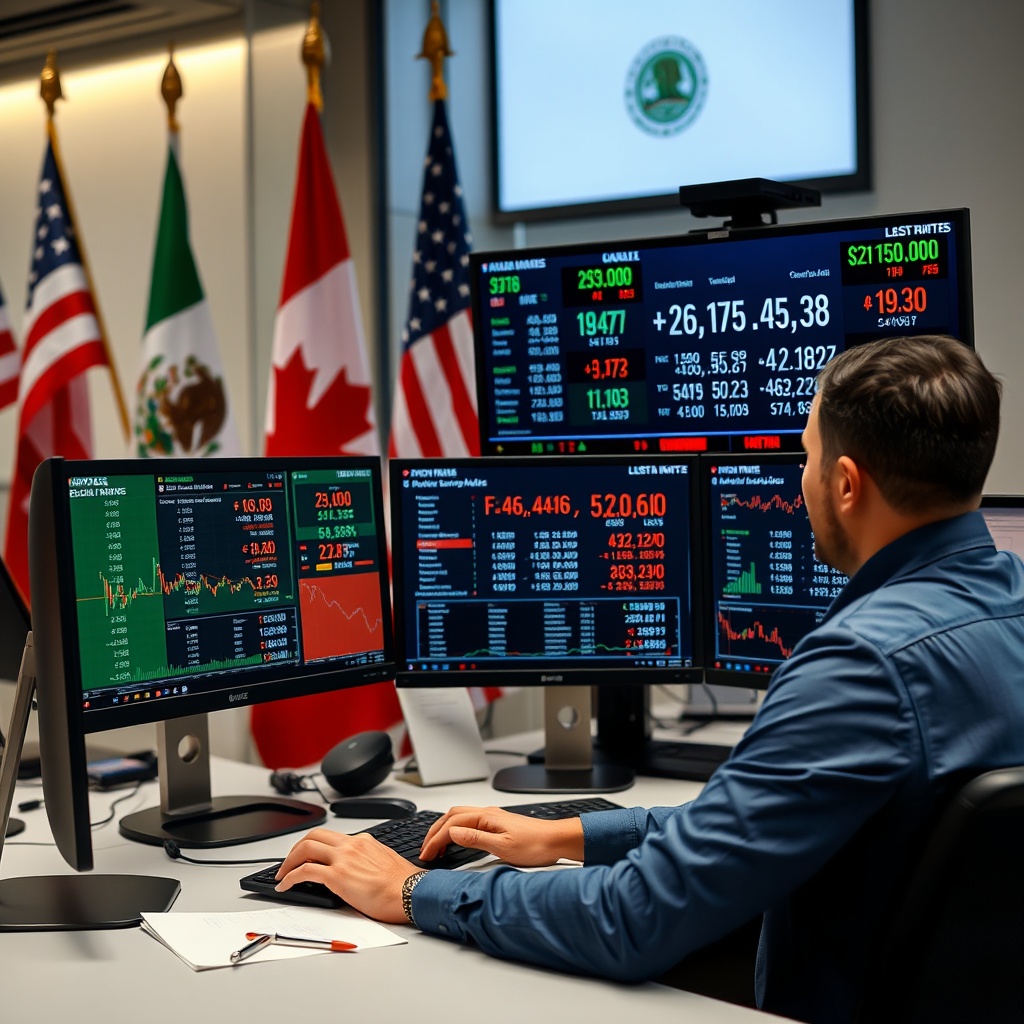
Cross-border shipping finance often involves transactions in USD, CAD, and MXN. We help you navigate currency fluctuations, ensuring optimal exchange rates and minimal conversion costs. Our treasury solutions include forward contracts and spot transactions, tailored to your cash flow needs. By locking in rates in advance, we shield you from market volatility.
For example, a US company paying a Canadian supplier can use a forward contract to fix the exchange rate today for a future payment. This eliminates uncertainty and protects profit margins. Our real-time monitoring ensures you never miss an opportunity to optimise currency exchanges.
Strategies to Mitigate Exchange Rate Risk
Exchange rate risk can erode profits if left unmanaged. We employ hedging strategies like options and swaps to stabilise cash flows. Our team analyses market trends to recommend the best approach, whether it’s natural hedging or derivative instruments. The goal is to minimise exposure while maximising flexibility.
Take a Mexican importer paying in USD: we might suggest a currency swap to align payments with revenue streams. This reduces the impact of peso depreciation on your bottom line. With our proactive risk management, you can focus on growth, not currency headaches.
Payment Methods and Terms
Common Payment Terms
When it comes to cross-border shipping finance, understanding common payment terms is crucial. We often see terms like “Net 30” or “Net 60 which dictate when payment is due after the invoice date. These terms are standard but can vary based on the relationship between buyers and sellers. Negotiating favourable terms can improve cash flow and reduce financial strain, especially when dealing with international transactions.
Another popular option is “Cash in Advance where the buyer pays before goods are shipped. While this minimises risk for sellers, it can be a tough sell for buyers. We recommend balancing risk and trust by using escrow services or partial payments. This ensures both parties are protected and transactions proceed smoothly across borders.
Secure Payment Solutions
Security is paramount in cross-border transactions. We’ve found that digital payment platforms like PayPal or Stripe offer robust fraud protection and currency conversion. These tools streamline payments and reduce the risk of disputes. For larger transactions, letters of credit or bank guarantees provide added security, ensuring funds are released only when conditions are met.
Blockchain technology is also making waves in secure payments. By leveraging smart contracts, we can automate payments upon delivery confirmation, reducing delays and human error. This innovation is particularly useful for high-value shipments where trust is critical but hard to establish across borders.
Negotiating Payment Terms
Negotiation is an art, especially in cross-border trade. We advise starting with a clear understanding of your partner’s financial stability and market norms. Flexibility is key—offering discounts for early payments or staggered payments can build trust and long-term relationships. Always document agreements in writing to avoid misunderstandings.
Cultural differences play a role too. In some regions, longer payment terms are standard, while others prefer upfront payments. We tailor our approach based on these nuances, ensuring smooth transactions and fostering strong partnerships. Remember, fair terms benefit both sides and pave the way for future collaborations.
Technology in Cross-Border Shipping Finance
Digital Platforms and Tools
Digital platforms are revolutionising cross-border finance. We use tools like Trade Finance Global to connect with lenders and streamline documentation. These platforms reduce paperwork and speed up approvals, making transactions more efficient. For smaller businesses, fintech solutions like TransferWise offer low-cost currency conversions and fast transfers.
Cloud-based accounting software is another game-changer. It allows us to track payments, manage invoices, and reconcile accounts in real-time. This transparency is invaluable when dealing with multiple currencies and regulatory requirements. By integrating these tools, we’ve cut down on errors and improved overall efficiency.
Blockchain for Secure Transactions
Blockchain isn’t just for cryptocurrencies—it’s transforming trade finance. We’ve seen how it enhances transparency by creating an immutable ledger of transactions. This reduces fraud and speeds up dispute resolution. Smart contracts automate processes like payment releases, eliminating the need for intermediaries and reducing costs.
Adoption is growing, but challenges remain. Regulatory uncertainty and scalability issues can hinder progress. However, we believe blockchain’s potential outweighs these hurdles. By staying ahead of the curve, we’re positioning ourselves as leaders in secure, efficient cross-border transactions.
Tax Considerations and Implications
Understanding Tax Obligations
Taxes are a complex but unavoidable part of cross-border trade. We always start by identifying the tax jurisdictions involved—each country has its own rules for VAT, GST, or sales tax. Missteps here can lead to penalties or delayed shipments, so we work closely with local experts to ensure compliance.
Transfer pricing is another critical area. When goods move between subsidiaries, prices must reflect market rates to avoid tax authorities’ scrutiny. We maintain detailed records and use benchmarking tools to justify our pricing strategies. This proactive approach saves us from costly audits and reputational damage.
Strategies for Tax Efficiency
Tax efficiency doesn’t mean evasion—it’s about smart planning. We leverage free trade agreements to reduce tariffs and structure transactions through tax-friendly jurisdictions when legal. Holding companies in places like the Netherlands or Singapore can optimise our tax burden while staying compliant.
Regular reviews are essential. Tax laws change frequently, and what worked last year might not today. We stay updated through subscriptions to tax advisory services and attend industry seminars. This vigilance ensures we’re always operating at peak efficiency.

Logistics and Supply Chain Financing
Integrating Finance with Logistics
Finance and logistics are two sides of the same coin. We’ve integrated our financial systems with logistics providers to track shipments in real-time. This allows us to release payments only when goods reach specific checkpoints, reducing risk and improving cash flow. Tools like SAP or Oracle provide the backbone for this seamless integration.
Collaboration is key. By sharing data with logistics partners, we can anticipate delays and adjust financing terms accordingly. This proactive approach minimises disruptions and keeps supply chains moving smoothly. It’s a win-win for everyone involved.
Supply Chain Financing Models
Supply chain financing is a lifeline for small suppliers. We offer programs where they can get paid early by financiers, while we enjoy extended payment terms. This model strengthens our supply chain by ensuring suppliers remain solvent and reliable. Platforms like PrimeRevenue make it easy to manage these programs at scale.
Reverse factoring is another popular option. Here, we work with banks to pay suppliers early at a discount, while we settle the full amount later. This improves relationships and ensures a steady flow of goods. By leveraging these models, we’ve built a resilient and efficient supply chain.
Risk Assessment and Mitigation
Identifying Potential Risks
When dealing with cross-border shipping finance transactions, the first step is to identify potential risks. These can range from currency fluctuations and regulatory changes to logistical delays and political instability. We’ve seen how even minor disruptions can cascade into significant financial losses. For instance, a sudden shift in exchange rates can erode profit margins, while unexpected regulatory hurdles can delay shipments and increase costs. It’s crucial to stay ahead by conducting thorough risk assessments tailored to each transaction.
Another critical risk is counterparty default. Whether it’s a supplier, buyer, or financial institution, the failure of any party to meet their obligations can derail the entire transaction. We mitigate this by vetting partners rigorously and using financial instruments like trade credit insurance. Additionally, geopolitical risks, such as trade wars or sanctions, can impact transactions. By monitoring global trends and diversifying supply chains, we reduce exposure to these uncertainties.
Developing a Risk Management Plan
A robust risk management plan is non-negotiable. We start by categorising risks into financial, operational, and strategic buckets. Financial risks, like currency volatility, are often hedged using forward contracts or options. Operational risks, such as supply chain disruptions, require contingency plans, like alternative shipping routes or backup suppliers. Strategic risks, including regulatory changes, demand proactive engagement with local authorities and legal experts.
We also leverage technology to enhance our risk management. Tools like predictive analytics help us anticipate disruptions, while blockchain ensures transparency in transactions. Regular audits and stress testing keep our plans up-to-date. By integrating these strategies, we create a resilient framework that safeguards our transactions. For deeper insights, explore this authoritative guide on currency risk management.
Building Strong Relationships with Financial Institutions
Selecting the Right Banking Partners
Choosing the right banking partners is pivotal for smooth cross-border transactions. We look for institutions with a strong presence in the US, Canada, and Mexico, as well as expertise in trade finance. Local knowledge is invaluable—banks familiar with regional regulations and market nuances can navigate complexities more efficiently. We prioritise those offering tailored solutions, such as flexible credit lines or multi-currency accounts, to meet our specific needs.
Trust and transparency are equally important. We seek banks with a proven track record of reliability and clear communication. Regular meetings and performance reviews ensure alignment. For example, our partnership with specialised asset managers has streamlined our financing processes. By fostering long-term relationships, we gain access to better terms and faster dispute resolution, which is critical in high-stakes transactions.
Negotiating Better Terms with Lenders
Negotiating favourable terms with lenders can significantly impact our bottom line. We start by presenting a strong case—detailed financials, a solid track record, and a clear repayment plan. This demonstrates our credibility and reduces perceived risk for lenders. We also explore competitive offers from multiple institutions to leverage better rates and fees. Flexibility is key; for instance, opting for variable interest rates when market conditions are favourable.
Another strategy is to bundle services. By consolidating our banking needs—such as trade finance, foreign exchange, and cash management—with a single institution, we often secure discounted rates. We’ve found that maintaining open lines of communication and demonstrating loyalty can lead to more favourable terms over time. For more on this, check out our financial planning resources.

Common Pitfalls and How to Avoid Them
Documentation Errors
Documentation errors are a frequent stumbling block in cross-border transactions. Incomplete or incorrect paperwork can lead to delays, fines, or even rejected shipments. We mitigate this by standardising our documentation processes and using digital tools to automate checks. For example, electronic bills of lading and automated compliance checks reduce human error. Training our teams on regional requirements ensures everyone understands the nuances of US, Canadian, and Mexican regulations.
Another common issue is mismatched invoices and purchase orders. We address this by implementing integrated systems that sync data across platforms. Regular audits and third-party reviews further minimise errors. By prioritising accuracy and consistency, we avoid costly setbacks. For a deeper dive into avoiding these pitfalls, refer to our asset management services.
Compliance Oversights
Compliance oversights can have severe consequences, from financial penalties to reputational damage. We stay ahead by keeping abreast of regulatory changes in all three countries. For instance, the USMCA (United States-Mexico-Canada Agreement) introduced new rules of origin requirements, which we’ve incorporated into our compliance protocols. Regular training sessions ensure our teams understand these evolving standards.
We also employ compliance software to flag potential issues in real-time. Partnering with local legal experts provides an additional layer of assurance. By embedding compliance into every stage of our transactions, we minimise risks and maintain smooth operations. Proactive measures like these are essential for long-term success in cross-border trade.Agent stopped due to max iterations.
