
Introduction
Japan stands at the crossroads of innovation and tradition, where cutting-edge AI technologies meet a deeply conservative regulatory framework. As a global leader in robotics and automation, Japan’s AI ambitions are undeniable, yet its cautious approach to regulation reflects a unique cultural balance. I’ve seen firsthand how this duality shapes the nation’s AI landscape, blending technological excellence with societal caution.
Key Takeaways
- Japan’s AI leadership is rooted in its legacy of robotics and automation.
- The country’s regulatory approach prioritises public safety over rapid innovation.
- Collaboration between government and private sectors drives AI advancements.
- Ethical considerations, such as privacy and bias, are central to Japan’s AI development.
- Global competition and partnerships are reshaping Japan’s AI strategy.
No spam - just the latest insights!
Join over 30,000 industry professionals who subscribe for free






Get exclusive early
access before the official launch
Hear directly from the Big Four advisory firms and leading international law firms on emerging issues
- with our authors given full editorial independence to address the topics that truly matter in each jurisdiction
Introduction to AI in Japan
The Rise of AI Technology in Japan
Japan’s AI journey began with its dominance in robotics, a field where it has long been a global pioneer. From industrial robots to humanoid assistants, the nation’s expertise laid the groundwork for its AI ambitions. Today, Japanese companies are leveraging AI to revolutionise industries like healthcare, automotive, and finance. The rise of AI here isn’t just about technology—it’s about solving societal challenges, from ageing populations to labour shortages.
Japan’s Position in the Global AI Landscape
While Japan may not match the sheer scale of AI investments in the US or China, its niche innovations set it apart. The country excels in precision-driven applications, such as AI governance and ethical frameworks. However, Japan’s conservative stance on data privacy and regulation often slows its pace compared to more aggressive markets. This balance between innovation and caution defines its unique role in the global AI race.
Historical Context of Technological Innovation in Japan
From Robotics to AI: A Legacy of Innovation
Japan’s technological prowess dates back to its post-war industrial boom, where robotics became a symbol of national pride. Companies like Toyota and Sony pioneered automation, embedding a culture of precision and efficiency. This legacy seamlessly transitioned into AI, with Japanese researchers making breakthroughs in machine learning and neural networks. The nation’s ability to adapt its robotic expertise to AI showcases its innovative spirit.
Government and Private Sector Collaboration
The synergy between Japan’s government and private sector is a cornerstone of its AI success. Initiatives like Society 5.0 highlight this partnership, aiming to integrate AI into every aspect of life. While the government provides funding and policy support, corporations drive practical applications. This collaborative model ensures that Japan’s AI advancements align with both economic goals and societal needs.
Historical Context of Technological Innovation in Japan
From Robotics to AI A Legacy of Innovation
Japan’s journey into AI is deeply rooted in its pioneering work in robotics. We’ve seen how companies like Toyota and Sony transformed manufacturing with automation, setting the stage for AI. This legacy isn’t just about machines; it’s about a culture that embraces precision and efficiency. Today, Japan’s AI advancements build on decades of technological innovations, blending tradition with cutting-edge research.
The shift from robotics to AI wasn’t accidental. It was a deliberate evolution, driven by Japan’s need to stay competitive. We’ve watched as robotics labs became AI hubs, with researchers pushing boundaries in machine learning and neural networks. This transition reflects Japan’s ability to adapt while staying true to its best practices in innovation.
Government and Private Sector Collaboration
Japan’s AI success isn’t just a private-sector story. The government has played a pivotal role, funding research and creating policies that encourage innovation. We’ve seen partnerships between universities, corporations, and policymakers, all working towards a common goal. This collaborative spirit is what sets Japan apart in the global AI race.
Take the Singapore AI Governance model as an example. Japan has similarly focused on responsible innovation, ensuring that AI development aligns with societal values. By balancing regulation with encouragement, Japan fosters an environment where AI can thrive without compromising ethics.
Understanding Japan’s Conservative Regulatory Approach
Cultural Influences on Regulation
Japan’s regulatory framework is shaped by its cultural emphasis on harmony and safety. We’ve observed how this translates into cautious AI policies, prioritising public trust over rapid deployment. Unlike Silicon Valley’s “move fast and break things” ethos, Japan prefers measured steps, ensuring stability.
This approach isn’t without challenges. While it safeguards against risks, it can slow down innovation. However, Japan’s regulators are learning to strike a balance, as seen in their navigating regulatory changes strategies. By blending tradition with adaptability, Japan aims to lead responsibly.
Balancing Innovation with Public Safety
Japan’s AI policies reflect a delicate dance between progress and protection. We’ve seen how regulations around autonomous vehicles and healthcare AI prioritise safety without stifling creativity. This balance is crucial in a society where public trust in technology is paramount.
For instance, Japan’s AI in healthcare sector adheres to strict guidelines, ensuring patient data privacy. This aligns with global trends, as highlighted in this external resource on AI ethics. By prioritising safety, Japan builds a foundation for sustainable AI growth.
Key AI Technologies Developed in Japan
Robotics and Automation
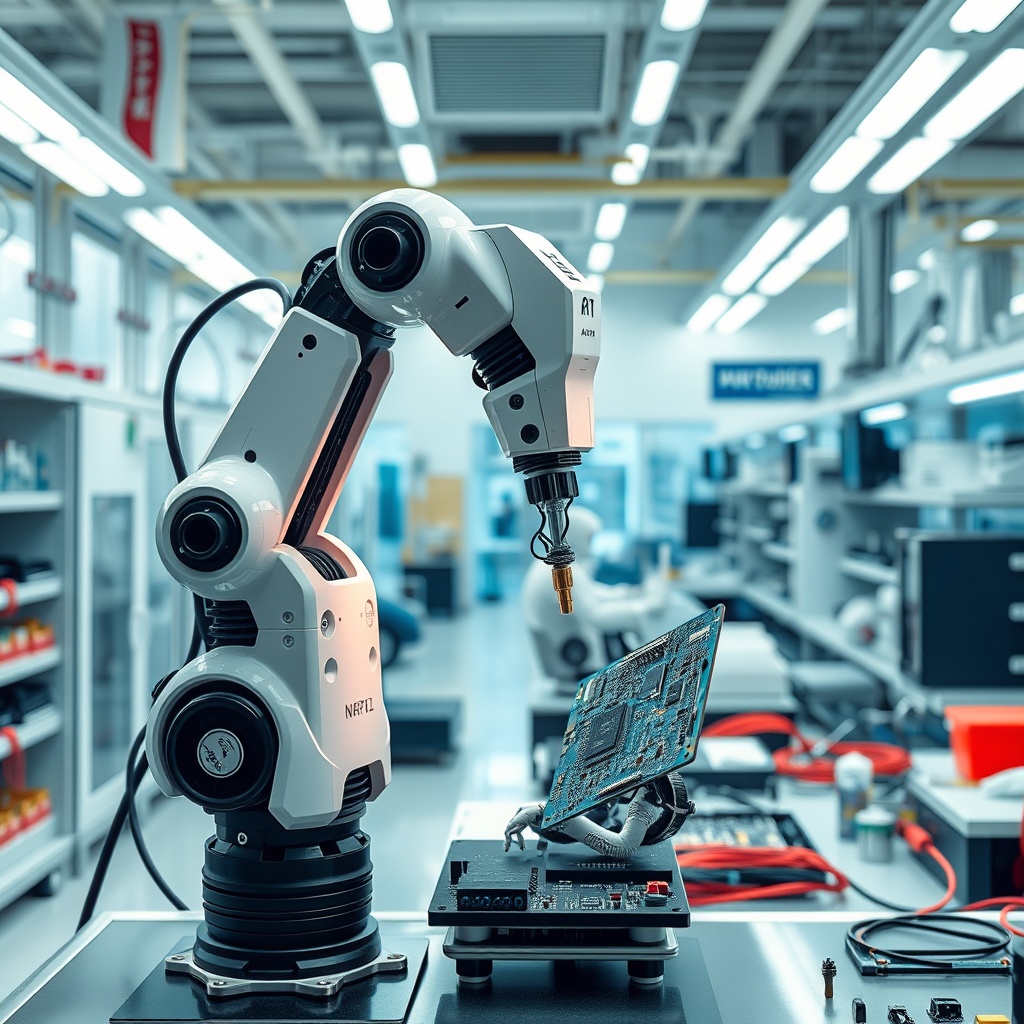
Japan’s robotics industry is a global leader, and AI has only amplified its capabilities. We’ve witnessed how companies like Fanuc and SoftBank integrate AI into robots, making them smarter and more autonomous. These advancements aren’t just about efficiency; they’re redefining human-robot collaboration.
From factory floors to elderly care, AI-powered robots are transforming industries. Japan’s focus on digital asset management ensures these technologies are deployed responsibly. By combining robotics with AI, Japan continues to set benchmarks for innovation.
AI in Healthcare
Japan’s ageing population has driven AI adoption in healthcare. We’ve seen AI tools diagnose diseases, predict patient outcomes, and even assist in surgeries. These innovations aren’t just technological feats; they’re lifelines for a society facing demographic challenges.
The integration of AI in healthcare is meticulous, with a focus on accuracy and ethics. Japan’s approach mirrors global best practices, ensuring that AI complements human expertise rather than replacing it. This balance is key to building trust in AI-driven healthcare solutions.
AI in Automotive Industry
Japan’s automotive giants, like Toyota and Honda, are leveraging AI to redefine mobility. We’ve watched as self-driving technologies and predictive maintenance systems emerge, making cars safer and smarter. This isn’t just about convenience; it’s about reimagining transportation.
Japan’s AI-driven automotive innovations are backed by rigorous testing and regulation. By prioritising safety, Japan ensures that AI enhances rather than disrupts the driving experience. This cautious yet progressive approach is a hallmark of Japan’s AI strategy.
Government Policies and AI Development
National AI Strategies
We’ve seen Japan take bold steps to position itself as a leader in AI through comprehensive national strategies. The government’s vision focuses on integrating AI into key sectors like healthcare, manufacturing, and finance. By 2030, Japan aims to become a global hub for AI innovation, leveraging its technological prowess and collaborative ecosystem. This ambition is backed by substantial funding and public-private partnerships, ensuring a cohesive approach to AI adoption. The strategy also emphasises ethical AI development, aligning with Japan’s conservative regulatory ethos while fostering innovation.
One of the standout initiatives is the Society 5.0 framework, which envisions a human-centric AI-driven society. Here, AI isn’t just a tool but a transformative force for societal good. We’re particularly excited about the focus on rural areas, where AI can bridge gaps in healthcare and education. The government’s commitment to transparency and accountability in AI deployment sets a benchmark for other nations. It’s a delicate balance, but Japan’s meticulous planning ensures AI benefits are widespread and inclusive.
Regulatory Frameworks Governing AI
Japan’s regulatory approach to AI is a masterclass in balancing innovation with caution. The government has introduced guidelines that prioritise safety, privacy, and fairness without stifling creativity. For instance, the Personal Information Protection Commission oversees AI data usage, ensuring compliance with strict privacy laws. This framework is designed to build public trust, a critical factor in AI adoption. We’ve observed how these regulations encourage responsible AI development while mitigating risks like bias and misuse.
Another key aspect is the AI Governance Guidelines, which provide a roadmap for businesses navigating the AI landscape. These guidelines emphasise transparency, explainability, and human oversight—principles that resonate deeply with Japan’s cultural values. The government also collaborates with academia and industry to refine these frameworks, ensuring they remain relevant in a fast-evolving field. It’s a dynamic process, but Japan’s proactive stance ensures it stays ahead of the curve.
The Role of Academia in AI Research
Leading Universities and Research Institutions
Japan’s academic institutions are at the forefront of AI research, driving breakthroughs that shape global trends. Universities like the University of Tokyo and Kyoto University host world-class AI labs, attracting top talent from around the world. These institutions focus on cutting-edge areas like machine learning, robotics, and natural language processing. We’re impressed by their interdisciplinary approach, blending engineering, ethics, and social sciences to create holistic AI solutions. The government’s investment in these hubs underscores their strategic importance.
One notable example is the RIKEN Center for Advanced Intelligence Project, which collaborates with industry leaders to translate research into real-world applications. Their work on AI for disaster response showcases the potential of academia-industry synergy. Students and researchers benefit from access to state-of-the-art facilities and mentorship from global experts. This ecosystem not only advances AI knowledge but also nurtures the next generation of innovators. Japan’s academic prowess is a cornerstone of its AI leadership.
Public-Private Partnerships in Research
Public-private partnerships are the backbone of Japan’s AI research ecosystem. Companies like Toyota and SoftBank work closely with universities to fund projects and commercialise innovations. These collaborations accelerate the transition from theory to practice, ensuring research has tangible societal impact. We’ve seen how initiatives like the AI Bridging Cloud Infrastructure provide researchers with unparalleled computational resources. This shared infrastructure model maximises efficiency and fosters collaboration across disciplines.
The government plays a pivotal role by facilitating these partnerships through grants and policy support. For instance, the Moonshot R&D Programme funds ambitious AI projects with long-term societal benefits. By aligning academic research with industry needs, Japan ensures its AI advancements are both groundbreaking and practical. This synergy is a testament to the country’s collaborative spirit and forward-thinking mindset. It’s a model other nations could learn from.
Ethical Considerations in AI Development
Privacy Concerns
Privacy is a cornerstone of Japan’s AI ethics framework, reflecting its deep cultural respect for personal boundaries. The government mandates strict data protection measures, ensuring AI systems handle sensitive information responsibly. We’ve observed how companies implement anonymisation techniques and robust encryption to comply with these standards. The Act on the Protection of Personal Information sets clear guidelines for data usage, balancing innovation with individual rights. This legal clarity fosters trust among consumers and businesses alike.
Another critical aspect is the emphasis on informed consent, ensuring users understand how their data is used. Japan’s approach contrasts with more laissez-faire models, prioritising long-term trust over short-term gains. The rise of AI in healthcare, for example, highlights the need for stringent privacy safeguards. By addressing these concerns proactively, Japan sets a global standard for ethical AI deployment. It’s a delicate balance, but one that pays dividends in public confidence.
Bias and Fairness in AI Algorithms
Japan is acutely aware of the risks posed by biased AI algorithms and has taken proactive steps to mitigate them. Research institutions and companies alike are investing in fairness-aware machine learning techniques. We’ve seen how diverse datasets and rigorous testing protocols help reduce bias in AI systems. The government’s guidelines emphasise the importance of transparency in algorithmic decision-making, ensuring accountability. This focus on fairness aligns with Japan’s broader commitment to social equity.
One innovative approach is the use of AI audits, where independent bodies evaluate systems for bias and accuracy. Companies like NEC have pioneered these practices, setting an example for others to follow. The goal is to create AI that serves all segments of society equally, without perpetuating existing inequalities. Japan’s meticulous attention to detail in this area is commendable. It’s a reminder that technological progress must go hand in hand with social responsibility.

AI and the Japanese Workforce
Impact on Employment
AI’s integration into the workforce is reshaping Japan’s employment landscape, creating both opportunities and challenges. Automation is streamlining repetitive tasks in manufacturing and logistics, boosting productivity. However, this shift also raises concerns about job displacement, particularly in traditional sectors. We’ve seen how companies are addressing this by retraining employees for AI-augmented roles. The government’s Human Resource Development Programme is a lifeline for workers transitioning to new roles. It’s a proactive approach that balances efficiency with empathy.
On the flip side, AI is spawning entirely new job categories, from AI ethicists to data annotation specialists. Japan’s ageing population makes this transition even more critical, as AI can offset labour shortages. The key lies in fostering a culture of lifelong learning, ensuring the workforce remains adaptable. By embracing AI as a collaborator rather than a competitor, Japan is paving the way for a harmonious human-machine future. It’s a nuanced journey, but one with immense potential.
Upskilling and Reskilling Initiatives
Japan’s commitment to upskilling its workforce is a cornerstone of its AI strategy. Government-led programmes like the AI Talent Development Plan provide training in cutting-edge technologies. These initiatives target everyone from fresh graduates to mid-career professionals, ensuring no one is left behind. We’re particularly impressed by the emphasis on soft skills, like critical thinking and creativity, which complement technical expertise. This holistic approach prepares workers for the AI-driven economy.
Private companies are also stepping up, offering in-house training and partnerships with educational institutions. For example, Toyota’s AI Academy equips employees with the skills to thrive in an automated world. The collaboration between industry and academia ensures training programmes are aligned with real-world needs. Japan’s focus on continuous learning reflects its long-term vision for a resilient workforce. It’s a model that other nations, grappling with similar challenges, could emulate.
International Collaboration and Competition
Japan’s Partnerships with Other Countries
We’ve seen Japan forge strategic alliances with global tech leaders, blending its conservative regulatory approach with international innovation. Collaborations with the US and EU focus on AI ethics and data privacy, ensuring Japan remains a trusted partner. These partnerships also open doors for Japanese startups to scale globally, leveraging foreign expertise while maintaining cultural integrity. It’s a delicate dance, but one that positions Japan as a bridge between East and West in AI development.
Our research highlights how Japan’s governance models inspire similar frameworks abroad. By sharing best practices, Japan influences global standards without compromising its values. This synergy is critical as AI becomes borderless, and Japan’s role as a mediator in international tech diplomacy grows. The balance between collaboration and competition defines its unique stance in the AI race.
Competing in the Global AI Race
Japan’s conservative regulations often clash with the rapid pace of AI advancements elsewhere, but they also offer stability in a volatile sector. While China and the US lead in raw innovation, Japan’s focus on ethical AI and public trust sets it apart. We believe this emphasis on quality over speed could redefine success in the long term. However, talent retention remains a hurdle as global giants lure experts with fewer restrictions.
The AI arms race demands agility, and Japan’s incremental approach risks falling behind. Yet, its niche in robotics and healthcare AI ensures relevance. By doubling down on sectors where precision and ethics matter, Japan carves a competitive edge. The challenge? Scaling these successes without diluting the principles that make them unique.
AI in Japanese Society
Public Perception of AI
In Japan, AI isn’t just a tool—it’s a cultural phenomenon. Public trust hinges on transparency, with many wary of data misuse. Surveys reveal a preference for AI applications that enhance daily life, like elderly care robots, over intrusive surveillance. This cautious optimism reflects Japan’s broader societal values, where technology must serve humanity, not the other way around. It’s a lesson in balancing innovation with respect for individual privacy.
We’ve noticed how media shapes perceptions, often highlighting AI’s benefits in education and healthcare. Yet, skepticism lingers around job displacement. The government’s digital initiatives aim to demystify AI, fostering acceptance through education. This grassroots engagement is key to ensuring AI aligns with societal needs, not just corporate ambitions. The result? A public that embraces AI cautiously but constructively.
AI in Daily Life
From smart homes to AI-driven public transport, Japan integrates technology seamlessly into daily routines. Convenience stores use AI for inventory management, while chatbots handle customer service with eerie precision. These applications feel less like sci-fi and more like natural extensions of Japan’s efficiency-driven culture. The focus is on practicality—solving real problems without flashy gimmicks.
Yet, challenges persist. Rural areas lag in AI adoption, exacerbating urban-rural divides. We see potential in leveraging technology to bridge this gap, ensuring equitable access. As AI becomes ubiquitous, Japan’s task is to maintain this balance—enhancing lives without leaving anyone behind. The future isn’t just smart; it’s inclusive.
Challenges Facing AI Development in Japan
Regulatory Hurdles
Japan’s regulatory framework, while robust, often stifles innovation. Startups face lengthy approval processes for AI solutions, delaying market entry. This contrasts sharply with Silicon Valley’s “fail fast” ethos. We’ve seen promising ventures relocate to more lenient jurisdictions, draining local talent. The government’s recent regulatory sandbox offers hope, but bureaucracy remains a bottleneck.
The tension between safety and speed is palpable. While regulations protect consumers, they also deter risk-taking. Japan must streamline processes without compromising standards. Learning from agile markets like Singapore could provide a blueprint. The goal? A regulatory environment that fosters innovation while upholding Japan’s commitment to public trust.
Talent Shortage
Japan’s aging population exacerbates its AI talent gap. Universities produce skilled graduates, but many pursue careers abroad for better opportunities. Domestic firms struggle to compete with global salaries and perks. We’ve observed initiatives like reskilling programs, but they’re a drop in the ocean. The solution lies in attracting foreign talent while retaining homegrown experts.
Cultural barriers complicate this. Japan’s insular corporate culture can deter international professionals. Yet, companies like SoftBank show adaptability, blending global and local practices. The key is embracing diversity—not just in hiring but in thought. Without this shift, Japan risks falling further behind in the AI talent race.

Success Stories AI Innovations in Japan
Breakthrough Technologies
Japan’s AI breakthroughs often fly under the radar but pack a punch. Take Fujitsu’s quantum-inspired AI, which optimizes logistics with unparalleled efficiency. Or Preferred Networks’ deep learning chips, rivaling NVIDIA. These innovations thrive in Japan’s precision-focused ecosystem, where incremental improvements matter as much as moonshots. It’s a testament to the country’s ability to innovate within constraints.
We’re particularly impressed by AI’s role in disaster response. Systems like Hitachi’s predictive analytics for earthquakes save lives. These applications highlight Japan’s knack for turning challenges into opportunities. By focusing on societal impact, Japanese firms redefine what AI success looks like—not just profits, but progress.
Startups Leading the Way
Japan’s startup scene is buzzing, with ventures like AI inside and LeapMind pushing boundaries. These companies blend cutting-edge tech with Japan’s craftsmanship ethos, creating niche solutions with global appeal. Government grants and corporate partnerships fuel their growth, proving innovation thrives even in conservative climates. The result? A vibrant ecosystem where tradition meets transformation.
Yet, scaling remains a hurdle. Many startups struggle to secure late-stage funding, stifling their potential. We see promise in venture capital reforms, encouraging bolder investments. As these startups mature, they could redefine Japan’s AI landscape—bridging the gap between local ingenuity and global markets. The future is bright, but only if the ecosystem evolves to support it.
The Future of AI in Japan
Emerging Trends
We’re seeing Japan embrace AI-driven automation in sectors like healthcare and manufacturing. The focus is on enhancing efficiency while maintaining cultural values. Robotics, a long-standing strength, now integrates AI for smarter solutions. The government’s regulatory frameworks aim to balance innovation with safety. Startups are thriving, supported by public-private partnerships. The shift towards AI-powered diagnostics in healthcare is particularly promising. Japan’s ageing population makes this a critical area for growth.
Another trend is the rise of AI in consumer electronics. Companies are embedding AI into everyday devices, making them more intuitive. The automotive industry is also leveraging AI for autonomous driving. However, challenges like talent shortages persist. We believe Japan’s emphasis on education will address this gap. The fusion of tradition and technology remains a unique selling point. AI’s role in preserving cultural heritage is an exciting development.
Long-term Vision
Japan’s long-term vision for AI is rooted in sustainability and societal benefit. The goal is to become a global leader in ethical AI development. Initiatives like responsible innovation are gaining traction. The government’s AI strategy prioritises human-centric applications. Collaboration with international partners is key to achieving this vision. We foresee AI playing a pivotal role in climate change mitigation. Japan’s commitment to green technology aligns with this objective.
The private sector is equally invested in shaping this future. Corporations are allocating significant resources to AI research. Universities are producing cutting-edge research, bridging academia and industry. The focus on best practices ensures quality and reliability. Japan’s holistic approach sets it apart from competitors. The integration of AI into public services is another priority. This will enhance accessibility and efficiency for citizens.
Comparative Analysis Japan vs Other AI Leaders
Japan and the United States
Japan and the US approach AI differently, reflecting their cultural and economic contexts. The US leads in innovation, driven by Silicon Valley’s entrepreneurial spirit. Japan, however, prioritises precision and reliability. While the US focuses on scalability, Japan emphasises niche applications. Collaboration between the two is mutually beneficial. The US’s digital asset expertise complements Japan’s manufacturing prowess. Together, they can address global challenges like cybersecurity.
Regulatory environments also differ significantly. The US adopts a more laissez-faire approach, fostering rapid growth. Japan’s conservative stance ensures safety but may slow adoption. Both nations are investing heavily in AI talent. The US attracts global talent, while Japan nurtures domestic expertise. This duality creates a dynamic global AI landscape. The exchange of ideas between these leaders is invaluable.
Japan and China
China’s AI strategy is ambitious, with state-backed initiatives driving progress. Japan, in contrast, relies on collaboration between academia and industry. China’s scale gives it an edge in data collection. Japan’s strength lies in high-quality, ethical AI development. The competition is fierce, but cooperation is also possible. Both nations recognise AI’s potential to transform economies.
China’s rapid deployment of AI in surveillance raises ethical concerns. Japan’s focus on privacy and consent offers a counterbalance. The two nations can learn from each other’s strengths. China’s investment in infrastructure is unmatched. Japan’s attention to detail ensures reliability. The global AI race benefits from this diversity of approaches. The future will likely see more collaboration than conflict.
Navigating the Balance Between Innovation and Regulation
Lessons Learned
Japan’s journey with AI offers valuable lessons for other nations. Striking a balance between innovation and regulation is crucial. Over-regulation can stifle growth, while under-regulation risks misuse. Japan’s phased approach allows for iterative improvements. Public trust is a cornerstone of successful AI adoption. Transparency in AI decision-making builds this trust.
Another lesson is the importance of interdisciplinary collaboration. Engineers, ethicists, and policymakers must work together. Japan’s asset management sector exemplifies this synergy. The integration of AI into financial services has been seamless. The focus on user-centric design ensures widespread acceptance. These principles can guide other nations in their AI journeys.
Recommendations for Policymakers
Policymakers should adopt flexible frameworks that evolve with technology. Japan’s model of public-private partnerships is worth emulating. Incentivising research and development can accelerate progress. Policymakers must also address the ethical implications of AI. Ensuring fairness and avoiding bias should be top priorities.
Education and upskilling programmes are essential. Japan’s emphasis on lifelong learning sets a benchmark. Policymakers should also foster international collaboration. Shared standards and best practices benefit everyone. The goal should be inclusive growth that leaves no one behind. Japan’s experience shows that this is achievable with the right policies.
Frequently Asked Questions
What are Japan’s key AI strengths?
Japan excels in robotics, healthcare AI, and consumer electronics. Its focus on precision and reliability sets it apart. The integration of AI into traditional industries is another strength. Public-private partnerships further bolster its position. Japan’s ethical AI framework is a model for others.
How does Japan regulate AI?
Japan adopts a conservative yet flexible regulatory approach. Policies prioritise safety and public trust. The government collaborates with industry to refine frameworks. Ethical considerations are central to regulation. This ensures responsible innovation.
What challenges does Japan face in AI development?
Talent shortages and regulatory hurdles are key challenges. The ageing population also impacts workforce dynamics. However, Japan’s focus on education and upskilling addresses these issues. International collaboration further mitigates talent gaps.
How does Japan compare to China in AI?
China leads in scale and state-backed initiatives. Japan focuses on quality and ethical development. Both nations have unique strengths. Collaboration between them can drive global AI progress. The competition is healthy but not zero-sum.
