






Introduction
The fusion of Islamic finance and FinTech is reshaping the financial landscape, offering unprecedented opportunities while posing unique compliance challenges. As someone deeply immersed in this space, I’ve witnessed how these two worlds collide—blending Sharia principles with cutting-edge technology. The result? A dynamic ecosystem that promises inclusivity, transparency, and ethical innovation. But navigating this terrain isn’t without its hurdles.
Key Takeaways
- Islamic finance and FinTech intersect to create ethical, Sharia-compliant financial solutions.
- Digital payments, blockchain, and AI are driving innovation in Islamic finance.
- Regulatory frameworks must evolve to ensure Sharia compliance in digital platforms.
- Financial inclusion and transparency are key benefits of this convergence.
- Cross-border regulatory challenges remain a significant hurdle for global adoption.
Introduction to Islamic Finance and FinTech
Defining Islamic Finance
Islamic finance operates on principles rooted in Sharia law, prohibiting interest (riba) and promoting risk-sharing and ethical investments. It’s not just a financial system—it’s a philosophy. Over the years, it’s grown from niche to mainstream, with global assets surpassing $2 trillion. The demand for ethical finance is rising, and Islamic finance is perfectly positioned to meet it.
The Rise of FinTech
FinTech has revolutionised how we interact with money, from digital payments to blockchain and AI-driven solutions. It’s democratising finance, making services faster, cheaper, and more accessible. But here’s the twist: FinTech’s rapid growth often clashes with traditional regulatory frameworks. This tension is even more pronounced in Islamic finance, where compliance isn’t just legal—it’s moral.
The Intersection of Islamic Finance and FinTech
When Islamic finance meets FinTech, magic happens. Imagine blockchain ensuring transparent, riba-free transactions or AI screening investments for Sharia compliance. The potential is enormous, but so are the challenges. Regulatory bodies and FinTech innovators must collaborate to build frameworks that uphold ethical standards while fostering innovation. The journey is just beginning, and the stakes couldn’t be higher.
Core Principles of Islamic Finance
At its heart, Islamic finance is about fairness and shared responsibility. Prohibiting riba ensures wealth isn’t concentrated in the hands of a few. Risk-sharing models align incentives between investors and entrepreneurs, fostering sustainable growth. Ethical investments exclude industries like alcohol and gambling, aligning finance with societal values. These principles aren’t just rules—they’re a blueprint for a more equitable economy.
FinTech can amplify these principles. For example, digital asset management platforms can automate Sharia-compliant screening, making ethical investing accessible to everyone. But without robust regulatory oversight, the integrity of these solutions could be compromised. The balance between innovation and compliance is delicate, but it’s a challenge worth tackling.
Core Principles of Islamic Finance
Prohibition of Interest (Riba)
In Islamic finance, the prohibition of riba (interest) is a cornerstone. We believe money should not generate more money without effort or risk. Instead, transactions must be asset-backed and involve tangible value creation. This principle ensures fairness and discourages exploitation. By adhering to this, we foster ethical financial practices that align with Sharia law, promoting economic justice and stability for all stakeholders involved.
Riba-free financing models, such as profit-sharing (Mudarabah) and cost-plus (Murabaha), are widely used. These models encourage risk-sharing between parties, ensuring both bear the consequences of their decisions. This approach not only aligns with ethical standards but also builds trust and transparency in financial dealings, which is crucial for long-term relationships and sustainable growth.
Risk Sharing
Risk sharing is another fundamental principle of Islamic finance. Unlike conventional systems where lenders bear minimal risk, Islamic finance mandates that all parties share both profits and losses. This fosters a sense of partnership and mutual responsibility. We see this in contracts like Musharakah, where partners contribute capital and expertise, sharing outcomes proportionally.
This principle mitigates excessive risk-taking and promotes prudent investment decisions. By distributing risk fairly, we create a more resilient financial ecosystem. It also encourages due diligence and collaboration, as all parties have a vested interest in the success of the venture, aligning incentives for sustainable and ethical growth.
Ethical Investment
Ethical investment is at the heart of Islamic finance. We avoid industries harmful to society, such as gambling, alcohol, and tobacco. Instead, we focus on sectors that contribute positively, like healthcare, education, and renewable energy. This ensures our investments align with both Sharia principles and broader societal values, fostering inclusive and responsible economic development.
Our screening process involves rigorous Sharia compliance checks, ensuring all investments meet ethical standards. This not only safeguards our values but also attracts like-minded investors. By prioritising ethical considerations, we build a financial system that benefits society as a whole, proving that profitability and morality can coexist harmoniously.
Overview of FinTech Innovations
Digital Payments and Islamic Finance
Digital payments are revolutionising Islamic finance by enhancing accessibility and convenience. We leverage platforms like mobile wallets and peer-to-peer transfers to offer Sharia-compliant solutions. These innovations align with Islamic principles by ensuring transparency and avoiding interest-based transactions, making financial services more inclusive for underserved communities.
The integration of digital payments also reduces operational costs and speeds up transactions. By adopting these technologies, we bridge the gap between traditional Islamic finance and modern consumer expectations. This synergy ensures our services remain competitive while staying true to ethical and religious values, paving the way for broader adoption.
Blockchain and Smart Contracts
Blockchain technology and smart contracts are transforming Islamic finance by ensuring transparency and trust. We use these tools to automate Sharia-compliant agreements, reducing the need for intermediaries and minimising disputes. Smart contracts execute terms automatically when conditions are met, aligning perfectly with the principles of fairness and accountability in Islamic finance.
Blockchain also enhances traceability, ensuring all transactions are recorded immutably. This is particularly valuable for Sukuk (Islamic bonds) and other asset-backed instruments. By adopting blockchain, we uphold the highest standards of integrity, making Islamic finance more efficient and accessible while maintaining strict compliance with ethical guidelines.
AI and Machine Learning in Finance
AI and machine learning are reshaping Islamic finance by improving decision-making and risk assessment. We use these technologies to analyse vast datasets, identifying Sharia-compliant investment opportunities with precision. AI-driven tools also enhance customer experiences through personalised financial advice, ensuring our services cater to individual needs while adhering to ethical standards.
These innovations also help detect fraudulent activities and ensure compliance with regulatory requirements. By integrating AI, we streamline operations and reduce human error, making Islamic finance more robust and reliable. This forward-thinking approach ensures we remain at the forefront of ethical financial innovation.

Opportunities at the Crossroads of Islamic Finance and FinTech
Expanding Financial Inclusion
The fusion of Islamic finance and FinTech is unlocking opportunities for financial inclusion. We leverage mobile banking and digital platforms to reach unbanked populations, offering Sharia-compliant services. This empowers individuals and small businesses, fostering economic growth in underserved regions. By combining ethical finance with cutting-edge technology, we create a more equitable financial landscape.
FinTech solutions like microfinance and crowdfunding platforms align perfectly with Islamic principles of risk-sharing and community support. These tools enable us to provide accessible and affordable financial services, breaking down barriers and promoting inclusive growth. Our mission is to ensure no one is left behind in the digital financial revolution.
Enhancing Efficiency and Transparency
FinTech enhances the efficiency and transparency of Islamic finance. We use automated systems to streamline processes like asset management and compliance checks, reducing costs and errors. Real-time data analytics provide stakeholders with clear insights, ensuring all transactions meet Sharia standards. This builds trust and confidence in our financial ecosystem.
Blockchain technology further ensures transparency by recording every transaction immutably. This is particularly valuable for sustainable investments, where traceability is crucial. By adopting these innovations, we uphold the highest ethical standards while delivering superior service, setting a benchmark for the industry.
New Product Offerings
The intersection of Islamic finance and FinTech is spawning innovative products. We offer digital Sukuk platforms, robo-advisors for Sharia-compliant investments, and ethical crowdfunding solutions. These products cater to modern consumers while adhering to Islamic principles, expanding the reach of ethical finance. Our goal is to blend tradition with innovation, creating solutions that resonate globally.
These advancements also attract younger, tech-savvy audiences to Islamic finance. By embracing digital asset management and other FinTech tools, we ensure our services remain relevant and competitive. This dynamic approach positions Islamic finance as a leader in the future of ethical and sustainable financial solutions.
For further insights, explore this external resource on the evolving landscape of Islamic finance and FinTech.
Compliance Challenges in Islamic FinTech
Regulatory Frameworks and Sharia Compliance
Navigating the regulatory landscape for Islamic FinTech is no small feat. We must ensure that every digital product aligns with Sharia principles while meeting local and international financial regulations. The challenge lies in harmonising these frameworks, which often differ across jurisdictions. For instance, what’s compliant in Malaysia might not pass muster in the UAE. This complexity demands a proactive approach to regulatory engagement and continuous monitoring.
Sharia compliance adds another layer of scrutiny. Unlike conventional FinTech, Islamic FinTech must avoid riba (interest), gharar (excessive uncertainty), and haram (forbidden) activities. This requires robust oversight from Sharia boards and transparent auditing processes. We’ve seen how regulatory changes can impact asset management, and the same applies here. The key is to embed compliance into the design phase, not as an afterthought.
Ensuring Ethical Standards in Digital Platforms
Ethical standards are the backbone of Islamic finance, but translating these into digital platforms isn’t straightforward. How do we ensure fairness and transparency in algorithms? How do we prevent exploitative practices in peer-to-peer lending? These questions keep us up at night. The answer lies in adopting ethical AI frameworks and conducting regular audits to ensure alignment with Islamic values.
We also need to educate users about their rights and responsibilities. Many consumers don’t fully grasp the ethical implications of their financial choices. By integrating educational tools into our platforms, we can empower users to make informed decisions. For example, digital transformation in asset management has shown how transparency builds trust—a lesson we can apply here.
Cross-border Regulatory Challenges
Cross-border operations amplify compliance challenges. Each country has its own interpretation of Sharia law and financial regulations, creating a patchwork of requirements. We’ve faced situations where a product approved in one market is blocked in another due to differing standards. This fragmentation stifles innovation and increases costs for startups.
To overcome this, we advocate for international collaboration. Standardising core principles while allowing for local adaptations could streamline compliance. Initiatives like the cross-border business opportunities in asset management offer a blueprint. By working with regulators and industry bodies, we can create a more cohesive ecosystem for Islamic FinTech.
Sharia-Compliant FinTech Solutions
Islamic Digital Banking
Islamic digital banking is redefining how Muslims interact with financial services. From mobile apps to online accounts, these platforms offer Sharia-compliant alternatives to conventional banking. We’ve designed products that eliminate interest, replacing it with profit-sharing models like mudarabah and musharakah. This not only complies with Islamic law but also fosters a sense of shared responsibility between banks and customers.
The rise of neobanks has accelerated this trend. These digital-only banks cater to tech-savvy Muslims who demand convenience without compromising their values. However, scalability remains a challenge. Building trust in a purely digital environment requires robust security measures and transparent operations. Technological innovations in asset management can inspire solutions here, such as blockchain for transparency.
Sukuk and Crowdfunding Platforms
Sukuk (Islamic bonds) and crowdfunding platforms are democratising access to Sharia-compliant investments. Unlike conventional bonds, sukuk represent ownership in tangible assets, aligning with Islamic principles. Crowdfunding takes this further by enabling small investors to participate in projects that resonate with their values. We’ve seen success stories where startups raised capital ethically while offering competitive returns.
Yet, challenges persist. Regulatory uncertainty and lack of standardisation can deter investors. Educating the market about the benefits of sukuk and crowdfunding is crucial. By leveraging external resources on ethical investing, we can bridge the knowledge gap and attract a broader audience.
Takaful Tech Innovations
Takaful, or Islamic insurance, is undergoing a tech-driven transformation. Digital platforms now offer takaful products with transparent pricing and automated claims processing. The key differentiator is the mutual cooperation model, where participants share risks and rewards. This aligns with Islamic values while providing financial protection.
However, adoption is still low compared to conventional insurance. Many consumers are unaware of takaful or perceive it as complex. Simplifying the user experience and leveraging data analytics can address this. For inspiration, we look to sustainable asset management, where clarity and user-centric design have driven growth.
The Role of Blockchain in Islamic Finance
Smart Contracts for Islamic Contracts
Blockchain’s smart contracts are a game-changer for Islamic finance. They automate the execution of contracts like mudarabah and ijara, ensuring compliance with Sharia principles. For example, profit distributions can be programmed to occur automatically, eliminating disputes. This transparency builds trust and reduces administrative costs.
However, smart contracts must be carefully designed to avoid gharar. We work with Sharia scholars to ensure the terms are unambiguous and enforceable. The potential is immense, from trade finance to sukuk issuance. By integrating blockchain, we can create a more efficient and ethical financial system.
Transparency and Trust in Transactions
Blockchain’s immutable ledger enhances transparency in Islamic finance. Every transaction is recorded and verifiable, reducing the risk of fraud. This is particularly valuable for zakat (charitable giving) and waqf (endowments), where donors demand accountability. We’ve piloted projects where blockchain tracks donations from source to beneficiary, ensuring funds are used as intended.
Trust is the currency of Islamic finance, and blockchain strengthens it. By adopting this technology, we can address scepticism about digital financial services. The challenge is scaling these solutions while maintaining compliance with local regulations.
Challenges and Solutions
Despite its potential, blockchain faces hurdles in Islamic finance. Energy consumption and scalability are concerns, especially for proof-of-work systems. We’re exploring eco-friendly alternatives like proof-of-stake. Regulatory uncertainty is another barrier, as many jurisdictions lack clear guidelines for blockchain-based financial products.
Collaboration is the solution. By engaging regulators and industry stakeholders, we can shape policies that foster innovation while protecting consumers. The lessons from global asset management trends highlight the importance of adaptability in a rapidly evolving landscape.

Digital Islamic Banking Trends and Future
Current Trends in Digital Islamic Banking
Digital Islamic banking is booming, with neobanks and mobile apps leading the charge. Customers now expect seamless, Sharia-compliant services at their fingertips. We’ve seen a surge in demand for features like zakat calculators and halal investment portfolios. Personalisation is also key, as users want products tailored to their financial goals and ethical preferences.
Yet, competition is fierce. Conventional banks are launching Islamic digital offerings, blurring the lines. To stand out, we focus on authenticity and user experience. By embedding Islamic values into every interaction, we create a unique value proposition.
Future Prospects
The future of digital Islamic banking is bright. Advances in AI and open banking will enable hyper-personalised services. Imagine an app that recommends Sharia-compliant investments based on your spending habits. Or a platform that automates zakat calculations and distributions. These innovations are within reach.
However, success depends on collaboration. Partnerships with fintech startups, regulators, and scholars will drive progress. By staying ahead of trends like ethical AI, we can shape the future of Islamic finance.
Customer Adoption Challenges
Despite the potential, adoption remains a hurdle. Many Muslims are hesitant to switch from traditional banks due to familiarity or lack of awareness. Others worry about the security of digital platforms. Addressing these concerns requires education and robust cybersecurity measures.
We’re tackling this through community engagement and transparent communication. By demonstrating the benefits of digital Islamic banking, we can build trust and drive adoption. The journey is just beginning, but the opportunities are limitless.
Ethical Investing Through FinTech
Platforms for Ethical Investing
We’ve seen a surge in FinTech platforms dedicated to ethical investing, aligning with Sharia principles. These platforms leverage AI to screen investments, ensuring they meet strict ethical and compliance standards. By automating the process, they eliminate human bias and enhance accuracy. Investors can now access portfolios that align with their values effortlessly. The rise of digital asset management tools has further streamlined this, offering real-time insights into ethical performance metrics.
The integration of blockchain ensures transparency, allowing investors to trace the ethical journey of their funds. This builds trust and encourages wider adoption. Platforms like these are not just tools; they’re gateways to a more inclusive financial ecosystem. With sustainable asset management gaining traction, the future of ethical investing looks promising. The focus remains on creating value without compromising on principles.
Screening Processes for Sharia Compliance
Sharia compliance screening is a meticulous process, and FinTech has revolutionised it. Advanced algorithms analyse investments against predefined ethical criteria, flagging non-compliant assets instantly. This eliminates the need for manual oversight, reducing errors and delays. The use of big data ensures comprehensive coverage, leaving no stone unturned. Investors can now rely on technology to uphold their ethical standards.
These screening tools also adapt to evolving regulations, ensuring continuous compliance. The dynamic nature of FinTech allows for real-time updates, keeping portfolios aligned with Sharia principles. By leveraging asset management best practices, these platforms set a new benchmark for ethical investing. The result is a seamless blend of technology and tradition, empowering investors to make informed choices.
Success Stories
Several Islamic FinTech startups have emerged as pioneers in ethical investing. Their success stories highlight the potential of technology to bridge gaps in traditional finance. For instance, platforms offering Sukuk investments have democratised access to Sharia-compliant bonds. These innovations have attracted a diverse investor base, from millennials to institutional players. The impact is clear: ethical investing is no longer a niche.
One notable example is a crowdfunding platform that connects investors with ethical projects. By leveraging portfolio management tools, it ensures transparency and accountability. Such success stories underscore the transformative power of FinTech in Islamic finance. They prove that ethical investing can be both profitable and principled, setting a precedent for future innovations.
Risk Management in Islamic FinTech
Identifying Unique Risks
Islamic FinTech faces unique risks, from Sharia compliance breaches to operational vulnerabilities. The absence of interest-based products adds complexity, requiring alternative risk mitigation strategies. Cybersecurity threats also loom large, given the digital nature of FinTech. These risks demand a proactive approach, blending traditional wisdom with modern technology. The stakes are high, but so are the opportunities.
Regulatory risks are another concern, as frameworks evolve to keep pace with innovation. Cross-border operations introduce additional layers of complexity. By understanding these risks, we can develop robust strategies to address them. The goal is to create a resilient ecosystem that thrives on trust and transparency. This is where risk-weighted assets frameworks come into play, offering a structured approach to risk assessment.
Mitigation Strategies
Mitigating risks in Islamic FinTech requires a multi-faceted approach. Advanced analytics can predict potential compliance breaches before they occur. Blockchain technology ensures immutable records, reducing fraud risks. Collaboration with regulators fosters a supportive environment for innovation. These strategies collectively build a safety net, safeguarding both investors and platforms.
Education is also key, empowering stakeholders to navigate risks effectively. By leveraging external resources, we can stay ahead of emerging threats. The integration of AI-driven risk assessment tools further enhances resilience. The result is a balanced ecosystem where innovation and compliance coexist harmoniously. This proactive stance ensures sustainable growth in Islamic FinTech.
Role of Regulators
Regulators play a pivotal role in shaping the future of Islamic FinTech. Their guidance ensures that innovation aligns with Sharia principles and legal frameworks. Collaborative efforts between regulators and FinTech firms foster a conducive environment for growth. This partnership is crucial for addressing cross-border regulatory challenges.
Transparent communication channels between stakeholders enhance trust and accountability. Regulators also facilitate sandbox environments, allowing startups to test innovations safely. By adopting a forward-looking approach, they ensure that Islamic FinTech remains resilient and inclusive. The synergy between regulation and innovation is the cornerstone of a thriving ecosystem.
The Global Landscape of Islamic FinTech
Leading Markets
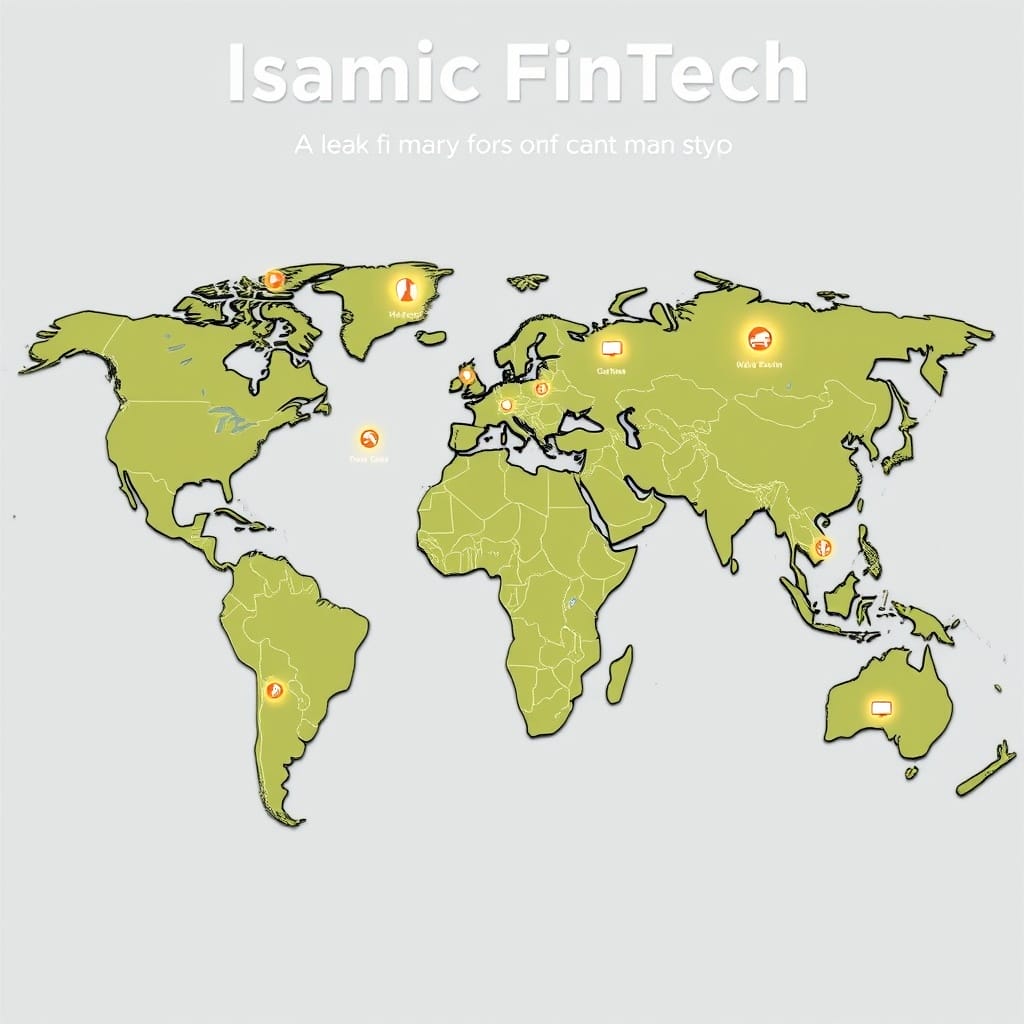
The global Islamic FinTech landscape is dominated by markets like Malaysia, Saudi Arabia, and the UAE. These regions have embraced innovation while staying true to Sharia principles. Their regulatory frameworks are tailored to support FinTech growth, attracting startups and investors alike. The result is a vibrant ecosystem that sets the benchmark for others to follow.
Europe and North America are also emerging as key players, driven by demand for ethical finance. The diversity of these markets highlights the universal appeal of Islamic FinTech. By leveraging global asset management trends, these regions are shaping the future of finance. The competition is fierce, but the opportunities are boundless.
Comparative Analysis
A comparative analysis reveals stark differences in adoption rates and regulatory approaches. Southeast Asia leads in innovation, while the Middle East excels in scalability. Each market brings unique strengths to the table, enriching the global ecosystem. Understanding these nuances is key to unlocking growth potential.
The role of cultural and economic factors cannot be overstated. They influence everything from product design to consumer behaviour. By studying these patterns, we can tailor solutions to local needs. The goal is to create a cohesive yet diverse global landscape. This balance is the hallmark of a mature and inclusive industry.
Growth Potential
The growth potential of Islamic FinTech is immense, with projections pointing to exponential expansion. Emerging markets offer untapped opportunities, driven by increasing financial inclusion. Technological advancements will further accelerate this growth, making Islamic finance more accessible than ever.
The convergence of FinTech and Islamic finance is a game-changer. It promises to redefine how we think about ethical investing and risk management. The future is bright, and the possibilities are endless. By staying ahead of trends, we can capitalise on this momentum and drive meaningful change.
Technology Adoption in Islamic Financial Institutions
Barriers to Adoption
Adopting new technology in Islamic financial institutions isn’t always straightforward. We face challenges like legacy systems, resistance to change, and concerns about Sharia compliance. Many institutions rely on outdated infrastructure, making integration with modern FinTech solutions difficult. Additionally, staff and customers may hesitate to embrace digital transformation due to unfamiliarity or fear of compromising ethical standards. Balancing innovation with adherence to Islamic principles is a delicate act, but it’s one we must navigate to stay competitive.
Another significant barrier is the lack of standardised regulatory frameworks for Islamic FinTech. Without clear guidelines, institutions may struggle to ensure their digital solutions align with Sharia law. This uncertainty can slow down adoption, as compliance risks are high. However, we believe collaboration between regulators, scholars, and tech providers can bridge this gap. By addressing these challenges head-on, we can unlock the full potential of technology in Islamic finance.
Strategies for Successful Implementation
To overcome these barriers, we need a strategic approach. First, investing in staff training and customer education is crucial. By building awareness and confidence in digital tools, we can ease the transition. Second, partnering with FinTech startups specialising in Sharia-compliant solutions can accelerate innovation. These collaborations allow us to leverage cutting-edge technology while maintaining ethical integrity. Finally, engaging with regulators and scholars early in the process ensures compliance from the outset.
Pilot programmes are another effective strategy. Testing new technologies on a small scale helps identify potential issues before full-scale implementation. For example, digital transformation in asset management has shown promising results when rolled out incrementally. By taking a phased approach, we can minimise disruption and build trust among stakeholders. The key is to prioritise transparency and communication at every step.
Case Studies
Several Islamic financial institutions have successfully embraced technology. One notable example is a digital Islamic bank that launched a fully Sharia-compliant mobile banking app. The app offers features like profit-sharing accounts and ethical investment options, all while ensuring compliance with Islamic principles. Another case is a blockchain-based Sukuk platform that streamlined issuance and trading, reducing costs and increasing transparency. These innovations demonstrate the transformative power of technology when aligned with Islamic values.
In Malaysia, a leading Islamic bank integrated AI-driven chatbots to enhance customer service while adhering to ethical guidelines. The chatbots provide instant responses to queries about halal investments and other Sharia-compliant products. This not only improved efficiency but also strengthened customer trust. These case studies highlight the importance of tailoring technology to meet the unique needs of Islamic finance. By learning from these successes, we can replicate and scale similar initiatives across the industry.
Consumer Protection in Islamic FinTech
Ensuring Fairness and Transparency
Consumer protection is a cornerstone of Islamic finance, and FinTech is no exception. We must ensure that digital platforms uphold fairness and transparency in all transactions. This includes clear disclosure of terms, fees, and risks associated with Sharia-compliant products. Digital contracts, for instance, should be easily accessible and understandable to avoid misunderstandings. By prioritising transparency, we can build trust and encourage wider adoption of Islamic FinTech solutions.
Another critical aspect is data privacy. Islamic FinTech platforms must comply with global data protection regulations while aligning with ethical standards. Customers need assurance that their personal and financial information is secure. Implementing robust cybersecurity measures and regular audits can help achieve this. Additionally, providing customers with control over their data fosters trust. Fairness and transparency aren’t just regulatory requirements—they’re ethical imperatives in Islamic finance.
Dispute Resolution Mechanisms
Disputes are inevitable, even in digital finance. That’s why we need effective resolution mechanisms tailored to Islamic FinTech. Online mediation and arbitration platforms can offer swift and fair resolutions while adhering to Sharia principles. These platforms should be accessible, user-friendly, and impartial. Incorporating blockchain technology can also enhance transparency in dispute resolution by providing an immutable record of transactions and agreements.
Collaboration with regulatory bodies is essential to standardise these mechanisms. For example, financial services law experts can help design frameworks that balance innovation with consumer protection. By establishing clear guidelines, we can ensure that disputes are resolved fairly and efficiently. This not only protects consumers but also strengthens the credibility of Islamic FinTech as a whole.
Educating Consumers
Education is key to empowering consumers in the digital age. Many users may not fully understand how Islamic FinTech works or how it differs from conventional options. We can address this through targeted awareness campaigns, webinars, and interactive tools. For instance, explainer videos on profit-sharing models or halal investment criteria can demystify complex concepts. By making information accessible, we help consumers make informed decisions.
Partnerships with educational institutions and community organisations can amplify these efforts. Workshops on digital literacy and financial management can equip consumers with the skills they need to navigate Islamic FinTech confidently. Additionally, sustainable asset management principles can be integrated into educational content to highlight the ethical benefits of Islamic finance. Educated consumers are not only more confident but also more likely to advocate for the industry.
The Future of Islamic Finance and FinTech
Innovations on the Horizon
The future of Islamic finance is brimming with potential, thanks to emerging technologies. We’re excited about advancements like decentralised finance (DeFi) platforms that comply with Sharia principles. These platforms could offer halal lending, staking, and yield-generating opportunities without interest. Similarly, AI-driven robo-advisors tailored for ethical investing are on the rise. These innovations promise to make Islamic finance more accessible and efficient for a global audience.
Another area of growth is tokenisation of Islamic financial instruments. Sukuk and other Sharia-compliant assets can be digitised, enabling fractional ownership and liquidity. This opens doors for smaller investors to participate in ethical finance. As these technologies evolve, we must ensure they align with Islamic values. Collaboration between tech developers, scholars, and regulators will be crucial to harness these opportunities responsibly.
The Role of Collaboration
Collaboration is the backbone of progress in Islamic FinTech. We need partnerships between traditional financial institutions, startups, and regulators to drive innovation. For example, FinTech regulation experts can help shape policies that foster growth while ensuring compliance. Similarly, cross-border collaborations can standardise practices and expand the reach of Islamic finance. By working together, we can create a cohesive ecosystem that benefits everyone.
Academic institutions also play a vital role. Research centres focused on Islamic FinTech can bridge the gap between theory and practice. They can explore topics like the ethical implications of AI or blockchain in finance. These insights can inform industry practices and regulatory frameworks. Collaboration isn’t just about sharing resources—it’s about building a shared vision for the future of Islamic finance.
Preparing for the Future
To stay ahead, we must proactively prepare for the future. This means investing in talent development to equip professionals with the skills needed for a digital Islamic finance landscape. Continuous learning programmes and certifications in FinTech and Sharia compliance can help. Additionally, fostering a culture of innovation within institutions encourages experimentation and adaptation. The goal is to create a workforce that’s agile and forward-thinking.
Infrastructure upgrades are equally important. Cloud computing, cybersecurity, and data analytics should be prioritised to support digital transformation. By future-proofing our systems, we can seamlessly integrate new technologies as they emerge. The future of Islamic finance is bright, but it requires deliberate effort and collaboration. Together, we can build an inclusive, ethical, and technologically advanced financial ecosystem.
Frequently Asked Questions
What are the main challenges of integrating FinTech in Islamic finance?
The primary challenges include ensuring Sharia compliance, overcoming legacy systems, and addressing resistance to change. Regulatory uncertainty and the need for standardised frameworks also pose hurdles. However, these challenges can be mitigated through collaboration, education, and phased implementation strategies.
How does Islamic FinTech ensure consumer protection?
Islamic FinTech platforms prioritise fairness, transparency, and data privacy. They employ robust cybersecurity measures, clear disclosure practices, and Sharia-compliant dispute resolution mechanisms. Consumer education initiatives further empower users to make informed decisions.
What role does blockchain play in Islamic finance?
Blockchain enhances transparency and efficiency in Islamic finance by enabling secure, immutable transactions. It’s particularly useful for Sukuk issuance, smart contracts, and ethical supply chain financing. However, its applications must align with Sharia principles to ensure compliance.
How can Islamic financial institutions prepare for digital transformation?
Institutions should invest in staff training, upgrade infrastructure, and pilot new technologies. Partnering with FinTech startups and engaging regulators early can also smooth the transition. A focus on ethical compliance and consumer trust is essential throughout the process.
What are the future trends in Islamic FinTech?
Emerging trends include Sharia-compliant DeFi, AI-driven robo-advisors, and tokenisation of Islamic assets. Collaboration between stakeholders and continuous innovation will drive these advancements, making Islamic finance more accessible and efficient globally.
