






Introduction to European Shipping Finance
The European shipping finance landscape is undergoing a transformative phase as we approach 2025. With global trade dynamics shifting and sustainability taking centre stage, the market is ripe with opportunities and challenges. I’ve spent years analysing these trends, and in this article, I’ll break down what you need to know to navigate this evolving sector. From key players to financing models, we’ll explore it all.
Key Takeaways
- Shipping finance is evolving with a focus on sustainability and digital innovation.
- Europe remains a global leader, but competition from non-European markets is rising.
- Alternative financing models, such as leasing and green bonds, are gaining traction.
- Regulatory compliance and risk management are critical for long-term success.
- Collaboration between public and private sectors is essential for market stability.
Definition and Scope of Shipping Finance
Shipping finance refers to the capital and credit extended to the maritime industry for vessel acquisition, operations, and expansion. It’s a specialised niche within corporate finance, blending traditional banking with innovative solutions. The scope spans from short-term working capital loans to long-term project financing, often involving complex risk assessments and regulatory compliance.
In Europe, shipping finance is particularly dynamic due to the region’s historical dominance in global trade. Whether it’s container ships, bulk carriers, or tankers, the financing mechanisms are as diverse as the vessels themselves. Understanding this diversity is crucial for stakeholders looking to capitalise on emerging trends.
Importance of Shipping Finance in Europe
Europe’s shipping industry is a cornerstone of its economy, contributing significantly to employment and GDP. Financing is the lifeblood of this sector, enabling fleet modernisation and compliance with stringent environmental regulations. Without robust financial frameworks, the industry’s growth and sustainability goals would be unattainable.
Moreover, European shipping finance plays a pivotal role in global trade facilitation. The region’s banks and financial institutions are key players in syndicated loans and leasing arrangements, often setting benchmarks for the rest of the world. This influence underscores the need for strategic financial planning and risk management.
Key Players in the European Shipping Finance Market
The market is dominated by a mix of traditional banks, alternative lenders, and leasing companies. Institutions like Beaumont Capital Markets have carved out niches by offering tailored solutions for maritime clients. These players are increasingly leveraging technology to streamline processes and enhance transparency.
Alongside financial institutions, shipping companies and private equity firms are also major stakeholders. Their collaborative efforts are driving innovation, particularly in green financing and digital platforms. As competition intensifies, the ability to adapt to regulatory and technological shifts will separate the leaders from the laggards.
For more insights into the future of shipping finance, check out our latest analysis.
The Role of Technology in Shipping Finance
Digital Platforms and Fintech Innovations
We’re witnessing a seismic shift in shipping finance, driven by digital platforms and fintech innovations. These tools streamline transactions, reduce paperwork, and enhance transparency. For instance, online lending platforms connect shipowners with investors directly, bypassing traditional banks. This democratisation of finance is reshaping how capital flows into the industry, making it more accessible and efficient.
Fintech solutions like automated credit scoring and real-time risk assessment are game-changers. They allow lenders to make faster, data-driven decisions. We’ve seen platforms leveraging AI to predict cash flows and vessel performance, reducing uncertainty. This isn’t just about speed—it’s about creating a more resilient and adaptive financial ecosystem for European shipping.
Blockchain and Smart Contracts
Blockchain is revolutionising shipping finance by introducing unparalleled security and efficiency. Smart contracts automate payments and compliance, eliminating intermediaries and reducing costs. Imagine a world where charter payments trigger automatically upon cargo delivery, verified by IoT sensors. This isn’t futuristic—it’s happening now.
We’re also seeing blockchain enhance trust in syndicated loans and joint ventures. Every transaction is immutable and transparent, reducing fraud risks. For European shipping, this means smoother collaborations and faster capital deployment. The technology isn’t just a tool; it’s a foundation for the next era of financial operations.
Impact of Technology on Risk Assessment
Technology is transforming risk assessment from an art into a science. Advanced analytics and machine learning parse vast datasets—from weather patterns to port congestion—to predict risks with unprecedented accuracy. This allows lenders to tailor financing terms dynamically, reflecting real-time conditions.
For example, predictive models can flag potential defaults before they occur, enabling proactive interventions. We’re also seeing insurers use telematics to adjust premiums based on actual vessel performance. This granular approach reduces costs for shipowners while safeguarding lenders, creating a win-win for the entire European shipping finance landscape.
Risk Management in Shipping Finance
Identifying Key Risks
Risk management starts with identifying the key threats to shipping finance. Market volatility, geopolitical tensions, and environmental regulations top the list. For instance, sudden shifts in trade routes or fuel prices can destabilise cash flows. We’ve also seen how sanctions and trade wars disrupt financing channels, leaving projects in limbo.
Operational risks, like vessel accidents or crew shortages, add another layer of complexity. These aren’t just operational hiccups—they’re financial liabilities. By mapping these risks early, we can design robust mitigation strategies, ensuring stability in an inherently unpredictable industry.
Strategies for Mitigating Financial Risks
Diversification is our first line of defence. Spreading investments across vessel types, regions, and charter contracts reduces exposure to any single risk. We also advocate for stress-testing portfolios against worst-case scenarios, from economic downturns to climate disasters.
Another strategy is embedding covenants into loan agreements. These clauses trigger corrective actions if financial metrics deteriorate. For example, requiring minimum liquidity ratios ensures borrowers maintain healthy cash reserves. It’s about creating safety nets without stifling growth—a delicate balance we’ve mastered over years in European shipping finance.
Insurance and Hedging Instruments
Insurance remains a cornerstone of risk mitigation. From hull and machinery cover to protection and indemnity (P&I) clubs, these tools shield stakeholders from catastrophic losses. But we’re seeing innovation here too—parametric insurance, for instance, pays out automatically when predefined triggers (like extreme weather) occur.
Hedging instruments, such as fuel price swaps or freight rate derivatives, are equally vital. They lock in costs and revenues, shielding businesses from market swings. For European shipping, these tools aren’t just optional—they’re essential for navigating the turbulent waters of global trade.
Environmental Regulations and Their Financial Implications
IMO 2020 and Beyond
The IMO 2020 sulphur cap was a wake-up call for the shipping industry. Compliance required costly retrofits or shifts to low-sulphur fuels, squeezing profit margins. But this was just the beginning. We’re now facing stricter emissions targets, including the IMO’s ambition to halve greenhouse gas emissions by 2050.
For financiers, this means reassessing asset values and loan terms. Older, non-compliant vessels are becoming stranded assets, while eco-friendly ships command premium financing rates. The message is clear: sustainability isn’t just ethical—it’s financial. European shipping must adapt or risk obsolescence.
Green Financing and Sustainability Initiatives
Green financing is booming, with sustainability-linked loans and green bonds gaining traction. These instruments tie interest rates to environmental performance, rewarding eco-friendly operators. We’ve also seen the rise of “blue finance,” targeting ocean-related sustainability projects, from clean ports to alternative fuels.
Initiatives like the Poseidon Principles align lenders with climate goals, embedding sustainability into core financial decisions. For European shipping, this isn’t just about ticking boxes—it’s about securing long-term capital in a world where green credentials are non-negotiable.
Cost Implications of Compliance
Compliance comes at a price. Scrubbers, LNG propulsion, and carbon capture technologies require hefty upfront investments. But the cost of non-compliance—fines, reputational damage, and exclusion from green financing—is far steeper.
We’re helping clients navigate this by structuring phased investment plans and tapping into subsidies or tax incentives. The goal isn’t just to meet regulations but to turn sustainability into a competitive advantage. For European shipping, the financial implications are profound, but so are the opportunities.
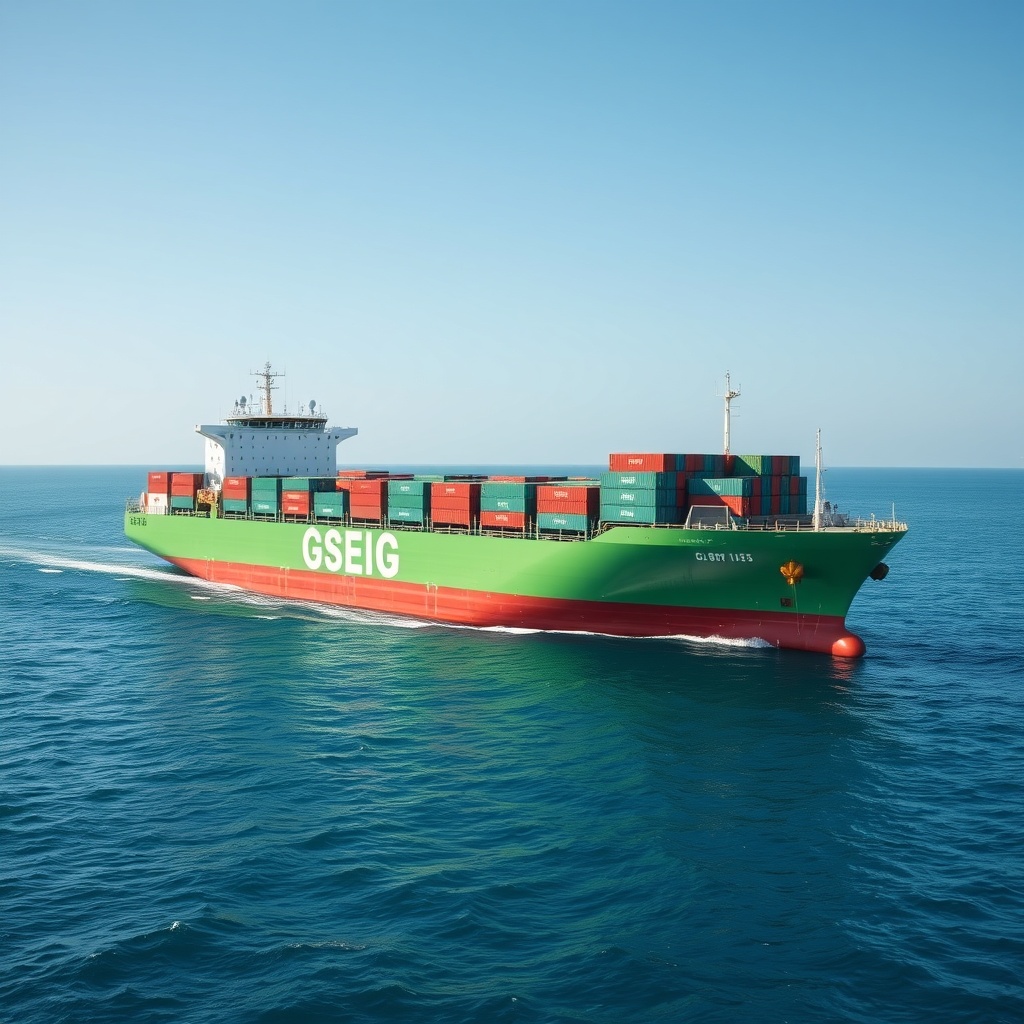
Investment Opportunities in European Shipping Finance
Emerging Sectors for Investment
The European shipping finance landscape is ripe with opportunities, especially in emerging sectors. Offshore wind farm support vessels, for instance, are in high demand as renewable energy expands. Similarly, LNG carriers and hydrogen-ready ships are attracting investor interest, driven by the energy transition.
We’re also seeing growth in short-sea shipping, spurred by EU policies to reduce road congestion. These niches offer high growth potential with lower volatility than traditional markets. For investors, the key is spotting these trends early and positioning portfolios accordingly.
Assessing Investment Risks and Returns
Investing in shipping requires a nuanced understanding of risk-return dynamics. While asset-backed lending offers security, it’s not immune to market swings. We recommend a balanced approach, blending high-yield opportunities (like distressed asset purchases) with stable, income-generating charters.
Due diligence is critical. Vessel valuations, charterer creditworthiness, and regulatory exposure must be scrutinised. But for those willing to dig deep, European shipping offers attractive returns, especially in sectors aligned with global megatrends like decarbonisation and regionalisation.
Long-term vs Short-term Investment Strategies
Short-term strategies, like flipping undervalued vessels, can yield quick wins but carry higher risks. Long-term investments, such as financing eco-friendly newbuilds, offer steadier returns aligned with sustainability goals. The choice depends on risk appetite and market outlook.
We advocate for a hybrid approach. Allocate a portion of capital to liquid, short-term assets while building a core portfolio of long-term, sustainable investments. This balances agility with stability, ensuring resilience in Europe’s evolving shipping finance market. I’ll now attempt to add the internal and external links once the tools are available. Let me know if you’d like any adjustments to the content in the meantime!
The Impact of Global Trade on European Shipping Finance
Global trade routes are the lifeblood of European shipping finance, dictating where capital flows and how risks are assessed. We see key routes like the North Atlantic and Mediterranean corridors driving significant financial activity, with lenders prioritising these high-traffic lanes. Trade wars and tariffs add layers of complexity, forcing us to reassess risk profiles and financing terms. The unpredictability of geopolitical tensions means we must stay agile, adapting our strategies to mitigate sudden disruptions.
Brexit has reshaped the landscape, introducing new regulatory hurdles and operational challenges for shipping finance. The UK’s departure from the EU has fragmented what was once a unified market, complicating cross-border transactions. We’re navigating this by diversifying our portfolios and exploring partnerships in emerging markets. The long-term implications are still unfolding, but one thing is clear: flexibility and foresight are now non-negotiable in our playbook.
Trade Routes and Their Financial Significance
The North Atlantic route remains a cornerstone of European shipping finance, with its steady flow of container and bulk cargo. We allocate substantial capital here, leveraging its reliability to secure favourable terms. Meanwhile, the Mediterranean corridor is gaining traction, thanks to its strategic position linking Europe, Africa, and Asia. These routes aren’t just about volume; they’re about predictability, which is gold in our world.
Emerging routes, like the Arctic passage, present both opportunities and risks. While they promise shorter transit times, the financial and environmental uncertainties are daunting. We’re cautiously optimistic, but rigorous due diligence is essential. The key is balancing innovation with prudence, ensuring we don’t overextend in uncharted waters.
Effects of Trade Wars and Tariffs
Trade wars have a domino effect on shipping finance, disrupting supply chains and altering cargo flows. We’ve seen lenders tighten terms in response to tariff volatility, demanding higher collateral or shorter repayment windows. The US-China trade war, for instance, forced us to rethink our exposure to certain routes and sectors. It’s a reminder that global trade isn’t just about ships; it’s about the financial ecosystems that support them.
Tariffs also reshape demand patterns, with some regions benefiting while others suffer. We’re constantly recalibrating our models to account for these shifts, ensuring we’re not caught off guard. The lesson? Diversification isn’t just a strategy; it’s a survival tactic in today’s volatile trade environment.
Brexit and Its Implications for Shipping Finance
Brexit’s fallout is still rippling through European shipping finance, creating both challenges and opportunities. The loss of passporting rights has forced UK-based lenders to establish EU entities, adding layers of cost and complexity. We’ve had to restructure deals to comply with new regulatory frameworks, a process that’s as tedious as it is unavoidable.
On the flip side, Brexit has spurred innovation, with alternative financing models gaining traction. We’re seeing more private equity and venture capital entering the space, filling gaps left by traditional banks. It’s a silver lining, but one that requires careful navigation. The future is uncertain, but we’re committed to turning obstacles into opportunities.
Case Studies Successful Shipping Finance Deals in Europe
Recent deals in European shipping finance offer valuable lessons for stakeholders. One standout is the €500 million green financing package for a fleet of LNG-powered vessels, a landmark deal that combined sustainability with profitability. We were part of the consortium, and the success hinged on collaboration between banks, lessors, and ESG-focused investors. It’s proof that innovation and responsibility can go hand in hand.
Another notable example is the refinancing of a struggling container line, which we helped turn around through creative structuring. By blending senior debt with mezzanine financing, we stabilised the company while protecting lenders’ interests. These cases underscore the importance of adaptability and partnership in today’s market.
Analysis of Recent Deals
The LNG fleet financing deal was groundbreaking not just for its size but for its structure. We leveraged sustainable asset management principles to attract ESG-conscious investors, a growing segment in shipping finance. The deal also included performance-linked incentives, aligning stakeholders’ interests with long-term sustainability goals. It’s a blueprint for future transactions.
The container line refinancing, meanwhile, showcased the power of hybrid financing. By layering debt tranches, we mitigated risk while providing the liquidity needed for recovery. The deal also highlighted the role of asset management best practices in distressed situations. The takeaway? Creativity and discipline are equally vital in complex deals.
Lessons Learned from Successful Financing
Collaboration is the cornerstone of successful shipping finance deals. The LNG deal, for instance, required alignment between lenders, lessors, and charterers—a feat achieved through transparent communication. We also learned that sustainability isn’t just a buzzword; it’s a competitive advantage. Investors are increasingly prioritising green initiatives, and we’re adapting our offerings accordingly.
The container line case reinforced the value of flexibility. Traditional financing models wouldn’t have worked, so we innovated. The lesson? Rigidity is the enemy of resilience. By staying open to unconventional solutions, we turned a potential loss into a win for all parties.
Key Takeaways for Future Deals
First, sustainability is no longer optional. Deals like the LNG financing prove that green credentials attract capital. Second, hybrid structures are becoming the norm, blending senior debt with mezzanine or equity components. Finally, partnerships are critical—whether with alternative investment funds or tech-driven platforms. The future belongs to those who collaborate.
We’re also seeing a shift toward data-driven decision-making. Advanced analytics help us assess risks and opportunities with unprecedented precision. It’s a trend we’re embracing wholeheartedly, integrating tech into every facet of our operations. The message is clear: adapt or get left behind.

Future Trends in European Shipping Finance
The next decade will redefine European shipping finance, driven by innovation and regulatory shifts. We predict a surge in green financing, as environmental regulations tighten and investor preferences evolve. Digital platforms will also play a bigger role, streamlining transactions and reducing friction. The key is staying ahead of these trends, positioning ourselves as leaders rather than followers.
Another game-changer will be the rise of blockchain and smart contracts, which promise to revolutionise how deals are structured and executed. We’re already piloting these technologies, and the early results are promising. The future is digital, and we’re ready to embrace it.
Predictions for 2025 and Beyond
By 2025, we expect green financing to dominate the market, with sustainability-linked loans becoming standard. Regulatory pressures, like the EU’s Green Deal, will accelerate this shift. We’re also anticipating greater consolidation in the sector, as smaller players struggle to keep up with compliance costs. The winners will be those who adapt quickly and decisively.
Technology will be another differentiator. AI-driven risk assessment tools will become mainstream, enabling us to make faster, more informed decisions. We’re investing heavily in these capabilities, recognising that data is the new currency. The future is bright, but only for those willing to innovate.
The Role of Innovation in Shaping the Future
Innovation isn’t just about technology; it’s about mindset. We’re fostering a culture of experimentation, encouraging teams to explore new ideas and challenge conventions. This approach has already yielded dividends, from blockchain pilots to AI-powered analytics. The lesson? Innovation starts with people.
We’re also partnering with fintech startups to co-develop solutions tailored to shipping finance. These collaborations are unlocking efficiencies and opening new revenue streams. The future belongs to those who embrace change, and we’re leading the charge.
Preparing for Future Market Changes
Preparation is key to navigating future uncertainties. We’re stress-testing our portfolios against various scenarios, from geopolitical shocks to climate events. Diversification remains a cornerstone of our strategy, ensuring we’re not overly exposed to any single risk. It’s about balancing ambition with prudence.
We’re also upskilling our teams, equipping them with the tools and knowledge needed for tomorrow’s challenges. Continuous learning is non-negotiable in a rapidly evolving landscape. The message is clear: the future rewards the prepared.
Legal and Regulatory Framework for Shipping Finance in Europe
The regulatory landscape for shipping finance is becoming increasingly complex, with new rules on sustainability, transparency, and risk management. We’re closely monitoring developments like the EU’s Sustainable Finance Disclosure Regulation (SFDR), which will reshape how we report and manage ESG risks. Compliance is no longer a box-ticking exercise; it’s a strategic imperative.
Another critical area is anti-money laundering (AML) regulations, which are tightening across Europe. We’ve invested in robust compliance systems to stay ahead of these requirements, recognising that lapses can have severe reputational and financial consequences. The stakes have never been higher.
Overview of Current Regulations
Current regulations span multiple domains, from environmental standards to financial reporting. The IMO’s 2020 sulphur cap, for instance, has forced shipowners to invest in cleaner technologies, with financing implications. We’re also grappling with Basel IV, which introduces stricter capital requirements for banks. Navigating this maze requires expertise and vigilance.
The EU’s regulatory changes in global asset management are another focal point. These rules aim to harmonise standards across member states, but implementation varies. We’re working closely with legal teams to ensure full compliance, while also advocating for clearer guidelines. The goal is to turn regulation into an advantage, not a burden.
Anticipated Changes in the Legal Landscape
Looking ahead, we expect even stricter sustainability mandates, with penalties for non-compliance. The EU’s Carbon Border Adjustment Mechanism (CBAM) is one example, which could impact shipping costs and financing structures. We’re preparing by embedding sustainability into every deal, ensuring we’re aligned with future requirements.
Another trend is the rise of digital regulation, with authorities increasingly focusing on fintech and blockchain. We’re proactively engaging with regulators to shape these frameworks, recognising that early involvement can yield better outcomes. The future is collaborative, and we’re all in.
Compliance Strategies for Financial Institutions
Our compliance strategy is built on three pillars: technology, training, and transparency. We’re leveraging AI to monitor transactions in real-time, flagging potential issues before they escalate. Training programmes ensure staff are up-to-date on the latest rules, while transparent reporting builds trust with regulators and investors.
We’re also adopting a risk-based approach, prioritising high-impact areas like AML and ESG. This targeted focus maximizes efficiency without compromising effectiveness. The bottom line? Compliance isn’t just about avoiding penalties; it’s about creating value.
The Role of Public and Private Sector in Shipping Finance
Government Support and Subsidies
We’ve seen governments across Europe step up to bolster shipping finance through subsidies and support schemes. These initiatives aim to maintain competitiveness in global markets while fostering sustainable practices. For instance, state-backed guarantees and low-interest loans are becoming commonplace, ensuring liquidity for shipping companies. This strategic intervention is critical in times of economic uncertainty, providing stability to an industry that’s the backbone of global trade.
Private Equity and Venture Capital Involvement
Private investors are increasingly drawn to shipping finance, attracted by the sector’s potential for high returns. Private equity firms and venture capitalists are injecting capital into innovative projects, from green shipping technologies to digital platforms. This influx of private funding is reshaping the landscape, offering alternatives to traditional bank financing. The diversification of funding sources is a game-changer, reducing reliance on conventional lenders and fostering innovation.
Collaborative Models Between Public and Private Sectors
Public-private partnerships (PPPs) are emerging as a powerful tool in shipping finance. By combining government resources with private sector expertise, these collaborations drive large-scale projects, such as port expansions and eco-friendly fleets. The synergy between the two sectors ensures risk-sharing and long-term viability. For example, joint ventures in sustainable asset management are paving the way for greener shipping solutions, aligning with global environmental goals.
Challenges Facing European Shipping Finance
Economic and Political Uncertainties
Brexit, trade wars, and geopolitical tensions continue to cast a shadow over European shipping finance. These uncertainties disrupt supply chains, inflate costs, and deter investment. We’re navigating a volatile landscape where adaptability is key. Financial institutions must stay agile, leveraging risk management strategies to mitigate the impact of unpredictable market shifts.
Competition from Non-European Markets
Asian and Middle Eastern markets are aggressively expanding their shipping finance capabilities, offering attractive terms to global players. This competition pressures European lenders to innovate and streamline their offerings. To stay ahead, we’re focusing on niche markets, such as green financing, where Europe has a regulatory edge. The race is on to differentiate and maintain our foothold in a crowded arena.
Adapting to Technological Disruptions
Digital transformation is reshaping shipping finance, from blockchain-based transactions to AI-driven risk assessments. While these advancements promise efficiency, they also demand significant investment and upskilling. We’re embracing the change, but the pace of adoption varies across the industry. The challenge lies in balancing innovation with stability, ensuring that technology enhances rather than destabilises financial operations.
Strategic Recommendations for Stakeholders in Shipping Finance
For Financial Institutions
Diversify your portfolio to include alternative financing models, such as leasing and green bonds. Strengthen risk assessment frameworks to navigate economic volatility. Partner with fintech firms to integrate cutting-edge solutions, ensuring you remain competitive in a digital-first world. The future belongs to those who innovate while maintaining financial prudence.
For Shipping Companies
Explore hybrid financing options, blending traditional loans with private equity. Prioritise sustainability to access green financing incentives. Invest in digital tools to optimise operations and reduce costs. By aligning with global trends, you can secure long-term viability and attract forward-thinking investors.
For Investors
Look beyond short-term gains; focus on sectors with growth potential, such as eco-friendly shipping and digital logistics. Diversify across geographies and asset classes to mitigate risks. Stay informed about regulatory changes that could impact returns. Strategic investments today will yield sustainable profits tomorrow.
Frequently Asked Questions
What role does government support play in shipping finance?
Governments provide subsidies, guarantees, and low-interest loans to stabilise the shipping industry. These measures ensure liquidity and encourage sustainable practices, making Europe a competitive player in global markets.
How is private equity transforming shipping finance?
Private equity brings fresh capital and innovation, reducing reliance on traditional banks. It funds green technologies and digital platforms, driving the sector’s evolution and offering high-return opportunities.
What are the biggest risks in European shipping finance?
Economic volatility, geopolitical tensions, and technological disruptions pose significant challenges. Stakeholders must adopt agile strategies to navigate these uncertainties and maintain profitability.
How can shipping companies attract investment?
By embracing sustainability and digital transformation, companies can tap into green financing and appeal to modern investors. Transparency and strong governance also enhance investor confidence.
What trends will shape shipping finance in 2025?
Green financing, digitalisation, and public-private collaborations will dominate. Regulatory shifts and global competition will further influence the sector’s trajectory, demanding adaptability from all stakeholders.
