






Introduction to Freelancing in Bangladesh
Freelancing in Bangladesh has exploded over the past decade, transforming the way people work and earn. With a booming digital economy, freelancers are now a vital part of the workforce, contributing significantly to the country’s GDP. But navigating local finance rules—banking, tax, and pensions—can be tricky. I’ve been there, and I’m here to break it all down for you.
The Rise of Freelancing in Bangladesh
Bangladesh’s freelancing scene has grown exponentially, thanks to platforms like Upwork and Fiverr. The government has also recognised this shift, offering support through initiatives like the Digital Bangladesh vision. Freelancers now contribute over $1 billion annually to the economy, making it a lucrative career path for many.
However, with growth comes challenges. Many freelancers struggle with understanding their financial obligations, from opening bank accounts to filing taxes. It’s not just about earning—it’s about managing your money wisely. That’s where financial planning comes into play.
Understanding the Freelance Economy
The freelance economy in Bangladesh is diverse, spanning IT, design, writing, and more. Unlike traditional jobs, freelancing offers flexibility but lacks structured financial systems. This means you’re responsible for your own banking, taxes, and retirement planning—no employer to handle it for you.
One key challenge is managing irregular income. Unlike salaried employees, freelancers often face fluctuating earnings. This requires disciplined budgeting and saving strategies to ensure financial stability. Tools like asset management best practices can help streamline this process.
Banking for Freelancers in Bangladesh
Opening a Bank Account as a Freelancer
Opening a bank account as a freelancer in Bangladesh is straightforward, but you need to be prepared. Most banks require your National ID (NID), proof of address, and a tax identification number (TIN). Some banks might ask for additional documents like a freelancer certificate or client contracts. I recommend visiting the bank’s website or calling ahead to confirm the requirements. Once you’ve gathered everything, the process usually takes a day or two. Don’t forget to ask about online banking options—they’re a game-changer for managing your finances remotely.
Choosing the right bank is crucial. Look for one with low fees, good customer service, and robust online features. Many freelancers prefer banks like financial planning because they offer tailored services for freelancers. If you’re dealing with international clients, ensure the bank supports multi-currency accounts. This will save you from unnecessary conversion fees and make transactions smoother. Trust me, a little research now will save you headaches later.
Choosing the Right Bank for Freelancers
Not all banks are created equal, especially for freelancers. Some banks offer specialized accounts with lower fees and better support for irregular income. I’ve found that banks with a strong digital presence, like Dutch-Bangla Bank or BRAC Bank, are ideal for freelancers. They provide mobile apps that let you manage your account, pay bills, and even file taxes on the go. If you’re unsure, ask fellow freelancers for recommendations—word of mouth is often the best way to find a reliable bank.
Another factor to consider is the bank’s reputation for handling international transactions. Freelancers often receive payments from abroad, so you’ll want a bank that processes these quickly and transparently. Some banks charge exorbitant fees for incoming foreign transfers, so read the fine print. A good rule of thumb is to compare at least three banks before making a decision. Remember, your bank is your financial partner—choose wisely.
Managing International Transactions
International transactions can be tricky, but they don’t have to be a nightmare. First, ensure your bank offers SWIFT or SEPA transfers, as these are the most common methods for receiving payments from overseas clients. PayPal and Payoneer are also popular, but they come with their own fees and limitations. I’ve found that using a multi-currency account can save you money on conversion rates. Always confirm the payment method with your client upfront to avoid delays.
Taxes are another consideration. The Bangladesh Bank requires you to convert foreign earnings into local currency within a certain timeframe. Keep records of all transactions, as you’ll need them for tax filing. If you’re unsure about the rules, consult a financial advisor or check resources like asset management. Staying compliant will save you from penalties and ensure smooth sailing with your finances.
Tax Obligations for Freelancers
Understanding Tax Laws for Freelancers
Freelancers in Bangladesh are subject to income tax, just like any other professional. The tax rate depends on your annual earnings, with slabs ranging from 5% to 25%. The good news is that freelancers enjoy a tax exemption up to a certain threshold, but this might change soon. Always stay updated with the latest tax laws by checking the National Board of Revenue (NBR) website or consulting a tax professional. Ignorance isn’t an excuse when it comes to taxes.
One common misconception is that freelancers don’t need to file taxes if they earn below the taxable limit. While you might not owe anything, filing a return is still mandatory. It establishes your income history, which can be useful for loans or visas. I recommend setting aside 20-30% of your income for taxes to avoid surprises at the end of the year. Tools like portfolio management can help you track your earnings and expenses efficiently.
How to File Taxes as a Freelancer
Filing taxes as a freelancer in Bangladesh is simpler than you might think. First, register for a Tax Identification Number (TIN) if you don’t already have one. You can do this online or at your local tax office. Next, keep detailed records of your income and expenses throughout the year. This includes invoices, bank statements, and receipts for business-related purchases. When tax season rolls around, you’ll need to fill out the IT-10GA form, which is specifically for freelancers.
If you’re overwhelmed, consider hiring a tax consultant. They can help you navigate deductions and ensure you’re not overpaying. Many freelancers overlook deductions for home office expenses, internet bills, and even software subscriptions. These can significantly reduce your taxable income. Remember, the goal isn’t just to comply with the law—it’s to optimize your finances. A little effort now can save you a lot of money in the long run.
Tax Deductions and Benefits
Freelancers in Bangladesh can claim several deductions to lower their taxable income. Common deductions include office rent, utility bills, and professional development courses. If you work from home, you can even deduct a portion of your rent or mortgage interest. The key is to keep receipts and maintain a clear separation between personal and business expenses. I’ve found that using accounting software like QuickBooks or Wave makes this process much easier.
Another benefit is the ability to carry forward losses. If your expenses exceed your income in a given year, you can offset this against future profits. This is especially useful for freelancers just starting out. Don’t forget to explore government incentives for freelancers, such as reduced tax rates or grants for skill development. Staying informed about these opportunities can give you a competitive edge. For more insights, check out this external resource on freelancer taxes in Bangladesh.

Pension Plans for Freelancers
Overview of Pension Options
Freelancers in Bangladesh have several pension options to secure their future. The most common are personal pension plans offered by private insurers and government-backed schemes like the sustainable asset management program. Private plans often offer higher returns but come with higher fees. Government schemes, on the other hand, are more stable but may have lower growth potential. It’s essential to compare both options based on your risk tolerance and long-term goals.
Another option is to invest in a retirement savings account (RSA) through a licensed fund manager. These accounts allow you to contribute regularly and benefit from compound interest over time. Some freelancers also opt for real estate or mutual funds as part of their retirement strategy. The key is to start early—even small contributions can grow significantly over decades. Don’t wait until it’s too late to think about your retirement.
Setting Up a Personal Pension Plan
Setting up a personal pension plan is easier than you might think. Start by researching providers and comparing their offerings. Look for plans with flexible contribution options, low fees, and a solid track record. Many insurers offer online calculators to help you estimate your future payouts based on your contributions. Once you’ve chosen a plan, you’ll need to fill out an application form and provide identification documents. The process usually takes a few days.
Consistency is key when it comes to pension contributions. Set up automatic transfers to your pension account to ensure you don’t miss a payment. If your income fluctuates, consider contributing a percentage rather than a fixed amount. This way, you’ll save more during good months without straining your budget during lean periods. Remember, your future self will thank you for the discipline you show today.
Government vs Private Pension Plans
Government pension plans, like the one offered by the Bangladesh Post Office, are known for their reliability. They’re backed by the state, so your money is relatively safe. However, the returns are often modest, and the terms can be inflexible. Private pension plans, on the other hand, offer more customization and potentially higher returns. But they come with risks, including market volatility and the financial health of the provider.
I recommend a balanced approach. Consider splitting your contributions between a government plan for stability and a private plan for growth. Always read the fine print and ask questions about fees, withdrawal penalties, and death benefits. If you’re unsure, consult a financial advisor. Your pension is a long-term commitment, so take the time to make an informed decision. After all, it’s not just about saving for retirement—it’s about securing your peace of mind.
Financial Planning for Freelancers
Creating a Sustainable Budget
When I first started freelancing, I quickly realised the importance of a sustainable budget. Unlike traditional jobs, freelancing income can be irregular, making it crucial to plan ahead. I recommend tracking all expenses and income meticulously. Tools like spreadsheets or budgeting apps can help. Allocate funds for taxes, savings, and emergencies first. This ensures financial stability even during lean months. Remember, a budget isn’t restrictive—it’s empowering. It gives you control over your finances and peace of mind.
Another tip is to separate personal and business finances. Open a dedicated bank account for freelance earnings. This makes tracking easier and ensures you don’t dip into business funds for personal expenses. I also set aside a percentage of each payment for taxes. This avoids surprises during tax season. A sustainable budget isn’t just about surviving; it’s about thriving. With discipline, you can build a financial cushion that supports your freelance journey.
Saving Strategies for Irregular Income
Irregular income is one of the biggest challenges freelancers face. I’ve learned to adopt a “feast or famine” mindset. During high-earning months, I save aggressively. This creates a buffer for slower periods. A good rule is to save at least 20-30% of your income. I also use the 50/30/20 rule: 50% for needs, 30% for wants, and 20% for savings. This keeps my finances balanced.
Another strategy is to diversify income streams. Relying on a single client or platform is risky. I explore multiple revenue sources, such as passive income or retainer contracts. This reduces financial volatility. Additionally, I keep an emergency fund with at least six months’ worth of expenses. This safety net has saved me during unexpected dry spells. Freelancing is unpredictable, but with smart saving strategies, you can navigate the ups and downs confidently.
Investing for the Future
Investing is often overlooked by freelancers, but it’s essential for long-term financial health. I started small, focusing on low-risk options like mutual funds or government bonds. Over time, I diversified into stocks and real estate. The key is to start early and stay consistent. Even small, regular investments can grow significantly thanks to compound interest. I also consult a financial advisor to align my investments with my goals.
Another avenue is retirement planning. Freelancers don’t have employer-sponsored pensions, so it’s up to us to plan. I opened a personal pension plan and contribute monthly. This ensures I’m not solely reliant on savings in my later years. Investing isn’t just for the wealthy—it’s for anyone who wants financial security. With patience and discipline, you can build a portfolio that supports your future.
Legal Considerations for Freelancers
Contract Essentials for Freelancers
Contracts are the backbone of freelance work. I never start a project without a clear, written agreement. A good contract outlines scope, deadlines, payment terms, and deliverables. It protects both parties and prevents misunderstandings. I use templates but tailor them to each project. Including clauses for revisions, late payments, and termination is crucial. This ensures I’m compensated fairly for my work.
Another tip is to specify ownership of work. Clarify whether the client gets full rights or if you retain some. This avoids disputes later. I also include a confidentiality clause if needed. Contracts might seem tedious, but they’re a freelancer’s best friend. They provide legal protection and professional credibility. Don’t shy away from them—embrace them as part of your business toolkit.
Protecting Your Intellectual Property
As a freelancer, my ideas and creations are my livelihood. Protecting intellectual property (IP) is non-negotiable. I always register copyrights for original work. This gives me legal recourse if someone steals or misuses it. For software or inventions, patents might be necessary. I also use watermarks or NDAs when sharing drafts. This deters unauthorised use.
Another layer of protection is clear contracts. I specify IP ownership upfront. Sometimes, I license work instead of transferring rights. This allows me to earn ongoing royalties. IP theft is rampant, but proactive measures can safeguard your hard work. Don’t assume clients will respect your rights—spell them out clearly and legally.
Handling Disputes and Legal Issues
Disputes are inevitable in freelancing. I’ve learned to address them professionally and promptly. First, I refer to the contract. It’s the foundation for resolving conflicts. If discussions fail, mediation is a cost-effective next step. I avoid litigation unless absolutely necessary—it’s expensive and time-consuming. Instead, I focus on clear communication and documentation.
Another tip is to know your local laws. Understanding freelancer rights in Bangladesh helps in disputes. For instance, unpaid invoices can be pursued through small claims court. I also keep records of all communications and transactions. This evidence is invaluable if legal action is unavoidable. Freelancing is rewarding, but legal preparedness ensures you’re not left vulnerable.
Digital Payment Solutions
Popular Digital Wallets in Bangladesh
Digital wallets have revolutionised how I receive payments. In Bangladesh, options like bKash, Nagad, and Rocket are widely used. They’re fast, secure, and convenient. I link them to my bank account for seamless transfers. These wallets also support mobile top-ups and bill payments. For freelancers, they’re a game-changer—no more waiting for cheques or bank delays.
Another advantage is accessibility. Even clients without international banking can pay via these platforms. I always confirm transaction fees beforehand, though. Some wallets charge for transfers or withdrawals. Despite this, the convenience outweighs the costs. Digital wallets are a must-have for any freelancer in Bangladesh. They simplify finances and speed up cash flow.
Using PayPal and Other International Services
International clients often prefer PayPal. While it’s not directly available in Bangladesh, I use intermediary services like Payoneer. These platforms convert payments into local currency. Fees can be high, but the global reach is worth it. I also explore alternatives like Wise (formerly TransferWise) for lower fees. Each service has pros and cons, so I choose based on client preferences and cost.
Another tip is to stay updated on regulations. Some platforms have restrictions or require verification. I ensure my accounts are fully compliant to avoid holds or bans. International payments can be tricky, but with the right tools, they’re manageable. Diversifying payment methods ensures I never miss out on opportunities.
Security Tips for Online Transactions
Online security is paramount for freelancers. I use strong, unique passwords for all payment platforms. Two-factor authentication adds an extra layer of protection. I also avoid public Wi-Fi for financial transactions. Hackers love unsecured networks, and I don’t want to risk my hard-earned money.
Another practice is to verify clients before accepting payments. Scams are rampant, especially with new clients. I request partial upfront payments for large projects. This reduces risk. Additionally, I monitor accounts regularly for suspicious activity. Quick action can prevent major losses. Freelancing is digital by nature, but vigilance keeps my finances safe.
Currency Exchange and Conversion
Understanding Exchange Rates
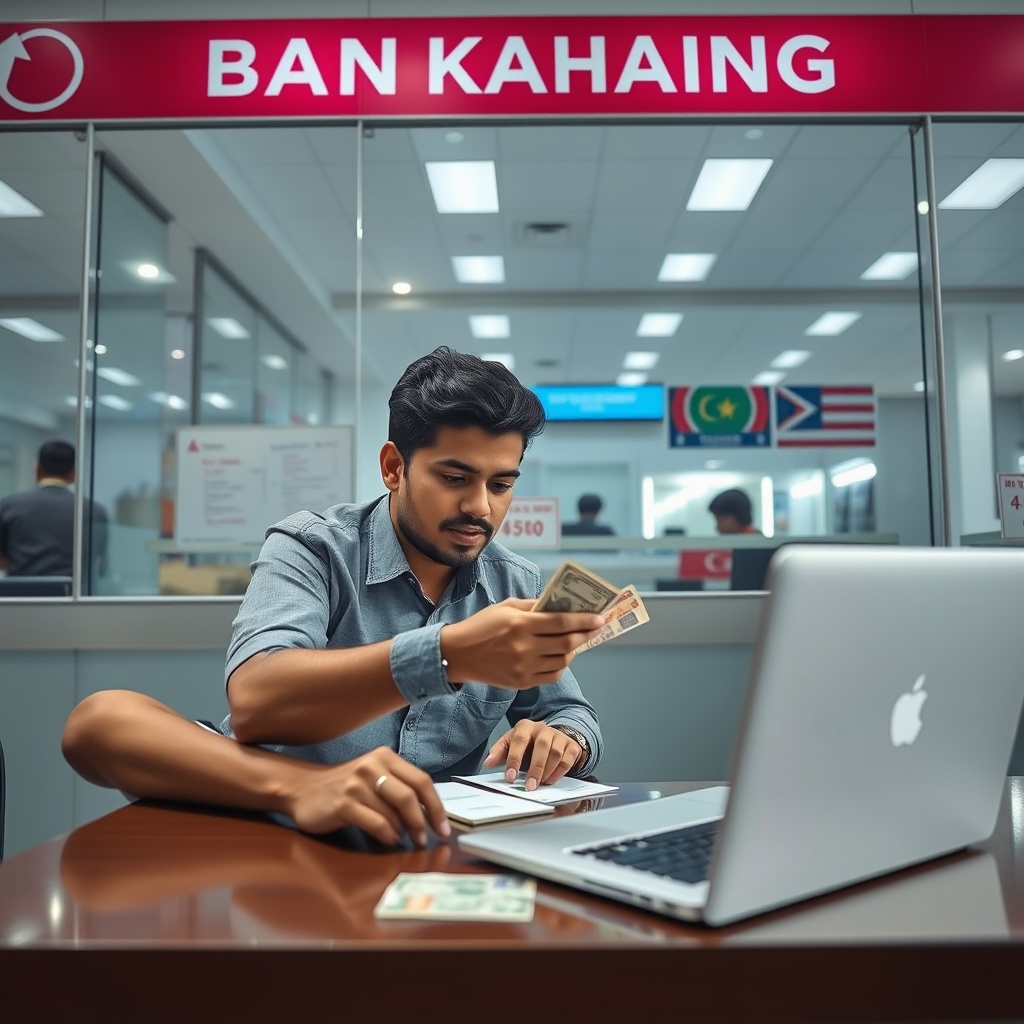
Exchange rates can significantly impact my earnings as a freelancer. I’ve learned to monitor rates regularly, especially when dealing with international clients. Fluctuations can mean the difference between a good payout and a disappointing one. I use reliable tools like XE or OANDA to track trends. Timing conversions during favourable rates maximises my income.
Another tip is to avoid high-fee exchange services. Banks and traditional providers often charge hefty commissions. Instead, I opt for digital platforms like Wise or Revolut. They offer competitive rates and lower fees. Understanding exchange rates isn’t just for traders—it’s a freelancer’s secret weapon for optimising earnings.
Best Practices for Currency Conversion
Currency conversion is a routine part of my freelance work. I’ve adopted a few best practices to minimise losses. First, I consolidate payments. Converting larger amounts reduces per-transaction fees. Second, I avoid multiple conversions. Each step eats into profits. Instead, I convert directly to my local currency whenever possible.
Another strategy is to negotiate payment terms. Some clients agree to pay in my preferred currency, sparing me conversion hassles. If not, I factor conversion costs into my pricing. Transparency with clients builds trust and ensures fair compensation. Currency conversion might seem minor, but smart practices add up to significant savings over time.
Minimising Fees and Maximising Value
Fees are the silent killers of freelance income. I’ve become adept at minimising them. For instance, I compare platforms before choosing one. Some offer better rates or fee structures. I also batch payments to reduce transaction frequency. Fewer transactions mean fewer fees.
Another approach is to use multi-currency accounts. These allow me to hold funds in different currencies, converting only when rates are favourable. Services like Payoneer or Wise offer this feature. Every dollar saved on fees is a dollar earned. Freelancers operate on tight margins, so every bit counts. With careful planning, you can keep more of your hard-earned money.
Banking for Freelancers in Bangladesh
Opening a Bank Account as a Freelancer
Opening a bank account as a freelancer in Bangladesh is straightforward, but you need to ensure you have the right documents. Most banks require your National ID (NID), Tax Identification Number (TIN), and proof of income. Some banks may also ask for a trade license or a letter from your clients. I recommend visiting the bank’s website or calling ahead to confirm the requirements. Once you’ve gathered everything, the process usually takes a day or two. Don’t forget to ask about online banking options—they’re a game-changer for managing your finances.
Choosing the right bank can make a huge difference in your freelancing journey. Look for banks that offer low fees, good customer service, and reliable online platforms. Many freelancers prefer banks with digital asset management features, as they simplify international transactions. If you’re dealing with clients abroad, ensure the bank supports multi-currency accounts. This way, you can avoid unnecessary conversion fees and get paid faster. Always compare options before committing.
Managing International Transactions
International transactions are a common challenge for freelancers in Bangladesh. Many banks impose high fees and lengthy processing times for incoming foreign payments. To avoid this, consider using platforms like PayPal or Payoneer, which integrate seamlessly with local banks. However, be aware of the asset management services fees these platforms charge. Always check the exchange rates and transfer fees before withdrawing funds. Some freelancers also opt for digital wallets like bKash or Nagad for smaller transactions, but these may not be suitable for larger payments.
Another tip is to keep track of your earnings in foreign currencies. Fluctuating exchange rates can impact your income, so it’s wise to monitor trends and withdraw funds when rates are favorable. If you’re dealing with multiple currencies, a multi-currency account can help you manage your finances more efficiently. Lastly, always inform your bank about large transactions to avoid any holds or delays. Transparency is key to smooth international banking.
Tax Obligations for Freelancers
Understanding Tax Laws for Freelancers
Freelancers in Bangladesh are subject to income tax, but the rules can be confusing. Currently, freelancers enjoy a tax exemption on earnings up to a certain threshold, but this may change. It’s crucial to stay updated on regulatory changes to avoid penalties. The National Board of Revenue (NBR) is the governing body, and their website provides the latest tax guidelines. Even if you’re exempt, filing a tax return is often mandatory. This helps build your financial credibility and can be useful for future loans or visas.
Tax rates for freelancers vary based on income brackets. The more you earn, the higher the percentage you’ll pay. However, certain expenses, like internet bills or software subscriptions, may be deductible. Keep detailed records of your income and expenses to simplify the filing process. If you’re unsure about anything, consulting a tax professional is a smart move. They can help you navigate the complexities and ensure compliance with local laws.
How to File Taxes as a Freelancer
Filing taxes as a freelancer in Bangladesh involves a few steps. First, register for a Tax Identification Number (TIN) if you don’t already have one. Next, gather all your financial records, including invoices, bank statements, and receipts for deductible expenses. The NBR offers an online portal for tax filing, making the process more convenient. Fill out the required forms, declare your income, and submit the documents. If you’re eligible for exemptions, ensure you claim them correctly.
Missing the tax deadline can result in fines, so mark the due date on your calendar. Many freelancers underestimate the importance of timely filing, but it’s a legal obligation. If you’re overwhelmed, consider using tax software or hiring an accountant. They can save you time and reduce the risk of errors. Remember, paying taxes isn’t just about compliance—it’s about contributing to the country’s development. Stay informed and proactive to avoid last-minute stress.

Pension Plans for Freelancers
Overview of Pension Options
Freelancers in Bangladesh often overlook pension planning, but it’s essential for long-term financial security. Unlike salaried employees, freelancers don’t have employer-sponsored pension plans, so you need to take initiative. The government offers the asset management best practices scheme, but private options are also available. Start by researching different pension plans and comparing their benefits. Look for plans that offer flexibility, as your income may fluctuate. Some private insurers provide tailored pension products for freelancers, so explore all your options.
Contributing to a pension plan early can significantly impact your retirement savings. Even small, regular contributions add up over time thanks to compound interest. Consider setting up automatic transfers to your pension account to ensure consistency. If you’re unsure where to start, consult a financial advisor. They can help you choose a plan that aligns with your goals and risk tolerance. Remember, planning for retirement isn’t a luxury—it’s a necessity.
Government vs Private Pension Plans
Government pension plans in Bangladesh are generally more stable but may offer lower returns. Private plans, on the other hand, often provide higher yields but come with more risk. Weigh the pros and cons before deciding. Government schemes like the Bangladesh Pension Authority are backed by the state, making them a safer choice for risk-averse individuals. Private plans, such as those offered by insurance companies, may include additional benefits like life coverage or investment options.
Diversifying your pension portfolio can also be a smart strategy. Combining government and private plans can balance risk and reward. Always read the fine print and understand the terms before committing. For more insights, check out this external resource on freelancer finances. The key is to start early and stay consistent. Your future self will thank you for the foresight and discipline.
Financial Planning for Freelancers
Creating a Sustainable Budget
As freelancers, we often face irregular income streams, making budgeting a critical skill. Start by tracking your monthly expenses and categorising them into essentials and non-essentials. Allocate a portion of your earnings to savings and emergencies, ensuring you’re prepared for lean months. Tools like asset management services can help streamline this process, giving you a clearer financial picture.
Budgeting isn’t just about cutting costs—it’s about prioritising. Focus on building a buffer that covers at least three months of expenses. This approach reduces stress and allows you to take on projects that align with your long-term goals. Remember, a sustainable budget is flexible and adapts to your evolving financial needs.
Saving Strategies for Irregular Income
Irregular income requires disciplined saving habits. Consider setting up multiple savings accounts for different purposes, such as taxes, emergencies, and retirement. Automate transfers to these accounts whenever you receive payment. This ensures you’re consistently saving without the temptation to spend.
Another strategy is the “50-30-20 rule allocate 50% of your income to needs, 30% to wants, and 20% to savings. Adjust these percentages based on your financial goals. For instance, if you’re aiming to invest, you might increase your savings allocation. Explore financial planning tools to optimise your strategy.
Investing for the Future
Investing is a powerful way to grow your wealth over time. Start small with low-risk options like mutual funds or government bonds. As you gain confidence, diversify your portfolio with stocks, real estate, or other assets. The key is to align your investments with your risk tolerance and long-term objectives.
Consider consulting a financial advisor to tailor an investment plan that suits your freelance lifestyle. Platforms like portfolio management services can provide personalised advice. Remember, the sooner you start investing, the more you benefit from compound interest.
Legal Considerations for Freelancers
Contract Essentials for Freelancers
A well-drafted contract protects both you and your clients. Clearly outline project scope, deadlines, payment terms, and ownership of intellectual property. Include clauses for revisions, late payments, and dispute resolution. This minimises misunderstandings and ensures you’re compensated fairly for your work.
If you’re unsure about drafting contracts, templates from legal resources can be a great starting point. Always review contracts with a legal professional to ensure they comply with local laws and safeguard your interests.
Protecting Your Intellectual Property
As a freelancer, your creative work is your livelihood. Register copyrights or trademarks for original content to prevent unauthorised use. Clearly define IP ownership in contracts, especially for collaborative projects. This ensures you retain control over your creations.
If your work is used without permission, legal action may be necessary. Familiarise yourself with local IP laws to understand your rights and remedies. Protecting your IP not only secures your income but also enhances your professional reputation.
Handling Disputes and Legal Issues
Disputes are inevitable in freelancing. Address them professionally by documenting all communications and agreements. Mediation or arbitration can be cost-effective alternatives to litigation. If legal action is unavoidable, consult a lawyer specialising in freelance or contract law.
Prevention is better than cure. Regularly update your contracts and maintain clear communication with clients. This reduces the likelihood of disputes and ensures smoother project execution. Legal preparedness is a cornerstone of sustainable freelancing.
Frequently Asked Questions
How do I file taxes as a freelancer in Bangladesh?
Freelancers in Bangladesh must file taxes annually. Register with the National Board of Revenue (NBR) and maintain records of your income and expenses. Use the prescribed tax return form and submit it by the deadline. Consult a tax advisor for deductions and compliance.
What are the best banks for freelancers in Bangladesh?
Banks like Dutch-Bangla Bank and BRAC Bank offer freelancer-friendly accounts with low fees and international transaction support. Compare services like online banking, currency conversion rates, and customer support before choosing.
Are there pension plans for freelancers in Bangladesh?
Yes, freelancers can opt for private pension plans or government schemes like the Universal Pension Scheme. Evaluate plans based on contribution flexibility, returns, and withdrawal terms to find the best fit for your retirement goals.
How can I protect my freelance income from currency fluctuations?
Use multi-currency accounts or hedging tools to mitigate currency risks. Platforms like PayPal or Payoneer offer currency conversion options. Diversifying your client base across regions also reduces dependency on a single currency.
What should I include in a freelance contract?
Include project details, payment terms, deadlines, IP ownership, and dispute resolution clauses. Clearly outline revisions and termination conditions. A comprehensive contract safeguards your interests and ensures smooth project execution.
