






Introduction
If you’re an expat or digital nomad in the Bahamas, understanding crypto taxation is crucial. The Bahamas offers a tax-friendly environment, but navigating crypto rules can be tricky. In this guide, I’ll break down everything you need to know—from residency rules to reporting crypto income. Let’s dive into how you can stay compliant while enjoying the island life.
Key Takeaways
- The Bahamas has no capital gains tax, making it attractive for crypto investors.
- Residency determines your tax obligations—non-residents may have different rules.
- Crypto transactions may still trigger VAT or other indirect taxes.
- Proper record-keeping is essential for compliance and avoiding penalties.
- Consulting a tax professional can help you optimise your crypto strategy.
Introduction to Crypto Taxation in the Bahamas
Overview of Cryptocurrency
Cryptocurrency is a digital asset designed to work as a medium of exchange. Unlike traditional currencies, it operates on decentralised networks like blockchain. The Bahamas has embraced crypto, with the Sand Dollar being the world’s first central bank digital currency (CBDC). This progressive stance makes it a hotspot for crypto enthusiasts.
However, the lack of clear global standards means tax rules can be ambiguous. For expats and digital nomads, understanding how the Bahamas treats crypto is key. Whether you’re trading, mining, or receiving crypto as payment, each activity has tax implications. Staying informed ensures you don’t fall foul of local laws.
Bahamas Tax System Overview
The Bahamas is known for its tax-neutral regime. There’s no income tax, capital gains tax, or corporate tax for residents. This makes it a haven for investors and entrepreneurs. But don’t assume crypto is entirely tax-free—indirect taxes like VAT or stamp duty may apply.
For expats, residency status is critical. If you’re a tax resident, your global income could be subject to Bahamian taxes. Non-residents, on the other hand, are only taxed on local income. Understanding these nuances helps you plan your crypto activities effectively. Always consult a professional to ensure compliance.
Importance of Understanding Crypto Taxation
Ignoring crypto tax rules can lead to penalties or legal issues. Even in a tax-friendly jurisdiction like the Bahamas, transparency is vital. Proper reporting builds trust with authorities and avoids future headaches. Plus, it helps you leverage tax benefits fully.
For digital nomads, crypto offers flexibility but also complexity. Cross-border transactions, multiple wallets, and volatile values add layers to tax reporting. Tools like asset management best practices can streamline this process. Staying ahead of regulations ensures you maximise your crypto gains while staying compliant.
Legal Framework for Crypto in the Bahamas
Current Laws Governing Cryptocurrency
The Bahamas has a forward-thinking approach to crypto regulation. The Digital Assets and Registered Exchanges (DARE) Act provides a legal framework for crypto businesses. This ensures transparency and protects investors. For individuals, the rules are less stringent but still require adherence.
Under DARE, crypto exchanges must register with the Securities Commission of The Bahamas. This adds a layer of security for users. However, peer-to-peer transactions remain largely unregulated. Knowing where the law applies helps you navigate risks and opportunities in the crypto space.
Regulatory Bodies and Their Roles
The Securities Commission oversees crypto activities in the Bahamas. Its role includes licensing exchanges and enforcing compliance. The Central Bank manages the Sand Dollar, ensuring stability in the digital currency ecosystem. Together, these bodies create a balanced regulatory environment.
For expats, understanding these roles is crucial. Regulatory oversight means safer transactions but also stricter reporting for businesses. If you’re running a crypto-related venture, compliance is non-negotiable. Tools like global asset management trends can help you stay updated on evolving regulations.
Legal Framework for Crypto in the Bahamas
Current Laws Governing Cryptocurrency
The Bahamas has positioned itself as a crypto-friendly jurisdiction, but that doesn’t mean it’s a free-for-all. The Digital Assets and Registered Exchanges (DARE) Act is the cornerstone of crypto regulation here. It provides a clear legal framework for digital assets, ensuring transparency and security. We’ve seen how this law fosters innovation while protecting investors—something we can all appreciate. The DARE Act classifies digital assets as property, which means they’re subject to specific rules around trading, custody, and reporting. If you’re operating in this space, understanding these laws is non-negotiable.
Beyond the DARE Act, the Central Bank of the Bahamas has also stepped in with guidelines for stablecoins, like the Sand Dollar, the country’s CBDC. These regulations ensure stability and trust in the system. For expats and digital nomads, this means you’re working in a regulated environment—no wild west here. The key takeaway? Compliance isn’t optional. Whether you’re trading, mining, or staking, you need to play by the rules. And trust me, the rules are designed to make life easier, not harder.
Regulatory Bodies and Their Roles
The Securities Commission of the Bahamas (SCB) is the main watchdog for crypto activities. They oversee licensing, compliance, and enforcement under the DARE Act. Think of them as the referees ensuring everyone plays fair. The Central Bank of the Bahamas also plays a role, particularly with stablecoins and CBDCs. Together, these bodies create a balanced ecosystem where innovation thrives without compromising security.
For us, this means clarity. When you know who’s calling the shots, it’s easier to navigate the landscape. The SCB, for instance, provides detailed guidelines on everything from AML to KYC requirements. And let’s be real—having clear rules is a blessing. It means fewer surprises and more confidence in your financial moves. So, if you’re setting up shop here, make sure you’re familiar with these regulators. They’re not the enemy; they’re your allies in building a sustainable crypto business.
Tax Obligations for Expats and Digital Nomads
Residency and Tax Liability
One of the biggest draws of the Bahamas is its tax-friendly policies. As an expat or digital nomad, your tax liability depends on your residency status. If you’re a tax resident—meaning you spend more than 183 days a year here—you’ll need to report worldwide income. But here’s the kicker: the Bahamas doesn’t tax capital gains, dividends, or income from crypto. That’s right—zero. For nomads, this is a game-changer. You can trade, stake, or mine without worrying about hefty tax bills.
Non-residents, on the other hand, are only taxed on Bahamian-sourced income. So, if your crypto activities are global, you’re in the clear. But don’t get too comfortable. While the Bahamas doesn’t tax crypto gains, your home country might. That’s where things get tricky. We always recommend consulting a tax professional to avoid double taxation or compliance headaches. The bottom line? The Bahamas offers a sweet deal, but you still need to dot your i’s and cross your t’s.
Types of Taxes Applicable to Crypto
Let’s break it down: the Bahamas doesn’t impose income tax, capital gains tax, or VAT on crypto transactions. That’s a triple win. But there are still a few things to keep in mind. For businesses operating in the crypto space, corporate taxes may apply depending on your structure. And if you’re using crypto for goods and services, VAT could come into play—though this is rare. The key is to stay informed and plan accordingly.
For expats and nomads, this tax landscape is a dream. You can focus on growing your portfolio without the constant fear of tax season. But remember, tax laws evolve. What’s true today might change tomorrow. That’s why we always keep an eye on legislative updates. Staying ahead of the curve isn’t just smart—it’s essential.
How to Report Crypto Income in the Bahamas
Step-by-Step Guide to Reporting
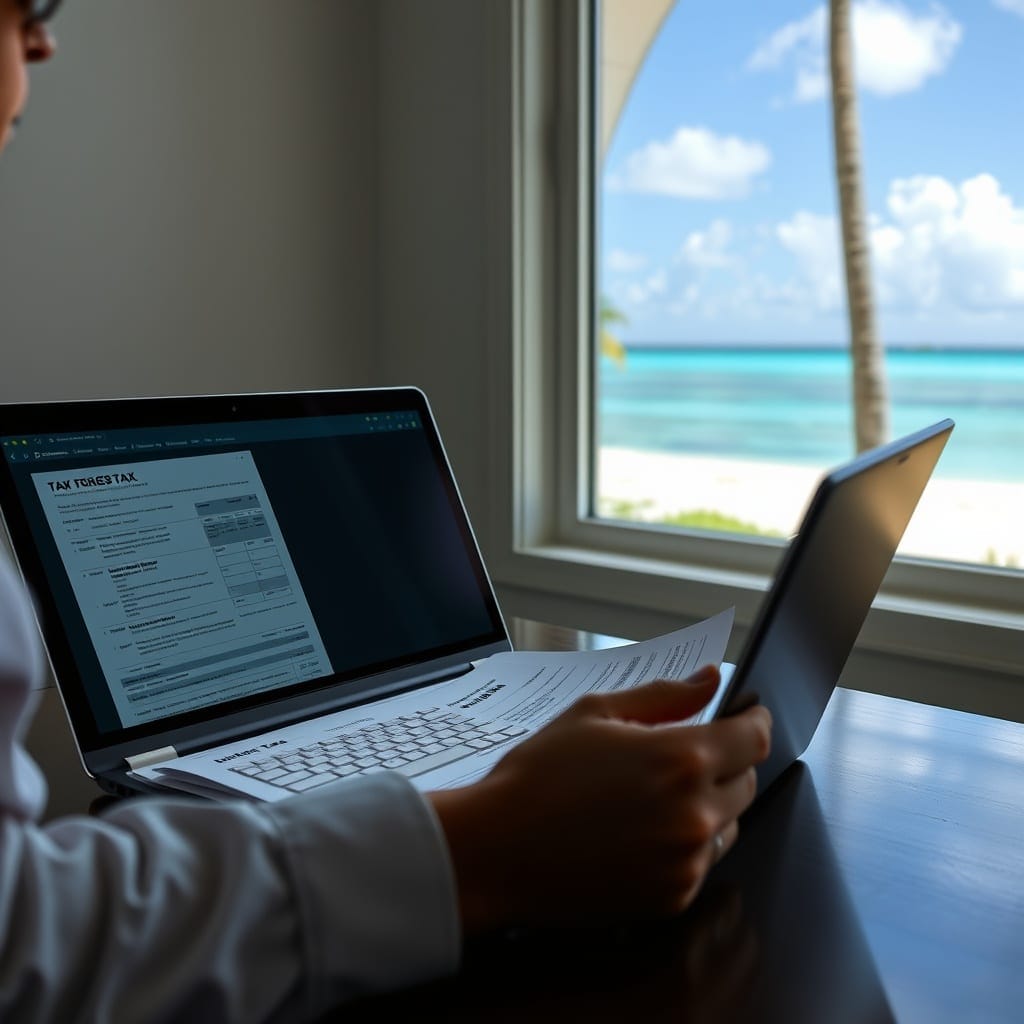
Reporting crypto income in the Bahamas is straightforward—if you know the steps. First, determine your residency status. If you’re a tax resident, you’ll need to declare worldwide income, including crypto gains. Non-residents only report Bahamian-sourced income. Next, gather all your transaction records. This includes trades, staking rewards, and mining income. The Bahamas may not tax these, but documentation is still crucial for compliance.
Once you’ve got your records, submit them to the relevant authorities. For most expats and nomads, this means filing an annual tax return with the Bahamas Department of Inland Revenue. The process is simple, but accuracy is key. Mistakes can lead to audits or penalties. And let’s be honest—no one wants that. So, take your time, double-check your numbers, and when in doubt, seek professional help.
Documentation and Records Required
When it comes to crypto, paperwork is your best friend. You’ll need detailed records of all transactions—dates, amounts, counterparties, and purposes. This isn’t just for the Bahamas; it’s for your own peace of mind. Tools like crypto tax software can automate this process, saving you time and stress. We’ve found that the more organized you are, the smoother everything goes.
For businesses, the requirements are stricter. You’ll need to maintain AML and KYC records, especially if you’re operating a registered exchange. The DARE Act mandates this, and non-compliance can result in hefty fines. The takeaway? Good record-keeping isn’t optional—it’s a must. Whether you’re a solo trader or running a crypto business, staying on top of your documentation will save you headaches down the road.
Understanding Capital Gains on Crypto
When we talk about capital gains in the context of cryptocurrency, we’re referring to the profit made from selling your crypto assets at a higher price than you bought them. It’s a straightforward concept, but in the Bahamas, it’s essential to grasp how these gains are treated under local tax laws. Whether you’re an expat or a digital nomad, understanding this can save you from unexpected liabilities.
In the Bahamas, capital gains from crypto transactions are not taxed. That’s right—no capital gains tax applies here. This makes the Bahamas a haven for crypto investors looking to maximise their returns. However, it’s crucial to keep detailed records of your transactions, as other countries might still require this information for their tax purposes. Always consult a professional if you’re unsure about your obligations.
Definition of Capital Gains in Crypto
Capital gains in crypto are the profits realised when you sell, trade, or otherwise dispose of your digital assets for more than their purchase price. For example, if you bought Bitcoin at $30,000 and sold it at $40,000, your capital gain is $10,000. This gain is what’s typically subject to taxation in many jurisdictions, but not in the Bahamas.
It’s worth noting that capital gains can also arise from exchanging one crypto for another. Even if no fiat currency is involved, the fair market value of the assets at the time of the exchange determines the gain or loss. This is a nuanced area, so keeping accurate records is non-negotiable.
How Capital Gains Are Taxed in the Bahamas
The Bahamas does not impose capital gains tax on crypto transactions, making it an attractive destination for investors. This policy aligns with the country’s broader approach to fostering a crypto-friendly environment. However, if you’re a tax resident elsewhere, you might still owe taxes in your home country, so it’s wise to seek advice.
While the Bahamas offers this tax advantage, it’s essential to stay compliant with reporting requirements in other jurisdictions. Many countries, like the US, tax their citizens on worldwide income, including crypto gains. Always ensure you’re meeting all legal obligations to avoid penalties.
VAT and Crypto Transactions
Value Added Tax (VAT) is a common concern for crypto traders, but in the Bahamas, the rules are clear. Currently, VAT does not apply to crypto transactions, whether you’re buying, selling, or trading digital assets. This is another reason why the Bahamas is a hotspot for crypto enthusiasts.
However, if you’re using crypto to purchase goods or services, the standard VAT rules for those transactions still apply. For example, if you buy a laptop with Bitcoin, the seller might charge VAT on the laptop’s value. Always clarify the tax implications of your transactions to avoid surprises.
Is VAT Applicable to Crypto
In the Bahamas, VAT is not levied on the exchange of cryptocurrencies. This means you won’t pay VAT when buying or selling crypto. The government recognises crypto as a form of payment rather than a taxable supply, which simplifies things for traders and investors.
This approach contrasts with some countries where crypto transactions might trigger VAT liabilities. For instance, in the EU, exchanging crypto for fiat or other cryptos can be VAT-exempt, but the rules vary. The Bahamas’ clear stance provides certainty, which is invaluable for financial planning.
How to Handle VAT on Crypto Purchases
While crypto transactions themselves are VAT-free in the Bahamas, using crypto to buy goods or services can still involve VAT. For example, if you pay for a hotel stay with Ethereum, the hotel will charge VAT on the room rate. It’s the underlying transaction, not the crypto, that’s taxed.
To stay compliant, always ensure that the businesses you transact with are applying VAT correctly. If you’re running a business that accepts crypto, you’ll need to account for VAT on your sales as usual. The medium of exchange doesn’t change the tax rules for the goods or services provided.
Tax Deductions and Allowances for Crypto Traders
For crypto traders in the Bahamas, tax deductions and allowances can be a game-changer. While the country doesn’t tax crypto gains, understanding what expenses you can deduct can still be beneficial, especially if you’re operating as a business or reporting taxes elsewhere.
Common deductible expenses include transaction fees, software subscriptions for trading, and even hardware like mining rigs. If you’re trading professionally, these costs can reduce your taxable income in jurisdictions where crypto gains are taxed. Always keep receipts and records to substantiate your claims.
Eligible Deductions for Crypto Activities
If you’re actively trading crypto, certain expenses may be deductible. These can include exchange fees, wallet costs, and even professional advice. The key is that these expenses must be directly related to your trading activities. Personal expenses, like buying crypto for investment, typically don’t qualify.
For those mining crypto, equipment and electricity costs might also be deductible. However, the rules can be complex, especially if you’re mining as a hobby versus a business. Consulting a tax professional can help you navigate these nuances and maximise your deductions.
How to Claim Tax Deductions
Claiming deductions requires meticulous record-keeping. Save all receipts, invoices, and transaction records that relate to your crypto activities. If you’re filing taxes in another country, these documents will be crucial for substantiating your claims.
In the Bahamas, since crypto gains aren’t taxed, deductions aren’t necessary for local purposes. But if you’re reporting income elsewhere, these deductions can lower your tax bill. Always ensure your claims are legitimate and well-documented to avoid issues with tax authorities.

Common Crypto Tax Mistakes to Avoid
Navigating crypto taxation can be tricky, and mistakes are common. One of the biggest errors is failing to report crypto income altogether. Even in the Bahamas, where crypto gains aren’t taxed, other countries might require disclosure. Ignorance isn’t an excuse, so stay informed.
Another pitfall is misclassifying transactions. For example, mixing personal and business crypto use can lead to complications. Clear categorisation is essential for accurate reporting, especially if you’re subject to taxes in another jurisdiction.
Failing to Report Crypto Income
Even if the Bahamas doesn’t tax crypto gains, your home country might. Many expats and digital nomads overlook this, leading to penalties. Always check the tax laws in your country of residence or citizenship to ensure compliance.
For instance, the US taxes its citizens on worldwide income, including crypto gains. If you’re a US expat in the Bahamas, you’ll still need to report your crypto activities to the IRS. Failing to do so can result in hefty fines or legal trouble.
Misclassifying Crypto Transactions
Misclassification is another common error. For example, treating a personal investment as a business expense can trigger audits or penalties. Similarly, confusing capital gains with income can lead to incorrect tax filings.
To avoid this, maintain clear records of every transaction, noting its purpose and nature. If you’re unsure, seek professional advice. Proper classification ensures you’re meeting all tax obligations without overpaying or underreporting.
For more insights on asset management best practices, check out our detailed guide. If you’re curious about digital asset management, we’ve got you covered. Learn more about global asset management trends and how they might affect your strategy. For a deeper dive into sustainable asset management, explore our resources. Additionally, here’s an external resource on crypto taxation to broaden your understanding.
Advanced Tax Planning Strategies for Crypto Investors
Long-term vs Short-term Holding Strategies
When it comes to crypto investments, the Bahamas offers a unique advantage with its tax-friendly environment. We often advise expats and digital nomads to consider long-term holding strategies to minimise tax liabilities. Holding assets for more than a year can qualify you for lower capital gains rates, though the Bahamas doesn’t currently impose capital gains tax. Short-term trading, while potentially profitable, can complicate your tax reporting and may attract scrutiny in other jurisdictions where you might have tax obligations. Balancing both strategies can optimise your portfolio while keeping compliance straightforward.
Another key consideration is the timing of your trades. By aligning your transactions with your overall financial goals, you can maximise returns without unnecessary tax complications. For example, selling assets during a low-income year can reduce taxable income in countries where crypto is taxed. The Bahamas’ lack of capital gains tax makes it an ideal base, but understanding global tax implications is crucial for those with ties elsewhere. We recommend consulting a tax professional to tailor a strategy that suits your unique situation.
Utilizing Tax Loss Harvesting
Tax loss harvesting is a powerful tool for crypto investors, even in the Bahamas. While the Bahamas doesn’t tax crypto gains, this strategy can offset gains in other jurisdictions where you might owe taxes. By selling underperforming assets at a loss, you can reduce your taxable income elsewhere. This approach requires careful planning to avoid wash-sale rules, which disallow claiming losses if you repurchase the same asset within a short timeframe. We’ve seen clients save significantly by incorporating this into their annual tax planning.
Beyond offsetting gains, tax loss harvesting can also create opportunities to rebalance your portfolio. The Bahamas’ regulatory flexibility allows for seamless execution of these strategies. However, documentation is key—maintain detailed records of all transactions to ensure compliance with global tax laws. Whether you’re a seasoned trader or a long-term holder, leveraging these strategies can enhance your financial efficiency. Always stay informed about regulatory changes to adapt your approach as needed.
Tools and Resources for Crypto Tax Compliance
Recommended Software for Tax Reporting
Navigating crypto taxes can be daunting, but the right tools simplify the process. We recommend using platforms like Koinly or CoinTracker, which automate transaction tracking and generate tax reports. These tools integrate with major exchanges and wallets, ensuring accuracy and saving time. For expats and digital nomads in the Bahamas, this is especially useful if you have tax obligations in other countries. The software categorises transactions, calculates gains and losses, and even identifies tax-saving opportunities.
Another advantage of these tools is their ability to handle complex scenarios like staking, mining, or DeFi transactions. The Bahamas’ crypto-friendly policies mean you can focus on optimising your portfolio rather than worrying about local tax burdens. However, global compliance remains critical, and these tools provide reports tailored to various jurisdictions. We’ve found that investing in reliable software pays off by reducing errors and streamlining your annual filings. Always cross-check outputs with a tax professional to ensure full compliance.
Professional Services for Crypto Taxation
While software is helpful, professional advice is invaluable for crypto investors. Engaging a tax advisor with expertise in crypto ensures you’re compliant across all jurisdictions. In the Bahamas, firms like Beaumont Capital Markets offer specialised services for expats and digital nomads. They can help navigate the nuances of crypto taxation, from reporting requirements to strategic planning. Their insights are particularly useful for those with complex portfolios or multi-country tax obligations.
Professional services also provide peace of mind by handling audits or disputes with tax authorities. The Bahamas’ lack of crypto taxes doesn’t eliminate the need for global compliance, and advisors can help you stay ahead of regulatory changes. Whether you’re new to crypto or a seasoned investor, leveraging expert guidance can save you time and money. We encourage you to build a relationship with a trusted advisor to tailor solutions for your specific needs.

Navigating Crypto Taxation for Non-Residents
Tax Treaties and Their Implications
For non-residents investing in crypto from the Bahamas, understanding tax treaties is crucial. While the Bahamas doesn’t impose income or capital gains taxes, your home country might. Many nations have treaties to avoid double taxation, but crypto’s decentralised nature complicates matters. We recommend reviewing your home country’s tax laws to determine if Bahamian-sourced crypto income is taxable. Some treaties exempt foreign-earned income below a certain threshold, providing opportunities for tax optimisation.
It’s also worth noting that the Bahamas doesn’t currently have extensive tax treaties with major economies. This means non-residents must proactively manage their tax obligations elsewhere. For example, the US taxes global income, so American expats must report Bahamian crypto activities. Consulting a cross-border tax specialist can help you navigate these complexities. By staying informed and proactive, you can minimise liabilities and avoid penalties while enjoying the Bahamas’ tax advantages.
How Non-Residents Can Comply with Bahamian Tax Laws
Complying with Bahamian tax laws is straightforward for non-residents, given the absence of crypto taxes. However, maintaining accurate records is essential for global compliance. We advise keeping detailed logs of all transactions, including dates, amounts, and counterparties. This documentation is vital if you’re audited by tax authorities in other jurisdictions. The Bahamas’ regulatory environment is welcoming, but transparency ensures you’re protected wherever you operate.
Non-residents should also stay updated on Bahamian regulations, as the government is actively enhancing its crypto framework. While current laws are favourable, future changes could impact reporting requirements. Engaging local legal or financial advisors can provide insights into emerging trends. For now, the Bahamas remains a haven for crypto investors, but proactive compliance is key to long-term success. Whether you’re a digital nomad or an expat, aligning with local and global rules will safeguard your investments.
Future of Crypto Taxation in the Bahamas
Potential Legislative Changes
The Bahamas is poised to evolve its crypto taxation framework as digital assets gain traction. We anticipate legislative updates to align with global standards, ensuring clarity for expats and digital nomads. Regulatory bodies may introduce stricter reporting requirements or tax incentives to attract crypto businesses. Staying informed about these changes will be crucial for compliance and strategic planning.
Potential reforms could include clearer guidelines on capital gains and VAT applicability. The government might also explore partnerships with international organisations to streamline cross-border crypto transactions. By monitoring these developments, we can adapt our tax strategies to remain compliant and optimise our financial outcomes in this dynamic landscape.
How to Stay Ahead of Regulatory Updates
To stay ahead, we recommend subscribing to official government newsletters and joining local crypto communities. Regularly consulting with tax professionals who specialise in Bahamian crypto laws can provide timely insights. Additionally, leveraging tools like asset management services can help track regulatory changes and automate compliance tasks.
Engaging with industry forums and attending crypto taxation seminars can also enhance our understanding. By proactively seeking information, we can anticipate shifts in the regulatory environment and adjust our strategies accordingly. This approach ensures we remain compliant while maximising the benefits of crypto investments in the Bahamas.
Best Practices for Crypto Tax Compliance
Keeping Accurate Records
Maintaining detailed records of all crypto transactions is essential for tax compliance. We should document dates, amounts, and purposes of each transaction, including trades, purchases, and sales. Using dedicated software can simplify this process, ensuring accuracy and reducing the risk of errors. Proper record-keeping also facilitates smoother audits and disputes with tax authorities.
Storing records securely, both digitally and physically, is equally important. Backing up data and retaining receipts or transaction confirmations can prevent losses. By adopting these practices, we demonstrate transparency and readiness for any regulatory scrutiny, safeguarding our financial interests in the Bahamas.
Regular Consultation with Tax Professionals
Regular consultations with tax professionals ensure we interpret Bahamian crypto tax laws correctly. Experts can provide tailored advice on reporting obligations, deductions, and allowances. They can also help us navigate complex scenarios, such as cross-border transactions or changes in residency status. Building a relationship with a trusted advisor is a proactive step toward compliance.
Tax professionals can also assist in identifying opportunities for tax optimisation, such as tax-efficient strategies. Their insights can help us minimise liabilities while adhering to legal requirements. This collaborative approach ensures we stay compliant while maximising our financial benefits.
Implementing Crypto Tax Strategies Effectively
Creating a Personalized Tax Plan
A personalised tax plan aligns with our financial goals and Bahamian tax obligations. We should assess our crypto activities, such as trading frequency and holding periods, to determine the most suitable strategies. For instance, long-term holdings may qualify for lower tax rates, while active trading could require more frequent reporting.
Incorporating tools like digital asset management platforms can streamline tax planning. These tools provide real-time insights into our portfolio, helping us make informed decisions. By tailoring our approach, we can optimise tax outcomes and reduce unnecessary burdens.
Monitoring and Adjusting Strategies Over Time
Crypto taxation is a dynamic field, requiring ongoing adjustments to our strategies. We should regularly review our tax plans to reflect changes in laws, market conditions, or personal circumstances. Staying flexible allows us to adapt to new regulations or opportunities, ensuring continued compliance and financial efficiency.
Periodic audits of our crypto activities can identify areas for improvement. For example, we might discover overlooked deductions or inefficiencies in our reporting. By continuously refining our approach, we maintain a robust tax strategy that supports our long-term financial success in the Bahamas.
Frequently Asked Questions
What are the current crypto tax obligations for expats in the Bahamas?
Expats in the Bahamas must report crypto income, including capital gains, if they meet residency criteria. The Bahamas does not impose income tax, but VAT may apply to certain crypto transactions. Consulting a tax professional ensures compliance with local regulations.
How can digital nomads minimise crypto tax liabilities in the Bahamas?
Digital nomads can minimise liabilities by structuring transactions tax-efficiently, such as holding assets long-term. Utilising sustainable asset management strategies and staying informed about deductions can also reduce tax burdens.
Are there any upcoming changes to Bahamian crypto tax laws?
While no specific changes are confirmed, the Bahamas may introduce clearer guidelines on crypto taxation. Monitoring official sources and engaging with tax experts helps stay ahead of potential reforms.
What records should I keep for crypto tax compliance in the Bahamas?
Keep detailed records of all transactions, including dates, amounts, and purposes. Store receipts and confirmations securely, and consider using digital tools to automate record-keeping for accuracy and ease.
