






Introduction to Leasing Structures in European Shipping
When it comes to European shipping, leasing structures have become a cornerstone for financial flexibility and operational efficiency. I’ve seen firsthand how these arrangements allow companies to access modern fleets without the heavy capital investment typically required. Whether it’s bareboat charters or finance leases, the right leasing structure can make or break a shipping company’s competitive edge.
Key Takeaways
- Leasing structures provide financial flexibility, allowing shipping companies to modernise fleets without significant capital outlay.
- Bareboat charters and finance leases are the most common types of agreements, each suited to different operational needs.
- The European leasing market is a mix of banks, asset managers, and specialised firms, each offering unique advantages.
- Understanding the global trends in asset management can provide insights into future leasing opportunities.
- Choosing the right leasing partner is as critical as selecting the leasing structure itself.
Definition and Importance of Leasing Structures
Leasing structures in shipping are essentially agreements where a lessor owns the vessel and leases it to a lessee for a specified period. We’ve found that these structures are vital for companies looking to manage cash flow while maintaining fleet modernity. The importance lies in their ability to balance risk and reward, ensuring both parties benefit from the arrangement.
Types of Leasing Agreements in Shipping
There are several types of leasing agreements, each tailored to different needs. Bareboat charters, for instance, transfer full operational control to the lessee, while finance leases often include an option to purchase the vessel at the end of the term. Understanding these nuances is key to selecting the right model for your business.
Key Players in the European Shipping Leasing Market
The European market is dominated by a mix of traditional banks, asset management firms, and specialised leasing companies. These players bring diverse expertise, from risk assessment to fleet management, ensuring the market remains dynamic and competitive. Knowing who’s who can help you navigate this complex landscape.
Understanding Charter Financing in the Shipping Industry
Basics of Charter Financing
Charter financing is a cornerstone of the shipping industry, offering a flexible way to secure vessels without outright ownership. We see this as a game-changer for companies looking to expand their fleets without the hefty capital expenditure. Essentially, charter financing allows operators to lease ships under agreed terms, balancing costs and operational needs. It’s a win-win for both shipowners and operators, fostering growth while mitigating financial risks.
The process involves structured agreements, often backed by financial institutions, ensuring stability for all parties. We’ve observed how this model supports liquidity, enabling shipping companies to navigate volatile markets. By leveraging charter financing, businesses can allocate resources more efficiently, focusing on core operations rather than asset acquisition. It’s a strategic move that aligns with modern financial practices in maritime trade.
Differences Between Leasing and Charter Financing
While leasing and charter financing share similarities, they cater to distinct needs. Leasing typically involves long-term commitments with fixed terms, whereas charter financing offers more flexibility. We’ve found that charter agreements often include performance-based clauses, adapting to market fluctuations. This adaptability makes charter financing a preferred choice for dynamic industries like shipping.
Another key difference lies in ownership and operational control. Leasing usually transfers some responsibilities to the lessee, while charter financing keeps operational control with the owner. This distinction is crucial for companies weighing their options. For deeper insights, explore our guide on asset management best practices to optimise your strategy.
The Evolution of Leasing and Charter Financing in Europe
Historical Overview
Leasing and charter financing have deep roots in Europe’s maritime history. From the early days of trade, shipowners sought ways to share risks and rewards. We’ve traced how medieval merchants used informal charter agreements to pool resources, laying the groundwork for modern financing. Over centuries, these practices evolved, formalising into the structured models we see today.
The 20th century marked a turning point, with financial institutions stepping in to standardise agreements. This shift democratised access to shipping assets, empowering smaller players. We’ve witnessed how regulatory frameworks, like those in real estate asset management, influenced maritime financing, creating a robust ecosystem.
Recent Developments and Trends
Today, Europe leads in innovative leasing and charter financing solutions. Sustainability is a driving force, with green financing gaining traction. We’re seeing more deals tied to environmental performance, reflecting the industry’s commitment to decarbonisation. This trend aligns with global initiatives, positioning Europe as a pioneer in sustainable shipping finance.
Technological advancements are also reshaping the landscape. Digital platforms streamline transactions, while data analytics enhance risk assessment. For a closer look at these trends, check out our analysis on global asset management trends. The future is bright, with Europe at the forefront of this evolution.
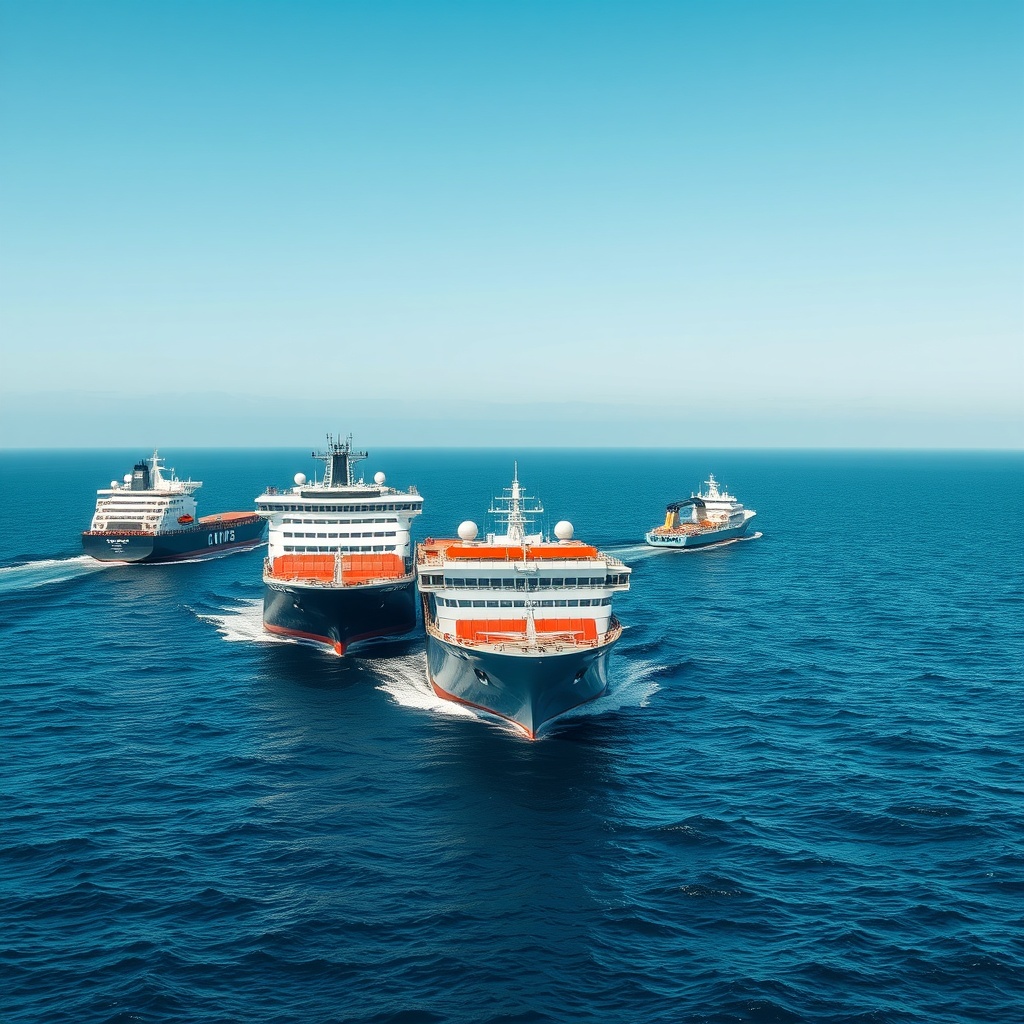
Benefits of Leasing Structures for Shipping Companies
Financial Flexibility and Cash Flow Management
Leasing structures offer unparalleled financial flexibility, a lifeline for shipping companies in turbulent markets. We’ve helped clients unlock liquidity by avoiding large upfront payments, preserving capital for other critical needs. This approach smooths cash flow, reducing the strain of cyclical demand. It’s a strategic advantage that keeps businesses agile and competitive.
Moreover, leasing often includes tax benefits, further easing financial burdens. We’ve seen companies leverage these advantages to reinvest in growth initiatives. By optimising cash flow, businesses can navigate economic uncertainties with confidence. For tailored advice, explore our financial planning and asset management services.
Access to Modern Fleets Without Heavy Capital Investment
Leasing bridges the gap between ambition and reality, enabling access to cutting-edge vessels without massive capital outlays. We’ve observed how this levels the playing field, allowing smaller operators to compete with industry giants. Modern fleets equipped with eco-friendly technologies are now within reach, thanks to flexible leasing models.
This access also future-proofs businesses, as leasing agreements can be updated to reflect technological advancements. We’ve guided clients through transitions to greener fleets, aligning with regulatory and market demands. It’s a forward-thinking approach that ensures long-term viability in a rapidly evolving industry.
Advantages of Charter Financing for Ship Owners and Operators
Risk Mitigation Strategies
Charter financing offers ship owners and operators a robust framework for mitigating risks. By leveraging long-term charter agreements, we can stabilise cash flows and reduce exposure to market volatility. These agreements often include clauses that protect against unforeseen economic downturns, ensuring consistent revenue streams. Additionally, charter financing allows us to share operational risks with charterers, creating a balanced partnership. This collaborative approach not only safeguards our financial health but also fosters long-term business relationships.
Another key advantage is the ability to diversify risk across multiple charters. By spreading commitments across various contracts, we minimise the impact of any single charter default. This strategy is particularly effective in volatile markets where unpredictability is high. Furthermore, charter financing often includes insurance provisions, adding an extra layer of security. These combined measures ensure that we can navigate the complexities of the shipping industry with confidence and resilience.
Enhancing Operational Efficiency
Charter financing significantly enhances operational efficiency by streamlining fleet management. With predictable income from charters, we can optimise maintenance schedules and crew rotations, reducing downtime. This predictability also allows for better financial planning, ensuring resources are allocated effectively. Moreover, charter agreements often include performance incentives, encouraging us to maintain high operational standards. These incentives align our goals with those of the charterers, fostering mutual success.
Operational efficiency is further boosted by the flexibility charter financing provides. We can adapt our fleet to meet changing market demands without the burden of heavy capital investments. This agility is crucial in an industry where market conditions can shift rapidly. By leveraging charter financing, we ensure our operations remain competitive and responsive, positioning us for sustained growth in the European shipping market.
How to Choose the Right Leasing Structure for Your Shipping Needs
Assessing Your Company’s Financial Health
Choosing the right leasing structure begins with a thorough assessment of your company’s financial health. We must evaluate our cash flow, debt levels, and creditworthiness to determine the most suitable option. For instance, companies with strong balance sheets may opt for operating leases to preserve capital, while those with limited liquidity might prefer finance leases. Understanding our financial position ensures we select a leasing structure that aligns with our long-term goals.
It’s also essential to consider the impact of leasing on our financial statements. Different leasing structures affect balance sheets and income statements differently, influencing investor perceptions and credit ratings. By consulting financial experts, we can make informed decisions that enhance our financial stability. This proactive approach ensures we leverage leasing structures to their fullest potential, driving sustainable growth in the competitive European shipping industry.
Understanding Market Conditions and Rates
Market conditions and leasing rates play a pivotal role in selecting the right leasing structure. We must analyse current trends in the European shipping market, including demand for specific vessel types and prevailing lease rates. This analysis helps us identify cost-effective leasing opportunities that align with our operational needs. Additionally, understanding market cycles allows us to time our leasing decisions strategically, maximising value.
Negotiating favourable lease terms is another critical factor. By staying informed about market rates and competitor activities, we can secure competitive deals. It’s also beneficial to explore flexible leasing options that accommodate fluctuations in market conditions. This adaptability ensures we remain agile in a dynamic industry, optimising our leasing strategies for long-term success. Asset management best practices can further guide us in making informed leasing decisions.
Navigating Charter Financing Agreements
Key Terms and Conditions to Consider
Charter financing agreements are complex documents that require careful scrutiny. Key terms such as charter duration, payment schedules, and termination clauses must be clearly understood. We must ensure these terms align with our operational capabilities and financial objectives. For example, longer charter periods provide stability but may limit flexibility. Balancing these factors is crucial to securing agreements that support our business model.
Another critical consideration is the inclusion of maintenance and repair obligations. These clauses define responsibilities for vessel upkeep, impacting operational costs and efficiency. We must negotiate terms that distribute these obligations fairly, avoiding undue financial burdens. Additionally, understanding force majeure provisions is essential, as they dictate how unforeseen events are handled. By addressing these terms proactively, we can mitigate risks and ensure smooth charter operations.
Negotiation Strategies for Better Terms
Effective negotiation is key to securing favourable charter financing terms. We must approach negotiations with a clear understanding of our priorities and leverage points. For instance, highlighting our operational track record can strengthen our position. It’s also beneficial to explore win-win scenarios where both parties derive value. This collaborative approach fosters positive relationships and increases the likelihood of securing advantageous terms.
Preparing for negotiations involves thorough research and scenario planning. We should anticipate potential objections and develop counterarguments to address them. Engaging legal and financial advisors can provide valuable insights, ensuring we navigate negotiations confidently. By adopting a strategic approach, we can secure charter agreements that align with our business goals and enhance our competitive edge. Real estate asset management principles can also offer useful parallels for structuring charter agreements.

Common Pitfalls in Shipping Leasing and Charter Financing
Overlooking Contractual Obligations
One of the most common pitfalls in shipping leasing and charter financing is overlooking contractual obligations. Failing to fully understand or comply with lease or charter terms can lead to costly disputes and penalties. We must ensure all contractual obligations, such as maintenance schedules and payment terms, are clearly defined and adhered to. Regular reviews of contract terms can help identify potential issues before they escalate, safeguarding our interests.
Another risk is underestimating the financial implications of contractual obligations. For example, unexpected maintenance costs or penalty clauses can strain budgets. By conducting thorough due diligence and seeking expert advice, we can avoid these pitfalls. Proactive contract management ensures we meet our obligations while minimising financial and operational risks. Financial planning and asset management strategies can provide additional safeguards against contractual oversights.
Misjudging Market Volatility
Market volatility is a significant challenge in shipping leasing and charter financing. Misjudging market trends can lead to unfavourable lease or charter terms, impacting profitability. We must stay informed about global economic conditions, trade flows, and regulatory changes that influence shipping markets. This awareness enables us to make timely adjustments to our leasing and financing strategies, mitigating risks associated with market fluctuations.
Diversifying our leasing and charter portfolios is another effective strategy to manage market volatility. By spreading commitments across different vessel types and regions, we reduce exposure to sector-specific downturns. Additionally, incorporating flexible terms in agreements allows us to adapt to changing market conditions. This strategic approach ensures we remain resilient in the face of uncertainty, securing long-term success in the European shipping industry. Asset tracking and management tools can further enhance our ability to monitor and respond to market changes.
Advanced Strategies in Leasing and Charter Financing
Leveraging Leasing for Fleet Expansion
We’ve seen firsthand how leasing can be a game-changer for fleet expansion. By opting for leasing structures, shipping companies can access modern vessels without the hefty upfront costs. This approach not only preserves capital but also allows for flexibility in scaling operations. For instance, asset management best practices highlight the importance of aligning leasing terms with long-term business goals. It’s about striking the right balance between cost-efficiency and operational agility.
Another advantage is the ability to upgrade fleets as technology evolves. Leasing agreements often include clauses for vessel replacements, ensuring companies stay competitive. This is particularly relevant in Europe, where environmental regulations are driving demand for eco-friendly ships. By leveraging leasing, businesses can future-proof their fleets while maintaining financial stability. It’s a win-win for growth and sustainability.
Innovative Financing Models in European Shipping
The European shipping industry is witnessing a surge in innovative financing models. From hybrid leasing structures to revenue-sharing agreements, these models cater to diverse needs. For example, exploring leasing and charter financing reveals how cross-border collaborations are reshaping the market. These innovations are particularly appealing to mid-sized operators who need tailored solutions to navigate volatile markets.
One standout trend is the rise of green financing. Investors are increasingly backing eco-friendly projects, and shipping companies are tapping into this demand. By aligning with ESG criteria, businesses can secure favourable terms while contributing to sustainability goals. It’s a strategic move that combines financial prudence with environmental responsibility, setting the stage for long-term success.
Case Studies Successful Leasing and Charter Financing Deals in Europe
High-Profile Leasing Agreements
One notable example is the leasing deal between a leading European shipping firm and a global lessor. The agreement included a mix of sale-and-leaseback and charter arrangements, providing the shipping company with immediate liquidity. This deal underscores the value of financial planning in structuring leases. By optimising cash flow, the company was able to reinvest in other growth areas, demonstrating the strategic potential of leasing.
Another success story involves a mid-sized operator leveraging leasing to modernise its fleet. The deal included options for early termination and vessel upgrades, offering unparalleled flexibility. Such agreements highlight the importance of customisation in leasing structures. They also reflect the growing trend of lessors offering more adaptable terms to meet the evolving needs of shipping companies.
Charter Financing Success Stories
Charter financing has also proven its worth in Europe. A recent deal saw a shipping company secure long-term charters with fixed rates, mitigating market volatility. This approach, as detailed in maritime executive, provides stability in uncertain times. It’s a testament to the power of charter financing in balancing risk and reward.
Another example involves a joint venture between a European operator and an Asian investor. The deal combined charter financing with equity investment, creating a robust financial framework. This hybrid model not only secured funding but also fostered strategic partnerships. It’s a prime example of how innovative financing can drive growth and collaboration in the shipping industry.

Best Practices for Managing Leasing and Charter Financing Risks
Due Diligence Processes
We can’t overstate the importance of due diligence in leasing and charter financing. Thorough vetting of lessors, charterers, and vessels is critical to mitigating risks. This includes analysing financial stability, operational track records, and compliance with regulations. By adopting rigorous due diligence, companies can avoid costly pitfalls and ensure smooth transactions. It’s a foundational step that underpins successful financing strategies.
Another key aspect is understanding market conditions. Fluctuations in freight rates and vessel values can impact leasing and charter agreements. Companies must stay informed and adapt their strategies accordingly. This proactive approach minimises exposure to market volatility and enhances decision-making. In essence, due diligence is about foresight and preparedness.
Insurance and Risk Management Tools
Insurance plays a pivotal role in managing leasing and charter financing risks. From hull and machinery cover to loss of hire insurance, the right policies provide a safety net. It’s essential to tailor insurance solutions to the specific risks of each deal. For example, long-term charters may require additional coverage for market-related risks. By partnering with experienced insurers, companies can safeguard their investments.
Risk management tools, such as hedging and derivatives, also offer protection. These instruments help mitigate exposure to fuel price fluctuations and currency risks. Integrating them into financing strategies adds an extra layer of security. Ultimately, a comprehensive risk management framework ensures resilience in the face of uncertainty, enabling businesses to thrive in dynamic markets.
Comparing Leasing and Charter Financing with Other Shipping Finance Options
Traditional Bank Loans vs Leasing
When we compare traditional bank loans to leasing, the differences are stark. Bank loans often require substantial collateral and lengthy approval processes, which can delay fleet expansion. Leasing, on the other hand, offers immediate access to vessels without the heavy upfront costs. We’ve found that leasing provides financial flexibility, allowing companies to preserve capital for other strategic investments. Additionally, leasing agreements often include maintenance and upgrades, reducing operational burdens.
Equity Financing vs Charter Financing
Equity financing involves selling shares to raise capital, which can dilute ownership and control. Charter financing, however, allows ship owners to retain full ownership while securing funds through charter agreements. We’ve seen that charter financing is particularly effective for risk mitigation, as it locks in revenue streams and reduces exposure to market volatility. This makes it a preferred choice for operators looking to balance growth with financial stability.
Industry Insights Future Trends in European Shipping Finance
Impact of Environmental Regulations on Financing
Environmental regulations are reshaping the financing landscape in European shipping. Stricter emissions standards are driving demand for eco-friendly vessels, and financiers are increasingly favouring green projects. We’ve observed that leasing and charter financing models are adapting to include sustainable asset management clauses. This shift not only aligns with regulatory requirements but also enhances the long-term value of fleets by future-proofing investments against evolving environmental policies.
Technological Advancements and Their Influence on Leasing Models
Technology is revolutionising leasing models in European shipping. Digital platforms now streamline lease negotiations, while IoT-enabled vessels improve asset tracking and maintenance. We believe these advancements are making leasing more attractive by reducing administrative overheads and enhancing operational efficiency. For instance, digital asset management tools provide real-time insights, enabling lessees to optimise fleet performance and maximise returns on leased assets.
Implementing Leasing and Charter Financing Strategies in Your Business
Steps to Secure a Leasing Agreement
Securing a leasing agreement starts with a thorough assessment of your financial health and fleet requirements. We recommend working with reputable lessors who offer transparent terms and flexible options. It’s crucial to negotiate clauses that align with your operational needs, such as maintenance provisions and upgrade options. By leveraging asset management services, you can ensure the leased vessels meet your performance standards while minimising financial risks.
Building Long-Term Relationships with Financiers and Lessors
Long-term relationships with financiers and lessors are key to sustainable growth in shipping. Trust and transparency foster better terms and access to exclusive deals. We’ve found that regular communication and adherence to contractual obligations strengthen these partnerships. Additionally, staying informed about market trends helps you negotiate favourable terms and adapt to changing financing landscapes, ensuring your business remains competitive.
Frequently Asked Questions
What Are the Key Benefits of Leasing Over Traditional Bank Loans?
Leasing offers immediate access to vessels without hefty upfront costs, preserving capital for other investments. It also includes maintenance and upgrades, reducing operational burdens. Unlike bank loans, leasing provides flexibility to adapt to changing fleet needs without long-term financial commitments.
How Does Charter Financing Mitigate Risks for Ship Owners?
Charter financing locks in revenue streams through long-term agreements, reducing exposure to market volatility. It allows owners to retain full ownership while securing funds, making it a stable option for balancing growth and financial stability.
What Role Do Environmental Regulations Play in Shipping Finance?
Environmental regulations are driving demand for eco-friendly vessels and green financing options. Leasing and charter agreements now often include sustainability clauses, ensuring compliance and enhancing the long-term value of fleets.
How Can Technology Improve Leasing Efficiency?
Digital platforms streamline lease negotiations, while IoT-enabled vessels enhance asset tracking and maintenance. These advancements reduce administrative overheads and provide real-time insights, optimising fleet performance and maximising returns on leased assets.
