






Introduction
Private equity and venture capital are transforming Asia’s financial landscape, driving innovation and growth like never before. I’ve watched this evolution firsthand, and it’s clear that fund structuring is at the heart of this revolution. From regulatory shifts to technological advancements, the game is changing—fast. Let’s dive into the trends reshaping how funds are built, managed, and scaled across the region.
Key Takeaways
- ESG investing is no longer optional—it’s a cornerstone of modern fund structuring.
- Technology, especially fintech and blockchain, is revolutionising fund management.
- Cross-border investments are surging, creating new opportunities and challenges.
- Regulatory frameworks are evolving, demanding agility and compliance from fund managers.
- Local insights are critical for global success in Asia’s diverse markets.
Introduction to Private Equity and Venture Capital in Asia
Defining Private Equity and Venture Capital
Private equity (PE) and venture capital (VC) are often lumped together, but they’re distinct beasts. PE focuses on mature companies, injecting capital to fuel growth or restructuring. VC, on the other hand, bets on startups with high potential. In Asia, both are booming, but the strategies differ wildly. I’ve seen PE firms like Beaumont Capital Markets navigate these waters with precision.
The Role of PE and VC in Asian Markets
Asia’s rapid economic growth has made it a hotspot for PE and VC. These funds aren’t just financiers—they’re catalysts for innovation. From tech unicorns in China to manufacturing giants in India, PE and VC are reshaping industries. The region’s appetite for risk and reward is unmatched, and fund managers are leveraging this to drive returns.
Key Differences Between PE and VC
While both PE and VC aim for high returns, their approaches diverge. PE deals are larger, often involving buyouts, while VC is about nurturing early-stage companies. The risk profiles, investment horizons, and exit strategies vary significantly. Understanding these nuances is key to structuring funds that thrive in Asia’s dynamic markets.
As the landscape evolves, staying ahead means embracing change. Whether it’s best practices in asset management or navigating regulatory hurdles, adaptability is the name of the game. Let’s explore what’s next for fund structuring in Asia.
The Evolution of Fund Structuring in Asia
Historical Overview of Fund Structuring
When I first started exploring private equity and venture capital in Asia, the fund structuring landscape was vastly different. Early funds were often simple, with limited partners (LPs) and general partners (GPs) operating under straightforward agreements. The focus was primarily on local markets, and cross-border investments were rare. Over time, as Asian economies grew, so did the complexity of fund structures. We saw the rise of master-feeder structures and parallel funds, designed to accommodate diverse investor bases and regulatory requirements. This evolution was driven by the need to attract global capital while navigating local constraints.
In the 2000s, the introduction of offshore jurisdictions like the Cayman Islands and Luxembourg became a game-changer. These jurisdictions offered tax efficiencies and regulatory flexibility, making them attractive for fund managers. I remember how this shift allowed us to pool capital from international investors seamlessly. Today, the historical simplicity of fund structuring feels almost nostalgic, but it laid the groundwork for the sophisticated models we see now. The lessons from this era remind us that adaptability is key in a dynamic market.
Recent Developments in Asian Markets
Fast forward to the present, and the fund structuring landscape in Asia is unrecognisable. One of the most exciting developments is the rise of hybrid funds, blending private equity and venture capital strategies. These funds allow us to diversify risk and capitalise on opportunities across stages and sectors. Another trend is the increasing use of technology in fund management. From blockchain for transparency to AI-driven analytics for decision-making, innovation is reshaping how we structure and operate funds. We’re also seeing more localised fund structures, tailored to specific markets like China’s QFII and RQFII schemes.
Cross-border investments have surged, thanks to regional trade agreements and harmonised regulations. For instance, the ASEAN Collective Investment Scheme (CIS) has made it easier for funds to operate across Southeast Asia. At the same time, regulatory scrutiny has intensified, pushing us to adopt more robust compliance frameworks. The balance between innovation and regulation is delicate, but it’s a challenge we embrace. As fund managers, our goal is to stay ahead of these trends while delivering value to our investors.
Regulatory Landscape for PE and VC Funds in Asia
Understanding Regulatory Frameworks
Navigating the regulatory landscape in Asia is like solving a complex puzzle. Each country has its own rules, and keeping up with changes requires constant vigilance. In China, for example, the Asset Management Association of China (AMAC) oversees private funds, while Singapore’s Monetary Authority (MAS) sets stringent guidelines for venture capital. I’ve learned that understanding these frameworks isn’t just about compliance—it’s about unlocking opportunities. For instance, India’s Alternative Investment Fund (AIF) regulations have opened doors for foreign investors, but only if they structure their funds correctly.
The lack of uniformity across jurisdictions can be daunting, but it also creates niches for specialised funds. In Hong Kong, the Securities and Futures Commission (SFC) offers a streamlined licensing process for smaller funds, while Japan’s Financial Services Agency (FSA) has introduced relaxed rules for venture capital. We’ve found that partnering with local legal experts is invaluable. They help us interpret regulations and design structures that align with both local laws and global best practices. This collaborative approach has been a cornerstone of our success.
Impact of Regulations on Fund Structuring
Regulations don’t just shape fund structures—they redefine them. Take China’s recent crackdown on offshore listings, for example. It forced us to rethink how we structure funds targeting Chinese tech startups. We shifted to onshore vehicles and explored partnerships with local asset managers. Similarly, South Korea’s stringent capital controls require funds to maintain higher liquidity buffers. These constraints aren’t roadblocks; they’re design parameters. By anticipating regulatory shifts, we’ve been able to pivot quickly and maintain investor confidence.
One of the most significant impacts has been the rise of ESG-focused regulations. From Japan’s Stewardship Code to Singapore’s Green Finance Action Plan, regulators are pushing for sustainable investing. We’ve responded by integrating ESG criteria into our fund structures, from due diligence to reporting. This isn’t just about compliance—it’s about aligning with investor values and mitigating long-term risks. The regulatory landscape is ever-changing, but it’s also a catalyst for innovation. By staying agile, we turn challenges into competitive advantages.
Navigating Compliance Challenges
Compliance in Asia is a moving target, and keeping up requires a proactive approach. One of the biggest challenges is anti-money laundering (AML) regulations, which vary widely across jurisdictions. In Malaysia, for instance, funds must conduct enhanced due diligence on politically exposed persons (PEPs), while Thailand has strict reporting requirements for suspicious transactions. We’ve invested in robust compliance systems, including automated AML checks and real-time monitoring tools. These systems not only reduce risk but also streamline operations.
Another challenge is data privacy. With the EU’s GDPR influencing Asian regulations, funds must ensure cross-border data transfers comply with local laws. In Vietnam, for example, personal data can’t leave the country without government approval. We’ve addressed this by localising data storage and adopting encryption technologies. The key is to view compliance as an enabler, not a burden. By embedding it into our fund structures from the outset, we minimise disruptions and build trust with regulators and investors alike.
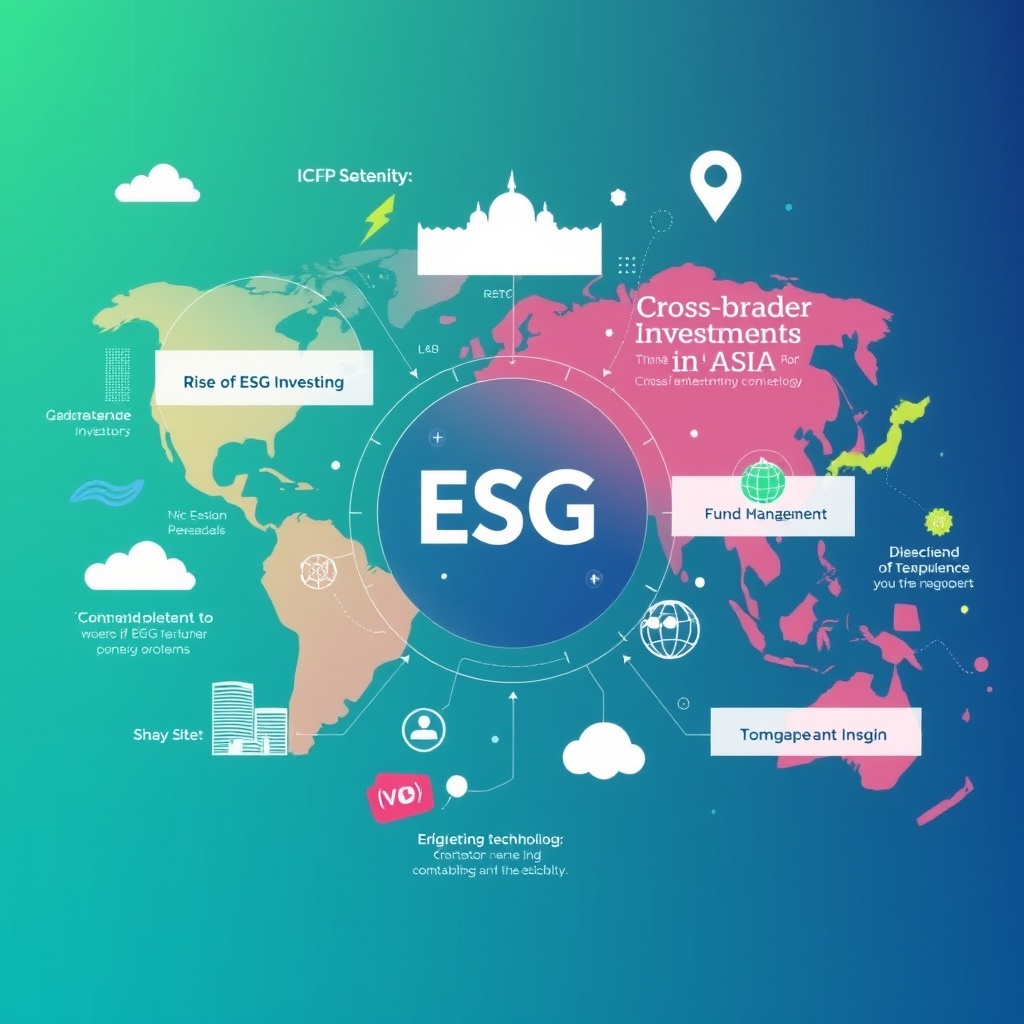
Key Trends Shaping PE and VC Fund Structuring
The Rise of ESG Investing
ESG investing isn’t just a trend—it’s a transformation. In Asia, where environmental and social challenges are acute, investors are demanding more than financial returns. We’ve seen a surge in funds incorporating ESG criteria into their investment mandates. For example, our latest fund excludes companies with poor labour practices and prioritises renewable energy projects. This shift isn’t just ethical; it’s strategic. Studies show that ESG-compliant funds outperform their peers over the long term. By embedding sustainability into our structures, we attract a new generation of investors.
Regulators are also driving this change. Singapore’s Green Finance Taxonomy and Hong Kong’s Climate Action Plan 2050 set clear guidelines for sustainable investing. We’ve responded by developing ESG scoring frameworks and impact reporting tools. These innovations help us measure and communicate our impact transparently. The rise of ESG is reshaping fund structuring, from governance models to exit strategies. For us, it’s a chance to lead and redefine what success looks like in private equity and venture capital.
Technology and Digitalization in Fund Management
Technology is revolutionising how we structure and manage funds. From blockchain for secure transactions to AI for predictive analytics, digital tools are enhancing efficiency and transparency. We’ve adopted smart contracts to automate LP agreements, reducing administrative burdens and minimising errors. Digital platforms also enable real-time reporting, giving investors unprecedented visibility into fund performance. These innovations aren’t just nice-to-haves—they’re becoming industry standards.
One of the most exciting developments is tokenisation. By converting fund interests into digital tokens, we can fractionalise ownership and attract a broader investor base. This is particularly impactful in emerging markets, where access to private capital has traditionally been limited. However, digitalisation also brings challenges, such as cybersecurity risks and regulatory uncertainty. We address these by partnering with fintech experts and staying ahead of regulatory trends. The future of fund structuring is digital, and we’re committed to leading the charge.
Increasing Cross-border Investments
Cross-border investments are booming, and Asia is at the heart of this trend. Regional trade agreements like RCEP are reducing barriers, while digital platforms are making it easier to connect with global investors. We’ve structured funds to capitalise on this momentum, blending local expertise with international capital. For example, our pan-Asian fund leverages partnerships in India, China, and Southeast Asia to diversify risk and maximise returns. This approach has resonated with LPs seeking exposure to high-growth markets.
However, cross-border investing isn’t without challenges. Currency fluctuations, geopolitical risks, and regulatory disparities require careful navigation. We mitigate these risks through hedging strategies and localised fund vehicles. The key is to balance global ambition with local nuance. As Asia’s economies continue to integrate, cross-border fund structuring will only grow in importance. For us, it’s an opportunity to build bridges and create value across borders.
The Role of Technology in Fund Structuring
Fintech Innovations in PE and VC
We’ve seen fintech revolutionise private equity and venture capital in Asia, streamlining processes that were once cumbersome. From digital platforms facilitating investor onboarding to AI-driven deal sourcing, technology is reshaping how we operate. I’ve witnessed firsthand how these tools enhance efficiency, allowing us to focus on strategic decisions rather than administrative tasks. The integration of fintech isn’t just a trend—it’s a necessity for staying competitive in today’s fast-paced market.
Blockchain and Smart Contracts
Blockchain is transforming fund structuring by introducing transparency and security. Smart contracts, for instance, automate compliance and reduce the risk of human error. In our experience, adopting blockchain has streamlined transactions and improved trust among stakeholders. It’s a game-changer for cross-border deals, where regulatory complexities often slow things down. By leveraging this technology, we’re able to execute agreements faster and with greater confidence.
Data Analytics for Investment Decisions
Data analytics has become indispensable in our investment strategy. By analysing market trends and portfolio performance, we can make informed decisions with precision. I recall a recent deal where predictive analytics helped us identify a high-potential startup before it gained mainstream attention. This level of insight is invaluable, and it’s why we’ve doubled down on integrating advanced analytics into our workflow.
Strategies for Effective Fund Raising in Asia
Building a Compelling Investment Thesis
Crafting a compelling investment thesis is the cornerstone of successful fundraising. We focus on articulating clear value propositions tailored to Asian markets, highlighting opportunities like ESG investing and tech-driven growth. Investors want to see a well-researched, data-backed approach, and we’ve found that transparency about risks and rewards builds credibility. A strong thesis isn’t just a pitch—it’s a roadmap for long-term success.
Engaging with Limited Partners
Engaging limited partners (LPs) requires a personalised approach. We prioritise building relationships through regular updates and tailored communication. In Asia, cultural nuances play a significant role, and understanding these has been key to our success. For example, face-to-face meetings still hold immense value here, even in a digital age. By aligning our strategies with LP expectations, we’ve secured commitments from some of the region’s most discerning investors.
Leveraging Networks and Platforms
Networks and digital platforms are powerful tools for fundraising. We’ve leveraged platforms like digital asset management solutions to connect with a broader investor base. Additionally, partnerships with local firms have opened doors to untapped markets. In Asia, where relationships drive business, these networks are often the difference between a successful raise and a missed opportunity.
Structuring Funds for Maximum Impact
Choosing the Right Fund Structure
Selecting the right fund structure is critical for aligning interests and optimising returns. We’ve experimented with various models, from traditional closed-end funds to hybrid structures. In Asia, flexibility is key due to diverse regulatory environments. For instance, jurisdictional strategy plays a pivotal role in determining the most tax-efficient and investor-friendly setup. Our approach is always tailored to the specific needs of the market and our investors.
Fee Structures and Alignment of Interests
Fee structures must align the interests of managers and investors. We’ve adopted performance-based fees to ensure our success is tied to that of our LPs. Transparency about fees builds trust, and we’ve found that investors appreciate clarity upfront. In Asia, where trust is paramount, this approach has strengthened our relationships and attracted repeat commitments.
Exit Strategies and Liquidity Options
Exit strategies are often overlooked but are crucial for delivering returns. We plan exits from day one, considering options like IPOs, trade sales, or secondary buyouts. In Asia, liquidity can be a challenge, so we explore innovative solutions such as alternative investment funds to provide flexibility. A well-defined exit plan ensures we maximise value for our investors.

The Importance of Due Diligence in Fund Structuring
Conducting Comprehensive Market Analysis
Thorough market analysis is the foundation of any successful fund. We delve deep into macroeconomic trends, sector-specific dynamics, and competitive landscapes. In Asia, where markets are rapidly evolving, this diligence is non-negotiable. I’ve seen deals fail due to overlooked regional nuances, which is why we invest significant resources in getting this step right. A robust analysis not only mitigates risks but also uncovers hidden opportunities.
Assessing Management Teams and Track Records
The quality of a management team can make or break an investment. We prioritise teams with proven track records and cultural fit, especially in Asia where local expertise is invaluable. Our due diligence includes reference checks, past performance reviews, and even psychometric assessments. It’s a rigorous process, but one that has saved us from costly missteps and led to some of our most successful partnerships.
Legal and Financial Due Diligence
Legal and financial due diligence is where many funds stumble. We work with top-tier advisors to scrutinise every detail, from regulatory compliance to financial health. In Asia, navigating local laws can be complex, but cutting corners here is never an option. Our meticulous approach ensures we’re fully aware of potential liabilities and can structure deals with confidence. It’s a step that demands time and expertise, but the payoff is worth it.
Managing Risks in PE and VC Investments
Identifying Key Investment Risks
In our journey through private equity and venture capital, we’ve learned that risk is an inevitable companion. Market volatility, regulatory changes, and operational inefficiencies are just a few of the challenges we face. Asia’s dynamic markets add another layer of complexity, with geopolitical tensions and currency fluctuations often lurking in the shadows. Understanding these risks is the first step to mitigating them, and we’ve found that a proactive approach is non-negotiable.
Beyond macroeconomic factors, deal-specific risks like valuation mismatches and liquidity constraints can derail even the most promising investments. We’ve seen how due diligence gaps or over-reliance on projections can lead to costly missteps. That’s why we prioritise thorough risk assessments, leveraging local insights and asset management best practices to stay ahead of the curve. It’s not just about avoiding pitfalls—it’s about turning risks into opportunities.
Strategies for Risk Mitigation
Mitigating risks in PE and VC isn’t about eliminating them entirely—it’s about managing them intelligently. Diversification is one of our core strategies, spreading investments across sectors and geographies to reduce exposure to any single point of failure. We also emphasise strong governance frameworks, ensuring that portfolio companies adhere to rigorous operational and financial standards. This disciplined approach has saved us from more than a few close calls.
Another key tactic is scenario planning. By stress-testing investments under various market conditions, we’re better prepared for unexpected downturns. Tools like technological innovations in asset management have been game-changers, enabling real-time risk monitoring and data-driven decision-making. At the end of the day, risk mitigation is about balance—weighing potential rewards against the downsides and making informed choices.
The Role of Insurance in Risk Management
Insurance might not be the flashiest topic, but it’s a critical component of our risk management toolkit. From political risk insurance in volatile regions to key-person insurance for leadership-heavy startups, these safeguards provide a safety net when things go sideways. We’ve found that tailored insurance solutions can make the difference between a manageable setback and a catastrophic loss, especially in Asia’s unpredictable markets.
Yet, insurance isn’t a silver bullet. It’s one piece of a broader strategy that includes contractual protections, escrow arrangements, and exit clauses. We’ve learned to treat insurance as a complement to—not a replacement for—sound investment practices. By integrating it into our overall risk framework, we’ve built resilience without sacrificing agility.
The Future of PE and VC Fund Structuring in Asia
Predicting Market Trends
The future of fund structuring in Asia is being shaped by a confluence of trends, from ESG investing to digital transformation. We’re betting on sustainability as a major driver, with investors increasingly prioritising funds that align with global environmental and social goals. At the same time, technology is revolutionising how funds are managed, with blockchain and AI offering unprecedented transparency and efficiency.
Another trend we’re watching closely is the rise of hybrid fund structures, blending traditional PE and VC models to cater to evolving investor appetites. These innovations are redefining what’s possible, and we’re excited to be at the forefront. By staying attuned to these shifts, we’re positioning ourselves to capitalise on the next wave of opportunities.
The Impact of Global Economic Shifts
Global economic dynamics are exerting a profound influence on Asia’s fund landscape. The US-China trade war, Brexit, and pandemic recovery efforts are just a few of the forces reshaping capital flows. We’ve seen how these macro trends can create both challenges and openings, and our strategy is to remain nimble. Diversifying across jurisdictions and asset classes has never been more critical.
At the same time, Asia’s growing middle class and tech-savvy population are fuelling demand for innovative investment products. We’re leveraging these tailwinds while keeping a close eye on regulatory developments. The key, as always, is adaptability—balancing global insights with local execution to stay ahead of the curve.
Preparing for Future Challenges
The road ahead is fraught with uncertainties, but we’re not waiting passively. Strengthening our due diligence processes, fostering deeper LP relationships, and embracing digital tools are all part of our playbook. We’re also investing in talent, recognising that human capital is the ultimate differentiator in a competitive market.
One thing’s for sure: the funds that thrive will be those that combine foresight with flexibility. By anticipating disruptions and building robust frameworks, we’re not just surviving—we’re thriving. The future may be unpredictable, but we’re ready to meet it head-on.
Case Studies Successful Fund Structuring in Asia
Analysis of Top-performing Funds
Studying Asia’s top-performing funds has revealed some common threads. First, successful funds often prioritise sector specialization, whether in tech, healthcare, or renewable energy. This focus allows for deeper expertise and better deal flow. Second, alignment of interests between GPs and LPs is critical—transparent fee structures and performance incentives foster trust and long-term partnerships.
We’ve also noticed the growing role of co-investment platforms, enabling LPs to participate directly in high-potential deals. These models, combined with innovative exit strategies like secondary markets, are redefining success. By learning from these leaders, we’re refining our own approach to fund structuring.
Lessons Learned from Fund Failures
Not all stories are success stories, and failures offer invaluable lessons. Over-leveraging, poor governance, and misaligned incentives are recurring themes in fund collapses. We’ve seen how over-optimistic valuations or inadequate risk controls can unravel even the most promising ventures. These cautionary tales remind us that discipline and humility are non-negotiable.
Another lesson is the importance of adaptability. Funds that failed to pivot in response to market shifts often paid the price. By contrast, those that embraced change—whether through digital transformation or strategic repositioning—were better equipped to weather storms. Failure isn’t fatal, but failing to learn from it is.
Innovative Fund Structuring Models
Innovation is the lifeblood of fund structuring, and Asia is a hotbed of creativity. From evergreen funds offering perpetual capital to tokenised funds leveraging blockchain, the possibilities are endless. We’re particularly excited about hybrid models that blend PE and VC elements, catering to diverse investor needs while maximising returns.
These innovations aren’t just theoretical—they’re delivering real results. By staying open to new ideas and experimenting cautiously, we’re unlocking value in ways we never imagined. The future belongs to those who dare to rethink the status quo.

Tools and Resources for Fund Managers
Software and Platforms for Fund Management
Technology is transforming fund management, and we’re embracing it wholeheartedly. From CRM systems streamlining investor relations to AI-powered analytics optimising portfolio performance, the tools at our disposal are more powerful than ever. Platforms like eFront and DealCloud have become indispensable, enabling seamless workflows and data-driven decision-making.
But it’s not just about the tools—it’s about how we use them. Integrating these solutions into our daily operations requires training and cultural buy-in. We’ve found that the most successful adoptions are those that align with our strategic goals, enhancing efficiency without sacrificing agility.
Educational Resources and Training
Continuous learning is a cornerstone of our success. Whether it’s industry certifications, executive education programs, or in-house workshops, we invest heavily in upskilling our team. Resources like the CFA Institute and financial planning guides provide invaluable knowledge, helping us stay ahead in a rapidly evolving landscape.
We also encourage peer learning, fostering a culture where knowledge sharing is the norm. After all, the best ideas often come from collaboration, and we’re committed to creating an environment where everyone can thrive.
Networking and Professional Associations
Building a strong network is essential in PE and VC, and we’re active participants in industry associations like the Asian Venture Capital Journal (AVCJ) and the Hong Kong Venture Capital Association (HKVCA). These forums offer unparalleled opportunities for collaboration, deal sourcing, and staying abreast of regulatory changes.
Beyond formal associations, we prioritise one-on-one relationships with LPs, co-investors, and portfolio companies. Trust is the currency of our industry, and we’re committed to earning it every day. By combining cutting-edge tools with deep human connections, we’re building a future-ready fund management practice.
Common Pitfalls in Fund Structuring and How to Avoid Them
Overlooking Regulatory Requirements
One of the most common mistakes in fund structuring is underestimating the complexity of regulatory requirements. In Asia, each jurisdiction has its own set of rules, and failing to comply can lead to severe penalties. We’ve seen funds stall because they didn’t account for local licensing or reporting obligations. Always engage local legal experts early to navigate these waters smoothly.
Another layer is the dynamic nature of regulations. What worked last year might not suffice today. We recommend building a robust compliance framework that adapts to changes. This proactive approach not only mitigates risks but also builds trust with investors who value transparency and adherence to laws.
Misalignment of Interests Among Stakeholders
Misaligned interests between fund managers and investors can derail even the most promising ventures. We’ve observed conflicts arising from unclear fee structures or divergent exit strategies. To avoid this, ensure your fund’s terms are crystal clear and aligned with investor expectations from the outset.
Transparency is key. Regularly communicate performance metrics and strategic decisions to keep everyone on the same page. Tools like asset management best practices can help streamline this process, fostering long-term partnerships.
Underestimating Market Volatility
Asia’s markets are known for their rapid shifts, and failing to account for volatility can spell disaster. We’ve seen funds caught off guard by sudden economic downturns or geopolitical tensions. Diversification and stress-testing your portfolio are non-negotiables in this region.
Leveraging data analytics and technological innovations can provide real-time insights into market trends. This allows for agile decision-making, turning potential threats into opportunities.
Best Practices for PE and VC Fund Managers
Developing a Robust Investment Strategy
A solid investment strategy is the backbone of any successful fund. We focus on identifying high-growth sectors while balancing risk. In Asia, sectors like fintech and green energy are booming, but thorough due diligence is essential to avoid overexposure.
We also emphasise the importance of scenario planning. By modelling various economic conditions, you can prepare for uncertainties. This forward-thinking approach ensures your fund remains resilient, no matter the market conditions.
Fostering Strong Investor Relations
Investor relations go beyond periodic updates. We believe in building genuine partnerships by understanding their goals and risk appetites. Regular, personalised communication helps maintain trust and can even open doors to new opportunities.
Tools like digital transformation can enhance transparency and engagement. Automated reporting and interactive dashboards provide investors with the clarity they need to stay confident in your fund.
Continuous Learning and Adaptation
The PE and VC landscape in Asia is ever-evolving, and staying ahead requires continuous learning. We invest in training for our teams and keep abreast of global trends. This commitment to growth ensures we’re always ready to capitalise on emerging opportunities.
Networking is equally vital. Engaging with industry peers and attending forums like emerging trends events can provide invaluable insights. Collaboration often leads to innovation, giving your fund a competitive edge.
Leveraging Local Insights for Global Success
Understanding Cultural Nuances in Asian Markets
Cultural understanding is critical when structuring funds in Asia. We’ve seen deals falter due to misaligned business etiquettes or communication styles. Taking the time to understand local customs can make or break your success in this diverse region.
For example, relationship-building is paramount in markets like China and Japan. We prioritise face-to-face meetings and long-term engagement over quick transactions. This approach not only smooths negotiations but also fosters lasting partnerships.
Building Local Partnerships and Networks
Local partners can be your greatest asset in Asia. They bring on-the-ground knowledge and connections that are invaluable for navigating regulatory and market challenges. We’ve found that collaborating with established firms accelerates entry and reduces risks.
Leveraging platforms like private equity in Asia can provide additional insights into local dynamics. These resources help bridge gaps and ensure your fund is well-positioned for success.
Tailoring Strategies to Local Market Conditions
A one-size-fits-all approach doesn’t work in Asia. Each market has unique economic, political, and social factors that influence investment outcomes. We customise our strategies to align with these conditions, ensuring relevance and resilience.
For instance, Southeast Asia’s growing middle class presents opportunities in consumer goods, while North Asia’s tech hubs are ideal for innovation-driven investments. By tailoring your approach, you can maximise returns while minimising risks.
Frequently Asked Questions
What are the key regulatory challenges for PE and VC funds in Asia?
Navigating Asia’s regulatory landscape requires understanding local laws, which vary widely. Compliance with licensing, reporting, and tax obligations is critical. Engaging local legal experts early can help avoid costly missteps and ensure smooth operations.
How can fund managers align interests with investors effectively?
Clear communication and transparent fee structures are essential. Regular updates and performance reports build trust. Tools like digital dashboards can enhance transparency, ensuring investors feel informed and valued throughout the fund’s lifecycle.
What role does technology play in modern fund structuring?
Technology is transformative, enabling real-time data analysis, streamlined compliance, and enhanced investor engagement. Innovations like blockchain and AI are revolutionising fund management, making processes more efficient and transparent.
Why is local market knowledge crucial for success in Asia?
Asia’s markets are diverse and complex. Understanding cultural nuances, regulatory environments, and economic conditions is vital. Local partnerships and tailored strategies ensure your fund is well-positioned to capitalise on opportunities while mitigating risks.
