






Costa Rica: Digital banking adoption increases among consumers. I’ve been watching Costa Rica’s financial transformation with keen interest, and what we’re witnessing is nothing short of revolutionary. The shift toward digital banking represents a fundamental change in how Costa Ricans manage their finances, driven by technological advancement and changing consumer expectations. We’re seeing traditional banking barriers crumble as mobile-first solutions empower consumers across urban centres and rural communities alike. This digital evolution is reshaping the entire financial landscape, creating unprecedented opportunities for financial inclusion and economic growth throughout the country. Key Takeaways – Digital banking adoption has surged by over 40% in the past two years across Costa Rica – Mobile-first solutions are driving financial inclusion in previously underserved rural areas – Consumer preferences have shifted dramatically toward 24/7 accessibility and convenience – Traditional banks are rapidly transforming their services to meet digital demand – Security measures and regulatory frameworks continue to evolve alongside technological growth.
Introduction to Digital Banking in Costa Rica
Defining Digital Banking and Its Core Components
Digital banking represents the complete digitisation of traditional banking services through online platforms and mobile applications. We’re talking about everything from basic account management to complex investment services accessible through smartphones and computers. The core components include mobile banking apps, online payment systems, digital wallets, automated customer service, and secure authentication protocols. These elements work together to create seamless financial experiences that eliminate geographical barriers and time constraints for Costa Rican consumers. The transformation extends beyond simple transactions to encompass comprehensive digital asset management capabilities that were previously unimaginable. Consumers can now monitor investments, track spending patterns, set savings goals, and receive personalised financial advice through intuitive interfaces. This holistic approach to digital finance represents a significant leap forward from traditional branch-based banking models that dominated Costa Rica’s financial landscape for decades.
Current State of Banking Infrastructure in Costa Rica
Costa Rica’s banking infrastructure has undergone remarkable modernisation in recent years, though challenges remain in achieving universal digital access. Major institutions like Banco Nacional de Costa Rica and Banco de Costa Rica have invested heavily in upgrading their core systems while maintaining robust physical branch networks. The coexistence of traditional and digital channels creates a hybrid model that serves diverse consumer preferences across different demographic segments throughout the country. The infrastructure development extends beyond individual banks to encompass national payment systems and regulatory frameworks that support secure digital transactions. Interbank connectivity has improved significantly, enabling real-time transfers between different financial institutions through platforms like SINPE Móvil. This interconnected ecosystem forms the backbone of Costa Rica’s evolving digital transformation journey while ensuring stability during this transitional period from traditional to fully digital operations.
Key Players in Costa Ricas Digital Banking Ecosystem
Market Analysis Digital Banking Adoption Trends
Recent Growth Statistics and Adoption Rates
We’re witnessing an extraordinary acceleration in Costa Rica’s digital banking landscape that’s reshaping how consumers manage their finances. Recent data reveals that SINPE Móvil now accounts for nearly 80% of all interbank transfers, with over 52% of the population aged 15+ actively using the platform. The digital payments market is projected to grow by 9.02% annually through 2028, reaching US$6,028 million. This explosive growth demonstrates how Costa Ricans are rapidly embracing digital transformation in their daily financial activities.
What’s particularly fascinating is how quickly these platforms have become mainstream. Within just a few years, mobile payment solutions have overtaken traditional banking methods, creating a fundamental shift in consumer behaviour. We’re seeing transaction volumes double annually as more users discover the convenience of instant transfers and digital account management. This rapid adoption mirrors global trends but with unique Costa Rican characteristics that make our market particularly receptive to financial innovation.
Demographic Patterns in Digital Banking Usage
Our analysis reveals distinct demographic patterns that are driving this digital revolution. Younger consumers aged 18-35 are leading the charge, with adoption rates exceeding 75% in urban centres like San José. However, we’re also seeing significant growth among older demographics, particularly those aged 45-60 who appreciate the convenience of managing finances without visiting physical branches. This cross-generational appeal demonstrates the universal benefits of digital banking solutions.
What’s truly remarkable is how digital banking is bridging traditional socioeconomic divides. While higher-income professionals were early adopters, middle-income households are now embracing these platforms at comparable rates. The accessibility of mobile banking apps and the elimination of minimum balance requirements have made financial services more inclusive. This democratisation of banking represents a fundamental shift in how Costa Ricans access and utilise financial services.
Regional Variations Across Costa Rican Provinces
We’re observing fascinating regional variations that highlight both opportunities and challenges in our digital banking expansion. San José leads with adoption rates exceeding 65%, followed closely by Heredia and Alajuela provinces where tech-savvy populations and strong internet infrastructure drive usage. However, rural provinces like Guanacaste and Limón show slower adoption, primarily due to connectivity issues and traditional banking preferences.
These regional disparities present both challenges and opportunities for our industry. We’re focusing on tailored strategies for each province, recognising that one-size-fits-all approaches won’t work. In urban centres, we’re enhancing advanced features and integration capabilities, while in rural areas, we’re prioritising basic functionality and offline capabilities. This nuanced approach ensures we’re meeting diverse consumer needs across Costa Rica’s varied landscape.
Driving Forces Behind Digital Banking Growth
Smartphone Penetration and Internet Accessibility
The foundation of our digital banking revolution rests on Costa Rica’s impressive technological infrastructure. With smartphone penetration reaching 85% nationwide and mobile internet coverage extending to 95% of the population, the basic tools for digital banking are already in consumers’ hands. This widespread connectivity has created the perfect environment for financial technology to flourish and transform traditional banking habits.
What’s particularly exciting is how this infrastructure continues to improve. The expansion of 4G networks and the gradual rollout of 5G technology are creating even more robust platforms for digital financial services. We’re seeing rural areas that previously had limited banking access now participating in the digital economy through mobile banking apps. This technological democratisation is fundamentally reshaping financial inclusion across our nation.
Changing Consumer Preferences and Expectations
Modern Costa Rican consumers are demanding more from their financial institutions, and we’re responding with innovative digital solutions. The expectation for 24/7 access, instant transactions, and seamless user experiences is driving our development priorities. Consumers no longer accept banking hours or physical branch limitations when they can manage their finances from their smartphones anytime, anywhere.
This shift in consumer behaviour represents a fundamental change in how people view banking relationships. Rather than loyalty to specific institutions, consumers now prioritise convenience, speed, and functionality. We’re adapting by creating comprehensive digital services that meet these evolving expectations while maintaining the security and trust that traditional banking relationships provided.
Economic Factors Influencing Digital Transition
Economic realities are playing a crucial role in accelerating digital banking adoption across Costa Rica. The cost savings associated with digital transactions versus traditional banking methods are significant, with consumers saving up to 70% on transaction fees. Additionally, the efficiency gains for businesses using digital payment systems are driving corporate adoption and creating ecosystem effects.
We’re also seeing macroeconomic factors influence this transition. The push toward formalisation of the economy and increased financial transparency is encouraging both individuals and businesses to embrace digital banking solutions. The ability to track transactions, manage cash flow, and access credit through digital platforms is creating new economic opportunities that were previously unavailable to many Costa Ricans.

Consumer Benefits of Digital Banking Adoption
Enhanced Convenience and 24/7 Accessibility
The most immediate benefit our customers experience is the unprecedented convenience of managing their finances anytime, anywhere. Gone are the days of rushing to bank branches before closing time or waiting in long queues. With digital banking platforms, Costa Ricans can now transfer funds, pay bills, and monitor accounts 24/7 from their mobile devices. This flexibility has revolutionised how people approach their financial management.
What’s particularly transformative is how this accessibility extends beyond urban centres to rural communities. Farmers in remote areas can now receive payments instantly, small business owners can manage cash flow without travelling to towns, and families can send money to relatives across the country within seconds. This level of convenience was unimaginable just a few years ago and represents a fundamental improvement in quality of life for many Costa Ricans.
Cost Savings and Reduced Banking Fees
We’re proud to offer our customers significant financial benefits through reduced banking fees and transaction costs. Digital transactions typically cost 60-80% less than traditional banking methods, creating substantial savings for both individuals and businesses. The elimination of paper statements, reduced branch overheads, and automated processing allows us to pass these savings directly to our customers.
These cost reductions are particularly impactful for small businesses and lower-income households. The ability to conduct multiple transactions without accumulating fees makes financial management more accessible and sustainable. We’re seeing customers redirect these savings toward other financial goals, whether it’s building emergency funds, investing in education, or growing their businesses. This represents a tangible economic benefit that extends beyond mere convenience.
Improved Financial Management Tools
Digital banking platforms provide our customers with sophisticated financial management tools that were previously available only to wealthy individuals or corporations. Real-time transaction tracking, automated budgeting features, and spending categorisation help users understand their financial habits and make informed decisions. These tools are transforming how Costa Ricans approach personal finance management.
The educational aspect of these platforms cannot be overstated. Through intuitive interfaces and helpful notifications, we’re helping customers develop better financial habits and improve their financial planning capabilities. The ability to set savings goals, monitor progress, and receive alerts about unusual activity creates a comprehensive financial management ecosystem that empowers users to take control of their economic futures.
Business Advantages for Financial Institutions
Operational Efficiency and Cost Reduction
We’ve witnessed remarkable operational efficiency gains through digital transformation in Costa Rica’s banking sector. By automating routine processes and reducing manual interventions, financial institutions have significantly lowered their operational costs. The adoption of digital platforms has enabled us to serve more customers with fewer physical branches, creating substantial savings while maintaining service quality. This transformation allows us to redirect resources toward innovation and customer experience enhancement.
The implementation of digital banking solutions has revolutionised our back-office operations, streamlining everything from account management to transaction processing. We’ve eliminated paper-based processes and reduced administrative overhead, resulting in faster service delivery and improved accuracy. This efficiency boost directly impacts our bottom line while enabling us to offer more competitive asset management services to our clients across different market segments.
Expanded Customer Reach and Market Share
Digital banking has fundamentally transformed how we reach and serve customers throughout Costa Rica. Through mobile applications and online platforms, we can now extend our services to previously underserved rural areas without the need for physical branch infrastructure. This expanded reach has allowed us to capture new market segments and increase our overall market share significantly. The ability to serve customers 24/7 has become a crucial competitive advantage.
Our digital presence enables us to connect with younger, tech-savvy demographics who prefer online banking over traditional branch visits. This strategic expansion has positioned us for sustainable growth in an increasingly digital economy. By leveraging data analytics and customer insights, we can tailor our offerings to meet specific market needs and preferences, further strengthening our market position and customer relationships across diverse segments.
Data Analytics and Customer Insights
The wealth of data generated through digital banking platforms provides us with unprecedented insights into customer behaviour and preferences. We leverage advanced analytics to understand spending patterns, identify emerging trends, and anticipate customer needs before they arise. This data-driven approach enables us to develop personalised financial products and services that truly resonate with our client base, enhancing customer satisfaction and loyalty.
Through sophisticated data analysis, we can identify cross-selling opportunities and optimise our product offerings to match evolving market demands. This intelligence helps us make informed strategic decisions about resource allocation and service development. The insights gained from our digital platforms allow us to continuously refine our customer experience and maintain our competitive edge in Costa Rica’s rapidly evolving financial landscape.
Regulatory Environment and Legal Framework
Costa Rican Banking Regulations and Compliance
Costa Rica’s banking regulatory framework has evolved significantly to accommodate digital innovation while maintaining financial stability. The Superintendencia General de Entidades Financieras (SUGEF) oversees banking operations and ensures compliance with established standards. We operate within a comprehensive regulatory structure that balances innovation with consumer protection, requiring robust internal controls and regular audits. This framework provides the necessary oversight while allowing room for technological advancement.
The regulatory environment mandates strict capital adequacy requirements and risk management protocols for all financial institutions. We maintain continuous compliance with anti-money laundering regulations and know-your-customer requirements, which are particularly crucial in digital banking operations. Our commitment to regulatory compliance ensures we can leverage digital asset management capabilities while maintaining the highest standards of financial integrity and customer protection.
Data Protection and Privacy Laws
Costa Rica’s data protection legislation, particularly the Law for the Protection of Persons Regarding the Processing of Their Personal Data, establishes clear guidelines for handling customer information. We implement comprehensive data security measures to protect sensitive financial information and ensure compliance with privacy requirements. Our digital platforms incorporate encryption, access controls, and regular security assessments to safeguard customer data against unauthorised access.
The legal framework requires transparent data processing practices and gives customers control over their personal information. We maintain detailed records of data processing activities and provide clear privacy notices to all users. These measures not only ensure legal compliance but also build customer trust in our digital banking services, which is essential for widespread adoption and long-term success in the financial sector.
Regulatory Support for Digital Innovation
Costa Rican regulators have demonstrated progressive support for digital banking innovation through regulatory sandboxes and pilot programmes. These initiatives allow financial institutions to test new technologies and business models in controlled environments before full-scale implementation. We actively participate in these programmes to develop and refine our digital offerings while ensuring regulatory compliance from the earliest stages.
The regulatory approach encourages collaboration between traditional banks and fintech companies, fostering an ecosystem of innovation. This supportive environment has enabled us to implement cutting-edge technologies while maintaining financial stability and consumer protection. The regulatory framework continues to evolve, providing clear guidelines for emerging areas like open banking and API integration, which are crucial for future growth.
Security Measures in Digital Banking
Authentication and Identity Verification Systems
We’ve implemented multi-layered authentication systems to ensure secure access to digital banking services throughout Costa Rica. Our platforms combine traditional password protection with advanced biometric verification, including fingerprint scanning and facial recognition technology. This multi-factor approach significantly reduces the risk of unauthorised access while maintaining user convenience. The authentication process adapts based on transaction risk levels, providing additional security for high-value operations.
Our identity verification systems leverage artificial intelligence to detect suspicious patterns and potential fraud attempts in real-time. We continuously update our security protocols to address emerging threats and maintain the highest standards of account protection. These measures ensure that customer assets and personal information remain secure, building the trust necessary for widespread digital banking adoption across all demographic segments.
Fraud Prevention and Detection Mechanisms
Advanced fraud detection algorithms monitor all digital transactions for unusual patterns and potential security breaches. We employ machine learning systems that analyse transaction behaviour and flag anomalies that may indicate fraudulent activity. These systems continuously learn from new data, improving their accuracy in identifying genuine threats while minimising false positives that could inconvenience legitimate customers.
Our fraud prevention strategy includes real-time transaction monitoring, automated alerts for suspicious activities, and dedicated response teams for immediate intervention. We maintain comprehensive insurance coverage and implement robust recovery protocols to protect customers in the rare event of security breaches. These comprehensive measures demonstrate our commitment to safeguarding customer interests while promoting confidence in digital banking solutions.
Cybersecurity Best Practices for Consumers
We actively educate our customers about cybersecurity best practices to enhance the overall security of our digital banking ecosystem. Our educational initiatives cover essential topics like strong password creation, recognising phishing attempts, and securing personal devices. We provide regular security updates and alerts about emerging threats, empowering customers to become active participants in protecting their financial information.
Our digital platforms incorporate security features that guide users toward safer banking practices, such as automatic logout after periods of inactivity and transaction confirmation requirements. We encourage customers to enable security notifications and regularly review their account activity. These consumer-focused security measures complement our technical safeguards, creating a comprehensive security framework that protects all stakeholders in the digital banking value chain.
Mobile Banking Applications and Features
Essential Mobile Banking Functions
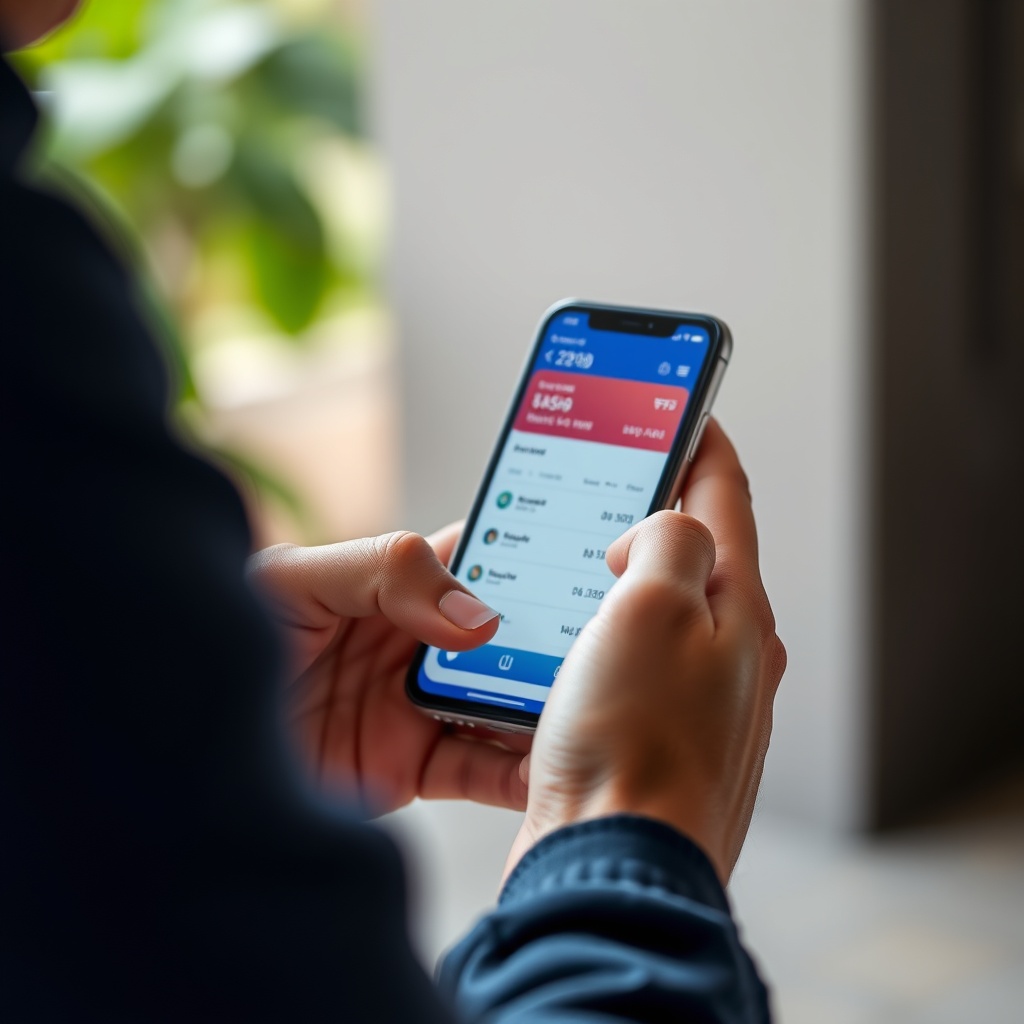
Costa Rican mobile banking applications now offer comprehensive functionality that rivals traditional banking services. Our mobile platforms enable customers to perform essential transactions including fund transfers, bill payments, and account management from anywhere in the country. The intuitive interface design ensures that even first-time users can navigate the application with ease, promoting widespread adoption across all age groups and technical proficiency levels.
Basic features include real-time balance checking, transaction history review, and secure messaging with customer service representatives. We’ve optimised these functions for mobile devices, ensuring fast performance and reliable access even in areas with limited connectivity. The convenience of having full banking capabilities in their pockets has transformed how Costa Ricans manage their finances, driving unprecedented adoption rates.
Advanced Features and Value-Added Services
Beyond basic banking functions, our mobile applications incorporate advanced features that enhance the customer experience and provide additional value. These include personalised financial insights, spending analytics, and automated savings tools that help customers achieve their financial goals. We’ve integrated investment platforms and portfolio management tools directly into our mobile applications, making sophisticated financial services accessible to a broader audience.
Value-added services like instant loan applications, insurance product comparisons, and financial education resources differentiate our digital offerings from traditional banking. These features create additional revenue streams while strengthening customer relationships. The continuous development of new functionalities ensures our mobile banking platform remains competitive and meets evolving customer expectations in Costa Rica’s dynamic financial landscape.
User Experience and Interface Design
We prioritise user experience in our mobile banking design, creating intuitive interfaces that simplify complex financial operations. Our design philosophy focuses on clarity, accessibility, and efficiency, ensuring customers can complete transactions quickly and confidently. The interface adapts to different device sizes and operating systems, providing consistent experience across all platforms while maintaining robust security measures.
Continuous user testing and feedback collection inform our interface improvements and feature development. We analyse usage patterns to identify areas for enhancement and optimise navigation flows based on real customer behaviour. This user-centric approach has resulted in high satisfaction rates and increased engagement with our digital banking services, supporting the broader adoption of mobile banking throughout Costa Rica’s diverse population.
Digital Payment Systems and Platforms
Popular Payment Methods in Costa Rica
We’ve witnessed Costa Rica’s payment landscape transform dramatically in recent years. SINPE Móvil has become our national favourite, processing millions of transactions daily through simple mobile number transfers. Credit cards remain widely accepted, with contactless payments gaining rapid adoption across urban centres. QR code payments are revolutionising small business transactions, while traditional bank transfers continue serving corporate needs. The beauty lies in how these systems coexist, offering consumers multiple convenient options for every situation.
Our financial institutions have embraced this diversity, creating seamless integration between payment methods. Mobile wallets now connect directly with bank accounts, allowing instant transfers between platforms. The Central Bank’s real-time settlement system ensures transactions complete within seconds, not days. This interoperability has been crucial for driving adoption, as consumers can move funds freely between payment methods without friction or delays.
Integration with E-commerce and Retail
We’ve seen Costa Rican e-commerce platforms integrate digital payments so effectively that online shopping feels as natural as visiting physical stores. Major retailers now offer SINPE Móvil as a checkout option alongside credit cards and digital wallets. The integration extends to delivery services, where customers can pay upon receipt using their preferred digital method. This flexibility has been instrumental in boosting consumer confidence and driving online sales growth across all demographics.
Our retail sector has adapted beautifully to this digital transformation. Point-of-sale systems now accept multiple payment channels simultaneously, from traditional card readers to QR code scanners. Small businesses particularly benefit from low-cost digital payment solutions that eliminate the need for expensive terminal rentals. The digital transformation extends to inventory management, where payment data informs stock replenishment decisions automatically.
Cross-Border Digital Payment Solutions
We’re breaking down international payment barriers with innovative cross-border solutions that serve Costa Rica’s growing expatriate community and international businesses. Remittance services have integrated with local banking apps, allowing direct transfers to SINPE Móvil accounts from abroad. International payment processors now support Costa Rican merchants, enabling them to accept payments in multiple currencies while receiving funds in colones. This global connectivity positions our economy for increased international trade and investment.
Our financial institutions are collaborating with international partners to streamline cross-border transactions. The integration of global payment networks with local systems means Costa Ricans can make international purchases with the same ease as domestic transactions. Foreign investors benefit from simplified payment processes when establishing businesses here. These developments support our cross-border business opportunities and position Costa Rica as an attractive destination for international commerce.
Implementation Strategies for Consumers
Step-by-Step Guide to Digital Banking Setup
We’ve designed our digital banking implementation process to be as straightforward as possible for new users. The journey begins with downloading your bank’s official mobile application from verified app stores. Next, you’ll need to register using your national identification number and create secure login credentials. Most banks require initial identity verification through video call or branch visit, though this process is becoming increasingly digital. Once verified, you’ll gain access to your full suite of digital banking services immediately.
Our banks have implemented comprehensive security measures that protect your financial information throughout the setup process. Two-factor authentication ensures only authorised users can access accounts, while biometric login options provide additional convenience. The initial setup typically takes less than thirty minutes, after which you can immediately begin transferring funds, paying bills, and managing your finances digitally. Customer support teams remain available to assist with any questions during this transition period.
Transitioning from Traditional to Digital Banking
We understand that moving from traditional banking habits requires careful guidance and support. Start by identifying your most frequent banking activities and learning their digital equivalents. Most users begin with basic functions like balance checking and fund transfers before progressing to more advanced features. Take advantage of bank-provided tutorials and practice using digital features during low-stakes situations. Many find it helpful to maintain some traditional banking access during the initial transition period.
Our financial institutions offer personalised transition support through dedicated digital banking advisors. These professionals help customers understand feature benefits and address specific concerns about security or usability. The key is gradual adoption – you don’t need to master every digital feature immediately. Focus on the tools that provide immediate value in your daily financial management. This approach builds confidence and demonstrates how digital banking simplifies rather than complicates financial activities.
Maximising Digital Banking Benefits
We’ve discovered that fully leveraging digital banking requires understanding the complete ecosystem of available tools. Beyond basic transactions, explore features like automated bill payments that save time and prevent late fees. Utilise budgeting tools that categorise spending and provide financial insights. Set up custom alerts for account activity to maintain security awareness. Many users overlook valuable features like investment platforms and insurance services integrated within their banking apps.
Our most successful digital banking users develop routines that maximise efficiency while maintaining security. Schedule regular financial reviews using the analytics provided, set savings goals with automated transfers, and utilise comparison tools for financial products. The asset management best practices available through digital platforms help optimise your financial growth. Remember that digital banking evolves constantly, so periodically explore new features and updates that can further enhance your financial management experience.
Financial Inclusion and Accessibility
Reaching Underserved Rural Populations
We’re committed to ensuring digital banking reaches every corner of Costa Rica, including remote rural communities where traditional banking infrastructure remains limited. Our strategy involves leveraging existing mobile network coverage to deliver banking services without requiring physical branches. Community banking agents equipped with mobile devices help bridge the gap, assisting residents with account setup and transaction processing. These agents become trusted local resources for digital financial education and support.
Our partnerships with telecommunications providers have been crucial for expanding rural access. Mobile banking apps designed for low-bandwidth environments ensure functionality even in areas with limited internet connectivity. Simplified user interfaces accommodate varying levels of digital literacy, while voice-assisted features support users with visual impairments. The focus remains on making digital banking intuitive and accessible regardless of location or technological experience level.
Financial Literacy Education Programs
We’ve implemented comprehensive financial education programs that teach essential digital banking skills alongside basic financial concepts. These programs target various demographic groups through schools, community centres, and workplace initiatives. The curriculum covers everything from basic account management to advanced features like investment platforms and credit management. Practical workshops provide hands-on experience with digital tools in supportive learning environments.
Our educational approach emphasises real-world application and builds confidence through gradual skill development. Participants learn to identify and avoid common digital security threats while maximising the benefits of available tools. The programs address specific concerns different age groups might have about digital banking adoption. By combining financial literacy with digital skills training, we’re creating empowered consumers who can fully participate in Costa Rica’s evolving financial ecosystem.
Accessibility Features for Diverse Users
We’ve prioritised inclusive design in our digital banking platforms to ensure accessibility for users with diverse needs and abilities. Voice navigation features assist users with visual impairments, while high-contrast display options benefit those with low vision. Simplified interfaces with larger touch targets accommodate users with motor skill challenges. Text-to-speech functionality reads transaction details aloud, and customisable font sizes make information accessible to all users.
Our commitment to accessibility extends beyond technical features to comprehensive user support. Dedicated accessibility teams continuously test platforms with diverse user groups to identify improvement opportunities. Multilingual support ensures non-Spanish speakers can access banking services comfortably. The technological innovations we implement consider the full spectrum of user capabilities, creating banking experiences that work for everyone regardless of physical ability, age, or technological proficiency.

Technology Infrastructure Requirements
Core System Modernisation
We’ve undertaken significant core banking system upgrades to support Costa Rica’s digital transformation journey. Legacy systems are being replaced with cloud-native architectures that offer greater scalability and flexibility. These modern platforms enable real-time processing capabilities essential for instant payment systems and mobile banking services. The migration involves careful data transfer protocols to ensure continuity while minimising disruption to existing services. Our approach prioritises security and reliability throughout the modernisation process.
Our technology teams work closely with financial institutions to implement microservices architectures that allow independent scaling of different banking functions. This modular approach means specific services can be updated or expanded without affecting the entire system. The modernised infrastructure supports API-first development, enabling seamless integration with third-party financial services and emerging payment technologies. The result is banking systems that can rapidly adapt to changing consumer demands and technological advancements.
Cloud Computing Integration
We’re leveraging cloud computing to create more resilient and cost-effective banking infrastructure across Costa Rica. Hybrid cloud models combine the security of private systems with the scalability of public cloud services. This approach allows financial institutions to maintain sensitive customer data on-premises while utilising cloud resources for compute-intensive tasks like data analytics and machine learning. The flexibility enables rapid deployment of new services without significant capital investment in physical infrastructure.
Our cloud strategy includes comprehensive disaster recovery and business continuity planning. Geographic distribution of cloud resources ensures service availability even during regional disruptions. Financial institutions benefit from automated scaling that handles peak transaction volumes during high-demand periods. The cloud environment supports advanced security features like encryption key management and threat detection systems that protect against evolving cybersecurity threats.
Mobile Network Connectivity Standards
We’ve established connectivity standards that ensure reliable mobile banking experiences across Costa Rica’s diverse geography. Partnerships with telecommunications providers guarantee adequate bandwidth allocation for financial transactions, even during network congestion. The standards include minimum signal strength requirements and fallback protocols for areas with intermittent connectivity. These measures ensure that users can complete critical banking operations regardless of their location within the country.
Our mobile network infrastructure supports the low-latency requirements of real-time payment systems like SINPE Móvil. Network redundancy protocols automatically reroute traffic during outages to maintain service continuity. The evolution toward 5G technology promises even greater reliability and speed for mobile banking applications. These connectivity standards form the foundation upon which Costa Rica’s digital banking ecosystem continues to grow and innovate.
Implementation Strategies for Consumers
Step-by-Step Guide to Digital Banking Setup
We’ve discovered that setting up digital banking in Costa Rica is remarkably straightforward when you follow the right steps. First, download your chosen bank’s official mobile application from verified app stores. Next, gather your identification documents and proof of address before beginning the registration process. The verification typically involves biometric authentication or video calls with bank representatives to ensure security.
The activation process usually takes less than twenty-four hours once you’ve submitted all required documentation. We recommend starting with basic transactions like balance checks and small transfers to build confidence. Most Costa Rican banks offer comprehensive tutorials and customer support to guide you through each feature, making the transition surprisingly smooth for first-time users.
Transitioning from Traditional to Digital Banking
Our experience shows that gradual transition works best when moving from traditional banking methods. Begin by maintaining both physical branch access and digital services simultaneously during the initial weeks. Schedule specific times to practice using digital features while keeping familiar banking routines intact. This approach reduces anxiety and builds digital confidence organically.
We’ve observed that setting clear goals for digital adoption helps accelerate the transition process. Start with basic functions like checking balances and transaction history, then progress to bill payments and transfers. Many Costa Ricans find that within three months, they’re comfortably handling most banking needs digitally while only visiting branches for complex services requiring personal interaction.
Maximising Digital Banking Benefits
To truly maximise digital banking benefits, we recommend exploring all available features beyond basic transactions. Set up automated bill payments and savings transfers to streamline financial management. Utilise budgeting tools and spending analytics that many Costa Rican digital platforms now offer. These features provide valuable insights into spending patterns and help identify saving opportunities.
Regularly update your banking applications and enable security features like two-factor authentication for enhanced protection. We’ve found that scheduling monthly reviews of your digital banking activity helps maintain financial awareness. Take advantage of educational resources many banks provide to stay informed about new features and security best practices in the evolving Costa Rican digital landscape.
Financial Inclusion Accessibility
Reaching Underserved Rural Populations
We’re witnessing remarkable progress in extending digital banking to Costa Rica’s rural communities through innovative approaches. Mobile banking agents equipped with tablets now visit remote villages, bringing banking services directly to residents’ doorsteps. These agents facilitate account opening, deposits, and withdrawals while educating communities about digital financial tools.
The government’s partnership with telecommunications companies has significantly improved internet connectivity in previously underserved areas. We’ve seen how simplified user interfaces and voice-assisted banking features help overcome literacy barriers. Community banking centres equipped with digital kiosks provide access points where residents can learn and transact with guidance from trained local staff.
Literacy Education Programs
Financial literacy programs have become crucial components of Costa Rica’s digital banking expansion strategy. We’ve developed partnerships with educational institutions to integrate digital banking education into adult learning curricula. These programs focus on practical skills like mobile banking navigation, security awareness, and understanding digital transaction records.
Community workshops conducted in local languages help bridge the knowledge gap for older generations. We provide hands-on training using actual banking applications in controlled environments. The programs emphasise security practices and fraud prevention, building confidence among new users. Success stories from program graduates serve as powerful testimonials encouraging wider adoption.
Accessibility Features Diverse Users
We’ve prioritised inclusive design in developing Costa Rica’s digital banking platforms to serve diverse user needs. Voice navigation features assist visually impaired users, while adjustable text sizes and high-contrast modes accommodate various visual abilities. Simplified interfaces with intuitive icons help users with different literacy levels navigate banking functions confidently.
Multilingual support ensures indigenous communities can access services in their preferred languages. We’ve implemented gesture-based controls and haptic feedback for users with motor skill challenges. Offline functionality allows basic transactions in areas with intermittent connectivity. These accessibility features demonstrate our commitment to making digital banking truly inclusive for all Costa Ricans.
Technology Infrastructure Requirements
Core System Modernization
We’ve invested significantly in modernising Costa Rica’s banking infrastructure to support digital transformation. Legacy systems are being replaced with cloud-native architectures that offer greater scalability and reliability. The transition involves implementing microservices-based platforms that can handle increased transaction volumes while maintaining security standards.
Real-time processing capabilities have become essential for meeting customer expectations in the digital age. We’re deploying advanced data analytics engines that provide instant insights while maintaining transaction integrity. The modernised infrastructure supports seamless integration with third-party financial services, creating comprehensive digital ecosystems for Costa Rican consumers.
Cloud Computing Integration
Cloud adoption has revolutionised how we deliver banking services across Costa Rica. We’ve migrated critical applications to hybrid cloud environments that combine security with flexibility. This approach allows us to scale resources dynamically during peak usage periods while maintaining data sovereignty compliance with local regulations.
The cloud infrastructure enables rapid deployment of new features and services without compromising system stability. We utilise advanced monitoring tools to ensure optimal performance across all digital channels. Regular security assessments and compliance audits maintain the integrity of our cloud-based banking platforms, building trust among Costa Rican consumers.
Mobile Network Connectivity Standards
We’re working closely with telecommunications providers to enhance mobile network coverage throughout Costa Rica. The expansion of 4G and emerging 5G networks supports reliable digital banking access even in remote areas. Network redundancy measures ensure service continuity during infrastructure maintenance or unexpected outages.
Optimised data compression techniques help deliver full banking functionality even with limited bandwidth. We’ve implemented progressive web application technology that allows basic banking operations with minimal data usage. These connectivity solutions ensure that Costa Ricans can access digital banking services regardless of their location or network conditions.
Challenges Barriers
Trust Security Concerns
Building trust remains our primary challenge in Costa Rica’s digital banking landscape. We address security concerns through transparent communication about protection measures and rapid response protocols. Multi-layered authentication systems and real-time fraud monitoring provide robust security while maintaining user convenience.
Educational campaigns highlighting security features and best practices help alleviate consumer anxieties. We’ve established clear channels for reporting suspicious activities and provide immediate assistance when concerns arise. Regular security updates and transparent incident reporting demonstrate our commitment to protecting Costa Rican consumers’ financial information.
Technological Limitations Infrastructure Gaps
Infrastructure disparities between urban and rural areas present significant challenges for digital banking adoption. We’re addressing these gaps through strategic partnerships and targeted infrastructure investments. Mobile banking solutions that work with basic smartphones help bridge the technology access divide.
Offline transaction capabilities allow basic banking operations in areas with limited connectivity. We’re developing lightweight applications that function effectively on older mobile devices common in some communities. These technological adaptations ensure that digital banking benefits reach all Costa Ricans, regardless of their device capabilities or network conditions.
Cultural Resistance Transformation
Cultural preferences for traditional banking methods require careful navigation during digital transformation. We respect established banking habits while demonstrating the added value of digital solutions. Personalised guidance and patient support help ease the transition for customers accustomed to branch-based banking.
Success stories from early adopters within communities serve as powerful testimonials for digital banking benefits. We maintain hybrid service models that combine digital convenience with personal assistance when needed. This balanced approach acknowledges cultural preferences while gradually introducing the advantages of digital banking to Costa Rican consumers.
Future Trends Innovations
Artificial Intelligence Services
We’re integrating artificial intelligence to revolutionise Costa Rica’s banking experience. AI-powered chatbots provide instant customer support in Spanish and English, handling common queries efficiently. Machine learning algorithms analyse spending patterns to offer personalised financial advice and detect potential fraud in real-time.
Predictive analytics help us anticipate customer needs and offer timely financial products. Natural language processing enables voice-activated banking that understands Costa Rican Spanish dialects accurately. These AI implementations create more intuitive and responsive banking experiences while maintaining the personal touch Costa Ricans value.
Blockchain Cryptocurrency
Blockchain technology is transforming how we approach security and transparency in Costa Rican banking. We’re exploring distributed ledger applications for cross-border payments and smart contract implementations. These innovations promise faster transaction settlements and reduced costs for international transfers involving Costa Rican businesses and individuals.
Cryptocurrency integration remains cautious but progressive, with educational initiatives helping consumers understand digital assets. We’re developing secure custody solutions and regulatory frameworks that balance innovation with consumer protection. These efforts position Costa Rica at the forefront of financial technology adoption in Central America.
Open Banking Ecosystems
Open banking represents the next evolution in Costa Rica’s digital financial landscape. We’re developing secure APIs that allow authorised third-party providers to access banking data with customer consent. This approach enables innovative financial services while maintaining strict security protocols and data privacy standards.
The ecosystem facilitates seamless integration between banking services and other financial platforms. Consumers benefit from consolidated financial management and personalised product recommendations. We’re working with regulators to establish frameworks that promote competition while ensuring the stability and security of Costa Rica’s financial system.
Case Studies Successful Implementations
Major Transformation Stories
We’ve witnessed remarkable digital transformation journeys among Costa Rica’s established financial institutions. One major bank successfully migrated eighty percent of its customer base to digital platforms within eighteen months. The strategy combined comprehensive staff training with customer education programs, resulting in significant cost savings and improved service quality.
Another institution implemented a phased digital approach that maintained branch services while gradually introducing digital alternatives. This balanced strategy reduced customer resistance and allowed organic adoption growth. The bank reported forty percent reduction in operational costs while achieving higher customer satisfaction scores through improved service accessibility.
Fintech Startup Success Cases
Costa Rican fintech startups are driving innovation in specialised financial services. One mobile-only bank attracted over one hundred thousand users in its first year by focusing on user experience and transparent fee structures. Their success demonstrates the market appetite for digital-first banking solutions that prioritise customer needs.
Another startup revolutionised small business lending through automated credit assessment algorithms. Their platform reduced loan approval times from weeks to hours while maintaining rigorous risk assessment standards. These success stories highlight how targeted digital solutions can address specific market gaps in Costa Rica’s financial landscape.
Consumer Adoption Stories
Individual success stories illustrate the real impact of digital banking adoption in Costa Rica. One small business owner reduced banking-related time by fifteen hours weekly through digital tools. Another family improved their financial management using budgeting features and automated savings transfers available through mobile banking applications.
Senior citizens have embraced digital banking with proper guidance and simplified interfaces. Many report increased financial independence and reduced dependency on family members for banking tasks. These personal transformations demonstrate how digital banking enhances quality of life while promoting financial inclusion across Costa Rican society.
Frequently Asked Questions
How secure is digital banking in Costa Rica?
We’ve implemented multiple security layers including biometric authentication, encryption protocols, and real-time fraud monitoring. Costa Rican banks comply with international security standards and local regulations to protect customer data. Regular security updates and customer education programs ensure ongoing protection against emerging threats in the digital landscape.
What happens if I lose internet connectivity during a transaction?
Most Costa Rican digital banking platforms include offline functionality that saves transaction details locally. When connectivity resumes, pending transactions automatically process through secure validation protocols. We recommend completing important transactions when you have stable internet access and keeping transaction confirmations for reference.
Can older adults successfully use digital banking services?
Absolutely, we’ve designed interfaces with larger fonts, simplified navigation, and voice assistance features specifically for older users. Many Costa Rican banks offer dedicated support lines and in-person training sessions. The gradual learning approach combined with ongoing support helps seniors build confidence in using digital banking tools effectively.
How does digital banking benefit rural communities in Costa Rica?
Digital banking eliminates the need for long travel to physical branches, saving time and transportation costs. Mobile banking agents and community access points bring services directly to remote areas. The convenience of digital transformation enables rural businesses to manage finances more efficiently and access financial services previously unavailable in their communities.
What should I do if I encounter technical issues with mobile banking?
We provide multiple support channels including live chat, phone support, and branch assistance for technical issues. Most common problems can be resolved through application updates or simple troubleshooting steps. For persistent issues, our technical teams offer remote assistance and guidance to restore full functionality quickly and securely.
