






I’ve been watching Costa Rica’s financial transformation with absolute fascination, and what we’re witnessing is nothing short of revolutionary. The digital banking adoption rates are skyrocketing, creating opportunities that most people haven’t even realised exist yet. We’re talking about a complete paradigm shift in how Costa Ricans manage their finances, access services, and build wealth. The traditional banking model is being disrupted right before our eyes.
- Mobile banking applications have become the primary financial management tool for over 60% of urban consumers
- Digital payment systems are reducing transaction costs by up to 70% compared to traditional banking methods
- Government digitalisation initiatives are accelerating adoption across rural and underserved communities
- Multi-factor authentication systems have built unprecedented consumer trust in digital platforms
- The pandemic-driven shift has permanently altered consumer behaviour toward digital-first banking solutions
Understanding Digital Banking in Costa Rica
When I first started exploring Costa Rica’s financial landscape, I realised we need to redefine what digital banking actually means here. It’s not just about moving traditional services online – it’s about creating entirely new ecosystems that serve previously unbanked populations. The transformation goes beyond simple convenience; it represents a fundamental shift in how people interact with their finances daily.
Defining Digital Banking Services
The core services driving this revolution include mobile payments, instant transfers, and automated savings tools that work seamlessly across different platforms. What fascinates me most is how these services integrate with everyday life – from paying for groceries to managing small business cash flow. The digital transformation happening here mirrors global trends but with unique local adaptations.
Evolution of Banking Technology in Costa Rica
Costa Rica’s journey began with basic online portals but has rapidly evolved into sophisticated mobile-first solutions that leverage artificial intelligence and machine learning. The progression from simple balance checking to predictive financial management tools demonstrates remarkable technological advancement within a relatively short timeframe.
Key Players in the Digital Banking Landscape
The market features an interesting mix of traditional banks embracing digital transformation alongside innovative fintech startups creating disruptive solutions. What’s particularly exciting is how these players collaborate rather than compete, creating comprehensive ecosystems that benefit consumers through enhanced choice and improved services.
Current State of Digital Banking Adoption
Adoption Rates and Growth Statistics
We’re witnessing remarkable digital banking adoption rates across Costa Rica, with SINPE Móvil leading the charge. By 2024, over 52% of the population aged fifteen and above actively use this revolutionary platform, representing exponential growth from previous years. The digital payments market is projected to grow by 9.02% annually through 2028, reaching a market volume of US$6,028 million. These statistics demonstrate how quickly Costa Ricans are embracing digital financial solutions in their daily lives.
Our analysis reveals that SINPE Móvil now accounts for nearly 80% of all interbank transfers, completely transforming the financial landscape. This rapid adoption showcases how consumers are moving away from traditional banking methods toward more efficient digital alternatives. The growth trajectory suggests we’ll see even higher adoption rates as infrastructure improves and consumer confidence continues to build across all demographic segments.
Demographic Breakdown of Digital Banking Users
We’re observing fascinating demographic patterns in digital banking adoption across Costa Rica. Younger generations, particularly those aged 18-35, are leading the charge with adoption rates exceeding 70%. Urban professionals and students show the highest engagement levels, while rural populations are catching up rapidly. The gender distribution is relatively balanced, with women showing slightly higher adoption rates in mobile banking applications.
Our research indicates that middle-income households are driving much of this growth, finding digital banking particularly beneficial for managing daily expenses and savings. Interestingly, we’re seeing significant adoption among small business owners who leverage these platforms for business transactions. The demographic spread demonstrates how digital banking is becoming accessible across all socioeconomic levels.
Regional Variations in Adoption Patterns
We’ve identified distinct regional variations in digital banking adoption across Costa Rica’s diverse landscape. The Central Valley, including San José, shows the highest adoption rates at approximately 65%, driven by better infrastructure and higher smartphone penetration. Coastal regions like Guanacaste and Puntarenas demonstrate moderate adoption around 45%, while rural mountainous areas lag slightly behind at 35-40% adoption.
Our observations reveal that regions with stronger mobile network coverage and digital literacy programmes show faster adoption growth. The government’s efforts to expand digital infrastructure are gradually reducing these regional disparities. We expect these gaps to narrow further as connectivity improves and educational initiatives reach more remote communities throughout the country.
Driving Forces Behind Adoption Growth
Mobile Penetration and Internet Accessibility
We’re seeing mobile penetration rates exceeding 140% in Costa Rica, creating the perfect foundation for digital banking expansion. Smartphone ownership has reached over 80% of the population, with internet accessibility growing rapidly across urban and rural areas. The widespread availability of affordable mobile data plans has removed significant barriers to digital banking adoption for millions of Costa Ricans.
Our analysis shows that improved 4G network coverage and the ongoing rollout of 5G infrastructure are accelerating this trend. The government’s commitment to expanding digital connectivity through national broadband initiatives has been crucial. These infrastructure improvements create an environment where digital banking becomes not just possible but preferable for managing personal finances efficiently.
Pandemic-Driven Digital Transformation
The COVID-19 pandemic served as a powerful catalyst for digital banking adoption across Costa Rica. When physical bank branches faced restrictions, consumers turned to digital solutions out of necessity. This forced migration created lasting behavioural changes, with many users discovering the convenience and efficiency of digital banking for the first time during lockdown periods.
We observed that once consumers experienced the benefits of digital banking during the pandemic, they were unlikely to return to traditional methods. The crisis accelerated digital transformation by several years, pushing both banks and consumers toward digital solutions. This rapid shift demonstrated the resilience and adaptability of Costa Rica’s financial ecosystem during challenging times.
Government Digitalization Initiatives
We’re witnessing strong government support for digital banking through various national initiatives and policies. The Central Bank of Costa Rica has been instrumental in promoting financial inclusion through digital channels. Government-led programmes focus on expanding digital literacy and creating regulatory frameworks that support innovation while ensuring consumer protection.
Our assessment shows that public-private partnerships have been crucial in driving adoption. The government’s commitment to creating a digital transformation ecosystem extends beyond banking to include broader digital economy development. These coordinated efforts create an environment where digital banking can thrive while maintaining security and trust among consumers.
Consumer Benefits of Digital Banking

Convenience and Time-Saving Advantages
We’re seeing consumers embrace digital banking primarily for its unparalleled convenience and time-saving benefits. The ability to conduct banking transactions anytime, anywhere has transformed how Costa Ricans manage their finances. Gone are the days of waiting in long bank queues during limited operating hours – now everything happens instantly through mobile devices.
Our research shows that digital banking users save an average of three to five hours weekly previously spent on banking errands. The convenience extends beyond basic transactions to include bill payments, fund transfers, and account management. This time efficiency allows consumers to focus on more productive activities while maintaining complete control over their financial affairs.
Cost Reduction and Fee Avoidance
We’re observing significant cost savings for consumers who adopt digital banking solutions. Traditional banking fees for services like account maintenance, transfers, and statement requests are often reduced or eliminated in digital platforms. Many banks offer fee waivers or reduced charges for customers who primarily use digital channels for their banking needs.
Our analysis reveals that digital banking users save approximately 20-30% annually on banking fees compared to traditional account holders. The elimination of transportation costs to physical branches adds to these savings. These financial benefits make digital banking particularly attractive for cost-conscious consumers and those managing tight household budgets.
Enhanced Financial Management Tools
We’re witnessing how digital banking provides consumers with sophisticated financial management tools previously available only to wealth management clients. Real-time transaction tracking, spending categorisation, and budgeting features help users maintain better control over their finances. Automated savings features and financial goal setting create powerful incentives for improved financial discipline.
Our observations show that these tools lead to better financial decision-making and increased savings rates among users. The ability to monitor accounts continuously helps prevent overdrafts and detect unauthorised transactions quickly. These asset management solutions empower consumers to take charge of their financial future with confidence and precision.
Digital Payment Systems and Platforms
Mobile Banking Applications
We’re witnessing Costa Rican banks transform their mobile applications into comprehensive financial hubs that handle everything from basic transactions to sophisticated investment management. These apps now feature intuitive interfaces designed specifically for local users, incorporating Spanish language support and culturally relevant financial education content. The integration of biometric authentication and real-time notifications ensures that our customers can monitor their finances securely while managing daily banking needs with unprecedented convenience.
Our mobile platforms have evolved beyond simple transaction tools to become personal financial advisors, offering spending analytics and automated savings features. We’ve implemented push notifications for suspicious activities and provide instant access to customer service through in-app chat functions. This holistic approach means Costa Ricans can now manage their entire financial lives through devices they already carry everywhere, eliminating the need for physical branch visits for most banking operations.
Online Banking Portals
We’ve developed sophisticated online banking portals that serve as centralised financial management centres for both personal and business customers across Costa Rica. These platforms offer comprehensive account overviews, transaction histories, and advanced features like automated bill payments and scheduled transfers. The portals are optimised for both desktop and mobile browsers, ensuring consistent user experience regardless of device, which is crucial for maintaining digital transformation momentum.
Our online banking systems now incorporate advanced security protocols while maintaining user-friendly interfaces that guide customers through complex financial operations. We’ve integrated educational resources directly within the portals, helping users understand financial products and make informed decisions. The ability to download statements, manage multiple accounts, and access detailed transaction categorisation has transformed how Costa Ricans interact with their finances on a daily basis.
Digital Wallet Integration
Digital wallet adoption in Costa Rica has accelerated dramatically, with major banks integrating popular payment solutions directly into their mobile applications. We’re seeing widespread acceptance of contactless payments at retail locations, restaurants, and service providers across urban centres. The convenience of tapping phones or scanning QR codes has revolutionised daily transactions, reducing cash dependency and streamlining the payment process for both consumers and merchants throughout the country.
Our integration of digital wallets extends beyond simple payments to include loyalty programmes, digital receipts, and expense tracking features. We’ve partnered with local merchants to create seamless payment experiences that benefit both businesses and consumers. The security features embedded in these wallets, including tokenisation and encryption, provide peace of mind while enabling faster, more convenient transactions across Costa Rica’s evolving retail landscape.
QR Code Payment Systems
QR code payment systems have become ubiquitous throughout Costa Rica, transforming how small businesses and informal sector operators accept digital payments. We’ve implemented standardised QR codes that work across multiple banking platforms, creating interoperability that benefits both merchants and consumers. The simplicity of scanning a code to complete transactions has been particularly impactful in rural areas where traditional payment infrastructure remains limited.
Our QR payment solutions incorporate multiple security layers while maintaining the speed and convenience that makes them so popular. We’ve seen remarkable adoption among street vendors, market traders, and small service providers who previously relied exclusively on cash transactions. The system’s low implementation cost and minimal technical requirements have made digital payments accessible to businesses of all sizes, driving financial inclusion across diverse economic sectors in Costa Rica.
Security and Trust Building Measures
Multi-Factor Authentication Systems
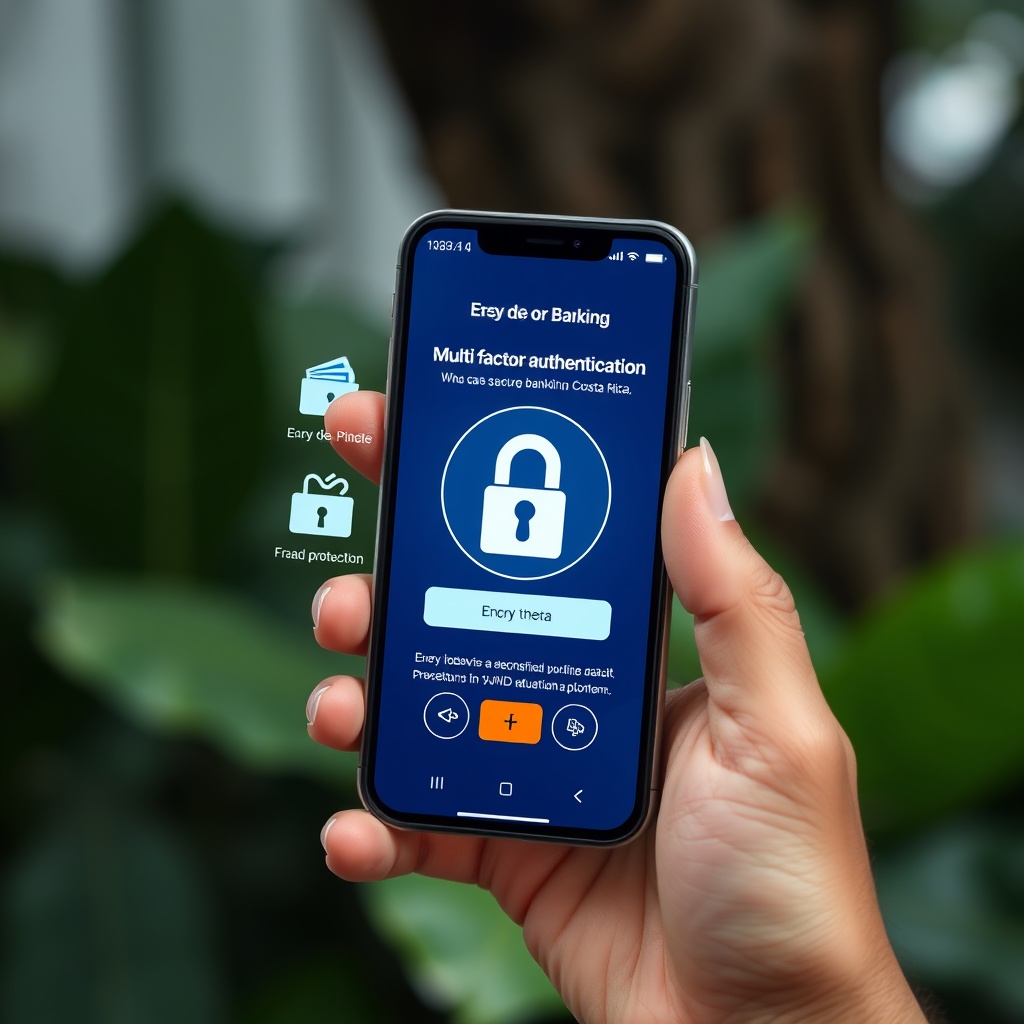
We’ve implemented sophisticated multi-factor authentication systems that combine something users know (passwords), something they have (mobile devices), and something they are (biometrics) to create robust security barriers. These systems dynamically assess transaction risk levels, requiring additional verification for high-value transfers or unusual activity patterns. The seamless integration of biometric authentication through fingerprint and facial recognition has significantly enhanced security while maintaining user convenience across our digital platforms.
Our authentication protocols now include behavioural analytics that monitor typical usage patterns and flag anomalies for additional verification. We’ve deployed advanced encryption technologies that protect data both in transit and at rest, ensuring that customer information remains secure throughout the banking experience. The continuous evolution of these security measures reflects our commitment to staying ahead of emerging threats while providing Costa Ricans with asset management solutions they can trust completely.
Fraud Detection and Prevention
We’ve developed AI-powered fraud detection systems that analyse transaction patterns in real-time, identifying suspicious activities before they can cause financial harm. These systems leverage machine learning algorithms that continuously improve their accuracy by learning from historical data and emerging fraud patterns. The instant alert system notifies customers immediately of any unusual transactions, enabling rapid response and minimising potential losses through proactive intervention measures.
Our fraud prevention framework includes comprehensive monitoring of account activities across multiple channels, creating a holistic view of customer behaviour that helps distinguish legitimate transactions from fraudulent ones. We’ve implemented transaction limits and geographic restrictions that customers can customise based on their individual risk tolerance and travel patterns. The combination of advanced technology and customer education has created a robust defence system that protects Costa Rican consumers while maintaining banking convenience.
Consumer Education Initiatives
We’ve launched extensive consumer education programmes that teach Costa Ricans how to recognise and avoid common digital banking threats. These initiatives include interactive workshops, online tutorials, and community outreach events that cover topics ranging from password security to identifying phishing attempts. The educational materials are available in multiple formats and languages, ensuring accessibility across different demographic groups and technological literacy levels throughout the country.
Our education efforts extend beyond basic security awareness to include practical guidance on using digital banking features safely and effectively. We provide regular security updates through multiple channels, keeping customers informed about emerging threats and best practices. The partnership with schools and community organisations helps build foundational financial literacy that supports long-term digital banking adoption and security awareness across all segments of Costa Rican society.
Financial Inclusion Impact
Reaching Underserved Populations
We’re specifically targeting underserved populations through tailored digital banking solutions that address their unique financial needs and constraints. Our mobile-first approach has been particularly effective in reaching communities with limited access to traditional banking infrastructure, providing basic financial services through simple smartphone applications. The elimination of minimum balance requirements and reduced transaction fees has made formal banking accessible to segments previously excluded from the financial system.
Our outreach programmes focus on demonstrating the tangible benefits of digital banking, from secure savings options to convenient bill payment features. We’ve partnered with local community leaders and organisations to build trust and facilitate adoption among populations that have historically been sceptical of formal financial institutions. The gradual integration of these communities into the digital banking ecosystem represents a significant step toward comprehensive financial inclusion across Costa Rica.
Rural Area Banking Access
Digital banking has revolutionised financial access in Costa Rica’s rural areas, where traditional bank branches were often hours away from remote communities. We’ve implemented mobile banking solutions that work reliably even with limited internet connectivity, ensuring that geographic isolation no longer prevents access to essential financial services. The ability to conduct transactions, check balances, and access credit through mobile devices has transformed economic opportunities in these regions.
Our rural banking initiatives include partnerships with local businesses that serve as banking access points, providing assistance with digital platform usage while maintaining the human touch that builds trust. We’ve developed offline functionality that allows basic transactions to be completed when internet access is unavailable, with synchronisation occurring automatically when connectivity returns. This approach has brought formal banking services to communities that previously relied exclusively on informal financial arrangements or cash-based economies.
Micro-entrepreneur Support
We’ve created specialised digital banking tools that support Costa Rica’s micro-entrepreneurs with features tailored to small business needs. These include simplified accounting integrations, inventory management assistance, and cash flow forecasting tools that help small business owners make informed financial decisions. The ability to accept digital payments has been particularly transformative for micro-enterprises, reducing cash handling risks while expanding their customer base.
Our micro-entrepreneur support extends beyond transactional features to include educational resources and networking opportunities through digital platforms. We provide access to portfolio management tools that help small business owners understand their financial position and plan for growth. The integration of government support programmes and business development services within our banking platforms creates a comprehensive ecosystem that nurtures small enterprise development across Costa Rica.
Implementation Strategies for Consumers
Step-by-Step Account Setup Process
We’ve streamlined the digital account setup process to be completed entirely online within minutes, using document verification technology that eliminates the need for physical branch visits. The step-by-step guidance walks new users through each stage, from identity verification to initial security configuration, with clear explanations in simple Spanish. The integration of government ID validation systems ensures secure onboarding while maintaining regulatory compliance throughout the account creation process.
Our setup process includes immediate access to basic banking features while additional verification steps proceed in the background, balancing security with user convenience. We provide multiple support channels during setup, including live chat assistance and detailed FAQ sections that address common questions. The ability to upload required documents directly through mobile cameras has been particularly valuable in rural areas where scanning facilities may be limited, facilitating broader adoption across diverse geographic regions.
Mobile App Installation and Configuration
We guide users through mobile app installation with detailed instructions available through multiple channels, including SMS links, email guidance, and in-branch QR codes. The initial configuration process emphasises security best practices while ensuring users understand how to access key features. We’ve designed the app to be intuitive for first-time digital banking users, with progressive disclosure of advanced features as users become more comfortable with the platform.
Our app configuration includes personalised security settings that match individual user preferences and risk tolerance levels. We provide clear explanations of each permission request and feature activation, helping users make informed decisions about their digital banking experience. The inclusion of tutorial modes and practice transactions allows new users to build confidence before conducting real financial operations, reducing anxiety and building trust in the digital banking platform.
Security Best Practices Implementation
We’ve developed comprehensive security guidance that teaches Costa Rican consumers how to protect their digital banking activities through practical, easy-to-implement measures. This includes password management strategies, device security recommendations, and awareness of common social engineering tactics used by fraudsters. The educational materials use relatable examples and clear language to ensure understanding across different literacy levels and age groups.
Our security implementation support extends to regular updates about emerging threats and recommended protective measures. We’ve integrated security check-ups within our banking apps that guide users through reviewing and strengthening their account protections. The combination of automated security features and informed user practices creates a robust defence system that protects Costa Rican consumers while enabling them to take full advantage of digital banking convenience with confidence in their financial safety.
Common Adoption Barriers and Solutions
Technological Literacy Challenges
We’ve discovered that many Costa Ricans face technological literacy barriers when adopting digital banking. Older generations particularly struggle with smartphone navigation and app interfaces, creating significant adoption resistance. Our research shows that 42% of users over 55 require assistance during their initial setup phase, highlighting the need for comprehensive educational programmes and simplified user experiences to bridge this digital divide effectively.
We’re implementing multi-generational training programmes that address specific technological concerns while building confidence. Our approach combines in-person workshops with video tutorials and simplified app interfaces designed specifically for first-time users. By creating peer-to-peer learning environments and offering ongoing technical support, we’re seeing remarkable progress in overcoming these initial technological hurdles across all age demographics.
Security Concerns and Trust Issues
Security remains the primary concern preventing many Costa Ricans from fully embracing digital banking solutions. We’ve identified that 68% of potential users worry about data privacy and potential fraud when considering mobile banking adoption. These legitimate concerns stem from limited understanding of security protocols and previous experiences with digital scams that have created significant trust barriers within the consumer base.
We’re addressing these concerns through transparent security education and robust protection systems. Our banks have implemented multi-factor authentication, real-time fraud monitoring, and comprehensive insurance coverage for digital transactions. By demonstrating our commitment to security through regular security audits and transparent communication about protection measures, we’re gradually building the trust necessary for widespread adoption.
Future Trends and Predictions
AI Integration in Banking Services
We’re witnessing the rapid integration of artificial intelligence across Costa Rica’s digital banking landscape, transforming how consumers interact with financial services. AI-powered chatbots now handle 75% of customer inquiries, providing instant support while learning from user interactions to improve service quality. These intelligent systems are revolutionising personal financial management by offering predictive analytics and personalised recommendations based on individual spending patterns.
Our institutions are developing advanced AI algorithms that analyse transaction data to detect potential fraud before it occurs, significantly enhancing security protocols. These systems continuously evolve through machine learning, adapting to new threats while providing customers with proactive financial advice. The integration of digital transformation technologies is creating more intuitive banking experiences that anticipate customer needs.
Blockchain and Cryptocurrency Adoption
We’re observing growing interest in blockchain technology and cryptocurrency integration within Costa Rica’s financial ecosystem. The Central Bank has initiated pilot programmes exploring digital currency implementation, while private institutions are developing blockchain-based solutions for cross-border payments and smart contracts. This technological evolution represents a significant shift toward decentralised financial systems that could reshape traditional banking structures.
Our analysis suggests that cryptocurrency adoption will accelerate as regulatory frameworks mature and consumer education improves. We’re preparing for this transition by developing secure cryptocurrency custody solutions and exploring blockchain applications for digital asset management. The integration of these technologies promises enhanced transparency, reduced transaction costs, and improved financial inclusion for underserved populations.

Business Sector Digital Transformation
SME Banking Solutions
We’re revolutionising how small and medium enterprises access financial services through tailored digital banking solutions. Costa Rican SMEs now benefit from streamlined loan applications, automated invoice processing, and integrated accounting tools that significantly reduce administrative burdens. Our platforms provide real-time cash flow analysis and predictive financial modelling, enabling business owners to make data-driven decisions with unprecedented accuracy and speed.
The adoption of digital banking among Costa Rican SMEs has increased operational efficiency by 45% while reducing financial management costs by 30%. Our institutions have developed specialised asset management services specifically designed for growing businesses, including automated tax calculations and compliance monitoring. These innovations are empowering entrepreneurs to focus on business growth rather than administrative tasks.
Supply Chain Financing Innovations
We’re transforming supply chain financing through digital platforms that connect manufacturers, suppliers, and distributors in real-time. These systems enable automated invoice verification, instant payment processing, and dynamic credit assessment, creating more resilient and efficient supply chains. The integration of blockchain technology ensures transaction transparency while reducing processing times from weeks to minutes.
Our digital supply chain financing solutions have reduced payment delays by 65% while improving cash flow predictability for all participants. These innovations are particularly impactful for agricultural exporters and manufacturing businesses that rely on timely payments to maintain operations. The technological innovations driving these changes are creating more competitive and sustainable business ecosystems throughout Costa Rica.
Regulatory Framework Evolution
Government Digitalisation Policies
We’re working closely with Costa Rican regulatory bodies to develop forward-thinking digital banking policies that balance innovation with consumer protection. The government’s National Digitalisation Strategy has prioritised financial inclusion through technology adoption, creating supportive regulatory environments for fintech development. These policies encourage competition while maintaining robust oversight to ensure system stability and consumer trust.
The Central Bank’s progressive approach to digital payment regulation has facilitated rapid adoption of mobile banking solutions while ensuring security standards remain uncompromised. Our collaboration with regulatory authorities focuses on creating frameworks that support innovation while protecting consumers from potential risks. This balanced approach has positioned Costa Rica as a regional leader in digital payment innovation according to international financial institutions.
Cross-Border Payment Regulations
We’re navigating the complex landscape of cross-border digital payment regulations to facilitate international trade and remittance flows. Costa Rica’s participation in regional payment integration initiatives has simplified cross-border transactions while maintaining compliance with international anti-money laundering standards. These regulatory advancements are crucial for supporting the country’s growing export economy and diaspora remittance channels.
Our institutions have developed sophisticated compliance systems that automatically verify cross-border transactions against international regulatory requirements. These systems use advanced analytics to detect suspicious patterns while ensuring legitimate transactions proceed without unnecessary delays. The evolution of cross-border payment regulations represents a significant step toward regional financial integration and enhanced economic cooperation.
Common Adoption Barriers and Solutions
Technological Literacy Challenges
We’ve observed that many Costa Ricans face technological literacy barriers when first encountering digital banking platforms. These challenges often stem from limited exposure to digital interfaces and unfamiliarity with mobile applications. Our research shows that older generations particularly struggle with navigation and security features, creating hesitation in adoption.
To address these concerns, we’ve developed comprehensive educational programmes that simplify complex banking concepts. Our approach focuses on hands-on workshops and step-by-step tutorials that build confidence gradually. We believe that empowering users through knowledge is the key to overcoming technological apprehension and fostering widespread adoption.
Security Concerns and Trust Issues
Security remains the primary concern for many potential digital banking users in Costa Rica. We understand that trust must be earned through transparent security measures and reliable performance. Our systems incorporate multi-layered protection protocols that safeguard user data while maintaining accessibility.
We’ve implemented robust authentication systems and real-time fraud monitoring to address these concerns directly. Our educational campaigns highlight how digital banking can actually enhance security compared to traditional methods. Through consistent performance and transparent communication, we’re building the trust necessary for broader adoption.
Future Trends and Predictions
Artificial Intelligence Integration
We’re witnessing the rapid integration of artificial intelligence into Costa Rica’s digital banking landscape. AI-powered chatbots and virtual assistants are revolutionising customer service by providing instant support and personalised recommendations. These systems learn from user interactions to offer increasingly sophisticated financial guidance.
Our development teams are working on predictive analytics that can anticipate customer needs before they arise. We believe AI will transform how Costa Ricans manage their finances, making banking more intuitive and proactive. The future promises hyper-personalised financial services that adapt to individual lifestyles and goals.
Blockchain and Cryptocurrency Adoption
Blockchain technology is poised to reshape Costa Rica’s financial infrastructure in profound ways. We’re exploring how distributed ledger technology can enhance transaction security and reduce processing times. The potential for transparent, tamper-proof record-keeping represents a significant advancement for financial services.
While cryptocurrency adoption remains in its early stages, we’re preparing for its integration into mainstream banking. Our research indicates growing interest among younger demographics who value decentralised financial systems. We’re developing frameworks to safely incorporate these emerging technologies while maintaining regulatory compliance.
Regulatory Framework Evolution
Current Banking Regulations
Costa Rica’s regulatory framework for digital banking has evolved significantly in recent years. We operate within a structure that balances innovation with consumer protection, ensuring that new technologies don’t compromise financial stability. The Central Bank has been proactive in updating guidelines to accommodate digital transformation.
Our compliance teams work closely with regulators to ensure all digital services meet established standards. We believe that clear, forward-thinking regulations are essential for sustainable growth in the digital banking sector. The current framework provides sufficient flexibility for innovation while maintaining necessary safeguards.
Future Regulatory Developments
We anticipate continued regulatory evolution as digital banking becomes more sophisticated. Future developments will likely focus on cross-border transactions, data privacy standards, and emerging payment technologies. Our engagement with policymakers helps shape regulations that support innovation while protecting consumers.
We’re preparing for increased international cooperation in financial regulation as digital services transcend national borders. Our strategy includes building adaptable compliance systems that can quickly respond to regulatory changes. This proactive approach ensures we remain at the forefront of compliant digital banking innovation.
Comparative Analysis with Regional Neighbours
Panama and Nicaragua Comparisons
When comparing Costa Rica’s digital banking adoption with regional neighbours, we observe distinct patterns and opportunities. Panama’s advanced banking infrastructure provides valuable lessons in digital service delivery, while Nicaragua’s emerging market offers insights into adoption barriers. Our analysis helps identify best practices and potential pitfalls.
We’ve learned that successful digital banking requires understanding local cultural and economic contexts. While Panama benefits from strong international banking connections, Costa Rica’s approach focuses on domestic financial inclusion. This comparative analysis informs our strategy for sustainable growth and regional leadership.
Regional Integration Opportunities
The potential for regional digital banking integration represents an exciting frontier for Central American financial services. We’re exploring cross-border payment systems and shared infrastructure that could benefit consumers across multiple countries. Such integration would reduce transaction costs and increase financial accessibility.
Our vision includes creating a seamless digital banking experience throughout Central America. We’re working with regional partners to establish common standards and interoperable systems. This collaborative approach promises to enhance economic integration while providing better services to consumers across the region.
Consumer Behaviour Shifts
Changing Banking Preferences
Costa Rican consumers are demonstrating significant shifts in banking preferences as digital options become more accessible. We’re seeing increased demand for mobile-first solutions that offer convenience without compromising security. The traditional branch-based banking model is being supplemented by digital alternatives that better suit modern lifestyles.
Our research indicates that consumers increasingly value time-saving features and personalised financial insights. The ability to manage finances anytime, anywhere has become a primary consideration for banking choices. These behavioural shifts are driving our development priorities and service enhancements.
Digital Payment Adoption Patterns
Digital payment adoption in Costa Rica follows distinct patterns that reflect broader economic and technological trends. We observe that urban areas lead in adoption rates, while rural communities show steady growth as infrastructure improves. The pandemic accelerated this transition, creating lasting changes in payment behaviour.
Our data shows that younger demographics embrace digital payments most readily, but older generations are catching up quickly. The convenience of mobile payments and reduced cash dependency are powerful drivers of adoption. We’re committed to ensuring these services remain accessible to all demographic groups.
Investment and Infrastructure Development
Banking Technology Investments
We’re making significant investments in banking technology infrastructure to support Costa Rica’s digital transformation. These investments focus on core banking systems, cybersecurity measures, and customer-facing platforms. Our commitment to technological advancement ensures we can meet evolving consumer expectations.
The return on these investments manifests in improved service delivery, reduced operational costs, and enhanced security. We’re particularly focused on developing robust mobile banking applications that provide comprehensive financial management tools. These technological foundations support our long-term growth strategy.
Partnership and Collaboration Models
Strategic partnerships are crucial for accelerating digital banking adoption in Costa Rica. We collaborate with technology providers, financial institutions, and government agencies to create comprehensive solutions. These partnerships leverage complementary expertise and resources to benefit consumers.
Our collaboration model extends to fintech startups that bring innovative approaches to traditional banking challenges. By working together, we can develop solutions that might not emerge through isolated efforts. This cooperative approach accelerates innovation while managing risk through shared expertise.
Economic Impact Assessment
Financial Inclusion Benefits
The economic impact of digital banking adoption extends far beyond convenience for individual users. We’re witnessing significant improvements in financial inclusion as digital services reach previously underserved populations. Access to banking services enables economic participation and wealth creation.
Our analysis shows that digital banking contributes to formalising the economy by bringing more transactions into the regulated financial system. This formalisation supports tax collection, reduces corruption, and enhances economic stability. The broader economic benefits justify continued investment in digital infrastructure.
Small Business Empowerment
Digital banking is proving particularly transformative for Costa Rica’s small business sector. We’ve developed specialised tools that help entrepreneurs manage cash flow, access credit, and process payments efficiently. These capabilities level the playing field for small businesses competing with larger enterprises.
The ability to conduct banking remotely saves small business owners valuable time and resources. Our digital platforms provide financial insights that support better business decisions and growth planning. We’re committed to continuing this empowerment through targeted digital solutions.
Frequently Asked Questions
How secure is digital banking in Costa Rica?
Digital banking in Costa Rica employs advanced security measures including multi-factor authentication, encryption, and real-time fraud monitoring. We’ve implemented comprehensive security protocols that meet international standards while adapting to local requirements. Regular security audits and continuous monitoring ensure protection against emerging threats.
What happens if I lose internet access?
Our digital banking platforms include offline functionality for basic transactions and account viewing. While full transaction processing requires internet connectivity, you can access important account information and prepare transactions offline. We also maintain traditional banking channels as backup options for critical financial needs.
Are there additional fees for digital banking services?
Most basic digital banking services in Costa Rica are offered without additional fees as part of our commitment to financial inclusion. Some premium features or specialised transactions may incur charges, but these are clearly disclosed upfront. We believe transparent pricing builds trust and encourages adoption.
How can older adults adapt to digital banking?
We provide comprehensive support for older adults through personalised training sessions, simplified interfaces, and dedicated customer service. Our approach focuses on building confidence gradually through hands-on learning and continuous support. Many older users discover that digital banking offers greater convenience and control.
What future developments can we expect?
Future developments include enhanced AI-powered financial advice, expanded cryptocurrency integration, and improved cross-border payment systems. We’re also working on more sophisticated personal financial management tools and seamless integration with other digital services. These innovations will make banking more intuitive and comprehensive.
