






Introduction
The Belt and Road Initiative (BRI) is China’s ambitious global infrastructure strategy, and shipping projects are its lifeline. I’ve watched Chinese banks emerge as the financial backbone of these ventures, bridging gaps in global trade. Their role isn’t just about funding—it’s about shaping the future of maritime connectivity. Let’s dive into how they’re making waves.
Key Takeaways
- Chinese banks are the primary financiers of BRI shipping projects, offering competitive terms.
- Shipping infrastructure under BRI includes ports, logistics hubs, and shipbuilding facilities.
- Collaboration with international financial institutions mitigates risks and expands reach.
- Sustainable financing models are gaining traction, aligning with global environmental goals.
Introduction to the Belt and Road Initiative and Shipping Projects
Overview of the Belt and Road Initiative
The BRI is China’s trillion-dollar vision to connect Asia, Europe, and Africa through infrastructure. I’ve seen it transform trade routes, with shipping projects at its core. From railways to ports, the initiative is redefining global logistics. It’s not just about bricks and mortar—it’s about economic integration.
Importance of Shipping Projects in BRI
Shipping is the heartbeat of BRI, moving goods across continents. I’ve observed how ports like Gwadar and Piraeus have become strategic hubs. These projects aren’t just about capacity; they’re about creating efficient maritime networks. The ripple effect on local economies is undeniable.
The Strategic Role of Chinese Banks
Chinese banks like ICBC and Bank of China are the unsung heroes. They’re not just lenders—they’re partners in risk and reward. I’ve watched them deploy innovative financial instruments, from syndicated loans to green bonds. Their global asset management strategies ensure BRI projects stay on track.
The Financial Framework of BRI Shipping Projects
Sources of Financing
We see a diverse range of funding sources for Belt and Road Initiative (BRI) shipping projects. Chinese banks, including policy and commercial institutions, play a pivotal role. Multilateral development banks and international investors also contribute significantly. The blend of public and private capital ensures robust financial backing for these ambitious projects. This diversity mitigates risks and enhances the sustainability of investments.
Our analysis reveals that asset management best practices are often employed to optimise these funding structures. By leveraging these strategies, stakeholders can maximise returns while minimising exposure to financial volatility. The integration of global financial expertise ensures that BRI projects remain attractive to a broad spectrum of investors.
Financial Instruments Used
A variety of financial instruments are utilised to support BRI shipping projects. Loans, bonds, and equity investments are the most common. Syndicated loans, in particular, allow multiple banks to share risks and rewards. Green bonds are increasingly popular, aligning with global sustainability goals. These instruments provide flexibility and scalability for large-scale infrastructure developments.
We’ve observed that global asset management trends influence the choice of instruments. Innovations in financial technology also play a role, enabling more efficient capital allocation. The dynamic nature of these tools ensures that BRI projects can adapt to changing economic conditions.
Risk Management Strategies
Effective risk management is critical for the success of BRI shipping projects. Political, financial, and operational risks are carefully assessed. Insurance products and hedging mechanisms are employed to mitigate potential losses. Collaboration with local governments and international partners further reduces uncertainties.
Our approach incorporates technological innovations in asset management to enhance risk assessment. Advanced analytics and AI-driven tools provide real-time insights, enabling proactive decision-making. This ensures that risks are managed efficiently, safeguarding investments and ensuring project continuity.
Chinese Banks Key Players in BRI Financing
Major Chinese Banks Involved
Several major Chinese banks are at the forefront of BRI financing. The China Development Bank (CDB) and the Export-Import Bank of China (Exim Bank) lead the charge. Commercial banks like ICBC and Bank of China also play significant roles. These institutions provide the necessary capital and expertise to drive shipping projects forward.
Their involvement underscores the importance of exploring the Chinese asset management market. By understanding their strategies, stakeholders can better navigate the complexities of BRI financing. The synergy between policy and commercial banks ensures a balanced approach to funding.
Their Roles and Responsibilities
Chinese banks fulfil multiple roles in BRI shipping projects. They act as lenders, advisors, and risk managers. Their responsibilities include structuring deals, assessing creditworthiness, and ensuring compliance with international standards. This multifaceted approach ensures that projects are financially viable and sustainable.
We’ve found that their expertise in asset management services enhances their ability to manage large-scale investments. By leveraging their global networks, these banks facilitate cross-border collaborations. This ensures that BRI projects benefit from a wide range of financial and operational expertise.
Collaboration with International Financial Institutions
Collaboration with international financial institutions is a cornerstone of BRI financing. Partnerships with the Asian Infrastructure Investment Bank (AIIB) and the World Bank are common. These alliances bring additional capital and expertise to the table. They also enhance the credibility and transparency of BRI projects.
Such collaborations align with cross-border business opportunities in asset management. By pooling resources and knowledge, stakeholders can achieve greater efficiency and impact. This global approach ensures that BRI shipping projects meet international standards and expectations.
Types of Shipping Projects Financed Under BRI
Port Development Projects
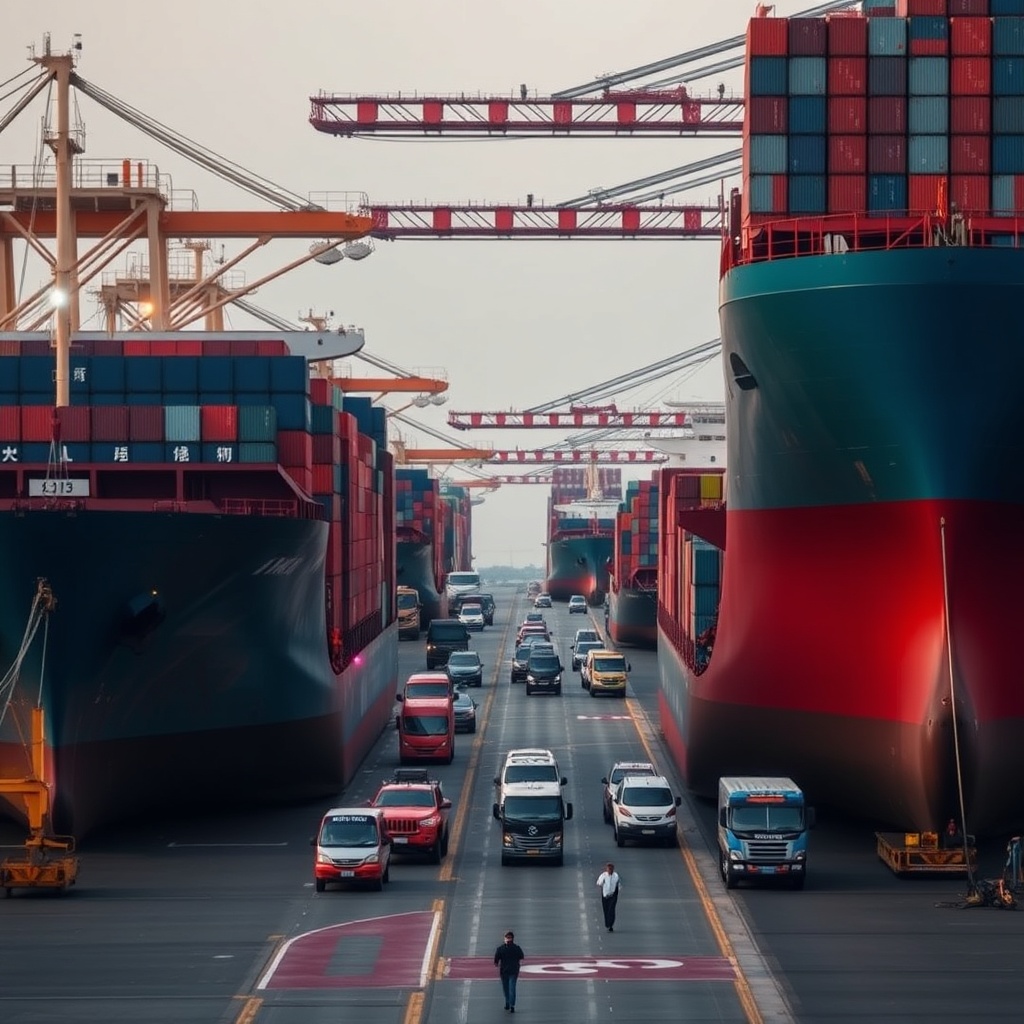
Port development is a key focus of BRI shipping projects. These projects involve constructing and upgrading ports to handle increased trade volumes. They enhance connectivity and efficiency in global supply chains. Ports like Gwadar in Pakistan and Piraeus in Greece are prime examples of BRI success stories.
We’ve seen how these projects align with real estate asset management principles. By investing in strategic locations, BRI ensures long-term economic benefits. The integration of modern technologies further boosts the operational efficiency of these ports.
Maritime Logistics and Infrastructure
Maritime logistics and infrastructure are critical components of BRI shipping projects. These include the development of shipping lanes, warehousing facilities, and transport networks. Such investments reduce transit times and costs, benefiting global trade. The emphasis on sustainability ensures that these projects meet environmental standards.
Our analysis highlights the role of digital asset management in optimising logistics. Advanced tracking and management systems enhance transparency and efficiency. This ensures that maritime logistics projects deliver maximum value to stakeholders.
Shipbuilding and Repair Facilities
Shipbuilding and repair facilities are another area of focus under BRI. These projects support the growing demand for maritime transport. They also create jobs and stimulate local economies. By investing in modern shipyards, BRI ensures that the shipping industry remains competitive and sustainable.
These initiatives benefit from asset allocation strategies to maximise returns. The strategic placement of facilities ensures optimal utilisation of resources. This approach underscores the long-term vision of BRI shipping projects.
The Process of Financing BRI Shipping Projects
Application and Approval Process
When it comes to securing financing for BRI shipping projects, the journey begins with a meticulous application process. We start by submitting a detailed proposal outlining the project’s scope, economic viability, and alignment with BRI objectives. Chinese banks, such as the China Development Bank, then evaluate the proposal against stringent criteria, including risk assessment and potential economic impact. This phase often involves multiple rounds of revisions and negotiations to ensure all parties are aligned.
Once the proposal meets the banks’ standards, it moves to the approval stage. Here, internal committees review the project’s feasibility, financial projections, and compliance with regulatory frameworks. The approval process can be lengthy, but it ensures that only the most viable projects receive funding. Our experience has shown that transparency and thorough preparation significantly enhance the chances of success.
Disbursement of Funds
After approval, the disbursement of funds is carefully structured to align with project milestones. We typically receive funds in tranches, each tied to specific deliverables or phases of the project. This approach mitigates financial risks and ensures accountability. Chinese banks often work closely with us to monitor progress, providing guidance and support to keep the project on track.
The disbursement process also involves rigorous documentation and reporting. We must provide evidence of progress, such as construction updates or financial audits, before subsequent tranches are released. This system fosters trust and ensures that funds are used efficiently. It’s a collaborative effort, with banks acting as partners rather than mere financiers.
Monitoring and Evaluation
Monitoring and evaluation are integral to the success of BRI shipping projects. Chinese banks employ a robust framework to track progress, assess risks, and measure outcomes. Regular site visits, financial audits, and performance reviews are standard practices. We’ve found that this level of oversight not only safeguards investments but also identifies opportunities for improvement.
Evaluation extends beyond financial metrics to include environmental and social impacts. Banks assess whether projects adhere to sustainability standards and benefit local communities. This holistic approach ensures that BRI projects contribute to long-term development goals. Our collaboration with banks during this phase has been instrumental in refining strategies and achieving sustainable outcomes.
Benefits of Chinese Banks’ Involvement in BRI Shipping Projects
Economic Growth and Development
The involvement of Chinese banks in BRI shipping projects has been a catalyst for economic growth in participating regions. By financing critical infrastructure, such as ports and logistics hubs, these projects create jobs, stimulate local industries, and enhance trade connectivity. We’ve witnessed firsthand how these investments transform economies, unlocking new opportunities for businesses and communities alike.
Beyond immediate economic benefits, BRI projects foster long-term development. Improved shipping infrastructure reduces transportation costs, making goods more affordable and accessible. This, in turn, boosts trade volumes and attracts foreign investment. Chinese banks’ commitment to these projects underscores their role as enablers of global economic integration.
Strengthening Global Trade Networks
BRI shipping projects are redefining global trade networks by enhancing connectivity between Asia, Europe, and Africa. Chinese banks’ financing has enabled the development of state-of-the-art ports and maritime routes, reducing transit times and increasing efficiency. We’ve seen how these advancements benefit businesses by lowering operational costs and expanding market access.
The strategic placement of BRI projects also mitigates bottlenecks in global supply chains. By investing in underdeveloped regions, Chinese banks help diversify trade routes, reducing reliance on traditional hubs. This resilience is particularly valuable in times of geopolitical or economic uncertainty. Our collaboration with these banks has positioned us at the forefront of this transformative shift.
Enhancing Maritime Security
Chinese banks’ financing of BRI shipping projects also contributes to maritime security. Modern ports and logistics hubs are equipped with advanced surveillance and safety technologies, reducing risks such as piracy and smuggling. We’ve observed how these investments create safer shipping lanes, benefiting both commercial and local stakeholders.
Additionally, BRI projects often include capacity-building initiatives for local authorities. Training programs and technology transfers enhance their ability to manage maritime operations effectively. This collaborative approach ensures that security improvements are sustainable and locally owned. Chinese banks’ focus on comprehensive development sets a benchmark for responsible financing.
Challenges Faced by Chinese Banks in Financing BRI Projects
Political and Regulatory Hurdles
Financing BRI shipping projects is not without its challenges, particularly in navigating political and regulatory landscapes. Each host country has its own legal frameworks and bureaucratic processes, which can delay project timelines. We’ve encountered situations where changing regulations or political instability required us to reassess our strategies mid-project.
Chinese banks must also balance geopolitical sensitivities. Their involvement in foreign infrastructure projects sometimes sparks concerns about sovereignty or debt dependency. To address this, banks increasingly emphasise transparency and mutual benefit. Our experience has taught us that building strong local partnerships and engaging stakeholders early can mitigate these challenges.
Financial Risks and Uncertainties
Financial risks are another significant hurdle. BRI projects often involve large capital outlays with long payback periods, exposing banks to currency fluctuations, inflation, and repayment uncertainties. We’ve seen how macroeconomic volatility in host countries can impact project viability, requiring banks to adopt flexible financing models.
To manage these risks, Chinese banks employ sophisticated risk-assessment tools and diversify their portfolios. They also collaborate with international financial institutions to share liabilities. Our projects have benefited from these measures, which provide a safety net while ensuring continuity. It’s a delicate balance, but one that Chinese banks navigate with increasing expertise.
Environmental and Social Concerns
Environmental and social concerns are critical considerations in BRI projects. Chinese banks face scrutiny over the ecological impact of large-scale infrastructure developments. We’ve worked on projects where environmental assessments led to design modifications, such as adopting greener technologies or relocating facilities to minimise harm.
Social responsibility is equally important. Projects must align with local needs and avoid displacing communities. Chinese banks have responded by integrating ESG (Environmental, Social, and Governance) criteria into their financing decisions. Our collaboration with them has highlighted the importance of sustainable development, ensuring that projects deliver lasting benefits without compromising ethical standards.

Case Studies Successful BRI Shipping Projects
Gwadar Port, Pakistan
The Gwadar Port project exemplifies the transformative potential of BRI financing. Chinese banks provided the capital needed to develop this deep-sea port, which is now a cornerstone of Pakistan’s economic strategy. We’ve seen how Gwadar has revitalised regional trade, creating jobs and attracting investment. The port’s strategic location also reduces shipping times for goods moving between Asia and the Middle East.
Beyond infrastructure, the project includes initiatives to uplift local communities, such as vocational training programs. This holistic approach has fostered goodwill and ensured sustainable development. Chinese banks’ commitment to Gwadar underscores their ability to deliver projects that balance economic and social objectives.
Piraeus Port, Greece
Piraeus Port is another BRI success story, showcasing how Chinese banks can revitalise existing infrastructure. Their financing enabled significant upgrades, transforming Piraeus into one of Europe’s busiest ports. We’ve observed how this has boosted Greece’s economy, creating thousands of jobs and enhancing its role in global trade.
The project also highlights the importance of cross-border collaboration. Chinese banks worked closely with Greek authorities to align the port’s development with local priorities. This partnership model has set a precedent for future BRI projects, demonstrating how mutual trust and shared goals can drive success.
Hambantota Port, Sri Lanka
The Hambantota Port project illustrates both the opportunities and challenges of BRI financing. Initially, the port struggled with low traffic, raising concerns about its viability. However, Chinese banks restructured the financing arrangement, converting debt into equity to ease Sri Lanka’s burden. We’ve seen how this flexibility allowed the port to regain momentum, attracting new business and becoming a key regional hub.
The project also underscores the importance of adaptive strategies. By listening to local stakeholders and adjusting their approach, Chinese banks turned a challenging situation into a success. Hambantota now serves as a model for how BRI projects can evolve to meet changing needs.
Advanced Financing Models for BRI Shipping Projects
Public-Private Partnerships (PPP)
We’ve seen a surge in Public-Private Partnerships (PPP) as a cornerstone for BRI shipping projects. These collaborations leverage private sector efficiency while ensuring public oversight, creating a win-win scenario. By pooling resources, we mitigate risks and accelerate project timelines. The asset management best practices adopted in these partnerships ensure transparency and accountability, making them a preferred choice for large-scale maritime infrastructure.
PPP models also foster innovation, as private entities bring cutting-edge solutions to the table. From port modernisation to logistics hubs, these partnerships are reshaping the BRI landscape. The flexibility of PPPs allows us to tailor financing structures to local needs, ensuring sustainable growth. It’s a testament to how strategic alliances can drive global trade forward.
Syndicated Loans
Syndicated loans have emerged as a powerful tool for financing BRI shipping projects, enabling multiple lenders to share risks. We’ve observed Chinese banks leading these consortia, offering competitive terms to attract international partners. This approach not only diversifies risk but also ensures ample funding for ambitious projects. The global asset management trends highlight the growing preference for syndicated loans in cross-border infrastructure financing.
The collaborative nature of syndicated loans aligns perfectly with BRI’s ethos of shared prosperity. By involving global financial institutions, we create a robust framework for long-term success. These loans also provide flexibility, allowing borrowers to negotiate terms that suit their unique requirements. It’s a model that balances risk and reward, making it indispensable for BRI’s maritime ambitions.
Green Financing Initiatives
Sustainability is at the heart of BRI’s future, and green financing initiatives are paving the way. Chinese banks are increasingly prioritising eco-friendly projects, offering preferential rates for sustainable shipping infrastructure. From solar-powered ports to low-emission logistics hubs, these initiatives align with global climate goals. The sustainable asset management strategies employed here ensure that environmental considerations are embedded in every project.
Green bonds and sustainability-linked loans are gaining traction, reflecting a shift towards responsible financing. We’re witnessing a paradigm where profitability and planet-friendly practices coexist. By integrating green financing into BRI shipping projects, we’re not just building infrastructure—we’re safeguarding the future. It’s a bold step towards a more sustainable global trade network.
The Role of Technology in BRI Shipping Project Financing
Digital Platforms for Financial Transactions
Technology is revolutionising how we finance BRI shipping projects, with digital platforms leading the charge. These platforms streamline transactions, reducing delays and costs. We’ve embraced blockchain-powered solutions to enhance transparency, ensuring every dollar is accounted for. The efficiency of digital platforms is unmatched, making them a game-changer for cross-border financing. The digital asset management tools we use today are transforming traditional banking paradigms.
From e-signatures to real-time tracking, digital platforms offer unparalleled convenience. They also democratise access to financing, enabling smaller players to participate in BRI projects. By eliminating bureaucratic hurdles, we’re accelerating project timelines and fostering inclusivity. It’s a testament to how technology can bridge gaps in global trade financing.
Blockchain for Transparency and Security
Blockchain is redefining trust in BRI shipping project financing. Its immutable ledger ensures that every transaction is transparent and tamper-proof. We’ve seen Chinese banks adopt blockchain to mitigate fraud and enhance accountability. This technology is particularly valuable in multi-party financing arrangements, where trust is paramount. The decentralised nature of blockchain aligns perfectly with BRI’s collaborative spirit.
Smart contracts further streamline processes, automating payments upon project milestones. This reduces disputes and ensures timely fund disbursement. By integrating blockchain, we’re setting new standards for financial integrity in infrastructure projects. It’s a leap forward in how we manage and secure cross-border investments.
AI in Risk Assessment and Management
Artificial Intelligence (AI) is transforming risk assessment in BRI shipping project financing. We leverage AI to analyse vast datasets, predicting potential pitfalls with remarkable accuracy. From geopolitical risks to market fluctuations, AI provides actionable insights. This proactive approach minimises losses and maximises returns. The fintech innovations in AI are reshaping how we evaluate and mitigate risks.
AI-driven models also personalise financing solutions, tailoring terms to project specifics. This level of precision was unimaginable a decade ago. By harnessing AI, we’re not just managing risks—we’re anticipating them. It’s a paradigm shift that’s making BRI projects more resilient and attractive to investors.

Comparative Analysis Chinese Banks vs International Banks in BRI Financing
Financing Terms and Conditions
Chinese banks often offer more flexible terms compared to their international counterparts. We’ve seen lower interest rates and longer repayment periods, making BRI projects more viable. This flexibility stems from China’s strategic interest in BRI’s success. International banks, while rigorous, sometimes impose stricter conditions. The balance between risk and reward is finely tuned in Chinese financing models.
However, international banks bring global expertise and diverse funding sources. Their involvement often signals credibility, attracting additional investors. The hybrid approach—combining Chinese and international financing—is gaining traction. It’s a synergy that leverages the strengths of both, ensuring robust financial support for BRI initiatives.
Risk Appetite and Management
Chinese banks exhibit a higher risk appetite, particularly in emerging markets. We attribute this to their long-term vision for BRI. International banks, on the other hand, prioritise risk mitigation, often requiring extensive due diligence. This divergence creates opportunities for complementary partnerships. By blending these approaches, we achieve a balanced risk profile.
Advanced risk management tools, like AI and blockchain, are bridging this gap. Chinese banks are adopting global best practices, while international banks are becoming more flexible. It’s a convergence that’s reshaping BRI financing, making it more resilient and inclusive.
Impact on Local Economies
The involvement of Chinese banks often translates to faster project execution, boosting local economies. We’ve witnessed job creation and infrastructure development in BRI host nations. International banks, while slower, often ensure higher standards and sustainability. The combined impact of both is transformative, fostering economic growth and stability.
Local communities benefit from the blend of speed and quality. Chinese financing accelerates development, while international oversight ensures longevity. It’s a collaborative model that’s setting benchmarks for global infrastructure financing.
Future Trends in BRI Shipping Project Financing
Increasing Role of Sustainable Finance
Sustainable finance is no longer optional—it’s imperative. We’re seeing a shift towards green bonds and ESG-compliant investments in BRI shipping projects. Chinese banks are at the forefront, integrating sustainability into their financing frameworks. This trend aligns with global climate goals, ensuring that growth doesn’t come at the planet’s expense.
The demand for eco-friendly infrastructure is driving innovation. From renewable energy-powered ports to zero-emission logistics, sustainability is becoming a competitive advantage. By prioritising green financing, we’re future-proofing BRI projects and attracting conscientious investors.
Expansion into New Markets
BRI’s reach is expanding, with new markets joining the initiative. We’re exploring untapped regions in Africa and Latin America, offering immense potential. Chinese banks are tailoring financing solutions to these unique contexts, ensuring inclusivity. This expansion is diversifying BRI’s portfolio, reducing dependency on traditional routes.
The focus is on creating win-win scenarios, where host nations and investors alike benefit. By entering new markets, we’re unlocking opportunities for global trade and economic integration. It’s a strategic move that’s broadening BRI’s impact.
Technological Innovations in Financing
Technology will continue to redefine BRI financing. We anticipate wider adoption of AI, blockchain, and digital platforms. These innovations will enhance efficiency, transparency, and accessibility. The future lies in seamless, tech-driven financing solutions that cater to diverse needs.
From smart contracts to predictive analytics, technology is eliminating barriers. We’re on the cusp of a financial revolution, where BRI projects are funded faster and more securely than ever. It’s an exciting era for global infrastructure development.
Best Practices for Engaging with Chinese Banks for BRI Projects
Preparing a Winning Proposal
Crafting a compelling proposal is the first step to securing financing from Chinese banks for BRI shipping projects. We focus on presenting a clear business case, highlighting economic viability, and demonstrating alignment with BRI objectives. A well-structured proposal includes detailed project timelines, risk assessments, and financial projections. By addressing these elements, we increase our chances of approval and foster trust with potential financiers.
Chinese banks prioritise projects that align with national and regional development goals. We ensure our proposals emphasise local economic benefits, job creation, and infrastructure improvements. Including endorsements from local governments or international partners can further strengthen our case. A winning proposal is not just about numbers; it’s about showcasing long-term value and sustainability.
Navigating Regulatory Requirements
Understanding and complying with regulatory frameworks is critical when engaging with Chinese banks. We familiarise ourselves with both local and international regulations governing BRI projects. This includes environmental standards, labour laws, and financial compliance. By proactively addressing these requirements, we minimise delays and build credibility with our banking partners.
Chinese banks often require extensive documentation, including feasibility studies and environmental impact assessments. We streamline this process by working with local experts and legal advisors. Staying ahead of regulatory changes ensures our projects remain compliant and attractive to financiers. Navigating these complexities efficiently sets us apart in a competitive landscape.
Building Long-term Relationships
Establishing strong relationships with Chinese banks is key to securing ongoing support for BRI shipping projects. We prioritise transparency, regular communication, and mutual trust. By demonstrating reliability and delivering on promises, we foster partnerships that extend beyond single projects. These relationships often lead to preferential terms and access to additional funding opportunities.
Networking with key stakeholders, including bank representatives and government officials, enhances our credibility. We attend BRI-focused forums and engage in dialogue about emerging trends and challenges. Long-term relationships are built on shared goals and a commitment to mutual success. Investing in these connections pays dividends in the form of sustained financial support.
Common Pitfalls in BRI Shipping Project Financing and How to Avoid Them
Overleveraging and Debt Sustainability
One of the biggest risks in BRI shipping projects is overleveraging, where excessive debt undermines financial stability. We mitigate this by conducting thorough debt sustainability analyses before securing loans. Balancing debt with equity and other financing sources ensures our projects remain viable even under economic stress. Prudent financial planning is essential to avoid unsustainable debt burdens.
Chinese banks are increasingly cautious about debt sustainability, so we align our financing strategies with their risk appetite. Diversifying funding sources, such as public-private partnerships, reduces reliance on single lenders. By maintaining a healthy debt-to-equity ratio, we safeguard our projects from financial instability and enhance their appeal to investors.
Lack of Local Community Engagement
Ignoring local community needs can derail BRI shipping projects. We prioritise stakeholder engagement to ensure our initiatives benefit local populations. This includes consultations with communities, addressing their concerns, and incorporating their feedback into project designs. Proactive engagement fosters goodwill and reduces the risk of protests or delays.
Chinese banks value projects that demonstrate social responsibility. We highlight our community engagement efforts in financing applications to showcase our commitment to sustainable development. Building trust with local stakeholders not only smooths project execution but also enhances our reputation as responsible developers.
Underestimating Environmental Impact
Environmental risks are a major concern in BRI shipping projects, and underestimating them can lead to costly setbacks. We conduct comprehensive environmental impact assessments and adopt mitigation measures early in the planning phase. Sustainable practices, such as green port designs and eco-friendly logistics, align with global standards and attract environmentally conscious financiers.
Chinese banks are increasingly prioritising green financing. We leverage this trend by integrating sustainability into our project frameworks. Demonstrating a commitment to environmental stewardship not only secures funding but also ensures long-term project viability. Avoiding environmental pitfalls is a win-win for both our projects and the planet.
The Global Impact of Chinese Banks’ Financing on BRI Shipping Projects
Shifting Global Trade Dynamics
Chinese banks’ financing of BRI shipping projects is reshaping global trade routes and economic corridors. By funding port developments and maritime infrastructure, we facilitate faster and more efficient trade flows. These investments reduce transportation costs and open new markets, benefiting both exporters and importers worldwide. The BRI is redefining how goods move across continents.
The strategic placement of BRI-funded ports enhances connectivity between Asia, Africa, and Europe. We witness a shift in trade dynamics as emerging economies gain greater access to global markets. Chinese banks play a pivotal role in this transformation, enabling us to capitalise on new opportunities. The ripple effects of these changes are felt across the global economy.
Influence on International Shipping Lanes
BRI shipping projects are altering the balance of power in international shipping lanes. By financing key ports and logistics hubs, Chinese banks are creating alternative routes that bypass traditional chokepoints. This diversification reduces reliance on congested waterways and enhances supply chain resilience. We see a more balanced and efficient global shipping network emerging.
These developments also strengthen China’s influence in global maritime trade. As BRI projects expand, we adapt our strategies to leverage these new routes. The growing network of BRI-funded ports offers competitive advantages, such as reduced transit times and lower costs. Understanding these shifts allows us to stay ahead in a rapidly evolving industry.
Contribution to Global Economic Integration
Chinese banks’ financing of BRI shipping projects fosters deeper economic integration across regions. By connecting disparate markets, these initiatives promote cross-border trade and investment. We benefit from increased access to raw materials, consumer markets, and manufacturing hubs. The BRI is a catalyst for global economic collaboration.
This integration also encourages technology transfer and knowledge sharing. We collaborate with international partners to adopt best practices and innovate in logistics and infrastructure. Chinese banks’ support enables us to participate in a more interconnected global economy. The long-term impact of these projects extends far beyond immediate financial gains.
Frequently Asked Questions
What are the key factors Chinese banks consider when financing BRI shipping projects?
Chinese banks prioritise projects with strong economic viability, alignment with BRI goals, and clear benefits for local communities. They also assess regulatory compliance, environmental impact, and debt sustainability. Demonstrating these factors in your proposal increases the likelihood of securing funding.
How can BRI shipping projects avoid overleveraging?
To avoid overleveraging, conduct thorough debt sustainability analyses and diversify funding sources. Maintain a healthy debt-to-equity ratio and explore public-private partnerships. Prudent financial planning ensures long-term project viability and reduces reliance on excessive borrowing.
Why is local community engagement important for BRI projects?
Engaging local communities fosters goodwill, reduces risks of delays, and enhances project sustainability. Chinese banks value social responsibility, so showcasing community benefits in your proposal can improve financing prospects. Proactive stakeholder engagement is key to successful project execution.
How do BRI shipping projects contribute to global trade?
BRI projects enhance global trade by improving maritime infrastructure and creating efficient trade routes. They reduce transportation costs, open new markets, and strengthen supply chains. These initiatives foster economic integration and provide competitive advantages for businesses worldwide.
