






The Role of Blockchain and Crypto in Middle Eastern FinTech Ecosystems
Introduction
The Middle East is rapidly emerging as a global hub for FinTech innovation, with blockchain and cryptocurrency playing pivotal roles in this transformation. From Dubai’s crypto-friendly regulations to Saudi Arabia’s Vision 2030, the region is embracing decentralised technologies to revolutionise financial services. I’ve seen firsthand how these advancements are reshaping everything from cross-border payments to Islamic finance, and the potential is staggering. Let’s dive into how blockchain and crypto are driving this change.
Key Takeaways
- Blockchain enhances transaction security and reduces fraud in Middle Eastern financial systems.
- Cryptocurrencies are gaining traction, with governments exploring central bank digital currencies (CBDCs).
- Smart contracts are streamlining compliance with Sharia law in Islamic finance.
- Regulatory frameworks are evolving to balance innovation and consumer protection.
- Investment opportunities in blockchain startups are booming across the region.
Introduction to Blockchain and Cryptocurrency
What is Blockchain
Blockchain is a decentralised ledger technology that records transactions across multiple computers, ensuring transparency and immutability. In the Middle East, its applications range from secure land registries to tamper-proof supply chains. I’ve watched governments like the UAE leverage blockchain to reduce bureaucracy and enhance trust in public services. It’s not just a buzzword—it’s a game-changer for regional economies.
Understanding Cryptocurrency
Cryptocurrencies like Bitcoin and Ethereum are digital assets built on blockchain technology. While scepticism remains, Middle Eastern nations are increasingly recognising their potential. For instance, Bahrain’s central bank has licensed crypto exchanges, and Saudi Arabia is piloting a CBDC. The region’s youth-driven population is also fuelling adoption, with platforms like crypto exchanges gaining popularity.
The Intersection of Blockchain and FinTech
Blockchain and FinTech are a perfect match, especially in the Middle East. From enabling instant cross-border payments to powering digital asset management, the synergy is undeniable. I’ve seen startups in Dubai and Riyadh use blockchain to create inclusive financial solutions, bridging gaps for the unbanked. The technology’s ability to reduce costs and increase efficiency is transforming the region’s financial landscape.
The Evolution of FinTech in the Middle East
Historical Overview
We’ve witnessed a remarkable transformation in the Middle Eastern FinTech landscape over the past decade. From traditional banking systems to digital-first solutions, the region has embraced innovation with open arms. I remember when cash was king, but today, mobile payments and blockchain-based solutions dominate. Governments and private sectors have collaborated to create a fertile ground for FinTech startups, ensuring the region stays ahead in the global financial revolution.
The early 2010s marked the beginning of this shift, with countries like the UAE and Saudi Arabia leading the charge. Regulatory sandboxes were introduced, allowing startups to test their ideas without the usual red tape. This forward-thinking approach has paid off, positioning the Middle East as a hub for financial innovation. The rise of digital banks and peer-to-peer lending platforms is a testament to this evolution.
Current State of FinTech in the Middle East
Today, the Middle East is a hotbed for FinTech activity. We’re seeing unprecedented growth in digital payments, robo-advisory services, and blockchain applications. The UAE, for instance, has become a global leader in adopting digital asset management solutions. Saudi Arabia’s Vision 2030 has also accelerated FinTech adoption, with a focus on financial inclusion and digital transformation.
The region’s youthful population and high smartphone penetration have fueled this growth. Mobile wallets like STC Pay and Beam are now household names, and traditional banks are scrambling to keep up. It’s clear that FinTech isn’t just a trend here—it’s the future. The Middle East is proving that innovation and tradition can coexist, creating a unique financial ecosystem.
Blockchain’s Impact on Middle Eastern Financial Services
Enhancing Transaction Security
Blockchain technology has revolutionised how we think about security in financial transactions. In the Middle East, where trust is paramount, blockchain’s immutable ledger provides a level of transparency that was previously unimaginable. I’ve seen firsthand how banks and businesses are leveraging this technology to reduce fraud and streamline operations. The decentralised nature of blockchain ensures that every transaction is verifiable and tamper-proof.
Take cross-border payments, for example. Traditional methods are slow and costly, but blockchain-based solutions like RippleNet are changing the game. Middle Eastern banks are increasingly adopting these technologies to offer faster, cheaper, and more secure services. It’s a win-win for businesses and consumers alike, and it’s only the beginning.
Reducing Costs and Increasing Efficiency
One of the most compelling benefits of blockchain is its ability to cut costs and boost efficiency. In the Middle East, where remittances play a significant role in the economy, blockchain is a game-changer. By eliminating intermediaries, we’re seeing transaction times drop from days to minutes, and fees reduced to a fraction of what they once were. This is particularly impactful for migrant workers sending money home.
Beyond remittances, blockchain is transforming supply chain finance and trade settlements. Smart contracts automate processes that were once manual and error-prone, saving time and resources. The Middle East is embracing these innovations, positioning itself as a leader in asset management services powered by blockchain. The future of finance is here, and it’s decentralised.

Cryptocurrency Adoption in the Middle East
Current Trends in Crypto Usage
Cryptocurrency adoption in the Middle East is soaring, driven by a tech-savvy population and supportive regulatory frameworks. Countries like the UAE and Bahrain have emerged as crypto-friendly hubs, attracting global investors and startups. I’ve noticed a growing interest in Bitcoin and Ethereum, but it’s the local projects like asset management best practices that are truly making waves.
Retail adoption is also on the rise, with more businesses accepting crypto payments. From luxury retailers in Dubai to small businesses in Riyadh, the demand for digital currencies is undeniable. The Middle East is proving that crypto isn’t just a speculative asset—it’s a viable alternative to traditional finance. With the right infrastructure, the region could soon become a global crypto powerhouse.
Regulatory Landscape for Cryptocurrencies
The regulatory environment for cryptocurrencies in the Middle East is evolving rapidly. Governments are striking a delicate balance between fostering innovation and protecting investors. The UAE’s Virtual Assets Regulatory Authority (VARA) is a prime example, setting clear guidelines for crypto businesses. Saudi Arabia, meanwhile, is taking a more cautious approach, focusing on education and awareness before full-scale adoption.
Despite these differences, one thing is clear: the Middle East is committed to creating a sustainable crypto ecosystem. With initiatives like global asset management trends shaping the conversation, the region is poised to lead the next wave of financial innovation. The future of crypto in the Middle East is bright, and we’re just getting started.
Key Players in Middle Eastern Blockchain and Crypto
Leading Blockchain Startups
The Middle East is home to a burgeoning ecosystem of blockchain startups that are redefining financial services. Companies like Digital Asset Management and others are pioneering solutions in cross-border payments, supply chain transparency, and digital identity. These startups leverage blockchain’s decentralised nature to address regional challenges, such as high remittance costs and fragmented regulatory frameworks. Their innovations are not only attracting local investors but also drawing global attention to the region’s potential as a blockchain hub.
Governments in the UAE and Saudi Arabia are actively supporting these startups through sandbox environments and funding initiatives. For instance, Dubai’s Blockchain Strategy aims to make the city a global leader in blockchain adoption. This supportive environment has enabled startups to experiment with cutting-edge technologies like decentralised finance (DeFi) and non-fungible tokens (NFTs). The success of these ventures underscores the region’s commitment to fostering a vibrant blockchain ecosystem.
Major Financial Institutions Embracing Crypto
Traditional financial institutions in the Middle East are increasingly integrating cryptocurrencies into their offerings. Banks like Emirates NBD and Qatar National Bank have launched blockchain-based platforms for trade finance and remittances. These institutions recognise the efficiency gains and cost savings that blockchain can deliver, particularly in a region with high cross-border transaction volumes. Their involvement lends credibility to the crypto space and accelerates mainstream adoption.
Moreover, central banks in the region are exploring central bank digital currencies (CBDCs) to modernise payment systems. The Saudi Central Bank’s Project Aber, a joint initiative with the UAE, is a prime example of this trend. By collaborating with fintech firms and blockchain startups, these institutions are bridging the gap between traditional finance and the crypto economy, ensuring the Middle East remains at the forefront of financial innovation.
Blockchain for Islamic Finance
Principles of Islamic Finance
Islamic finance is guided by Sharia principles, which prohibit interest (riba) and speculative activities (gharar). Transactions must be asset-backed and involve shared risk between parties. These principles align closely with blockchain’s transparency and traceability features, making the technology a natural fit for Islamic finance. By recording transactions on an immutable ledger, blockchain ensures compliance with Sharia law, reducing disputes and enhancing trust among participants.
The Middle East, with its large Muslim population, is a key market for Islamic finance. Blockchain can streamline processes like sukuk (Islamic bonds) issuance and takaful (Islamic insurance) by automating compliance checks and reducing administrative overhead. This synergy between blockchain and Islamic finance is unlocking new opportunities for ethical investing and financial inclusion, particularly in underserved markets.
How Blockchain Complies with Sharia Law
Blockchain’s decentralised and transparent nature addresses many of the ethical concerns in Islamic finance. Smart contracts, for example, can enforce Sharia-compliant terms automatically, ensuring that transactions adhere to Islamic principles. Projects like Islamic Coin are leveraging blockchain to create Sharia-compliant digital assets, offering Muslims a halal alternative to conventional cryptocurrencies. These initiatives are gaining traction as they combine religious compliance with modern financial technology.
Regulators in the region are also playing a proactive role in ensuring blockchain solutions meet Sharia standards. The Bahrain-based Accounting and Auditing Organisation for Islamic Financial Institutions (AAOIFI) has issued guidelines for blockchain-based Islamic finance products. This regulatory clarity is encouraging more institutions to explore blockchain, further integrating the technology into the Islamic finance ecosystem.
Smart Contracts in Middle Eastern FinTech
Basics of Smart Contracts
Smart contracts are self-executing agreements with terms written into code. They automatically enforce obligations when predefined conditions are met, eliminating the need for intermediaries. In the Middle East, smart contracts are being used in sectors like real estate, trade finance, and supply chain management. For instance, Dubai’s Land Department has implemented blockchain-based smart contracts to streamline property transactions, reducing paperwork and fraud risks.
The adoption of smart contracts is driven by their efficiency and cost-effectiveness. By automating processes, businesses can save time and reduce operational costs. This is particularly valuable in the Middle East, where bureaucratic inefficiencies often hinder economic growth. As more organisations recognise these benefits, the demand for smart contract solutions is expected to surge across the region.
Applications in the Middle East
Beyond real estate, smart contracts are transforming industries like healthcare and logistics. In Saudi Arabia, the Ministry of Health is piloting blockchain-based smart contracts to manage pharmaceutical supply chains, ensuring transparency and reducing counterfeit drugs. Similarly, logistics companies are using smart contracts to automate customs clearance and cargo tracking, speeding up cross-border trade.
The potential of smart contracts extends to government services, where they can enhance transparency and reduce corruption. For example, Bahrain’s government is exploring smart contracts for public procurement, ensuring fair and efficient bidding processes. These applications demonstrate how smart contracts can address regional challenges while aligning with the Middle East’s vision for a digital economy.

Challenges Facing Blockchain and Crypto in the Middle East
Regulatory Hurdles
Despite the region’s progress, regulatory uncertainty remains a significant barrier to blockchain and crypto adoption. While countries like the UAE and Bahrain have established clear frameworks, others lag behind, creating a fragmented landscape. This inconsistency complicates cross-border operations and deters investors. For example, some nations have banned cryptocurrencies outright, while others embrace them, leading to confusion among businesses and consumers.
Efforts are underway to harmonise regulations across the Middle East. The Gulf Cooperation Council (GCC) is working on a unified approach to blockchain and crypto regulation, aiming to foster regional collaboration. However, achieving consensus among member states with differing priorities is challenging. Until a cohesive framework emerges, regulatory hurdles will continue to impede the growth of blockchain and crypto in the region.
Public Perception and Trust Issues
Public trust in blockchain and cryptocurrencies is another obstacle. Many consumers in the Middle East remain sceptical due to concerns about volatility, security, and illicit activities. High-profile scams and exchange hacks have further eroded confidence, making it difficult for legitimate projects to gain traction. Educating the public about the benefits and risks of blockchain is crucial to overcoming these misconceptions.
Initiatives like educational campaigns and industry partnerships are helping to build trust. For instance, the Dubai Blockchain Center offers workshops and certifications to demystify the technology. As awareness grows, public perception is gradually shifting, paving the way for broader adoption. However, achieving widespread trust will require sustained efforts from governments, businesses, and the crypto community.
The Role of Government and Regulation
Government Initiatives Supporting Blockchain
We’ve seen Middle Eastern governments take bold steps to embrace blockchain technology, recognising its potential to revolutionise financial services. The UAE’s FinTech revolution is a prime example, with initiatives like Dubai’s Blockchain Strategy aiming to make the city a global leader in blockchain adoption. Saudi Arabia’s Vision 2030 also includes blockchain as a key enabler for economic diversification. These efforts aren’t just about innovation—they’re about creating a regulatory sandbox where startups and institutions can experiment safely.
Governments are also investing in infrastructure to support blockchain adoption. Bahrain’s regulatory sandbox allows FinTech firms to test blockchain solutions under controlled conditions, while Qatar’s National Blockchain Framework ensures compliance with local laws. These initiatives demonstrate a commitment to fostering innovation while maintaining financial stability. By providing clear guidelines and support, Middle Eastern governments are paving the way for blockchain to thrive in the region’s FinTech ecosystem.
The Future of Crypto Regulation
Crypto regulation in the Middle East is evolving rapidly, with countries like the UAE and Bahrain leading the charge. The UAE’s Securities and Commodities Authority has introduced frameworks for crypto asset trading, ensuring investor protection without stifling innovation. Bahrain’s Central Bank has also established a comprehensive regulatory framework for crypto assets, balancing risk management with growth opportunities. These measures are critical for building trust in cryptocurrencies and attracting global investors.
Looking ahead, we expect more countries in the region to follow suit, creating harmonised regulations that facilitate cross-border crypto transactions. The rise of central bank digital currencies (CBDCs) will further shape the regulatory landscape. As governments refine their approaches, the Middle East could become a hub for compliant and innovative crypto solutions, setting a benchmark for the rest of the world.
Investment Opportunities in Blockchain and Crypto
For Individual Investors
Individual investors in the Middle East are increasingly drawn to blockchain and crypto as alternative asset classes. With platforms like Rain and BitOasis offering user-friendly access to crypto trading, the barrier to entry has never been lower. Diversifying into blockchain-based assets, such as digital tokens or NFTs, can provide exposure to high-growth opportunities. However, it’s essential to stay informed about regulatory changes and market volatility to make savvy investment decisions.
Education is key for individual investors venturing into this space. Many regional platforms now offer resources to help users understand blockchain technology and crypto risks. Additionally, staking and yield farming have emerged as popular ways to earn passive income from crypto holdings. As the market matures, we anticipate more structured investment products, such as crypto ETFs, to become available, offering safer avenues for individual participation.
For Institutional Investors
Institutional investors are recognising the long-term potential of blockchain and crypto in the Middle East. Sovereign wealth funds, like Saudi Arabia’s PIF, are exploring blockchain startups and crypto ventures as part of their portfolios. Family offices and hedge funds are also allocating capital to blockchain infrastructure projects, such as decentralised finance (DeFi) platforms. These investments are driven by the promise of higher returns and the diversification benefits of digital assets.
For institutions, the focus is on compliance and scalability. Regulatory clarity in jurisdictions like the UAE and Bahrain makes it easier to deploy capital confidently. Partnerships with local FinTech firms can provide access to cutting-edge blockchain solutions. As institutional adoption grows, we expect to see more sophisticated financial instruments, such as tokenised assets and blockchain-based derivatives, entering the market.
Blockchain and Financial Inclusion
Expanding Access to Financial Services
Blockchain technology is a game-changer for financial inclusion in the Middle East, where millions remain unbanked. By leveraging decentralised networks, blockchain can provide affordable and accessible financial services to underserved populations. For example, mobile-based blockchain wallets allow users to send and receive money without traditional bank accounts. This is particularly impactful in countries like Egypt and Jordan, where smartphone penetration is high but banking infrastructure lags.
Microfinance is another area where blockchain can make a difference. Smart contracts enable transparent and efficient lending processes, reducing costs for both lenders and borrowers. Projects like Islamic finance-compliant blockchain platforms are bridging the gap between technology and Sharia principles. As these solutions gain traction, they’ll empower more people to participate in the formal economy, driving inclusive growth across the region.
Case Studies from the Middle East
Several Middle Eastern startups are already demonstrating blockchain’s potential for financial inclusion. In the UAE, companies like NOW Money are using blockchain to facilitate remittances for low-income workers. Bahrain’s Benk Fintech offers blockchain-based savings accounts tailored to unbanked populations. These initiatives highlight how technology can address real-world challenges while aligning with local cultural and regulatory contexts.
Governments are also playing a role. Saudi Arabia’s SAMA has partnered with Ripple to pilot blockchain-based cross-border payments, reducing costs and processing times. These case studies prove that blockchain isn’t just a theoretical concept—it’s delivering tangible benefits today. As more success stories emerge, we’ll see broader adoption and deeper impact across the region.
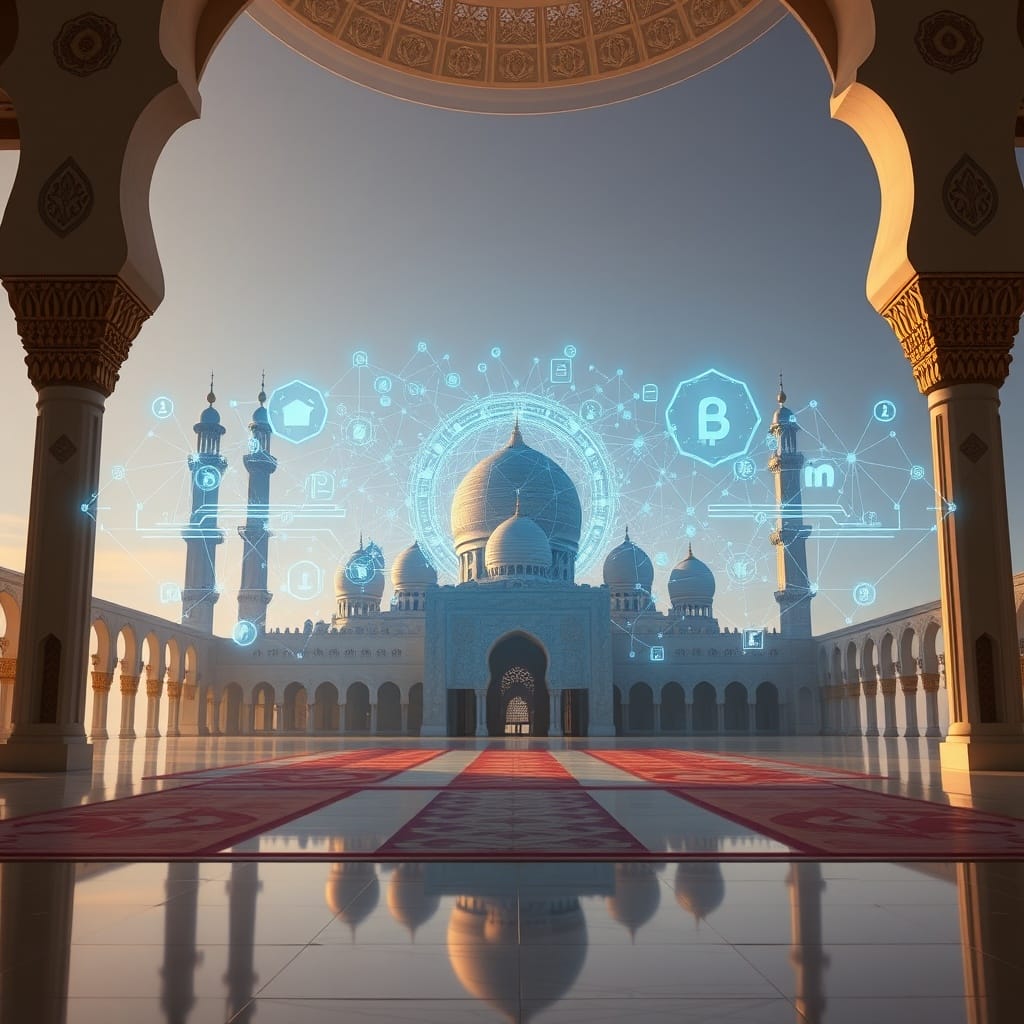
The Future of Blockchain in Middle Eastern FinTech
Emerging Technologies
The Middle East is poised to embrace next-generation blockchain technologies, such as quantum-resistant cryptography and interoperable blockchains. These innovations will enhance security and scalability, addressing current limitations. For instance, quantum-resistant blockchains will future-proof the region’s financial systems against advanced cyber threats. Interoperability solutions will enable seamless transactions across different blockchain networks, fostering collaboration between FinTech firms and traditional banks.
Artificial intelligence (AI) and blockchain convergence is another exciting frontier. AI-powered smart contracts can automate complex financial processes, reducing human error and inefficiencies. The UAE’s AI strategy already highlights blockchain integration as a priority. As these technologies mature, they’ll unlock new possibilities for Middle Eastern FinTech, from personalised financial services to real-time fraud detection.
Predictions for the Next Decade
Over the next decade, we anticipate blockchain becoming deeply embedded in the Middle East’s financial infrastructure. CBDCs will likely dominate, with countries like the UAE and Saudi Arabia launching their own digital currencies. These will streamline payments, reduce costs, and enhance monetary policy effectiveness. The private sector will also drive innovation, with blockchain-based loyalty programmes and supply chain finance gaining traction.
Regulation will evolve to keep pace with technological advancements, ensuring a balanced approach to innovation and risk management. The Middle East could emerge as a global leader in blockchain adoption, setting standards for others to follow. As global interest in blockchain grows, the region’s strategic investments and forward-thinking policies will position it at the forefront of the FinTech revolution.
Security Concerns and Solutions
Common Security Threats
In the Middle Eastern FinTech ecosystem, blockchain and crypto face unique security challenges. Cyberattacks, such as phishing and ransomware, target both individuals and institutions. Weak regulatory frameworks in some regions exacerbate vulnerabilities, leaving systems exposed. We’ve seen how hackers exploit gaps in smart contract code, leading to significant financial losses. The lack of standardised security protocols across the region further complicates mitigation efforts. Addressing these threats requires a proactive approach.
Another pressing issue is the rise of insider threats within organisations. Employees with access to sensitive data can inadvertently or maliciously compromise systems. In the Middle East, where trust is paramount, such breaches can erode confidence in blockchain solutions. Additionally, the rapid adoption of decentralised finance (DeFi) platforms has introduced new attack vectors. Without robust security measures, these platforms become prime targets for exploitation. We must prioritise education and awareness to combat these risks effectively.
Best Practices for Secure Transactions
To safeguard transactions, we recommend implementing multi-signature wallets, which require multiple approvals for fund transfers. Encryption technologies, like AES-256, should be standard for data protection. Regular audits of smart contracts by third-party firms can identify vulnerabilities before they’re exploited. In the Middle East, partnering with asset management experts ensures compliance with global security standards.
Adopting a zero-trust architecture minimises risks by verifying every access request. Two-factor authentication (2FA) adds an extra layer of security for user accounts. We also advocate for continuous monitoring of blockchain networks to detect anomalies in real-time. Training staff on cybersecurity best practices is equally critical. By integrating these measures, Middle Eastern FinTech firms can build resilient systems that inspire trust and foster growth.
Educational Resources for Blockchain and Crypto
Online Courses and Certifications
The demand for blockchain expertise in the Middle East is surging, and online courses offer accessible learning opportunities. Platforms like Coursera and Udemy provide beginner-to-advanced programmes. Certifications from institutions like the Digital Asset Management Council validate skills and enhance career prospects. We’ve observed a growing interest in courses covering smart contract development and crypto economics.
Local universities are also stepping up, offering specialised blockchain degrees. These programmes often include hands-on projects, bridging the gap between theory and practice. For professionals, micro-credentials in cybersecurity and decentralised applications (DApps) are invaluable. We encourage continuous learning to stay ahead in this fast-evolving field. The Middle East’s focus on digital transformation makes these resources indispensable for future-proofing careers.
Books and Publications
Books remain a cornerstone of blockchain education. Titles like “Mastering Blockchain” by Imran Bashir provide comprehensive insights. Industry reports from global asset management firms highlight emerging trends. We recommend subscribing to journals like the Journal of Digital Banking for cutting-edge research. These resources demystify complex concepts and offer practical guidance.
Whitepapers from leading blockchain projects are another goldmine of information. They delve into technical specifics and real-world applications. For Middle Eastern readers, publications tailored to regional regulatory landscapes are particularly useful. We’ve found that combining books with online forums fosters a deeper understanding. Whether you’re a novice or an expert, staying informed is key to navigating the blockchain revolution.
Building a Career in Blockchain and FinTech
Essential Skills and Qualifications
A successful career in blockchain and FinTech requires a blend of technical and soft skills. Proficiency in programming languages like Solidity and Python is non-negotiable. Understanding cryptographic principles is equally vital. We’ve seen how certifications in blockchain development or financial technology can set candidates apart. The Middle East’s emphasis on innovation makes these skills highly sought after.
Beyond technical expertise, problem-solving and adaptability are crucial. The ability to navigate regulatory complexities is a significant advantage. Courses in financial planning provide a solid foundation. Networking with industry professionals through events and online communities can open doors. We believe that a holistic skill set is the cornerstone of a thriving career in this dynamic sector.
Networking and Community Involvement
Engaging with the blockchain community accelerates professional growth. Attend conferences like the Dubai Blockchain Summit to connect with peers. Online platforms like LinkedIn and GitHub offer opportunities to showcase projects. We’ve found that active participation in hackathons and meetups fosters collaboration. The Middle East’s vibrant FinTech scene provides a fertile ground for networking.
Joining industry associations, such as the Middle East Blockchain Association, enhances credibility. Mentorship programmes can provide guidance and insights. We encourage professionals to contribute to open-source projects, gaining hands-on experience. By immersing yourself in the community, you’ll stay updated on trends and opportunities. Building a robust network is as important as mastering technical skills.
Frequently Asked Questions
What are the biggest security risks for blockchain in the Middle East?
Phishing, insider threats, and smart contract vulnerabilities top the list. Weak regulatory frameworks in some areas amplify these risks. Adopting multi-signature wallets and regular audits can mitigate threats. Education and awareness are also critical to safeguarding systems.
How can I start a career in blockchain and FinTech?
Begin by learning programming languages like Solidity and Python. Pursue certifications in blockchain development or financial technology. Networking and community involvement are equally important. The Middle East’s growing FinTech sector offers ample opportunities for skilled professionals.
Are there any local educational resources for blockchain?
Yes, many Middle Eastern universities now offer blockchain degrees. Online platforms like Coursera provide accessible courses. Industry reports and whitepapers tailored to the region are also valuable. Combining these resources ensures a well-rounded education.
What role does regulation play in blockchain security?
Regulation sets standards for security and compliance. In the Middle East, evolving frameworks aim to protect users and foster innovation. Partnering with experts in global asset management ensures adherence to best practices. Staying informed about regulatory changes is essential for long-term success.
