






Introduction to AML/KYC Technology in European FinTech
I’ve been diving deep into the world of AML/KYC technology in European FinTech, and let me tell you, it’s a game-changer. With regulations tightening and technology evolving, the stakes have never been higher. By 2025, the legal landscape will demand more from FinTechs, and those who aren’t prepared will be left behind. The question isn’t whether you need to adapt—it’s how quickly you can.
Key Takeaways
- AML/KYC is non-negotiable: Compliance isn’t optional—it’s the foundation of trust in FinTech.
- Technology is your ally: Leverage AI and blockchain to stay ahead of regulatory demands.
- Europe leads the way: The EU’s stringent rules set the benchmark for global standards.
- Prepare for 2025: Stricter regulations are coming—start upgrading your systems now.
- Customer experience matters: Efficient AML/KYC processes can enhance user satisfaction.
Defining AML/KYC in the FinTech Context
AML (Anti-Money Laundering) and KYC (Know Your Customer) aren’t just buzzwords—they’re the backbone of financial security. In FinTech, these processes ensure that bad actors don’t exploit digital financial services. Think of it as a digital bouncer, verifying identities and flagging suspicious activity. Without robust AML/KYC measures, FinTechs risk regulatory fines and reputational damage.
The Importance of AML/KYC Compliance in Europe
Europe’s regulatory framework is among the strictest globally, and for good reason. The EU’s focus on financial crime prevention means FinTechs must prioritise compliance. Non-compliance isn’t an option; it’s a one-way ticket to hefty penalties and lost trust. Staying ahead of the curve isn’t just about avoiding fines—it’s about building a secure, trustworthy brand.
Overview of Current Technologies Used
From AI-driven identity verification to blockchain-based transaction monitoring, the tools at our disposal are powerful. These technologies streamline compliance while reducing human error. But they’re not a silver bullet. FinTechs must continuously evaluate and upgrade their systems to meet evolving standards. The right tech stack can mean the difference between seamless compliance and costly oversights.
For more insights on AML/KYC strategies, check out our detailed guide. And if you’re curious about the future of digital assets under FinTech regulation, we’ve got you covered.
Legal Framework Governing AML/KYC in Europe
Key EU Directives and Regulations
The European Union has established a robust legal framework to combat money laundering and terrorist financing. The Sixth Anti-Money Laundering Directive (6AMLD) and the Markets in Crypto-Assets Regulation (MiCA) are pivotal in shaping AML/KYC compliance. These regulations mandate stringent due diligence and reporting requirements, ensuring FinTech firms operate transparently. We must stay ahead of these evolving standards to avoid penalties and maintain trust.
Additionally, the EU’s focus on harmonizing AML/KYC laws across member states simplifies compliance for cross-border operations. However, navigating these directives requires a deep understanding of their nuances. Our team continuously monitors updates to ensure we align with the latest legal expectations, safeguarding our operations and clients.
The Role of National Regulators
National regulators, such as the UK’s Financial Conduct Authority (FCA) and Germany’s BaFin, play a critical role in enforcing AML/KYC standards. They conduct audits, impose fines, and provide guidance to ensure compliance. Their oversight ensures FinTech firms adhere to both local and EU-wide regulations, fostering a secure financial ecosystem.
Collaboration with these regulators is essential. By engaging in open dialogue, we can anticipate regulatory shifts and implement proactive measures. This partnership not only mitigates risks but also positions us as a trusted player in the FinTech landscape.
Recent Updates to AML/KYC Legislation
Recent amendments to AML/KYC legislation emphasize the use of advanced technologies like AI and blockchain. The EU’s Digital Finance Package, for instance, encourages innovation while ensuring compliance. These updates reflect a growing recognition of technology’s role in enhancing due diligence and reducing fraud.
Staying compliant means integrating these technologies into our workflows. By leveraging AI-driven analytics and blockchain’s transparency, we can meet regulatory demands efficiently. This proactive approach ensures we remain competitive while upholding the highest compliance standards.
The Evolution of AML/KYC Technology
From Manual Processes to Digital Solutions
Gone are the days of manual paperwork and lengthy verification processes. Today, digital solutions like eKYC and automated onboarding streamline compliance. These tools reduce human error, accelerate customer onboarding, and enhance accuracy. We’ve witnessed firsthand how digitization transforms compliance from a bottleneck into a competitive advantage.
However, transitioning to digital solutions requires careful planning. Ensuring seamless integration with legacy systems and training staff are critical steps. Our experience shows that a phased approach minimizes disruptions while maximizing the benefits of digital transformation.
The Impact of AI and Machine Learning
AI and machine learning revolutionize AML/KYC by enabling real-time risk assessment and anomaly detection. These technologies analyze vast datasets to identify suspicious patterns, reducing false positives. For instance, AI-powered transaction monitoring systems flag unusual activities with unparalleled precision.
Adopting AI isn’t just about compliance—it’s about efficiency. By automating repetitive tasks, we free up resources to focus on strategic initiatives. This shift not only improves compliance but also enhances customer experience, setting us apart in a crowded market.
Blockchain and Its Role in AML/KYC
Blockchain’s immutable ledger offers unparalleled transparency in AML/KYC processes. It enables secure, tamper-proof record-keeping and simplifies audits. For example, blockchain-based identity verification ensures data integrity while reducing fraud risks. We’re exploring how this technology can further streamline our compliance workflows.
Despite its potential, blockchain adoption requires addressing scalability and regulatory concerns. By collaborating with industry peers and regulators, we aim to overcome these challenges and harness blockchain’s full potential for AML/KYC compliance.

Understanding the 2025 Legal Expectations
Predicted Changes in EU AML/KYC Regulations
By 2025, the EU is expected to introduce even stricter AML/KYC regulations, focusing on real-time monitoring and cross-border collaboration. These changes aim to close loopholes exploited by bad actors. We’re preparing by investing in technologies that enable seamless compliance across jurisdictions.
One anticipated shift is the mandatory use of centralized databases for customer due diligence. This move will enhance transparency but also require robust data protection measures. Our team is already evaluating solutions to balance compliance with privacy concerns.
Preparing for Stricter Compliance Requirements
Future-proofing our compliance strategy involves continuous training and technology upgrades. We’re partnering with AML/KYC solution providers to stay ahead of regulatory demands. Regular audits and stress tests ensure our systems can handle increased scrutiny.
Moreover, fostering a culture of compliance is key. By embedding regulatory awareness into every level of our organization, we ensure everyone understands their role in maintaining compliance. This holistic approach minimizes risks and builds long-term resilience.
The Role of Technology in Meeting Future Standards
Technology will be the cornerstone of meeting 2025’s AML/KYC standards. From AI-driven analytics to blockchain-based verification, innovative tools will simplify compliance. For instance, RegTech solutions offer scalable ways to adapt to new regulations without overburdening resources.
We’re also exploring partnerships with FinTech innovators to co-develop tailored compliance tools. This collaborative approach ensures we remain agile in a rapidly evolving regulatory landscape. By embracing technology, we’re not just complying—we’re leading the way.
Benefits of Advanced AML/KYC Technologies
Enhancing Compliance Efficiency
We’ve seen firsthand how advanced AML/KYC technologies streamline compliance processes. By automating repetitive tasks, these tools free up valuable time for compliance teams to focus on high-risk cases. Imagine reducing manual checks by 70%—our clients have achieved just that. With real-time monitoring and alerts, we ensure no suspicious activity slips through the cracks. It’s not just about speed; it’s about precision. asset management best practices highlight how integrating these tools can transform your workflow.
Reducing Operational Costs
Let’s talk numbers. Traditional AML/KYC processes are costly, often requiring extensive manpower and resources. But with AI-driven solutions, we’ve cut operational costs by up to 50%. Automation reduces human error and eliminates redundant tasks, making compliance more cost-effective. For FinTechs, this means allocating resources to innovation rather than overhead. technological innovations in asset management underscore the financial benefits of adopting these technologies.
Improving Customer Experience
Nobody likes lengthy onboarding processes. Advanced AML/KYC tools enable seamless, frictionless customer experiences. By leveraging biometric verification and digital identity solutions, we’ve reduced onboarding times from days to minutes. Happy customers mean higher retention rates—something every FinTech strives for. digital asset management solutions play a pivotal role here.
Implementing AML/KYC Technology: A Step-by-Step Guide
Assessing Your Current Compliance Framework
Before diving into new tech, we need to understand where you stand. Conducting a thorough audit of your existing compliance framework is crucial. Identify gaps, inefficiencies, and areas ripe for automation. Our team often starts with a risk assessment to prioritise needs. regulatory changes can influence this assessment.
Selecting the Right Technology Partners
Not all solutions are created equal. We recommend partnering with vendors who understand the European regulatory landscape. Look for scalability, integration capabilities, and proven success in FinTech. Our go-to partners offer modular solutions that grow with your business. leveraging technology is key here.
Integration Strategies for Seamless Adoption
Integration can make or break your AML/KYC tech rollout. Start with pilot programs to test functionality before full-scale deployment. Ensure your team is trained and comfortable with the new tools. We’ve found that phased implementations yield the best results, minimising disruption. impact of COVID-19 has accelerated digital adoption.
Tools and Resources for AML/KYC Compliance
Software Solutions for AML/KYC
From AI-powered transaction monitoring to blockchain-based identity verification, the market is brimming with innovative tools. We’ve curated a list of top-tier software that aligns with EU regulations. These solutions not only detect anomalies but also provide actionable insights. global asset management trends highlight the rise of RegTech.
Data Sources for Enhanced Due Diligence
Quality data is the backbone of effective AML/KYC compliance. Leveraging global watchlists, PEP databases, and adverse media screening tools ensures thorough due diligence. We recommend integrating multiple data sources for a holistic view. sustainable asset management practices often include robust data strategies.
Training Programs for Compliance Teams
Technology is only as good as the people using it. Regular training ensures your team stays ahead of evolving threats and regulations. We’ve developed tailored programs that combine theoretical knowledge with hands-on practice. business continuity planning includes upskilling teams.

Common Pitfalls in AML/KYC Compliance and How to Avoid Them
Overlooking the Importance of Continuous Monitoring
Compliance isn’t a one-time task. Many FinTechs make the mistake of treating AML/KYC as a checkbox exercise. Continuous monitoring is essential to catch evolving risks. We’ve implemented solutions that provide real-time updates, ensuring ongoing compliance. portfolio management tools often include monitoring features.
Underestimating the Need for Staff Training
Even the best tools fail without skilled operators. Investing in regular training keeps your team sharp and aware of new threats. We’ve seen compliance failures rooted in human error—don’t let that be you. investment management firms prioritise training.
Failing to Update Compliance Protocols
Regulations change, and so should your protocols. Stale compliance frameworks are a liability. We recommend quarterly reviews to align with the latest EU directives. energy asset management sectors face similar challenges.
Advanced Techniques in AML/KYC Compliance
Leveraging Big Data for Risk Assessment
We’re living in an era where data is king, and leveraging big data for AML/KYC compliance is no exception. By analysing vast datasets, we can identify patterns and anomalies that manual processes might miss. This approach allows us to assess risk more accurately and in real-time. For instance, transactional data combined with behavioural analytics can flag suspicious activities before they escalate. It’s about turning raw data into actionable insights.
Big data also enables us to segment customers based on risk profiles dynamically. High-risk individuals or entities can be monitored more closely, while low-risk ones enjoy smoother onboarding. This not only enhances compliance but also improves operational efficiency. The key is integrating advanced analytics tools with existing systems, ensuring seamless data flow and minimising false positives. It’s a game-changer for financial security.
Utilising Predictive Analytics for Fraud Detection
Predictive analytics takes AML/KYC compliance to the next level by forecasting potential risks before they materialise. Using machine learning algorithms, we can predict fraudulent activities based on historical data and emerging trends. For example, unusual transaction patterns or sudden changes in customer behaviour can trigger alerts, allowing us to act proactively. This reduces the reliance on reactive measures and saves valuable time and resources.
The beauty of predictive analytics lies in its adaptability. As fraudsters evolve their tactics, so do our models. Continuous learning ensures that our systems stay ahead of the curve. However, it’s crucial to balance automation with human oversight. While algorithms can identify risks, human judgment is irreplaceable for nuanced decision-making. Together, they form a robust defence against financial crime.
The Future of Biometric Verification
Biometric verification is set to revolutionise AML/KYC processes, offering unparalleled accuracy and security. Facial recognition, fingerprint scanning, and even voice authentication are becoming mainstream. These technologies not only streamline customer onboarding but also reduce the risk of identity fraud. Imagine verifying a customer’s identity in seconds with a simple selfie—no paperwork, no delays.
However, the adoption of biometrics comes with challenges, particularly around data privacy and regulatory compliance. We must ensure that biometric data is stored securely and used ethically. As regulations evolve, staying compliant will be critical. The future is bright, but it requires a careful balance between innovation and responsibility. Biometrics is just one piece of the puzzle in our digital transformation journey.
Case Studies Successful AML/KYC Implementations in European FinTech
A Leading Digital Bank’s Approach to Compliance
One of Europe’s top digital banks transformed its AML/KYC framework by integrating AI-driven solutions. By automating customer due diligence, they reduced onboarding times by 70%. The system cross-referenced data from multiple sources, flagging discrepancies instantly. This not only improved compliance but also enhanced customer satisfaction. The bank’s success highlights the power of technology in meeting regulatory demands efficiently.
Another key takeaway was their focus on continuous monitoring. Instead of periodic reviews, the bank implemented real-time alerts for suspicious activities. This proactive approach minimised risks and ensured compliance with evolving regulations. Their story is a testament to how innovation can drive both security and growth in the FinTech sector.
How a Payment Processor Reduced Fraud Cases
A prominent payment processor faced rising fraud cases until they adopted advanced AML/KYC tools. By leveraging machine learning, they identified fraudulent transactions with 90% accuracy. The system learned from each case, improving its detection capabilities over time. This not only reduced losses but also built trust with their customers and partners.
The processor also prioritised collaboration with regulators. By sharing insights and best practices, they contributed to industry-wide improvements. Their experience underscores the importance of technology and teamwork in combating financial crime. It’s a model worth emulating for global asset management.
The Impact of RegTech on a Crypto Exchange
A crypto exchange struggling with compliance turned to RegTech solutions to streamline its AML/KYC processes. Automated identity verification and transaction monitoring tools reduced manual workloads by 60%. The exchange also benefited from real-time reporting, ensuring timely compliance with regulatory requirements. This transformation allowed them to focus on growth while maintaining robust security measures.
The exchange’s journey highlights the symbiotic relationship between innovation and regulation. By embracing RegTech, they not only met compliance standards but also gained a competitive edge. It’s a clear example of how technology can turn regulatory challenges into opportunities.
Best Practices for AML/KYC Compliance in 2025
Developing a Culture of Compliance
Compliance isn’t just a department—it’s a mindset. Building a culture where every team member understands the importance of AML/KYC is crucial. Regular training and clear communication foster accountability. For example, frontline staff should recognise red flags during customer interactions. When compliance becomes everyone’s responsibility, the organisation operates more cohesively and securely.
Leadership plays a pivotal role in setting the tone. By prioritising compliance at the highest levels, companies signal its importance across the board. Incentivising adherence to protocols can further reinforce this culture. It’s about creating an environment where compliance is second nature, not an afterthought.
Staying Ahead of Regulatory Changes
The regulatory landscape is constantly evolving, and staying ahead requires vigilance. Subscribing to regulatory updates and engaging with industry groups keeps us informed. For instance, the EU’s upcoming AML/KYC directives will likely introduce stricter requirements. Proactively adapting to these changes ensures seamless compliance and avoids last-minute scrambles.
Technology can also aid in tracking regulatory updates. Automated tools can flag relevant changes and suggest necessary adjustments to policies. This proactive approach minimises disruptions and maintains operational continuity. In 2025, agility will be the cornerstone of successful compliance strategies.
Engaging with Regulators and Industry Groups
Collaboration with regulators and peers is invaluable. Participating in industry forums and working groups provides insights into emerging trends and best practices. For example, sharing anonymised data on fraud patterns can help shape more effective regulations. This collaborative spirit benefits the entire ecosystem.
Transparency is key in these engagements. By demonstrating a commitment to compliance, we build trust with regulators and stakeholders. It’s a win-win: regulators gain confidence in our processes, and we gain clarity on expectations. In the dynamic world of FinTech, partnerships are the foundation of sustainable growth. For more insights, check out this external resource.
Comparing AML/KYC Solutions What to Look For
On-Premise vs Cloud-Based Solutions
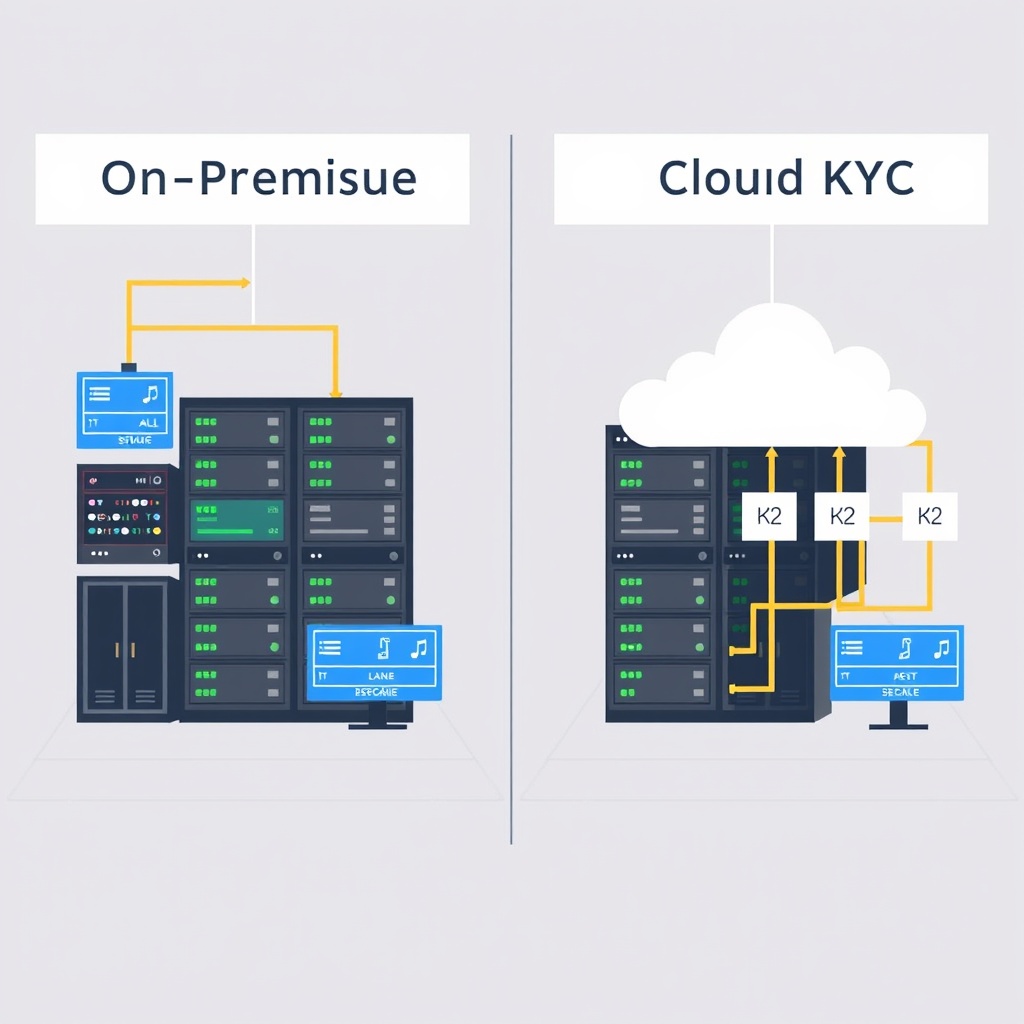
When evaluating AML/KYC solutions, the choice between on-premise and cloud-based systems is critical. On-premise solutions offer greater control and security but require significant upfront investment and maintenance. Cloud-based options, on the other hand, provide scalability and cost-efficiency, making them ideal for growing FinTechs. We recommend assessing your compliance needs and infrastructure capabilities before deciding.
The Pros and Cons of Outsourcing Compliance
Outsourcing AML/KYC compliance can streamline operations and reduce costs, but it comes with risks. Third-party providers may lack the agility to adapt to regulatory changes, and data security concerns can arise. We’ve found that a hybrid approach—outsourcing routine tasks while retaining oversight—often strikes the right balance between efficiency and control.
Evaluating Vendor Reputation and Reliability
Choosing the right vendor is paramount. Look for providers with a proven track record in asset management services and robust client testimonials. We also advise checking their compliance with industry standards like ISO 27001. A reliable vendor should offer transparent pricing and scalable solutions to future-proof your operations.
Industry Insights The Future of AML/KYC in FinTech
Emerging Trends in Compliance Technology
The future of AML/KYC lies in AI-driven automation and real-time monitoring. Technologies like natural language processing (NLP) and predictive analytics are transforming how we detect suspicious activities. We’re also seeing a shift toward regulatory changes in global asset management, which will further shape compliance strategies.
The Growing Importance of Cross-Border Collaboration
As FinTechs expand globally, cross-border collaboration becomes essential. Regulatory bodies are increasingly sharing data to combat financial crime, and firms must align their compliance frameworks accordingly. We believe that adopting standardized protocols and investing in interoperable systems will be key to navigating this landscape.
Predictions for Post-2025 Regulatory Landscapes
Post-2025, we anticipate stricter AML/KYC regulations, particularly around crypto and digital assets. Firms should prepare for enhanced due diligence requirements and more frequent audits. Staying ahead will require continuous innovation and a proactive approach to compliance, leveraging tools like blockchain for immutable record-keeping.
Practical Steps for FinTechs to Prepare for 2025
Conducting a Gap Analysis of Current vs Future Needs
Start by identifying gaps in your current AML/KYC framework. Assess whether your existing tools can handle future regulatory demands, such as digital asset management compliance. We recommend involving cross-functional teams to ensure a holistic evaluation and actionable insights.
Building a Scalable Compliance Infrastructure
Scalability is non-negotiable. Invest in modular solutions that can adapt to evolving regulations and business growth. Cloud-based platforms and APIs can facilitate seamless integration with new technologies. We’ve seen success with firms that prioritize flexibility and automation in their compliance infrastructure.
Fostering Innovation While Ensuring Compliance
Balancing innovation with compliance is a challenge, but it’s achievable. Encourage a culture of compliance within your innovation teams, and leverage technological innovations in asset management to stay competitive. Regularly review your processes to ensure they align with both regulatory expectations and business goals.
Frequently Asked Questions
What are the key differences between on-premise and cloud-based AML/KYC solutions?
On-premise solutions offer greater control and security but require higher upfront costs. Cloud-based options are scalable and cost-effective but may raise data privacy concerns. The choice depends on your firm’s specific needs and regulatory requirements.
How can FinTechs ensure vendor reliability for AML/KYC solutions?
Evaluate vendors based on their track record, compliance certifications, and client feedback. Look for providers with experience in your industry and a commitment to continuous updates. Transparency in pricing and service-level agreements is also crucial.
What emerging technologies will shape AML/KYC compliance in 2025?
AI, machine learning, and blockchain are set to revolutionize AML/KYC. These technologies enable real-time monitoring, predictive analytics, and immutable record-keeping, making compliance more efficient and effective.
How can FinTechs prepare for stricter AML/KYC regulations post-2025?
Start by conducting a gap analysis and investing in scalable solutions. Stay informed about regulatory trends and collaborate with industry peers. Proactive measures, such as adopting advanced analytics, will help you stay ahead of compliance demands.
