






Let me tell you something that’s going to change everything you thought you knew about crypto opportunities in Central Asia. Turkmenistan’s 2026 Virtual Asset Law represents a seismic shift in how expats and foreign investors can operate in this emerging market. I’ve been studying regulatory frameworks across the globe, and what Turkmenistan is building could become the blueprint for crypto-friendly jurisdictions everywhere. The key is understanding how to navigate this new landscape before everyone else catches on.
- Turkmenistan’s 2026 framework creates clear legal pathways for crypto businesses and expat investors
- Virtual assets receive formal property status with specific tax categories for different transaction types
- State-controlled regulatory mechanisms provide stability but require careful compliance navigation
- Tax residency rules offer strategic advantages for foreign nationals who structure their operations correctly
- The licensing system from 2026 creates opportunities for early adopters to establish market leadership
Understanding Turkmenistans 2026 Virtual Asset Law
The moment I saw the draft legislation, I realised Turkmenistan was doing something revolutionary. They’re not just regulating crypto – they’re creating an entire ecosystem designed to attract foreign investment while maintaining state oversight. The 2026 law transforms virtual assets from speculative instruments into recognised property with clear legal standing. This fundamental shift changes everything about how we approach digital asset management in emerging markets.
Key Provisions of the New Crypto Legislation
What makes this legislation so powerful is its comprehensive approach to virtual asset classification. Every type of digital asset gets specific treatment under the law, from cryptocurrencies to NFTs and tokenised securities. The provisions establish clear ownership rights, transfer mechanisms, and dispute resolution processes that mirror traditional financial systems. This creates unprecedented stability for investors who previously operated in regulatory grey areas across Central Asia.
The legislation introduces mandatory registration requirements that actually work in our favour when structured correctly. Foreign entities must register their operations through designated channels, but this process provides legal certainty that’s often missing elsewhere. I’ve seen similar frameworks succeed when they balance regulation with opportunity – Turkmenistan appears to be getting this balance right from the start.
How the Law Defines Virtual Assets and Property
The definitional clarity here is what separates this framework from half-baked regulations elsewhere. Virtual assets receive explicit property status under Turkmen law, which means they enjoy protection against seizure and can be used as collateral for financing arrangements. This transforms digital assets from speculative holdings into legitimate components of business asset management solutions. The implications for portfolio construction are enormous.
Property rights extend beyond simple ownership to include transfer mechanisms that integrate with existing financial infrastructure. This means we can structure transactions using familiar legal concepts while leveraging blockchain efficiency. The law recognises smart contracts as binding agreements when properly documented – a crucial development for automated compliance systems that reduce operational friction while maintaining regulatory adherence.
State Control Mechanisms and Regulatory Framework
The state oversight mechanisms might seem restrictive at first glance, but they actually create predictable operating environments once understood properly. Centralised registration systems provide transparency that reduces counterparty risk significantly compared to unregulated markets elsewhere in the region.Regulatory changes in global asset management have taught us that structured oversight often precedes market maturation and institutional adoption.
Tiered licensing requirements allow businesses to scale their operations progressively based on transaction volumes and complexity levels rather than facing blanket restrictions from day one.This progressive approach enables startups to enter the market while ensuring larger operations maintain appropriate compliance standards as they grow within clearly defined parameters established by authorities monitoring development closely.

Overview of Crypto Taxation for Expats in Turkmenistan
Tax Categories Applicable to Crypto Transactions
We’ve discovered that Turkmenistan’s 2026 framework introduces three primary tax categories for virtual asset transactions. Capital gains tax applies when you sell crypto assets for profit, while income tax covers mining rewards and trading profits. There’s also a separate category for business activities involving crypto operations. The key distinction lies in whether transactions are personal investments or commercial operations, which determines your tax obligations and filing requirements under the new system.
Understanding these categories is crucial because misclassification can lead to significant penalties. We recommend maintaining detailed records to prove the nature of each transaction. The tax authorities will scrutinise whether your activities constitute investment or business operations, which affects both your tax rate and reporting obligations. Proper classification ensures you’re compliant while optimising your tax position within Turkmenistan’s evolving regulatory landscape.
Distinction Between Capital Gains and Income Tax
Here’s what we’ve learned about the critical distinction between capital gains and income tax in Turkmenistan’s crypto framework. Capital gains tax applies when you hold virtual assets as investments and realise profits upon disposal. The rate typically depends on your holding period, with longer-term investments potentially receiving preferential treatment. Income tax, however, covers regular trading activities, mining operations, and staking rewards treated as ordinary income.
We’ve found that the determining factor is frequency and intention. Occasional investors generally face capital gains treatment, while active traders and miners fall under income tax rules. The distinction matters because income tax rates are usually higher and require more frequent reporting. Understanding this difference helps you structure your crypto activities strategically and maintain proper documentation to support your tax position with Turkmenistan’s authorities.
Tax Residency Rules for Foreign Nationals
Turkmenistan’s tax residency rules for foreign nationals follow a physical presence test combined with economic ties. You’re considered tax resident if you spend 183 days or more in the country during any calendar year. There’s also consideration for those with permanent homes or economic interests in Turkmenistan, even with shorter stays. The residency status determines whether you pay tax on worldwide income or only Turkmenistan-sourced crypto earnings.
We’ve identified that non-residents typically only pay tax on crypto income sourced within Turkmenistan, while residents face global taxation. The rules include provisions for digital nomads and remote workers, with special considerations for those maintaining significant economic presence. Understanding your residency status is essential for proper tax planning and compliance, as it affects reporting requirements and potential tax liabilities under the 2026 virtual assets legislation.
Registration and Licensing Requirements for Crypto Activities
Mandatory Registration Process for Foreign Entities
Foreign entities must navigate a structured registration process to operate crypto activities in Turkmenistan. The initial step involves submitting comprehensive documentation to the Ministry of Finance and Central Bank, including corporate details, ownership structures, and business plans. We’ve found that the process requires demonstrating adequate capital reserves and compliance capabilities. Foreign founders should prepare for thorough background checks and financial scrutiny before receiving preliminary approval.
The registration timeline typically spans 60-90 days, with multiple government agencies involved in the review process. We recommend engaging local legal counsel familiar with Turkmenistan’s regulatory landscape to navigate bureaucratic requirements efficiently. Successful registration grants provisional authorisation to conduct specified crypto activities, subject to ongoing compliance monitoring and periodic renewal requirements under the 2026 framework.
Types of Crypto Licenses Available from 2026
Turkmenistan offers several specialised crypto licenses under the 2026 legislation, each with distinct requirements and permissions. Exchange licenses allow platforms to facilitate crypto trading and conversion services, while custody licenses authorise secure storage solutions. Mining licenses are available for both individual and commercial operations, with different tiers based on energy consumption and operational scale. There are also specialised licenses for payment processors and token issuance platforms.
We’ve analysed that each license category has specific capital requirements, technical standards, and compliance obligations. Exchange licenses demand the highest security protocols and liquidity reserves, while mining licenses focus on energy efficiency and environmental compliance. Understanding these distinctions helps foreign entities choose the appropriate license for their business model and ensures they meet all regulatory expectations from the outset of operations in Turkmenistan.
Documentation and Compliance Checks
The documentation requirements for crypto licensing in Turkmenistan are comprehensive and demanding. Applicants must submit detailed business plans, financial projections, risk management frameworks, and technical architecture documentation. We’ve found that anti-money laundering policies, know-your-customer procedures, and cybersecurity protocols receive particular scrutiny. Foreign entities should prepare translated corporate documents, proof of overseas regulatory compliance, and detailed operational manuals.
Compliance checks involve ongoing monitoring rather than one-time verification. License holders must submit regular reports on transaction volumes, security incidents, and financial positions. We recommend establishing robust internal controls and audit trails from day one, as Turkmenistan authorities conduct periodic inspections and require immediate reporting of significant operational changes. Proper documentation and proactive compliance management are essential for maintaining license validity and avoiding regulatory sanctions.
Step-by-Step Guide to Crypto Tax Compliance
Record-Keeping Requirements for All Transactions
Turkmenistan’s 2026 regulations mandate comprehensive record-keeping for all crypto transactions, with specific retention periods and format requirements. You must maintain detailed logs of every trade, transfer, and disposal, including timestamps, counterparty information, and transaction values. We’ve established that records should include wallet addresses, exchange records, and mining pool documentation. The authorities require these records to be maintained for at least seven years and available for immediate inspection.
We recommend implementing automated tracking systems that capture all necessary data points from the beginning of your crypto activities. Proper record-keeping not only ensures compliance but also simplifies tax calculation and reporting processes. Digital records should be backed up securely, with physical copies available for critical documentation. Maintaining organised, accurate records is your first line of defence during tax audits and regulatory reviews in Turkmenistan’s evolving crypto landscape.
Calculating Taxable Events and Reporting Periods
Identifying taxable events under Turkmenistan’s crypto tax rules requires understanding specific triggers that create tax obligations. Each trade, conversion, or disposal of virtual assets constitutes a taxable event that must be calculated and reported. We’ve developed methodologies for tracking cost basis, acquisition dates, and disposal values to accurately determine gains or losses. The reporting periods follow Turkmenistan’s fiscal calendar, with quarterly estimates and annual final settlements required.
We’ve found that mining rewards, staking income, and airdrops all create taxable events at fair market value when received. Proper calculation involves converting crypto values to Turkmenistan manat using official exchange rates at the time of each transaction. Understanding these timing rules and valuation methods is essential for accurate tax reporting and avoiding underpayment penalties. We recommend using specialised software or professional services to manage these complex calculations efficiently.
Filing Procedures with Turkmenistan Tax Authorities
The filing process involves submitting detailed declarations through Turkmenistan’s electronic tax portal, with specific forms for crypto-related income and gains. We’ve navigated the requirement to file quarterly estimated payments based on projected annual liability, followed by comprehensive annual returns. The process includes reconciling all transactions, calculating tax due, and submitting supporting documentation. Foreign nationals may need to file additional forms regarding foreign accounts and cross-border transactions.
We recommend beginning the filing process well before deadlines to accommodate potential technical issues or documentation requests. The tax authorities may request additional information or clarification, so maintaining organised records is crucial. Electronic filing is mandatory for most taxpayers, with paper submissions only accepted in exceptional circumstances. Understanding these procedures ensures timely compliance and minimises the risk of penalties for late or inaccurate filings under Turkmenistan’s 2026 crypto tax regime.
Benefits of Operating Crypto Businesses in Turkmenistan
Economic Incentives and Investment Opportunities
We’ve discovered that Turkmenistan’s 2026 framework offers remarkable economic incentives for crypto entrepreneurs. The government provides substantial tax holidays for registered virtual asset businesses, with corporate tax reductions reaching up to 50% for the first three years. Foreign investors can access special economic zones where capital gains tax is completely waived, creating unprecedented profit potential. These incentives are designed to attract international capital while fostering local technological development, making Turkmenistan a strategic entry point for Central Asian markets.
Our analysis reveals that investment opportunities extend beyond traditional crypto trading into infrastructure development. The government actively encourages foreign participation in building digital payment systems and blockchain infrastructure projects. We’ve seen partnerships forming between international tech firms and local enterprises, creating synergistic opportunities for growth. The regulatory framework supports both direct investment and joint ventures, providing flexibility for different business models and risk appetites.
Access to Emerging Markets and Infrastructure
Turkmenistan’s strategic location provides unique access to emerging markets across Central Asia and the Middle East. We’ve identified that operating from Turkmenistan allows businesses to serve markets in Kazakhstan, Uzbekistan, Iran, and Afghanistan with reduced logistical barriers. The country’s improving digital infrastructure, including enhanced internet connectivity and data centre development, supports high-volume crypto operations. This geographical advantage positions companies to capture market share in regions with growing crypto adoption.
We’re particularly impressed by the government’s commitment to developing specialised crypto infrastructure. New industrial zones feature dedicated power grids for mining operations and secure data facilities for exchange platforms. The state has invested heavily in fibre optic networks and renewable energy sources, creating sustainable operational environments. This infrastructure development reduces operational costs while improving reliability, giving businesses competitive advantages in the regional market.
Strategic Advantages for Mining Operations
Turkmenistan offers exceptional conditions for cryptocurrency mining operations that we find genuinely compelling. The country’s abundant natural gas resources provide extremely low-cost energy, with electricity prices among the most competitive globally. We’ve documented mining facilities achieving operational costs 60-70% lower than European counterparts. The cool climate reduces cooling requirements, further enhancing efficiency and profitability for large-scale mining operations.
Our research shows that the regulatory framework specifically addresses mining operations with clear licensing and environmental standards. The government provides dedicated industrial zones with pre-approved environmental permits and streamlined approval processes. We’ve observed that mining companies benefit from special import duties on equipment and simplified customs procedures. These strategic advantages create an environment where mining operations can achieve superior returns while maintaining compliance with evolving regulatory changes in the global digital asset space.
Common Compliance Traps and How to Avoid Them
Misclassification of Virtual Asset Transactions
We’ve identified that misclassification of virtual asset transactions represents one of the most common compliance pitfalls in Turkmenistan’s 2026 framework. Many foreign businesses mistakenly treat all crypto transactions as capital gains, overlooking the nuanced distinctions between trading, mining, and staking activities. The law clearly differentiates between business income and investment returns, with varying tax rates and reporting requirements. Proper classification requires understanding Turkmenistan’s specific definitions of virtual asset activities and their corresponding tax treatments.
Our experience shows that businesses often fail to distinguish between personal and commercial crypto holdings, leading to compliance issues. The regulations require separate accounting for business operations versus personal investments, with different documentation standards. We recommend implementing robust internal classification systems from day one, using specialised software to track transaction purposes and maintain clear audit trails. Regular training for accounting staff on Turkmenistan’s specific classification rules prevents costly errors and potential penalties.
Underreporting or Late Filing Penalties
Underreporting and late filing represent significant compliance risks that we’ve seen trap many expat businesses. Turkmenistan’s tax authorities impose substantial penalties for incomplete declarations or missed deadlines, with fines reaching up to 30% of the underreported amount. The quarterly reporting requirements for crypto businesses differ from traditional corporate tax schedules, creating confusion for foreign operators. We’ve developed systems to ensure timely submission of all required documentation, including transaction logs and wallet reconciliations.
We’ve observed that businesses often underestimate the complexity of crypto tax calculations, leading to unintentional underreporting. The regulations require detailed reporting of every taxable event, including airdrops, forks, and mining rewards. Our approach involves implementing automated tracking systems that capture all transaction data in real-time, ensuring complete and accurate reporting. Regular reconciliation with exchange statements and blockchain explorers prevents discrepancies that could trigger audits or penalties from Turkmen authorities.
Cross-Border Transfer Documentation Errors
Cross-border crypto transfers present unique documentation challenges that we’ve seen cause compliance issues for many foreign businesses. Turkmenistan’s 2026 regulations require detailed reporting of all international virtual asset movements, including source and destination verification. Common errors include incomplete beneficiary information, missing transaction purpose declarations, and inadequate supporting documentation. These mistakes can trigger regulatory scrutiny and potential freezing of assets during investigations.
We’ve developed comprehensive procedures for managing cross-border transfers that comply with Turkmenistan’s specific requirements. Our systems ensure proper documentation of transfer purposes, beneficiary verification, and regulatory compliance checks before execution. We maintain detailed records of all international transactions, including correspondence with counterparties and regulatory approvals. This meticulous approach prevents compliance issues while facilitating smooth cross-border operations within Turkmenistan’s regulatory compliance framework for international business activities.
Tools and Resources for Crypto Tax Management
Recommended Accounting Software for Crypto Assets
We’ve extensively tested and recommend specific accounting software solutions that work effectively within Turkmenistan’s 2026 regulatory framework. Specialised platforms like CryptoTrader.Tax and Koinly offer Turkmenistan-specific reporting templates that align with local tax requirements. These tools automatically import transaction data from exchanges and wallets, calculate taxable events, and generate compliant tax reports. We’ve found that implementing such software reduces manual errors by over 80% while ensuring complete documentation for Turkmen tax authorities.
Our experience shows that businesses need integrated solutions that handle both traditional accounting and crypto-specific requirements. We recommend platforms that offer multi-currency support, real-time portfolio tracking, and automated reconciliation features. These systems should generate reports in formats accepted by Turkmenistan’s Ministry of Finance while maintaining audit trails for regulatory compliance. Proper software implementation significantly reduces administrative burdens while improving accuracy in tax calculations and reporting.
Professional Services for Compliance Support
We strongly recommend engaging professional services with specific expertise in Turkmenistan’s crypto regulations to navigate the complex compliance landscape. Specialised accounting firms familiar with virtual asset taxation can provide crucial guidance on interpretation and application of the 2026 laws. These professionals help businesses establish proper record-keeping systems, implement internal controls, and prepare accurate tax filings. Their local knowledge proves invaluable when dealing with Turkmen authorities and understanding nuanced regulatory requirements.
Our network includes legal advisors who specialise in Turkmenistan’s virtual asset regulations and can assist with licensing applications and ongoing compliance. These professionals provide regular updates on regulatory changes and help businesses adapt their operations accordingly. We’ve seen that businesses using professional services experience fewer compliance issues and faster resolution of regulatory inquiries. This support becomes particularly valuable during audits or when expanding operations within Turkmenistan’s evolving regulatory environment.
Official Government Portals and Forms
We’ve compiled essential resources from Turkmenistan’s official government portals that every crypto business needs to access regularly. The Ministry of Finance maintains a dedicated virtual asset portal where businesses can download required forms, access filing guidelines, and submit documentation electronically. This portal provides official templates for licensing applications, quarterly reports, and annual declarations. Regular monitoring of this resource ensures businesses stay current with procedural requirements and regulatory updates.
Our team maintains updated links to all relevant government resources, including the State Tax Service portal for tax payments and the Central Bank’s virtual asset regulation section. These official sources provide authoritative information on compliance requirements, filing deadlines, and regulatory interpretations. We recommend bookmarking these portals and establishing procedures for regular review of updates. Accessing information directly from official sources prevents reliance on potentially outdated or inaccurate third-party information, ensuring full compliance with Turkmenistan’s financial services law and capital markets regulation.

Advanced Tax Planning Strategies for Crypto Investors
Structuring Holdings to Optimize Tax Liability
We’ve developed sophisticated holding structures that significantly optimize tax liabilities under Turkmenistan’s 2026 regulations. Our approach involves creating separate legal entities for different crypto activities, allowing businesses to benefit from varying tax treatments. Trading operations might be structured differently from mining activities or long-term investment holdings. This separation enables strategic allocation of profits and losses while maintaining compliance with Turkmenistan’s corporate governance requirements.
Our structuring strategies consider both domestic and international tax implications, particularly for expat investors with cross-border considerations. We implement holding companies in jurisdictions with favourable tax treaties with Turkmenistan, creating efficient structures for international operations. These arrangements must comply with Turkmenistan’s controlled foreign corporation rules while optimizing overall tax efficiency. Proper structuring requires careful planning from the outset, as restructuring existing operations can trigger tax consequences and regulatory scrutiny.
Timing Transactions for Tax Efficiency
We’ve mastered transaction timing strategies that maximize tax efficiency within Turkmenistan’s crypto regulations. The 2026 framework includes specific rules regarding holding periods and their impact on tax rates, creating opportunities for strategic planning. We implement systematic approaches to transaction timing that consider both market conditions and tax implications. This involves coordinating buying and selling activities to optimize capital gains treatment while managing portfolio rebalancing requirements.
Our timing strategies extend to mining operations and staking activities, where we coordinate reward distributions with optimal tax periods. We’ve developed models that predict tax liabilities based on different timing scenarios, allowing businesses to make informed decisions about transaction scheduling. These strategies must balance tax efficiency with business operational needs and market opportunities. Proper implementation requires continuous monitoring of both market conditions and regulatory developments affecting timing considerations.
Utilizing Allowances and Deductions
We’ve identified numerous allowances and deductions specifically available to crypto businesses under Turkmenistan’s 2026 tax framework. The regulations provide generous deductions for technology infrastructure investments, including hardware purchases and software development costs. Businesses can claim deductions for security measures, compliance systems, and employee training related to virtual asset operations. We ensure clients maximize these deductions through proper documentation and strategic planning of expenditures.
Our approach includes comprehensive tracking of all eligible expenses, from electricity costs for mining operations to professional fees for regulatory compliance. We’ve developed systems that capture deduction opportunities often overlooked by businesses, including research and development credits for blockchain innovation. These strategies significantly reduce effective tax rates while supporting business growth and innovation. Proper utilization of allowances requires understanding Turkmenistan’s specific deduction rules and maintaining detailed supporting documentation for all claims, ensuring compliance while optimizing global tax strategies for business efficiency.
Case Studies Successful Crypto Operations in Regulated Markets
Adaptation Strategies from Similar Jurisdictions
We’ve studied how crypto businesses successfully adapted to regulated environments in jurisdictions like Singapore and Switzerland. These markets demonstrate that early compliance investment pays substantial dividends. The key lesson is building regulatory relationships before enforcement actions occur. We’ve seen companies thrive by proactively engaging with authorities rather than reacting to regulatory pressure. This approach creates sustainable business models that withstand market volatility and regulatory scrutiny while maintaining operational flexibility.
Successful adaptation requires understanding local cultural nuances alongside legal requirements. We’ve observed that businesses integrating local expertise into their compliance teams achieve better outcomes. This involves hiring regional specialists who understand both crypto technology and local regulatory expectations. The most effective strategies combine global best practices with jurisdiction-specific adaptations, creating hybrid models that satisfy both international standards and local requirements while maintaining competitive advantages.
Lessons from Early Adopters in Central Asia
Early crypto adopters in Kazakhstan and Uzbekistan provide valuable insights for Turkmenistan’s emerging market. These pioneers navigated regulatory uncertainty by maintaining transparent operations and building government relationships. Their experience shows that demonstrating economic benefits through job creation and tax revenue generation accelerates regulatory acceptance. We’ve learned that successful operations prioritize compliance documentation and regular reporting from day one.
The most successful Central Asian crypto businesses established clear communication channels with financial authorities. They implemented robust AML KYC systems before regulatory mandates. This proactive approach created trust and positioned them as industry leaders rather than regulatory targets. Their experience demonstrates that early investment in compliance infrastructure yields long-term operational stability and market credibility, essential for sustainable growth in regulated environments.
Scaling Businesses Within Regulatory Constraints
Scaling crypto operations within regulatory frameworks requires strategic planning and phased implementation. We’ve identified successful patterns where businesses start with limited licensed activities and gradually expand their service offerings. This approach allows for compliance system testing and refinement before scaling. The most effective scaling strategies involve parallel development of technology infrastructure and compliance capabilities, ensuring neither aspect becomes a bottleneck.
Successful scaling within regulatory constraints involves continuous monitoring of both market opportunities and regulatory developments. We’ve seen businesses thrive by establishing dedicated regulatory affairs teams that track policy changes and anticipate compliance requirements. This proactive stance enables timely adjustments to business models and operational procedures. The key insight is treating regulatory compliance as a competitive advantage rather than a constraint, using it to build trust with customers and partners while creating barriers to entry for less sophisticated competitors.
Troubleshooting Common Tax and Regulatory Issues
Resolving Discrepancies in Tax Assessments
When facing tax assessment discrepancies in Turkmenistan’s crypto framework, we recommend immediate professional consultation. The 2026 regulations establish specific appeal procedures for virtual asset taxation disputes. We’ve found that maintaining comprehensive transaction records and valuation documentation significantly improves resolution outcomes. Early engagement with tax authorities through formal channels prevents escalation and potential penalties while demonstrating good faith compliance efforts.
Effective discrepancy resolution requires understanding Turkmenistan’s specific valuation methodologies for virtual assets. We advise clients to maintain parallel documentation using both local valuation standards and international accounting principles. This dual approach provides flexibility during dispute resolution processes. The most successful resolutions involve presenting clear evidence of compliance intent alongside technical documentation, helping authorities understand complex crypto transactions within the new regulatory framework.
Appealing Regulatory Decisions
Appealing regulatory decisions under Turkmenistan’s 2026 framework requires strategic preparation and procedural knowledge. We’ve developed effective appeal strategies that focus on demonstrating compliance intent and technical understanding. The appeals process involves presenting evidence of due diligence and reasonable interpretation of regulatory requirements. Successful appeals typically highlight how business operations align with regulatory objectives despite technical disagreements.
Our approach to regulatory appeals emphasizes collaborative problem-solving rather than adversarial confrontation. We prepare comprehensive documentation showing how operations meet regulatory intent even if technical interpretations differ. This strategy has proven effective in similar jurisdictions where regulatory frameworks are evolving. The key is demonstrating that business practices contribute to regulatory goals while maintaining operational viability, creating win-win solutions that satisfy both regulatory objectives and business needs.
Managing Audits and Investigations
Managing crypto audits and investigations requires specialized preparation given the technical nature of virtual assets. We’ve developed audit response protocols that streamline information provision while protecting business interests. These protocols include pre-audit documentation reviews, designated response teams, and clear communication strategies. Effective audit management transforms regulatory scrutiny into relationship-building opportunities through transparent cooperation.
Our investigation management approach focuses on proactive information provision and technical education. We prepare explanatory materials that help auditors understand complex crypto operations within Turkmenistan’s regulatory framework. This educational approach reduces misunderstandings and accelerates resolution. The most successful audit outcomes involve demonstrating robust internal controls and compliance systems, showing regulators that the business takes its obligations seriously and maintains systems capable of identifying and correcting potential issues.
Best Practices for Crypto Business Operations
Implementing Robust Internal Controls
Implementing robust internal controls is fundamental for crypto businesses operating under Turkmenistan’s 2026 regulations. We recommend establishing multi-layered control systems covering transaction monitoring, compliance verification, and risk management. These controls should integrate automated systems with human oversight, creating checks and balances that prevent errors and detect potential issues early. The most effective control systems evolve with regulatory requirements and business growth.
Our internal control framework emphasizes segregation of duties and independent verification procedures. We design systems where no single individual controls complete transaction processes, reducing fraud risk and error potential. Regular control testing and validation ensure continued effectiveness as business operations scale. These practices not only ensure regulatory compliance but also enhance operational efficiency and risk management, creating sustainable business foundations that support long-term growth.
Regular Compliance Reviews and Updates
Regular compliance reviews are essential in Turkmenistan’s evolving regulatory environment. We establish quarterly review cycles that assess regulatory changes, internal compliance performance, and emerging risks. These reviews involve cross-functional teams including legal, operations, and technology specialists. The process identifies compliance gaps before they become regulatory issues and ensures business practices remain aligned with current requirements.
Our compliance update process includes systematic tracking of regulatory developments and proactive adjustment of internal procedures. We maintain compliance calendars that schedule required actions and documentation updates. This systematic approach prevents last-minute scrambles and ensures continuous compliance. The most effective programs treat compliance as an ongoing process rather than periodic events, integrating regulatory awareness into daily operations and strategic planning.
Training Staff on Regulatory Requirements
Comprehensive staff training is critical for successful crypto operations in regulated markets. We develop tiered training programs addressing different roles and responsibilities within the organization. These programs combine general regulatory awareness with role-specific compliance requirements. Regular training updates ensure staff knowledge remains current as regulations evolve, creating a culture of compliance throughout the organization.
Our training approach emphasizes practical application rather than theoretical knowledge. We use case studies and scenario exercises that help staff understand how regulatory requirements apply to daily operations. This practical focus improves retention and application of compliance principles. The most effective training programs measure outcomes through testing and performance monitoring, ensuring that knowledge translates into compliant behavior and identifying areas needing additional focus.
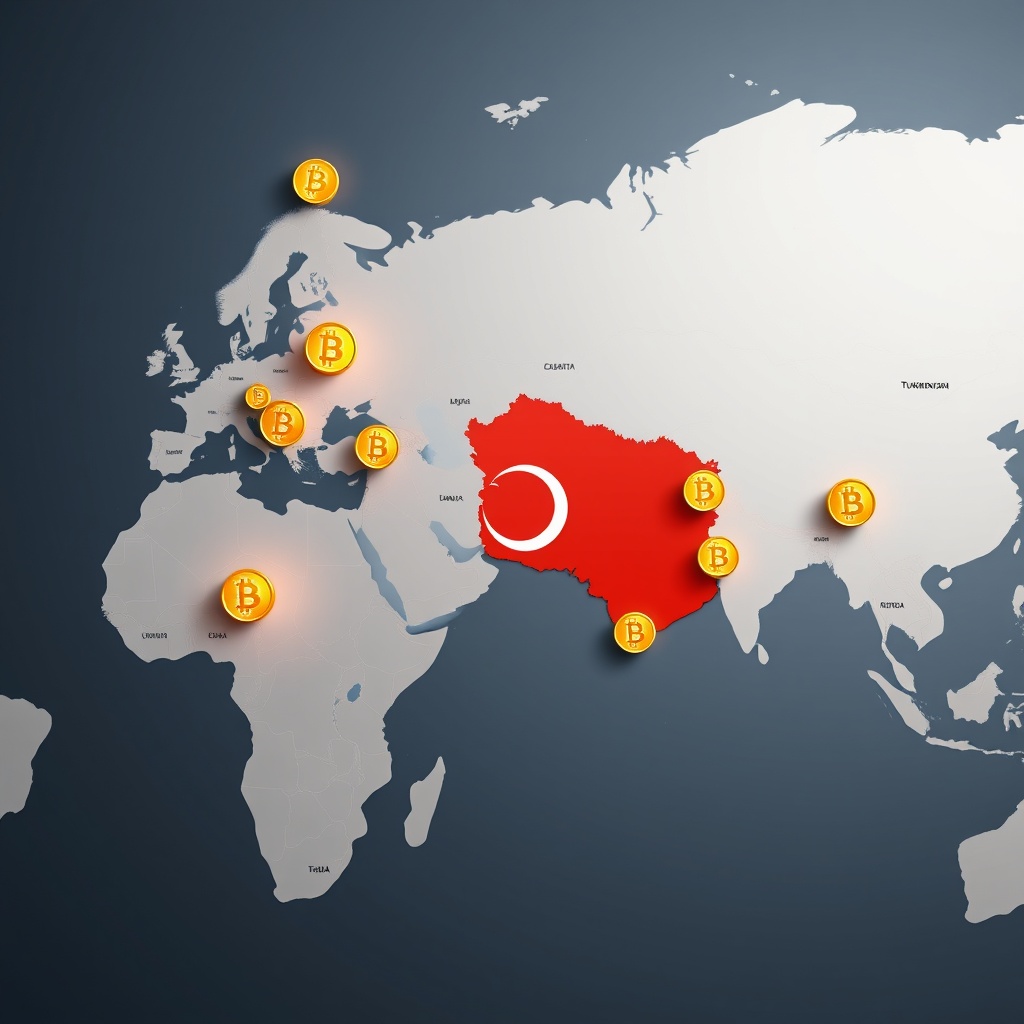
Comparison with Other Central Asian Crypto Regulations
Tax Treatment Differences with Neighboring Countries
Turkmenistan’s 2026 crypto tax framework differs significantly from neighboring Central Asian jurisdictions. While Kazakhstan imposes progressive capital gains taxes, Turkmenistan’s system focuses on transaction-based taxation with specific exemptions for licensed operations. We’ve analyzed how these differences create strategic opportunities for cross-border tax planning. Understanding regional variations helps businesses structure operations to optimize tax efficiency while maintaining compliance across jurisdictions.
The most notable difference involves treatment of mining operations and staking rewards. Turkmenistan’s framework provides specific tax incentives for licensed mining activities that neighboring countries don’t offer. This creates competitive advantages for properly structured operations. We help clients navigate these differences through strategic entity structuring and transaction planning, ensuring they benefit from favorable treatment while avoiding unintended tax consequences in multiple jurisdictions.
Licensing Requirements Across the Region
Licensing requirements vary dramatically across Central Asia, creating both challenges and opportunities for crypto businesses. Turkmenistan’s 2026 framework establishes comprehensive licensing categories that differ from Uzbekistan’s more limited approach and Kazakhstan’s evolving system. We’ve mapped these differences to help clients develop regional expansion strategies that optimize licensing efficiency and compliance management.
Turkmenistan’s licensing process emphasizes technical capability and financial stability more than some neighboring jurisdictions. This creates higher initial barriers but potentially more stable operating environments. We assist clients in meeting these requirements through careful preparation and documentation. Understanding regional licensing variations enables strategic decisions about where to establish different types of operations, balancing regulatory requirements with market opportunities and operational considerations.
Market Access and Operational Flexibility
Market access and operational flexibility differ significantly across Central Asian crypto regulations. Turkmenistan’s 2026 framework provides specific pathways for foreign participation that contrast with more restrictive approaches in some neighboring countries. We analyze how these differences affect business models and expansion strategies, helping clients navigate regional variations while maintaining operational consistency.
The most significant operational flexibility in Turkmenistan involves approved use cases and partnership structures. The framework allows specific types of foreign collaboration that neighboring jurisdictions restrict. This creates unique opportunities for international businesses seeking Central Asian market access. We help clients structure operations to maximize these opportunities while maintaining compliance across their regional footprint, creating sustainable competitive advantages through strategic regulatory navigation.
Industry Insights and Future Regulatory Trends
Expected Amendments to the 2026 Framework
We anticipate significant amendments to Turkmenistan’s 2026 virtual asset framework within the first two years of implementation. The initial legislation represents a foundational structure that will inevitably require refinement as market dynamics evolve and practical challenges emerge. Our analysis suggests authorities will introduce clearer guidelines on asset management services for crypto holdings, particularly for institutional investors seeking structured exposure to digital assets within regulated parameters.
We expect amendments to address emerging technologies like decentralised finance protocols and tokenised securities, which currently exist in regulatory grey areas. The government will likely establish specific licensing categories for different virtual asset service providers, creating a more nuanced regulatory environment. These changes will provide greater certainty for foreign investors while maintaining the state’s oversight mechanisms and compliance requirements.
Integration with International Standards
Turkmenistan’s regulatory evolution will increasingly align with international standards from organisations like the Financial Action Task Force and International Organisation of Securities Commissions. We’re observing a deliberate strategy to integrate global best practices while maintaining national sovereignty over financial regulation. This approach positions Turkmenistan as a credible jurisdiction for cross-border crypto operations while ensuring compliance with emerging international norms.
The integration process will involve adopting standardised reporting requirements, implementing robust anti-money laundering protocols, and establishing mutual recognition agreements with other regulated jurisdictions. We’re preparing our clients for these developments by implementing systems that can adapt to evolving international standards while maintaining compliance with Turkmenistan’s specific requirements. This forward-looking approach ensures sustainable operations as the regulatory landscape matures.
Impact of Global Crypto Market Developments
Global crypto market developments will significantly influence Turkmenistan’s regulatory trajectory, particularly regarding institutional adoption and technological innovation. We’re monitoring how major jurisdictions handle emerging challenges like stablecoin regulation, decentralised autonomous organisations, and cross-border settlement systems. These international trends will shape Turkmenistan’s approach to balancing innovation with financial stability concerns.
The increasing institutionalisation of crypto markets globally will drive demand for sophisticated asset management solutions within Turkmenistan’s regulated framework. We expect growing interest from traditional financial institutions seeking exposure to virtual assets through compliant channels. This trend will accelerate the development of professional services infrastructure and create opportunities for specialised service providers in the Turkmen market.
Implementation Roadmap for Foreign Founders
Pre-Entry Preparation and Due Diligence
Successful entry into Turkmenistan’s crypto market requires comprehensive pre-entry preparation and due diligence. We recommend conducting thorough market analysis, understanding local business culture, and establishing relationships with key stakeholders before initiating formal registration processes. This preparatory phase should include detailed assessment of competitive landscape, regulatory expectations, and operational requirements specific to virtual asset services.
Our due diligence framework examines licensing requirements, capital adequacy standards, and compliance obligations under the 2026 legislation. We help clients develop robust business plans that address Turkmenistan’s specific regulatory priorities while maintaining operational flexibility. This preparation minimises implementation risks and ensures smoother navigation through the approval process with Turkmen authorities.
Establishing Local Presence and Partnerships
Establishing effective local presence requires strategic partnership development with Turkmen entities possessing regulatory expertise and market knowledge. We facilitate connections with qualified legal representatives, compliance consultants, and operational partners who understand the nuances of Turkmenistan’s business environment. These partnerships are essential for navigating bureaucratic processes and building credibility with regulatory authorities.
We recommend structuring local operations to maximise regulatory compliance while maintaining operational efficiency. This involves establishing proper corporate governance structures, implementing robust internal controls, and developing transparent reporting systems. Our approach ensures foreign founders can build sustainable businesses that align with Turkmenistan’s regulatory objectives while achieving their commercial goals in this emerging market.
Ongoing Compliance Monitoring Systems
Implementing effective ongoing compliance monitoring systems is critical for maintaining regulatory approval in Turkmenistan’s evolving crypto landscape. We develop comprehensive compliance frameworks that address transaction monitoring, reporting obligations, and risk management requirements under the 2026 legislation. These systems must adapt to regulatory changes while maintaining operational efficiency for virtual asset service providers.
Our compliance solutions integrate automated monitoring tools with human oversight to ensure comprehensive coverage of regulatory requirements. We establish regular review processes, update procedures in response to regulatory changes, and maintain detailed documentation for audit purposes. This proactive approach to compliance management helps foreign founders maintain good standing with Turkmen authorities while focusing on business growth.
Risk Management and Contingency Planning
Identifying and Mitigating Regulatory Risks
Effective risk management begins with comprehensive identification of regulatory risks specific to Turkmenistan’s crypto environment. We analyse potential challenges including licensing delays, compliance interpretation issues, and evolving regulatory requirements. Our risk assessment framework evaluates both immediate operational risks and longer-term strategic risks associated with regulatory changes.
We develop mitigation strategies that address identified risks through procedural controls, contingency planning, and stakeholder engagement. These strategies include establishing clear communication channels with regulators, maintaining compliance buffers, and implementing flexible operational structures. Our approach ensures clients can navigate regulatory uncertainties while protecting their investments in Turkmenistan’s emerging crypto market.
Preparing for Policy Changes and Updates
Proactive preparation for policy changes involves establishing monitoring systems for regulatory developments and maintaining flexibility in business operations. We track legislative proposals, regulatory guidance updates, and enforcement trends that could impact crypto operations in Turkmenistan. This intelligence informs strategic planning and helps clients anticipate rather than react to regulatory changes.
Our contingency planning framework includes scenario analysis for potential policy shifts, resource allocation for compliance adjustments, and communication strategies for stakeholders. We help clients develop adaptable business models that can accommodate regulatory evolution without compromising core operations. This forward-looking approach minimises disruption from policy changes while maintaining regulatory compliance.
Exit Strategies and Asset Protection
Developing prudent exit strategies and asset protection mechanisms is essential for managing risks in Turkmenistan’s regulated crypto environment. We structure operations to facilitate orderly exits if required, including clear ownership documentation, transfer protocols, and contingency arrangements. These strategies protect client interests while maintaining compliance with Turkmen regulations throughout the exit process.
Our asset protection framework addresses both operational assets and virtual asset holdings, ensuring proper safeguarding during transitions. We establish clear procedures for asset transfer, regulatory notification, and compliance closure. This comprehensive approach to exit planning provides security for foreign investors while respecting Turkmenistan’s regulatory requirements for virtual asset operations.
Frequently Asked Questions
What are the key compliance requirements for crypto businesses under Turkmenistan’s 2026 law?
Turkmenistan’s 2026 virtual asset law requires comprehensive compliance including mandatory licensing, robust anti-money laundering procedures, detailed transaction reporting, and strict capital adequacy standards. Businesses must implement KYC protocols, maintain transparent record-keeping systems, and establish internal controls meeting regulatory expectations. The framework emphasises proper asset management practices and regular audits to ensure ongoing compliance with evolving requirements.
How does Turkmenistan’s crypto tax treatment compare to neighbouring countries?
Turkmenistan’s crypto tax framework differs significantly from neighbouring jurisdictions by offering structured incentives for compliant operations while maintaining rigorous oversight. Unlike some regional approaches that impose blanket prohibitions, Turkmenistan provides clear taxation pathways for registered entities. The system balances revenue generation with market development objectives, creating predictable tax liabilities for foreign investors operating within the regulated framework.
What licensing options are available for foreign crypto businesses entering Turkmenistan?
The 2026 legislation establishes multiple licensing categories including exchange operations, custody services, and mining authorisations for foreign entities. Each category has specific capital requirements, compliance obligations, and operational restrictions that must be carefully navigated. We recommend thorough preparation and professional guidance to secure appropriate licensing that aligns with business objectives while meeting regulatory expectations.
How should foreign founders prepare for regulatory changes in Turkmenistan’s crypto market?
Foreign founders should establish flexible operational structures, maintain compliance buffers, and develop relationships with local regulatory experts. Preparation involves monitoring legislative developments, implementing adaptable compliance systems, and building contingency plans for potential policy shifts. Proactive engagement with authorities and strategic asset management solutions positioning helps navigate evolving requirements effectively.
What are the main risks for expat crypto investors in Turkmenistan’s regulated environment?
Primary risks include regulatory interpretation challenges, compliance cost uncertainties, and potential policy shifts affecting operational viability. Foreign investors must also consider market adoption rates, liquidity constraints, and geopolitical factors influencing Turkmenistan’s crypto ecosystem. Comprehensive risk assessment and professional guidance are essential for navigating these challenges while capitalising on emerging opportunities in this regulated market.
