






INTRODUCTION
I’ve been fascinated by the potential of technology to transform economies, especially in regions like Iraq, where reconstruction and reform are critical. The question isn’t just whether Iraq can build a tech economy—it’s how artificial intelligence (AI) can act as a catalyst for this transformation. From rebuilding infrastructure to fostering innovation, AI offers a roadmap for Iraq’s economic revival. Let’s explore this possibility together.
KEY TAKEAWAYS
- Iraq’s economy is heavily reliant on oil, but diversification into tech is essential for long-term stability.
- AI can drive efficiency and innovation across sectors, from public services to governance.
- Building digital infrastructure and investing in education are foundational steps for a tech-driven economy.
- Collaboration with global tech communities can accelerate Iraq’s progress.
The Current State of Iraq’s Economy
Overview of Iraq’s Economic Challenges
Iraq’s economy faces significant hurdles, including political instability, corruption, and a reliance on oil revenues. These challenges have stifled growth and limited opportunities for diversification. However, the rise of digital technologies offers a chance to leapfrog traditional development barriers. By embracing AI, Iraq can address systemic inefficiencies and create new economic pathways.
The Role of Oil in Iraq’s Economy
Oil has long been the backbone of Iraq’s economy, accounting for over 90% of government revenue. While this has provided short-term stability, it’s also made the economy vulnerable to global price fluctuations. Diversifying into tech, particularly AI, could reduce this dependency and unlock sustainable growth. For instance, asset management best practices highlight how strategic investments in tech can yield long-term benefits.
Potential for Diversification into Tech
The global tech economy is booming, and Iraq has the potential to carve out a niche. With a young, tech-savvy population and increasing internet penetration, the foundations are there. AI can play a pivotal role in sectors like healthcare, education, and logistics, driving efficiency and innovation. The key lies in creating an enabling environment for startups and foreign investors.
As we delve deeper, it’s clear that AI isn’t just a tool—it’s a transformative force. From rebuilding infrastructure to enhancing governance, the possibilities are endless. For more insights, check out technological innovations in asset management, which underscore the power of digital transformation.
Understanding the Tech Economy
Definition and Components of a Tech Economy
A tech economy is built on innovation, digital infrastructure, and human capital. It thrives when industries leverage technology to drive growth, efficiency, and global competitiveness. Key components include startups, research institutions, and a supportive regulatory framework. For Iraq, embracing this model could mean moving beyond oil dependency and fostering a culture of innovation. The shift requires investment in digital literacy and digital asset management to build a resilient foundation.
Globally, tech economies are powered by collaboration between governments, private sectors, and academia. Iraq can learn from these models to create its own ecosystem. By focusing on scalable solutions, the country can attract foreign investment and talent. The goal is to create a self-sustaining cycle where technology fuels economic diversification and job creation. This vision hinges on strategic planning and long-term commitment.
Global Examples of Successful Tech Economies
Countries like Estonia and Singapore have transformed into tech powerhouses by prioritising digital governance and education. Estonia’s e-residency program and Singapore’s Smart Nation initiative showcase how policy can drive innovation. These nations invested early in technological innovations, ensuring their economies remained agile and competitive. Iraq can draw lessons from these examples, adapting strategies to its unique context.
Success stories highlight the importance of public-private partnerships. For instance, Israel’s tech boom was fuelled by military R&D and venture capital. Iraq’s reconstruction efforts could integrate similar synergies, leveraging AI and IoT for infrastructure projects. The key is to start small, piloting tech-driven solutions in sectors like healthcare and logistics. Scaling these initiatives will require robust policy frameworks and international collaboration.
The Role of AI in Economic Transformation
How AI Drives Innovation and Efficiency
AI is a game-changer, automating processes and unlocking new opportunities. In Iraq, AI could streamline public services, from traffic management to healthcare diagnostics. By reducing inefficiencies, the technology frees up resources for strategic investments. For example, AI-powered predictive analytics can optimise energy use, a critical need for Iraq’s power grid. The potential extends to sustainable asset management, aligning growth with environmental goals.
Beyond efficiency, AI fosters innovation by enabling data-driven decision-making. Startups can leverage AI to develop solutions tailored to local challenges, such as water scarcity or urban planning. The technology also democratises access to global markets, allowing Iraqi businesses to compete internationally. However, realising this potential requires upskilling the workforce and building trust in AI systems through transparency and ethics.
AI’s Impact on Various Industries
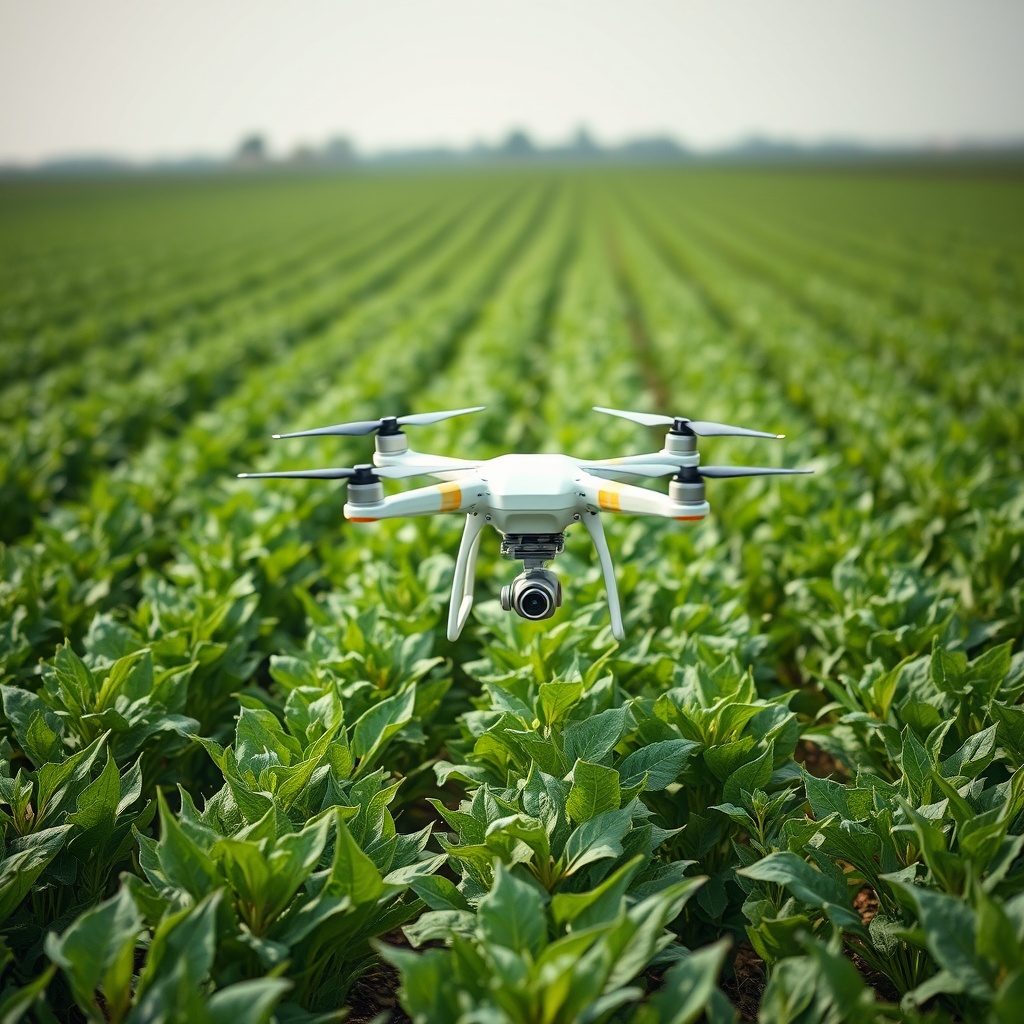
From agriculture to finance, AI is reshaping industries worldwide. In Iraq, agriculture could benefit from AI-driven precision farming, boosting yields and reducing waste. The financial sector can adopt AI for fraud detection and credit scoring, expanding access to capital. These applications highlight the transformative power of AI, but their success depends on reliable global asset management trends and infrastructure.
Healthcare is another sector poised for disruption. AI can enhance diagnostic accuracy and streamline patient care, addressing Iraq’s healthcare gaps. Similarly, education can leverage AI for personalised learning, bridging skill gaps in the workforce. The challenge lies in balancing innovation with inclusivity, ensuring AI benefits all segments of society. Policymakers must prioritise equitable access to technology and training.

Iraq’s Readiness for a Tech Economy
Assessing Iraq’s Technological Infrastructure
Iraq’s tech infrastructure is a mixed bag, with urban areas outperforming rural regions. While internet penetration is growing, reliability remains an issue. Building a robust digital backbone is essential for AI adoption and tech-driven growth. Investments in 5G and cloud computing can bridge gaps, but they require collaboration with leveraging technology experts and international partners. The focus should be on creating a scalable, secure network.
Energy infrastructure is another critical factor. Frequent power outages hinder tech adoption, making renewable energy projects a priority. Solar and wind energy can provide stable power for data centers and tech hubs. Additionally, cybersecurity must be a cornerstone of Iraq’s tech strategy to protect sensitive data and build trust. Addressing these challenges will lay the groundwork for a thriving tech economy.
Human Capital and Education in Iraq
Iraq’s young population is a valuable asset, but education systems must evolve to meet tech demands. STEM programs and vocational training can equip students with relevant skills. Partnerships with global tech firms can facilitate knowledge transfer and create job opportunities. For instance, coding bootcamps and AI workshops can fast-track talent development. The goal is to build a pipeline of skilled professionals ready to drive innovation.
Gender inclusivity is equally important. Empowering women in tech can unlock untapped potential and diversify perspectives. Initiatives like mentorship programs and scholarships can bridge gender gaps in STEM fields. By fostering a culture of lifelong learning, Iraq can ensure its workforce remains adaptable in a rapidly changing tech landscape. The journey starts with education reform and community engagement.
Building Blocks for a Tech Economy in Iraq
Developing Digital Infrastructure
We must start by laying the groundwork for a robust digital infrastructure. Reliable internet connectivity, data centres, and cloud services are the backbone of any tech economy. Iraq has the potential to leapfrog traditional infrastructure by adopting cutting-edge solutions. Investing in fibre optics and 5G networks will ensure seamless connectivity, enabling businesses and individuals to thrive in a digital-first environment.
Beyond hardware, we need scalable software solutions. Open-source platforms and localised tech hubs can foster innovation. By partnering with global tech giants, Iraq can accelerate its digital transformation. The goal is to create an ecosystem where ideas can flourish, and startups can scale without barriers.
Fostering Innovation and Entrepreneurship
Innovation thrives in environments that encourage risk-taking and creativity. We must establish incubators and accelerators to nurture local talent. Programs like financial blogs can provide the mentorship and funding needed to turn ideas into viable businesses. Collaboration between universities and the private sector will bridge the gap between academia and industry.
Entrepreneurship should be celebrated, not stifled. Simplifying business registration and offering tax incentives for startups can ignite a culture of innovation. By learning from global examples, Iraq can create a blueprint for homegrown success stories that inspire future generations.
Creating a Supportive Regulatory Environment
Regulations must evolve to keep pace with technological advancements. A forward-thinking legal framework will attract foreign investment and protect intellectual property. We need policies that balance innovation with accountability, ensuring ethical practices while encouraging growth.
Transparency is key. By digitising government services and adopting blockchain for public records, we can build trust in institutions. A asset management best practices approach can guide policymakers in crafting laws that foster a competitive yet fair market.
AI as a Catalyst for Reconstruction
AI in Rebuilding Infrastructure
AI can revolutionise how we rebuild Iraq’s infrastructure. Smart algorithms can optimise construction projects, reducing costs and timelines. Predictive maintenance powered by AI ensures longevity for roads, bridges, and utilities. By leveraging data, we can prioritise areas in dire need of development.
Drones and AI-powered mapping tools can assess damage in conflict zones, guiding reconstruction efforts. This isn’t just about rebuilding—it’s about building smarter. With AI, we can create resilient infrastructure that withstands future challenges.
AI in Enhancing Public Services
Public services are the lifeblood of any society. AI can streamline healthcare, education, and transportation. For instance, telemedicine platforms powered by AI can bring specialist care to remote areas. Predictive analytics can optimise school curricula, ensuring students receive personalised learning experiences.
Transportation systems can benefit from AI-driven traffic management, reducing congestion and pollution. By integrating AI into public services, we can improve efficiency and accessibility, making life better for all Iraqis.
AI in Reform and Governance
Using AI for Transparent Governance
Transparency is the cornerstone of good governance. AI can analyse vast amounts of data to detect inefficiencies and corruption. Automated systems can track public spending, ensuring funds are used as intended. Citizens deserve accountability, and AI can deliver it.
E-governance platforms powered by AI can simplify interactions between the government and the public. From digital asset management to voting systems, technology can restore faith in institutions. The result? A government that works for the people, not against them.
AI in Fighting Corruption
Corruption is a cancer that stifles progress. AI can identify patterns of fraudulent activity, enabling swift action. Machine learning algorithms can flag suspicious transactions, making it harder for corrupt practices to go unnoticed. This isn’t just about punishment—it’s about prevention.
By creating a culture of accountability, AI can help Iraq turn the page on corruption. The tools are there; we just need the will to use them.

Education and Workforce Development for AI
Integrating AI into Education Systems
Education is the foundation of a tech-driven future. We must integrate AI into curricula at all levels. From primary schools to universities, students should learn how to harness AI’s potential. Coding boot camps and online courses can democratise access to tech education.
Teachers need training too. Professional development programs can equip educators with the skills to teach AI effectively. By investing in education, we’re investing in Iraq’s future.
Training Programs for AI Skills
The workforce must evolve to meet the demands of a digital economy. Vocational training programs can upskill workers in AI-related fields. Partnerships with tech companies can provide hands-on experience, ensuring graduates are job-ready.
For those already in the workforce, reskilling initiatives are crucial. A portfolio management approach can help individuals transition into tech roles. The goal is to create a workforce that’s not just prepared for the future but driving it.
Investment and Funding for Tech Startups
Attracting Foreign Investment
We know Iraq’s tech potential is vast, but unlocking it requires capital. Foreign investors are key, and we must create an environment that lures them. Think tax incentives, streamlined regulations, and clear legal frameworks. By showcasing success stories and highlighting Iraq’s untapped market, we can turn sceptics into believers.
The goal? A thriving ecosystem where global capital fuels local innovation. The first step is transparency. Investors need confidence in Iraq’s stability and growth prospects. We can achieve this by aligning with international standards and fostering partnerships with established tech hubs.
Imagine Baghdad as the next Dubai for tech startups—ambitious, yes, but entirely possible with the right strategy and execution.
Government Incentives for Tech Startups
Governments worldwide have catalysed tech booms, and Iraq can too. Subsidies, grants, and low-interest loans for startups are a start. But we must go further—think incubators, accelerators, and mentorship programmes. By reducing bureaucratic red tape, we empower entrepreneurs to focus on what matters: building disruptive technologies.
Local talent is our greatest asset. Pairing incentives with education initiatives ensures a pipeline of skilled workers. Imagine a future where Iraqi startups don’t just survive but thrive, backed by a government that understands the transformative power of tech. The time to act is now, and the blueprint is clear.
Case Studies AI in Post-Conflict Regions
Lessons from Other Countries
Post-conflict regions like Rwanda and Colombia have harnessed AI to rebuild. Rwanda’s drone delivery network for medical supplies is a game-changer, while Colombia uses AI to monitor deforestation. These examples prove that tech isn’t just a luxury—it’s a lifeline. We can adapt these models to Iraq, tailoring solutions to our unique challenges. The common thread? Collaboration. Governments, NGOs, and private sectors must unite. By learning from others, we avoid reinventing the wheel. AI can streamline Iraq’s reconstruction, from infrastructure to healthcare. The lessons are there; we just need the will to apply them.
Adapting Strategies for Iraq
Iraq’s context demands custom solutions. AI can optimise resource allocation in rebuilding cities, predict conflict hotspots, and even combat corruption. But success hinges on local buy-in. We must involve communities in the design process, ensuring solutions are culturally relevant and sustainable.
Think of AI as a tool, not a magic wand. It won’t solve everything, but it can accelerate progress. By blending global insights with local expertise, we create a roadmap for Iraq’s tech-driven future. The stakes are high, but so is the potential.
Challenges to Building a Tech Economy in Iraq
Political and Security Challenges
Instability is the elephant in the room. Without security, investors flee and talent withers. We need robust policies that protect tech hubs and ensure continuity. Political will is non-negotiable—leaders must prioritise tech as a pillar of national recovery.
It’s a tough sell, but the alternative is stagnation. Corruption is another hurdle. AI can help here, too, by creating transparent systems for governance and finance. The key is accountability. When leaders and citizens alike see tech as a force for good, resistance fades. The path isn’t easy, but it’s the only one forward.
Economic and Financial Barriers
Limited access to capital stifles innovation. Traditional banks are risk-averse, and venture capital is scarce. We need alternative funding models—crowdfunding, angel networks, and public-private partnerships. Microfinancing for tech startups could be a game-changer, democratising access to resources. Currency volatility adds another layer of complexity. Stable financial policies are essential to attract both local and foreign investment. The bottom line? Without addressing these barriers, Iraq’s tech dreams remain just that—dreams. But with targeted interventions, we can turn them into reality.
The Future of AI in Iraq
Potential Growth Areas
Agriculture, healthcare, and energy are ripe for AI disruption. Smart farming can boost yields, AI diagnostics can save lives, and predictive maintenance can optimise oil production. The opportunities are endless, but focus is crucial. By targeting sectors with immediate impact, we build momentum for broader transformation.
Education is the linchpin. Integrating AI into schools and universities ensures a future-ready workforce. Imagine Iraqi graduates leading global tech innovations—it’s not fantasy if we invest today. The seeds of growth are there; we just need to water them.
Long-term Vision for Iraq’s Tech Economy
A decade from now, Iraq could be a regional tech leader. The vision? A self-sustaining ecosystem where startups scale, investors profit, and citizens thrive. It starts with today’s decisions—policy reforms, education overhauls, and infrastructure upgrades. The road is long, but the destination is worth it. Collaboration is our compass.
By partnering with global tech communities, we accelerate progress. The future isn’t something we wait for; it’s something we build. And with AI as our ally, Iraq’s tech economy isn’t just possible—it’s inevitable.
