
Real estate asset management is a crucial aspect for investors seeking to maximise the value and returns from their property investments. It involves the strategic analysis and optimisation of real estate assets to enhance performance and minimise risks. Asset managers play a significant role in overseeing property portfolios, ensuring they meet investment goals while adapting to market changes.
- Key Takeaways
- Foundations of Real Estate Asset Management
- Real Estate Market Analysis
- Investment Strategies and Planning
- Portfolio and Financial Management
- Real Estate Assets Operation
- Risk Assessment and Management
- Sustainable Practices in Asset Management
- Evaluation and Performance Analytics
- Property Types and Asset Management
- Improving Communication and Relationships
- Frequently Asked Questions

The real estate market can be complex, presenting both opportunities and challenges for asset managers. Understanding market trends, implementing effective investment strategies, and maintaining strong relationships with stakeholders are vital components of successful asset management. These professionals must also assess risks and apply sustainable practices to ensure long-term profitability and environmental responsibility.
Investors interested in real estate asset management will find that performance analytics and evaluation are key to refining strategies and improving portfolio outcomes. With a focus on communication and collaboration, successful asset management can lead to enhanced property values and investor satisfaction.
Key Takeaways
- Strategic asset management maximises property value.
- Effective market analysis guides investment decisions.
- Sustainable practices ensure long-term success.
Foundations of Real Estate Asset Management
Real estate asset management is essential for optimising property investments. Key aspects include setting investment goals, financial analysis, and effective decision-making.
Core Principles of Asset Management
The foundation of real estate asset management lies in its core principles. This involves careful planning to align with investment objectives. Asset managers employ thorough market analysis to identify potential opportunities. Risk management is another critical principle, focusing on reducing uncertainties and safeguarding investments. Diversification of investments helps in spreading risk and enhancing returns.
Communication skills are crucial as asset managers must convey strategies and outcomes clearly to investors. They must also have a strong financial acumen to interpret data accurately and make informed decisions. Problem-solving abilities enable them to adapt strategies in response to changing market conditions.
No spam - just the latest insights!
Join over 30,000 industry professionals who subscribe for free






Get exclusive early
access before the official launch
Hear directly from the Big Four advisory firms and leading international law firms on emerging issues
- with our authors given full editorial independence to address the topics that truly matter in each jurisdiction
Roles and Responsibilities of Real Estate Asset Managers
Asset managers play a key role in the management of property assets. They are responsible for developing and implementing strategies to enhance property value and performance. This includes managing property-level operations to optimise revenue streams.
Their roles require them to regularly assess and adjust investment strategies. Effective decision-making ensures that property portfolios align with client goals. Communication with stakeholders is vital in maintaining transparency and trust.
An asset manager must also have strong analytical skills to evaluate financial reports and market trends. This helps them make informed decisions that align with investor expectations. Effective planning and problem-solving are essential to deal with unexpected challenges and ensure the long-term success of property investments.
Real Estate Market Analysis
Effective real estate market analysis involves understanding the changes and patterns within the market. This information is crucial for making informed investment decisions. Market dynamics, research, and trends are key areas to explore, as they all influence the stability and potential growth of real estate assets.
Understanding Market Dynamics
The real estate market is influenced by various dynamic factors. Economic indicators like employment rates and GDP growth play a significant role. Supply and demand affect property prices, where an imbalance can lead to market volatility.
Location is another crucial factor. Urban areas might experience different trends compared to rural locations. Local regulations and policies can also impact how the market behaves.
Investors must consider these dynamics to estimate changes in property values. Understanding these elements helps in predicting potential market fluctuations, thereby reducing investment risks.
Importance of Market Research
Market research is a vital tool for identifying real estate opportunities and threats. It involves collecting data on property values, rental rates, and vacancy rates. This information helps investors understand current market conditions.
Research also covers economic trends and demographic changes. These factors help in assessing the demand for different property types, such as residential or commercial spaces.
Quantitative and qualitative research methods provide a comprehensive view of the market. By doing thorough research, investors can align their strategies to market realities, ensuring informed decision-making. Comprehensive research thus plays a pivotal role in successful real estate investing.
Evaluating Market Trends
Evaluating market trends involves analysing patterns that have occurred over time. This helps predict future movements in the real estate sector. Trends can include shifts in buyer preferences, technological advancements, or economic changes.
Understanding market trends requires continuous monitoring. It helps in identifying emerging opportunities or potential risks. Keeping track of these trends is also vital for anticipating market fluctuations.
Factors like changing work patterns can impact demand for certain property types. Evaluating such trends enables investors to adapt to market changes effectively and maximise returns. Whether it’s a shift in consumer behaviour or new legislative policies, staying informed is essential for long-term success.
Investment Strategies and Planning
Investment strategies and planning in real estate involve identifying clear goals and evaluating risk tolerance. It’s crucial to diversify the portfolio and allocate assets wisely to enhance the chances of success.
Formulating Investment Strategies
Formulating an effective investment strategy requires a keen understanding of the market and the investor’s objectives. A solid strategy might include detailed analysis of market trends and a focus on properties that align with long-term goals. It involves setting a clear plan that may include both short-term income generation and long-term capital appreciation. Being strategic helps in capitalising on market ups and downs and adjusting asset allocation to meet specific goals.
A strategic approach requires ongoing assessment and may involve rebalancing the portfolio to align with shifting economic conditions. Being proactive and data-driven in strategy formulation can help in seizing opportunities and managing challenges.
Diversification in the Real Estate Portfolio
Diversification is a key element in mitigating risks in real estate investments. Many investors diversify across various property types, such as residential, commercial, and industrial, to balance potential gains and losses. It is also common to diversify by geographic location to protect against region-specific economic downturns.
Implementing portfolio diversification requires a thoughtful asset allocation process. It involves weighing the potential returns against associated risks. By spreading investments, the impact of any single underperforming asset is reduced, offering more stability in volatile markets.
Diversification also enhances access to different income streams, which may include rental income, property sales, and real estate development profits.
Assessing Investment Goals and Risk Tolerance
Understanding one’s investment goals and risk tolerance is fundamental to successful real estate investing. Goals might range from maximising short-term profits to securing long-term retirement income. Identifying these objectives helps in tailoring strategies that align with individual needs.
Risk tolerance varies from investor to investor. Assessing it involves considering financial situation, investment timeframe, and comfort with uncertainties. Those with higher risk tolerance might pursue aggressive growth strategies, while conservative investors might focus on stable, income-producing properties.
Evaluating these aspects allows for informed, strategic decision-making, ensuring that investment strategies are not only profitable but also comfortable within the investor’s personal risk profile.
Portfolio and Financial Management
Effective management of a real estate portfolio requires a keen focus on optimising cash flow, enhancing property value, and ensuring solid financial analysis. Understanding regulatory compliance and maintaining a robust legal knowledge base also play a critical role.
Optimising Cash Flow and Value Enhancement
Portfolio management involves strategic decisions to maximise cash flow and enhance property value. Real estate asset managers often engage in activities like lease renegotiations and strategic property upgrades. By identifying properties with potential for value appreciation, they can increase rental income and, subsequently, the cash flow. Additionally, employing efficient property maintenance practices ensures that value is consistently added over time.
Regular market assessments reveal trends that might impact cash flow. For instance, adjusting rents according to local market conditions maximises returns. By proactively managing these aspects, asset managers maintain steady income streams, thus boosting the portfolio’s financial health and long-term growth prospects.
Effective Financial Analysis and Management
Financial analysis plays a vital role in real estate asset management. Asset managers use tools like cash flow analysis and performance metrics to guide investment decisions. By evaluating the financial health of each property, managers can forecast future revenue streams and identify areas for improvement.
Detailed financial reports and regular budget reviews help in assessing the profitability of investments. Managers may employ analytical software to streamline these processes, ensuring data-driven decisions. Additionally, understanding trends and shifts in the real estate market aids in making informed decisions about purchasing, selling, or retaining assets.
A keen understanding of these financial dynamics supports sustainable growth and maximises returns on investment.
Ensuring Regulatory Compliance and Legal Knowledge
Regulatory compliance and legal knowledge are crucial in protecting investments. Real estate asset managers need to be well-versed in local laws and regulations to ensure properties are compliant with zoning requirements, building codes, and rental statutes.
This involves maintaining up-to-date records and ensuring timely submission of necessary paperwork. Managers might work closely with legal professionals to navigate complex legal landscapes.
Regular training and updates about policy changes ensure that legal compliance is met. Failing to adhere to regulations can result in penalties or decreased property value, impacting the overall portfolio. Hence, thorough legal and regulatory awareness safeguards investments and preserves portfolio integrity.
Real Estate Assets Operation

Managing real estate assets effectively involves overseeing property management tasks, cultivating strong tenant relationships, and handling lease agreements. These operations are crucial for maintaining asset value and ensuring steady revenue.
Property Management and Maintenance
Property management is the backbone of real estate asset operations. It involves daily activities such as collecting rent, managing budgets, and enforcing lease terms. Regular maintenance keeps properties in good condition, reduces unexpected repairs, and enhances long-term value.
Routine Tasks Include:
- Inspections: Regular property checks to identify and address maintenance needs.
- Repairs: Quick responses to issues like plumbing or electrical problems to prevent tenant dissatisfaction.
Effective property management ensures properties are well-maintained and tenants remain satisfied, minimising turnover rates. This approach helps maximise both property value and rental income.
Developing Tenant Relations and Retention Strategies
Building strong tenant relationships is key to retaining quality tenants and reducing vacancy rates. Successful strategies involve clear communication, prompt issue resolution, and offering attractive lease renewals.
Key Strategies:
- Communication: Regular updates about property developments or policy changes.
Leasing agents play a pivotal role in maintaining these relationships by acting as liaisons between property owners and tenants. Tenant relations management focuses on understanding tenant needs and ensuring they are met, which leads to long-term occupancy and stable income streams.
Lease Management and Negotiation
Lease management involves crafting and enforcing rental agreements that protect both parties involved. Negotiation is an essential skill for achieving favourable lease terms that align with market conditions and property owner goals.
Important Aspects:
- Lease Terms: Clearly defined agreements that outline responsibilities and expectations.
- Negotiation: Balancing tenant needs with owner objectives to reach mutually beneficial terms.
Understanding these components of lease management is essential for sustaining a profitable real estate portfolio. Leasing agents often facilitate these processes, ensuring clarity and transparency in all negotiations and contract executions.
Risk Assessment and Management
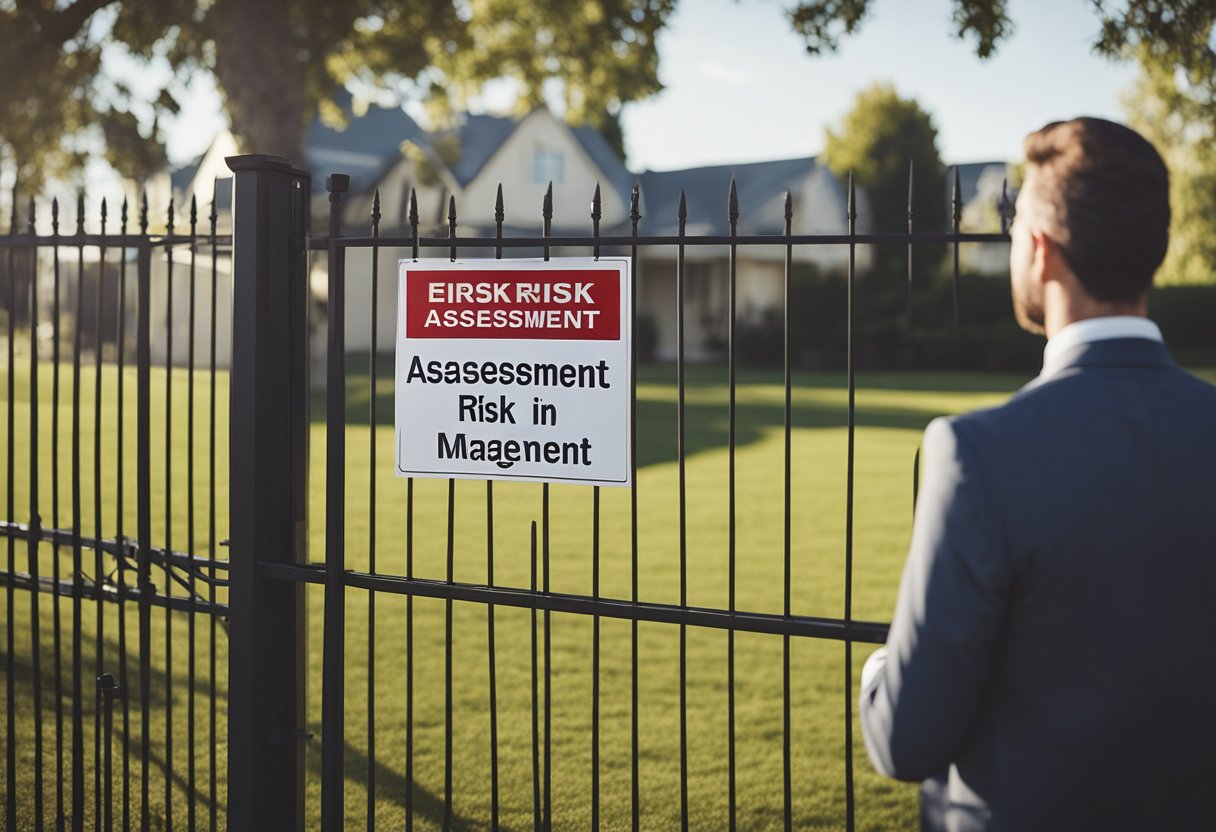
Risk assessment and management in real estate involve identifying potential threats that could impact property value and implementing strategies to minimise those risks. This section explores effective methods for mitigating risks, understanding market fluctuations, and conducting a thorough risk assessment.
Strategies for Risk Mitigation
Effective risk management includes various strategies, such as diversification of property assets. By spreading investments across different types of properties and locations, investors can reduce potential losses. Monitoring interest rates is also crucial, as changes can impact mortgage costs and property values.
Property insurance is another vital tool in risk mitigation. It provides financial protection against unforeseen events like natural disasters or lawsuits. Regular property inspections and maintenance ensure that possible hazards are addressed promptly.
Understanding and Managing Market Risks
Market risks in real estate are influenced by economic shifts, interest rates, and supply-demand dynamics. High interest rates may decrease property demand, leading to lower prices. Keeping track of the real estate market helps investors anticipate these changes and plan accordingly.
Investors should also consider demographic trends, such as population growth or decline, which affect housing needs. Understanding these factors enables investors to make informed decisions about where and when to invest.
Comprehensive Risk Assessment
A thorough risk assessment begins with identifying all stakeholders, including property owners, lenders, and tenants. Understanding their roles and interests helps in prioritising risks. Analysing financial data, such as cash flow and investment returns, offers insights into potential threats to property value.
Regular assessments of local economic conditions and legal regulations are essential in maintaining a proactive approach to risk management. By evaluating market conditions and internal operational factors, real estate professionals can make sound decisions designed to protect investments.
Sustainable Practices in Asset Management

Sustainable real estate asset management focuses on incorporating Environmental, Social, and Governance (ESG) factors to improve both investment returns and long-term value. This approach includes careful planning and active management strategies that align with sustainability goals.
Integrating ESG Factors into Asset Management
Integrating ESG factors into asset management is essential for ensuring long-term success. These factors help in identifying risks and opportunities within real estate markets. For instance, environmental considerations include energy efficiency and waste reduction. Social aspects are focused on community impact and tenant satisfaction. Governance involves transparent decision-making processes.
Asset managers use ESG data to make informed decisions about property investments. This information improves portfolio resilience against economic changes and regulatory shifts. By employing sustainable strategies, asset managers can enhance value and attract ethically minded investors. Emphasising ESG criteria supports wider industry standards in sustainable development and helps establish the company’s reputation in the market.
Environmental, Social, and Governance Insights
Insights into ESG practices drive meaningful change within real estate asset management. Environmental initiatives often focus on green building certifications and renewable energy installations. These measures reduce carbon footprints and enhance property value over time. Social initiatives may include community engagement and supporting local businesses, which can increase tenant retention and satisfaction.
Governance insights involve ethical business practices and compliance with regulations. Enhanced transparency in operations and decision-making builds trust among stakeholders. By applying these insights, companies can align their goals with global sustainability standards. The Global Real Estate Sustainability Benchmark (GRESB) provides a useful measure of success in these areas, benchmarking firms against ESG metrics. Adopting these insights helps future-proof assets and supports sustainable growth.
Evaluation and Performance Analytics

In real estate asset management, evaluating property performance and making informed investment decisions are crucial. Analysing various metrics and using advanced tools ensure optimal performance and strategic planning.
Assessing Property Performance
Property performance assessment involves measuring key metrics. These include occupancy rates, rental income, and maintenance costs. Regular monitoring helps property managers identify areas that need improvement. Using a management dashboard can streamline this process by providing detailed insights.
Comparing properties within the portfolio also offers valuable context. This involves using benchmarks and performance indicators. For instance, comparing the occupancy rate of similar properties helps determine competitive standing. Efficient tools such as data analytics enhance the assessment process, allowing for more precise performance measurements.
Property Evaluation for Investment Decision-Making
In evaluating properties for investment, understanding market trends is paramount. Current market conditions influence property value and investment potential. Managers use data analytics to predict future property value changes and assess financial viability.
One key area is potential revenue generation. Expected rental income and projected appreciation rates guide investment decisions. Coupled with risk assessments, these factors help determine whether a property aligns with investment goals. A thorough evaluation provides investment managers with essential insights necessary for strategic decision-making.
Achieving Optimal Performance through Analysis
Optimal performance in real estate is achieved through continuous analysis. Utilising analytics, managers can optimise operations and boost property value. By employing advanced analytics, they can predict maintenance needs, thus reducing downtime and costs.
Identifying emerging trends is another aspect. Factors such as new technology or changing tenant preferences can impact property value. Analysing these trends assists in strategic planning, allowing managers to adapt and maintain competiveness.
Collaboration between managers and data scientists enhances analytical capabilities. This partnership allows for detailed property analysis, which in turn supports informed strategic decisions. These insights may lead to redesigned strategies aimed at ensuring long-term success and optimal asset performance.
Property Types and Asset Management

Real estate asset management is tailored differently for various property types. Commercial and residential properties require distinct approaches due to their unique characteristics and demands. Understanding these can help maximise the effectiveness of asset management strategies.
Managing Commercial Real Estate Assets
Commercial real estate encompasses office buildings, retail spaces, and industrial properties. The management of these assets often involves ensuring high occupancy rates, negotiating leases, and maintaining cash flow. A commercial real estate manager must focus on enhancing the property’s value and appeal to tenants.
Successful management of commercial properties requires constant market analysis and strategic planning. This ensures that properties remain competitive and profitable. Focusing on tenant satisfaction and building strong relationships with tenants aids in keeping vacancy rates low and rents stable. Using technology for property management can also aid in increasing efficiency.
Asset Management for Residential Properties
Asset management for residential properties involves dealing with multiple units or single-family homes. The key focus here is maintaining the property’s condition and ensuring regular rent collection. A property manager often oversees day-to-day concerns, but asset managers focus on broader financial metrics.
In a real estate portfolio containing residential properties, understanding market trends is crucial. This helps in making informed decisions about property improvements and rent adjustments. Long-term capital growth is often a priority, and ensuring tenant satisfaction is essential for maintaining stable income streams.
Special Considerations for Different Property Types
Different property types present unique challenges. For example, industrial properties might require specialised maintenance due to heavy equipment use. Retail spaces need to adapt to changing consumer patterns and market trends, which can affect tenant turnover.
Tailoring management strategies to each property’s characteristics ensures better performance. In some cases, new technology can help streamline management tasks and provide data-driven insights. Understanding the unique needs and trends of each property type, whether commercial or residential, can enhance overall asset performance and value.
Improving Communication and Relationships
In the field of real estate asset management, effective communication is essential for building strong relationships with stakeholders. Key strategies include establishing robust communication channels and efficiently resolving conflicts and tenant issues.
Building Effective Communication Channels
For real estate asset managers, developing robust communication channels is vital. These channels facilitate the smooth flow of information among property owners, tenants, and team members. They can include regular email updates, newsletters, and virtual meetings, providing stakeholders with timely information.
Using these tools helps managers keep all parties informed about developments or changes affecting the property. Using technology also aids in efficient communication. Tools like property management software can organise information, making it easily accessible. Additionally, asset managers should encourage feedback from tenants and stakeholders to address concerns promptly.
Effective communication also involves building trust through transparency. Sharing information openly about maintenance activities, financials, or any planned developments ensures that tenants and stakeholders feel valued and informed, promoting stronger relationships.
Conflict Resolution and Tenant Issues Management
Managing tenant issues is a critical aspect of asset management. Real estate asset managers often face disputes that require tactful conflict resolution. Implementing a clear process for handling complaints can prevent minor issues from escalating.
Real estate managers should first understand the tenant’s perspective before proposing solutions. By actively listening, they can identify the root cause of the issue and provide appropriate resolutions.
Regular check-ins with tenants can preempt potential problems. Proactively addressing tenant concerns or clarifying lease terms can avoid misunderstandings. Tools like mediation services can also be valuable for more complex disputes.
Ultimately, effective resolution leads to tenant satisfaction and long-term retention, safeguarding the asset’s value and reputation.
Frequently Asked Questions
In real estate asset management, key responsibilities involve maintaining property value, and career paths often start with internships. Essential qualifications for a fund manager include financial expertise.
Property asset management companies focus on improving and maintaining the property’s condition. Tasks include renovations and upgrades, and crafting maintenance plans. By doing so, they can increase market value.
A career in property asset management often starts with education in finance or real estate. Gaining experience through internships is beneficial. Networking and industry certifications can also enhance career prospects.
A real estate fund manager should possess a strong background in finance, along with knowledge of market trends and property management strategies. Degrees in business administration, finance, or economics are typically required.
Residential and commercial properties are popular choices. Residential properties offer consistent rental income, while commercial properties can provide higher yields. Consideration of market trends and location is crucial for choosing the best asset class.
When selecting a firm, consider its market reputation and experience. Look into its portfolio performance and client reviews. Transparent fee structures and the range of services offered are also critical factors.
Internships are available with property management companies, real estate consultancies, and investment firms. These positions provide practical experience in asset valuation, investment analysis, and property management strategies, preparing candidates for future roles in the industry.
