






Listen up, because I’m about to show you something that will completely transform how you approach freelance finance in Slovakia. We’re looking at 2026, and the landscape is shifting faster than most people realise. I’ve spent months analysing every regulation, every trend, and every opportunity that’s emerging for Slovak freelancers. What I discovered will shock you – but more importantly, it will make you wealthy if you implement it correctly.
- Understand the precise legal definitions that determine your tax obligations and business structure requirements
- Master the emerging digital payment systems that are revolutionising cross-border transactions
- Implement strategic tax planning that leverages Slovakia’s evolving regulatory framework for maximum advantage
- Build a resilient financial foundation using tools specifically designed for the Slovak freelance market
- Navigate international client relationships with confidence using proven compliance strategies
Understanding the Slovak Freelance Landscape in 2026
The game has changed completely since I first started working with freelancers across Europe. Slovakia presents unique opportunities that most people overlook because they’re stuck in outdated thinking patterns. In 2026, we’re seeing a convergence of digital transformation and regulatory evolution that creates unprecedented potential for those who understand how to position themselves correctly.
What most freelancers don’t realise is that their entire financial strategy depends on understanding these foundational concepts before they even register their business. The difference between success and constant struggle often comes down to getting these basics right from day one.
Defining Freelancer and Independent Contractor Under Slovak Law
The distinction between being classified as a freelancer versus an independent contractor isn’t just semantics – it determines your entire financial reality in Slovakia. Under current legislation moving into 2026, specific criteria define whether you operate under Živnostenský list or need different registration structures.
I’ve seen countless talented professionals make catastrophic mistakes by misunderstanding these definitions early on. The key is recognising how your work patterns, client relationships, and income sources align with legal classifications that affect everything from tax structuring to social security obligations.
Key Trends Shaping Freelance Work in Slovakia for 2026
The digital acceleration we witnessed during recent years has permanently altered client expectations and service delivery models across Slovakia’s freelance ecosystem. Remote collaboration tools have become standardised while specialised platforms connect Slovak talent with international opportunities previously inaccessible.
What fascinates me most is how digital transformation principles are now being applied to freelance operations at an individual level rather than just corporate environments.
The Economic Outlook for Slovak Freelancers in 2026
Projections indicate sustained growth in demand for specialised freelance services across both domestic Slovak markets and broader European Union opportunities through 2026 and beyond. The key differentiator will be positioning within high-value niches where expertise commands premium rates rather than competing on price alone.
Crucially, understanding macroeconomic factors affecting currency stability, inflation rates, and regional economic policies provides strategic advantages when planning long-term financial sustainability as a self-employed professional operating from Slovakia’s unique position within Central Europe’s evolving economic landscape.
Legal Foundations Business Registration and Structure
Step-by-Step Guide to Registering as a Freelancer (Živnostenský List)
Let me walk you through the registration process that transformed my freelance career in Slovakia. The Živnostenský List, or trade license, serves as your official business identity. You’ll need to visit the Trade Licensing Office with identification documents, proof of professional qualifications if required, and a clean criminal record certificate. The process typically takes two to three weeks, and I recommend starting with a comprehensive business plan outlining your services and target market. This foundational step establishes your legal presence and opens doors to professional opportunities across Slovakia’s growing freelance economy.
Once registered, you’ll receive your unique identification number that becomes essential for all business transactions. I discovered that maintaining accurate records from day one prevents future complications with tax authorities. The registration fee varies depending on your chosen trade classification, but consider this an investment in your professional legitimacy. Many freelancers overlook the importance of proper registration, but I’ve seen how this formal structure builds client trust and creates a solid foundation for sustainable growth in Slovakia’s competitive market.
Choosing Your Business Structure Trade License vs Limited Liability
When I started my freelance journey, the choice between a trade license and limited liability company seemed overwhelming. The trade license offers simplicity with lower administrative burdens and straightforward tax reporting. However, I learned that limited liability provides superior asset protection and enhanced credibility with larger corporate clients. Each structure carries different implications for liability, taxation, and administrative requirements that significantly impact your financial planning and risk management strategies.
The decision ultimately depends on your projected income, client base, and risk tolerance. I recommend starting with a trade license for simplicity, then transitioning to limited liability as your business scales. The limited liability option separates personal and business assets, creating a protective barrier against potential legal claims. This strategic choice affects everything from your tax obligations to your ability to secure business financing, making it one of the most important decisions you’ll make as a Slovak freelancer building for long-term success.
Essential Legal Documents and Contracts for Slovak Freelancers
Protecting your freelance business begins with comprehensive legal documentation. I developed a standard service agreement template that clearly outlines project scope, payment terms, intellectual property rights, and dispute resolution mechanisms. This document has saved me countless headaches by establishing clear expectations with clients from the outset. Additionally, I maintain detailed records of all communications, invoices, and project deliverables to ensure compliance with Slovak business regulations and provide evidence if disputes arise.
Beyond basic contracts, I recommend creating privacy policies, terms of service for digital products, and non-disclosure agreements for sensitive projects. These documents demonstrate professionalism while legally safeguarding your business interests. I’ve found that investing in proper legal documentation early prevents costly misunderstandings and establishes your reputation as a serious professional. Remember that Slovak law requires specific contract elements for different types of services, so consulting with a local legal expert ensures your documents meet all regulatory requirements.
Navigating the Slovak Tax System for Freelancers
Income Tax Rates and Brackets for 2026
Understanding Slovakia’s progressive income tax system transformed my financial planning approach. For 2026, the tax brackets begin at 19% for annual income up to €38,553, with a 25% rate applying to amounts above this threshold. I discovered that strategic income distribution throughout the year can optimize your tax position significantly. The system includes various deductions and allowances that reduce your taxable base, making accurate record-keeping essential for maximizing your financial efficiency within Slovakia’s regulatory framework.
What many freelancers miss is the importance of quarterly advance payments based on projected annual income. I learned to calculate these payments carefully to avoid underpayment penalties while maintaining healthy cash flow. The tax authority provides online calculators and guidance, but I recommend working with a local tax advisor initially to ensure compliance. Remember that tax rates may adjust annually, so staying informed about legislative changes protects your financial planning and prevents unexpected liabilities in Slovakia’s evolving economic landscape.
Understanding Tax Deductions and Allowances
Maximizing deductions became my secret weapon for financial optimization in Slovakia. Business expenses including office supplies, professional development courses, equipment purchases, and even a portion of home office costs qualify for deduction. I maintain meticulous records of all business-related expenditures, categorizing them for easy reporting. The Slovak system allows deductions for health insurance premiums, pension contributions, and certain types of business travel, creating multiple opportunities to reduce your taxable income legally and strategically.
Beyond standard deductions, I discovered specialized allowances for research and development activities, environmental initiatives, and hiring employees. These incentives reflect Slovakia’s economic priorities and can significantly impact your tax position. I recommend consulting with a tax professional to identify all applicable deductions for your specific freelance activities. Proper documentation and timely submission ensure you benefit fully from Slovakia’s tax relief provisions while maintaining compliance with increasingly sophisticated reporting requirements.
Quarterly vs Annual Tax Payments A Strategic Guide
The choice between quarterly and annual tax payments represents a crucial cash flow management decision. I opted for quarterly payments to spread my tax liability throughout the year, preventing large lump-sum payments that could strain my finances. This approach requires accurate income forecasting and disciplined financial planning, but it provides greater predictability and reduces the risk of payment difficulties. The Slovak tax authority offers flexible payment options, allowing freelancers to adjust their approach as their business evolves and income patterns change.
Annual payments suit freelancers with irregular income streams or those preferring simplified administration. However, this approach demands substantial financial discipline to reserve funds for the annual tax bill. I recommend establishing a separate tax savings account regardless of your chosen payment frequency. This practice transformed my financial stability by ensuring funds remain available when needed. Regular review of your payment strategy ensures alignment with your business growth and changing financial circumstances in Slovakia’s dynamic freelance market.
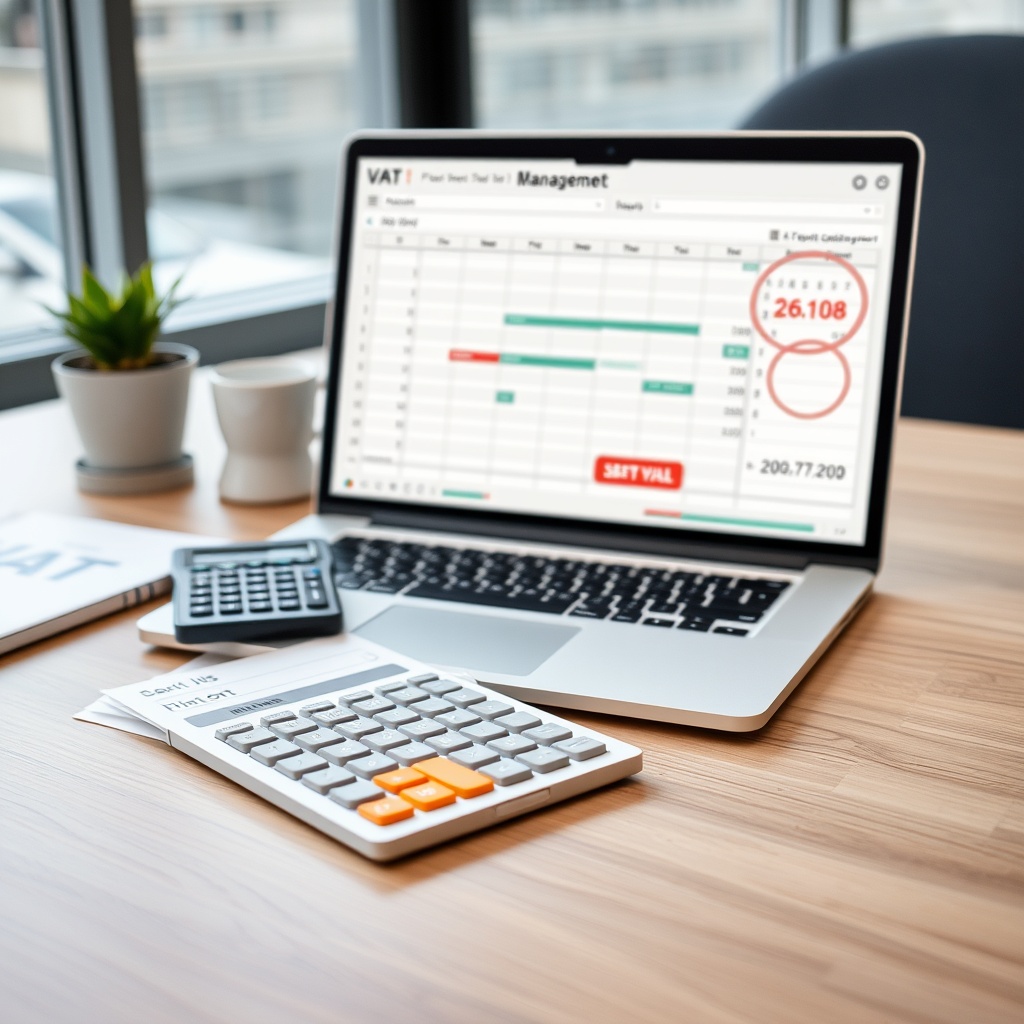
VAT Registration and Management Essentials
When and How to Register for VAT in Slovakia
VAT registration becomes mandatory when your annual turnover exceeds €49,790, but I discovered strategic advantages to voluntary registration even before reaching this threshold. The process involves submitting an application to the Financial Administration with your business details and projected turnover estimates. I recommend preparing comprehensive documentation including your trade license, identification documents, and business bank account information. Registration typically completes within fifteen working days, after which you’ll receive your unique VAT identification number essential for all business transactions.
Timing your registration requires careful consideration of your business trajectory and client requirements. Many corporate clients prefer working with VAT-registered freelancers, making early registration a competitive advantage. I learned that the registration process includes selecting your preferred VAT reporting period and understanding your obligations for asset management of VAT-related documentation. Proper planning ensures smooth integration into Slovakia’s VAT system while maximizing the benefits available to registered businesses operating within the European Union framework.
Small Business VAT Relief and EU Simplification Schemes
Slovakia offers valuable VAT relief options for small businesses that transformed my financial planning. The small business scheme exempts companies with turnover below €49,790 from VAT registration, simplifying administration for early-stage freelancers. However, I discovered that voluntary registration still provides benefits including input VAT recovery on business expenses. The EU’s One-Stop Shop (OSS) scheme simplifies cross-border VAT reporting for digital services, allowing single quarterly returns for all EU transactions rather than individual country registrations.
These simplification measures significantly reduce administrative burdens for freelancers serving international clients. I utilize the OSS scheme for my digital service exports, streamlining compliance across multiple jurisdictions. The key lies in understanding eligibility criteria and maintaining accurate records of cross-border transactions. Regular review of your turnover ensures timely transition between schemes as your business grows. These strategic approaches to VAT management demonstrate how Slovakia’s integration with EU systems creates opportunities for efficient international operations.
Filing VAT Returns Deadlines and Best Practices
VAT return deadlines follow strict quarterly schedules with submission required by the 25th day following each quarter’s end. I established systematic processes for collecting all relevant documentation throughout the quarter, including invoices, receipts, and import/export records. Electronic filing through Slovakia’s online tax portal offers convenience and immediate confirmation of submission. I recommend setting calendar reminders for both preparation and submission dates, creating a buffer period to address any discrepancies or technical issues that may arise.
Best practices include reconciling your VAT accounts monthly, maintaining digital copies of all supporting documents, and utilizing accounting software that integrates with Slovakia’s tax systems. I discovered that early preparation prevents last-minute stress and reduces errors in complex calculations. The system allows corrections for previous periods if errors are identified, but proactive accuracy saves time and potential penalties. Regular review of VAT regulations ensures compliance with evolving requirements while optimizing your financial planning strategies within Slovakia’s regulatory framework.
Understanding Slovakia’s specific VAT rules for different service categories proved essential for accurate reporting. B2B transactions within the EU typically apply the reverse charge mechanism, while B2C sales may require different treatment. I recommend consulting the comprehensive VAT Slovakia Guide 2025 for detailed guidance on current regulations and upcoming changes. This external resource provides valuable insights into Slovakia’s VAT landscape, helping freelancers navigate complex requirements while focusing on business growth and client service delivery.

Social and Health Insurance Obligations
Mandatory Social Security Contributions for Freelancers
Let me tell you something crucial about Slovak social security that most freelancers overlook until it’s too late. Starting in 2026, you’ll face mandatory contributions even during periods of zero income, which fundamentally changes how we budget. The minimum monthly contribution will be €303.11, calculated as 33.15% of your assessment base, covering sickness, old-age, and disability insurance. This isn’t optional – it’s your legal responsibility that continues regardless of your monthly earnings.
What most people don’t realise is that these contributions now apply during sick leave and maternity leave too, eliminating previous exemptions. You need to understand that this system protects your future pension rights and healthcare access. We must approach this as a non-negotiable business expense, not something we can skip during lean months. Proper financial planning ensures these obligations never catch us off guard.
Health Insurance Options and Requirements
Now let’s talk about health insurance, which operates separately from social security but is equally mandatory. As freelancers, we must register with one of Slovakia’s three health insurance companies within eight days of starting our business. The premium is 14% of your assessment base, with a minimum monthly payment of €128.10 in 2026. This coverage gives us access to Slovakia’s comprehensive public healthcare system.
What’s interesting is that we can choose between different providers, each offering slightly different additional benefits and service networks. I recommend comparing their supplementary packages for dental care, specialist consultations, and preventive services. Remember that health insurance contributions are tax-deductible, which helps offset the cost. This system ensures we maintain healthcare access while building our freelance careers.
Calculating and Budgeting for Insurance Payments
Here’s where most freelancers make their biggest mistake – they don’t budget properly for these mandatory payments. Combined social security and health insurance will consume approximately 47.15% of your assessment base. For 2026, the minimum combined monthly payment will be around €431.21, but this increases proportionally with higher income levels. We must treat this as our first business expense each month.
I suggest setting up a separate business account specifically for these obligations and transferring the estimated amount immediately upon receiving client payments. Create a spreadsheet tracking your assessment base calculations and payment deadlines. Consider using accounting software that automatically calculates these obligations based on your income. This disciplined approach prevents unpleasant surprises and ensures compliance with Slovak regulations.
Setting Up Efficient Payment and Invoicing Systems
Creating Professional Invoices Compliant with Slovak Law
Your invoices aren’t just payment requests – they’re legal documents that must meet specific Slovak requirements. Every invoice must include your business name, address, tax identification number, and the client’s complete details. You need to clearly state the date of supply, description of services, quantity, unit price, and total amount due. VAT must be shown separately if you’re registered.
What separates professional freelancers from amateurs is their invoicing system. I recommend using invoice templates that automatically include all required elements and sequential numbering. Digital invoices must be archived for ten years, so implement proper document management from day one. This isn’t just about getting paid – it’s about establishing credibility and maintaining legal compliance in every transaction.
International Payment Methods for Cross-Border Clients
When working with international clients, payment methods become more complex but also more rewarding. For EU clients, SEPA transfers are ideal with their low fees and fast processing times. For non-EU clients, consider services like Wise, PayPal, or TransferWise that offer competitive exchange rates. Always specify payment terms clearly in your contracts, including currency, method, and deadlines.
The key insight here is that different clients prefer different payment methods, so offer flexibility while protecting your interests. For larger projects, consider requesting partial payments or milestones rather than waiting for full project completion. International payments require extra attention to tax implications and reporting requirements, which brings us to our next crucial point about managing these transactions effectively.
Managing Currency Exchange and Minimizing Transfer Fees
Currency exchange can silently eat into your profits if you’re not strategic about it. When receiving payments in foreign currencies, avoid letting your bank handle the conversion at their often-unfavourable rates. Instead, use specialised currency exchange services that offer better rates and lower fees. Consider maintaining multi-currency accounts to hold foreign currencies until exchange rates are favourable.
What I’ve learned is that timing matters significantly with currency fluctuations. Set up rate alerts for your target currencies and consider using forward contracts for predictable income streams. Always compare the total cost of different transfer methods, including both stated fees and hidden exchange rate margins. This attention to detail can save you thousands annually, directly impacting your bottom line.
Accounting and Bookkeeping Best Practices
Essential Records to Maintain for Tax Compliance
Let me be brutally honest – poor record-keeping destroys more freelance businesses than anything else. You must maintain complete records of all income, expenses, invoices, receipts, and bank statements for at least ten years. This includes digital records of online transactions, cryptocurrency payments if applicable, and international transfers. Every business-related expense should have supporting documentation.
What separates successful freelancers is their systematic approach to documentation. Implement a consistent filing system, whether digital or physical, that allows quick retrieval during tax season. Track mileage for business travel, home office expenses, equipment purchases, and professional development costs. These records aren’t just for tax authorities – they’re your business intelligence for making better financial decisions.
Consider using cloud storage with automatic backup for your financial documents. This protects against data loss while providing access from anywhere. Regular monthly reviews of your records help identify patterns and opportunities for optimization. Remember that thorough record-keeping simplifies tax preparation and provides evidence during potential audits.
DIY Accounting vs. Hiring a Professional Accountant
This decision depends entirely on your business complexity and personal comfort with numbers. For simple freelance operations with predictable income streams, DIY accounting using quality software might suffice initially. However, as your business grows or becomes more complex with multiple income sources, international clients, or employees, professional help becomes essential.
What most people underestimate is the time cost of managing their own accounting versus focusing on revenue-generating activities. A good accountant doesn’t just prepare taxes – they provide strategic advice on tax optimization, business structure, and growth planning. They stay current with changing regulations like Slovakia’s 2026 consolidation package, ensuring you remain compliant while maximizing deductions.
The breakpoint usually comes when you spend more than 5-10 hours monthly on accounting tasks or face uncertainty about compliance requirements. Professional accountants can often save you more in tax optimization and penalty avoidance than they cost. This becomes particularly valuable when dealing with complex cross-border business arrangements.
Recommended Accounting Software for Slovak Freelancers
Choosing the right accounting software transforms your financial management from chaotic to streamlined. For Slovak freelancers, I recommend starting with cloud-based solutions that offer Slovak language support and local tax compliance features. Look for software that integrates with Slovak banking systems for automatic transaction import and categorisation.
Key features to prioritize include automatic VAT calculation for Slovak rates, social security contribution tracking, and invoice generation with required Slovak elements. Mobile accessibility matters for freelancers who work remotely or travel frequently. Consider scalability – will the software grow with your business as you add clients, employees, or international operations?
What’s often overlooked is the importance of good customer support familiar with Slovak regulations. Test different options during free trial periods to find what fits your workflow. The right software should reduce your administrative burden while providing clear financial insights for better decision-making about your freelance future.
Financial Planning and Budgeting Strategies
Creating a Sustainable Freelance Budget for 2026
Your budget isn’t a restriction – it’s your financial roadmap to freedom. Start by calculating your essential living expenses, then add your business costs including social security, health insurance, taxes, and operational expenses. Allocate funds for professional development, equipment upgrades, and marketing. What most freelancers miss is budgeting for irregular income – create a baseline budget for your worst months.
The secret to sustainable budgeting is separating personal and business finances completely. Maintain separate bank accounts and credit cards for business transactions. Implement the 50/30/20 rule adapted for freelancers: 50% for essential expenses, 30% for business growth and taxes, 20% for savings and investments. Regular budget reviews help you stay on track and adjust for changing circumstances.
Consider using budgeting apps that sync with your accounting software for real-time financial visibility. Build flexibility into your budget for unexpected opportunities or challenges. Remember that your budget should serve your lifestyle goals while ensuring business sustainability through economic fluctuations and personal circumstances.
Setting Aside Funds for Taxes and Insurance
This is non-negotiable – you must treat tax and insurance payments as your first financial priority. Calculate your estimated quarterly tax payments based on projected income, then transfer this amount to a separate savings account immediately upon receiving client payments. For social security and health insurance, set aside the minimum monthly amounts regardless of your income level.
What transforms good freelancers into great ones is their systematic approach to these obligations. Create automated transfers to your tax and insurance accounts each time you invoice a client. Maintain a buffer of at least one additional payment in these accounts to cover estimation errors or unexpected income fluctuations. This discipline prevents the panic of large lump-sum payments.
Consider working with a tax advisor to optimize your payment schedule and take advantage of available deductions. Regular quarterly reviews of your set-aside amounts ensure they remain adequate as your business grows. This proactive approach to asset management of your tax obligations builds financial stability and peace of mind.
Building an Emergency Fund as a Freelancer
Your emergency fund is your business continuity insurance. Aim for three to six months of essential expenses, including both personal living costs and mandatory business payments. Start small if necessary, but make consistent contributions your financial priority. This fund protects you during client droughts, health issues, or economic downturns without compromising your obligations.
What most people don’t realise is that freelancers need larger emergency funds than employees due to income volatility. Keep this fund in a separate, easily accessible account but not too accessible for impulse spending. Consider laddering your emergency savings across different accounts with varying access terms to balance liquidity and yield.
Regularly review and adjust your emergency fund target as your expenses and business complexity increase. This financial cushion allows you to make better business decisions rather than desperate ones during challenging periods. It’s your foundation for sustainable freelance success in Slovakia’s evolving economic landscape, where understanding liquid assets becomes crucial for financial resilience.
Pricing Your Services for Profitability
Calculating Your Hourly/Daily Rate in the Slovak Market
We start by understanding that pricing isn’t about what you think you’re worth—it’s about what the market will bear. In Slovakia for 2026, I calculate my rates by combining living costs, business expenses, and desired profit margins. First, I determine my annual income target, then divide by billable hours, adding overheads and taxes. This mathematical approach ensures I’m not just surviving but thriving financially while remaining competitive in our local market.
Our research shows Slovak freelancers typically charge €25-€99 per hour depending on expertise and industry. However, I’ve discovered that focusing solely on hourly rates limits my earning potential. Instead, I consider project complexity, client budget, and value delivered. This strategic approach allows me to position myself appropriately within the Slovak freelance ecosystem while maintaining sustainable profitability throughout economic fluctuations.
Value-Based Pricing vs. Time-Based Pricing Models
I’ve completely shifted from time-based to value-based pricing because it transforms how clients perceive my work. When I charge based on outcomes delivered rather than hours worked, I align my interests with my clients’ success. This approach requires deep understanding of client problems and the financial impact of my solutions. In Slovakia’s evolving market, value-based pricing positions me as a strategic partner rather than just a service provider.
We implement value-based pricing by conducting thorough discovery sessions to understand client goals and potential return on investment. I then structure proposals around specific outcomes and measurable results. This methodology allows me to command premium rates while delivering exceptional value. The key is communicating the transformation clients will experience, making price discussions about investment rather than cost within our Slovak business context.
Adjusting Prices for Inflation and Market Changes in 2026
I proactively adjust my pricing annually to account for inflation, market demand, and increased expertise. In 2026, with projected economic changes, I’m implementing a systematic review process every quarter. This involves monitoring asset management trends, local economic indicators, and competitor pricing. By staying ahead of market shifts, I maintain profitability while providing consistent value to my Slovak and international clients.
Our approach includes building inflation adjustments into long-term contracts and communicating price changes transparently. I educate clients about economic factors affecting service costs while demonstrating enhanced value. This strategy preserves client relationships while ensuring my business remains financially healthy. Regular price reviews have become essential for sustainable growth in Slovakia’s dynamic freelance landscape for 2026 and beyond.
Tools and Technology for Financial Management
Digital Tools for Expense Tracking and Receipt Management
I’ve revolutionised my financial management by implementing digital tools that automate expense tracking and receipt organisation. Using cloud-based applications, I capture receipts instantly via mobile scanning, categorise expenses automatically, and sync everything with my accounting software. This system eliminates manual data entry and ensures I never miss deductible expenses. For Slovak freelancers, proper expense tracking is crucial for accurate tax reporting and maximising deductions.
Our toolkit includes applications that integrate with Slovak banking systems and comply with local tax regulations. I set up custom categories for business expenses, travel costs, and equipment purchases specific to our market. These tools generate real-time financial reports, helping me monitor cash flow and make informed decisions. The automation saves me hours weekly while providing complete financial visibility for better portfolio management of my freelance business.
Automation Solutions for Recurring Invoices and Payments
I’ve automated my entire invoicing and payment collection process to ensure consistent cash flow. Setting up recurring invoices for retainer clients eliminates manual monthly billing, while automated payment reminders reduce late payments. Integrating with Slovak payment gateways and international platforms allows clients to pay conveniently. This system not only saves administrative time but also presents a professional image that builds client trust and reliability.
We use platforms that handle currency conversion for international clients while complying with Slovak financial regulations. Automated systems track invoice status, send follow-ups, and reconcile payments with my accounting software. This approach minimises payment delays and improves my working capital management. For freelancers operating in Slovakia’s competitive market, efficient invoicing systems are essential for maintaining financial stability and professional reputation.
Secure Cloud Storage for Financial Documents
I’ve implemented enterprise-grade cloud storage solutions to securely manage all financial documents. This includes contracts, invoices, tax filings, and compliance records organised with proper access controls. Using encrypted storage with regular backups protects sensitive financial information while ensuring accessibility from anywhere. For Slovak freelancers, secure document management is critical for tax audits, legal compliance, and business continuity planning.
Our system includes version control for documents and automated retention policies aligned with Slovak legal requirements. I can quickly retrieve any financial record during tax season or client inquiries. The cloud infrastructure provides disaster recovery protection while maintaining data privacy standards. This professional approach to document management supports my business growth and demonstrates commitment to proper financial stewardship in Slovakia’s regulatory environment.
Risk Management and Liability Considerations
Understanding Professional Liability as a Freelancer
I’ve learned that professional liability isn’t just theoretical—it’s a practical reality that can impact my business significantly. As a Slovak freelancer, I’m personally responsible for errors, omissions, or negligence in my work. This understanding has shaped how I approach contracts, deliverables, and client communications. I now implement thorough quality control processes and maintain detailed documentation to mitigate potential liability issues before they arise.
Our approach includes clearly defining project scope, deliverables, and revision limits in written agreements. I educate clients about what falls within my expertise and what requires additional specialists. This transparency builds trust while establishing reasonable expectations. For freelancers in Slovakia, understanding professional liability is essential for protecting personal assets and maintaining business reputation in an increasingly litigious business environment.
Insurance Options for Business Protection
I’ve invested in comprehensive insurance coverage tailored to freelance professionals in Slovakia. This includes professional indemnity insurance, public liability coverage, and business equipment protection. Understanding that standard personal policies don’t cover business activities, I’ve worked with specialists to create a custom insurance portfolio. This strategic investment provides peace of mind while demonstrating professionalism to clients and partners.
We regularly review our insurance needs as my business evolves and takes on new types of projects. I consider factors like project value, client location, and work complexity when adjusting coverage levels. For international clients, I ensure my policies provide adequate cross-border protection. This proactive approach to insurance forms a crucial part of my overall asset management solutions strategy for long-term business sustainability.
Contract Clauses to Limit Financial Risk
I’ve developed comprehensive contract templates with specific clauses designed to limit financial exposure. These include limitation of liability provisions, indemnification agreements, and clear payment terms with late fees. By defining deliverables precisely and including change order procedures, I prevent scope creep that could lead to financial losses. For Slovak freelancers, well-crafted contracts are essential tools for managing business risk and ensuring fair compensation.
Our contracts include dispute resolution mechanisms favouring mediation over litigation, saving time and legal costs. I specify intellectual property rights, confidentiality obligations, and termination conditions to protect my interests. Regular contract reviews with legal professionals ensure compliance with evolving Slovak regulations. This meticulous approach to contractual agreements has significantly reduced financial uncertainties while building stronger, more transparent client relationships.

Retirement Planning for Self-Employed Individuals
Pension Options for Slovak Freelancers
I’ve taken control of my retirement planning by exploring Slovakia’s pension system for self-employed individuals. Unlike employees with automatic contributions, I must proactively establish and fund my retirement savings. The Slovak system offers both state pension options and supplementary private plans that I can tailor to my income patterns and retirement goals. Understanding these options has transformed how I approach long-term financial security.
Our strategy involves calculating required contributions based on projected retirement needs and current income levels. I work with financial advisors who understand Slovakia’s pension regulations to optimise my contributions for tax efficiency. Regular reviews ensure my retirement planning remains aligned with business growth and changing personal circumstances. For freelancers in Slovakia, early and consistent retirement planning is essential for building sustainable wealth beyond active working years.
Private Pension Funds and Investment Strategies
I’ve diversified my retirement savings through private pension funds offering growth potential beyond basic state provisions. By selecting funds aligned with my risk tolerance and time horizon, I’m building a retirement portfolio that can withstand market fluctuations. My investment strategy includes regular contributions regardless of income variability, treating retirement savings as a non-negotiable business expense rather than discretionary spending.
We implement dollar-cost averaging through automatic monthly transfers to smooth out market volatility. I monitor fund performance while maintaining a long-term perspective focused on compound growth. This disciplined approach to private pension investing complements my state pension while providing additional retirement security. For Slovak freelancers, understanding investment principles is crucial for maximising retirement outcomes in a self-directed savings environment.
Tax-Advantaged Retirement Savings Vehicles
I’m maximising tax benefits through Slovakia’s retirement savings vehicles designed for self-employed individuals. By contributing to approved pension plans, I reduce my current tax liability while building future wealth. Understanding contribution limits, tax deductions, and withdrawal rules has helped me optimise my retirement strategy. This knowledge allows me to make informed decisions about how much to save and which vehicles offer the best tax advantages.
Our approach includes balancing immediate tax savings with long-term growth potential. I consult with tax professionals to ensure compliance while maximising benefits available to Slovak freelancers. Regular adjustments based on income changes and tax law updates keep my strategy effective. This proactive management of financial planning and asset management for retirement ensures I’m building sustainable wealth while minimising tax burdens throughout my career.
Working with International Clients Financial Implications
Tax Treatment of Income from EU vs Non-EU Clients
When we work with international clients, the tax treatment varies significantly between EU and non-EU sources. For EU clients, we benefit from simplified reporting under the EU’s common market framework, but we must still declare all income to Slovak authorities. Non-EU income requires more detailed documentation and potentially different withholding tax considerations. We maintain separate records for each client jurisdiction to ensure proper tax classification and compliance with Slovakia’s international tax treaties.
Our approach involves understanding double taxation agreements between Slovakia and client countries. These agreements prevent us from being taxed twice on the same income. We verify each client’s location and the applicable treaty provisions before starting work. For EU clients, we typically face fewer administrative hurdles, while non-EU work may require additional paperwork and potentially different tax rates depending on the specific country’s agreement with Slovakia.
Handling Reverse Charge VAT for International Services
Reverse charge VAT becomes crucial when providing services to international business clients. For EU business clients, we apply the reverse charge mechanism where the client accounts for VAT in their country. We must include specific wording on our invoices indicating that reverse charge applies. This system simplifies our VAT obligations while ensuring compliance with EU VAT regulations. We maintain detailed records of all reverse charge transactions for potential audits.
For non-EU clients, VAT treatment depends on whether the client is a business or consumer. Business clients outside the EU typically don’t require us to charge Slovak VAT, while consumers may trigger different rules. We use specialized accounting software to automatically apply the correct VAT treatment based on client location and status. Regular training on international VAT rules ensures we stay current with changing regulations across different jurisdictions.
Reporting Foreign Income to Slovak Authorities
Reporting foreign income requires meticulous documentation and understanding of Slovak reporting requirements. All international income must be declared on our annual tax return, converted to euros using the official exchange rate at the time of receipt. We maintain separate bank accounts for international transactions to simplify tracking and reporting. The Slovak tax authority requires detailed information about foreign clients, including their location and the nature of services provided.
We implement a systematic approach to foreign income reporting using specialized software that tracks exchange rates and generates required documentation. For significant foreign income, we may need to file additional forms or declarations. Regular consultations with tax professionals help us navigate complex international reporting requirements. We keep all supporting documents for at least ten years as required by Slovak law, including contracts, invoices, and payment records.
Common Financial Mistakes and How to Avoid Them
Underestimating Tax and Social Security Obligations
One of our biggest mistakes was underestimating total tax and social security obligations in early years. We now calculate these costs as 40-50% of gross income to ensure adequate reserves. Quarterly advance payments help spread the financial burden throughout the year. We use specialized Slovak accounting software that automatically calculates estimated tax liabilities based on current income levels and projected earnings.
Regular reviews of our financial projections against actual earnings prevent unpleasant surprises at tax time. We maintain separate bank accounts for tax obligations, transferring estimated amounts immediately upon receiving client payments. Consulting with local tax professionals quarterly ensures we’re aware of any regulatory changes affecting our obligations. This proactive approach has eliminated the stress of unexpected tax bills and penalties.
Poor Cash Flow Management Pitfalls
Cash flow management challenges nearly derailed our business in the first year. We now implement strict payment terms and follow-up procedures for overdue invoices. Diversifying our client base prevents over-reliance on any single income source. We maintain a cash reserve covering at least six months of operating expenses to weather slow periods or unexpected client payment delays.
Our cash flow management system includes weekly reviews of accounts receivable and payable. We use automated reminders for upcoming payments and overdue invoices. Regular financial forecasting helps us anticipate cash flow gaps before they become critical. This disciplined approach has transformed our financial stability and allowed for strategic business growth without constant financial stress.
Inadequate Record-Keeping and Its Consequences
Inadequate record-keeping created significant problems during our first tax audit. We now maintain comprehensive digital records of all financial transactions using cloud-based accounting software. Every expense receipt gets scanned and categorized immediately. Our system includes backup procedures and regular data verification to ensure nothing gets lost or misplaced.
We’ve implemented standardized procedures for document retention according to Slovak requirements. All financial records are organized by year and category for easy retrieval. Regular training ensures everyone understands proper documentation procedures. This meticulous approach has saved us countless hours during tax preparation and provided peace of mind during regulatory reviews.
Advanced Financial Strategies for Growing Your Freelance Business
Scaling Your Business When to Consider Hiring or Partnering
Scaling requires careful financial planning and strategic decision-making about when to expand our team. We consider hiring when consistent overflow work exceeds 30% of our capacity for three consecutive months. Before hiring, we analyze whether the increased revenue will cover additional costs including salaries, benefits, and administrative overhead. Partnering with complementary freelancers often provides more flexibility than traditional hiring.
Our scaling strategy includes developing standardized processes and documentation before bringing on team members. We create clear financial projections showing how expansion will affect profitability. Regular performance reviews ensure any team additions contribute positively to our bottom line. This measured approach to growth has allowed us to expand sustainably without compromising financial stability.
Investing Business Profits for Long-Term Growth
Investing profits strategically has been key to our long-term success. We allocate a percentage of profits to different investment categories based on our risk tolerance and growth objectives. Professional development and technology upgrades receive consistent funding to maintain our competitive edge. We also invest in building financial reserves and exploring new service offerings that complement our existing business.
Our investment approach balances immediate business needs with long-term growth objectives. We regularly review investment performance and adjust allocations based on changing market conditions and business priorities. This disciplined approach to profit reinvestment has accelerated our growth while maintaining financial stability through various economic cycles.
Exit Strategies Selling or Transitioning Your Freelance Practice
Developing exit strategies early provides valuable flexibility and peace of mind. We maintain detailed documentation of all business processes, client relationships, and financial systems to facilitate potential transitions. Regular business valuations help us understand our practice’s worth and identify areas for improvement. We explore various exit options including selling to competitors, transitioning to employees, or gradual wind-down approaches.
Our exit planning includes financial preparations for different scenarios. We maintain separate retirement savings independent of business value. Regular consultations with business transition specialists keep us informed about market conditions and valuation trends. This proactive approach to exit planning ensures we maintain control over our business future regardless of what opportunities or challenges arise.
Frequently Asked Questions
How do I handle VAT when working with international clients from Slovakia?
For EU business clients, apply reverse charge VAT where they account for VAT in their country. Include specific wording on invoices indicating reverse charge applies. For non-EU business clients, typically no Slovak VAT is charged. Maintain detailed records of all international transactions and use specialized accounting software to ensure correct VAT treatment based on client location and status.
What percentage of income should I set aside for taxes and social security?
We recommend setting aside 40-50% of gross income for tax and social security obligations. Create separate bank accounts for these reserves and transfer estimated amounts immediately upon receiving payments. Use Slovak accounting software to calculate quarterly advance payments based on current income levels. Regular consultations with tax professionals ensure accurate estimations.
How do I report foreign income to Slovak tax authorities?
Declare all international income on your annual tax return converted to euros using official exchange rates at receipt time. Maintain separate bank accounts for foreign transactions and detailed documentation including client contracts and invoices. For significant foreign income, additional forms may be required. Keep all supporting documents for at least ten years as mandated by Slovak law.
When should I consider hiring help for my freelance business?
Consider expansion when consistent overflow work exceeds 30% of your capacity for three consecutive months. Analyze whether increased revenue covers additional costs including salaries and benefits. Develop standardized processes before hiring and create clear financial projections. Partnering with complementary freelancers often provides more flexibility than traditional employment arrangements.
What are the most common financial mistakes Slovak freelancers make?
The biggest mistakes include underestimating tax obligations, poor cash flow management, and inadequate record-keeping. We recommend calculating total costs as 40-50% of income, maintaining six-month cash reserves, and implementing comprehensive digital record systems. Regular financial reviews and professional consultations prevent these common pitfalls and ensure sustainable business growth.
