






Introduction to Service Asset Management
When I first dipped my toes into the world of service asset management, I realised it was more than just tracking equipment—it was about unlocking efficiency and maximising value. Service asset management is the backbone of any field service operation, ensuring that every tool, vehicle, or piece of machinery is accounted for, maintained, and optimised. It’s the difference between chaos and seamless operations.
We’ve all seen businesses struggle with misplaced assets or unexpected breakdowns. That’s where service asset management steps in. By leveraging technology and strategic planning, we can transform how assets are managed, reducing downtime and boosting productivity. Whether you’re in construction, healthcare, or logistics, mastering this discipline is a game-changer for your bottom line.
Key Takeaways
- Service asset management ensures efficient tracking, maintenance, and optimisation of assets.
- It reduces operational downtime and enhances productivity across industries.
- Technology plays a pivotal role in modern asset management solutions.
- Proper implementation can lead to significant cost savings and improved service delivery.
Subscribe to our free International Asset Management & Investments funds review.
The publication will highlight important issues, key developments, and the latest trends within the global asset management industry and will provide a global readership with a clear understanding of the opportunities within the industry and also within individual domestic markets.
Subscribe now!
The Importance of Service Asset Management in Field Service
Imagine a field service team arriving at a job site only to find critical tools missing or malfunctioning. The frustration is palpable, and the financial impact? Even worse. That’s why service asset management isn’t just important—it’s essential. It ensures that every asset, from vehicles to diagnostic equipment, is where it should be, when it should be, and in perfect working order.
For us, the benefits are clear: fewer delays, happier customers, and a smoother workflow. But it’s not just about avoiding problems. Effective asset management allows businesses to plan ahead, allocate resources wisely, and even predict maintenance needs before they become costly emergencies. It’s a proactive approach that turns potential headaches into opportunities for growth.
The Importance of Service Asset Management in Field Service
Service asset management is the backbone of any efficient field service operation. It ensures that every piece of equipment, tool, or resource is accounted for, maintained, and utilised optimally. Without it, businesses risk downtime, inefficiencies, and unnecessary costs. Imagine a scenario where a critical piece of machinery fails because its maintenance was overlooked—service asset management prevents such disasters.
We’ve seen firsthand how companies transform when they adopt robust asset management practices. It’s not just about tracking; it’s about maximising value. By integrating asset management solutions, businesses can streamline operations, reduce waste, and improve service delivery. Whether you’re in manufacturing, healthcare, or logistics, the principles remain the same: know your assets, maintain them, and use them wisely.
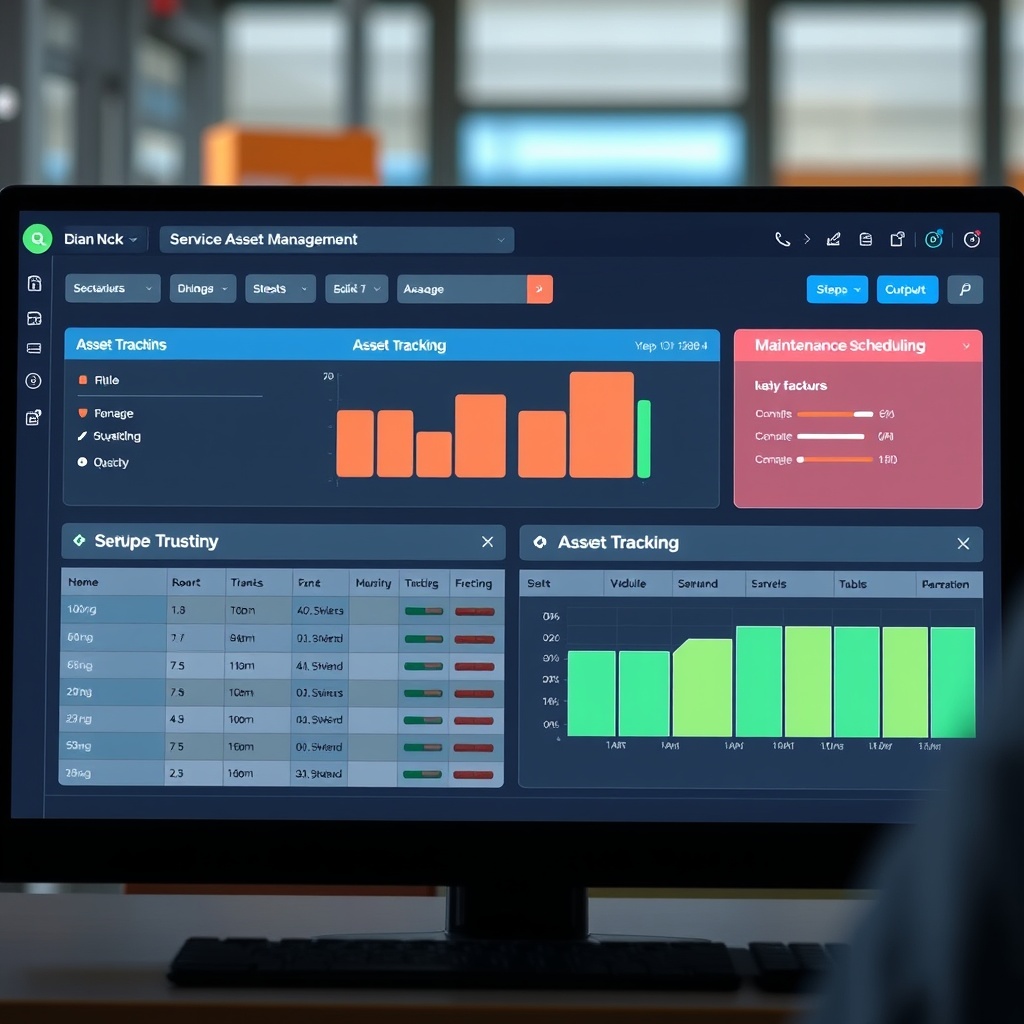
Core Components of Service Asset Management
Asset Identification
The first step in service asset management is identifying what you have. This involves cataloguing every asset, from heavy machinery to software licences. Without accurate identification, tracking and maintenance become impossible. We’ve worked with businesses that struggled with ghost assets—items that were either lost or no longer in use. Proper identification eliminates this issue.
Using tools like asset tracking systems, companies can create a comprehensive inventory. This not only improves accountability but also aids in financial planning. Knowing what you own allows for better budgeting and resource allocation, ensuring nothing falls through the cracks.
Asset Tracking
Once assets are identified, tracking their usage and condition is crucial. Modern tracking systems leverage IoT and GPS to provide real-time data. This means you can monitor an asset’s location, performance, and maintenance needs remotely. For field service teams, this is a game-changer, reducing downtime and improving response times.
We’ve helped businesses implement technological innovations in asset tracking, resulting in significant cost savings. For example, predictive maintenance alerts can prevent breakdowns before they happen, saving both time and money. Tracking isn’t just about knowing where an asset is—it’s about understanding its lifecycle.
Maintenance Scheduling
Proactive maintenance is the key to extending asset lifespans and avoiding unexpected failures. Service asset management systems allow for automated scheduling based on usage or time intervals. This ensures that maintenance is never overlooked, and assets remain in peak condition.
By integrating best practices into maintenance schedules, businesses can optimise their operations. For instance, routine checks on HVAC systems in commercial buildings can prevent costly emergency repairs. Maintenance isn’t just a cost—it’s an investment in reliability and efficiency.
Benefits of Implementing Service Asset Management
The advantages of service asset management are far-reaching. From cost savings to improved compliance, the benefits are undeniable. One of the most significant perks is the reduction in operational downtime. When assets are well-maintained and tracked, unexpected failures become rare, keeping productivity high.
Another critical benefit is compliance. Many industries have strict regulations regarding asset maintenance and documentation. Service asset management ensures that all requirements are met, avoiding fines and legal issues. For example, in the healthcare sector, proper maintenance of medical equipment is not just a best practice—it’s a legal necessity.
Finally, service asset management fosters better decision-making. With accurate data on asset performance and lifecycle, businesses can make informed choices about repairs, replacements, and upgrades. This strategic approach leads to long-term savings and improved service quality. Whether you’re a small business or a large enterprise, the ROI is clear.
Industries That Benefit from Service Asset Management
Service asset management isn’t just a buzzword—it’s a game-changer for industries where efficiency and reliability are non-negotiable. From healthcare to manufacturing, organisations leveraging asset management solutions see tangible improvements in operational performance. Imagine hospitals tracking medical equipment in real-time or factories minimising downtime with predictive maintenance. The benefits are universal, but the impact is industry-specific.
Take the energy sector, for example. With sprawling infrastructure and high-stakes operations, energy asset management ensures compliance, reduces risks, and optimises resource allocation. Similarly, financial institutions rely on robust asset tracking to safeguard investments and streamline audits. No matter the sector, the right system transforms chaos into clarity.

Setting Up Your Service Asset Management System
Choosing the Right Software
Picking the perfect software is like finding a needle in a haystack—unless you know what to look for. Start by assessing your needs: Do you require real-time tracking, automated alerts, or integration with existing tools? Platforms like digital asset management systems offer scalability, while niche solutions cater to specific industries. The key? Prioritise user-friendliness and scalability to future-proof your investment.
Don’t overlook the power of cloud-based solutions. They offer flexibility, remote access, and automatic updates—critical for businesses with distributed teams. Whether you’re a startup or a multinational, the right software aligns with your goals and grows with your operations. Remember, the best tool isn’t the most expensive; it’s the one that fits like a glove.
Training Your Team
Even the most advanced system is useless without a skilled team to operate it. Training isn’t just about clicking buttons; it’s about fostering a mindset shift. Start with hands-on workshops and role-specific modules to ensure everyone understands their role in the asset management best practices. Encourage questions and provide ongoing support to build confidence and competence.
Consider gamification or certifications to make learning engaging. The goal is to empower your team to troubleshoot issues, interpret data, and optimise workflows independently. A well-trained team doesn’t just use the system—they own it, driving continuous improvement and maximising ROI.
Integrating with Existing Systems
Integration is where the magic happens. Your service asset management system shouldn’t operate in a silo—it should seamlessly sync with ERP, CRM, and other core platforms. Start by mapping out data flows and identifying potential bottlenecks. APIs and middleware can bridge gaps, ensuring real-time data exchange and eliminating manual entry errors.
For example, integrating with financial software automates depreciation calculations, while CRM integration enhances customer service by linking asset histories to client profiles. The result? A unified ecosystem where information flows effortlessly, boosting efficiency and reducing redundancies. Think of it as connecting the dots to reveal the bigger picture.
Outcome-Based Service Contracts Explained
Outcome-based contracts flip the traditional service model on its head. Instead of paying for hours or parts, you pay for results—like uptime guarantees or performance metrics. This approach aligns incentives, ensuring providers deliver value rather than just ticking boxes. It’s a win-win: businesses enjoy predictable costs, and providers are motivated to optimise asset performance.
Industries like aviation and IT are already reaping the rewards. Imagine an airline paying for engine availability rather than repairs, or a data centre compensating providers based on server reliability. The shift requires robust asset tracking and management to measure outcomes accurately, but the payoff is worth it—transparency, accountability, and long-term partnerships.
The Role of AI in Future Service Asset Management
AI isn’t the future—it’s the present. From predictive analytics to autonomous maintenance, artificial intelligence is revolutionising how we manage assets. Machine learning algorithms analyse historical data to forecast failures before they happen, while chatbots streamline troubleshooting. The result? Reduced downtime, lower costs, and smarter decision-making.
Take AI-powered asset management as an example. It can predict equipment lifespan, optimise spare parts inventory, and even suggest energy-saving measures. The possibilities are endless, but the foundation remains the same: clean, structured data. As AI evolves, so will its ability to transform service asset management from reactive to proactive—and eventually, predictive.
Best Practices for Service Asset Management
When it comes to service asset management, consistency and precision are key. I’ve found that regular asset audits are the backbone of any successful strategy. By systematically reviewing your assets, you ensure they’re accounted for, properly maintained, and aligned with your business goals. This practice not only minimises downtime but also extends the lifespan of your assets, saving you money in the long run.
Another game-changer is leveraging data analytics. With the right tools, you can transform raw data into actionable insights, predicting maintenance needs before they become costly problems. For example, asset management best practices often highlight the importance of predictive analytics in reducing operational risks. It’s about working smarter, not harder.
Regular Asset Audits
Audits might sound tedious, but they’re a non-negotiable part of asset management. I recommend scheduling them quarterly to stay ahead of potential issues. During these audits, verify asset conditions, update records, and identify any discrepancies. This proactive approach ensures compliance and keeps your operations running smoothly.
Think of audits as a health check for your assets. They help you spot inefficiencies, such as underutilised equipment or outdated technology. By addressing these early, you can reallocate resources more effectively and avoid unnecessary expenses. It’s a small investment of time that pays off massively.
Leveraging Data Analytics
Data is your best friend in asset management. Modern software can track everything from usage patterns to maintenance histories, giving you a 360-degree view of your assets. For instance, leveraging technology allows you to automate data collection and analysis, freeing up your team to focus on strategic tasks.
The real power lies in predictive analytics. By analysing trends, you can forecast when an asset might fail and schedule maintenance accordingly. This not only prevents unexpected breakdowns but also optimises your budget. It’s like having a crystal ball for your assets.
Continuous Improvement Strategies
Asset management isn’t a set-it-and-forget-it process. Continuous improvement is essential. Start by gathering feedback from your team—they’re the ones interacting with the assets daily. Use their insights to refine your processes and implement small, incremental changes that add up over time.
Another tip is to benchmark against industry standards. Compare your performance with peers and adopt best practices where applicable. For example, asset management solutions often include tools for performance tracking and benchmarking. The goal is to stay agile and adaptable in an ever-evolving landscape.

Challenges in Service Asset Management and How to Overcome Them
Despite its benefits, service asset management isn’t without challenges. One common hurdle is data silos, where information is scattered across departments. This fragmentation makes it hard to get a unified view of your assets. To overcome this, invest in integrated software that centralises data and fosters collaboration.
Another challenge is resistance to change. Employees might be hesitant to adopt new tools or processes. The key here is communication. Explain the benefits clearly and provide training to ease the transition. For example, digital transformation initiatives often face pushback, but with the right approach, they can lead to significant improvements.
Case Studies: Success Stories in Service Asset Management
Real-world examples can be incredibly inspiring. Take a manufacturing company that reduced downtime by 30% after implementing predictive maintenance. By analysing historical data, they identified patterns and scheduled repairs before failures occurred. This not only saved costs but also boosted productivity.
Another success story involves a healthcare provider that streamlined its asset tracking. By using RFID tags and cloud-based software, they eliminated manual errors and improved inventory accuracy. These case studies prove that with the right strategies, service asset management can deliver tangible results.
How to Measure the Success of Your Service Asset Management Strategy
Measuring success starts with defining clear KPIs. Track metrics like asset uptime, maintenance costs, and compliance rates. These indicators give you a quantifiable way to assess performance and identify areas for improvement. Remember, what gets measured gets managed.
Don’t forget qualitative feedback. Engage with your team and stakeholders to understand their experiences. Are processes smoother? Is decision-making faster? Combining hard data with human insights gives you a holistic view of your strategy’s impact. It’s the best way to ensure continuous growth and efficiency.
The Future of Service Asset Management
As we look ahead, the future of service asset management is brimming with potential. Advances in technology, such as AI and IoT, are set to revolutionise how we track, maintain, and optimise assets. I believe these innovations will not only enhance efficiency but also reduce downtime, ensuring businesses can operate seamlessly. The integration of predictive analytics will allow us to anticipate issues before they arise, transforming reactive maintenance into proactive strategy.
Moreover, the shift towards sustainability is reshaping asset management. Companies are increasingly prioritising eco-friendly practices, from energy-efficient equipment to circular economy models. This aligns perfectly with our vision at Beaumont Capital Markets, where we champion sustainable asset management. By leveraging these trends, businesses can future-proof their operations while contributing to a greener planet.
Getting Started with Service Asset Management
If you’re new to service asset management, the first step is understanding your assets. Conduct a thorough audit to identify what you own, its condition, and its value. This foundational knowledge is critical for building a robust management system. Next, invest in the right tools—whether it’s software for tracking or sensors for real-time monitoring. Remember, the goal is to streamline operations, not complicate them.
Training your team is equally important. A well-informed workforce can maximise the benefits of your asset management system. Start small, perhaps with a pilot project, and scale as you gain confidence. At Beaumont, we’ve seen how a structured approach, combined with technology-driven efficiency, can yield remarkable results. The journey may seem daunting, but the rewards are well worth the effort.
Additional Resources for Service Asset Management
For those eager to dive deeper, there’s no shortage of resources. Industry reports, webinars, and case studies offer invaluable insights. I highly recommend exploring IBM’s guide on asset management for a comprehensive overview. Additionally, Beaumont’s blog features articles on everything from best practices to emerging trends. Knowledge is power, and staying informed ensures you’re always ahead of the curve.
Networking with peers is another excellent way to learn. Join forums or attend conferences to exchange ideas and solutions. The asset management landscape is ever-evolving, and collaboration often sparks innovation. Whether you’re a novice or a seasoned professional, continuous learning is the key to success in this dynamic field.
Frequently Asked Questions (FAQs)
What is the primary goal of service asset management?
The primary goal is to maximise the value and lifespan of assets while minimising costs and downtime. It involves tracking, maintaining, and optimising assets to ensure they meet business needs efficiently.
How does AI enhance service asset management?
AI improves asset management by enabling predictive maintenance, automating workflows, and analysing vast amounts of data for actionable insights. This reduces human error and enhances decision-making.
What industries benefit most from service asset management?
Industries like manufacturing, healthcare, and utilities benefit significantly due to their reliance on critical equipment. However, any sector with valuable assets can gain from effective management.
How can small businesses implement asset management affordably?
Start with basic tools like spreadsheets for tracking and prioritise high-value assets. Cloud-based software offers scalable solutions without hefty upfront costs, making it ideal for small businesses.
