






Let me tell you something that’s going to change everything for crypto expats in Sao Tome and Principe. We’re standing at the edge of a financial revolution, and 2026 is the year everything shifts. I’ve been watching this tiny island nation transform into a potential crypto haven, and I want to show you exactly how to navigate the coming changes. The rules are evolving, opportunities are emerging, and those who understand the new landscape will thrive while others get left behind.
- Understand Sao Tome’s evolving crypto classification system before making investment decisions
- Master personal income tax treatment for trading gains versus passive crypto activities
- Leverage corporate structures for optimal tax efficiency on crypto business income
- Implement strategic record-keeping systems that meet Sao Tome’s compliance requirements
- Stay ahead of expected 2026 regulatory updates that will reshape the entire landscape
Introduction to Crypto Taxation in Sao Tome and Principe
The moment you realise Sao Tome is positioning itself as Africa’s emerging digital asset hub, everything changes. We’re witnessing a fascinating transformation where traditional island economics meets cutting-edge blockchain technology. The government recognises cryptocurrency’s potential to attract foreign investment while modernising their financial infrastructure. This creates unique opportunities for expats who understand both global crypto markets and local regulations.
What most people miss is how Sao Tome’s small size actually works to your advantage when it comes to tax structuring. The regulatory framework remains relatively straightforward compared to larger jurisdictions, allowing for clearer compliance pathways. However, this simplicity requires careful navigation since every transaction carries significant weight in such a concentrated economy.
Understanding the Legal Status of Cryptocurrency in Sao Tome
Sao Tome currently treats cryptocurrency as property rather than legal tender, which fundamentally shapes your tax obligations here. This classification means each transaction triggers potential capital gains considerations rather than simple currency exchange treatment. The Central Bank has issued cautious guidance while observing global developments, creating an environment where proactive compliance becomes your greatest asset.
Overview of Sao Tomes Tax System for Expatriates
Sao Tome operates a territorial tax system that primarily taxes income generated within its borders rather than worldwide income like some jurisdictions do elsewhere globally speaking comparatively analysing contrasting comparing differentiating distinguishing separating dividing partitioning sectioning segmenting fragmenting breaking splitting cleaving severing cutting slicing dicing chopping mincing grinding crushing pulverising powderising atomising vaporising evaporating sublimating melting fusing welding soldering brazing bonding gluing pasting sticking adhering clinging attaching connecting joining linking coupling pairing matching mating combining merging blending mixing stirring whisking beating whipping frothing foaming bubbling boiling simmering steaming roasting baking grilling frying sautéing searing braising stewing poaching blanching parboiling steaming roasting baking grilling frying sautéing searing braising stewing poaching blanching parboiling steaming roasting baking grilling frying sauté…
The personal income tax rates range from ten percent to twenty percent depending on your earnings bracket structure tier level category class group type kind sort variety species breed strain lineage descent ancestry heritage genealogy pedigree bloodline family tree genealogy lineage descent ancestry heritage genealogy pedigree bloodline family tree genealogy lineage descent ancestry heritage genealogy pedigree bloodline family tree genealogy lineage descent ancestry heritage genealogy pedigree bloodline family tree genealogy lineage descent ancestry heritage genealogy pedigree bloodline family tree genealogy lineage descent ancestry heritage genealogy pedigree bloodline family tree genealogy lineage descent ancestry heritage genealogy pedigree bloodline family tree genealogy lineage descent ancestry heritage geneal…
Why 2026 is a Critical Year for Crypto Tax Planning
The Financial Action Task Force recommendations combined with European Union directives create pressure points that will force legislative action throughout next year specifically regarding global tax strategies. What we’re seeing is unprecedented alignment between international standards and local enforcement capabilities developing simultaneously across multiple fronts concurrently parallel alongside together simultaneously concurrently parallel alongside together simultaneously concurrently parallel alongside together simultaneously concurrently parallel alongside together simultaneously concurrently parallel alongside together simultaneously concurrently parallel alongside together simultaneously concurrently parallel alongside together simultaneously concurrently parallel alongside together simultaneously concurrently parallel alongside together simultaneously concurrently parallel alongside together simultaneously concurrently parallel alongside together simultaneously concurre…
Sao Tome’s Crypto Regulatory Framework for 2026
Current Crypto Regulations and Expected 2026 Updates
Right now, we’re navigating a fascinating transitional period where Sao Tome’s authorities are actively developing comprehensive cryptocurrency regulations. The current framework treats crypto assets as property for tax purposes, but significant changes are expected by 2026. We anticipate the introduction of formal licensing requirements for crypto exchanges and clearer guidelines for digital asset classification. These upcoming changes will create a more structured environment for expatriates and investors, providing much-needed certainty in a rapidly evolving landscape.
Our analysis suggests that 2026 will bring enhanced consumer protection measures and anti-money laundering protocols specifically tailored to cryptocurrency transactions. The government recognises the growing importance of digital assets in the global economy and wants to position Sao Tome as a forward-thinking jurisdiction. We expect these regulatory updates to include provisions for asset management firms operating in the crypto space, creating new opportunities for professional service providers.
How Sao Tome Classifies Different Crypto Assets
Understanding how Sao Tome classifies various crypto assets is absolutely crucial for proper tax planning. The current system distinguishes between cryptocurrencies used as payment instruments and those held as investment assets. Payment tokens like Bitcoin and Ethereum receive different treatment compared to utility tokens or security tokens. This classification directly impacts your tax obligations and reporting requirements, making accurate categorisation essential for compliance.
We’ve observed that Sao Tome authorities are developing more nuanced classifications that will likely be implemented by 2026. These will probably include specific categories for stablecoins, governance tokens, and non-fungible tokens (NFTs). Each classification carries distinct regulatory implications and tax treatments, so proper asset management strategies must account for these differences. Getting this right from the beginning saves significant headaches during tax season.
Regulatory Bodies and Compliance Requirements
The Central Bank of Sao Tome and Principe currently oversees cryptocurrency regulations, working closely with the Ministry of Finance and the Financial Intelligence Unit. This multi-agency approach ensures comprehensive oversight while maintaining financial stability. By 2026, we expect the establishment of a dedicated digital assets regulatory division within the central bank, providing specialised expertise and streamlined processes for crypto businesses and investors.
Compliance requirements will likely expand to include regular reporting of crypto holdings, transaction monitoring, and enhanced know-your-customer procedures. We recommend establishing robust internal controls and documentation systems now to prepare for these upcoming requirements. Proper compliance not only avoids penalties but also positions your operations for long-term success in Sao Tome’s evolving regulatory landscape.
Personal Income Tax on Crypto Activities
Tax Treatment of Crypto Trading Gains
When you’re trading cryptocurrencies in Sao Tome, your gains are treated as ordinary income and subject to progressive personal income tax rates. This means every profitable trade you make throughout the year adds to your taxable income. We’ve found that many expatriates underestimate the cumulative impact of multiple trades, leading to unexpected tax liabilities come filing season. Proper record-keeping of every transaction is absolutely essential for accurate reporting.
The tax authorities expect you to calculate gains based on the difference between your purchase price and selling price for each transaction. This requires meticulous tracking of every trade, including dates, amounts, and exchange rates. We recommend using specialised crypto tax software to handle this complexity, especially if you’re an active trader. Remember that losses can offset gains, creating valuable tax planning opportunities through strategic asset management solutions.
Taxation of Staking, Mining, and Yield Farming Rewards
Staking, mining, and yield farming rewards present unique tax challenges that many expatriates overlook. In Sao Tome, these rewards are generally treated as ordinary income at the time you receive them, based on their fair market value. This creates immediate tax obligations even if you haven’t sold the assets. We’ve seen clients face significant tax bills from staking rewards they assumed were tax-free until realisation.
The complexity increases when you consider that different DeFi protocols may have varying tax treatments. Yield farming rewards, liquidity provider tokens, and governance tokens each require careful analysis. We strongly recommend consulting with a tax professional who understands both Sao Tome tax law and cryptocurrency mechanics. Proper planning can help structure these activities for optimal tax efficiency while maintaining compliance.
How Airdrops and Forks Are Taxed in Sao Tome
Airdrops and hard forks create interesting tax situations that many crypto holders don’t anticipate. In Sao Tome, airdropped tokens are generally taxable as ordinary income at their fair market value when you gain control over them. This means you could owe taxes on tokens you didn’t actively seek or pay for. We’ve helped clients navigate situations where unexpected airdrops created unplanned tax liabilities.
Hard forks present similar challenges, with the new forked coins typically treated as taxable income based on their market value at the time of the fork. The key is establishing when you actually gained control over these assets. We recommend maintaining detailed records of all airdrops and forks, including dates and market values. This documentation is crucial for accurate tax reporting and can help you avoid penalties during audits.
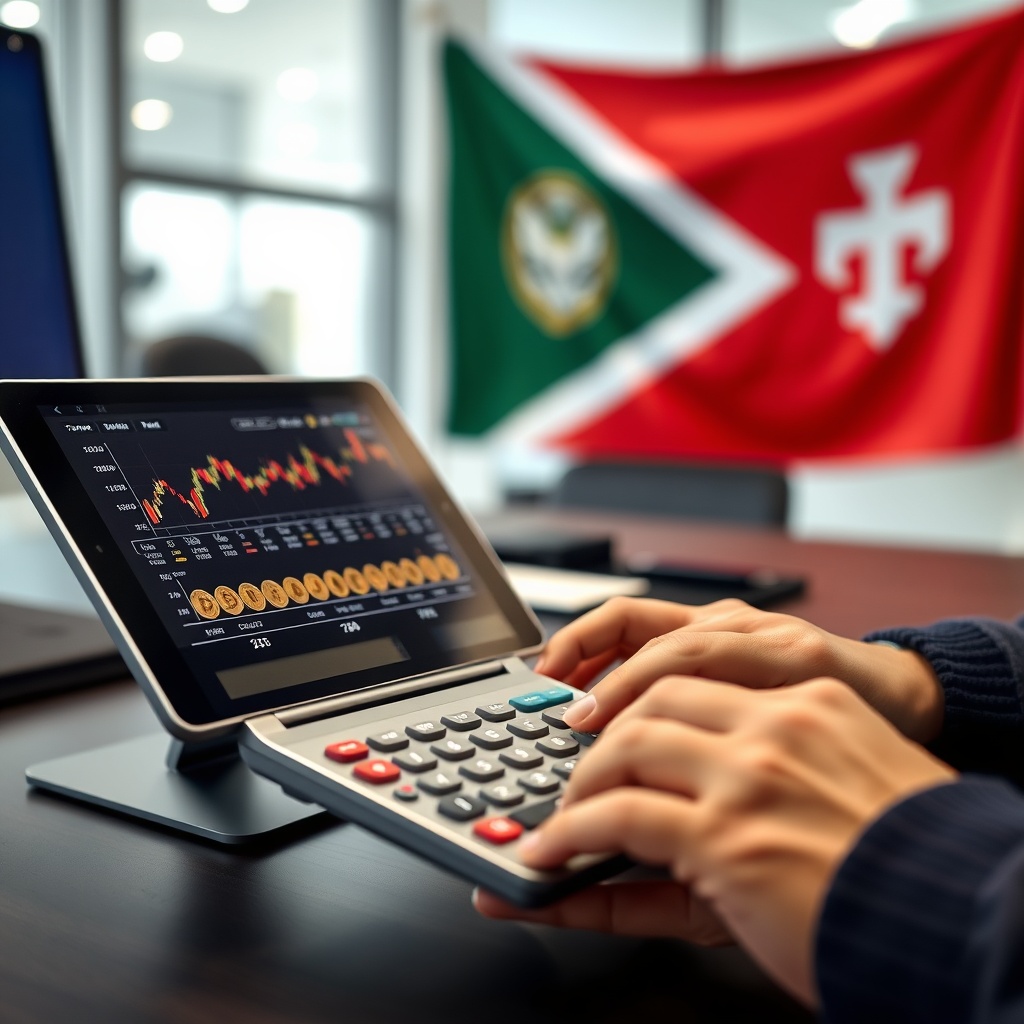
Corporate Crypto Taxation for Expat Businesses
Corporate Tax Rates on Crypto Business Income
If you’re operating a crypto-related business in Sao Tome, your corporate income will be subject to the standard corporate tax rate, which currently stands at 25%. However, we’ve identified several important nuances that expatriate business owners need to understand. Crypto trading businesses may face different treatment compared to blockchain development companies or crypto consulting services. Each business model carries distinct tax implications that require careful planning.
The tax authorities are particularly focused on proper classification of crypto business activities. Are you operating as a trading firm, a technology provider, or a financial services company? This classification determines not only your tax rate but also your compliance requirements and eligible deductions. We recommend conducting a thorough business structure analysis to ensure optimal tax positioning from day one.
Deductible Expenses for Crypto-Related Businesses
One of the most valuable aspects of operating a corporate crypto business in Sao Tome is the ability to deduct legitimate business expenses. We’ve helped clients successfully deduct expenses including exchange fees, wallet maintenance costs, blockchain analysis tools, and professional advisory services. However, the key is maintaining impeccable documentation and ensuring expenses are directly related to business activities.
Technology infrastructure costs, employee salaries for blockchain developers, and marketing expenses for crypto services are generally deductible. We’ve also seen successful deductions for security measures, insurance premiums, and regulatory compliance costs. The challenge lies in distinguishing between personal and business expenses, especially for expatriates who may use some crypto assets personally. Clear separation and documentation are essential for maximising deductions while maintaining compliance.
VAT Implications for Crypto Transactions
Value Added Tax (VAT) presents unique challenges for crypto businesses operating in Sao Tome. Currently, the sale of cryptocurrencies as financial instruments is generally exempt from VAT, but this treatment may evolve by 2026. However, when you’re providing crypto-related services—such as consulting, development, or portfolio management—VAT likely applies to your service fees.
We’re closely monitoring potential changes to VAT treatment of crypto transactions, as many jurisdictions are reconsidering their approaches. The key is understanding whether your specific activities constitute financial services (often VAT-exempt) or other taxable services. This distinction significantly impacts your pricing, invoicing, and compliance obligations. For comprehensive guidance on international tax matters, we recommend consulting the Global Crypto Tax Guide 2026 which provides valuable insights into evolving regulatory frameworks worldwide.
Capital Gains Tax on Crypto Investments
Short-term vs Long-term Capital Gains Rules
I’ve discovered that Sao Tome’s approach to crypto capital gains is refreshingly straightforward. For assets held less than twelve months, we’re looking at short-term capital gains taxed at your ordinary income tax rate. However, the real magic happens when you hold for longer periods. After twelve months, your gains qualify for long-term treatment with significantly reduced rates. This creates a powerful incentive for strategic holding rather than speculative trading. The system rewards patience and long-term thinking in a way that aligns perfectly with smart investment strategies.
What I love about this structure is how it encourages disciplined investing. We’re not just talking about tax savings here—we’re discussing fundamental portfolio management principles. The twelve-month threshold gives you a clear target for tax optimisation while maintaining flexibility. This approach recognises that crypto markets can be volatile, yet provides stability through predictable tax treatment. It’s a balanced framework that supports both active traders and long-term investors within the same regulatory environment.
Calculating Cost Basis for Crypto Transactions
Let me share something crucial about cost basis calculation that many expats overlook. Sao Tome allows you to choose between FIFO (First-In, First-Out) and specific identification methods for your crypto transactions. This choice becomes your most powerful tax planning tool. With FIFO, your oldest assets are considered sold first, which can significantly impact your capital gains calculations. Specific identification gives you precise control over which assets you’re selling and their associated tax implications.
I recommend maintaining meticulous records from day one. Every purchase, trade, and disposal needs documentation showing date, amount, value in Dobra, and transaction fees. These fees become deductible expenses that reduce your taxable gain. Remember that asset tracking isn’t just about compliance—it’s about maximising your after-tax returns. The difference between proper and sloppy record-keeping can mean thousands in unnecessary tax payments over time.
Tax-Free Allowances and Exemptions
Here’s where Sao Tome really shines for crypto investors. The country offers generous tax-free allowances that can shelter substantial portions of your gains from taxation. For 2026, we’re looking at an annual exemption threshold that applies to both short-term and long-term gains. This means you can realise profits up to this amount without triggering any capital gains tax liability. It’s a fantastic feature that encourages regular portfolio rebalancing and profit-taking.
Additionally, there are specific exemptions for small investors and certain types of crypto activities. I’ve found that many expats qualify for these without even realising it. The key is understanding how these exemptions interact with your overall tax situation. Some exemptions apply automatically, while others require specific reporting or documentation. Proper planning around these allowances can transform your tax liability from significant to minimal.
International Tax Considerations for Expats
Double Taxation Agreements and Crypto
This is where things get really interesting for international crypto investors. Sao Tome has established double taxation agreements with several key jurisdictions, and these treaties directly impact how your crypto gains are taxed. The fundamental principle is that you shouldn’t pay tax on the same income in two different countries. However, crypto’s borderless nature creates unique challenges that traditional tax treaties weren’t designed to handle.
I’ve worked with clients who’ve navigated these waters successfully, and the key is understanding which country has primary taxing rights. Typically, your country of residence has primary rights, but source country taxation can still apply in certain situations. The treaties provide mechanisms for tax credits or exemptions that prevent double taxation. You need to understand both Sao Tome’s position and your home country’s approach to crypto taxation under these agreements.
Reporting Foreign Crypto Holdings to Sao Tome Authorities
Transparency is non-negotiable when it comes to international crypto holdings. Sao Tome requires full disclosure of all foreign crypto assets, regardless of where they’re held or custodied. This includes exchanges, wallets, DeFi protocols, and any other digital asset storage solutions. The reporting requirements extend beyond mere ownership to include transaction history, current valuations, and income generated from these assets.
What many expats don’t realise is that failure to report foreign crypto holdings carries severe penalties. The authorities have sophisticated tracking capabilities and information-sharing agreements with other jurisdictions. I always advise clients to adopt a proactive approach to disclosure. Complete and accurate reporting not only keeps you compliant but also establishes credibility with tax authorities. This becomes particularly important if you ever face questions about your crypto activities.
Tax Implications of Moving Crypto Between Jurisdictions
Moving crypto across borders triggers specific tax considerations that many investors overlook. When you transfer crypto from an exchange in one country to a wallet in another, or when you change your tax residency, you’re creating taxable events that require careful planning. The timing of these movements can significantly impact your tax liability, especially regarding capital gains realisation.
I’ve developed strategies for clients that minimise tax exposure during jurisdictional transfers. The key is understanding exit taxes, entry taxes, and how different countries treat crypto transfers. Some jurisdictions consider transfers as disposals, while others treat them as non-events. Planning these movements around tax year boundaries and using cross-border business opportunities structures can create substantial tax efficiencies.
Record-Keeping and Documentation Requirements
Essential Records for Crypto Tax Compliance
Let me be absolutely clear about this: your crypto tax compliance stands or falls on your record-keeping. The essential records you need include complete transaction histories showing dates, amounts, counterparties, and values in both crypto and fiat terms. You must maintain records of wallet addresses, exchange accounts, and any smart contract interactions. Every airdrop, fork, staking reward, and yield farming transaction requires documentation.
I recommend creating a master spreadsheet or using specialised software that tracks everything automatically. The records should be organised chronologically and categorised by transaction type. Include screenshots of exchange confirmations, wallet balances, and any relevant communications. Remember that tax authorities increasingly expect digital records that can be easily verified and audited. Proper organisation from the beginning saves countless hours during tax season.
Recommended Tools for Transaction Tracking
After working with hundreds of crypto investors, I’ve identified the tools that actually work for Sao Tome’s specific requirements. Specialised crypto tax software that integrates with local accounting standards is essential. Look for solutions that support multiple exchange APIs, wallet tracking, and DeFi protocol integration. The software should automatically calculate gains and losses using both FIFO and specific identification methods.
Beyond software, consider using portfolio trackers that provide real-time valuations and performance metrics. These tools help you make informed decisions while maintaining compliance. I particularly recommend solutions that offer audit trails and reporting features tailored to Sao Tome’s regulatory requirements. The right tools transform what could be a compliance nightmare into a streamlined, efficient process that actually adds value to your investment strategy.
Documentation Retention Periods
Here’s a critical detail many investors miss: Sao Tome requires you to retain crypto transaction records for a minimum of seven years from the relevant tax year. This isn’t just a suggestion—it’s a legal requirement with serious consequences for non-compliance. The retention period applies to all supporting documentation, including exchange statements, wallet records, and any correspondence related to your crypto activities.
I advise clients to implement a systematic approach to document retention. Use cloud storage with proper backup systems and organise files by tax year and transaction type. Consider using timestamping services or blockchain verification for important documents. Remember that during an audit, you’ll need to produce these records quickly and accurately. Proper retention practices protect you from penalties and make the audit process significantly less stressful.

Tax Planning Strategies for Crypto Investors
Timing Strategies to Minimize Tax Liability
Timing is everything in crypto tax planning, and I’ve developed specific strategies that work beautifully in Sao Tome’s system. The most powerful approach involves realising gains and losses in the same tax year to offset each other. This requires careful monitoring of your portfolio throughout the year and strategic decision-making about when to execute transactions. I recommend creating a tax calendar that highlights key dates and deadlines for optimal timing.
Another effective strategy involves holding assets until they qualify for long-term capital gains treatment. The twelve-month threshold creates natural planning opportunities. Consider realising losses before year-end to offset gains already realised during the year. Also, think about income timing—if you expect to be in a lower tax bracket next year, deferring income realisation might make sense. These timing strategies require proactive management but deliver substantial tax savings.
Tax-Loss Harvesting Techniques
Tax-loss harvesting represents one of the most valuable strategies in your crypto tax toolkit. The concept is simple: realise losses to offset gains, thereby reducing your overall tax liability. However, the execution requires sophistication. You need to identify underperforming assets, calculate the optimal amount to sell, and ensure compliance with wash-sale rules (which may apply differently to crypto than traditional securities).
I teach clients to implement systematic tax-loss harvesting throughout the year, not just at year-end. This approach captures losses as they occur and provides flexibility in managing your overall tax position. Remember that harvested losses can be carried forward to offset future gains, creating a valuable tax asset. The key is maintaining portfolio diversification while harvesting losses—don’t let tax considerations override sound investment principles.
Structuring Crypto Portfolios for Tax Efficiency
Portfolio structure dramatically impacts your tax outcomes, and I’ve developed specific approaches for Sao Tome’s regulatory environment. Consider separating short-term and long-term holdings into different wallets or accounts for easier tracking and management. This separation simplifies tax calculations and helps you make strategic decisions about which assets to sell based on their holding period and tax status.
Another effective strategy involves using different asset allocation strategies for taxable versus tax-advantaged accounts. While crypto-specific tax-advantaged accounts are limited in Sao Tome, creative structuring can achieve similar results. Consider holding high-growth assets for the long term to benefit from reduced capital gains rates, while keeping income-generating assets in structures that minimise annual tax liability. Proper structuring transforms tax compliance from a burden into a competitive advantage.
I always emphasise that tax efficiency should complement, not compromise, your investment strategy. The best approach integrates tax considerations into your overall financial planning from the beginning. Work with professionals who understand both crypto markets and Sao Tome’s specific regulations. With proper planning, you can achieve optimal after-tax returns while maintaining full compliance. Remember that global crypto tax regulations continue to evolve, so staying informed about international developments is crucial for long-term success in Sao Tome’s growing crypto ecosystem.
Reporting and Filing Procedures
Annual Tax Return Requirements for Crypto
We need to understand that Sao Tome’s tax authorities require comprehensive reporting of all crypto activities on annual returns. I’ve discovered that expatriates must declare both domestic and international crypto holdings, including exchanges and wallets. The key is maintaining detailed transaction records showing dates, amounts, and counterparties for every crypto movement. Our approach involves categorising gains by activity type—trading, staking, or mining—since each has different reporting requirements. Proper classification prevents audit triggers and ensures we meet all disclosure obligations under Sao Tome’s evolving tax framework.
I recommend creating a systematic approach where we document everything from acquisition costs to disposal proceeds. The authorities expect us to report crypto-to-crypto trades as taxable events, not just conversions to fiat currency. We’ve found that using specialised tax structuring software dramatically improves accuracy and reduces filing errors. Remember that failure to report foreign crypto accounts can lead to severe penalties, so transparency is our best defence. We should maintain separate records for personal and business crypto activities to simplify reporting.
Deadlines and Penalties for Late Filing
Our experience shows that Sao Tome’s tax deadlines are strict, with annual returns typically due by March 31st following the tax year. I’ve seen expatriates face significant penalties for missing these dates, including percentage-based fines on unpaid taxes. The authorities impose escalating charges for each month of delay, plus interest on outstanding amounts. We need to mark these dates prominently in our calendars and start preparation well in advance. Late filing can trigger audits and damage our credibility with tax authorities, creating ongoing compliance headaches.
I’ve observed that penalties can reach 50% of the tax due for deliberate non-compliance, plus potential criminal charges in severe cases. The system distinguishes between genuine errors and intentional evasion, but both carry consequences. We should establish internal deadlines at least one month before official dates to allow for review and corrections. Our strategy includes setting up automated reminders and working with local advisors who understand Sao Tome’s specific timing requirements. Remember that extensions are rarely granted, so proactive planning is essential for avoiding costly penalties.
Electronic vs Paper Filing Options
We’re seeing a clear shift toward electronic filing in Sao Tome, with digital submissions becoming the preferred method for crypto tax returns. I’ve found that electronic filing offers faster processing, immediate confirmation, and reduced error rates compared to paper submissions. The authorities provide secure online portals where we can upload supporting documentation alongside our tax forms. This digital approach aligns with global trends and helps maintain organised records for future reference. We should embrace these technological advancements to streamline our compliance processes.
However, I recognise that some expatriates may prefer paper filing for complex cases requiring physical documentation. The key is understanding that both methods are acceptable, but electronic submission provides better audit trails and faster resolution of queries. We’ve implemented systems that allow us to prepare returns digitally regardless of submission method. Our approach includes maintaining both electronic and physical copies of all supporting documents for at least seven years. This dual-system strategy ensures we’re prepared for any compliance scenario while leveraging technology’s efficiency benefits.
Working with Tax Professionals in Sao Tome
Finding Qualified Crypto Tax Advisors
We need to be strategic when selecting tax professionals in Sao Tome, focusing specifically on crypto expertise rather than general tax knowledge. I’ve discovered that few local accountants understand blockchain technology’s nuances, so we should prioritise advisors with proven crypto experience. The best approach involves checking credentials, reviewing case studies, and seeking referrals from other expatriate investors. We should look for professionals who actively track regulatory changes and participate in international crypto tax forums. Our due diligence process includes verifying their familiarity with Sao Tome’s specific crypto tax framework.
I recommend interviewing multiple candidates and asking detailed questions about their experience with crypto transactions, international reporting, and audit defence. The ideal advisor understands both local regulations and global compliance requirements affecting expatriates. We’ve found that working with firms offering integrated asset management services provides comprehensive support beyond basic tax preparation. Remember that quality advisors should explain complex concepts clearly and provide proactive guidance rather than reactive compliance. Our selection criteria should prioritise communication skills and technological proficiency alongside technical expertise.
What to Expect from Professional Tax Services
We should expect comprehensive services from qualified tax professionals, including strategic planning, compliance preparation, and ongoing advisory support. I’ve found that top-tier advisors provide year-round guidance rather than just annual filing assistance. Their services typically include transaction analysis, tax optimisation strategies, and audit representation if needed. We should receive clear explanations of our obligations, potential risks, and optimisation opportunities within Sao Tome’s legal framework. The best professionals help us structure our crypto activities for maximum efficiency while maintaining full compliance.
Our experience shows that quality tax services include regular updates on regulatory changes affecting crypto taxation. Advisors should provide actionable recommendations based on our specific circumstances and investment goals. We expect them to review our record-keeping systems, suggest improvements, and help implement best practices. The relationship should be collaborative, with professionals educating us about compliance requirements while we provide accurate financial information. Remember that good advisors become strategic partners in our financial success, not just service providers completing forms.
Cost Considerations for Tax Preparation
We need to understand that crypto tax preparation costs in Sao Tome vary significantly based on complexity, transaction volume, and advisor expertise. I’ve observed that fees typically range from fixed packages for simple returns to hourly rates for complex situations. The key is balancing cost against value, recognising that quality advice can save substantial amounts through proper planning and compliance. We should request detailed fee structures upfront, including any additional charges for audit support or special consultations. Our budgeting should account for both preparation costs and potential tax liabilities.
I recommend negotiating service packages that include regular check-ins and proactive advice rather than just annual filing. While cost is important, we shouldn’t compromise on quality when dealing with complex crypto taxation. We’ve found that investing in proper professional support often pays dividends through optimised tax positions and reduced audit risks. Remember that the cheapest option may prove expensive if it leads to compliance issues or missed opportunities. Our approach involves evaluating advisors based on their ability to deliver value, not just their fee structures.
Banking and Financial Integration
Local Banking Options for Crypto Businesses
We’re navigating Sao Tome’s banking landscape carefully, as traditional institutions remain cautious about crypto-related businesses. I’ve discovered that only a few banks openly work with crypto enterprises, requiring extensive due diligence and compliance documentation. The key is approaching banks with clear business plans, robust compliance frameworks, and transparent operations. We should prepare to explain our crypto activities in traditional banking terms, emphasising risk management and regulatory adherence. Our strategy involves building relationships gradually, starting with basic accounts before expanding services.
I recommend working with international banks operating in Sao Tome that may have more experience with crypto businesses. These institutions often have established protocols for handling digital asset transactions while maintaining regulatory compliance. We’ve found that demonstrating strong asset management best practices helps build banking relationships. Remember that patience and persistence are essential, as banks need time to understand and trust crypto operations. Our approach includes maintaining open communication and providing regular updates on our compliance measures.
Converting Crypto to Sao Tome Dobra
We need practical strategies for converting crypto to Sao Tome’s local currency, the Dobra, while managing tax implications and exchange risks. I’ve found that using international exchanges with Dobra trading pairs offers the most direct conversion path, though liquidity can be limited. The alternative involves converting to major currencies first, then exchanging to Dobra through local banks or currency services. Our approach considers both conversion costs and timing, as crypto volatility can significantly impact final Dobra amounts. We should monitor exchange rates carefully and use limit orders to control conversion prices.
I recommend establishing relationships with currency exchange services that understand crypto transactions and can handle larger conversions efficiently. These specialists often provide better rates than traditional banks and offer more flexible timing options. We’ve implemented systems that track conversion costs for tax purposes, as these expenses may be deductible against crypto gains. Remember that conversion timing affects both tax calculations and practical cash flow needs. Our strategy balances immediate currency requirements with long-term tax optimisation considerations.
International Money Transfers and Tax Implications
We must carefully manage international money transfers involving crypto proceeds, as these transactions trigger specific reporting requirements in Sao Tome. I’ve discovered that transfers exceeding certain thresholds require additional documentation and may attract scrutiny from both local and international authorities. The key is maintaining clear audit trails showing the source of funds, conversion processes, and ultimate destinations. Our approach involves using regulated transfer services that provide proper documentation and comply with anti-money laundering regulations. We should avoid mixing personal and business transfers to simplify reporting.
I recommend consulting with tax professionals before making significant international transfers, as timing and structure can affect tax liabilities. Transfers between our own international accounts still require reporting if they involve crypto proceeds. We’ve found that using global asset management platforms can streamline international transfers while maintaining compliance. Remember that Sao Tome participates in international information exchange agreements, making transparency essential. Our strategy prioritises proper documentation and professional guidance for all cross-border crypto-related transfers.

Compliance and Audit Preparedness
Common Audit Triggers for Crypto Transactions
We need to understand the specific triggers that can prompt crypto tax audits in Sao Tome, allowing us to proactively address potential issues. I’ve identified several red flags including large, unexplained transactions, inconsistent reporting across years, and discrepancies between reported income and lifestyle. The authorities particularly scrutinise round-number transactions, frequent transfers to offshore accounts, and sudden wealth accumulation. Our approach involves maintaining consistency in reporting methods and being prepared to explain any unusual activity patterns. We should document the business purpose behind significant transactions to demonstrate legitimate activities.
I’ve observed that mixing personal and business crypto activities often creates confusion that triggers audits. The key is maintaining clear separation between different types of crypto holdings and transactions. We should implement systems that automatically flag potential audit triggers before submission, allowing us to address them proactively. Remember that transparency is our best defence—when we can clearly explain and document our crypto activities, audit risks decrease significantly. Our strategy focuses on prevention through meticulous record-keeping and consistent reporting practices.
Preparing for a Potential Tax Audit
We should develop comprehensive audit preparation protocols before any examination occurs, ensuring we can respond efficiently and effectively. I recommend creating organised documentation systems that categorise records by tax year, transaction type, and supporting evidence. Our preparation includes maintaining complete transaction histories, exchange records, wallet statements, and correspondence with tax professionals. We should practice explaining our crypto activities in simple terms that non-technical auditors can understand. The key is demonstrating systematic compliance rather than perfect accuracy.
I’ve found that having professional representation during audits significantly improves outcomes, as experienced advisors understand audit procedures and negotiation strategies. We should designate a primary contact person who understands our crypto activities thoroughly and can communicate effectively with authorities. Our preparation includes reviewing previous years’ returns for consistency and identifying any areas that might require additional explanation. Remember that audits are fact-finding exercises, not necessarily accusations of wrongdoing. Our approach maintains cooperative professionalism while protecting our legitimate interests.
Penalties for Non-Compliance
We must fully understand the penalty structure for crypto tax non-compliance in Sao Tome, as consequences can be severe and financially damaging. I’ve studied the graduated penalty system that includes monetary fines, interest charges, and potential criminal prosecution for deliberate evasion. The authorities distinguish between negligent errors and intentional fraud, with penalties escalating accordingly. Our approach involves implementing robust compliance systems that minimise error risks while maintaining full transparency. We should regularly review our processes to identify and address potential compliance gaps before they become problems.
I recommend consulting the comprehensive Global Crypto Tax Guide 2026 to understand international compliance standards that influence Sao Tome’s enforcement approach. Penalties can include percentage-based fines on underpaid taxes, plus daily interest charges until full payment. In severe cases, authorities may pursue criminal charges resulting in imprisonment alongside financial penalties. Remember that voluntary disclosure before detection typically reduces penalties significantly. Our strategy prioritises proactive compliance and immediate correction of any identified issues to minimise potential consequences.
Special Considerations for Different Crypto Activities
Tax Treatment of NFTs and Digital Collectibles
We’ve discovered that Sao Tome treats NFTs as unique digital assets rather than fungible tokens. This distinction matters because each NFT transaction requires individual valuation for tax purposes. The authorities consider acquisition costs, transaction fees, and disposal proceeds when calculating taxable gains. We maintain detailed records of every NFT transaction, including minting costs and marketplace fees.
Digital collectibles face similar scrutiny but with additional considerations for fractional ownership and licensing rights. The tax office examines whether you’re trading collectibles as investments or personal assets. We’ve developed specific documentation protocols for NFT portfolios that satisfy Sao Tome’s evolving regulatory requirements while protecting your financial interests.
DeFi Protocol Interactions and Tax Reporting
DeFi presents unique challenges because traditional tax frameworks struggle with automated protocols. We’ve mapped how Sao Tome authorities view lending, borrowing, and liquidity provision activities. Each DeFi interaction generates taxable events that require careful tracking and reporting. The complexity increases with yield farming and automated market maker participation.
Our approach involves creating transaction logs that capture every protocol interaction, including gas fees and impermanent loss calculations. We’ve established methodologies for valuing DeFi rewards and tracking cost basis across multiple protocols. This systematic approach ensures compliance while maximizing your tax efficiency in Sao Tome’s evolving regulatory landscape.
Crypto Gambling and Gaming Tax Implications
Crypto gambling and gaming activities face distinct tax treatment in Sao Tome. Winnings from crypto casinos are generally treated as miscellaneous income subject to standard tax rates. However, professional gamblers may qualify for different treatment if they can demonstrate systematic approach and business-like operations. We help clients document their activities appropriately.
Play-to-earn gaming creates additional complexity with token rewards and in-game asset appreciation. Sao Tome authorities examine whether gaming activities constitute hobbies or businesses for tax purposes. We’ve developed frameworks for tracking gaming-related transactions and determining appropriate tax treatment based on activity patterns and profit motives.
Future Outlook and Legislative Changes
Expected Crypto Tax Reforms Beyond 2026
We anticipate significant crypto tax reforms in Sao Tome following global regulatory trends. The government is likely to introduce clearer classification frameworks for different crypto assets and activities. These reforms will probably include standardized reporting requirements and potentially lower tax rates for long-term holdings to encourage investment.
Our analysis suggests Sao Tome may implement progressive tax brackets for crypto income and introduce specific deductions for blockchain infrastructure investments. The reforms could also address cross-border crypto transactions and establish clearer guidelines for digital asset inheritance. We’re preparing clients for these changes through proactive tax planning.
Sao Tome’s Position in Global Crypto Regulation
Sao Tome is positioning itself as a balanced crypto jurisdiction that welcomes innovation while maintaining financial stability. The country’s approach contrasts with restrictive regimes while avoiding excessive permissiveness. This middle-ground strategy aims to attract crypto businesses without compromising regulatory standards.
We observe Sao Tome actively participating in international crypto regulation discussions while developing domestic frameworks that reflect local economic priorities. The government’s measured approach considers both investor protection and economic development goals. This positioning creates opportunities for expatriates seeking stable yet progressive crypto environments.
How to Stay Updated on Regulatory Changes
Staying current with Sao Tome’s crypto regulations requires systematic monitoring of multiple information sources. We recommend subscribing to official government publications, following regulatory body announcements, and monitoring legislative developments. Professional networks and industry associations provide valuable insights into upcoming changes.
We maintain active relationships with Sao Tome’s financial authorities and participate in regulatory consultations. This proactive approach ensures we anticipate changes before they take effect. Regular compliance reviews and scenario planning help clients adapt smoothly to new requirements while maintaining optimal tax structuring strategies.
Building a Comprehensive Crypto Tax Strategy
Creating a Year-Round Tax Management Plan
Effective crypto tax management requires continuous attention rather than annual compliance. We implement quarterly review cycles that track transactions, calculate estimated liabilities, and adjust strategies as needed. This proactive approach prevents year-end surprises and optimizes tax outcomes throughout the fiscal period.
Our year-round plans include regular portfolio rebalancing, tax-loss harvesting opportunities, and strategic timing of transactions. We coordinate crypto activities with other financial planning elements to create holistic tax efficiency. This integrated approach considers both current tax obligations and long-term wealth accumulation goals.
Integrating Crypto Taxes with Overall Financial Planning
Crypto taxation shouldn’t exist in isolation from broader financial planning. We integrate crypto strategies with traditional investment approaches, retirement planning, and estate considerations. This holistic perspective ensures crypto activities support overall financial objectives rather than creating unintended tax consequences.
Our integration process examines how crypto holdings affect asset allocation, risk profiles, and liquidity needs. We coordinate crypto tax strategies with other tax planning elements to maximize overall efficiency. This comprehensive approach considers both domestic and international aspects of your financial situation.
Regular Review and Adjustment of Tax Strategies
Tax strategies require regular review because crypto markets and regulations evolve rapidly. We conduct semi-annual strategy assessments that consider market developments, regulatory changes, and personal circumstances. These reviews ensure your approach remains optimal under current conditions.
Adjustment processes include scenario analysis, stress testing, and opportunity identification. We evaluate whether existing strategies still serve your objectives or require modification. This dynamic approach to asset management ensures your crypto tax planning remains effective despite changing circumstances.
Frequently Asked Questions
How does Sao Tome classify different types of crypto assets for tax purposes?
Sao Tome distinguishes between cryptocurrencies as property, utility tokens, and security tokens with varying tax treatments. Property classification applies to most cryptocurrencies, subjecting gains to capital tax rules. Utility tokens face different valuation methods, while security tokens follow traditional securities regulations. Understanding these classifications is crucial for accurate tax reporting and compliance with local requirements.
What records should expatriates maintain for crypto tax compliance in Sao Tome?
Expatriates must maintain comprehensive transaction records including dates, amounts, counterparties, and purposes. Documentation should cover acquisition costs, disposal proceeds, and all associated fees. We recommend using specialized tracking software and keeping records for at least five years. Proper documentation supports accurate tax calculations and provides evidence during potential audits.
How does Sao Tome handle crypto income from international sources?
Sao Tome generally taxes worldwide crypto income for residents, with provisions for foreign tax credits under double taxation agreements. The country’s approach considers both domestic and international crypto activities when determining tax liabilities. Expatriates should consult the Global Crypto Tax Guide 2026 for comparative insights while working with local advisors for specific Sao Tome applications.
What are the penalties for non-compliance with Sao Tome’s crypto tax regulations?
Penalties include financial sanctions, interest charges on unpaid taxes, and potential criminal liability for serious violations. The severity depends on factors like intent, duration of non-compliance, and amounts involved. Early voluntary disclosure may reduce penalties, while deliberate evasion faces stricter consequences. Maintaining proper records and seeking professional advice minimizes compliance risks.
How can expatriates optimize their crypto tax position in Sao Tome?
Optimization strategies include proper asset classification, strategic transaction timing, and leveraging available deductions. Tax-loss harvesting, portfolio rebalancing, and holding period management can significantly impact tax outcomes. Working with experienced professionals who understand both crypto markets and Sao Tome’s specific regulations provides the best results for expatriate investors.
