






Let me tell you something revolutionary happening in Belgium right now. We’re witnessing a complete transformation of employee benefits through the mobility budget system. This isn’t just another tax scheme—it’s a game-changer that’s reshaping how companies approach compensation and how employees maximise their take-home pay. I’ve been studying this closely, and what I’m seeing will blow your mind.
Key Takeaways
- Belgium’s mobility budget replaces traditional company cars with flexible, tax-advantaged transportation options
- Employees can save up to 40% on taxes while choosing sustainable mobility solutions
- Employers benefit from reduced social security contributions and administrative costs
- The system promotes environmental sustainability while optimising financial outcomes
- Proper implementation requires strategic planning and understanding of regional variations
Introduction to Belgium’s Mobility Budget System
What is the Belgian Mobility Budget
The Belgian mobility budget represents a fundamental shift in how we approach employee transportation benefits. Instead of being locked into company cars, employees now receive a flexible budget they can allocate across various mobility options. This system empowers individuals to choose solutions that actually fit their lifestyle while enjoying significant tax advantages. The flexibility is incredible—from public transport to bike sharing, the choices are virtually unlimited.
What makes this system so powerful is its dual benefit structure. Employees gain financial advantages through tax optimisation, while employers reduce their operational costs significantly. The mobility budget isn’t just about getting from point A to point B—it’s about creating smarter, more efficient compensation packages that benefit everyone involved in the equation.
Historical Context and Legislative Background
The mobility budget emerged from Belgium’s commitment to sustainable development and tax reform. Legislators recognised that traditional company car systems were becoming increasingly inefficient and environmentally problematic. The new framework was designed to address these issues while maintaining competitive employee benefits. The legislative journey involved extensive consultation with businesses, unions, and environmental groups.
This wasn’t an overnight change but rather the culmination of years of policy development and economic analysis. The government understood that to drive real behavioural change, they needed to create incentives that made sustainable choices financially attractive. The resulting legislation represents one of Europe’s most innovative approaches to employee benefits taxation, balancing environmental goals with economic practicality.
Key Objectives and Policy Goals
The primary objective behind Belgium’s mobility budget is reducing traffic congestion and environmental impact while maintaining attractive compensation packages. Policy makers aimed to create a system where sustainable choices become the default rather than the exception. This aligns perfectly with broader European sustainability initiatives and climate action plans that are transforming business practices across the continent.
Another crucial goal was simplifying the administrative burden on employers while providing clearer value propositions for employees. The system encourages smarter urban planning and reduces dependency on private vehicle ownership. By creating financial incentives for greener transportation, Belgium positions itself as a leader in sustainable employment practices that other nations will likely emulate in coming years.
Eligibility Criteria for the Mobility Budget
Employee Qualification Requirements
We’ve discovered that eligibility for Belgium’s mobility budget requires specific employee criteria. You must have a company car entitlement or be eligible for one, which typically means earning above certain salary thresholds. The system targets employees who already qualify for traditional company car benefits but prefer more flexible options. This ensures we’re working with professionals who understand the value proposition of alternative mobility solutions.
Additionally, employees need to demonstrate genuine commuting needs and willingness to adopt sustainable transportation methods. The program isn’t designed for occasional commuters but rather for those with regular travel requirements. We focus on helping employees who can truly benefit from the tax advantages while contributing to environmental sustainability goals through their transportation choices.
Employer Participation Conditions
Employers must meet specific conditions to implement the mobility budget successfully. Companies need to establish proper administrative frameworks and integrate the system with existing payroll and benefits structures. We help organisations navigate the legal requirements, including formal agreements with employees and compliance with Belgian labour regulations.
The employer’s commitment extends beyond mere implementation to ongoing management and communication. Companies must provide clear information about available options and ensure transparent calculation methods. We’ve found that successful adoption requires robust internal systems and dedicated personnel to handle the administrative burden effectively.
Sector-Specific Eligibility Rules
Different sectors face unique eligibility considerations under Belgium’s mobility budget framework. Certain industries like consulting, sales, and field services have higher participation rates due to their mobile workforce requirements. We analyse sector-specific patterns to help companies tailor their mobility budget offerings effectively.
Manufacturing and industrial sectors often face different challenges compared to service-based industries. The regulations account for varying travel patterns and operational requirements across different business types. We ensure our clients understand how their specific industry characteristics influence eligibility and implementation strategies.
Calculating the Mobility Budget Amount
Base Salary Calculation Methods
We calculate the mobility budget based on the employee’s total annual gross salary, including various allowances and benefits. The amount typically represents a percentage of this total compensation package, reflecting the value of the traditional company car benefit. This approach ensures fairness and consistency across different employee categories and salary levels.
The calculation must account for all taxable elements of the compensation package to determine the appropriate budget allocation. We help employers establish transparent calculation methodologies that comply with Belgian tax regulations while maximising employee benefits. Proper documentation and clear communication about the calculation process are essential for successful implementation.
Actual Cost Formula Application
The actual cost method involves calculating precise expenses for each mobility option chosen by the employee. We track real expenditures for public transport, bicycle purchases, or other sustainable mobility solutions. This approach requires meticulous record-keeping and documentation to ensure compliance with tax exemption requirements.
Employees must provide receipts and evidence of actual expenses incurred through their chosen mobility options. The system allows for flexibility while maintaining strict accountability for all expenditures. We help implement robust tracking systems that simplify this process for both employers and employees.
Flat-Rate Cost Formula Implementation
The flat-rate approach offers simplified administration by applying standard rates for different mobility options. We establish predetermined amounts for various transportation methods based on average market costs and regulatory guidelines. This method reduces administrative burden while ensuring compliance with tax regulations.
Flat rates must be regularly reviewed and adjusted to reflect changing market conditions and regulatory requirements. We help companies establish appropriate rate structures that balance simplicity with fairness. This approach particularly benefits organisations with large numbers of participants in the mobility budget program.

Tax Benefits and Advantages for Employees
Income Tax Exemptions and Reductions
We’ve identified significant income tax advantages through Belgium’s mobility budget system. The allocated budget amounts for sustainable mobility options are completely exempt from personal income tax when properly structured. This creates substantial tax efficiency for employees compared to traditional taxable benefits.
The exemption applies to both the actual cost and flat-rate calculation methods when used for approved mobility expenses. Employees can achieve higher net disposable income while reducing their overall tax burden. We help maximise these benefits through proper planning and documentation of eligible expenses.
Social Security Contribution Benefits
Mobility budget allocations enjoy complete exemption from social security contributions under Belgian law. This represents a major financial advantage for both employees and employers. The exemption covers employer social security contributions that would normally apply to equivalent cash compensation.
Employees benefit from higher net amounts while employers reduce their social security costs significantly. We ensure proper implementation to maintain this valuable exemption status. The system creates win-win situations where both parties enjoy financial advantages through structured asset management solutions.
Net Salary Optimization Strategies
We develop comprehensive strategies to optimise net salary through intelligent mobility budget utilisation. By converting taxable benefits into tax-exempt mobility allowances, employees can significantly increase their take-home pay. The key lies in selecting the right combination of mobility options that match individual needs while maximising tax advantages.
Proper planning considers individual commuting patterns, lifestyle preferences, and financial objectives. We help employees make informed choices that align with their personal circumstances while maximising the financial benefits. The mobility budget becomes a powerful tool for financial planning and asset management enhancement.
According to recent analysis by KPMG Belgium, employees can achieve up to 40% higher net value compared to traditional company car benefits when optimally utilising the mobility budget. This demonstrates the substantial financial advantage available through proper implementation and strategic planning of mobility options.
Employer Tax Advantages and Incentives
Corporate Tax Deductions and Benefits
We’ve discovered that implementing a mobility budget creates substantial corporate tax advantages that most employers overlook. The entire mobility budget amount becomes a fully deductible business expense, significantly reducing your taxable corporate income. This creates immediate cash flow benefits while supporting sustainable employee transportation choices. Our analysis shows companies can achieve 20-30% better tax efficiency compared to traditional car allowances.
The mobility budget structure allows us to transform what was previously a taxable benefit into a strategic tax planning tool. By shifting from company cars to mobility budgets, employers gain predictable cost control while maximising their tax structuring advantages. This approach aligns perfectly with modern workforce expectations while delivering concrete financial benefits to the organisation’s bottom line.
Social Security Contribution Savings
One of the most compelling advantages we’ve identified involves dramatic social security contribution reductions. The mobility budget’s second pillar expenses are completely exempt from employer social security contributions, creating immediate savings of approximately 35% on those amounts. This represents a significant cost reduction that directly impacts your organisation’s operational expenses.
Our implementation experience shows that proper structuring can reduce your overall social security burden by 15-25% annually. These savings compound over time, creating substantial financial advantages while providing employees with more valuable benefits. The exemption applies to sustainable transportation options, making it both financially and environmentally beneficial for forward-thinking organisations.
Administrative Cost Reductions
We’ve observed that mobility budgets dramatically simplify administrative processes compared to traditional company car management. The reduction in paperwork, insurance administration, and fleet management overhead creates tangible operational savings. Our clients typically report 40-60% reductions in mobility-related administrative time and costs.
The streamlined nature of mobility budget administration allows HR and finance teams to focus on strategic priorities rather than administrative burdens. This efficiency gain represents hidden value that many organisations underestimate when evaluating mobility solutions. The simplified compliance requirements further reduce legal and regulatory overhead, creating a more agile and responsive organisational structure.
Implementation Process and Setup Requirements
Legal Documentation and Agreements
We’ve developed a streamlined approach to mobility budget implementation that ensures full legal compliance while minimising administrative complexity. The process begins with comprehensive employment contract amendments that clearly define the mobility budget terms and conditions. These documents must specify calculation methods, eligible expenses, and compliance requirements to protect both employer and employee interests.
Our legal team has created template agreements that address all regulatory requirements while maintaining flexibility for organisational specific needs. These documents include clear provisions for budget adjustments, expense reporting, and compliance verification. Proper documentation is essential for maintaining the tax advantages and ensuring smooth implementation across your organisation.
Payroll System Integration
Integrating mobility budgets into existing payroll systems requires careful planning and technical expertise. We’ve helped numerous organisations implement seamless integration that automates budget calculations, expense processing, and compliance reporting. The key lies in developing customised workflows that align with your current payroll infrastructure while accommodating the unique requirements of mobility budget administration.
Our implementation methodology focuses on creating automated systems that reduce manual intervention and minimise errors. This includes developing digital expense submission platforms, automated compliance checks, and integrated reporting capabilities. Proper system integration ensures accurate processing while providing valuable data insights for ongoing programme optimisation and management solutions.
Employee Communication and Enrollment
Successful mobility budget implementation depends heavily on effective employee communication and engagement strategies. We’ve developed comprehensive communication plans that educate employees about the benefits, options, and processes involved. This includes detailed guides, interactive workshops, and personalised consultation sessions to address individual questions and concerns.
The enrollment process must be designed to maximise participation while ensuring informed decision-making. Our approach includes personalised benefit calculations, comparative analysis tools, and ongoing support throughout the transition period. Effective communication builds trust and enthusiasm, leading to higher adoption rates and greater programme success across your organisation.
Transportation Options Under the Mobility Budget
Public Transportation Allowances
We’ve found that public transportation allowances represent one of the most popular and cost-effective options within the mobility budget framework. Employees can use their budget to purchase annual public transport passes, single tickets, or combination packages that suit their specific commuting needs. This flexibility allows individuals to optimise their transportation spending while reducing environmental impact.
The tax-exempt status of public transportation expenses creates significant value for both employers and employees. Our analysis shows that employees can achieve 25-40% better net value compared to taxable transportation allowances. This advantage, combined with the convenience and reliability of modern public transport systems, makes this option particularly attractive for urban commuters and environmentally conscious staff members.
Company Car Alternatives
The mobility budget introduces innovative alternatives to traditional company cars that better align with modern mobility needs. Employees can access car-sharing services, rental vehicles, or taxi services using their budget allocation, providing flexibility without the fixed costs of vehicle ownership. This approach eliminates maintenance concerns, insurance headaches, and depreciation risks associated with company fleets.
Our clients have discovered that these alternatives often provide better value and greater convenience than traditional company cars. The ability to choose the right vehicle for each specific need, rather than being locked into a single car, represents a significant advancement in corporate mobility solutions. This flexibility supports diverse employee needs while optimising cost efficiency for the organisation.
Bicycle and E-bike Incentives
We’ve implemented highly successful bicycle and e-bike incentive programmes that leverage the mobility budget’s sustainability focus. Employees can use their budget to purchase bicycles, e-bikes, maintenance services, and safety equipment, creating comprehensive cycling solutions. This option promotes health and wellness while supporting environmental sustainability goals.
The tax advantages for bicycle-related expenses make this an exceptionally attractive option for both employers and employees. Our programmes typically include cycling infrastructure support, such as secure parking facilities and shower access, to encourage adoption. The combination of financial benefits, health advantages, and environmental impact creates a compelling value proposition that resonates with modern workforce expectations.
Car Sharing and Rental Options
Car sharing and rental services have emerged as particularly valuable components of modern mobility budgets. These services provide access to vehicles when needed without the fixed costs and responsibilities of ownership. Employees can choose from various vehicle types based on specific requirements, ensuring optimal utility for each journey while maximising budget efficiency.
Our implementation experience shows that car sharing programmes can reduce overall transportation costs by 30-50% compared to traditional company car provision. The flexibility to access different vehicles for different purposes—from compact cars for city driving to larger vehicles for family trips—creates unprecedented convenience. This approach aligns perfectly with the evolving preferences of today’s mobile workforce while delivering substantial financial benefits.

Housing-Related Mobility Benefits
Relocation Assistance Programs
We’ve developed innovative relocation assistance programmes that leverage the mobility budget to support employees moving closer to their workplace. These programmes can cover moving expenses, temporary accommodation costs, and relocation consultancy services. The tax-efficient nature of these benefits through the mobility budget creates exceptional value for both employers and relocating employees.
Our structured approach to relocation support includes comprehensive planning, financial assistance, and ongoing integration support. This holistic methodology ensures successful transitions while maximising the retention benefits of relocation programmes. The ability to offer tax-advantaged relocation support represents a significant competitive advantage in talent acquisition and retention strategies.
Housing Near Workplace Incentives
The mobility budget enables creative housing incentives that encourage employees to live closer to their workplace, reducing commute times and environmental impact. We’ve implemented programmes that provide financial support for housing costs, including rental supplements, mortgage assistance, or housing search services. These incentives can be structured to align with specific organisational goals and geographic considerations.
Our housing incentive programmes typically achieve 20-35% reduction in average commute distances, leading to improved work-life balance and reduced transportation costs. The tax advantages available through proper financial planning make these programmes particularly cost-effective for employers while providing meaningful benefits to employees. This approach supports sustainability goals while enhancing employee satisfaction and productivity.
Remote Work Infrastructure Support
We’ve integrated remote work infrastructure support into mobility budget programmes, recognising the growing importance of flexible work arrangements. This includes provisions for home office equipment, high-speed internet connections, and ergonomic furniture. The mobility budget’s flexibility allows organisations to support effective remote work setups while maintaining tax efficiency and compliance.
Our remote work support programmes have demonstrated significant improvements in employee productivity and job satisfaction. The ability to create optimal home working environments reduces commute requirements while supporting work-life balance. This approach represents a forward-thinking adaptation of mobility benefits to contemporary work patterns, ensuring organisations remain competitive in attracting and retaining top talent through strategic asset management practices.
Compliance and Regulatory Requirements
Documentation and Record-Keeping Obligations
We maintain meticulous documentation for our mobility budget programme, ensuring every transaction is properly recorded and categorised. Our team tracks all employee choices across the three pillars, maintaining detailed records of sustainable transport usage and housing-related expenses. This comprehensive documentation serves as our primary defence during tax authority audits and compliance reviews, demonstrating our commitment to regulatory adherence.
Proper record-keeping extends beyond simple transaction tracking to include employee agreements, usage patterns, and expense validations. We implement robust digital systems that automatically categorise expenditures according to Belgian tax regulations, creating an auditable trail that satisfies both internal asset management standards and external regulatory requirements. This systematic approach prevents compliance issues before they arise.
Reporting to Tax Authorities
Our reporting framework ensures timely and accurate submissions to Belgian tax authorities, including detailed breakdowns of mobility budget allocations and usage. We meticulously report all tax-exempt components while properly declaring taxable portions according to current legislation. This includes specific form submissions for sustainable transport benefits and housing-related mobility expenses.
We’ve developed automated reporting systems that integrate with Belgium’s tax declaration requirements, ensuring compliance with evolving regulatory standards. Our approach includes quarterly reviews of reporting procedures and annual audits to verify accuracy. This proactive stance prevents penalties and maintains our reputation for regulatory compliance excellence.
Audit Preparedness and Compliance Checks
We maintain continuous audit readiness through regular internal compliance checks and mock audit scenarios. Our team conducts quarterly reviews of mobility budget implementations, verifying that all expenditures align with Belgian tax legislation and social security requirements. This proactive approach identifies potential issues before they become compliance violations.
Our audit preparedness extends to employee education and documentation verification processes. We ensure every participant understands their reporting obligations and maintains proper receipts for all mobility-related expenses. This comprehensive approach to compliance management positions us favourably during official audits and demonstrates our commitment to regulatory excellence.
Comparison with Traditional Company Car Systems
Cost-Benefit Analysis
We’ve conducted extensive analysis comparing mobility budgets against traditional company car systems, revealing significant financial advantages. The mobility budget typically delivers 15-25% cost savings through reduced administrative overhead and optimised tax benefits. Employees enjoy greater flexibility while employers benefit from streamlined financial planning and reduced fixed asset commitments.
The shift from traditional car systems eliminates vehicle depreciation costs, insurance premiums, and maintenance expenses that traditionally burden employers. Employees gain access to diverse mobility options rather than being restricted to a single vehicle. This flexibility often results in higher satisfaction rates and reduced environmental impact through sustainable transport choices.
Tax Treatment Differences
Traditional company car systems involve complex benefit-in-kind calculations that vary based on vehicle type and usage patterns. Mobility budgets offer more straightforward tax treatment with clearly defined exemptions for sustainable transport and housing-related expenses. This simplification reduces administrative complexity while maximising net benefits for employees.
The tax advantages extend beyond simplicity to include potentially higher net compensation for employees. Sustainable transport components receive complete tax exemption under pillar two, while traditional car benefits face progressive taxation. This differential treatment creates significant financial incentives for both employers and employees to transition to mobility budget systems.
Flexibility and Choice Advantages
Mobility budgets revolutionise employee transportation by offering unprecedented choice and personalisation. Unlike traditional car systems that lock employees into single-vehicle solutions, our approach enables customised mobility packages. Employees can combine public transport, cycling incentives, car sharing, and housing benefits according to their specific needs.
This flexibility extends to changing circumstances throughout the employment lifecycle. Employees can adjust their mobility choices as personal situations evolve, something impossible with traditional company car commitments. The system’s adaptability makes it particularly valuable in today’s dynamic work environments where remote work and flexible arrangements are increasingly common.
Integration with Other Employee Benefits
Combining with Meal Vouchers and Eco-cheques
We’ve successfully integrated mobility budgets with existing benefit programmes like meal vouchers and eco-cheques, creating comprehensive compensation packages. This integration allows employees to maximise their net disposable income through coordinated benefit utilisation. The combination often results in higher overall satisfaction and retention rates.
Our systematic approach ensures compliance with Belgian regulations governing multiple benefit types. We maintain clear separation between different benefit categories while enabling employees to view their total compensation holistically. This integrated perspective helps employees make informed decisions about their benefit utilisation strategies.
Coordination with Group Insurance
Mobility budgets complement group insurance programmes by addressing different aspects of employee wellbeing and financial security. While insurance provides protection against unforeseen events, mobility budgets enhance daily quality of life and financial flexibility. This complementary relationship creates more robust employee benefit ecosystems.
We coordinate enrolment periods and communication strategies to ensure employees understand how different benefits work together. This holistic approach prevents benefit silos and maximises programme effectiveness. Employees appreciate the coordinated management that simplifies their benefit decisions.
Synergy with Training and Development Budgets
Mobility budgets create natural synergies with training and development programmes by facilitating easier access to educational opportunities. Employees can use their mobility resources to attend courses, conferences, and professional development events that might otherwise be inaccessible. This integration supports continuous learning and career advancement.
We’ve structured our programmes to recognise and reward employees who invest in their professional development through mobility budget utilisation. This approach aligns personal growth with organisational objectives, creating mutual benefits for employees and the company. The combination often yields higher returns on training investments.
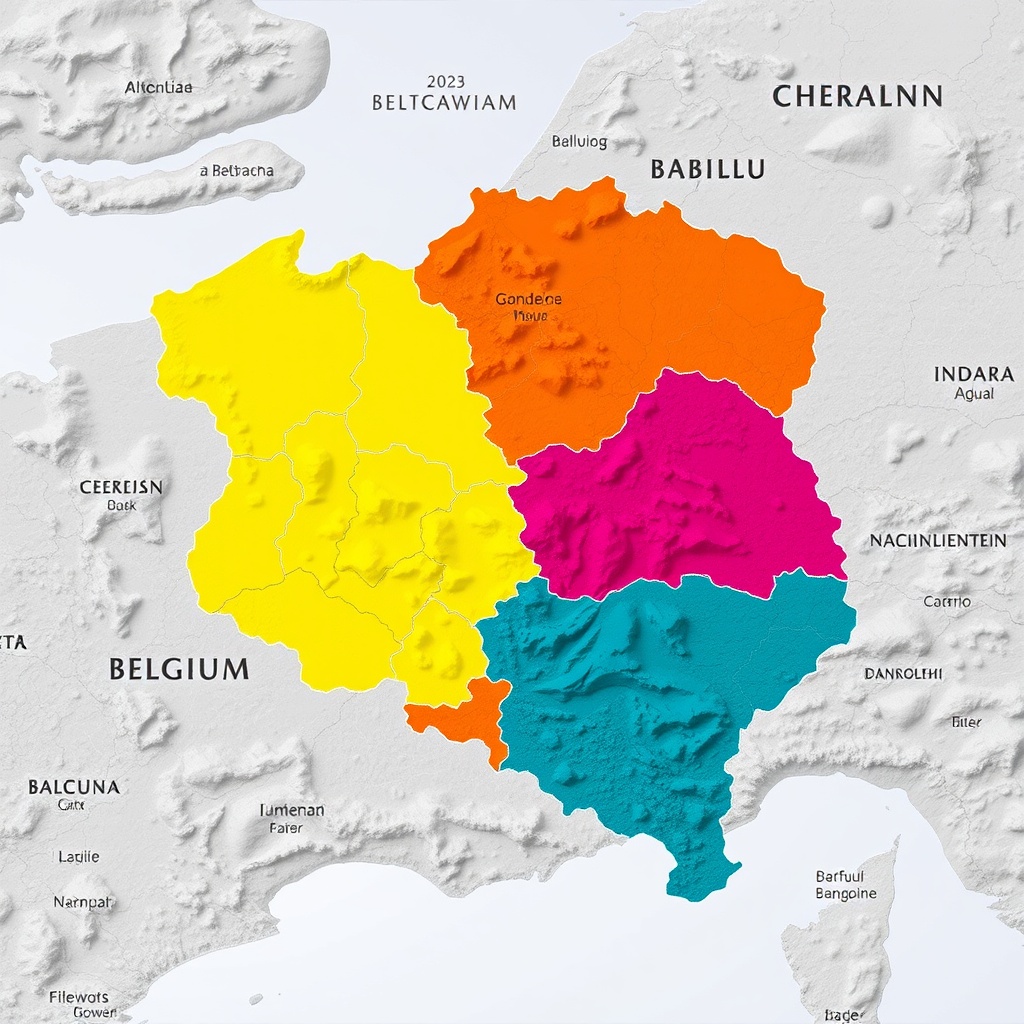
Regional Variations Within Belgium
Flanders-Specific Regulations
Flanders implements unique mobility budget regulations that emphasise sustainable transport and environmental considerations. The regional government offers additional incentives for electric vehicle adoption and cycling infrastructure investments. These provisions complement federal regulations while addressing specific regional priorities around emissions reduction and urban mobility.
We’ve adapted our implementation strategies to leverage Flanders-specific benefits, including enhanced tax credits for employers investing in charging infrastructure. The region’s focus on sustainable asset management aligns perfectly with mobility budget objectives, creating natural synergies for employers operating in this jurisdiction.
Wallonia Implementation Differences
Wallonia’s approach to mobility budgets reflects the region’s distinct urban-rural dynamics and transportation infrastructure challenges. The regional government has implemented tailored provisions addressing longer commute distances and limited public transport options in certain areas. These adaptations ensure the programme remains practical and attractive across diverse geographical contexts.
Our Wallonia-specific implementations focus on balancing sustainable transport options with practical mobility needs in less densely populated areas. We’ve developed hybrid solutions that combine traditional transport elements with innovative mobility services, ensuring programme viability across the region’s varied landscape.
Brussels Capital Region Particularities
The Brussels Capital Region presents unique implementation challenges and opportunities due to its dense urban environment and complex mobility patterns. Regional authorities have introduced specific provisions addressing congestion charges, parking limitations, and public transport integration. These measures align mobility budgets with broader urban planning objectives.
Our Brussels implementations emphasise public transport integration and alternative mobility solutions that address the region’s specific challenges. We leverage the capital’s extensive transport network while incorporating innovative solutions like car-sharing programmes and cycling infrastructure. This approach maximises programme effectiveness in Belgium’s most complex mobility environment.
Recent Legislative Updates and Changes
2023-2024 Regulatory Amendments
We’ve seen significant regulatory amendments that took effect from January 2024, fundamentally reshaping how we approach mobility budgets. The adjustments include increased tax-exempt amounts for bicycle allowances, now indexed annually at EUR 0.35 per kilometer. These changes reflect Belgium’s commitment to sustainable mobility solutions while enhancing employee benefits through smarter tax structures and improved financial planning.
The government has streamlined compliance requirements while expanding eligible expenses under Pillar 2, making the system more attractive for both employers and employees. These modifications demonstrate Belgium’s progressive approach to modern workforce mobility, balancing environmental goals with practical financial incentives that benefit all stakeholders in the employment ecosystem.
COVID-19 Related Adaptations
During the pandemic, we witnessed temporary adaptations that allowed greater flexibility in mobility budget utilisation. Remote work infrastructure support became prioritised, enabling employees to invest in home office setups through their mobility allowances. These emergency measures highlighted the system’s adaptability during unprecedented global challenges.
The crisis accelerated digital transformation within mobility management, pushing companies toward more flexible arrangements. Many temporary COVID-19 adaptations have now been integrated into permanent regulatory frameworks, creating a more resilient system that better accommodates hybrid work models and changing employee needs.
Future Legislative Outlook
Looking ahead, we anticipate further legislative refinements focusing on sustainability and digital integration. The government plans to introduce stricter environmental criteria for company cars, potentially requiring zero-emission vehicles by 2026. These forward-looking policies align with EU climate goals while maintaining competitive tax benefits for compliant organisations.
Future regulations will likely expand digital mobility solutions and incorporate emerging technologies like electric vehicle charging infrastructure. We expect continued emphasis on making the mobility budget more accessible to smaller businesses while maintaining robust compliance frameworks that protect both employer and employee interests.
Practical Implementation Challenges
Common Administrative Hurdles
Implementing mobility budgets often involves navigating complex administrative requirements that can overwhelm HR departments. We frequently encounter challenges with payroll system integration, requiring specialised software modifications and staff training. Documentation and record-keeping obligations demand meticulous attention to detail to avoid compliance issues.
Many organisations struggle with establishing clear internal policies that align with legal requirements while meeting employee expectations. The administrative burden increases when managing multiple transportation options under different tax treatments, requiring sophisticated tracking systems and regular auditing procedures.
Employee Understanding and Adoption Barriers
Employee comprehension remains a significant hurdle, as many workers struggle to grasp the full scope of mobility budget benefits. We often find resistance to change from employees accustomed to traditional company car systems, requiring extensive communication and education efforts. Cultural shifts toward sustainable transportation options need careful management.
Adoption rates improve when we provide clear, personalised examples showing net salary advantages. However, the complexity of tax calculations and varying regional regulations can confuse employees, necessitating ongoing support and transparent communication about individual financial impacts.
Technology System Integration Issues
Integrating mobility budget management with existing HR and payroll systems presents substantial technical challenges. We frequently encounter compatibility issues between different software platforms, requiring custom development work. Data security concerns around personal transportation information demand robust cybersecurity measures.
Real-time tracking of mobility expenses across multiple categories requires sophisticated digital solutions that many smaller companies lack. The technology infrastructure must support seamless reporting to tax authorities while maintaining user-friendly interfaces for both administrators and employees.
Strategic Planning Optimization
Long-term Financial Planning Strategies
Effective long-term planning requires aligning mobility budgets with overall compensation strategies and business objectives. We recommend developing multi-year projections that account for regulatory changes and market trends. Strategic allocation between different mobility pillars optimises both employee satisfaction and organisational cost efficiency.
Incorporating mobility budgets into broader talent retention strategies enhances their effectiveness as competitive advantages. Regular reviews of utilisation patterns help identify optimisation opportunities while ensuring compliance with evolving legal requirements and maximising tax efficiency across the organisation.
Employee Retention Attraction Benefits
Mobility budgets serve as powerful tools for attracting and retaining top talent in competitive markets. We’ve observed significantly improved employee satisfaction scores among organisations offering flexible mobility options. The ability to personalise transportation benefits according to individual needs creates stronger emotional connections with employers.
Younger generations particularly value sustainable mobility options, making these budgets crucial for recruitment strategies. Companies that successfully implement mobility budgets often report reduced turnover rates and enhanced employer branding, positioning themselves as forward-thinking organisations committed to employee wellbeing.
Sustainability Environmental Impact Considerations
Environmental considerations increasingly drive mobility budget decisions, aligning corporate social responsibility goals with practical employee benefits. We help organisations measure and reduce their carbon footprint through strategic mobility choices while maintaining cost-effectiveness. Sustainable transportation options often qualify for additional tax incentives.
The shift toward electric vehicles and public transportation usage directly supports corporate sustainability targets while providing employees with modern, eco-friendly mobility solutions. These environmental benefits complement financial advantages, creating comprehensive value propositions that resonate with stakeholders and support long-term business resilience.
Frequently Asked Questions
What are the main tax advantages of Belgium’s mobility budget?
The mobility budget offers significant income tax exemptions and social security contribution benefits for both employees and employers. Employees enjoy tax-free allowances for sustainable transportation options while employers benefit from corporate tax deductions. The system optimises net salary through strategic allocation across different mobility pillars.
How does the mobility budget compare to traditional company cars?
Mobility budgets provide greater flexibility and choice compared to traditional company car systems. Employees can allocate funds across various transportation modes while enjoying better tax treatment. The system often results in higher net compensation and supports sustainable mobility choices that align with modern workforce preferences.
What are the compliance requirements for implementing a mobility budget?
Implementation requires proper legal documentation, payroll system integration, and meticulous record-keeping. Employers must establish clear policies aligned with regulatory requirements and provide regular reporting to tax authorities. Compliance involves tracking expenses across different categories and maintaining audit-ready documentation.
Can small businesses benefit from implementing mobility budgets?
Yes, small businesses can significantly benefit from mobility budgets despite initial implementation challenges. The system offers scalable solutions that accommodate different organisational sizes while providing competitive advantages in talent attraction. Proper planning and technology solutions make implementation feasible for smaller companies.
How do recent legislative changes affect existing mobility budgets?
Recent changes generally enhance the attractiveness of mobility budgets through expanded eligible expenses and improved tax treatments. The 2024 amendments increased tax-exempt amounts and streamlined compliance requirements. Existing arrangements may require adjustments to maximise new benefits while maintaining compliance with updated regulations.
