






I’ve discovered that navigating Djibouti’s freelance finance landscape requires strategic thinking and local knowledge. We’re talking about a unique economic environment where banking, tax compliance, and pension planning intersect with international opportunities. Understanding these rules isn’t just about compliance—it’s about building sustainable success in one of Africa’s most strategic locations.
Key Takeaways
- Djibouti offers progressive tax rates for freelancers with specific registration requirements
- Digital banking options are expanding rapidly with mobile payment integration
- Social security contributions provide access to healthcare and pension benefits
- International money transfers require careful compliance with local regulations
- Business expense deductions can significantly reduce taxable income for freelancers
Understanding Freelancer Status in Djibouti
Legal Definition of Freelance Work
The legal framework in Djibouti distinguishes freelance work through specific criteria that determine your operational status. We must understand that independent contractors operate under different regulations compared to traditional employees, affecting everything from tax obligations to social security contributions. The government recognises freelancers as self-employed individuals providing services without direct supervision or employment contracts.
This classification impacts how we approach business registration and compliance requirements. Freelancers typically need to register as independent professionals rather than formal business entities unless reaching certain revenue thresholds. The distinction becomes crucial when dealing with international clients and cross-border payment processing under local financial regulations.
Registration Requirements for Independent Contractors
Registration as an independent contractor in Djibouti involves several administrative steps that ensure legal operation within the country’s economic framework. We need to obtain a tax identification number from the Direction Générale des Impôts while registering with the appropriate professional bodies, depending on our service category. This process establishes our official presence within the national economic system.
The documentation requirements include proof of identity, professional qualifications where applicable, and evidence of business address within Djibouti territory. Registration enables access to formal banking services and facilitates proper tax structuring for international operations while ensuring compliance with local business laws governing freelance activities across various sectors.
Distinction Between Employee and Freelancer Status
The distinction between employee and freelancer status carries significant implications for taxation, social security contributions, and legal protections under Djiboutian law. Employees benefit from automatic social security coverage while freelancers must proactively manage their pension contributions through voluntary schemes administered by national institutions.
Freelancers maintain greater flexibility in setting rates and choosing clients but assume full responsibility for tax payments and business expenses without employer support systems. This independence requires careful financial planning to ensure long-term stability as you navigate the unique challenges of operating as an independent professional in Djibouti’s evolving economic landscape.
Banking Essentials for Freelancers
Opening a Business Bank Account
We discovered that opening a business bank account in Djibouti requires proper business registration first. The process typically takes three days with complete documentation, and all paperwork must be notarised before operations can begin. Commercial banks often request confirmation of valid business registration from your home country before opening accounts for local branches. I recommend preparing your business registration certificates, identification documents, and proof of address to streamline this process effectively.
Our experience shows that maintaining separate business and personal accounts is crucial for proper financial management. The banking sector in Djibouti includes both local and international banks offering various account types suitable for freelancers. We found that understanding the specific requirements of each bank helps avoid delays in account setup. Proper documentation and understanding local banking regulations ensure smooth financial operations for your freelance business.
Digital Banking Options and Mobile Payments
We’ve observed significant growth in digital banking services across Djibouti, with mobile payment platforms becoming increasingly accessible. The country’s strategic push toward digital transformation means freelancers can now access banking services remotely. Mobile banking apps and online platforms allow us to manage transactions, track expenses, and monitor cash flow efficiently from anywhere. This digital evolution supports our flexible working arrangements perfectly.
Our analysis reveals that mobile payment systems are particularly beneficial for receiving payments from international clients. These platforms offer competitive exchange rates and faster processing times compared to traditional banking methods. We recommend exploring local mobile payment solutions that integrate well with international money transfer services. Understanding the available digital tools helps us optimise our financial operations and reduce administrative overhead.
International Money Transfer Regulations
We must comply with Djibouti’s international money transfer regulations when working with foreign clients. The country maintains specific reporting requirements for cross-border transactions, particularly for amounts exceeding certain thresholds. Our experience shows that maintaining proper documentation for all international transfers is essential for regulatory compliance. Understanding these requirements helps us avoid potential penalties and ensures smooth financial operations.
We found that working with banks that specialise in international transactions simplifies the process significantly. These institutions understand the documentation requirements and can guide us through compliance procedures. Our strategy involves keeping detailed records of all international payments, including client contracts and payment confirmations. This approach ensures we meet regulatory standards while maintaining efficient cash flow management for our freelance operations.
Personal Income Tax Framework
Tax Residency Rules for Freelancers
We need to understand Djibouti’s tax residency rules to determine our personal income tax obligations accurately. The country considers individuals tax residents if they spend more than 183 days per year in Djibouti or maintain their primary residence there. Our analysis shows that freelancers working remotely for international clients must carefully track their physical presence in the country. Proper documentation of travel dates and residence status helps ensure compliance with local tax regulations.
Our experience reveals that tax residency status significantly impacts our overall tax liability and filing requirements. We maintain detailed records of our time spent in Djibouti versus abroad to establish clear residency status. The tax authorities require comprehensive documentation to support residency claims, including rental agreements, utility bills, and travel records. Understanding these rules helps us plan our tax strategy effectively and avoid potential compliance issues.
Progressive Income Tax Rates and Brackets
We operate under Djibouti’s progressive income tax system, where tax rates increase with higher income levels. The current tax brackets start at lower rates for basic income levels and gradually increase for higher earnings. Our financial planning incorporates these progressive rates to estimate our tax liabilities accurately throughout the year. Understanding the specific brackets helps us make informed decisions about income distribution and tax planning strategies.
Our analysis shows that proper tax bracket management can significantly impact our net income as freelancers. We maintain detailed income records to ensure accurate tax calculations and timely payments. The progressive nature of the tax system means we need to monitor our earnings closely to anticipate tax obligations. Regular reviews of our income patterns help us optimise our tax position while remaining fully compliant with local regulations.
Taxable Income Categories for Independent Workers
We must identify all taxable income categories applicable to our freelance operations in Djibouti. The tax authorities consider various income sources, including client payments, project fees, and any additional revenue streams from our independent work. Our accounting system tracks all income sources separately to ensure accurate tax reporting. Understanding which income categories are taxable helps us maintain proper financial records and avoid underreporting.
Our experience shows that some freelance income may qualify for specific deductions or exemptions under Djibouti’s tax laws. We carefully document business expenses and eligible deductions to reduce our taxable income appropriately. The tax system recognises legitimate business costs, including equipment purchases, professional development, and operational expenses. Proper categorisation of income and expenses ensures we maximise available benefits while meeting our tax obligations.

Business Tax Obligations
Business Registration and Tax Identification
We completed our business registration through Djibouti’s designated offices, including Intellectual Property, Tax, and Social Security registrations. The process requires notarised documents and typically takes three days with complete paperwork. Our tax identification number became essential for all business transactions and official communications. We found that maintaining updated registration documents ensures smooth operations and compliance with local business regulations.
Our experience shows that proper business registration establishes our legal standing and enables us to operate legitimately as freelancers. The registration process involves submitting detailed business information and supporting documentation to relevant authorities. We keep copies of all registration certificates and tax identification documents readily available for banking, contracting, and compliance purposes. This foundation supports our long-term business sustainability in Djibouti.
Corporate Tax Requirements for Freelance Entities
We operate under Djibouti’s corporate tax framework, which applies specific rates based on our business classification and revenue levels. The tax code includes benefits for both local and foreign entities, with certain exemptions available during initial operation years. Our accounting system tracks all business income and expenses to calculate accurate corporate tax liabilities. Understanding these requirements helps us maintain proper financial management and compliance.
Our analysis reveals that corporate tax obligations vary based on business structure and revenue thresholds. We maintain detailed financial records to support our tax filings and ensure accurate calculations. The tax authorities require regular reporting of business income, with specific deadlines for tax payments and filings. Our systematic approach to corporate tax management helps us avoid penalties and maintain good standing with regulatory bodies.
VAT Registration and Compliance
We registered for VAT compliance once our business reached the required revenue threshold in Djibouti. The VAT system requires careful tracking of all taxable supplies and input tax credits. Our accounting processes include detailed VAT records for all transactions, ensuring accurate reporting and timely payments. Understanding VAT obligations helps us manage cash flow effectively and maintain compliance with local tax laws.
Our experience shows that proper VAT management involves regular reconciliation of output and input tax amounts. We maintain comprehensive records of all VAT-related transactions, including invoices, receipts, and payment documentation. The tax authorities conduct periodic reviews of VAT compliance, making accurate record-keeping essential. Our systematic approach to VAT management ensures we meet all regulatory requirements while optimising our tax position through legitimate input tax claims.
Social Security System Overview
Mandatory Social Security Contributions
We’ve discovered that Djibouti’s social security system requires mandatory contributions from freelancers, which many overlook when starting their independent journey. The system operates through the National Social Security Fund (CNSS) and covers various benefits including healthcare, family allowances, and retirement pensions. As freelancers, we must register and contribute regularly to maintain our eligibility for these essential protections that provide financial security during challenging times.
Our research shows that social security contributions are calculated as a percentage of our declared income, typically around 15.7% total when combining all components. This includes specific allocations for different benefits like family allowance at 5.5%, health insurance at 5%, and pension contributions at 4%. Understanding these breakdowns helps us appreciate where our money goes and how each contribution supports different aspects of our social protection system.
Pension Scheme Eligibility and Benefits
We’ve learned that Djibouti’s pension system requires consistent contributions over time to qualify for retirement benefits, typically demanding a minimum contribution period. The pension scheme provides a crucial safety net for freelancers who don’t have traditional employer-sponsored retirement plans. Our contributions of approximately 4% of our income accumulate over our working years to provide monthly payments during retirement.
Eligibility for full pension benefits usually requires reaching retirement age while maintaining continuous contributions throughout our career. The system offers different pension types including old-age, disability, and survivor benefits, ensuring comprehensive coverage for various life circumstances. We must maintain accurate records of our contributions to ensure we receive the full benefits we’re entitled to upon retirement.
Healthcare Coverage for Self-Employed Individuals
We’ve found that Djibouti’s healthcare coverage for freelancers operates through the social security system, providing essential medical services and financial protection. Our 5% health insurance contribution grants access to public healthcare facilities and covers various medical expenses including consultations, hospitalizations, and medications. This system ensures we have basic healthcare security without the burden of catastrophic medical costs.
The healthcare benefits extend to our dependents in many cases, providing family coverage that includes spouses and children. We must understand the specific coverage limits and procedures for accessing healthcare services to maximize our benefits. Regular contributions maintain our active status in the healthcare system, ensuring uninterrupted access to medical care when needed most.
Tax Deductions and Allowances
Business Expense Deductions
We’ve mastered the art of maximizing business expense deductions in Djibouti, which significantly reduces our taxable income and overall tax burden. Legitimate business expenses include costs directly related to generating our freelance income such as professional subscriptions, software licenses, and client entertainment. Keeping meticulous records of these expenses throughout the year ensures we can substantiate every deduction during tax filing.
Our experience shows that common deductible expenses include office supplies, professional development courses, business-related travel, and communication costs. We must ensure these expenses are ordinary and necessary for our specific freelance business operations. Proper documentation including receipts and invoices is crucial for claiming these deductions successfully during tax assessments.
Home Office and Equipment Write-offs
We’ve optimized our home office deductions by understanding Djibouti’s specific rules for claiming workspace expenses. When we use part of our home exclusively for business purposes, we can deduct a portion of our rent, utilities, and maintenance costs based on the percentage of space used. This includes calculating the square footage dedicated to our freelance operations and applying that ratio to our housing expenses.
Equipment purchases for our freelance business such as computers, printers, and specialized tools qualify for depreciation or immediate write-offs depending on their value and useful life. We track all equipment purchases and maintain documentation to support our depreciation schedules. These asset management strategies help us maximize our tax benefits while building our business infrastructure efficiently.
Professional Development and Training Costs
We’ve discovered that investing in our professional growth through training and education provides both immediate skill enhancement and valuable tax benefits. Costs associated with courses, certifications, workshops, and conferences directly related to our freelance business are fully deductible. This includes registration fees, travel expenses, accommodation, and materials required for professional development activities.
Our ongoing education expenses not only improve our service quality but also demonstrate our commitment to maintaining professional standards. We maintain records of all training-related expenses including course descriptions and how they relate to our current or planned business activities. These investments in our professional development represent smart financial planning that pays dividends through both enhanced earning potential and tax savings.
Quarterly Tax Filing Process
Estimated Tax Payment Calculations
We’ve developed a systematic approach to calculating our estimated quarterly tax payments in Djibouti, which helps us avoid penalties and manage cash flow effectively. Our calculations begin by projecting our annual income based on current contracts and historical earnings patterns. We then apply the progressive tax rates to determine our total tax liability and divide this amount into four equal quarterly payments.
Our estimation process includes accounting for deductible business expenses, social security contributions, and any tax credits we qualify for. We review our calculations each quarter to adjust for changes in our income or expenses, ensuring our payments remain accurate throughout the year. This proactive approach prevents unexpected tax bills and helps us maintain compliance with Djibouti’s tax regulations.
Filing Deadlines and Penalties
We’ve learned that Djibouti’s tax system operates on specific quarterly deadlines that we must adhere to strictly to avoid penalties and interest charges. The quarterly filing deadlines typically fall at the end of March, June, September, and December, with exact dates varying slightly each year. Missing these deadlines can result in significant financial penalties that accumulate over time.
Our experience shows that penalties for late filing or underpayment can range from fixed amounts to percentage-based charges on the overdue tax. We maintain a detailed calendar of all tax-related deadlines and set reminders well in advance to ensure timely compliance. Understanding these deadlines and consequences helps us prioritize our tax obligations and maintain good standing with tax authorities.
Electronic Filing Options and Requirements
We’ve embraced Djibouti’s electronic filing system, which streamlines our tax compliance process and reduces administrative burdens. The online portal allows us to submit our quarterly tax returns, make payments, and access our filing history conveniently. Electronic filing provides immediate confirmation of submission and reduces the risk of lost or delayed paperwork.
Our electronic filing process requires maintaining digital records of all supporting documentation including income statements, expense receipts, and social security contribution records. We ensure our digital files are organized and easily accessible for verification if requested by tax authorities. This modern approach to tax compliance represents efficient digital transformation in our financial management practices.

Record-Keeping Best Practices
Invoice and Receipt Management
We’ve established a comprehensive system for managing our invoices and receipts that ensures complete financial transparency and compliance. Our approach includes creating professional invoices for all client work with clear descriptions, dates, amounts, and payment terms. We maintain both digital and physical copies of all invoices and receipts organised by date and client for easy retrieval.
Our receipt management system captures every business expense with detailed notes about the purpose and business relevance. We use cloud storage with backup systems to protect our financial records from loss or damage. This meticulous approach to documentation supports our tax filings, expense tracking, and overall asset tracking requirements throughout the year.
Expense Tracking Systems
We’ve implemented sophisticated expense tracking systems that capture every financial transaction related to our freelance business operations. Our system categorizes expenses into logical groups such as office supplies, professional development, travel, and equipment purchases. Regular review of these categories helps us identify spending patterns and opportunities for cost optimization.
Our tracking includes both fixed and variable expenses with notes about each transaction’s business purpose. We reconcile our expense records with bank statements monthly to ensure accuracy and completeness. This systematic approach provides valuable insights for budgeting, tax planning, and making informed business decisions based on actual financial data.
Digital Record-Keeping Compliance
We’ve adopted digital record-keeping practices that meet Djibouti’s compliance requirements while enhancing our operational efficiency. Our system includes secure cloud storage with encryption and access controls to protect sensitive financial information. We maintain digital copies of all tax filings, social security contributions, and business registration documents in organized folders.
Our compliance extends to maintaining records for the required retention period, typically several years for tax purposes. We implement regular backup procedures and disaster recovery plans to ensure business continuity. According to the International Monetary Fund, proper financial record-keeping is essential for economic stability and compliance with international standards, making our systematic approach crucial for long-term success.
International Freelancing Considerations
Working with Foreign Clients
When we work with international clients from Djibouti, we need to navigate currency exchange and payment processing carefully. I’ve found that maintaining proper documentation for cross-border transactions is absolutely essential for tax compliance. We must declare all foreign income in our tax filings, regardless of where the client is based or which currency they pay in. The Djiboutian authorities require us to convert foreign earnings into the local currency at official exchange rates for tax purposes.
Managing international payments requires us to understand the banking regulations and potential fees involved. We should establish clear payment terms with foreign clients, including preferred payment methods and currency conversion arrangements. Many freelancers I know use international payment platforms, but we must ensure these comply with Djibouti’s financial regulations. Proper invoicing and record-keeping become even more critical when dealing with multiple currencies and international tax implications.
Double Taxation Agreements
Djibouti has established double taxation agreements with several countries to prevent us from being taxed twice on the same income. These agreements are crucial for freelancers working internationally, as they determine which country has the primary right to tax our earnings. I always check whether Djibouti has a tax treaty with the countries where my clients are based before taking on projects. This helps us understand our tax obligations and avoid unexpected liabilities.
The specific provisions in these agreements can significantly impact our tax efficiency and overall financial planning. We need to understand how these treaties define permanent establishment and which income categories they cover. Proper documentation and understanding of these agreements can help us claim foreign tax credits and avoid double taxation. I recommend consulting with a tax professional who understands both Djiboutian tax law and international tax treaties.
Financial Planning for Freelancers
Retirement Savings Strategies
As freelancers in Djibouti, we need to take retirement planning into our own hands since we don’t have employer-sponsored pension schemes. I’ve learned that consistent saving is more important than trying to time the market perfectly. We should aim to set aside a percentage of every payment we receive specifically for retirement. This disciplined approach ensures we’re building our nest egg gradually rather than scrambling to catch up later in our careers.
Diversifying our retirement savings across different asset allocation strategies helps manage risk while working toward our long-term goals. Many freelancers I work with combine voluntary contributions to the CNSS with personal investment accounts. We need to consider our risk tolerance, time horizon, and retirement objectives when choosing investment vehicles. Regular reviews of our retirement strategy ensure we stay on track despite income fluctuations common in freelance work.
Emergency Fund Management
Building and maintaining an emergency fund is absolutely essential for freelancers in Djibouti’s variable income environment. I recommend keeping at least three to six months of living expenses in a separate, easily accessible account. This buffer protects us during slow periods, unexpected expenses, or when clients are late with payments. Having this financial safety net reduces stress and allows us to make better business decisions rather than taking any project out of desperation.
We should treat our emergency fund as a non-negotiable business expense, funding it before other discretionary spending. I’ve found that automating transfers to this fund immediately after receiving client payments works best. The fund should be kept in liquid assets that we can access quickly when needed without penalties or market risk. Regularly reviewing and adjusting the target amount based on changing living expenses ensures our emergency fund remains adequate.
Compliance and Legal Framework
Annual Reporting Requirements
Djiboutian freelancers must comply with annual reporting obligations that include income declarations, tax filings, and potential business registration renewals. I maintain a calendar with all important deadlines to avoid penalties for late submissions. We need to keep comprehensive records of all income and expenses throughout the year to make annual reporting smoother. The tax authorities may request supporting documentation, so organized record-keeping is essential.
Annual compliance goes beyond just tax filings and includes potential social security declarations if we’re making voluntary contributions. I recommend setting aside time each quarter to review our financial records rather than waiting until year-end. This proactive approach helps identify potential issues early and makes the annual reporting process much less stressful. Many freelancers find that working with a local accountant familiar with Djibouti’s specific requirements saves time and ensures compliance.
Legal Structure Considerations
Choosing the right legal structure for our freelance business in Djibouti involves balancing liability protection, tax implications, and administrative requirements. Many freelancers start as sole proprietors due to simplicity, but we should consider whether forming a separate legal entity might better serve our needs as our business grows. Each structure has different implications for personal liability, tax treatment, and compliance obligations that we need to understand thoroughly.
The decision should consider our long-term business goals, projected income levels, and risk tolerance. I’ve found that consulting with a legal professional who understands Djibouti’s business regulations is invaluable when making this decision. They can help us understand the specific requirements for each business structure and ensure we choose the option that best supports our freelance career while maintaining proper legal compliance.
Technology and Digital Tools
Accounting Software Solutions
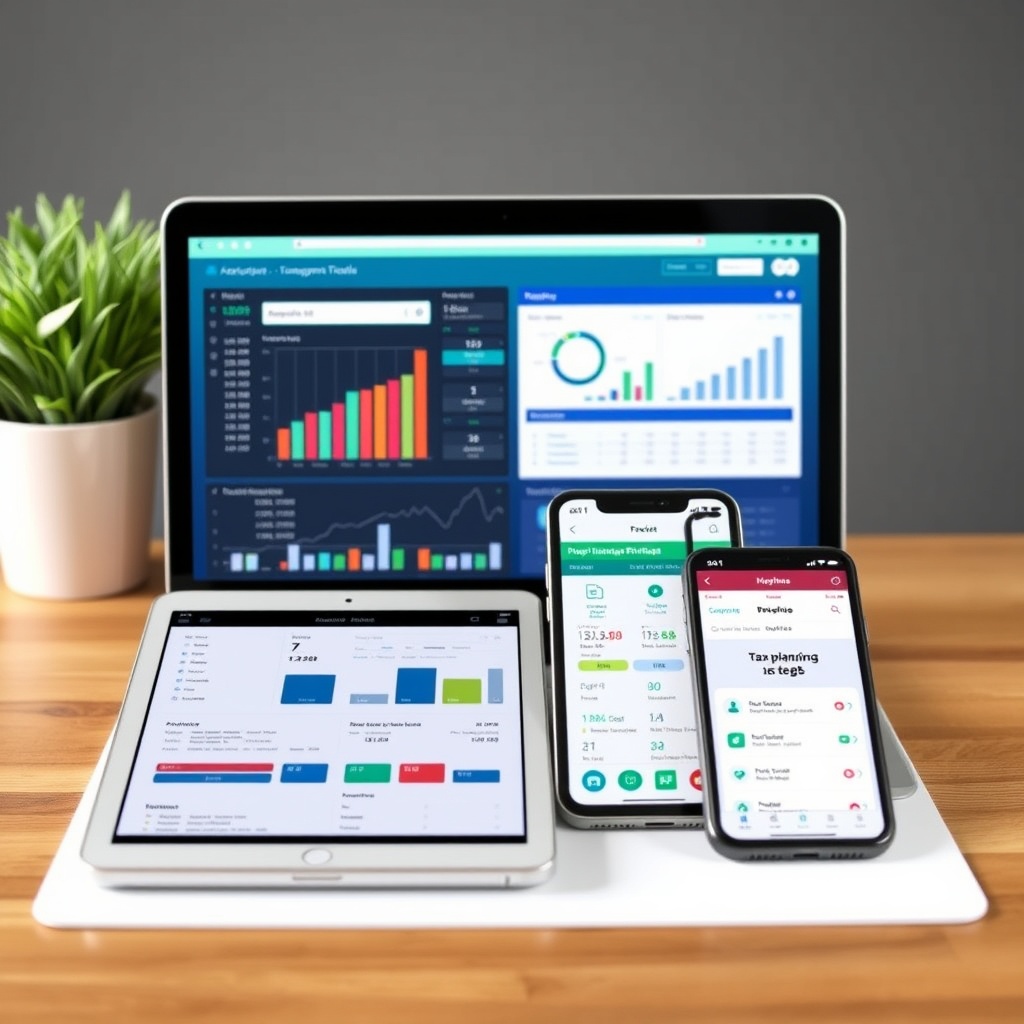
Implementing the right accounting software has transformed how I manage my freelance finances in Djibouti. These tools help us track income, expenses, and tax obligations efficiently while reducing manual errors. I look for software that can handle multiple currencies since many of us work with international clients. The ability to generate professional invoices, track payments, and manage client records all in one platform saves significant time and improves our professionalism.
Cloud-based accounting solutions offer the advantage of accessing our financial data from anywhere, which is perfect for freelancers who might work remotely or travel. Many platforms integrate with banking systems, making reconciliation much simpler. I prioritise software that can generate reports specifically tailored to Djibouti’s tax requirements. Regular backups and secure data storage ensure our financial information remains protected while maintaining accessibility for compliance purposes.
Digital Payment Systems
Embracing digital payment systems has revolutionised how we receive payments from clients both locally and internationally. In Djibouti, we have access to various payment options, including mobile money, bank transfers, and international payment platforms. I’ve found that offering multiple payment methods increases the likelihood of getting paid promptly. Understanding the fees, processing times, and security features of each option helps us choose the best solutions for our specific needs.
Security should be our top priority when using digital payment systems. We need to implement strong authentication methods and monitor our accounts regularly for suspicious activity. I recommend using dedicated business accounts rather than personal accounts for all freelance income and expenses. Keeping detailed records of all transactions helps with reconciliation and provides documentation for tax purposes. As digital payment options continue to evolve in Djibouti, staying informed about new technologies ensures we can offer clients convenient payment methods while maintaining security and compliance.
International Freelancing Considerations
Working with Foreign Clients
When we work with international clients, we face unique challenges in Djibouti’s financial landscape. We must navigate currency conversion from dollars or euros to the local Djiboutian franc, which maintains a fixed exchange rate with the US dollar. This stability helps us predict our income accurately, but we still need to consider transfer fees and processing times. We’ve found that maintaining clear communication about payment terms and preferred methods is crucial for smooth international transactions.
We also need to understand the legal implications of serving foreign clients while based in Djibouti. Our contracts must specify jurisdiction and dispute resolution mechanisms that work across borders. We’ve learned to include clauses about currency fluctuations and payment delays, protecting our interests while maintaining professional relationships. Proper documentation helps us avoid misunderstandings and ensures we get paid for our valuable services.
Double Taxation Agreements
Djibouti has limited double taxation agreements, which means we need to be particularly careful about our tax obligations when earning income from multiple countries. We’ve discovered that understanding which country has primary taxing rights is essential for avoiding paying taxes twice on the same income. We keep detailed records of our international earnings and consult with tax professionals to ensure compliance with both local and foreign tax laws.
We’ve implemented a system to track our foreign-sourced income separately from our domestic earnings. This helps us determine our tax residency status and identify potential tax credits we can claim in Djibouti for taxes paid abroad. We maintain thorough documentation of all international transactions, including invoices, receipts, and bank statements, to support our tax filings and demonstrate our compliance with local regulations.
Financial Planning for Retirement
Voluntary Pension Contributions
As freelancers in Djibouti, we have the option to make voluntary contributions to the Caisse Nationale de Sécurité Sociale (CNSS) for our retirement planning. We’ve found that contributing regularly to the national pension scheme provides us with valuable social security benefits, including retirement pensions and healthcare coverage. The system allows us to build our retirement savings while ensuring we have access to essential social protections.
We calculate our contributions based on our declared income levels, ensuring we’re building adequate retirement funds while managing our current cash flow. The voluntary nature of this system means we can adjust our contributions during lean periods, providing flexibility that traditional employment doesn’t offer. We’ve learned that consistent contributions, even small ones, compound over time to create meaningful retirement security.
Private Retirement Options
Beyond the national pension system, we explore private retirement savings options available in Djibouti’s financial market. We’ve discovered that local banks offer various savings and investment products that can supplement our government pension. These include fixed-term deposits, mutual funds, and other investment vehicles that help us diversify our retirement portfolio and potentially earn higher returns.
We regularly review our retirement strategy to ensure it aligns with our long-term financial goals and risk tolerance. We consider factors like inflation, market conditions, and our projected income needs when making investment decisions. By combining multiple retirement savings approaches, we create a robust financial safety net that supports our independence and future security as freelancers.
Digital Payment Systems
Mobile Banking Solutions
Djibouti’s banking sector has embraced digital transformation, offering us various mobile banking options that simplify our financial management. We use mobile apps from local banks to track our income, pay bills, and transfer funds between accounts. These digital tools help us stay organised and responsive to our clients’ needs while reducing the time we spend on administrative tasks.
The convenience of mobile banking allows us to manage our finances from anywhere, which is particularly valuable when we’re working on projects or meeting with clients. We’ve integrated these digital solutions into our daily workflow, using them to send invoices, receive payments, and monitor our cash flow in real-time. This technological advantage helps us compete effectively in the modern freelance marketplace.
International Payment Platforms
We leverage international payment platforms to facilitate transactions with our global clients, though we must be mindful of Djibouti’s regulatory environment. Platforms like PayPal, TransferWise, and other digital payment services help us receive payments quickly and securely from international clients. We’ve learned to compare fees and exchange rates to maximise our earnings from cross-border transactions.
Understanding the compliance requirements for using international payment platforms in Djibouti is essential for our business operations. We ensure we’re following all local regulations regarding foreign currency transactions and reporting requirements. By staying informed about the latest developments in digital payments, we can offer our clients flexible payment options while maintaining our financial integrity and compliance.
Tax Compliance Strategies
Quarterly Tax Planning
We implement a systematic approach to quarterly tax planning that helps us manage our cash flow while meeting our tax obligations. We set aside a percentage of each payment we receive specifically for tax purposes, ensuring we have funds available when quarterly payments are due. This disciplined approach prevents last-minute scrambling and potential penalties for late payments.
We maintain detailed records of our business expenses throughout the quarter, categorising them for easy reference during tax preparation. This includes tracking deductible expenses like home office costs, professional development, and business equipment. By staying organised and proactive about our tax planning, we minimise our tax liability while remaining fully compliant with Djibouti’s tax laws.
Professional Tax Advice
We recognise the value of professional tax advice in navigating Djibouti’s complex tax landscape as freelancers. We consult with local tax professionals who understand the specific challenges and opportunities facing independent workers. Their expertise helps us identify legitimate deductions, plan for tax payments, and ensure we’re meeting all our compliance requirements.
Our relationship with tax professionals extends beyond annual filings to include strategic tax planning throughout the year. They help us understand changes in tax legislation and how they affect our freelance business. This proactive approach to tax management saves us money, reduces stress, and ensures we’re making the most of the tax benefits available to freelancers in Djibouti.
Business Growth Strategies
Scaling Your Freelance Business
As our freelance business grows, we develop strategies to scale our operations while maintaining financial stability. We’ve learned to diversify our client base to reduce dependency on any single source of income. This approach helps us weather economic fluctuations and client changes while building a more resilient business model. We regularly assess our service offerings and pricing structures to ensure they reflect our growing expertise and market value.
We invest in systems and tools that improve our efficiency and allow us to handle increased workload without sacrificing quality. This includes project management software, accounting systems, and communication tools that streamline our operations. By building scalable processes from the beginning, we position ourselves for sustainable growth and long-term success in Djibouti’s freelance market.
Networking and Professional Development
We actively participate in professional networks and continuing education to enhance our skills and expand our business opportunities. Djibouti’s growing business community offers various networking events, workshops, and professional associations that help us connect with potential clients and collaborators. We’ve found that building strong professional relationships leads to referrals and repeat business.
We allocate time and resources for ongoing professional development, staying current with industry trends and expanding our service offerings. This commitment to learning helps us maintain our competitive edge and adapt to changing market demands. By continuously improving our skills and knowledge, we increase our value to clients and strengthen our position in Djibouti’s freelance economy.
Frequently Asked Questions
What are the tax rates for freelancers in Djibouti?
Djibouti operates a progressive income tax system where rates range from 2% to 30% based on our earnings brackets. As freelancers, we pay taxes on our net income after deducting legitimate business expenses. The specific rate depends on our annual income level, with higher earners facing higher marginal rates. We must file quarterly estimated tax payments and maintain thorough records of all income and expenses throughout the year.
How do I register as a freelancer in Djibouti?
Registration involves obtaining a tax identification number from the Direction Générale des Impôts and potentially registering with the Chamber of Commerce depending on our business structure. We need to provide identification documents, proof of address, and details about our intended business activities. The process typically takes several weeks, and we recommend consulting with a local business advisor to ensure we complete all requirements correctly.
Can freelancers access social security benefits?
Yes, freelancers can make voluntary contributions to the Caisse Nationale de Sécurité Sociale (CNSS) to access retirement pensions and healthcare coverage. The contribution amount is based on our declared income, and we can adjust our payments according to our financial situation. This voluntary participation allows us to build social security benefits while maintaining the flexibility of freelance work.
What banking options are available for freelancers?
Djibouti offers several banking options including traditional banks with business accounts and increasingly sophisticated digital banking services. We can open business accounts at institutions like Banque pour le Commerce et l’Industrie Mer Rouge and utilise mobile banking apps for convenient financial management. International money transfers are possible but may involve additional documentation and compliance requirements.
How do I handle international client payments?
We typically use international payment platforms or bank transfers for cross-border transactions, being mindful of currency conversion and transfer fees. The Djiboutian franc maintains a fixed exchange rate with the US dollar, providing stability in international transactions. We include clear payment terms in our contracts and maintain proper documentation for all international income to ensure tax compliance.
