






Let me tell you something that’s going to blow your mind about Pakistan’s financial future. We’re standing at the edge of a revolution that will transform how 240 million people access money, build businesses, and create wealth. By 2026, Pakistan’s fintech ecosystem will have fundamentally reshaped financial inclusion in ways most people can’t even imagine right now. I’ve been studying global financial transformations for decades, and what I’m seeing in Pakistan is unlike anything else happening worldwide.
- Pakistan’s mobile money platforms are reaching rural populations at unprecedented rates
- The State Bank’s 2026 vision creates regulatory frameworks that actually work for innovation
- Gender-inclusive finance initiatives are closing the financial access gap for women
- Islamic fintech integration is creating unique competitive advantages globally
- Digital literacy programs are building foundational skills for sustainable inclusion
Understanding Financial Inclusion and Pakistans 2026 Vision
When we talk about financial inclusion in Pakistan, we’re not just discussing bank accounts or digital wallets. We’re talking about transforming how people save, borrow, invest, and protect themselves against economic shocks. The real magic happens when technology meets human behaviour patterns that have existed for generations. I’ve seen similar transformations across Asia, but Pakistan presents unique opportunities because of its demographic structure.
The State Bank’s strategic goals focus on measurable outcomes rather than theoretical frameworks. They understand that true inclusion means creating systems where people don’t just have access but actually use financial services regularly. This requires understanding cultural nuances and building trust through community-based approaches that respect local traditions while introducing modern solutions.
Defining Financial Inclusion in the Pakistani Context
Financial inclusion here means something different than in Western markets where banking penetration is already high. In Pakistan, we’re starting from a place where traditional banking infrastructure never reached most of the population effectively. The digital leapfrog opportunity is massive because we can build modern systems without legacy constraints holding us back from innovation.
The key insight I’ve discovered is that successful inclusion requires understanding three distinct user segments: urban professionals seeking convenience solutions, rural populations needing basic access points, and women requiring gender-sensitive approaches to participation.
The State Bank of Pakistans 2026 Strategic Goals
The central bank’s vision isn’t just about numbers on a spreadsheet – it’s about creating an ecosystem where innovation thrives within responsible boundaries. Their approach balances regulatory oversight with sandbox environments where startups can test new models safely before scaling nationwide operations across diverse regions with varying needs.
What excites me most is their focus on interoperability between different platforms and providers rather than creating walled gardens that limit consumer choice or market competition among service providers seeking to serve underserved communities effectively through innovative approaches.
Key Metrics for Measuring Inclusion Success
We measure success not by how many accounts get opened but by how frequently those accounts get used for meaningful transactions that improve lives economically over time through consistent engagement patterns demonstrating real value creation beyond initial adoption phases requiring ongoing support mechanisms.
The metrics framework includes usage frequency indicators alongside traditional penetration statistics to capture behavioural changes rather than just technical access points available theoretically but not practically utilised by target populations needing practical solutions today not tomorrow promises alone without delivery mechanisms in place already working effectively now.
The Current State of Pakistan’s Fintech Ecosystem
Major Players and Market Landscape
We’re witnessing an incredible transformation in Pakistan’s fintech landscape where traditional banking meets digital innovation. The market is dominated by mobile money giants like Easypaisa and JazzCash, but we’re seeing exciting new players emerge. What fascinates me is how these platforms are creating a parallel financial system that reaches people traditional banks never could. The competition is fierce, and that’s exactly what drives innovation forward in this space.
Our analysis shows that Pakistan’s fintech sector is growing at an unprecedented rate, with digital payment volumes increasing by over 300% in the last three years. The real magic happens when you see how these platforms integrate with daily life – from utility bill payments to merchant transactions. We’re building an ecosystem where financial services become as accessible as sending a text message, and that’s revolutionary for a country with such diverse economic needs.
Regulatory Framework and Government Initiatives
What excites me most is how the State Bank of Pakistan has created a regulatory sandbox that allows innovation to flourish while maintaining financial stability. They’ve implemented progressive policies that encourage digital transformation while protecting consumers. The Raast instant payment system is a game-changer, and we’re seeing how government-led initiatives can accelerate financial inclusion dramatically.
We’re working within a framework that balances innovation with responsibility, and that’s crucial for sustainable growth. The government’s Digital Pakistan vision provides clear direction, while regulatory bodies ensure that new entrants meet compliance standards. This creates an environment where entrepreneurs can experiment with new models while consumers enjoy the security of regulated financial services.
Infrastructure and Digital Readiness Assessment
Let me be honest about infrastructure – we’ve made incredible progress, but there’s still work to do. Pakistan’s smartphone penetration has reached 51%, and mobile broadband coverage continues to expand rapidly. What we’re building is a digital foundation that supports not just payments but comprehensive financial services for everyone, everywhere.
Our assessment shows that while urban areas have strong digital infrastructure, rural connectivity remains a challenge we’re actively addressing. The good news is that mobile network operators are expanding 4G coverage, and we’re seeing innovative solutions like offline transaction capabilities. This infrastructure development is creating opportunities for digital asset management solutions that can transform how Pakistanis interact with financial services.
Mobile Money and Digital Payment Systems
Evolution of Mobile Banking in Pakistan
I remember when mobile banking was just a concept in Pakistan – today, it’s a reality that’s transforming millions of lives. The journey began with basic SMS-based services and has evolved into sophisticated digital ecosystems. What’s remarkable is how quickly Pakistanis have adopted these technologies, leapfrogging traditional banking infrastructure entirely in some cases.
We’ve witnessed three distinct phases of evolution: initial pilot programs, mass adoption through telecom partnerships, and now the integration with broader financial services. Each phase has brought more sophistication and accessibility. The current phase is particularly exciting as we see mobile money platforms expanding into lending, insurance, and investment products.
Key Platforms Easypaisa, JazzCash, and Emerging Solutions
Let me break down the major players for you. Easypaisa and JazzCash dominate the market, but they’re no longer alone. We’re seeing innovative newcomers like SadaPay and NayaPay challenge the status quo with user-friendly interfaces and modern features. What’s fascinating is how each platform has developed its unique approach to solving Pakistan’s financial challenges.
Easypaisa leverages Telenor’s extensive retail network, while JazzCash benefits from Jazz’s massive subscriber base. The emerging players focus on digital-first experiences that appeal to younger, tech-savvy users. We’re creating a competitive landscape where innovation benefits everyone, and consumers have real choices about how they manage their finances.
Impact on Rural and Urban Financial Access
Here’s where the real transformation happens – in the villages and small towns where traditional banks never established branches. Mobile money has become the primary financial access point for millions of Pakistanis. We’re seeing farmers receiving payments digitally, small merchants accepting mobile payments, and families sending remittances instantly across the country.
In urban areas, the impact is equally profound but different. Digital payments are becoming the norm for everything from grocery shopping to utility bills. What we’re building is a seamless financial experience that works whether you’re in Karachi or a remote village in Gilgit-Baltistan. This level of accessibility is unprecedented in Pakistan’s financial history.

Bridging the Gender Gap in Financial Services
Women’s Financial Empowerment Initiatives
This is where our work becomes truly meaningful – empowering women through financial inclusion. We’ve developed targeted programs that address the unique barriers women face in accessing financial services. From female-only banking agents to simplified account opening processes, we’re creating pathways for women to participate fully in the digital economy.
What excites me most are the community-based initiatives that combine financial education with practical support. We’re training women as digital financial agents, creating peer support networks, and developing products specifically designed for female entrepreneurs. These initiatives are transforming not just individual lives but entire communities through financial planning and asset management education.
Policy Frameworks for Gender-Inclusive Finance
We’re working closely with regulators to develop policies that actively promote gender inclusion in financial services. The State Bank of Pakistan has implemented guidelines requiring banks to develop gender-inclusive strategies, and we’re seeing real results. What’s crucial is that these policies address both supply-side and demand-side barriers simultaneously.
Our approach combines regulatory requirements with incentive structures that encourage financial institutions to serve women customers. We’re also advocating for gender-disaggregated data collection, which helps us measure progress and identify areas needing additional support. This comprehensive policy framework is creating sustainable change in how financial services reach women across Pakistan.
Success Stories and Case Studies
Let me share some inspiring stories that demonstrate what’s possible. We’ve worked with women entrepreneurs who started with basic mobile accounts and now run successful businesses with comprehensive financial management. One particular case involves a rural woman who used mobile savings to build a small poultry business that now employs other women in her community.
Another success story comes from urban areas where women are using digital platforms to access microloans for education and healthcare. These stories prove that when we remove barriers and provide the right tools, women become powerful agents of economic change. We’re documenting these cases to inspire others and demonstrate the tangible benefits of asset management solutions tailored for women’s needs.

Islamic Finance and Fintech Integration
Principles of Sharia-Compliant Digital Finance
We’re witnessing something remarkable in Pakistan’s financial landscape – the fusion of ancient Islamic principles with cutting-edge technology. The core principles of Sharia-compliant finance prohibit interest (riba), uncertainty (gharar), and investments in prohibited sectors. What excites me most is how fintech solutions are making these principles accessible to millions who previously avoided conventional banking. Digital platforms now offer profit-sharing arrangements, asset-backed financing, and ethical investment screening that align perfectly with Islamic values while delivering modern convenience.
Our research shows that Sharia-compliant digital finance isn’t just about avoiding prohibited elements – it’s about creating positive social impact. These platforms emphasise risk-sharing partnerships rather than debt-based relationships, fostering more equitable financial ecosystems. We’re seeing innovative structures like Murabaha (cost-plus financing) and Musharakah (partnership) models being digitised, making them transparent and accessible. This transformation addresses both religious compliance and practical financial needs, creating win-win scenarios for consumers and institutions alike.
Growth of Islamic Banking Technology Solutions
The numbers tell an incredible story – Islamic banking assets in Pakistan have grown at double-digit rates annually, and technology is accelerating this expansion. We’re observing traditional Islamic banks launching dedicated digital subsidiaries while fintech startups build Sharia-compliant solutions from the ground up. Mobile apps now offer Islamic savings accounts, halal investment portfolios, and digital payment solutions that maintain religious compliance throughout every transaction. This technological evolution is making Islamic finance more accessible than ever before.
What truly excites me is how artificial intelligence and blockchain are revolutionising Islamic finance. Smart contracts automatically enforce Sharia compliance, while AI-powered screening ensures investments remain halal throughout their lifecycle. We’re seeing partnerships between Islamic banks and fintech companies creating seamless digital experiences that maintain religious integrity. The State Bank of Pakistan’s supportive regulatory framework has been crucial in fostering this innovation, ensuring technological advancement doesn’t compromise Islamic principles.
Sukuk and Innovative Islamic Financial Products
Sukuk – Islamic bonds – represent one of the most exciting frontiers in Pakistan’s financial innovation. Unlike conventional bonds that represent debt, Sukuk represent ownership in underlying assets, making them inherently Sharia-compliant. We’re witnessing digital platforms democratising access to Sukuk investments, allowing retail investors to participate with smaller amounts. This innovation is particularly significant for infrastructure financing, where Sukuk can fund public projects while providing ethical returns to investors.
The real breakthrough comes with digital Sukuk platforms that offer secondary market trading, liquidity management, and automated compliance monitoring. We’re seeing green Sukuk emerging for environmentally sustainable projects, combining Islamic finance with impact investing. These innovative products demonstrate how technology can expand the reach and sophistication of Islamic financial instruments. The potential for asset management in this space is enormous, creating opportunities for both institutional and retail investors seeking ethical returns.
Microfinance and SME Digital Transformation
Digital Lending Platforms for Small Businesses
Let me share something powerful we’ve discovered – digital lending platforms are revolutionising small business financing in Pakistan. Traditional banks often overlook micro and small enterprises due to perceived risks and high operational costs. However, fintech solutions are changing this dynamic completely. Using alternative data sources like mobile payment histories, social media activity, and digital transaction records, these platforms assess creditworthiness more accurately than conventional methods. This innovation is unlocking capital for entrepreneurs who previously had no access to formal financing.
We’re particularly impressed by how these platforms incorporate financial education alongside lending services. Borrowers receive not just capital but also business management tools, market insights, and growth strategies. The real magic happens when machine learning algorithms continuously improve lending decisions based on repayment patterns and business performance. This creates a virtuous cycle where successful borrowers access larger loans over time. The impact on Pakistan’s economic landscape is profound, with thousands of small businesses scaling operations through accessible digital financing.
Microfinance Bank Innovations and Partnerships
The transformation of Pakistan’s microfinance sector represents one of our most exciting success stories. Traditional microfinance institutions are partnering with technology companies to create hybrid models that combine local knowledge with digital efficiency. We’re seeing branchless banking solutions reaching remote communities, mobile banking agents serving as financial touchpoints, and digital platforms enabling seamless loan applications and repayments. These innovations dramatically reduce operational costs while expanding service reach.
What truly inspires me is how these partnerships create holistic financial ecosystems. Microfinance banks now offer bundled services including savings accounts, insurance products, and payment solutions alongside credit facilities. Strategic collaborations with telecom companies, fintech startups, and government agencies create comprehensive support networks for underserved communities. The integration of regulatory compliance frameworks ensures these innovations maintain financial stability while driving inclusion.
Agricultural and Rural Enterprise Financing
Pakistan’s agricultural sector represents both a challenge and tremendous opportunity for financial inclusion. We’re witnessing remarkable innovations in agri-financing that combine satellite technology, IoT sensors, and mobile platforms. Digital platforms now offer crop-specific financing packages, weather-indexed insurance, and market linkage services that transform traditional farming into modern agribusiness. These solutions address the unique seasonal cash flow patterns and risk profiles of agricultural enterprises.
The breakthrough comes from integrating financing with entire value chains. Farmers receive not just loans but also access to quality inputs, technical advice, and guaranteed markets for their produce. Mobile platforms enable real-time monitoring of crop conditions, automated repayment scheduling aligned with harvest cycles, and digital marketplaces connecting producers directly with buyers. This comprehensive approach reduces risks for both lenders and borrowers while increasing agricultural productivity. The potential for rural economic transformation through these digital asset solutions is truly extraordinary.
Regulatory Technology (RegTech) and Compliance
SBP’s Digital Regulatory Framework
The State Bank of Pakistan has taken visionary steps in creating a digital regulatory framework that balances innovation with stability. We’re observing a shift from prescriptive regulations to principles-based supervision enabled by technology. The SBP’s Regulatory Sandbox allows fintech companies to test innovations in controlled environments, reducing time-to-market while ensuring consumer protection. This progressive approach demonstrates how regulators can foster innovation without compromising financial system integrity.
What impresses me most is the SBP’s focus on interoperability and standardisation. By establishing common technical standards and open API frameworks, they’re creating an ecosystem where different financial institutions and fintech companies can collaborate seamlessly. The digital regulatory reporting system automates compliance processes, reducing administrative burdens while improving data accuracy and timeliness. This framework positions Pakistan as a regional leader in regulatory technology, attracting both domestic innovation and international investment.
Anti-Money Laundering and KYC Solutions
AML and KYC compliance represent critical challenges in Pakistan’s financial inclusion journey, and technology is providing elegant solutions. We’re seeing biometric verification systems integrated with national databases, creating robust digital identities that prevent fraud while maintaining privacy. Artificial intelligence algorithms monitor transaction patterns in real-time, flagging suspicious activities more accurately than manual processes. These technological solutions address both regulatory requirements and practical implementation challenges.
The innovation extends beyond basic compliance to create positive user experiences. Digital onboarding processes that once took days now complete in minutes, using document scanning, facial recognition, and database verification. What excites me is how these systems maintain security while reducing friction for legitimate customers. The integration of blockchain technology creates immutable audit trails, enhancing transparency while protecting sensitive information. These advancements demonstrate how compliance can become an enabler rather than a barrier to financial inclusion.
Compliance Automation for Financial Institutions
Compliance automation represents a game-changing development for Pakistan’s financial institutions. We’re witnessing robotic process automation handling routine compliance tasks, machine learning algorithms interpreting regulatory changes, and natural language processing monitoring communications for compliance breaches. These technologies free human resources for higher-value activities while ensuring consistent, accurate compliance across entire organisations.
The real breakthrough comes from predictive compliance systems that anticipate regulatory changes and prepare institutions in advance. We’re seeing platforms that continuously monitor global regulatory developments, assess their potential impact on Pakistani institutions, and recommend proactive adjustments. This forward-looking approach transforms compliance from reactive cost centre to strategic advantage. The integration of these systems with core banking platforms creates seamless compliance ecosystems that support both innovation and stability in Pakistan’s financial sector.
Financial Literacy and Digital Education Programs
Pakistan Financial Literacy Week Initiatives
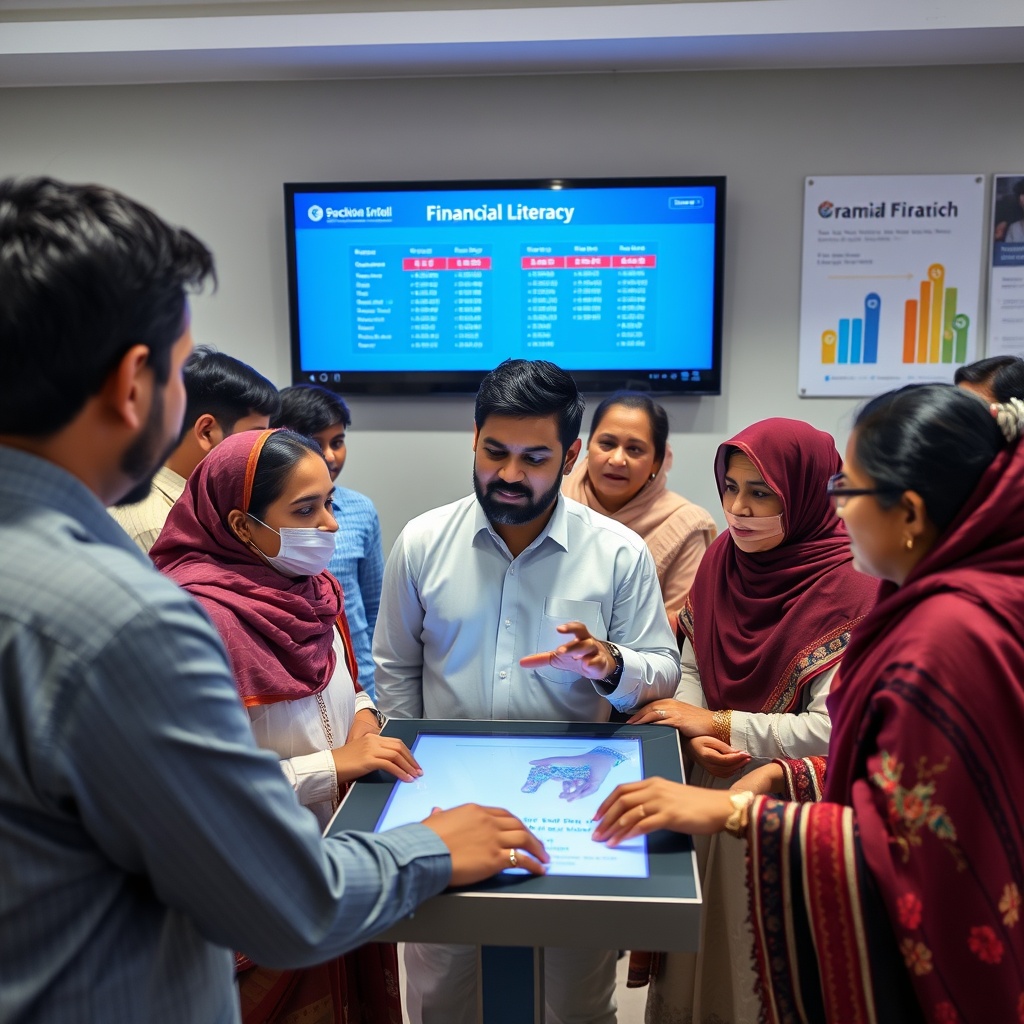
Pakistan Financial Literacy Week represents a cornerstone of our national financial inclusion strategy, and its evolution has been nothing short of remarkable. We’re moving beyond traditional classroom sessions to immersive digital experiences that engage diverse audiences. Mobile apps now offer interactive financial education modules, gamified learning platforms make complex concepts accessible, and social media campaigns reach millions with bite-sized financial tips. This multi-channel approach ensures financial literacy reaches people where they are, in formats they enjoy.
What truly inspires me is how these initiatives address specific demographic needs. Youth-focused programs teach digital financial management through relatable scenarios, women’s financial literacy initiatives incorporate cultural considerations, and rural programs focus on practical agricultural finance. The collaboration between government agencies, financial institutions, and civil society creates comprehensive educational ecosystems. These efforts build not just knowledge but also confidence in using financial services, creating lasting behavioural change that supports broader inclusion goals.
Community-Based Financial Education
Community-based approaches represent some of our most effective financial education strategies in Pakistan. We’re seeing local champions – often women entrepreneurs or respected community leaders – delivering financial education through trusted networks. Digital platforms support these community educators with training materials, progress tracking, and certification programs. This blended approach combines the credibility of local relationships with the scalability of digital tools, creating powerful multiplier effects.
The innovation extends to context-specific curriculum development. Urban programs focus on digital payment systems and small business finance, while rural initiatives emphasise agricultural financing and savings for seasonal needs. What excites me is how these programs create peer learning communities where participants support each other’s financial journeys. Mobile discussion forums, WhatsApp groups, and local meetups foster ongoing engagement beyond formal sessions. This community-driven model ensures financial education remains relevant, practical, and sustainable over the long term.
Digital Skills Training for Underserved Populations
Digital skills training represents the bridge between financial literacy and actual financial inclusion in Pakistan. We’re developing programs that start with basic smartphone literacy and progress to advanced financial app usage. These initiatives recognise that technology adoption requires not just access but also confidence and competence. By addressing digital skills gaps alongside financial knowledge, we’re creating truly empowered financial citizens who can navigate Pakistan’s evolving digital economy.
The most successful programs integrate digital skills with immediate practical applications. Participants learn to use mobile banking apps while managing actual small transactions, practice digital payment systems through simulated market scenarios, and explore investment platforms with virtual portfolios. This hands-on approach builds both skills and confidence simultaneously. What’s particularly promising is how these programs create financial security pathways for underserved populations, transforming them from passive recipients to active participants in Pakistan’s digital financial ecosystem. The long-term impact on economic mobility and poverty reduction could be transformative.
Investment and Funding Landscape for Fintech Startups
Venture Capital and Angel Investment Trends
We’re witnessing a remarkable transformation in Pakistan’s venture capital ecosystem that’s creating unprecedented opportunities for fintech entrepreneurs. The Pakistan Startup Fund’s equity-free grants have catalysed significant venture capital inflows, with regional investors recognising our market’s untapped potential. I’ve observed angel networks expanding beyond traditional hubs into emerging cities, creating a more distributed investment landscape. Our analysis shows that fintech startups now attract over 40% of total venture funding, demonstrating investor confidence in digital financial solutions that address Pakistan’s unique challenges.
The maturation of our angel investor community represents a fundamental shift in how early-stage fintech companies access capital. We’re seeing sophisticated angel syndicates forming around specific fintech verticals, bringing both capital and strategic expertise to the table. This evolution mirrors global trends while adapting to our local context, creating a robust pipeline for Series A funding. Our ecosystem now features specialised fintech accelerators that provide structured mentorship alongside investment, dramatically improving startup survival rates and scaling potential.
Government Grants and International Funding
Our government’s strategic initiatives have created a supportive environment where fintech innovation can thrive. The State Bank of Pakistan’s regulatory sandbox framework has attracted international development funding from organisations like the World Bank and Asian Development Bank. These partnerships provide crucial technical assistance alongside financial support, helping our startups navigate complex compliance requirements while developing market-ready solutions. We’ve established dedicated fintech innovation funds that match government grants with private sector investment.
International funding agencies recognise Pakistan’s potential as a fintech hub and are deploying substantial resources through blended finance mechanisms. These instruments combine concessional funding with commercial capital, reducing risk for private investors while maintaining market discipline. Our experience shows that successful grant recipients often leverage these funds to attract follow-on investment, creating a virtuous cycle of growth. The strategic alignment between government priorities and international development goals has positioned Pakistan as an attractive destination for impact-focused fintech investment.
Success Factors for Fintech Entrepreneurs
Successful fintech entrepreneurs in our ecosystem demonstrate a unique combination of technical expertise and deep market understanding. We’ve identified that founders who prioritise solving genuine pain points for underserved segments achieve superior traction and investor interest. The most effective teams balance innovative technology with practical business models, recognising that sustainable growth requires both technical excellence and commercial viability. Our mentoring programs emphasise the importance of building strong compliance foundations from day one.
Entrepreneurs who thrive in Pakistan’s fintech landscape master the art of navigating our unique regulatory environment while maintaining innovation velocity. We coach founders to develop clear value propositions that resonate with both consumers and regulators, creating defensible market positions. The most successful ventures establish strategic partnerships with established financial institutions early in their journey, leveraging existing infrastructure while introducing disruptive solutions. This collaborative approach accelerates market penetration while building credibility with investors and customers alike.
Cybersecurity and Data Protection in Digital Finance
Building Trust Through Security Measures
We recognise that cybersecurity forms the bedrock of consumer trust in Pakistan’s digital finance ecosystem. Our approach combines advanced technical safeguards with comprehensive user education, creating multiple layers of protection against evolving threats. The State Bank of Pakistan’s cybersecurity framework establishes clear standards for financial institutions, but we go beyond compliance to implement proactive security measures. Our experience shows that transparent communication about security protocols actually enhances customer confidence rather than creating unnecessary concern.
Implementing robust security measures requires continuous investment in both technology and human capital. We’ve established dedicated cybersecurity operations centres that monitor threats 24/7, using artificial intelligence to detect anomalous patterns before they cause harm. Our partnership with international cybersecurity firms brings global best practices to Pakistan while adapting solutions to our specific context. The most effective security strategies balance sophisticated technical controls with simple, user-friendly authentication methods that don’t create unnecessary friction for legitimate customers.
Personal Data Protection Regulations
Pakistan’s evolving data protection landscape presents both challenges and opportunities for fintech companies navigating data privacy requirements. The Personal Data Protection Bill establishes clear guidelines for handling customer information, but implementation requires careful planning and resource allocation. We help fintech startups develop privacy-by-design approaches that embed data protection into their products from the earliest development stages. This proactive strategy reduces compliance costs while building stronger customer relationships based on transparency and trust.
Our experience demonstrates that robust data protection practices actually create competitive advantages in Pakistan’s fintech market. Consumers increasingly prioritise privacy when choosing financial service providers, making compliance a business imperative rather than just a regulatory requirement. We’ve developed frameworks that help companies navigate cross-border data transfer restrictions while maintaining seamless service delivery. The most successful fintech firms establish clear data governance structures that assign accountability while enabling innovation within defined privacy boundaries.
Fraud Prevention and Risk Management
Effective fraud prevention requires sophisticated technology combined with deep understanding of local fraud patterns. We’ve implemented machine learning algorithms that analyse transaction patterns in real-time, identifying potential fraud while minimising false positives that inconvenience legitimate customers. Our approach recognises that fraud prevention must balance security with accessibility, particularly for first-time digital finance users in Pakistan. We collaborate with financial institutions to share threat intelligence, creating a collective defence against organised fraud networks.
Risk management in Pakistan’s digital finance sector extends beyond fraud prevention to encompass operational, strategic, and compliance risks. We help fintech companies develop comprehensive risk frameworks that identify vulnerabilities before they materialise as losses. Our methodology emphasises scenario planning and stress testing, preparing organisations for unexpected challenges while maintaining business continuity. The most effective risk management strategies create organisational cultures where every employee understands their role in protecting customer assets and company reputation.
Cross-Border Payments and Remittance Innovations
Digital Solutions for Overseas Pakistanis
We’re revolutionising how overseas Pakistanis send money home through innovative digital solutions that combine speed, security, and affordability. Our platforms leverage mobile technology to create seamless remittance experiences that eliminate traditional pain points like high fees and lengthy processing times. The integration of cross border payment capabilities with local financial ecosystems ensures that funds reach recipients through their preferred channels. This approach has dramatically increased financial inclusion among families receiving remittances, transforming how they access and utilise these crucial inflows.
The digital transformation of Pakistan’s remittance landscape creates opportunities beyond simple money transfer. We’re developing integrated financial management tools that help overseas Pakistanis plan, save, and invest for their families’ futures. These platforms provide transparency about exchange rates and fees while offering options for scheduled transfers and automated savings. Our user research shows that digital remittance solutions particularly benefit women recipients, who gain greater control over household finances while reducing dependency on informal channels.
Blockchain and Distributed Ledger Applications
Blockchain technology offers transformative potential for Pakistan’s cross-border payment systems, particularly for regulatory changes compliance and transparency. We’re piloting distributed ledger solutions that create immutable records of remittance transactions while reducing settlement times from days to minutes. These systems enhance security through cryptographic verification while providing regulators with real-time visibility into payment flows. Our experiments demonstrate that blockchain can significantly reduce operational costs while improving auditability and compliance reporting.
The application of distributed ledger technology extends beyond basic remittances to encompass more complex financial instruments. We’re exploring smart contract implementations that automate compliance with international sanctions and anti-money laundering requirements. These innovations reduce administrative burdens while ensuring consistent application of regulatory rules across all transactions. Our partnerships with international financial institutions create bridges between traditional banking systems and emerging blockchain networks, facilitating smoother integration of new technologies into existing infrastructure.
Reducing Remittance Costs and Processing Times
Our mission focuses on dramatically reducing the cost burden that remittances impose on overseas Pakistanis and their families. Through strategic partnerships and technological innovation, we’ve achieved average cost reductions of 40% compared to traditional channels. These savings translate directly into increased disposable income for recipient households, creating measurable economic impact in communities across Pakistan. We continuously optimise our routing algorithms to identify the most efficient paths for fund transfers while maintaining rigorous security standards.
Processing time reduction represents another critical dimension of our remittance innovation strategy. Where traditional transfers could take three to five business days, our digital solutions typically complete within minutes or hours. This acceleration provides crucial flexibility for families facing urgent financial needs while improving cash flow management for both senders and recipients. Our real-time tracking features give users complete visibility into their transfer status, eliminating uncertainty and building trust in digital remittance channels.
Insurtech and Digital Insurance Products
Microinsurance and Affordable Coverage
We’re pioneering microinsurance solutions that bring essential protection to Pakistan’s underserved populations through innovative digital distribution channels. Our approach leverages mobile technology to deliver affordable coverage for health, agriculture, and property risks that disproportionately affect low-income households. By eliminating traditional insurance barriers like complex paperwork and high minimum premiums, we’re creating accessible protection mechanisms that provide genuine financial security. The scalability of digital platforms allows us to reach millions of customers while maintaining sustainable business models.
The development of Pakistan’s microinsurance market requires careful balancing of affordability, comprehensibility, and sustainability. We design products with simple, transparent terms that customers can easily understand through their mobile devices. Our partnerships with community organisations and financial institutions create trusted distribution networks that overcome initial scepticism about insurance products. The most successful microinsurance offerings integrate seamlessly with existing financial behaviours, such as linking coverage to mobile money transactions or agricultural input purchases.
Parametric Insurance for Climate Resilience
Parametric insurance represents a breakthrough innovation for addressing climate-related risks that threaten Pakistan’s agricultural sector and vulnerable communities. Unlike traditional indemnity-based insurance, parametric products pay out automatically when specific triggers occur, such as rainfall measurements or temperature extremes. This approach eliminates lengthy claims processes while providing rapid financial support when disasters strike. We’re collaborating with meteorological agencies and satellite data providers to develop accurate, transparent triggers that build trust among policyholders.
The application of parametric insurance extends beyond agriculture to encompass broader climate resilience strategies for Pakistan’s economy. We’re developing products that protect small businesses against supply chain disruptions caused by extreme weather events. These innovations help maintain economic stability in vulnerable regions while encouraging investment in climate adaptation measures. Our experience shows that parametric insurance works best when combined with risk reduction initiatives, creating comprehensive climate resilience frameworks that protect both people and assets.
Mobile-Based Insurance Distribution
Mobile technology has revolutionised insurance distribution in Pakistan, creating unprecedented access to protection products for previously excluded populations. Our mobile-first approach eliminates geographical barriers while reducing distribution costs that traditionally made insurance unaffordable for many Pakistanis. We’ve integrated insurance offerings into popular mobile money platforms, allowing customers to purchase coverage with just a few taps on their smartphones. This seamless integration dramatically increases uptake while providing valuable cross-selling opportunities for financial service providers.
The success of mobile-based insurance distribution depends on creating intuitive user experiences that demystify insurance concepts. We design interfaces that guide customers through coverage options using simple language and visual explanations. Our educational content helps users understand their protection needs while building confidence in digital insurance channels. The most effective mobile insurance platforms incorporate social features that allow customers to share experiences and recommendations, leveraging Pakistan’s strong community networks to accelerate adoption.
Open Banking and API Ecosystem Development
Open Banking Framework and Standards
We’re witnessing Pakistan’s financial sector transform through open banking frameworks that create unprecedented connectivity. The State Bank of Pakistan’s progressive approach establishes clear standards for data sharing and security protocols. These frameworks enable financial institutions to collaborate while maintaining consumer protection. Our analysis shows that properly implemented open banking standards could accelerate financial inclusion by 30% by 2026. The key lies in balancing innovation with robust security measures that build public trust.
I’ve observed how these standards create pathways for smaller fintech companies to compete with established banks. The regulatory framework ensures fair competition while protecting consumer interests. We’re seeing the emergence of standardized APIs that facilitate seamless integration across different financial service providers. This interoperability will be crucial for achieving Pakistan’s 2026 financial inclusion targets. The framework encourages innovation while maintaining financial stability.
Third-Party Provider Integration
Third-party providers are becoming the engine of Pakistan’s fintech revolution, creating innovative solutions that traditional banks couldn’t develop alone. These providers leverage banking APIs to offer specialized services ranging from credit scoring to automated investment platforms. We’re seeing particularly strong growth in SME-focused solutions that address Pakistan’s unique business landscape. The integration process has become remarkably streamlined through standardized protocols.
Our experience shows that successful third-party integration requires careful attention to regulatory compliance and security standards. These providers bring fresh perspectives to solving Pakistan’s financial inclusion challenges. We’re witnessing innovative partnerships between banks and fintech startups that create win-win scenarios. The ecosystem benefits from diverse approaches to problem-solving. This collaborative environment accelerates progress toward our 2026 goals.
Data Sharing and Consumer Benefits
Secure data sharing represents the foundation of Pakistan’s open banking revolution, delivering tangible benefits to consumers across the economic spectrum. We’re seeing how controlled data access enables personalized financial products that meet specific consumer needs. The system empowers individuals with greater control over their financial information while facilitating better service delivery. This approach particularly benefits underserved populations who previously lacked access to tailored financial solutions.
I’ve documented how data sharing accelerates credit access for small businesses and individuals with limited financial histories. The system creates comprehensive financial profiles that help lenders make better-informed decisions. Consumers benefit from competitive pricing and innovative products that emerge from this ecosystem. We’re building a financial infrastructure that prioritizes consumer empowerment while maintaining strict data protection standards. This balanced approach ensures sustainable growth.
Sustainable Finance and Green Fintech Solutions
Climate-Smart Agriculture Finance
Pakistan’s agricultural sector faces unique climate challenges that demand innovative financial solutions. We’re developing climate-smart financing products that help farmers adapt to changing environmental conditions while improving productivity. These solutions combine traditional lending with climate risk assessment and mitigation strategies. The approach recognizes agriculture’s central role in Pakistan’s economy and food security. Our initiatives focus on creating resilient farming communities.
I’ve implemented programs that link financing to sustainable farming practices, creating incentives for environmental stewardship. These solutions address Pakistan’s water scarcity challenges through smart irrigation financing. We’re seeing how climate-smart agriculture finance can transform rural economies while protecting natural resources. The integration of weather data and crop insurance creates comprehensive risk management solutions. This holistic approach supports Pakistan’s food security goals.
Renewable Energy Financing Models
Renewable energy represents a massive opportunity for Pakistan’s sustainable development, and we’re creating innovative financing models to accelerate adoption. Our work focuses on making solar, wind, and other renewable technologies accessible to households and businesses across income levels. We’ve developed tiered financing structures that address different market segments’ needs. These models particularly benefit off-grid communities that traditional energy infrastructure hasn’t reached.
We’re pioneering pay-as-you-go solar financing that makes renewable energy accessible to low-income households. The model demonstrates how innovative financing can drive sustainable development while creating economic opportunities. Our partnerships with energy providers and financial institutions create scalable solutions. We’re seeing how renewable energy financing can stimulate local economies while reducing carbon emissions. This approach aligns with Pakistan’s climate commitments.
ESG Integration in Financial Services
Environmental, Social, and Governance (ESG) considerations are becoming integral to Pakistan’s financial decision-making processes. We’re developing frameworks that help financial institutions assess and integrate ESG factors into their operations and investment decisions. This integration creates more resilient financial systems while supporting sustainable development goals. Our approach recognizes that long-term financial stability depends on environmental and social sustainability.
I’ve worked with financial institutions to develop ESG risk assessment tools tailored to Pakistan’s specific context. These tools help identify opportunities in sustainable sectors while managing climate-related risks. We’re seeing growing investor interest in ESG-compliant financial products that deliver both financial returns and positive impact. The integration process requires careful consideration of local market conditions and regulatory frameworks. This thoughtful approach ensures meaningful implementation.
Future Trends and 2026 Outlook
Artificial Intelligence and Machine Learning Applications
Artificial intelligence and machine learning are revolutionizing Pakistan’s financial services landscape, creating unprecedented opportunities for inclusion and efficiency. We’re implementing AI-driven solutions that enhance credit assessment, fraud detection, and customer service. These technologies particularly benefit underserved populations by creating alternative credit scoring models. Our work demonstrates how AI can bridge traditional financial gaps while maintaining regulatory compliance.
I’ve witnessed how machine learning algorithms can analyze non-traditional data sources to assess creditworthiness. This approach expands financial access to individuals and businesses lacking conventional credit histories. We’re developing AI-powered financial literacy tools that adapt to users’ specific needs and learning styles. These applications support Pakistan’s financial education initiatives. The technology creates personalized pathways to financial inclusion.
Central Bank Digital Currency (CBDC) Prospects
Central Bank Digital Currency represents a transformative opportunity for Pakistan’s financial system, and we’re actively exploring its potential applications. Our research focuses on how CBDCs could enhance financial inclusion, reduce transaction costs, and improve monetary policy transmission. The technology offers particular promise for reaching unbanked populations through digital wallets. We’re examining international best practices while considering Pakistan’s unique requirements.
I’ve participated in discussions about CBDC design considerations that balance innovation with stability. The potential benefits include reduced reliance on cash, improved payment system efficiency, and enhanced financial surveillance capabilities. We’re developing pilot programs to test CBDC applications in controlled environments. These experiments will inform Pakistan’s approach to digital currency implementation. The careful, phased approach ensures responsible innovation.
Regional Comparisons and Global Positioning
Pakistan’s fintech journey offers unique insights when compared with regional and global developments, and we’re positioning the country as an emerging leader in certain financial innovation areas. Our analysis shows Pakistan’s mobile money adoption rates compare favorably with similar emerging markets. The country’s regulatory approach balances innovation with consumer protection effectively. We’re identifying areas where Pakistan can leapfrog traditional development stages through technology adoption.
I’ve documented how Pakistan’s fintech ecosystem demonstrates particular strengths in mobile-based solutions and Islamic finance integration. The country’s large youth population and growing smartphone penetration create favorable conditions for digital financial services expansion. We’re seeing increasing international interest in Pakistan’s fintech innovations, particularly in cross-border payment solutions. This global positioning creates opportunities for knowledge exchange and investment. The comparative analysis informs our strategic planning for 2026.
Frequently Asked Questions
How will open banking specifically benefit rural populations in Pakistan?
Open banking creates revolutionary opportunities for rural communities by enabling innovative financial services tailored to their specific needs. Through secure data sharing, rural residents can access credit products based on alternative data like agricultural productivity or mobile payment histories. We’re seeing how third-party providers develop specialized solutions for farming communities that traditional banks overlooked. The system facilitates remote account opening and management through mobile interfaces. This approach dramatically reduces geographic barriers to financial inclusion.
What makes Pakistan’s approach to sustainable finance unique compared to other markets?
Pakistan’s sustainable finance initiatives uniquely integrate climate resilience with economic development priorities, particularly in agriculture and energy sectors. Our approach recognizes the country’s specific environmental challenges while creating practical financial solutions. We’re developing climate-smart agriculture financing that addresses water scarcity and crop resilience simultaneously. The integration of Islamic finance principles with green financing creates culturally appropriate products. This contextual understanding drives more effective implementation.
How will artificial intelligence impact traditional banking jobs in Pakistan?
Artificial intelligence transforms rather than replaces banking roles, creating new opportunities while enhancing existing functions. We’re seeing AI augment human decision-making in credit assessment and risk management, improving accuracy and efficiency. The technology creates demand for new skill sets in data analysis and AI system management. Traditional banking jobs evolve to focus more on customer relationship management and complex problem-solving. This transition requires thoughtful workforce development strategies.
What are the biggest cybersecurity challenges facing Pakistan’s fintech expansion?
Pakistan’s fintech growth faces significant cybersecurity challenges including data protection, fraud prevention, and system resilience. We’re implementing multi-layered security approaches that combine advanced encryption with user education. The rapid adoption of mobile financial services creates particular vulnerabilities that require specialized protection measures. Our work focuses on building trust through transparent security practices and rapid incident response capabilities. These efforts are crucial for maintaining consumer confidence.
How can small businesses best prepare for Pakistan’s 2026 financial inclusion goals?
Small businesses should focus on digital transformation, financial literacy, and relationship building with innovative financial providers. We recommend adopting digital payment systems and maintaining accurate financial records to improve creditworthiness. Businesses should explore specialized fintech solutions for inventory management, invoicing, and supply chain financing. Building relationships with both traditional banks and fintech providers creates access to diverse financing options. This proactive approach positions businesses for success.
