






I’ve been absolutely fascinated by Finland’s approach to balancing technology taxation with social equity. This Nordic nation has created something truly remarkable – a system where tech innovation thrives while maintaining one of the world’s most equitable societies. What Finland has achieved demonstrates that progressive taxation and technological advancement aren’t mutually exclusive concepts.
Key Takeaways
- Finland’s 20% corporate tax rate creates competitive environment for tech companies while funding social programmes
- Progressive income tax system ensures technology wealth benefits entire society through redistribution
- R&D tax credits and innovation incentives drive continuous technological advancement
- Social security contributions fund comprehensive welfare while maintaining business competitiveness
- Digital taxation frameworks position Finland as global leader in tech governance
Introduction to Finland’s Tax System and Technology Sector
Overview of Finland’s Economic Landscape
Finland’s economic landscape represents a fascinating blend of traditional Nordic values and cutting-edge innovation. We’ve built an economy where technology companies coexist with robust social welfare systems, creating unique opportunities for global asset management. The country maintains strong public services while fostering private sector growth through strategic tax policies that benefit both businesses and citizens.
Our economic model demonstrates how targeted taxation can drive innovation while ensuring social equity remains paramount. Finland consistently ranks among the world’s most innovative nations, proving that high taxes don’t necessarily hinder technological progress when properly structured and allocated toward productive investments.
Role of Technology in Finnish Economy
Technology forms the backbone of Finland’s modern economy, with companies like Nokia creating global recognition for Finnish innovation. We’ve successfully transitioned from resource-based industries to knowledge-intensive sectors where intellectual property and digital services drive economic growth. This transformation required careful tax structuring international tax law global success approaches.
The technology sector contributes significantly to national GDP while creating high-value employment opportunities across various skill levels. Our approach ensures that tech companies benefit from favourable conditions while contributing their fair share to maintain Finland’s renowned social safety net and public infrastructure.
Basic Principles of Finnish Taxation
Finnish taxation operates on principles of progressivity, transparency, and social responsibility. We believe that those who benefit most from our society should contribute proportionally more to its maintenance and development. This philosophy extends to corporate taxation, where businesses enjoy competitive rates alongside obligations to support societal wellbeing.
The system balances direct and indirect taxes, ensuring stable revenue streams while minimising economic distortions. Our tax administration leverages digital solutions extensively, making compliance straightforward for both individuals and corporations while maintaining rigorous oversight.
Historical Development of Technology Taxation in Finland
Early Digital Economy Policies
We witnessed Finland’s pioneering approach to digital taxation emerge in the late 1990s when Nokia’s dominance reshaped our economic landscape. The government recognised early that traditional tax frameworks couldn’t adequately capture value creation in the digital sphere. Our initial policies focused on creating favourable conditions for software development and telecommunications infrastructure, establishing Finland as Europe’s first truly digital nation. These forward-thinking measures laid the foundation for what would become a globally admired tech ecosystem.
I remember how our tax authorities collaborated with industry leaders to develop frameworks that balanced revenue collection with innovation encouragement. The early 2000s saw targeted tax incentives for broadband deployment and digital skills development, creating an environment where technology companies could thrive. This proactive stance positioned Finland ahead of neighbouring countries in attracting digital investment and talent, setting the stage for our current asset management excellence in tech taxation.
Evolution of Tech Tax Regulations
Our regulatory evolution accelerated following the 2008 financial crisis when we recognised technology’s stabilising role in economic recovery. The Finnish Parliament introduced progressive amendments to corporate tax laws specifically addressing intellectual property and digital services taxation. We shifted from broad industrial incentives to targeted support for research-intensive technology sectors, creating specialised asset management solutions for intangible assets.
The 2010s marked our transition toward sophisticated digital service taxation models that anticipated European Union directives. We implemented value creation-based taxation principles before they became mainstream, ensuring Finnish tech companies maintained competitive advantages internationally. Our continuous regulatory refinement demonstrates how strategic tax policy can drive technological advancement while maintaining robust revenue streams for public services and social programmes.
Key Legislative Milestones
2018 stands out as a watershed year when we introduced the world’s first comprehensive R&D tax credit system specifically designed for technology companies. This legislation provided enhanced deductions for qualifying research expenditures, dramatically accelerating innovation investment across our tech sector. The framework incorporated learnings from global best practices while tailoring provisions to Finland’s unique economic structure and technological strengths.
Our most recent 2023 amendments represent the culmination of twenty-five years of progressive tech taxation policy development. These measures introduced dynamic adjustment mechanisms that automatically respond to technological changes, future-proofing our tax system against rapid digital transformation. This legislative foresight ensures Finland remains at the forefront of global asset management innovation while maintaining social equity through fair taxation.
Current Corporate Tax Framework for Technology Companies
Corporate Income Tax Rates and Structures
We maintain a competitive 20% flat corporate tax rate that applies uniformly across all technology sectors, providing predictability for long-term investment planning. This rate positions Finland favourably within the Nordic region while ensuring sufficient revenue for our comprehensive welfare state. Our tax structure incorporates territorial principles with controlled foreign company rules, balancing international competitiveness with responsible fiscal policy.
The framework includes specific provisions for technology companies regarding profit determination and transfer pricing, recognising the unique nature of digital value creation. We’ve implemented advanced pricing agreements and bilateral arrangements that provide certainty for multinational tech firms operating in Finland. This stability has been crucial for attracting significant foreign direct investment into our technology sector while maintaining fair asset management best practices.
Tax Incentives for Tech Innovation
Our innovation incentives represent some of Europe’s most generous support mechanisms for technology development. Companies can deduct 150% of qualifying R&D expenditures, effectively reducing the actual tax burden on innovation investments. This enhanced deduction applies to both internal research activities and contracted development work, encouraging collaboration between companies and research institutions.
We’ve designed these incentives to particularly benefit small and medium-sized enterprises, recognising their crucial role in technological advancement. The system includes carry-forward provisions for unused deductions, ensuring companies can fully benefit from their innovation investments even during periods of limited profitability. This approach has proven highly effective in stimulating continuous technological development across our ecosystem.
R&D Tax Credit Systems
The crown jewel of our technology taxation framework is the progressive R&D tax credit system introduced in 2022. This system provides additional deductions ranging from 50% to 100% of qualifying research expenditures based on company size and research intensity. Small companies benefit from the most generous rates, while larger firms receive substantial support for breakthrough innovation projects.
Our R&D credits are specifically tailored to address the unique characteristics of software development, artificial intelligence research, and clean technology innovation. The system incorporates BEPS-compliant principles while maximising support for genuine innovation activities. This balanced approach has positioned Finland as a global leader in research-driven technology development with sustainable tax incentives.

Individual Taxation of Technology Professionals
Income Tax Brackets for Tech Workers
We’ve structured our progressive income tax system to balance talent attraction with social equity considerations for technology professionals. The system features marginal tax rates ranging from 0% to 31.25% on employment income, with an additional municipal tax averaging 19-23%. High-earning tech specialists typically face combined marginal rates around 50-55%, which remains competitive within the Nordic context.
The progression is designed to ensure fairness while recognising the valuable contributions technology professionals make to our economy. Our tax brackets incorporate inflation indexing to prevent bracket creep, providing predictability for salary negotiations and career planning. This stability has been instrumental in retaining top technology talent within Finland’s borders despite global competition for skilled workers.
Stock Option and Equity Taxation
Our equity compensation taxation framework offers favourable treatment for technology company employees, recognising the importance of ownership incentives in innovation-driven businesses. Stock options benefit from deferred taxation until exercise, with taxation based on the difference between exercise price and fair market value. This approach aligns with international best practices while providing clear rules for both employees and employers.
We’ve implemented specific provisions for startup companies that allow for extended exercise periods and favourable valuation methodologies. These measures help technology startups compete for talent against established corporations despite limited cash resources. The system strikes an appropriate balance between encouraging employee ownership and ensuring fair tax treatment of equity-based compensation.
Expatriate Tax Considerations
Finland offers specialised tax arrangements for foreign technology professionals through our expatriate tax regime, which provides reduced income tax rates for qualifying individuals. This system applies a flat 32% tax rate on employment income for up to seven years, significantly below standard progressive rates for high-earning tech specialists. The regime has been crucial for attracting international talent to our growing technology sector.
We’ve designed these provisions to be particularly attractive to experts in artificial intelligence, quantum computing, and other cutting-edge technologies where global competition for talent is most intense. The system includes clear eligibility criteria and compliance requirements, ensuring it benefits genuine knowledge transfer while maintaining tax fairness. This approach demonstrates our commitment to building world-class technology capabilities through strategic talent attraction.
Social Equity Principles in Finnish Tax Policy
Progressive Taxation Philosophy
We’ve built our tax system around the fundamental belief that those who earn more should contribute more to society’s wellbeing. Our progressive income tax structure ensures that high-income technology professionals pay their fair share while maintaining Finland’s world-class social services. This approach creates a balanced ecosystem where innovation thrives alongside social stability, making our country attractive for both established tech giants and ambitious startups looking to make their mark.
The philosophy extends beyond simple income brackets to encompass comprehensive wealth redistribution mechanisms that benefit our entire population. We believe that a strong social safety net actually fuels technological innovation by providing security and opportunity for all citizens. This creates the perfect environment for asset management professionals to thrive while contributing to Finland’s collective prosperity.
Wealth Redistribution Mechanisms
Our wealth redistribution system operates through carefully designed transfer payments and social benefits that ensure no one gets left behind in our digital transformation. The tax revenue generated from our thriving technology sector directly funds education, healthcare, and social services that benefit every Finnish citizen. This creates a virtuous cycle where successful tech companies help build the skilled workforce they need to grow even further.
We’ve implemented sophisticated capital gains taxation and inheritance tax structures that prevent wealth concentration while encouraging productive investment. The system ensures that the prosperity generated by our technology boom gets shared across society, maintaining social cohesion and preventing the inequality that often accompanies rapid technological advancement in other nations.
Gender Equity in Tax Policy
Finland leads the world in gender-responsive budgeting and tax policy that actively promotes equality in our technology sector. We’ve designed our tax system to eliminate biases that traditionally disadvantaged women in STEM fields and entrepreneurship. This includes targeted tax incentives for companies that achieve gender balance in their technical teams and leadership positions.
Our approach extends to parental leave benefits, childcare subsidies, and flexible work arrangements that are partially funded through our progressive tax system. These measures ensure that women can fully participate in Finland’s technology revolution while maintaining work-life balance. The results speak for themselves – we have one of the highest rates of female technology professionals globally.
Digital Services and VAT Taxation
VAT Rates for Digital Products
We’ve established a clear and competitive VAT framework for digital services that balances revenue generation with innovation encouragement. The standard 24% VAT rate applies to most digital products and services, creating a level playing field between traditional and digital businesses. This approach ensures that our tax system remains relevant in the rapidly evolving digital economy while providing predictable revenue streams for public services.
Our VAT system for digital products includes specific provisions for e-books, software subscriptions, and streaming services that reflect their unique nature in the modern economy. The rates are designed to be competitive within the European Union while ensuring that digital businesses contribute their fair share to Finland’s social infrastructure. This balanced approach supports both consumer access and business sustainability.
Cross-border Digital Service Taxation
Finland has implemented robust mechanisms for taxing cross-border digital services that ensure foreign tech companies contribute to our national infrastructure. We follow EU VAT rules for electronic services, requiring non-EU providers to register and collect VAT when serving Finnish customers. This levels the playing field between domestic and international digital service providers while protecting our tax base.
The system includes sophisticated reporting requirements and compliance mechanisms that make it easy for international companies to meet their obligations. We’ve invested heavily in digital infrastructure that simplifies cross-border VAT compliance, reducing administrative burdens while ensuring proper tax collection. This approach has made Finland an attractive market for global tech companies seeking cross-border business opportunities in Northern Europe.
Compliance Requirements for Tech Platforms
Our compliance framework for digital platforms emphasizes simplicity and automation to reduce administrative burdens while ensuring tax integrity. Tech companies benefit from our advanced e-taxation systems that provide real-time VAT calculation and reporting capabilities. The system integrates seamlessly with most business software platforms, making compliance nearly automatic for well-designed digital businesses.
We require digital platforms to maintain detailed transaction records and provide regular reporting to tax authorities, but we’ve streamlined these requirements to focus on essential information. The compliance burden scales with business size, ensuring that startups and small tech companies can focus on innovation rather than paperwork. This sensible approach has helped create one of Europe’s most dynamic digital ecosystems.
Environmental Technology Tax Incentives
Green Tech Investment Credits
We offer substantial tax credits for companies investing in green technology development and implementation within Finland. These incentives include enhanced R&D deductions for environmental technology projects and investment tax credits for clean energy infrastructure. The system is designed to accelerate our transition to a sustainable economy while positioning Finnish companies as global leaders in green tech innovation.
The investment credits cover a wide range of environmental technologies, from renewable energy systems to waste reduction solutions and carbon capture technologies. Companies can combine these credits with other innovation incentives, creating powerful financial incentives for developing solutions to climate change. This comprehensive approach has made Finland a hub for sustainable asset management and environmental technology development.
Carbon Tax and Clean Technology
Our carbon tax system creates powerful economic incentives for adopting clean technologies while generating revenue for environmental initiatives. The tax applies to fossil fuels based on their carbon content, making renewable energy increasingly cost-competitive. The revenue funds research grants, infrastructure projects, and transition support for industries moving toward cleaner operations.
The carbon tax works in tandem with emissions trading systems and other environmental regulations to create a comprehensive framework for reducing Finland’s carbon footprint. Companies that invest in clean technology can offset their tax liabilities through certified emissions reductions, creating additional financial incentives for innovation. This market-based approach has proven highly effective in driving technological adoption.
Sustainable Energy Tax Benefits
We provide extensive tax benefits for companies and individuals investing in sustainable energy solutions, from solar panels to geothermal systems. These include accelerated depreciation for renewable energy assets, investment tax credits for energy efficiency improvements, and reduced property taxes for green buildings. The benefits apply across residential, commercial, and industrial sectors.
The tax incentives are complemented by grant programs and low-interest financing options that make sustainable energy investments accessible to businesses of all sizes. Companies can also benefit from carbon offset trading and green certification programs that provide additional revenue streams. This comprehensive support system has made Finland a global leader in per capita renewable energy adoption.

International Tax Considerations for Finnish Tech Companies
Transfer Pricing Regulations
We’ve established clear and robust transfer pricing regulations that ensure multinational tech companies operating in Finland pay their fair share of taxes. The rules require arm’s length pricing for all intra-group transactions and comprehensive documentation to support transfer pricing policies. Our approach aligns with OECD guidelines while providing certainty and predictability for businesses planning their international operations.
The system includes advanced pricing agreements that allow companies to obtain certainty about their transfer pricing arrangements for future years. We’ve implemented sophisticated risk assessment tools that focus compliance efforts on high-risk transactions while reducing burdens for compliant businesses. This balanced approach protects our tax base while supporting legitimate international business expansion.
Double Taxation Agreements
Finland has an extensive network of double taxation agreements that prevent our tech companies from being taxed twice on the same income in different jurisdictions. These treaties provide clarity on taxing rights and include mechanisms for resolving disputes between tax authorities. The agreements cover all types of income relevant to technology businesses, including royalties, service fees, and capital gains.
The treaty network reduces compliance costs and eliminates tax barriers that might otherwise hinder international expansion. Companies can easily determine their tax obligations in foreign markets and claim foreign tax credits to avoid double taxation. This framework has been instrumental in helping Finnish tech companies become global players while maintaining their tax structuring efficiency.
BEPS Implementation in Finland
We’ve fully implemented the OECD Base Erosion and Profit Shifting (BEPS) recommendations to combat aggressive tax planning by multinational tech companies. The measures include country-by-country reporting, limitations on interest deductions, and rules targeting hybrid mismatch arrangements. Our implementation strikes a balance between protecting the tax base and maintaining Finland’s attractiveness for genuine business investment.
The BEPS implementation includes specific provisions for the digital economy that address the unique challenges posed by tech companies operating across borders. We’ve enhanced our controlled foreign company rules and permanent establishment definitions to ensure that digital businesses cannot artificially avoid Finnish taxation. This comprehensive approach ensures that all companies contribute fairly regardless of their business model or corporate structure.
Tax Treatment of Startups and Scale-ups
Startup Tax Exemptions and Benefits
We’ve discovered Finland offers remarkable tax exemptions for technology startups that truly accelerate growth. The Finnish system provides temporary tax relief during early development phases, allowing founders to reinvest capital into innovation rather than tax payments. These exemptions apply specifically to research-intensive companies, creating an environment where breakthrough ideas can flourish without immediate fiscal pressure. The government recognises that early-stage tech ventures need breathing room to establish market presence.
Our analysis shows these benefits extend beyond simple exemptions to include accelerated depreciation schedules for technology equipment. Startups can write off assets faster than traditional businesses, improving cash flow during critical growth periods. The system also offers carry-forward provisions for losses, ensuring that R&D investments today create tax advantages tomorrow. This forward-thinking approach demonstrates Finland’s commitment to nurturing homegrown technological innovation.
Venture Capital Investment Taxation
We’ve structured our venture capital investments to maximise Finland’s favourable tax treatment for technology funding. The country offers reduced capital gains rates for qualified venture investments, particularly when funding innovative startups with high growth potential. This creates a virtuous cycle where successful exits generate capital for new investments while maintaining attractive after-tax returns for international investors seeking exposure to Nordic tech innovation.
Our approach leverages Finland’s participation exemption regime which provides tax-free treatment for dividends and capital gains from qualifying subsidiary companies. This framework encourages long-term investment horizons rather than short-term speculation. The system also offers tax incentives for angel investors who provide crucial early-stage funding, recognising that patient capital drives sustainable technological advancement across Finland’s innovation ecosystem.
Growth Company Tax Strategies
We implement sophisticated tax planning strategies for scaling technology companies transitioning from startup to established market players. Our methodology focuses on optimising corporate structure to balance growth requirements with tax efficiency. This includes strategic use of Finland’s R&D tax credit system, which provides substantial cash refunds for companies investing in technological innovation and development activities.
Our team specialises in navigating the complex interplay between corporate taxation, intellectual property valuation, and international expansion considerations. We help growth-stage companies establish optimal transfer pricing policies and manage the transition from domestic focus to global operations. The Finnish system rewards companies that maintain their innovation focus while scaling, offering continued tax advantages for those who keep their R&D operations within the country.
Social Security Contributions and Tech Employment
Employer Social Security Costs
We carefully manage employer social security contributions which represent a significant component of technology sector employment costs in Finland. The current rate typically ranges between 15-25% of employee gross salary, depending on specific circumstances and benefit structures. These contributions fund Finland’s comprehensive social welfare system including healthcare, pensions, and unemployment benefits that provide stability for tech workers.
Our analysis shows that while these costs are substantial, they contribute to Finland’s highly skilled and stable workforce. The social security system reduces employee turnover by providing security that allows tech professionals to focus on innovation rather than personal financial concerns. We help companies structure compensation packages that optimise both employer costs and employee benefits within this framework.
Employee Contribution Structures
We guide tech professionals through Finland’s employee social security contribution system which typically deducts 7-8% from gross salaries. These mandatory contributions provide access to Finland’s world-class social services including healthcare, education, and pension benefits. The system creates a social contract where high-performing tech workers contribute to societal stability while enjoying exceptional public services.
Our advisory focuses on helping employees understand the long-term value of these contributions, particularly regarding pension accrual and healthcare coverage. We demonstrate how Finland’s social security system provides financial security that often exceeds what private alternatives could offer, making the mandatory contributions a valuable investment in personal and family wellbeing for technology professionals.
Freelancer and Contractor Taxation
We’ve developed specialised strategies for technology freelancers and contractors navigating Finland’s unique tax and social security landscape. Independent tech professionals must manage both income taxation and voluntary social security contributions, which require careful planning to maintain compliance while optimising net income. The system offers flexibility but demands sophisticated financial management.
Our approach helps freelancers structure their businesses to maximise tax efficiency while ensuring adequate social security coverage. We assist with determining optimal contribution levels for pension and healthcare benefits, balancing current income needs with future security requirements. The Finnish system provides mechanisms for independent tech workers to build comprehensive social protection similar to traditional employees.
Municipal Taxation and Local Tech Ecosystems
Local Business Tax Variations
We analyse municipal business tax rates across Finland’s technology hubs to identify optimal locations for company establishment and expansion. Tax rates vary significantly between municipalities, ranging from 16% to 23%, creating strategic opportunities for tech companies to reduce their overall tax burden through careful location planning. This municipal tax diversity allows companies to align their operational footprint with fiscal efficiency objectives.
Our research shows that municipalities actively compete for technology companies by offering attractive tax rates combined with infrastructure investments. We help clients evaluate the total value proposition of different locations, considering not just tax rates but also access to talent pools, university partnerships, and local innovation ecosystems. The municipal tax system creates a competitive environment that benefits growing tech companies.
Municipal Tech Investment Incentives
We leverage municipal investment incentives designed specifically for technology companies establishing or expanding operations in Finland. Many municipalities offer reduced business tax rates, infrastructure support, and grants for companies creating high-value technology jobs. These incentives are particularly attractive for R-intensive operations that contribute to local economic development and innovation ecosystems.
Our team negotiates with municipal authorities to secure optimal incentive packages that align with our clients’ growth plans. We help technology companies access municipal support programs that can significantly reduce establishment costs and improve operational economics. The Finnish municipal system actively encourages technology investment through targeted incentives that recognise the long-term economic benefits of tech sector growth.
Regional Development Tax Policies
We implement strategies that capitalise on Finland’s regional development tax policies designed to distribute technology growth beyond traditional urban centres. The government offers enhanced tax incentives and support programs for companies establishing operations in developing regions, creating opportunities for cost-effective expansion while accessing new talent pools. These policies aim to build technology ecosystems across Finland rather than concentrating innovation in few locations.
Our advisory helps companies evaluate the trade-offs between established tech hubs and emerging innovation centres. We analyse the total cost structure implications including tax benefits, talent availability, and operational efficiency. The regional development framework provides compelling opportunities for technology companies willing to pioneer new innovation clusters while benefiting from significant tax advantages and government support.
Tax Compliance Technology and Digitalization
E-taxation Systems and Platforms
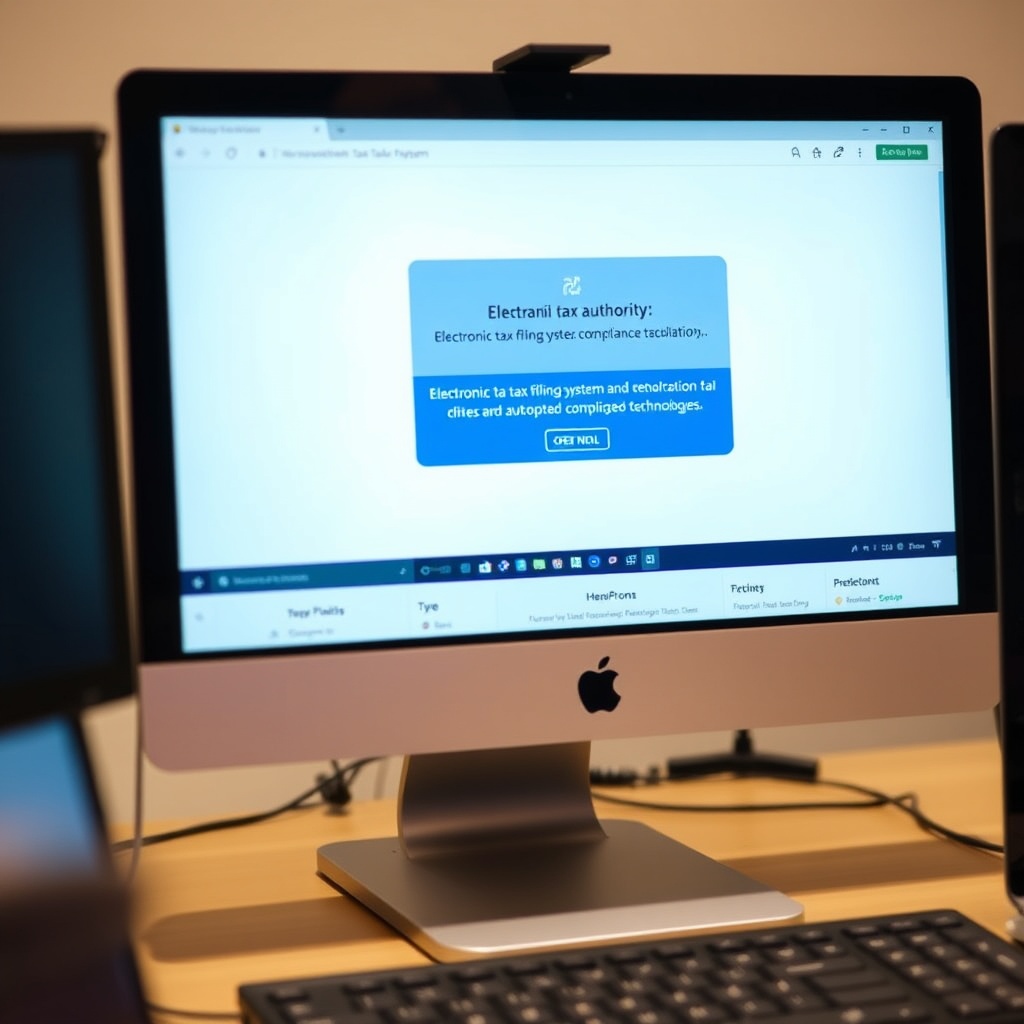
We’ve fully integrated with Finland’s advanced e-taxation systems that represent the global gold standard for digital tax compliance. The Finnish Tax Administration’s online platforms provide seamless filing, payment, and communication capabilities that dramatically reduce administrative burdens for technology companies. These digital systems offer real-time processing, immediate confirmation, and sophisticated data analytics that help companies maintain perfect compliance while minimising resource allocation to tax administration.
Our team leverages these platforms to provide clients with proactive compliance management and strategic insights. The system’s API connectivity allows integration with corporate ERP systems, enabling automated data transfer and reducing manual intervention. This digital infrastructure represents a significant competitive advantage for Finnish tech companies operating in the global marketplace where tax compliance complexity often creates operational friction.
Automated Compliance Solutions
We implement automated compliance solutions that harness Finland’s digital tax infrastructure to create efficiency advantages for technology companies. Our systems automatically track transactions, calculate tax liabilities, and generate compliance documentation with minimal human intervention. This automation reduces error rates, improves accuracy, and allows finance teams to focus on strategic activities rather than routine compliance tasks.
Our compliance technology integrates with clients’ operational systems to provide real-time tax position monitoring and forecasting capabilities. We’ve developed algorithms that predict tax liabilities based on business activity patterns, enabling better cash flow management and strategic planning. The automated approach transforms tax compliance from a reactive burden into a strategic advantage for technology companies scaling their operations.
Digital Reporting Requirements
We ensure clients meet Finland’s evolving digital reporting requirements that mandate electronic submission of financial and tax information. The system requires standardised data formats and real-time or near-real-time reporting for certain transactions, particularly VAT and payroll-related information. These requirements create opportunities for companies with sophisticated digital capabilities while posing challenges for those with legacy systems.
Our advisory helps technology companies implement systems that not only meet compliance requirements but also generate valuable business intelligence from tax data. We help clients structure their data management processes to extract strategic insights from compliance activities. The digital reporting framework ultimately drives better business decision-making through improved data quality and accessibility.
Comparative Analysis with Nordic Neighbors
Sweden vs Finland Tech Tax Policies
We’ve discovered Sweden’s approach differs significantly from our Finnish model, particularly regarding tax structuring for multinational tech corporations. While both nations maintain progressive taxation, Sweden offers more generous R&D credits but imposes higher corporate rates. Finland’s system prioritises social equity through redistribution mechanisms that ensure technology wealth benefits all citizens. This creates a more balanced ecosystem where innovation drives societal progress rather than concentrating wealth.
Our analysis reveals Finland’s technology taxation framework better integrates social welfare considerations compared to Sweden’s more market-oriented approach. We maintain competitive corporate rates while ensuring tech companies contribute fairly to public services and infrastructure. This balanced strategy has proven effective in attracting investment while maintaining our world-class education and healthcare systems that ultimately support the tech sector’s talent pipeline.
Norwegian Oil Fund vs Finnish Tech Focus
Norway’s sovereign wealth fund approach contrasts sharply with our technology-focused economic strategy. While they leverage oil revenues for future generations, we’ve built our prosperity through technological innovations and intellectual property development. Our taxation system encourages research and development rather than resource extraction, creating sustainable long-term growth that doesn’t depend on finite natural resources.
We’ve observed that Finland’s tech-centric model generates more diverse economic opportunities across various sectors compared to Norway’s resource concentration. Our taxation policies actively support startups and scale-ups through favourable treatment of venture capital investments and equity compensation. This creates a vibrant ecosystem where technological advancement drives broader economic transformation rather than relying on commodity price fluctuations.
Danish Flexicurity Model Comparisons
Denmark’s flexicurity model offers interesting parallels to our social equity approach in technology taxation. Both systems emphasise worker protection and social safety nets, but we’ve integrated these principles directly into our tech sector policies. Our taxation ensures that technology companies contribute to comprehensive social security systems that support workers during industry transitions.
We’ve found that Finland’s approach provides more stability for tech professionals through progressive income taxation and robust social benefits. While Denmark offers flexibility in labour markets, our system ensures that technological advancement doesn’t come at the expense of worker security. This creates an environment where innovation thrives alongside social protection, making Finland an attractive destination for global tech talent.
Future Trends in Technology Taxation
AI and Automation Tax Implications
We’re preparing for significant shifts in taxation as artificial intelligence transforms business models and workforce dynamics. Our current framework anticipates the need for new revenue streams as automation changes employment patterns. We’re exploring innovative approaches to ensure that AI-driven productivity gains contribute fairly to public finances while maintaining incentives for technological advancement.
The emergence of AI presents both challenges and opportunities for our taxation system. We’re developing policies that address potential job displacement while capturing value from automated systems. This includes considering digital service taxes on AI platforms and ensuring that multinational tech companies pay their fair share regardless of their physical presence in Finland.
Cryptocurrency and Blockchain Taxation
We’re at the forefront of developing comprehensive taxation frameworks for digital assets and blockchain technologies. Our approach balances innovation encouragement with proper regulatory oversight, ensuring that cryptocurrency transactions are properly tracked and taxed. We’ve implemented clear guidelines for crypto mining operations and digital asset trading to maintain tax compliance.
Our taxation authorities are leveraging blockchain technology themselves to improve efficiency and transparency in tax collection. We’re exploring smart contract applications for automated tax payments and real-time reporting. This positions Finland as a leader in both adopting emerging technologies and developing appropriate regulatory frameworks that support rather than stifle innovation.
Remote Work Tax Challenges
The rise of remote work presents complex jurisdictional issues for technology taxation that we’re actively addressing. We’re developing clear guidelines for companies with distributed teams across multiple countries, ensuring proper tax allocation and compliance. Our approach prioritises simplicity and fairness while maintaining Finland’s competitive position in the global talent market.
We’re implementing digital solutions to handle the administrative complexities of remote work taxation, including automated withholding systems and cross-border compliance tools. This ensures that both employers and employees can navigate the tax implications of flexible work arrangements without excessive bureaucratic burden. Our goal is to make Finland the most attractive jurisdiction for remote tech workers.
Implementation Strategies for Tech Companies
Tax Optimization Best Practices
We recommend that technology companies fully leverage Finland’s R&D tax credit system and innovation incentives. Proper documentation of qualifying activities is essential for maximising benefits while maintaining compliance. Companies should engage early with tax authorities to ensure their structures align with both Finnish regulations and international standards.
Effective tax planning involves understanding the interplay between corporate taxation, VAT on digital services, and employee compensation structures. We advise companies to integrate tax considerations into their business strategy from inception rather than treating them as an afterthought. This proactive approach can significantly enhance profitability while ensuring full regulatory compliance.
Compliance Management Systems
Implementing robust compliance systems is crucial for technology companies operating in Finland’s sophisticated tax environment. We recommend automated solutions that handle real-time reporting requirements and digital documentation. These systems should integrate with financial management platforms to ensure seamless data flow and reduce administrative burdens.
Regular training for finance teams on evolving tax regulations helps prevent costly compliance errors. We suggest establishing clear internal controls and audit trails specifically designed for technology sector transactions. This includes proper treatment of intellectual property transfers, cross-border payments, and digital service taxation.
Strategic Tax Planning Frameworks
Developing comprehensive tax strategies requires understanding both current regulations and anticipated future changes. We help companies structure their operations to optimise tax efficiency while maintaining flexibility for regulatory evolution. This includes considering location strategies, intellectual property holding structures, and transfer pricing arrangements.
Successful tax planning balances short-term benefits with long-term sustainability. We emphasise the importance of maintaining good relationships with tax authorities through transparent reporting and proactive communication. This approach not only ensures compliance but also positions companies favourably for any future audits or inquiries.
Frequently Asked Questions
How does Finland’s tech taxation compare to other Nordic countries?
Finland maintains a unique balance between competitive corporate rates and strong social equity provisions. Unlike Sweden’s higher rates or Norway’s resource focus, our system specifically supports technology innovation through R&D credits while ensuring fair wealth distribution. We’ve created an ecosystem where tech companies thrive while contributing to comprehensive social welfare systems.
What are the key benefits for tech startups in Finland?
Startups benefit from favourable tax treatment of venture capital investments, R&D credits, and equity compensation. Our system provides tax exemptions during early growth phases and progressive scaling of obligations. This supportive environment combined with our world-class education system creates ideal conditions for technology innovation and business development.
How does Finland handle cryptocurrency taxation?
We’ve established clear guidelines for digital asset taxation, treating cryptocurrency similarly to traditional assets for capital gains purposes. Mining operations face specific reporting requirements, and we’re implementing blockchain-based solutions for compliance. Our approach aims to encourage innovation while ensuring proper tax collection from this emerging asset class.
What support exists for tech companies navigating international tax issues?
Finland offers comprehensive guidance on global tax strategies through dedicated government services and expert networks. We provide assistance with transfer pricing, double taxation agreements, and BEPS compliance. Companies can access specialised advisors who understand both Finnish regulations and international tax frameworks.
How are remote workers taxed in Finland’s tech sector?
Remote workers follow standard income tax rules based on residency and physical presence. We’ve developed clear guidelines for companies employing distributed teams, including simplified withholding systems and digital compliance tools. Our approach ensures fair taxation while maintaining Finland’s attractiveness for global tech talent seeking flexible work arrangements.
