
Energy asset management is crucial for the effective operation and optimisation of assets within the energy sector. It involves using technological tools and strategies to increase efficiency, reduce costs, and enhance sustainability. With the rising demands for energy and the need for greener practices, mastering energy asset management is more important than ever.
- Key Takeaways
- Fundamentals of Energy Asset Management
- Energy Asset Management Strategies
- Technological Integration in Asset Management
- Optimising Asset Performance and Productivity
- Sustainability and Environmental Compliance
- Economic Aspects of Energy Management
- Collaboration and Stakeholder Engagement
- Challenges and Future Trends
- Frequently Asked Questions

As the industry evolves, integrating technology plays a pivotal role in managing and improving the productivity of energy assets. Companies leverage real-time data analytics and digital platforms to monitor use and minimise downtime. This approach not only supports operational efficiency but also aligns with environmental goals by ensuring compliance with sustainability standards.
In this dynamic field, staying ahead requires a blend of innovative strategies, stakeholder collaboration, and a focus on future trends. Organisations committed to adopting these practices can achieve both economic success and a sustainable future in the energy sector.
Key Takeaways
- Energy asset management optimises efficiency and sustainability.
- Technology and data analytics are crucial for managing assets.
- Aligning strategies with sustainability goals ensures compliance.
Fundamentals of Energy Asset Management
Energy asset management involves overseeing and optimising energy resources for efficiency and cost-effectiveness. This encompasses understanding energy assets, setting clear goals, and integrating key components into a cohesive management plan.
Defining Energy Assets
Energy assets refer to all the resources and facilities an organisation uses for energy production, storage, and distribution. These include solar panels, wind turbines, storage batteries, and energy management systems. Managing these assets requires a comprehensive approach that considers both physical and digital components. Effective management ensures these assets operate at optimal levels, reducing downtime and maintenance costs. An understanding of regulatory requirements and environmental considerations is also crucial for responsible management of these assets, ensuring sustainability and compliance with industry standards.
No spam - just the latest insights!
Join over 30,000 industry professionals who subscribe for free






Get exclusive early
access before the official launch
Hear directly from the Big Four advisory firms and leading international law firms on emerging issues
- with our authors given full editorial independence to address the topics that truly matter in each jurisdiction
Goals and Benefits
The primary goals of energy asset management revolve around maximising efficiency, reducing costs, and ensuring sustainability. By managing energy assets effectively, organisations can lower operational expenses and improve their carbon footprint. This process involves setting performance benchmarks, tracking energy consumption, and identifying areas for improvement. Real-time data analytics can provide insights that help in predicting potential problems before they become significant issues. Achieving these goals can enhance the overall value chain by streamlining operations and improving the reliability of energy supply.
Key Components
Key components of energy asset management include technology, data analytics, and preventive maintenance. Technology plays a pivotal role, with systems designed to monitor and control asset performance. Implementing advanced data analytics helps organisations make informed decisions based on real-time performance metrics. Preventive maintenance strategies are essential to maintain asset health, minimising unexpected downtimes. By integrating these components, energy companies can optimise asset performance and align with business objectives. Moreover, this approach supports the energy transition by enabling a more sustainable and efficient use of resources, contributing to an overall improvement in energy management practices.
Energy Asset Management Strategies
Energy asset management involves effective strategies to maintain and extend the lifespan of assets. Key areas include maintenance practices, which reduce costs and improve reliability, and lifecycle management for optimal asset use.
Maintenance and Servicing
A reliable maintenance strategy is vital for energy assets to function efficiently. Incorporating preventive maintenance helps address issues before they lead to significant problems. This involves scheduled inspections and regular servicing to keep assets running smoothly.
Predictive maintenance uses data analytics and sensor technologies to anticipate failures. By predicting when maintenance is necessary, downtime can be minimised, saving both time and costs. This method relies on real-time monitoring and analytics-driven insights to make informed decisions.
Implementing a comprehensive maintenance plan ensures assets operate at peak performance. It combines routine checks, advanced technologies, and skilled personnel to achieve long-term efficiency.
Lifecycle Management
Lifecycle management focuses on maximising the lifespan and efficiency of energy assets. It involves assessing asset performance from acquisition to disposal, ensuring they deliver optimal value throughout their useful life.
Key strategies include evaluating asset conditions and implementing upgrades or replacements when necessary. This proactive approach helps mitigate risks related to aging infrastructure and aligns with sustainability goals.
Organisations benefit from a systematic lifecycle approach by reducing energy consumption, improving reliability, and lowering operational costs. Using technology to monitor asset performance aids in identifying any decline early, thus enabling timely interventions.
In summary, careful planning and continuous assessment are integral to effective lifecycle management. These strategies help in extending the operational life of assets while maintaining cost-effectiveness and energy efficiency.
Technological Integration in Asset Management

Technological advancements are transforming asset management in the energy sector. These changes offer enhanced data-driven insights, increased efficiency through artificial intelligence, and improved monitoring capabilities via remote technologies.
Data Analytics and Insights
Data analytics plays a crucial role in asset management by providing valuable insights into performance and potential issues. Using analytics tools, companies can examine large datasets to identify trends and patterns that might not be obvious otherwise. This process helps maintain data integrity and supports strategic decision-making. Data insights allow energy companies to optimise the performance of their assets, reduce costs, and anticipate maintenance needs. This predictive ability helps avoid costly outages and ensures a smoother operation.
Artificial Intelligence and Automation
Artificial Intelligence (AI) enhances asset management by introducing automation to routine and complex tasks. AI systems can “learn” from historical data, predicting equipment failures before they occur. This predictive maintenance minimises downtime and lowers repair costs. Additionally, automated processes driven by AI improve efficiency by reducing human error. As a result, energy companies are better equipped to handle fluctuations in demand and ensure consistent service delivery, enhancing customer satisfaction and operational reliability.
Remote Monitoring and IoT
Remote monitoring using the Internet of Things (IoT) provides real-time data on the condition and performance of assets. Smart meters and sensors are vital components in this setup, offering continuous monitoring of various parameters like voltage, temperature, and usage. This constant stream of data enables operators to track asset health and respond swiftly to any issues. IoT systems also facilitate better communication between different assets, ensuring a coordinated and efficient energy distribution network. This approach is essential for maintaining service quality and reliability in modern energy systems.
Optimising Asset Performance and Productivity
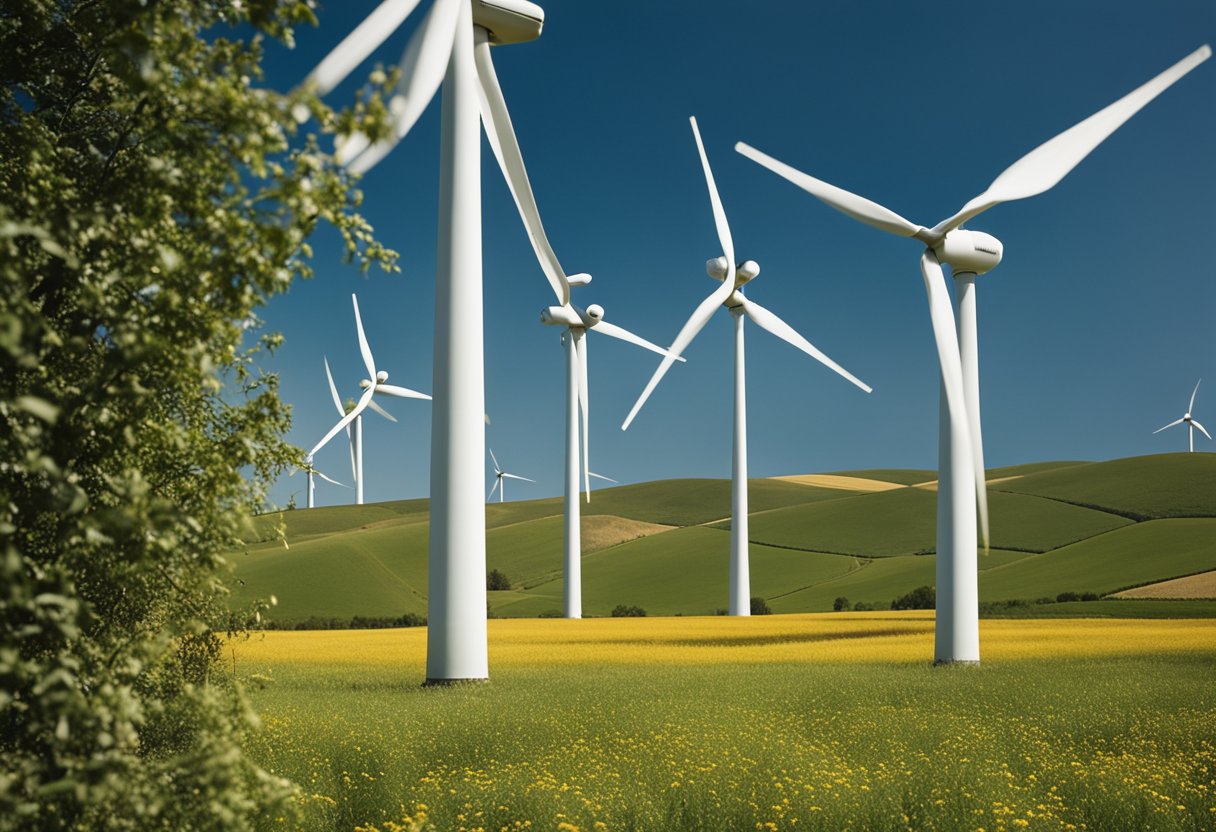
Optimising energy assets involves focusing on specific metrics and enhancement techniques. By understanding key performance indicators and leveraging modern strategies, companies can maximise efficiency and productivity.
Asset Performance Metrics
Asset performance metrics are crucial for evaluating how well energy assets are functioning. These metrics can include availability, utilisation rates, and energy production efficiency. Utilising such metrics helps in gathering performance insights which aid in decision-making.
Key performance indicators (KPIs) like downtime, maintenance costs, and energy output play a vital role. The use of asset management solutions allows companies to track these indicators effectively. By monitoring these KPIs, businesses can quickly identify areas needing improvement.
Regular data collection and analysis are essential. Real-time analytics help in providing timely insights which enable proactive maintenance and optimisation. This approach ensures assets run smoothly and efficiently.
Productivity Enhancement Techniques
Productivity can be enhanced through several modern techniques. Implementing predictive maintenance reduces unexpected downtime and extends asset life, leading to more efficient operations. Automating routine tasks can further increase productivity by allowing personnel to focus on strategic activities instead.
Energy efficiency initiatives are vital. By integrating renewable solutions, energy usage is optimised, supporting sustainability goals. Employing digitisation and IoT can improve real-time monitoring and control, offering detailed insights into system performance.
Leveraging external expertise through third-party data sources enhances transparency and informs decision-making. This approach provides a clearer understanding of how energy assets can be optimised for maximum productivity.
Sustainability and Environmental Compliance
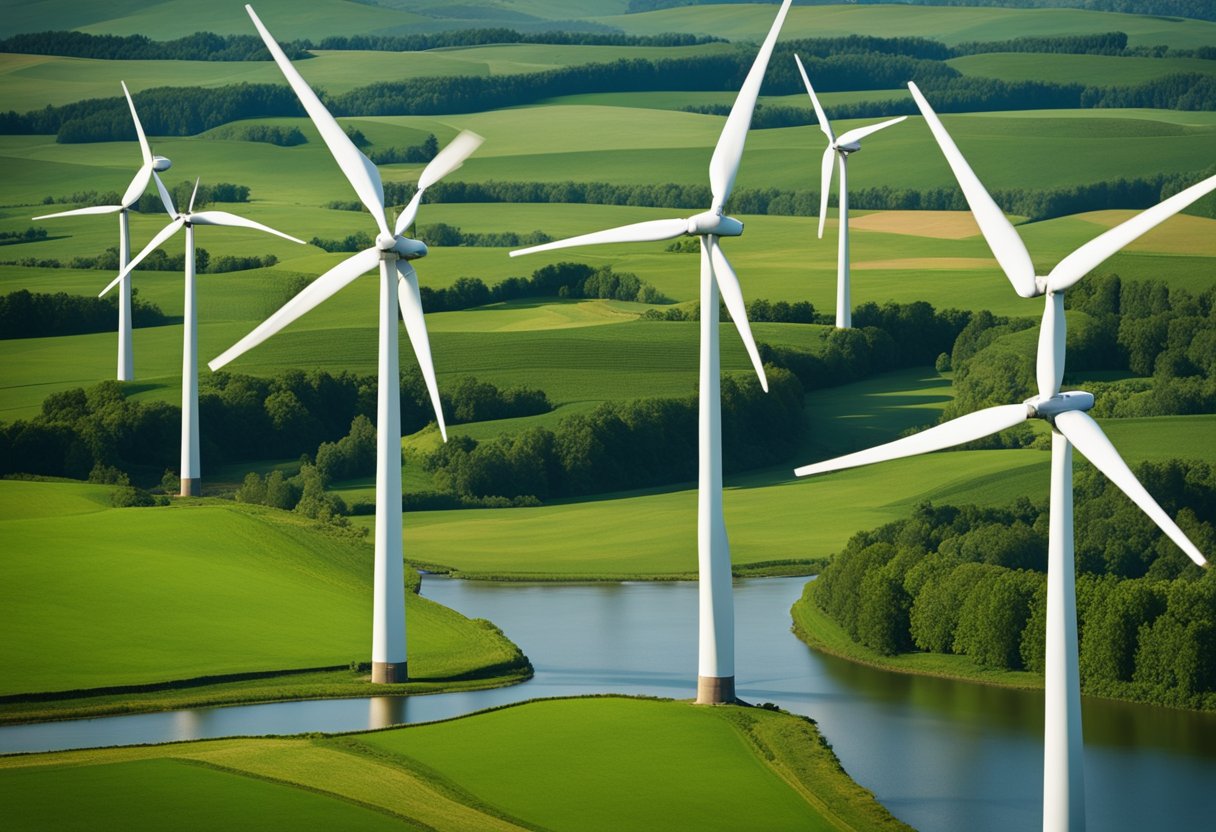
In energy asset management, sustainability and environmental compliance are crucial. Companies must adhere to regulations to reduce carbon and greenhouse gas emissions while integrating ESG considerations into their strategies. This ensures long-term stability and legal compliance in the ever-changing regulatory environment.
Regulatory Compliance Measures
Energy asset managers are compelled to meet stringent regulations aimed at reducing carbon and greenhouse gas emissions. These regulations vary by region but often require regular monitoring and reporting of emissions data. Compliance helps avoid penalties and reinforces commitment to environmental responsibility.
Incorporating measures like energy-efficient technologies and sustainable practices can significantly aid in meeting these requirements. By staying abreast of policy changes, companies can align their practices with current standards, fostering public trust and contributing to decarbonisation efforts. Effective compliance is not merely about obligation; it fosters innovation in reducing environmental impact.
Environmental, Social, and Governance (ESG) Considerations
Integrating ESG factors into energy asset management is pivotal for aligning business practices with sustainability goals. ESG considerations encompass a wide range of issues, from reducing carbon emissions to enhancing social impact and ensuring transparency in corporate governance.
Asset managers are recognising the importance of ESG by incorporating these considerations into investment decisions and operations. This is due, in part, to growing pressure from investors and regulators who expect greater transparency and accountability. By prioritising ESG, companies can mitigate risks and seize opportunities for sustainable growth. The focus on ESG not only bolsters reputation but also improves long-term performance and regulatory compliance.
Economic Aspects of Energy Management

Understanding the economic aspects of energy management is crucial for organisations aiming to optimise costs and enhance profitability. This involves managing energy costs, investing in renewable energy sources, and implementing sound financial planning and budgeting.
Managing Energy Costs
Energy costs are a significant portion of a company’s operating expenses. Companies can reduce these costs by adopting energy-efficient technologies and practices. Regular maintenance of equipment ensures optimal performance and prevents unnecessary consumption. Implementing real-time data analytics helps monitor energy usage trends, allowing for strategic adjustments.
Energy storage solutions also play a role in cost management by reducing reliance on peak-demand electricity. Companies can leverage storage systems to use energy generated during off-peak hours, decreasing the overall cost of energy consumption.
Investment in Renewable Energy Sources
Investing in renewable energy sources like solar and wind power provides long-term economic benefits. Renewable energy can help companies lower energy costs over time, providing a reliable and sustainable source of power. This investment often requires substantial initial capital, but the potential savings in fuel and operational costs can be significant.
In addition, governments often offer tax incentives and subsidies for adopting renewable energy, which can offset some investment costs. By integrating renewable sources, companies not only contribute to environmental sustainability but also enhance their energy independence.
Financial Planning and Budgeting
Efficient financial planning and budgeting are essential for successful energy management. A structured budget allows for precise allocation of resources toward energy projects, including installation, maintenance costs, and upgrades. Companies should conduct a techno-economic analysis to evaluate the financial viability of energy projects.
Financial tools such as cost-benefit analysis support decision-making by highlighting potential savings and returns on investment. Proper budgeting also involves forecasting future energy prices, helping organisations prepare for potential cost fluctuations. This fosters resilience in financial operations and ensures a steady path towards sustainability.
Collaboration and Stakeholder Engagement
Effective collaboration and stakeholder engagement are crucial for successful energy management solutions. Strong team dynamics and clear communication are vital to ensure projects run smoothly and meet their objectives. Let’s explore how these elements play a role in energy asset management.
Cross-Functional Team Dynamics
Cross-functional teams bring together diverse expertise, which is essential for tackling complex energy projects. Each member contributes unique skills and perspectives, enhancing problem-solving and innovation.
Team dynamics hinge on trust and mutual respect. Members should have clearly defined roles to avoid confusion and overlap. Regular meetings and updates keep everyone aligned with project goals. Decisions benefit from diverse input, leading to more robust energy management solutions. The integration of different sectors ensures projects are adaptable and resilient.
Stakeholder Communication
Stakeholder communication is a cornerstone of effective energy asset management. Clear, open communication ensures that all stakeholders, from investors to local communities, understand the project’s aims.
Regular updates and feedback loops are vital. They help address concerns promptly and maintain trust. Involving stakeholders early allows for input that can shape project decisions and outcomes. Engaging with stakeholders through various platforms, such as public meetings and digital forums, ensures that diverse voices are heard. This inclusive approach builds stronger support for energy initiatives and fosters a collaborative environment.
Challenges and Future Trends
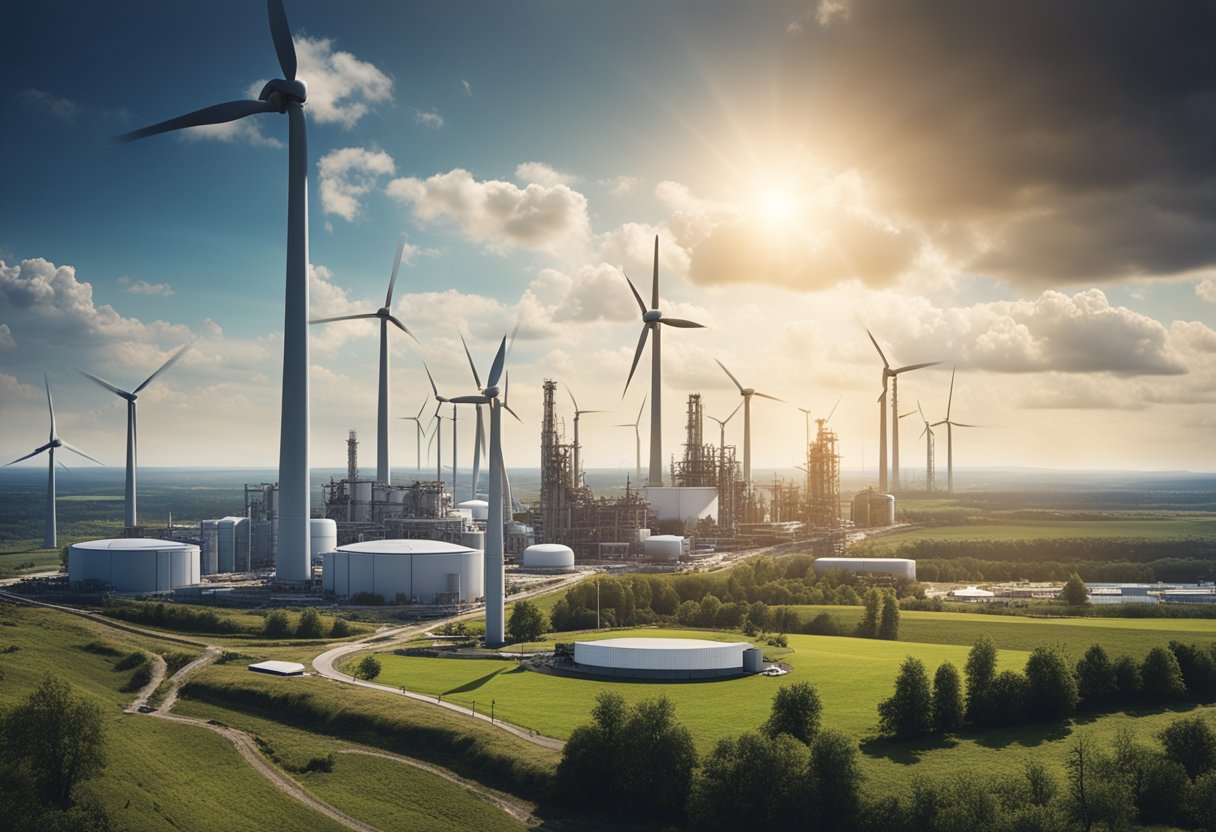
Energy asset management faces significant challenges and opportunities. Market fluctuations, technological advancements, and the global shift towards cleaner energy sources are key factors shaping the future. This section explores these themes in the context of the energy sector.
Navigating Market Volatility
Market volatility in the energy sector presents a considerable obstacle. Fluctuations in prices, driven by geopolitical tensions and supply-demand imbalances, impact profitability. Companies must adopt flexible strategies to manage these changes.
Firms often resort to hedging and diversifying portfolios to mitigate risks. Adapting quickly to changing circumstances is crucial as political events or natural disasters can shift market dynamics overnight.
Regulatory frameworks add another layer of complexity. Compliance with changing laws demands continuous monitoring and adjustments to strategies. Energy companies need robust monitoring systems to keep track of these changes.
Innovation and Future Developments
Technological innovation plays a pivotal role in transforming energy asset management. With advancements in IoT and AI, companies can optimise operational efficiency. Predictive maintenance is one example where sensors and AI predict equipment failures, reducing downtime and costs.
Companies are also moving towards digital twins, providing virtual models of physical assets. This enhances decision-making and planning processes. Blockchain technology is streamlining transactions and improving transparency in energy trading.
Adoption of such technologies is critical to remain competitive. Continued investment in research and development allows firms to harness these tools for improved performance.
The Role of Energy Transition
The energy transition is a defining challenge and opportunity for the sector. Moving from fossil fuels to renewable sources is a priority, driven by climate goals and public demand. Strategies must integrate sustainability into asset management.
Investment in renewable energy sources like solar and wind is essential. Companies are committing to net-zero targets, compelling them to reshape portfolios significantly.
Government policies are accelerating this shift by offering incentives for clean energy projects. Energy firms must align their strategies with these policies to stay ahead. The transition demands innovative approaches and significant capital investment to successfully navigate the evolving landscape.
Frequently Asked Questions
Energy asset management plays a crucial role in maintaining and optimising energy resources. It focuses on both traditional and renewable assets, requiring specific skills and qualifications. Current trends highlight technological advancements and increased hiring needs.
Asset management in the energy industry focuses on maximising the efficiency and lifespan of both physical and digital assets. It ensures energy production, distribution, and consumption are optimised to reduce costs and improve sustainability.
Renewable energy asset management often deals with solar, wind, and other renewable sources. These require different strategies compared to traditional fossil fuels. Key differences include variability in energy output and the need for specialised monitoring to maintain efficient and sustainable energy production.
Effective energy management includes strategic planning, performance monitoring, and risk assessment. Integrating data and technology helps in decision-making, ensuring assets are used efficiently across their lifecycle.
A career in energy asset management usually requires a background in engineering, environmental science, or business management. Additional certifications in energy management and familiarity with digital tools are also beneficial for advancing in this field.
Companies assess the value of their energy assets by evaluating their operational efficiency, lifespan, and contribution to overall energy production. Techniques like asset performance management and financial modelling are commonly used.
Current trends show a growing demand for experts in energy asset management. Companies are investing in professionals skilled in using digital technologies to optimise renewable and traditional energy assets, reflecting the industry’s shift towards sustainability.
