
Adopting technology in asset management is essential for enhancing efficiency and accuracy. Asset management firms continuously look for ways to optimise their operations. Today’s digital solutions enable organisations to streamline processes and improve decision-making by utilising tools like IoT, cloud platforms, and AI-driven analytics.
- Key Takeaways
- Understanding Asset Management
- Technology Integration
- Data-Driven Asset Management
- Predictive and Preventive Maintenance Techniques
- Innovations in Asset Monitoring
- Management Strategy and Organisational Impact
- Optimisation of Operations
- Regulatory Compliance and Risk Management
- Conclusion
- Frequently Asked Questions

Technological advancements offer significant benefits, from improved asset tracking to reduced costs and better data management. For instance, automation tools simplify manual tasks such as data entry and reconciliation, freeing up valuable time for employees to focus on strategic initiatives. More so, predictive and preventive maintenance techniques help in identifying potential issues before they become costly problems.
By integrating these technologies, companies can better monitor and control their asset use, leading to overall improved performance. Adopting innovative solutions is not just about staying competitive; it’s about driving long-term growth and sustainability in an increasingly tech-driven world. Discover how these tools can transform your asset management strategy and achieve unparalleled efficiency.
Key Takeaways
- Technology enhances efficiency and accuracy in asset management.
- Predictive and preventive maintenance are crucial for cost savings.
- Effective tech integration leads to better decision-making and performance.
Understanding Asset Management
Asset management involves managing investments and assets to achieve specific financial goals. It has evolved with technology, increasing efficiency and accuracy.
Principles of Effective Asset Management
Effective asset management relies on clear goals, thorough planning, and consistent monitoring. Setting clear objectives helps in aligning investment strategies.
Planning involves assessing risks, allocating assets, and diversifying investments. Asset allocation balances between different asset types like stocks, bonds, and real estate to manage risk and return.
Ongoing monitoring ensures that investments perform as expected. Adjusting strategies based on performance data and market changes is crucial. Compliance with regulations is also vital to avoid legal issues.
No spam - just the latest insights!
Join over 30,000 industry professionals who subscribe for free






Get exclusive early
access before the official launch
Hear directly from the Big Four advisory firms and leading international law firms on emerging issues
- with our authors given full editorial independence to address the topics that truly matter in each jurisdiction
Role of Technology in Asset Management
Modern asset management leverages technology to improve processes and decision-making. Artificial Intelligence (AI) and data analytics provide insights for better investment choices.
Cloud-based systems allow for real-time data access and collaboration. Internet of Things (IoT) and RFID help in asset tracking and inventory management.
Automation in routine tasks like reporting and compliance reduces human error and increases efficiency. Low-code platforms enhance scalability and agility, providing better service to clients.
Generative AI is also transforming client interactions and operational processes.
Evolution of Asset Management Practices
Historically, asset management has transitioned from manual processes to sophisticated digital platforms. The integration of technology has streamlined operations considerably.
In the past, asset management relied heavily on manual entry and paper records, leading to inefficiency and errors. The adoption of digital platforms and data analytics marked a significant shift.
Technological innovation continues to reshape the industry. For example, RFID and IoT enhance asset tracking, while cloud platforms enable better management of information.
Automated processes and AI-driven analytics offer new ways to maintain and optimise assets. This evolution has made asset management more proactive, predictive, and efficient.
Technology advancements remain crucial for staying competitive.
Technology Integration
Integrating technology in asset management helps businesses increase efficiency and accuracy. Key areas of focus include asset management software, cloud computing, and the use of advanced technologies like AI and IoT.
Implementing Asset Management Software
Asset management software helps companies keep track of their assets efficiently. It automates tasks such as maintenance scheduling, asset tracking, and compliance management. This reduces human errors and increases productivity.
By using asset management software, companies can monitor asset lifecycle and improve decision-making. Tools like RFID and barcode scanning allow real-time updates and accurate data collection. Additionally, the software enables better forecasting and planning by analysing historical data.
Having a centralised system allows teams to collaborate more effectively. Everyone has access to the same information, which reduces miscommunication and improves overall efficiency. Moreover, integrating this software with existing systems helps streamline operations, ensuring a smoother workflow.
Cloud Computing and Asset Management
Cloud computing brings flexibility and scalability to asset management. It allows businesses to store and access data from anywhere, which is particularly useful for large or distributed teams. Cloud-based systems also offer enhanced data security and disaster recovery options.
One of the biggest benefits of cloud computing is its scalability. Companies can easily adapt to changing needs without significant infrastructure investment. This means they can handle more assets and data as they grow.
Using cloud computing, asset managers can integrate various data sources seamlessly. This helps in creating a comprehensive view of asset performance. Business intelligence tools can then analyse this data for actionable insights.
Advanced Technologies for Asset Management
Advanced technologies like AI, IoT, and machine learning are transforming asset management. These technologies provide deep insights into asset usage and performance. For example, AI-driven analytics can predict failures before they happen, reducing downtime and maintenance costs.
IoT-enabled systems offer real-time data collection and monitoring. This helps in ensuring that resources are utilised optimally. Predictive analytics, powered by machine learning, enhances the ability to forecast future trends and maintenance needs.
Innovation in sensor technology is another aspect that is making a significant impact. Sensors can provide minute-by-minute status updates, which improves precision in asset management. Integrating these technologies leads to better decision-making and increased overall asset efficiency.
Data-Driven Asset Management
Data-driven asset management focuses on using data to optimise asset performance, streamline decision-making processes, and ensure robust data management and security practices.
The Role of Data in Asset Performance
Data plays a crucial role in enhancing asset performance. By collecting real-time data, companies can monitor asset conditions and predict maintenance needs. This minimises downtime and maximises efficiency. Data-driven approaches also help in identifying underperforming assets and improving their performance. Firms like Accenture suggest that becoming truly data-driven requires linking a data strategy to clear outcomes and prioritising data as a strategic asset.
Advanced data collection techniques, such as sensors and IoT, enable continuous monitoring. This allows for immediate adjustments, improving overall productivity. By leveraging technological tools, companies can gain valuable insights into their assets’ operational status, leading to better performance and cost savings.
Leveraging Data Analytics for Decision-Making
Data analytics transforms raw data into actionable insights. In asset management, analytics can forecast future trends, assess risk, and support strategic decisions. For instance, machine learning algorithms can analyse historical data to predict equipment failures, allowing preemptive maintenance.
Using data analytics, organisations can optimise resource allocation and enhance productivity. Real-time analytics enable quick decision-making, making operations more efficient. Companies like Accenture note that embedding AI and machine learning at the core of asset management allows firms to innovate and maintain a competitive edge.
Moreover, integrating various data sources, such as financial and operational data, provides a comprehensive view. This holistic approach aids in making informed decisions, improving both short-term and long-term asset management strategies.
Data Management and Security
Proper data management and security are essential for successful asset management. Effective data management involves organising, storing, and retrieving data efficiently. This ensures data integrity and accessibility when needed. Technologies like cloud-based systems offer scalability and flexibility, facilitating remote management and collaboration.
Data security is also critical to protect sensitive information from breaches and cyber threats. Implementing robust security measures, such as encryption and access controls, safeguards valuable data. Companies must comply with regulations and industry standards to maintain trust and avoid penalties.
Organisations must invest in secure data management solutions to mitigate risks and ensure data reliability. By doing so, they can maintain operational continuity and enhance the overall efficiency of their asset management practices.
Predictive and Preventive Maintenance Techniques
Predictive and preventive maintenance techniques significantly improve asset management by reducing unexpected downtime and optimising equipment performance. By leveraging technology like machine learning and condition monitoring, companies can achieve higher operational efficiency and cost savings.
Predictive Maintenance and Asset Health
Predictive maintenance uses data and machine learning to predict when equipment will fail. This approach enables timely interventions before breakdowns occur, thus reducing unplanned downtime. For instance, Deloitte found that predictive maintenance can lead to cost savings of around $300,000 per asset.
Key players in this field include GE, Bosch, and Honeywell. These companies offer solutions that monitor equipment in real-time, providing insights into asset health. By tracking performance metrics like temperature, vibration, and pressure, predictive maintenance systems can identify issues early, allowing for prompt repairs.
Preventive Maintenance Scheduling
Preventive maintenance involves regular, scheduled maintenance activities to prevent equipment failure. Unlike predictive maintenance, which relies on data, preventive maintenance follows a calendar-based schedule. This method can include tasks like inspections, part replacements, and lubrication.
A well-planned preventive maintenance schedule enhances asset longevity and reliability. It ensures that equipment remains in working order, reducing the risk of sudden failures. A structured schedule also allows for minimal disruption to normal operations, as maintenance activities are planned in advance.
Condition Monitoring Systems
Condition monitoring systems are essential for both predictive and preventive maintenance. These systems continuously monitor asset performance, providing real-time data on equipment condition. By utilising sensors and IoT technology, condition monitoring can track variables like temperature, vibration, and pressure.
According to IndustryWeek, the use of condition monitoring systems is growing, especially in North America. These systems enable companies to detect anomalies early, facilitating proactive maintenance. Implementing condition monitoring also supports more accurate predictive analytics, leading to higher operational efficiency.
By combining predictive and preventive maintenance techniques with advanced condition monitoring, businesses can optimise their maintenance strategies, leading to improved asset performance and reduced costs.
Innovations in Asset Monitoring

In asset management, technology plays a crucial role in enhancing efficiency and control. Innovations like IoT, AI, and RFID bring significant improvements in asset tracking, data availability, and performance monitoring.
Internet of Things (IoT) in Asset Tracking
IoT has revolutionised asset tracking. Through IoT sensors, companies can collect real-time data on the location and condition of assets. This data helps in monitoring performance and ensuring optimal asset usage. IoT also enables predictive maintenance by identifying potential issues before they become major problems. This reduces downtime and increases the lifespan of assets.
IoT devices offer seamless integration with cloud platforms, making data more accessible and actionable. Companies can set up alerts for anomalies, ensuring prompt responses to any deviations. Thus, IoT not only enhances visibility but also boosts decision-making capabilities.
Integrating AI for Enhanced Control
Artificial Intelligence (AI) is a game-changer in asset management. By analysing vast amounts of data, AI models can provide insights that improve asset performance and risk management. AI helps in automating repetitive tasks, allowing human resources to focus on more strategic activities. This results in increased operational efficiency.
AI-driven analytics can predict asset failures and optimise maintenance schedules. By using machine learning algorithms, systems can learn from historical data and better forecast future trends. This proactive approach minimises unexpected breakdowns and associated costs. Additionally, AI can enhance security by detecting unusual activities or cyber threats.
RFID and Real-Time Data Access
RFID technology offers significant advantages in real-time data access. It allows for the automatic identification and tracking of assets without line-of-sight requirements. This makes the process much quicker and reduces human error. RFID tags can be attached to almost any asset, providing real-time location data and improving inventory accuracy.
Through RFID, businesses achieve greater transparency and accountability in asset management. The technology provides instant updates on asset status, enabling more responsive supply chain management. Companies can track asset movements, manage stock levels, and streamline operations, thus ensuring that assets are available when needed.
Management Strategy and Organisational Impact

Adopting technology in asset management requires a robust strategy and has a significant organisational impact. Focusing on efficiency, accuracy, communication, and training is crucial to making the most of these advancements.
Cultivating a Culture of Efficiency and Accuracy
Management plays a crucial role in fostering a culture that values efficiency and accuracy. This involves setting clear expectations and providing the right tools and technologies, such as AI, ML, and IoT. These tools enable real-time data retrieval and improve decision-making processes. Additionally, automation of tasks helps to reduce errors and improve overall accuracy.
Implementing regular performance reviews and feedback mechanisms can help to maintain high standards. Employees should be encouraged to take ownership of their tasks, ensuring that accuracy is always a top priority.
Enhancing Communication and Collaboration
Technology enhances communication and collaboration within organisations. Tools like collaborative platforms and instant messaging apps streamline communication between team members. This is essential for maintaining transparency and ensuring that everyone is on the same page.
Management should promote the use of these tools to facilitate better coordination and teamwork. Regular team meetings and update sessions can further improve communication. By leveraging technology, teams can work together more effectively, breaking down silos and ensuring seamless operations.
Training for Technology Adoption
Training is essential for the successful adoption of new technologies. Management must invest in comprehensive training programs that cover all aspects of the technology being implemented. This includes not just the technical aspects, but also how these tools can enhance job performance.
Hands-on training sessions and workshops can help employees become comfortable with new systems. Providing ongoing support and resources is also crucial to address any challenges that arise. A well-structured training program ensures that employees can fully utilise the technology, leading to greater efficiency and accuracy in asset management.
Optimisation of Operations

Efficient operations in asset management are pivotal for achieving maximal value and long-term sustainability. This involves maximising asset utilisation, optimising maintenance schedules, and improving both operational and financial performance.
Maximising Asset Utilisation and Availability
Maximising asset utilisation means ensuring that assets are leveraged to their full potential. This includes careful planning and scheduling to minimise downtime.
Using technologies such as AI, businesses can monitor and predict the performance of assets in real-time. This allows for timely interventions when an asset underperforms or requires maintenance.
Regular audits and assessments are crucial. They help identify underutilised assets or areas where resource allocation can be improved. By increasing asset utilisation, companies can drive cost savings and enhance operational efficiency. Efficiently utilised assets lead to better financial returns, as investments yield maximum productivity.
Optimising Maintenance Schedules
Optimising maintenance schedules ensures that assets are serviced at optimal times, preventing failures and extending asset lifespan. Predictive maintenance, powered by AI and machine learning, analyses data to predict when an asset will need maintenance.
This approach shifts maintenance from a reactive to a proactive stance, reducing downtime and associated costs. Scheduling maintenance during low production periods further minimises impact on operations.
Standardised procedures for maintenance help ensure consistency and thoroughness. Detailed records of past maintenance work and asset performance can guide future scheduling. Companies benefit from reduced unexpected outages and prolonged asset life, resulting in significant cost savings.
Improving Operational and Financial Performance
Improving operational and financial performance hinges on integrating advanced technologies and streamlining processes. Implementing automation and AI drives efficiency by reducing human error and accelerating routine tasks.
Data analytics provide insights into operational bottlenecks and financial performance. By addressing these areas, companies can optimise their operations and boost financial outcomes. Streamlined operations also result in better resource allocation, minimising waste and maximising productivity.
Regularly reviewing operational strategies and financial metrics ensures alignment with business goals. This continuous improvement cycle helps maintain high levels of performance and adaptability, essential in a rapidly changing market landscape. Efficient operations translate into stronger financial health and a competitive edge in asset management.
Regulatory Compliance and Risk Management

Ensuring regulatory compliance and managing risk effectively are critical elements in asset management. These processes can be greatly enhanced by leveraging technology, which aids in navigating complex regulations, assessing risks, and maintaining transparency.
Navigating Asset Management Regulations
Asset management operates in a highly regulated environment. Firms must comply with directives like UCITS and AIFMD. Compliance technology, such as Regulatory Technology (RegTech), helps streamline these processes. It ensures firms can adapt to updates quickly and efficiently. For instance, RegTech tools can automate monitoring and reporting, reducing manual errors.
Technologies like predictive analytics provide insights that help firms stay ahead of regulatory changes. This proactive approach maintains trust with stakeholders and ensures adherence to compliance standards. Additionally, automated systems can handle complex data, ensuring that firms are always equipped with the latest regulatory information.
Risk Assessment and Mitigation Strategies
Risk management is crucial in asset management. Regulatory compliance standards assist in identifying and mitigating risks. Automation plays a key role here, offering tools that enhance accuracy and efficiency in risk assessment. For example, predictive models can forecast potential risks and suggest mitigating actions.
Intelligent automation and analytics can provide a comprehensive view of risk exposure. This enables asset managers to make informed decisions, balancing risk and reward effectively. By implementing robust risk management strategies, firms can safeguard assets and ensure long-term stability.
Furthermore, leveraging technology allows for real-time data analysis, making it easier to respond to risks promptly and effectively.
Transparency and Accountability in Reporting
Transparency and accountability are fundamental for maintaining trust in asset management. Regulatory compliance requires detailed and accurate reporting. Advanced technologies streamline reporting processes, ensuring data integrity and compliance with regulatory standards.
Automation in reporting reduces the chances of human error and ensures timely submission of reports. Technologies like blockchain can also provide a tamper-proof record of transactions, enhancing trust and accountability. Firms that prioritise transparency can build stronger relationships with regulators and stakeholders.
Moreover, consistent and transparent reporting demonstrates a firm’s commitment to ethical practices and regulatory compliance, which is essential for long-term success in asset management.
Conclusion
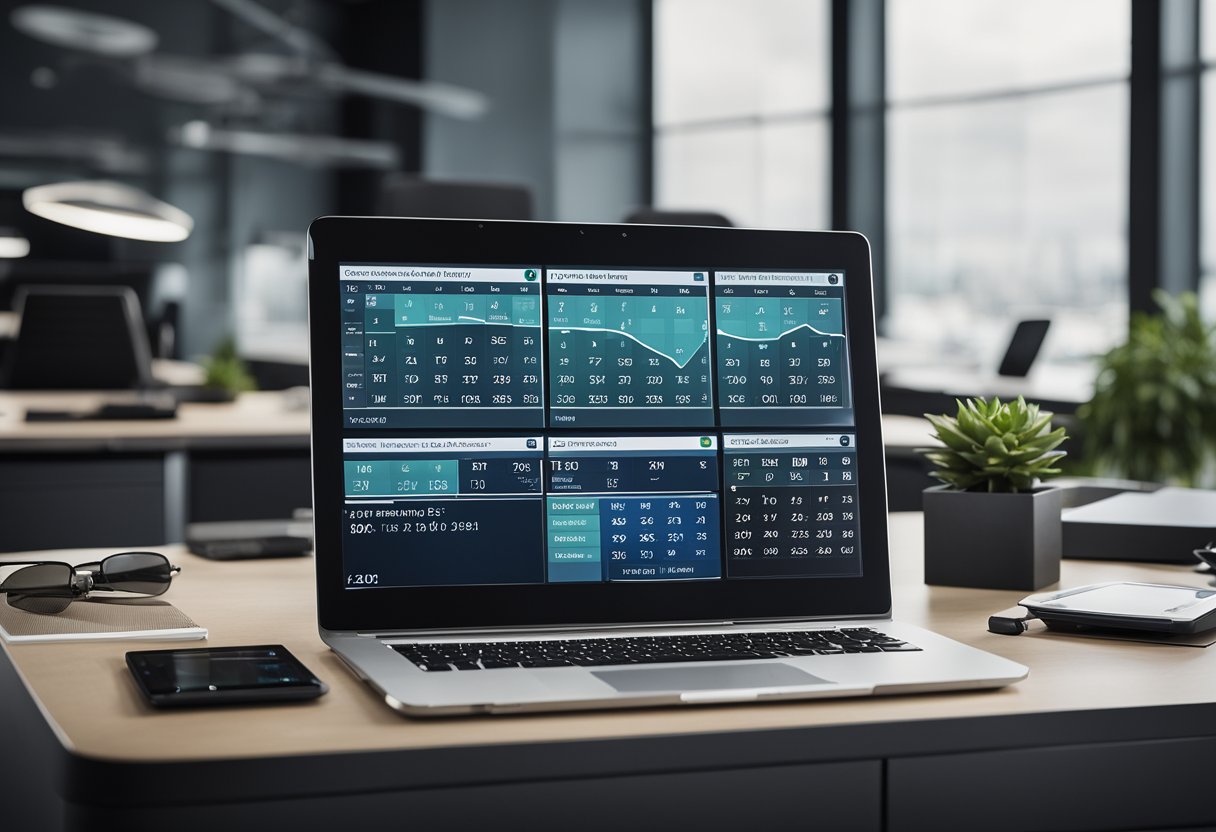
Incorporating technology in asset management is transforming how organisations handle their assets. By integrating RFID, IoT, and cloud-based systems, businesses can see improvements in efficiency and accuracy. These technologies enable better tracking and management of assets, reducing both time and cost.
Future Trends in Asset Management indicate a continued shift towards automation and artificial intelligence. These advancements are expected to make asset management more proactive and predictive, reducing downtime and enhancing maintenance strategies.
Consolidating Technological Advancements is crucial for companies aiming to stay competitive. Combining various technologies, such as data analytics and predictive maintenance, ensures that organisations utilise their resources effectively and make informed decisions.
By staying up-to-date with these trends and leveraging the right technologies, companies can optimise their asset management processes, resulting in better performance and higher returns.
For more detailed insights, refer to the article on the future of asset management and leveraging technology in asset management.
Frequently Asked Questions
This section addresses common questions about how advanced technologies can improve asset management processes. It covers specific tools, their benefits, and practical examples of successful implementations.
Advanced technologies such as RFID, IoT, and AI-driven analytics streamline operations by automating routine tasks. This increases efficiency by reducing manual errors and allows asset managers to focus on more strategic tasks. For example, AI algorithms help analyse vast amounts of data quickly and accurately.
Technology provides asset managers with valuable data and insights that aid in effective decision-making. Advanced analytics tools enable the extraction of actionable intelligence from asset data, which helps in making informed decisions. Technologies like cloud-based systems allow for real-time data access, facilitating quicker and more accurate decision-making.
Key technologies include AI, IoT, RFID, and cloud computing. These tools help improve efficiency, accuracy, and cost-effectiveness. For instance, AI-driven models can optimise portfolios and manage risks, while cloud-based systems enable real-time data access and streamlined operations.
Asset managers use key performance indicators (KPIs) and advanced analytics to measure efficiency. Technologies like AI and IoT provide real-time data and insights that help identify areas for improvement. Regular monitoring and updates based on data analysis ensure ongoing efficiency gains.
RFP management software helps asset management firms streamline and enhance RFP processes. This leads to improved efficiency, accuracy, and higher win rates. By leveraging such software, firms can save time and resources, ultimately achieving sustained business growth, as discussed in effective RFP management.
One successful example is the adoption of AI for portfolio optimisation and risk management. AI algorithms analyse large datasets to provide personalised investment advice. Another instance is the use of RFID technology for asset tracking, which enhances accuracy and reduces manual errors. Real-time data access through cloud systems also demonstrates effective integration.
